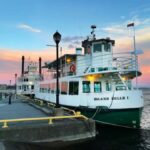
REVIEW · KINGSTON ONTARIO
Kingston: Waterfront Shipwreck Cruise with Guide
Book on GetYourGuide →Operated by Kingston Destination Group · Bookable on GetYourGuide
A shipwreck cruise sounds spooky, but this one’s practical. You get a guided run through Kingston Harbour that turns weather, navigation mistakes, and even treasure-hunting into real, explainable stories, not just ghost lore. I like how the narration is grounded in maritime context, with a guide who uses videos and artifacts to make the wreck sites feel tangible.
The big plus for me is the 90-minute format: it’s long enough to absorb the history and short enough to stay comfortable on the water. You’ll also get views of Kingston’s historic waterfront and the surrounding harbor area as the guide connects what you see above water to what’s waiting below. One thing to consider: the audio can be hit-or-miss, and the shipwreck talk may feel less fun for very young kids.
In This Review
- Key highlights you’ll actually care about
- Kingston Harbour shipwreck stories you can see and understand
- What you’ll do during the 90-minute cruise
- Comet and Wolfe Islander II: the wreck stories that anchor the tour
- The Great Lakes Museum guide: storytelling that connects the dots
- Who this shipwreck cruise suits best (and who might want to skip it)
- Price and value: is $36 a good deal?
- Practical notes: rules, comfort, and what to expect on board
- Should you book the Kingston waterfront shipwreck cruise?
- FAQ
- How long is the shipwreck cruise in Kingston?
- How much does the cruise cost?
- Is the tour guided in English?
- What’s included in the ticket?
- Are food and drinks included?
- Is this cruise wheelchair accessible?
- Are pets allowed on board?
- What’s the cancellation policy?
- Are there any rules about luggage or storage?
Key highlights you’ll actually care about
- Live guidance from the Great Lakes Museum, with clear explanations and local context
- Comet to Wolfe Islander II, with stories spanning older steamships and more recent losses
- Onboard videos and discovered artifacts, used to bring the wrecks to life
- A 90-minute cruise that shows Kingston Harbour scenery while staying focused
- Underwater history framed by forces of nature and human error, not just facts and dates
Kingston Harbour shipwreck stories you can see and understand
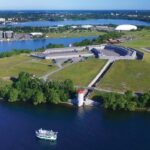
Kingston’s waterfront sits in a working-waterfront kind of place: busy enough to be real, scenic enough to feel story-worthy, and surrounded by water routes that have challenged ships for generations. This 90-minute Kingston shipwreck cruise lets you watch that harbor world from the boat while a guide ties it back to specific vessels that ended up underwater.
What makes this experience click is the way the stories are explained. The shipwrecks aren’t treated like random tragedies. You hear how conditions and decisions combine: weather and water forces, plus the very human mistakes that can happen when visibility drops or timing goes wrong. The tour also touches on the way wrecks become part of local mystery and later investigation, including mentions of treasure hunts tied to what people eventually found.
If you like history that feels connected to everyday reality, this works. It’s not a museum exhibit behind glass. It’s maritime storytelling in motion, with the harbor around you acting like the visual map.
You can also read our reviews of more boat tours in Kingston Ontario
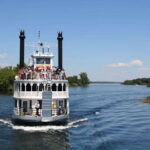

What you’ll do during the 90-minute cruise
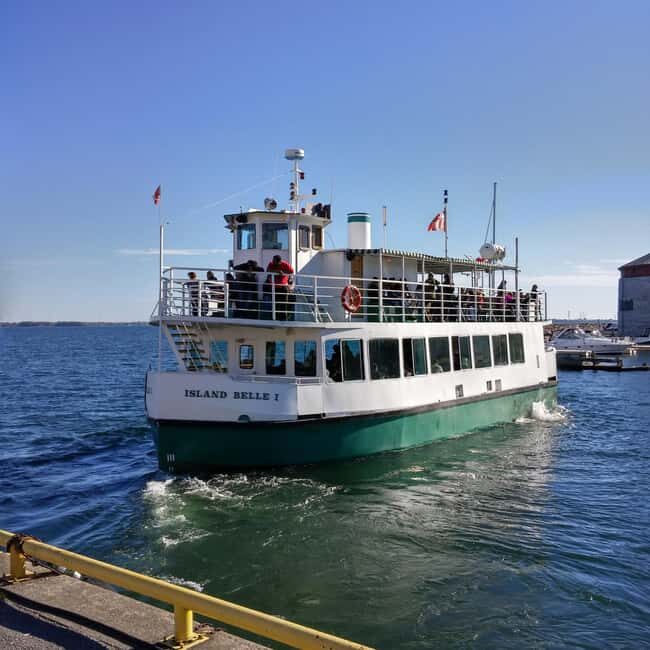
This is a straightforward experience: you set sail, you stay out long enough for real storytelling, and you come back with a clearer mental picture of Kingston Harbour and the wreck sites that shaped it.
Here’s the practical flow of what you’ll likely experience:
- You’ll get live commentary as the boat moves along Kingston’s historic waterfront and nearby harbor scenery.
- The guide will point out wreck-related context and explain what’s notable about each shipwreck story.
- You’ll also see videos of the wrecks and hear how artifacts found by divers over the years connect to the history.
- The total time is about 90 minutes, which is a sweet spot for a guided boat tour.
The boat ride itself is the foundation. Even if the shipwreck portion isn’t perfect for you, the harbor views and the pace still make the outing worthwhile. And because the commentary is tied to what you’re seeing, you’re not stuck listening to a lecture that feels detached from the scenery.
One small tip: treat the cruise like a storytelling class. If you’re the type who likes to follow along with details, you’ll get more out of it. If you tune out easily, it can feel like the narration is doing the heavy lifting.
Comet and Wolfe Islander II: the wreck stories that anchor the tour
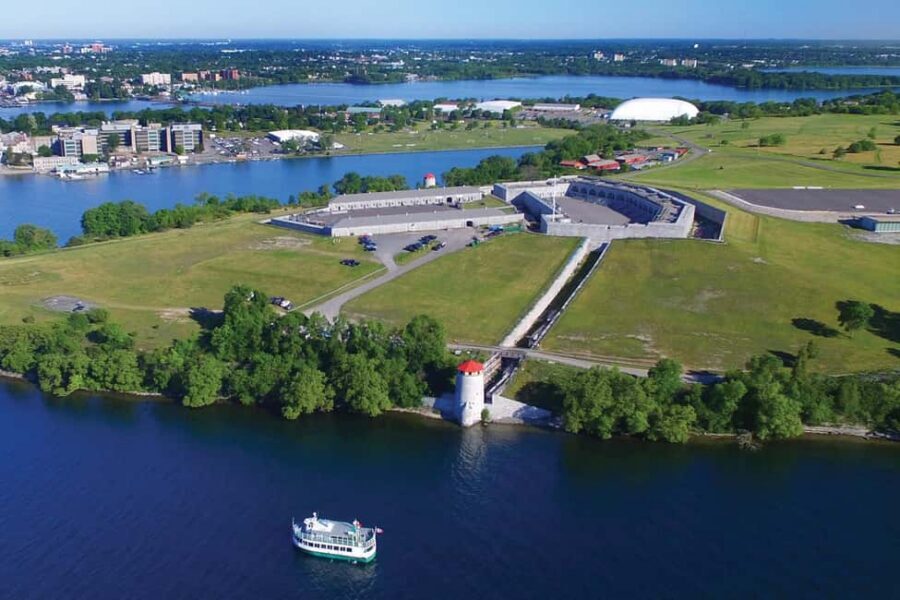
The tour highlights multiple wrecks across different eras, from steamships like the Comet to more recent losses such as the Wolfe Islander II. That mix matters because it prevents the cruise from turning into one-note maritime trivia.
Older ship stories often come with themes you can understand quickly: changes in navigation, difficult harbor conditions, and the reality that ships back then relied on different tools and different margins for error. The Comet connection gives you a way to think about how steam-era vessels faced the harbor challenges of their time.
Then the tour pivots to more recent wrecks like Wolfe Islander II, which helps you see that maritime risk didn’t disappear with modern technology. Instead, the causes shift form—still tied to forces of nature and human error, but in ways that feel more like contemporary lessons than distant legend.
You’ll also hear how wreck sites are uncovered and studied. The guide explains how wrecks get discovered, and how divers and historians interpret what’s left. The tone is usually respectful and scientific—focused on what can be learned from submerged remnants, and why those sites attract both investigation and curiosity.
Why I think this is valuable for you: it turns a “cool story” into a “now I understand the logic” experience. You leave with a mental framework for reading a harbor like Kingston—as a system where weather, routes, decisions, and chance all leave signatures.
The Great Lakes Museum guide: storytelling that connects the dots
This cruise is guided by an expert from the Great Lakes Museum, and you feel it in how the tour is structured. In particular, one guide named Charlie stood out for using videos of the wrecks around the harbor area and sharing artifacts discovered over the years.
That combination—visuals plus physical items—helps most people. If you’re listening to a wreck description without a model or an image, your mind has to build the scene from scratch. With onboard video and artifacts, the tour reduces that mental work and makes the history easier to picture.
Charlie’s approach also highlights a bigger point: the guide isn’t just listing shipwreck names. The commentary aims to explain why wrecks happen and what people later learn from them. That makes the tour more useful than a basic sightseeing cruise where the narration stays general.
One consideration though: the audio system matters here. A couple of experiences reported difficulty hearing the guide due to speaker or mic issues. If you’re sensitive to sound quality, sit where you’ll be closest to the onboard speakers and keep your attention forward when the guide is talking. If something sounds off, don’t suffer through it—ask staff if there’s a better spot.
Who this shipwreck cruise suits best (and who might want to skip it)
This is one of those tours that’s better for certain moods and ages.
Best fit
- Adults who like maritime history and want a guided, understandable explanation
- Older kids and teens who enjoy stories with facts, not just sightseeing
- Anyone who’s curious about what causes wrecks and how people later study them
Possible mismatch
- Families with very young kids might find the shipwreck stories hard to sit through.
- If you’re expecting “wrecks you can clearly see” as a main event, you may feel the underwater portion is more about storytelling and context than about visuals of the wreck itself.
Also, audio quality can affect the experience. When the speakers work well, the whole tour flows. When they don’t, it becomes harder to follow the details, and the tour’s main strength—its clear narration—takes a hit.
The upside: even with those caveats, a 90-minute harbor cruise with local commentary is still a pleasant way to spend part of your day in Kingston.




Price and value: is $36 a good deal?
At $36 per person for about 90 minutes with a live museum guide, this reads as solid value if you like guided history. You’re paying for two things: the boat time and the expert interpretation that makes the shipwrecks meaningful.
What you get that supports the price:
- A live guide from the Great Lakes Museum
- Shipwreck storytelling with context on causes (forces of nature and human error)
- Onboard visuals (videos) and references to artifacts discovered by divers
- Views of Kingston’s historic waterfront and surrounding harbor scenery
What you don’t get:
- No food or drinks are included, so you’ll want to plan a meal before or after.
My take: if you want a guided Kingston Harbour experience that stays focused on real stories instead of generic sightseeing, $36 doesn’t feel out of line. If you’re purely chasing scenery with minimal listening, you might decide it’s overpriced compared with a general harbor cruise.
Practical notes: rules, comfort, and what to expect on board
A few practical details will help you feel prepared, and they’re worth taking seriously because they affect comfort.
Onboard rules
- No smoking, vaping, or similar behavior
- No pets are allowed (assistance dogs are okay)
- No luggage or large bags
- No coolers
If you’re traveling with gear, pack light. That makes boarding simpler and keeps you from feeling stressed about storage.
Mobility and washrooms
The cruise is listed as wheelchair accessible, and manual wheelchairs and walkers narrower than 30 inches are welcome on the Island Belle. But washrooms are up a flight of stairs on the second deck and aren’t accessible. If washroom access is important for you, plan accordingly before you board.
Sound matters
Because the tour relies on onboard narration and audio, seat choice can influence your enjoyment. If you know you’ll need clear audio, try to get a spot closer to where speakers are positioned and stay attentive during the video segments.
Should you book the Kingston waterfront shipwreck cruise?
Book it if you want a guided Kingston Harbour experience that makes shipwrecks understandable, not spooky. The strongest reason to go is the combination of live Great Lakes Museum guidance plus story structure that connects wrecks like the Comet and Wolfe Islander II to causes you can actually follow.
Skip it (or at least lower expectations) if you’re traveling with very young kids who get bored easily with narration, or if you’re expecting to visually spot wrecks in a dramatic way from the boat. The shipwreck part is mostly explained through storytelling, videos, and references to artifacts—not a guaranteed chance to see the wrecks clearly.
If you like history with a straight line from cause to consequence, this is a good bet.
FAQ
How long is the shipwreck cruise in Kingston?
It lasts 90 minutes.
How much does the cruise cost?
The price is $36 per person.
Is the tour guided in English?
Yes, the live tour guide provides commentary in English.
What’s included in the ticket?
The ticket includes the 90-minute live-guided shipwreck cruise, an expert tour guide from the Great Lakes Museum, storytelling about Kingston’s maritime history, and views of the historic waterfront and local scenery.
Are food and drinks included?
No, food and drinks are not included.
Is this cruise wheelchair accessible?
Yes. The vessel is wheelchair accessible, and manual wheelchairs, walkers, and other portable mobility devices narrower than 30 inches are welcome. Washrooms are up a flight of stairs on the second deck and are not accessible.
Are pets allowed on board?
Pets are not allowed, but assistance dogs are allowed.
What’s the cancellation policy?
You can cancel up to 24 hours in advance for a full refund. Also note that all tickets are final sale and non-refundable.
Are there any rules about luggage or storage?
Luggage or large bags aren’t allowed on the cruise.