REVIEW · VANCOUVER
Vancouver: LGBTQ2+ History Tour in the West End
Book on GetYourGuide →Operated by Forbidden Vancouver · Bookable on GetYourGuide
Davie Street has stories you can walk. This Vancouver LGBTQ2+ History Tour turns the West End into a living timeline, guided by queer historian Glenn Tkach as you move from Downtown to the Gay Village. You’ll hear how people fought back, built community, and survived fear—on streets you can still stand on today.
I love how Glenn Tkach blends serious research with storytelling that moves at a calm, human pace. I also like that the tour doesn’t stay polite and distant; it connects big moments—Imperial Court coronations, drag kings, gay ministers—to real stakes and real courage.
One consideration: the tour is adult-focused, with adult themes, and it’s not suitable for children under 10. If you’re bringing younger teens, the local age recommendation is 14+, so it’s worth choosing carefully.
In This Review
- Key things I’d circle on this Davie Street walking tour
- Meeting the Man In Pink at 930 Burrard St
- How you go from Downtown to the Davie Street Gay Village
- Imperial Court coronations, drag kings, and gay ministers
- Pride origins and Jim Deva Plaza: where celebration met risk
- Patient Zero, the GRID crisis, and what communities did next
- Passing through Nelson Park and community landmarks
- Book bombings, a whistleblower campaigner, and the courage to expose truth
- Finishing in the Davie Street Village: bars and rest with context
- Price and value: what $28 buys for two hours in Vancouver
- Who this tour suits best (and who might want to choose another option)
- Should you book this Vancouver LGBTQ2+ History Tour?
- FAQ
- FAQ
- How long is the Vancouver LGBTQ2+ History Tour?
- Where do I meet the guide?
- How much does the tour cost?
- What’s included in the price?
- Is the tour wheelchair accessible?
- Does the tour run in bad weather?
- Is it suitable for children?
- What should I bring?
Key things I’d circle on this Davie Street walking tour
- A queer historian guide: You walk with Glenn Tkach, a professional storyteller and creator of the tour.
- Your starting point is easy to find: Meet outside Trees Organic Coffee Shop at 930 Burrard St.
- A route built around landmarks and turning points: Davie Street Village, Jim Deva Plaza, and stops tied to community institutions.
- Stories that run through multiple eras: Pride origins, bookstore bombings, Patient Zero, and the GRID crisis.
- A finish right where the neighborhood lives: You end in the Davie Street Gay Village, ready for a post-tour drink.
Meeting the Man In Pink at 930 Burrard St
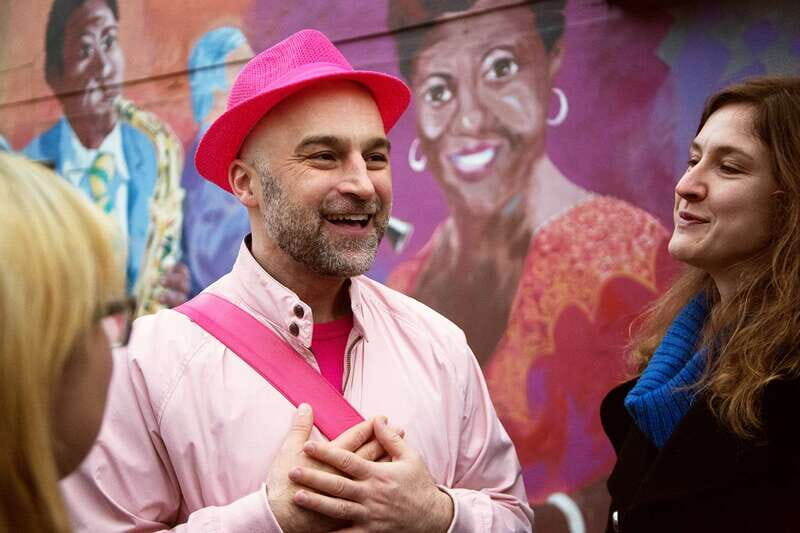
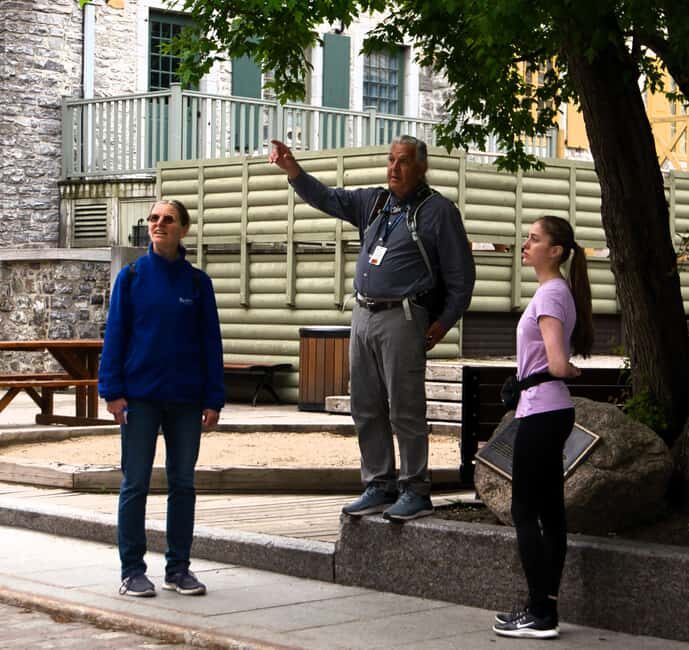
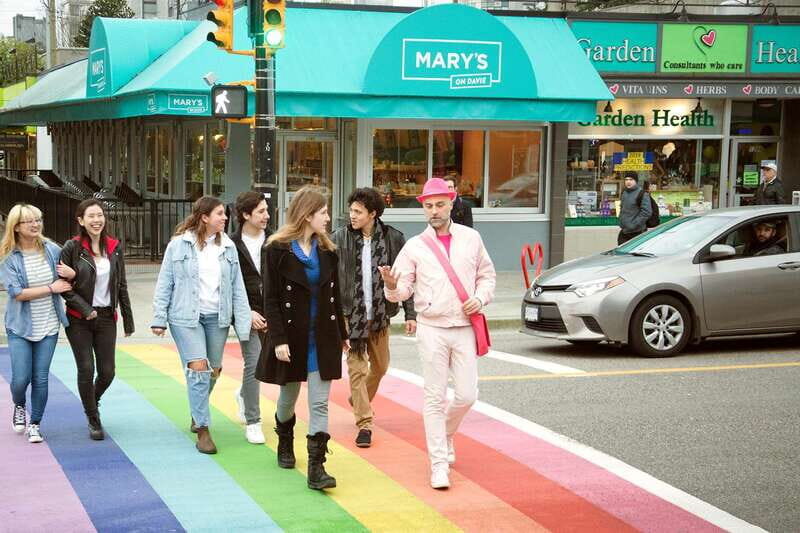
The tour starts outside Trees Organic Coffee Shop at 930 Burrard St, where your guide shows up as the Man In Pink. It’s a small detail, but it helps you get oriented fast, especially if you’re meeting for the first time in Vancouver.
You’re only on your feet for 2 hours, but you’re not doing a quick drive-by. The whole point is walking the West End at an easy pace while you learn how the area became a center of LGBTQ2+ life. If you like context you can see—buildings, street layout, and neighborhood flow—this works well.
I’d also plan for weather. The tour operates rain or shine, and it’s a walking experience, so comfortable shoes aren’t optional. Dress for the day Vancouver gives you.
You can also read our reviews of more historical tours in Vancouver

How you go from Downtown to the Davie Street Gay Village
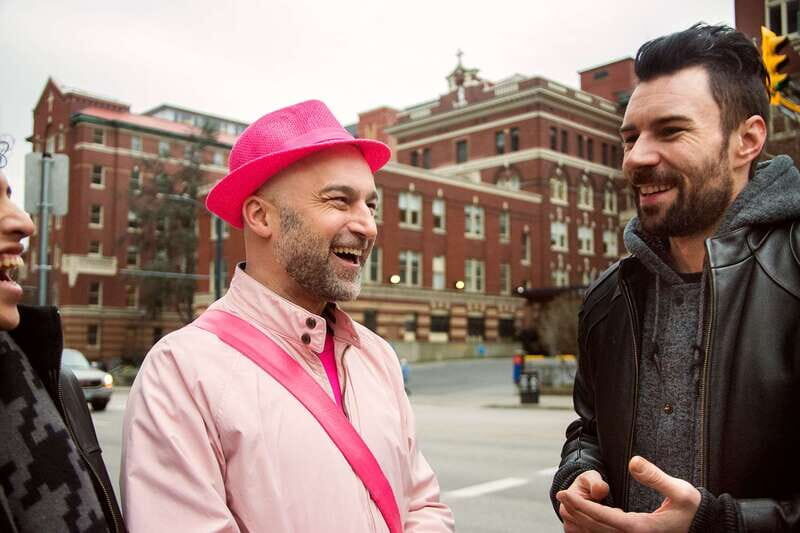
One of my favorite parts of this kind of tour is the movement itself. You start in Downtown Vancouver and gradually make your way into the West End, with the guide threading stories into the streets so the neighborhood stops being just a place on a map.
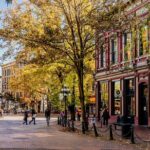
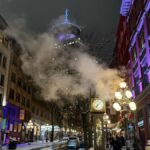
On the way, you’ll hear about community events and institutions that helped people gather, claim space, and create visibility. The tour is designed to lead you into the “gaybourhood” feel of Davie Street, so the final stretch lands with meaning. When you reach the Davie Street Village, it doesn’t feel like arriving at a generic nightlife street. It feels like entering a chapter people fought to keep.
You’ll also pass through an urban green moment at Nelson Park. That mix—dense city edges, storefront life, and a bit of breathing space—helps the emotional weight of the history feel more human instead of stuck in one mood.
Imperial Court coronations, drag kings, and gay ministers
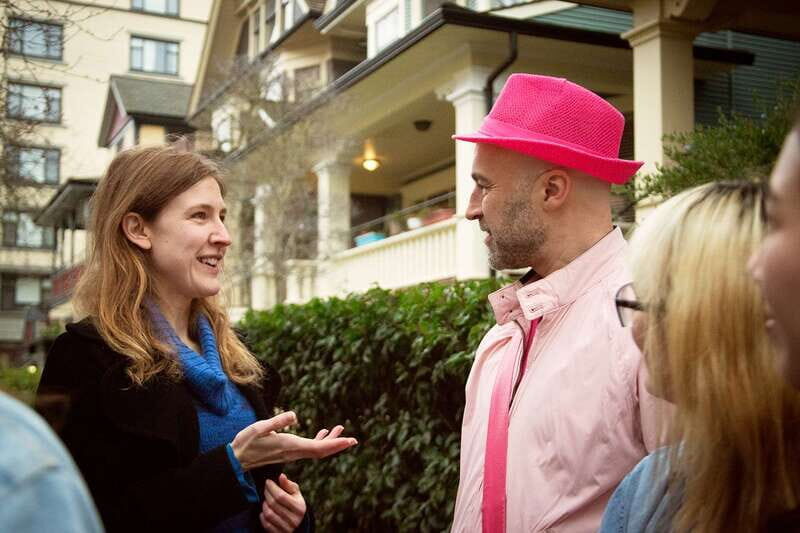
The tour’s storytelling covers multiple community roles and traditions. It’s not just about famous people. It’s also about the structures that made queer life possible, including formal pageantry, stage culture, and religious communities.
As you walk, you’ll hear about Imperial Court coronations, a topic that signals how organized and celebratory LGBTQ2+ communities could be. You’ll also learn about drag kings at the Quadra, which expands the usual focus people think of when they hear the word drag. And the tour brings in gay ministers at the United Church, which matters because it reminds you that community support didn’t come only from the street scene.
What I like about this part is how it reframes visibility. You’re not just learning about oppression. You’re seeing that joy and identity also had systems—places where people practiced leadership, performance, and care.
If there’s a drawback here, it’s that you’ll want to keep your attention fully on the guide. The stories are packed, and the route is a walking route, not a sit-and-listen lecture. If you prefer audio-only history or long museum pacing, this one may feel a bit intense—but it’s still carefully structured.
Pride origins and Jim Deva Plaza: where celebration met risk
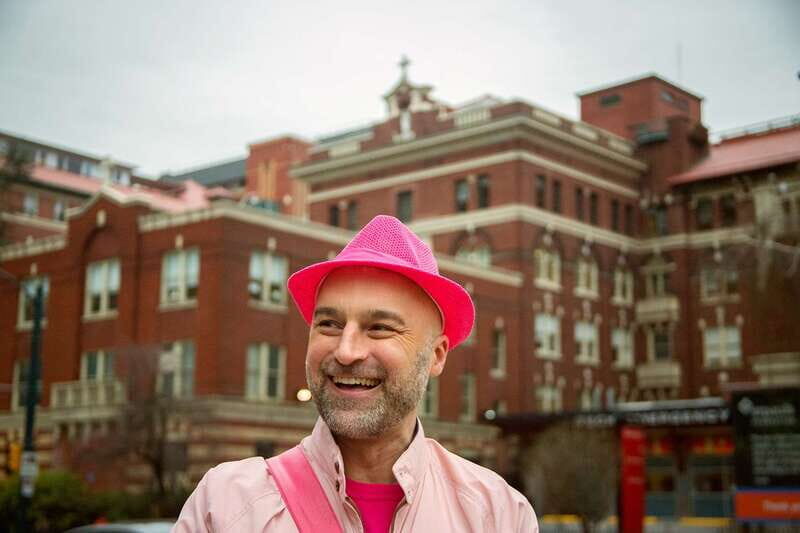
The West End isn’t just known for nightlife. It’s known for public identity—especially around Pride—and this tour treats Pride like something earned, not something guaranteed.
You’ll hear about the city’s earliest Pride parade and the tour brings you through Jim Deva Plaza, which helps connect the idea of Pride to a real public space you can point to. It’s one thing to know Pride exists. It’s another to learn what it cost and what people risked to make it visible in Vancouver.
This section also includes stories tied to bookstore bombings. That’s a heavy stop in the timeline. The tour doesn’t skip the fear and backlash. At the same time, the way it’s told keeps the focus on what people did after the harm—how they held onto community anyway.
For me, the value here is balance. You’re not stuck with only triumph or only trauma. You’re shown that Pride and resistance often lived side by side in the same streets.
Patient Zero, the GRID crisis, and what communities did next
Later, the tour addresses Patient Zero and the GRID crisis. Those references are crucial because they mark a shift in how LGBTQ2+ communities were treated and how survival changed day-to-day.
The guide’s approach is the part you’ll feel in your body: the tour stays grounded in lived experience and the courage to fight back. You’re not just hearing the term GRID. You’re getting a sense of why people’s fears were justified—and why the community response still mattered.
This is the section where I’d expect your mood to change, and that’s normal. History like this is personal. But the pacing helps. Instead of dumping facts, the tour connects events to the courage of people who kept going, kept caring, and kept pushing for recognition even when society wanted to look away.
If you’re the type who likes “what happened and then what changed,” this is where you’ll feel satisfied. You come away understanding that survival wasn’t only individual. It was collective.
Passing through Nelson Park and community landmarks
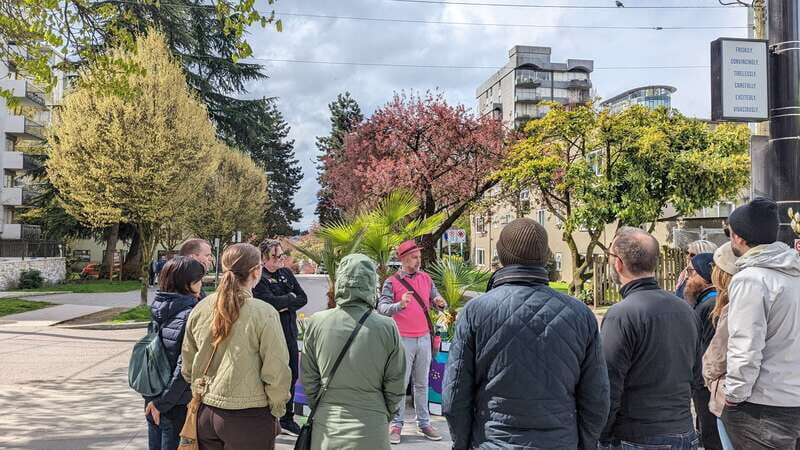
Not every part of the tour is emotional heavy-lifting. You also get lighter breaths built into the route, like a stroll through Nelson Park. It’s a nice reset point, and it also makes the story feel more place-based.
When you walk through a park after hearing about hard events, the contrast matters. It helps you remember that people didn’t just endure history—they also lived normal routines: meeting up, relaxing outdoors, and building community life in ordinary spaces.
The tour also weaves in a theme of community institutions. You’ll hear about the kinds of places and groups that helped create identity and safety, including religious and social leadership. That’s important because it explains how a neighborhood becomes a home for people who didn’t always have one.
And yes, it’s still a walk. You’ll want your legs ready and your mind alert. Comfortable shoes keep this part enjoyable instead of tedious.
Book bombings, a whistleblower campaigner, and the courage to expose truth
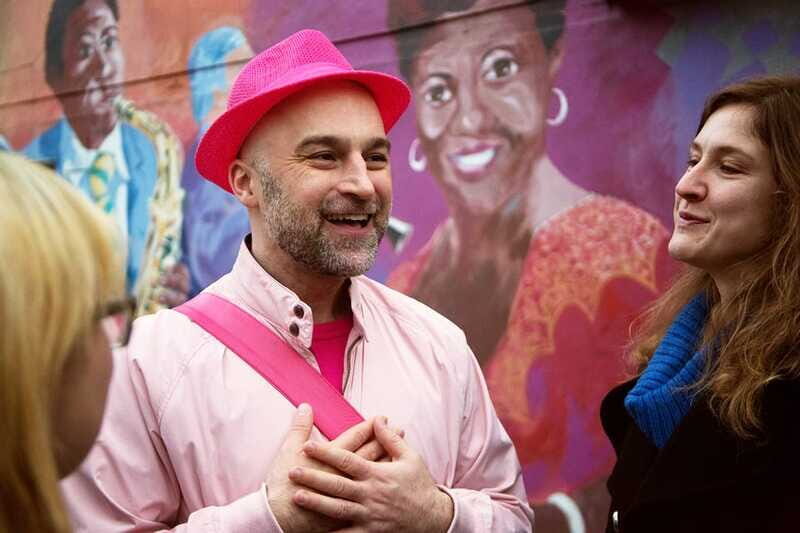
One of the most compelling aspects is the inclusion of stories that involve exposing wrongdoing and pushing against silence.
You’ll hear about bookstore bombings, again reinforcing how visibility could turn into violence. You’ll also learn about a transgender campaigner who blew the whistle on the biggest crime in Vancouver history—an especially powerful example of how activism can be about accountability, not just identity.
What this section gives you is a clearer idea of courage. It isn’t only marching or performing. Sometimes it’s naming something that others want ignored. Sometimes it’s standing up when consequences are real.
This is also where I appreciated Glenn’s storytelling reputation. The tour has a reputation for being warm and welcoming to all, and for mixing humor with seriousness without turning tragedy into a punchline. That tone is hard to do, and it helps keep the walk emotionally approachable.
Finishing in the Davie Street Village: bars and rest with context
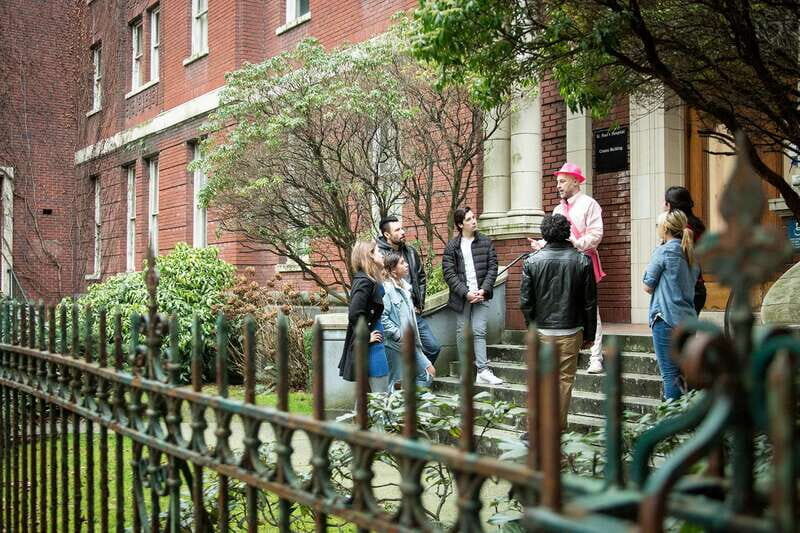
The tour ends in the middle of the action on Davie Street. That matters. You don’t just get historical information and walk away into empty air. You finish right where the neighborhood’s social life happens—bars and restaurants lined up in a way that makes the community feel alive.
You’ll get the chance to reflect while the street scene is right in front of you. For many people, that’s the best kind of souvenir: a place you can go back to and see differently.
If you want a practical plan, keep your evening flexible. A post-tour cocktail or casual meal isn’t included, but you’ll be in the right area to choose something that fits your mood—whether you want quiet recovery time after heavy topics or a more social ending.
Price and value: what $28 buys for two hours in Vancouver
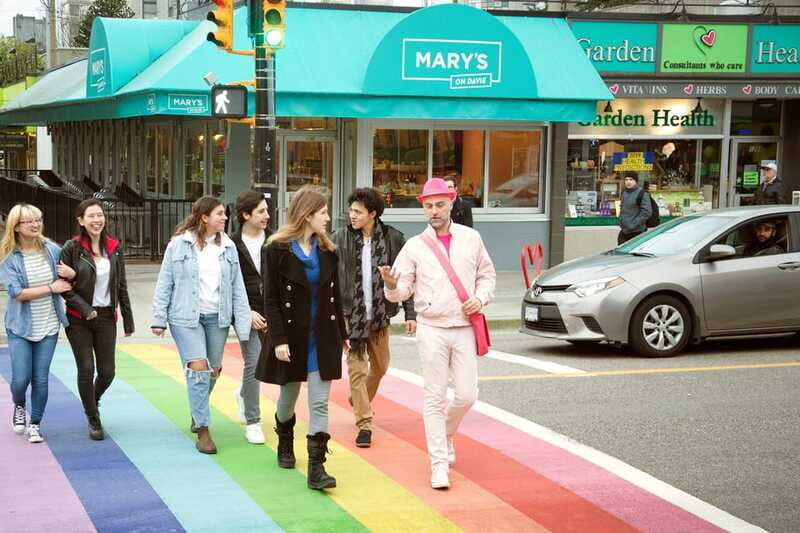
At $28 per person for a 2-hour guided walking tour, you’re paying for something that’s hard to DIY: a human guide who can connect local geography to LGBTQ2+ history in a way that feels coherent.
You also aren’t just paying for facts. You’re paying for the person doing the telling. Glenn Tkach is a professional storyteller and queer historian, and that shows up in how the tour is described as well paced and well structured. The best sign of value is this: people who thought they already knew the history still come away feeling moved and informed. That’s not luck. It’s the difference between generic walking tours and one built around a guiding voice.
You’re also getting a local expert in English. The tour is wheelchair accessible, which is a meaningful plus if you need routes that can support that.
The one tradeoff, besides adult themes, is that it’s a walking tour with no food included. If you’re the type who likes to eat during tours, you’ll want to plan around that—either eat before you go or pick something after.
Who this tour suits best (and who might want to choose another option)
This is a strong fit if you want LGBTQ2+ history tied directly to the places you’re walking through. You don’t need to be an expert. The tour is structured so you can follow the timeline and the themes without feeling lost.
It’s also a good match if you care about the emotional side of history—struggles and triumphs, plus the stubborn, human courage behind both. The stories range from Pride origins and drag culture to hard chapters like the GRID crisis, so it will feel like a full spectrum overview, not a highlight reel.
You might want to think twice if:
- You’re looking for a kid-friendly outing (it’s not suitable for children under 10, and the local age recommendation is 14+).
- You prefer a low-intensity walk with minimal emotional material.
- You don’t handle adult topics well.
Should you book this Vancouver LGBTQ2+ History Tour?
I’d book it if you want a meaningful West End walking experience led by a guide who tells the story with warmth, structure, and real care. The price is reasonable for a guided, local-expert tour, and the route keeps you engaged by tying history to specific neighborhood spaces like Davie Street Village, Jim Deva Plaza, and Nelson Park.
If you’re deciding between tours, this one wins on storytelling quality and focus. It’s not only about what happened. It’s about what it meant, and how people fought back—sometimes through celebration, sometimes through activism, sometimes through survival.
FAQ
FAQ
How long is the Vancouver LGBTQ2+ History Tour?
It lasts 2 hours.
Where do I meet the guide?
Meet outside the Trees Organic Coffee Shop at 930 Burrard St.
How much does the tour cost?
The tour is $28 per person.
What’s included in the price?
You get a guided tour in English with a local expert. Food and drinks are not included.
Is the tour wheelchair accessible?
Yes, the tour is listed as wheelchair accessible.
Does the tour run in bad weather?
The tour operates rain or shine, so dress for the weather.
Is it suitable for children?
The tour is designed for adult audiences and includes adult themes. The local recommendation is 14+, and children aged 10+ can attend if their parents are comfortable with them hearing mature subject matter. It is not suitable for children under 10.
What should I bring?
Bring comfortable shoes and dress for the weather since it runs outdoors.