REVIEW · JASPER
Jasper: Jasper Planetarium and Telescope Combo Tour Tickets
Book on GetYourGuide →Operated by The Jasper Planetarium · Bookable on GetYourGuide
You come for the night sky, but you stay for the hands-on science. This Jasper Planetarium and Telescope tour mixes an indoor star show with guided telescope time outdoors when it’s clear.
I especially like the mix of local First Nations constellations and big-picture cosmic views. You also get a rare chance to touch real space material like meteorites, plus Moon and Mars rocks on cloudy nights.
One thing to plan for: weather rules the experience. If clouds block the stars, you’ll still get a full program, but telescope viewing becomes “screen-and-science” instead of live viewing.
In This Review
- Key things to know before you go
- Planetarium Dome: First Look at the Sky Over Jasper
- Outside Under the Rockies’ Darker Hours: Telescopes, Auroras, and Meteorites
- When the Sky Won’t Cooperate: 4K Replays and the Cloudy-Day Plan
- Price and Value: What You’re Really Paying for at $61
- Picking Your Time: Sunset Matters More Than You Think
- What to Bring (and What to Leave at Home)
- Where the Tour Makes Sense: Who Will Enjoy It Most
- Getting the Most from the Telescope Q&A
- Should You Book the Jasper Planetarium and Telescope Combo Tour?
- FAQ
- How long is the Jasper Planetarium and Telescope combo tour?
- What’s included in the ticket price?
- Are children allowed?
- What if it’s cloudy when I attend?
- Is there a way to return if the sky is cloudy?
- What time should I book relative to sunset?
- Where do I check in?
- Is food or drink included?
- Are there restrictions on photos or audio?
Key things to know before you go
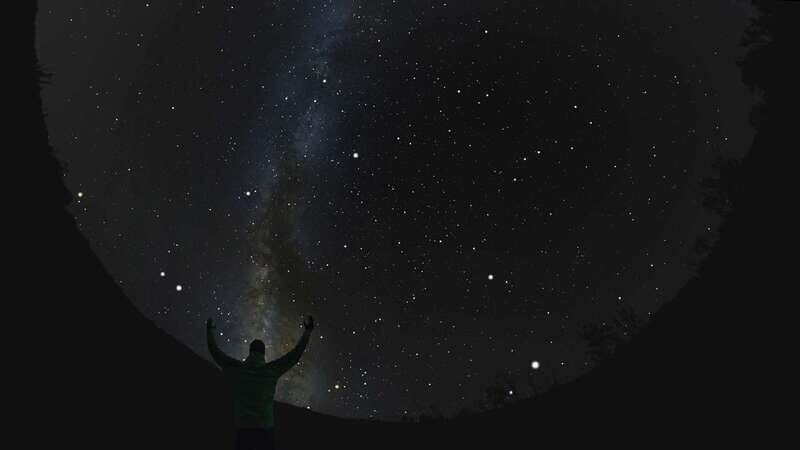
- First Nations constellations inside the dome: You start with sky stories rooted in the region.
- A powerful telescope in action: When the sky cooperates, you can look through the optics.
- Aurora Borealis talk plus photo tips: You’ll learn the science and how people photograph it.
- 4K instant replays if it’s cloudy: You won’t be left hanging.
- Touch real space rocks: Meteorites, and on cloudy nights Moon and Mars rocks too.
- Two-year rain check for the telescope viewing: If it’s cloudy, you can return for the telescopes again.
Planetarium Dome: First Look at the Sky Over Jasper
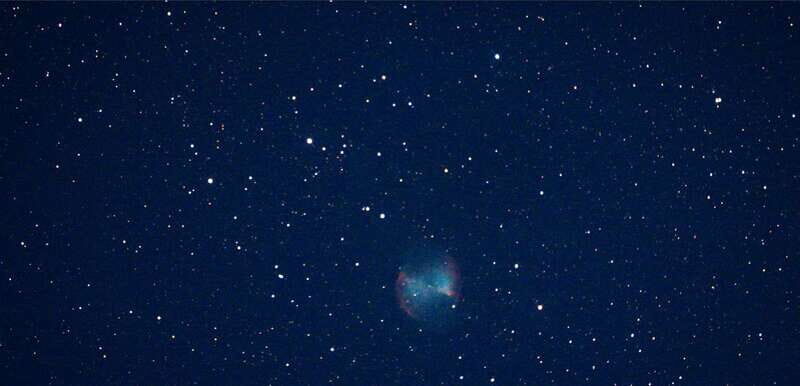
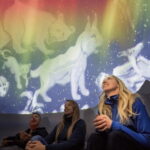
The tour starts in the Planetarium Dome Theatre at Jasper Park Lodge. Even before you step outside, you’re set up for a guided, “what you’re seeing and why it matters” kind of sky lesson.
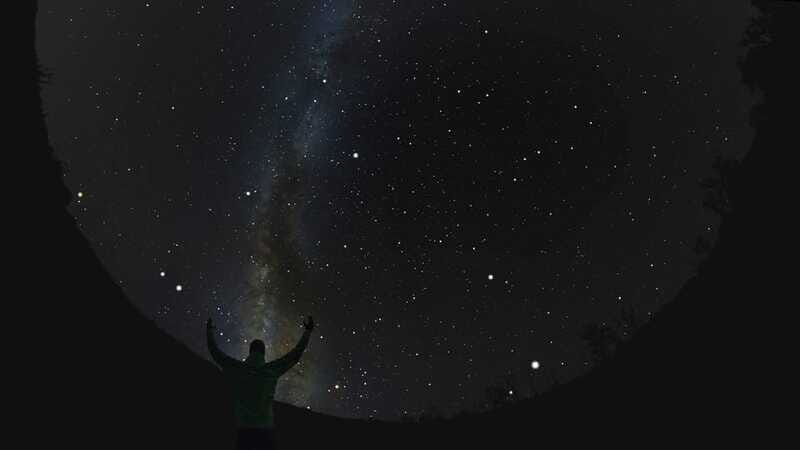
Inside, you’ll explore sky scenes that go beyond basic star maps. The show brings in local First Nations constellations, then shifts toward bigger sights like the Milky Way and even views described as reaching toward the edge of the universe. It’s a smart opening because it gives you names, context, and mental pictures before you chase the real thing outside.
If you’re a first-timer, that’s huge value. You’ll spend less time guessing what you’re looking at and more time understanding why those patterns and objects matter. And if you’re returning to astronomy, you’ll likely appreciate the way the tour connects familiar sky ideas to the night you’re actually standing under.
The only practical caution: a couple of people found it harder to hear the show over background music. If sound clarity is a concern for you, try to choose a seat where you can easily follow the guide and the narration.
A few more Jasper tours and experiences worth a look

Outside Under the Rockies’ Darker Hours: Telescopes, Auroras, and Meteorites
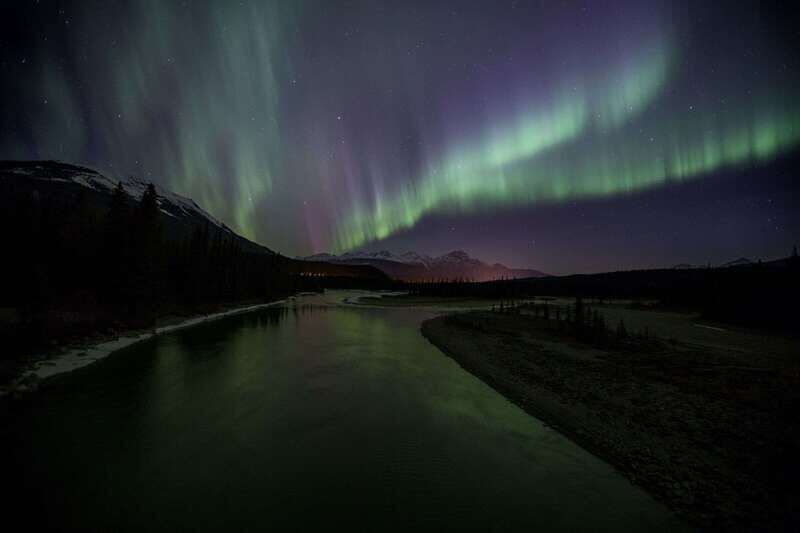
After the planetarium, the tour moves outdoors for the guided telescope portion. This is where the experience turns from “watching the sky” to “seeing the sky” in real life.
The star promise here is clear: you get time at North America’s most powerful telescope during the telescope tour. If conditions are good, you can look through the optical telescopes with the guides guiding what to focus on and what those objects mean.
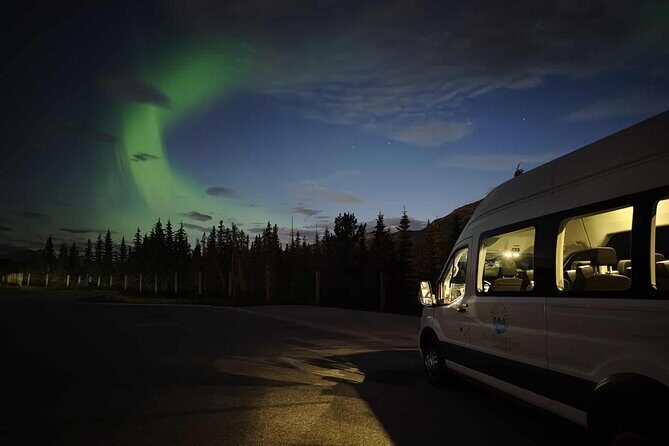
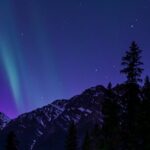
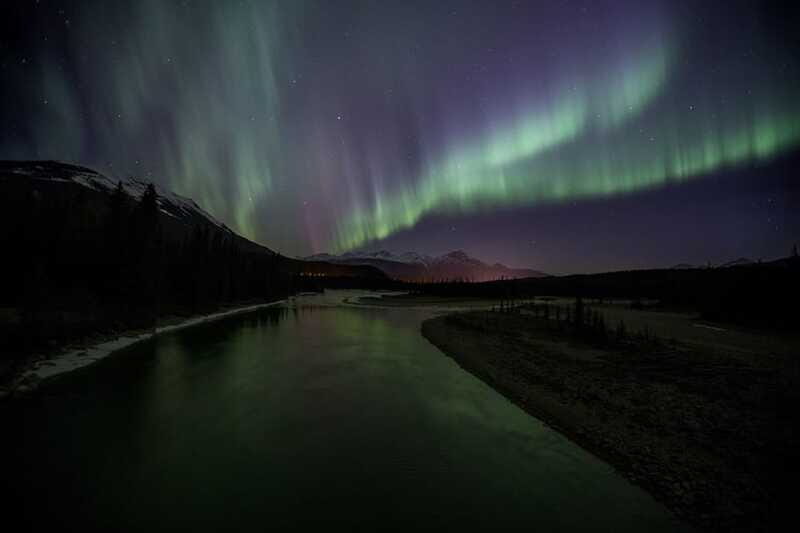
You’ll also learn about the Northern Lights—not just that they exist, but the science behind them. The guides also cover how to photograph auroras, which is helpful even if you’re not bringing a serious camera setup. You’ll walk away with a better idea of what makes auroras look the way they do and what people try to capture.
Then comes one of the tour’s most memorable moments: you can touch real meteorites from space. There’s also a chance to handle a Moon rock and a Mars rock, depending on sky conditions. That hands-on angle is a big part of why this combo tour is more than just a viewing session.
The atmosphere outside can be cold. The tour includes outdoor pavilions, and at least some visitors note it can run chilly, so don’t treat this as a quick stroll.
When the Sky Won’t Cooperate: 4K Replays and the Cloudy-Day Plan
In Jasper, clouds aren’t a surprise. They’re normal. The good news is the tour isn’t designed to fall apart when you don’t get perfect darkness.
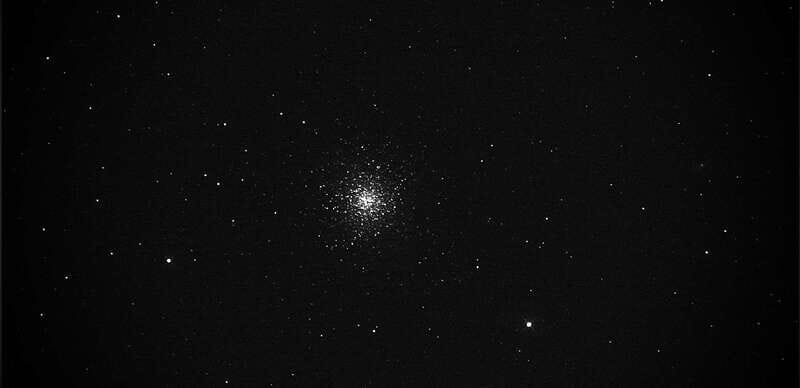
If it’s too cloudy for ideal telescope viewing, you still get a full program. You’ll see 4K “instant replays” of past live views, so the night doesn’t feel blank or wasted. Then the tour shifts into a cloudy day program with two science-focused pavilions built around aurora learning.
On cloudy nights, you still get the chance to touch Moon and Mars rocks. After that, if clouds persist, you’ll get screen captures of deep space objects taken with the team’s own video telescope. It’s not the same as live viewing through an eyepiece, but it does keep the experience moving and instructional.
The other key piece is the two-year rain check for the telescope tour. If you booked once and the sky didn’t cooperate, you can come back and attend the telescopes portion again on a clearer day without paying again.
So the trade-off looks like this:
- Clear skies = live telescope viewing.
- Cloudy skies = full science program + replays + a return option.
Price and Value: What You’re Really Paying for at $61
At about $61 per person for a 90-minute combo, you’re paying for three things at once: a planetarium dome show, guided telescope access, and a live Q&A with tour guides. You also get free parking, which matters around Jasper Park Lodge.
The value improves because you’re not just sitting through one activity. You’re getting two formats of astronomy:
- an indoor, structured show that teaches you what to look for
- an outdoor guided telescope session that tries to deliver the real sky
And the hands-on rocks—meteorites, plus Moon and Mars rocks—add a level you don’t often see in standard stargazing tours.
What’s not included: food and drink. Plan on eating before or after. Keep in mind the experience is 90 minutes, so you likely won’t want a long dinner detour unless you’ve padded your schedule.
Picking Your Time: Sunset Matters More Than You Think
One of the most practical pieces of advice here is about timing. When you book, pay attention to the expected sunset time on your chosen date. Selecting a time after sunset gives you a better chance at night-time views.
That matters because even a “late afternoon” start can mean the sky hasn’t fully darkened yet. And for auroras and faint deep-sky objects, darkness is your friend. The tour’s plan relies on getting you into the right stage of the night.
Also remember: the Canadian Rockies are unpredictable. You’re not booking a guaranteed clear-sky night—you’re booking a guaranteed guided astronomy experience, with a strong attempt at telescope viewing when conditions allow.



What to Bring (and What to Leave at Home)
This is the kind of tour where your comfort affects your attention. The tour specifically asks for weather-appropriate clothing, and winter months often call for thermal layers.
Beyond layers, think practically:
- If you tend to get cold easily, dress like you expect real outdoor time, not a short sightseeing stop.
- Bring whatever helps you stay warm through a guided outdoor viewing window.
There are also rules you should know before you go:
- No flash photography
- No photography inside
- No audio recording
- No smoking, intoxication, vaping, or alcohol and drugs
If you’re traveling with kids, note there’s also an age limit: the planetarium dome theatre does not allow children under 4.
Where the Tour Makes Sense: Who Will Enjoy It Most
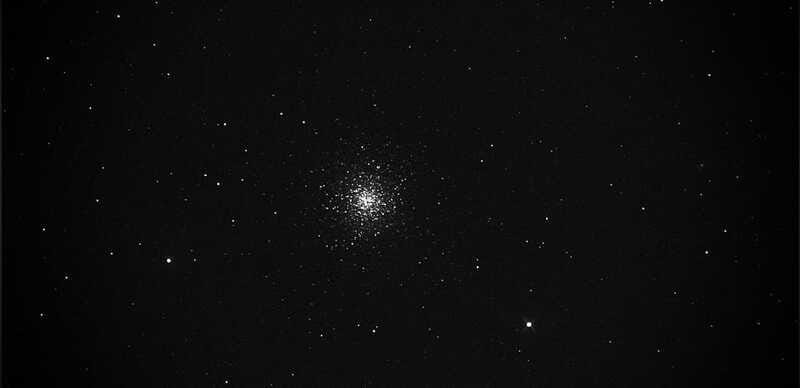
This combo is built for a broad range of people. It’s open to all ages except the under-4 restriction for the planetarium dome theatre.
You’ll probably enjoy it most if:
- you’re seeing Jasper for the first time and want an easy, guided way to learn the sky
- you want aurora information with practical guidance (including photography tips)
- you like hands-on learning, especially the chance to touch real space material
- you want a tour that still works on a cloudy night
If you’re the type who hates cold outdoor waits, you might find the telescope portion challenging. But the overall format helps: even if outdoor viewing is limited, you still get the planetarium and cloudy-day pavilions.
If you’re traveling with a group of mixed interests—some people who want astronomy and some who want a fun, educational night—this combo tends to satisfy both.
Getting the Most from the Telescope Q&A
The tour includes Q&A with your Astronomy Guides, and that’s where the experience can jump from “I saw things” to “I understood what I saw.”
Here’s how to make that time count:
- Come ready with one or two clear questions about the aurora (what triggers it, why it moves, or what settings people typically use).
- Ask what to look for through the telescope based on the kinds of objects you’re seeing in the sky that night.
- If you’re hoping to photograph auroras, ask the guides for the practical basics first, not the advanced stuff.
Even if the sky is cloudy, the guides still teach during the cloudy program. The Q&A time is part of what makes the evening feel guided rather than purely instructional video content.
Should You Book the Jasper Planetarium and Telescope Combo Tour?
I think it’s a solid choice if you want a guided, all-weather astronomy night in Jasper. The best-case scenario is live telescope viewing plus aurora science and hands-on meteorites and rocks. The likely middle scenario is clouds, where you’ll still get planetarium content, cloudy-day pavilions, 4K replays, and hands-on Moon and Mars rocks. And the safety net is the two-year rain check for another telescope viewing chance.
Skip it only if you’re mostly chasing a single guaranteed outcome—like you must see specific planets on the night you go. With variable weather, the tour’s strength is that it keeps teaching and doesn’t leave you stranded.
If you’re booking for your first night in Jasper, this is one of the simplest ways to turn dark hours into something useful, hands-on, and genuinely memorable.
FAQ
How long is the Jasper Planetarium and Telescope combo tour?
The experience runs about 90 minutes.
What’s included in the ticket price?
You get admission to the planetarium and telescope combo tour, access to look through the optical telescopes (when conditions allow), free parking, and Q&A with the tour guides.
Are children allowed?
The experience is open to all ages except children under 4, who are not permitted in the Planetarium Dome Theatre.
What if it’s cloudy when I attend?
If you can’t see the stars due to clouds, the tour runs a cloudy day program with science pavilions about the auroras, hands-on rock experiences, and screen captures of deep space objects. You also get 4K instant replays during the experience.
Is there a way to return if the sky is cloudy?
Yes. The telescopes portion comes with a two-year rain check, letting you attend again on a clearer day at no additional charge.
What time should I book relative to sunset?
Try to choose a start time after the expected sunset on your date for the best chance of night-time viewing.
Where do I check in?
Check in at the Planetarium Retail Desk inside the Main Lodge at Jasper Park Lodge. It’s in the SW corner of the lobby across from the Emerald Lounge.
Is food or drink included?
No. Food and drink are not included.
Are there restrictions on photos or audio?
Yes. Photography inside is not allowed, flash photography is not allowed, and audio recording is not allowed.