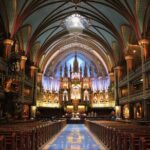
Old Montreal has a habit of surprising you. This 2-hour walking tour is casual but full of context, and I love the cobblestone streets paired with stories that connect what you see to how the city changed over time. One consideration: it is still a real walking tour, so it is not a fit if mobility is an issue.
You meet up at the lobby of the William Gray Hotel and head out on a route that mixes big-name landmarks with quieter corners. Guides bring the experience to life, with named praise in the feedback for people like Simona, Jeff (J-F), Eduardo, Ana, and François.
In This Review
- Quick hits and smaller finds
- Old Montreal, but with a story you can follow
- Start at the William Gray Hotel lobby, then go off-script
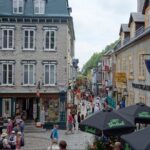
- Cobblestones and architecture: French and British side by side
- Place Jacques-Cartier, St. Paul Street, and Place d’Armes: the iconic loop
- How the wealthy district story keeps showing up
- The Underground City and World Trade Center: smarter stops for real life
- Two hours on foot: what to expect and how to pace yourself
- What the $35 price really buys you
- Who should book this Old Montreal walk
- Should you book this tour?
- FAQ
- Where do we meet for the tour?
- How long is the walking tour?
- Is the tour in English?
- Is the tour suitable for people with mobility impairments?
- Are children allowed?
- What should I bring?
- Can I get a refund if plans change?
Quick hits and smaller finds
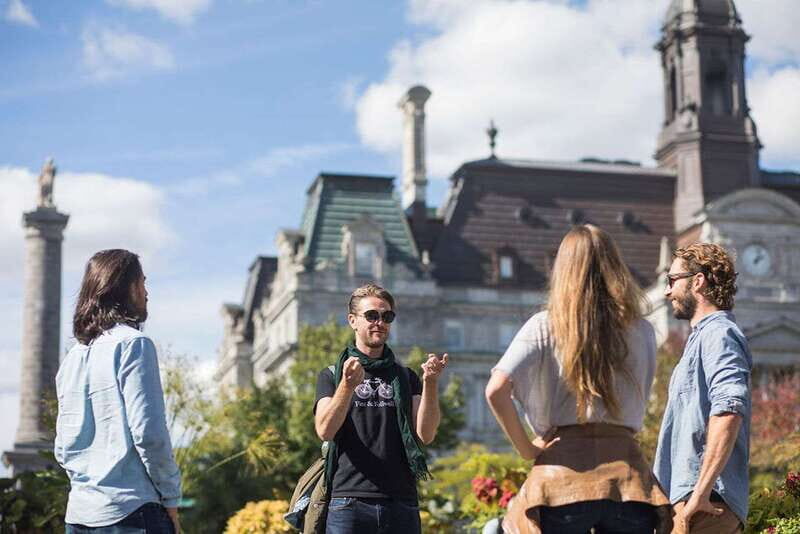
- Start smart at the William Gray Hotel and get moving within minutes, right near Cafe Olimpico for a quick coffee
- A mix of French and British architecture so you’re not just taking photos, you’re learning how to read the streets
- Iconic Old Montreal stops like Place Jacques-Cartier, St. Paul Street, and Place d’Armes
- Less obvious stops such as an avant-garde art gallery, Montreal’s World Trade Center, and a section of the Underground City
- Built for all seasons, including extra indoor moments for winter days (gloves help)
Old Montreal, but with a story you can follow

Old Montreal can look postcard-perfect from a distance. The tour’s value is that it turns that view into a sequence you understand as you walk, square by square and street by street. It’s described as casual yet informative, and that balance matters. You’re not stuck in a lecture, but you also don’t just get a route and a few facts.
Two things I like about this setup are the pacing and the way the guide connects details. You’ll cover major places you’d recognize on a map, then you’ll link them to how Old Montreal grew into the most important and wealthy district in Canada and how it became the thriving area you see today. In one piece of feedback, the guide tied the places to events spanning as far back as 1642 to the present, which is exactly the kind of timeline that makes walking feel more meaningful.
The other standout is the variety in what you’ll do. The tour notes that no two tours are exactly the same, and the feedback backs up that it feels personal. When guides answer questions and share side anecdotes, your time feels less like sightseeing and more like learning the city’s language.
You can also read our reviews of more walking tours in Montreal



Start at the William Gray Hotel lobby, then go off-script
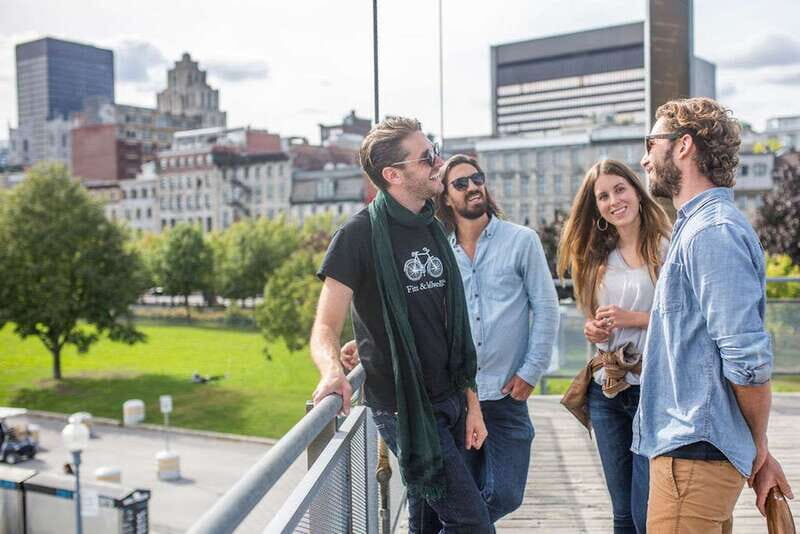
The meeting point is simple: the lobby of the William Gray hotel, with your guide waiting close to the restrooms by the billiard table. Arrive about 15 minutes early, not because you’ll be rushed, but because you might want that caffeine hit right next door at Cafe Olimpico, which is called out as a legendary option.
Then comes the part that helps you enjoy Old Montreal instead of just surviving it: you’re taken through the area with a route that includes back-door access. That wording matters. It suggests less glare, less crowding, and more local-feeling streets, which can make a big difference when you have only two hours.
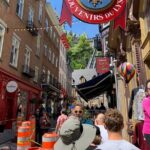
Practical tip: plan for comfortable shoes only. That seems basic, but cobblestones are the truth in Old Montreal. Even if the route includes indoor pockets, you still need footing you trust.
In the feedback, guides like Jeff (J-F) and Eduardo are praised for being engaging and patient with questions. That kind of interaction is where a walking tour turns into a better use of your trip time, especially if you’re short on days.
Cobblestones and architecture: French and British side by side
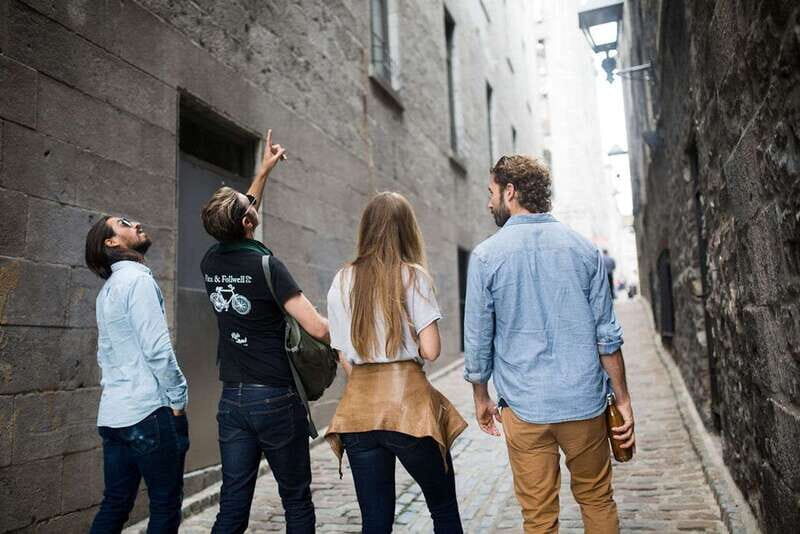
One of the tour’s headline themes is architecture, specifically the mix of British and French styles. You’ll see that through the streets you walk and the buildings you stop to look at. It’s not just admiring facades. The tour frames these styles as part of Montreal’s story, which helps you notice details you might otherwise pass.
Here’s how this usually plays out in a good guided walk: you get a quick explanation of what you’re seeing, then you look again with new eyes. That’s why this tour can be helpful early in your visit. If you come in with no mental map, the guide’s framing gives you one.
The feedback also repeatedly points to guide energy and humor. Simona is singled out for great energy, while François is praised for a sense of humor and strong delivery. That matters more than it sounds. Old Montreal can feel repetitive if you’re not switching gears, but when the guide keeps things lively, the architecture becomes a moving lesson instead of background noise.
Place Jacques-Cartier, St. Paul Street, and Place d’Armes: the iconic loop
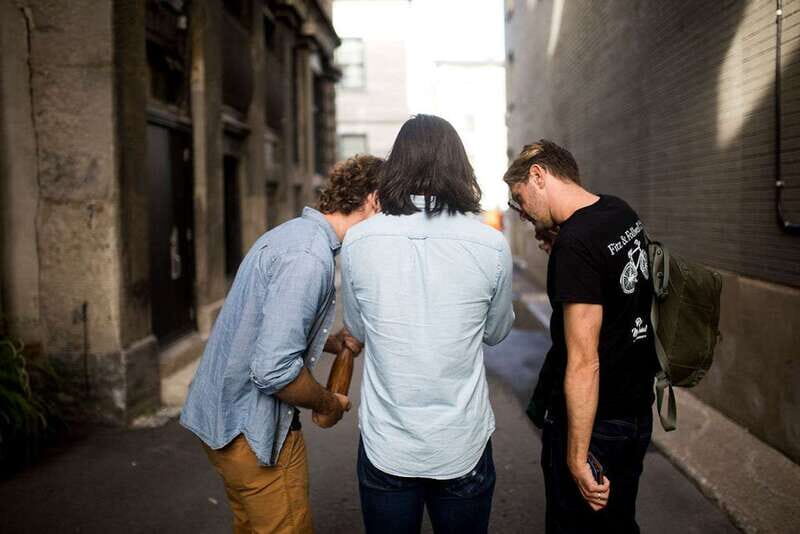
These are the kind of stops you want on a first pass through the district. Place Jacques-Cartier is named as an unmissable sight, and St. Paul Street and Place d’Armes are also part of the core walk. Even if you’ve already seen photos online, it’s different standing there and watching how the buildings frame the space.
What’s useful about having these stops included is that they anchor the rest of the tour. Once you know the main squares and corridors, the quieter detours make sense. Instead of wandering, you’re learning where you are in Old Montreal’s layout.
A key detail from the description is that the tour is carefully crafted for enjoyment in summer and winter, with extra indoor stops in colder weather. That’s relevant here because these iconic outdoor areas are the places you can actually appreciate architecture and streetscape in a visible way. Then you step inside when needed and keep the momentum.
In one review, the guide’s indoor breaks were called out as a welcome reprieve from the cold, and another comment wished for one more indoor stop. Translation: expect indoor moments, but if you’re booking in deep winter and you hate cold walks, plan to dress warmly anyway.
How the wealthy district story keeps showing up
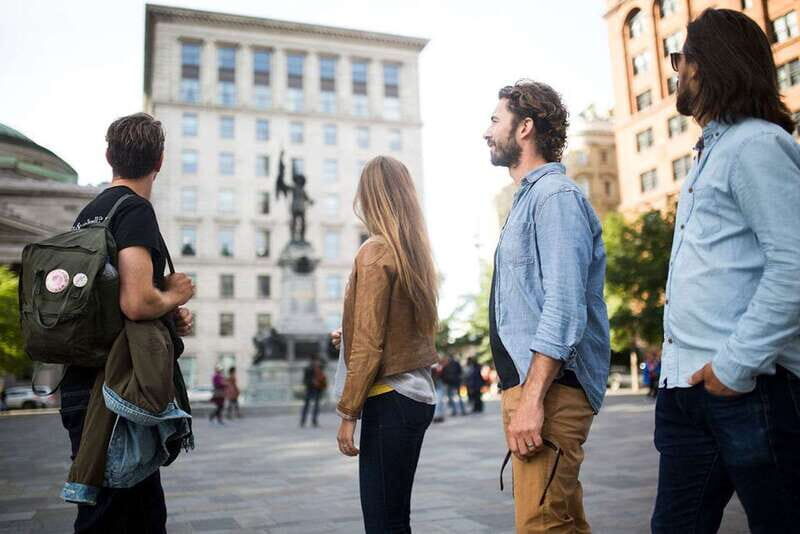
Old Montreal’s past gets described as big: it was the most important and wealthy district in Canada, and it’s now a dynamic, thriving area. The tour doesn’t treat that as a slogan. It uses it as a lens for what you see around you.
That lens is where the “hidden” part comes from, without calling it hidden. You’ll hear stories about iconic Montrealers, and you’ll get secrets behind well-known landmarks. The key is that you’re not just collecting trivia. You’re building a reason for why certain streets and buildings matter.
You’ll also move through areas that aren’t only about the postcard center. The description specifically points out off-the-beaten-path spots, including an avant-garde art gallery, Montreal’s World Trade Center, and a section of the Underground City. That mix is helpful because it shows Old Montreal as more than a preserved shell. It’s layered, with older forms beside newer uses.
One standout from the feedback: Eduardo uses participation to keep people engaged, including a few quizzes. That’s a small tactic, but it helps you remember details, and it stops the tour from becoming passive.
If you like your tours with an actual point, this one is set up to give you a narrative thread.
You can also read our reviews of more guided tours in Montreal






The Underground City and World Trade Center: smarter stops for real life
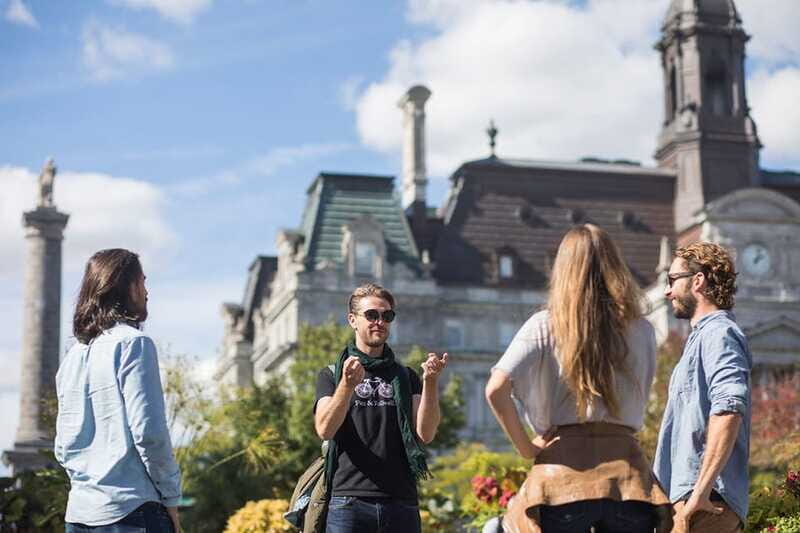
A smart guided walk includes weather planning, and this tour is built with both seasons in mind. In winter, extra indoor stops are planned so you can keep going without freezing the whole time. In summer, one review mentions the guide was sensitive to heat and made sure to take the group into air-conditioned buildings along the way. That kind of adjustment is a sign you’re with a guide who pays attention to the group.
The Underground City part is especially useful if you’re visiting in colder months or if you just want a break from the open air. The tour notes you’ll see a section of the Underground City, which is a Montreal-specific experience you’d be unlikely to stumble into without help.
The World Trade Center stop also adds variety. It’s not usually what people think of when they plan Old Montreal photos, but it’s included on purpose. It helps show how the city kept evolving rather than staying frozen in time.
One caution from the feedback: there’s no promise you’ll cover more than Old Montreal’s core area. One comment even suggests more ground beyond Old Montreal would be nice. If your goal is a wider geographic sweep, this tour may feel concentrated. If your goal is a focused, story-driven pass through Old Montreal with smart detours, it hits the mark.
Two hours on foot: what to expect and how to pace yourself
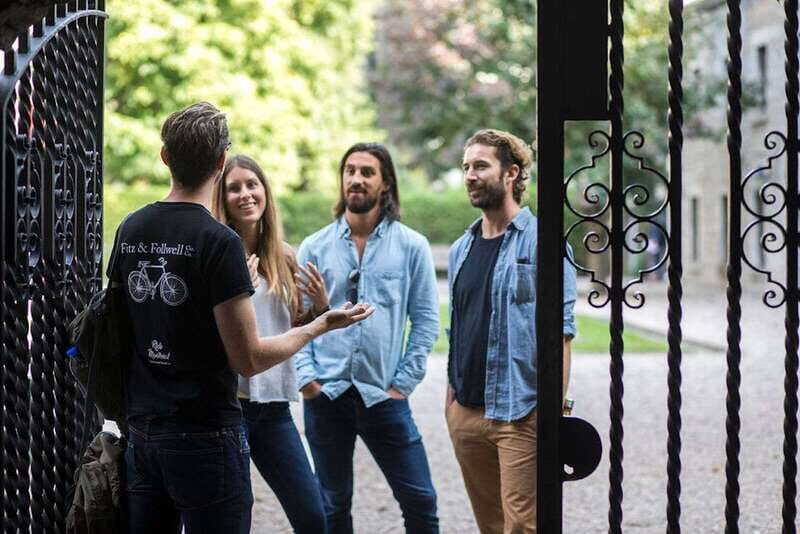
Two hours sounds short. On a cobblestone district with multiple squares and some indoor stops, that time can still pack a lot in. The best way to think about it is: you’ll get a guided orientation and a story framework, not an exhaustive survey.
The pace is repeatedly described as well-paced, with comments saying it doesn’t run too fast and that the walking distance outside and inside felt good. One review even praises the timing for a short stay and says it helped set direction for what to return to explore later.
Here’s how to get the most value from that 2-hour window. After the tour, pick one or two places you want to return to, preferably something the guide connected to a story. If you try to revisit everything, you’ll burn time. But if you revisit based on what you learned, the district suddenly makes sense.
Also, bring a small question list. The guides are praised for being willing to answer questions. That’s where the tour becomes more than a route. If you ask about what you’re seeing in the architecture or why certain streets matter, you’ll get the kind of explanation that makes future wandering feel effortless.
What the $35 price really buys you
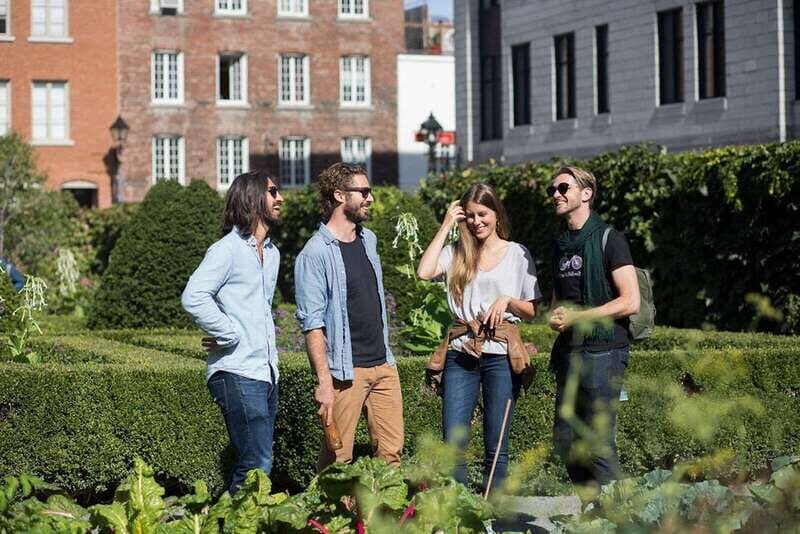
At $35 per person for a 2-hour guided walk, you’re paying for more than movement through the streets. You’re buying interpretation, context, and route guidance. That matters because Old Montreal is easy to wander through aimlessly, especially if you don’t have a timeline or a sense of what to pay attention to.
This tour’s value comes from three areas:
- Time-saving orientation: it’s a strong first-day choice when you want to understand the district quickly
- Story delivery: feedback highlights guides with energy, humor, and a clear ability to connect facts to places
- Seasonal practicality: indoor stops and weather-aware pacing reduce the usual winter travel fatigue
A small note on expectations: the included tour is 2 hours and it stays concentrated around Old Montreal and nearby stops listed in the description. If you want half a day plus and a bigger map coverage, you might feel you could have seen more. But for a short trip, $35 for a guided narrative across major sites plus Underground City and World Trade Center is solid value.
Who should book this Old Montreal walk
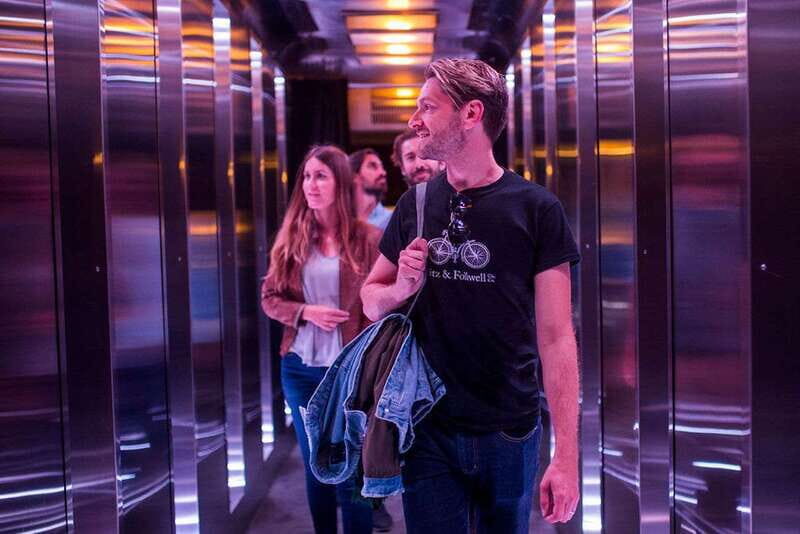
This is a great match if you want:
- a first orientation to Old Montreal
- a mix of iconic stops and quieter side routes
- a guide who keeps energy up, with humor and interaction (quizzes show up in the feedback)
- a tour that can work in winter, thanks to indoor planning
It is not a match if you:
- need accommodations for mobility impairments (it is listed as not suitable)
- are traveling with children under 8 (also listed as not suitable)
- hate walking on cobblestones, even with breaks indoors
Should you book this tour?
Yes, if you’re doing Old Montreal for the first time and you want your time to feel guided and meaningful. The combination of iconic landmarks (Place Jacques-Cartier, St. Paul Street, Place d’Armes), plus less obvious stops (avant-garde art gallery, World Trade Center, Underground City), is a practical way to see more than just the easiest photos.
I’d especially book it early in your trip. Even the feedback points to this as a great way to get your bearings and decide what to revisit on your own. Just come ready for a real walk, wear comfortable shoes, and if you’re going in January, pack gloves so you can enjoy the indoor breaks instead of counting minutes outside.
FAQ
Where do we meet for the tour?
Meet in the lobby of the William Gray hotel. Your guide will be waiting close to the restrooms next to the billiard table. Aim to arrive about 15 minutes before the start time.
How long is the walking tour?
The tour lasts 2 hours.
Is the tour in English?
Yes, it runs with an English live tour guide.
Is the tour suitable for people with mobility impairments?
No. It is listed as not suitable for people with mobility impairments.
Are children allowed?
Children under 8 years are not suitable for this tour.
What should I bring?
Bring comfortable shoes. For January trips, the description recommends gloves.
Can I get a refund if plans change?
Free cancellation is available up to 24 hours in advance for a full refund.