REVIEW · VICTORIA
Victoria Whale Watching Tour on a Covered Vessel
Book on Viator →Operated by Orca Spirit Adventures · Bookable on Viator
Warm cabin, cold water, big wildlife. This Victoria whale watching tour is built for comfort: you’re on a covered vessel with both indoor viewing and an outdoor panoramic deck, so you can hunt for whales even when the weather isn’t perfect. What makes it especially interesting is the mix of calm, guided spotting and the chance for close whale behavior.
I like the way the crew blends wildlife talk with real search work. Named naturalists such as Jake and Ryan (and others like Gordon, Briar, Bria, and Liam) help you understand what you’re seeing and where to look, and the vibe stays relaxed for couples, families, and solo travelers.
One thing to plan for: the top deck can be chilly and sometimes wet, even on “covered” boats. And as with any whale outing, sightings are never guaranteed—your experience gets better with the right prep and flexibility.
In This Review
- Key things that make this tour worth your time
- Why the covered-vessel format matters in Victoria
- Getting to 146 Kingston St without wasting your morning
- Inside vs outside: how you’ll actually watch whales
- What the 3 hours feels like on the water
- How the crew boosts your odds of real sightings
- Morning vs afternoon departure: picking the right time window
- What to bring: the “stay warm and stay watching” checklist
- Price and value: what $136.42 buys you in real life
- Food, drinks, and spending smart onboard
- Who this tour suits best (and who might rethink)
- Should you book this whale watching tour?
- FAQ
- How long is the Victoria whale watching tour?
- What’s included in the price?
- Are food and drinks included?
- Is the vessel covered, and can I view from inside?
- Do I need to dress for weather?
- What’s the cancellation policy?
Key things that make this tour worth your time
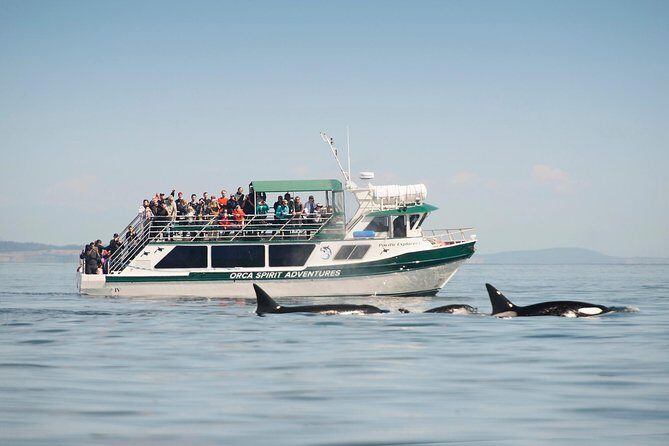
- Covered boat comfort: indoor warmth plus outdoor viewing means you can switch spots without missing action
- 360° panoramic deck: great angles for spotting whales and snapping photos
- Marine naturalists who teach as you go: you’re not just watching, you’re learning whale behavior in plain language
- Photo help on some tours: some crew members take and share photos afterward (often described as free)
- Upper-deck seating can be limited: if you want the most intense cold-weather viewpoints, get onboard early
Why the covered-vessel format matters in Victoria
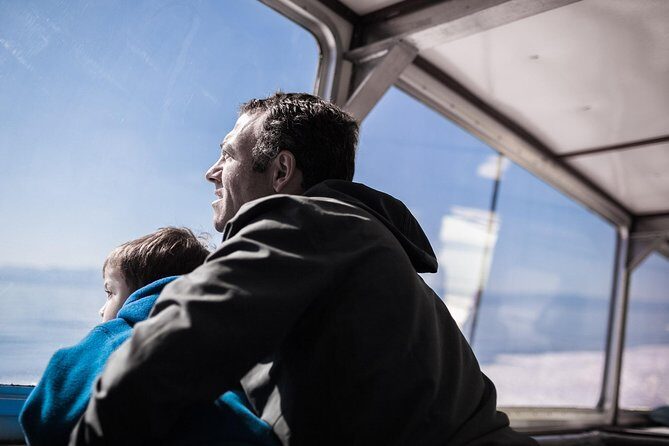
Victoria whale watching can feel either easy or miserable, depending on wind, spray, and temperature. This tour’s biggest practical advantage is that it’s designed around comfort first, especially with indoor viewing and full washroom facilities. That matters because you can stay warm and still keep eyes on the water.
You’ll also benefit from the elevated outdoor viewing approach. The boat isn’t just a ride with a few peeking windows—it has outdoor 360-degree panoramic deck space for your best sightlines and photo angles. When whales surface close by, you’ll want options, and this setup gives you multiple ways to watch.
The other thing I like: the guiding style isn’t distant. You’ll get a dedicated marine naturalist who’s focused on what’s happening on the water right now. In the best moments, the crew’s excitement is contagious, like when guides call out behavior patterns and you realize you’re watching something more complex than a random splash.
You can also read our reviews of more whale watching tours in Victoria
Getting to 146 Kingston St without wasting your morning
The tour starts and ends at 146 Kingston St, Victoria, BC V8V 1V4. It’s straightforward, and it’s also close enough to public transportation that you’re not forced into a complicated logistics puzzle.
A practical tip: show up early enough to get settled before departure. That’s extra important if you care about the outdoor deck or want a shot at the most limited seating areas. You’ll be glad you weren’t sprinting around in cold air with your coat halfway zipped.
Also note the tour is offered with a morning or afternoon departure option. If your schedule is flexible, you can pick the time that fits your day instead of feeling locked into one slot.
Inside vs outside: how you’ll actually watch whales
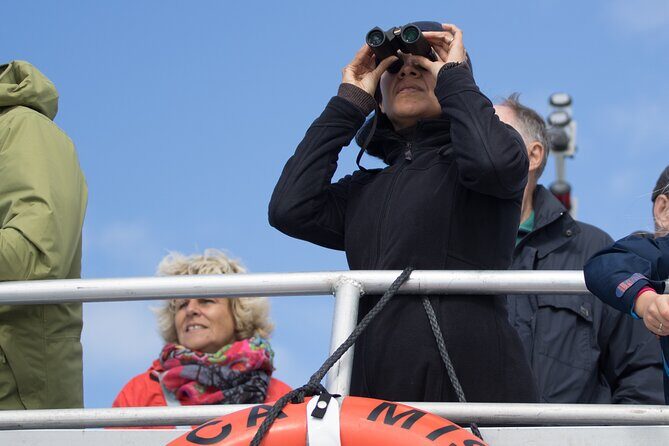
On this tour, your “where to stand” choice is part of the experience. If it’s cold, windy, or damp, you can spend time inside the cabin where it’s warmer and drier, then move out when you spot activity. People really appreciate that changeable setup, because whale watching often includes long scanning stretches.
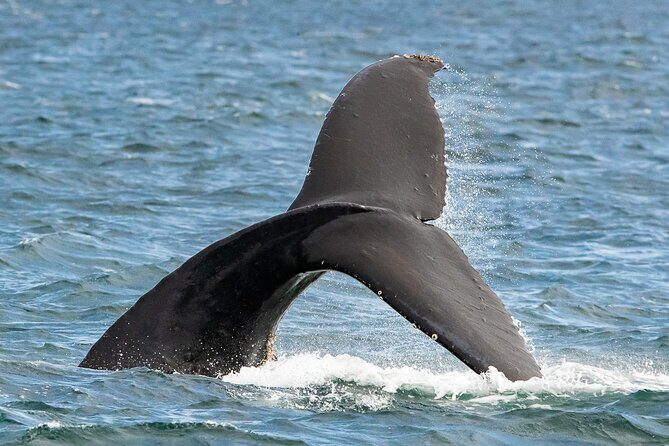
Up top, you’ll have the better field of view for spotting. That panoramic deck is where you can catch the full arc of surfacing behavior—tail, blow, and sometimes repeated sightings from the same pod. It’s also where photos get easier because you’re not blocked by the window frame.
The downside is simple: the outdoor deck can get cold fast. Some people mention needing serious layers like gloves, hats, and warm accessories, and a few note that you can get soaked while watching from higher positions. If you tend to dislike getting wet or cold, plan on using the indoor cabin as your default, then rotate out when you see action.
What the 3 hours feels like on the water
The tour runs about 3 hours. In that time, the crew is doing two jobs at once: finding wildlife and keeping everyone oriented while they watch. That means you’ll spend a good chunk of time scanning, then you’ll have bursts of intensity when something pops up.
The guides tend to keep you informed as the search happens. Names that come up often include Capt Ed, Capt Bill, and naturalists like Olivia, Liam, and others. Even when you’re not seeing whales instantly, the talk keeps you engaged by explaining whale behavior and the ecosystem you’re moving through.
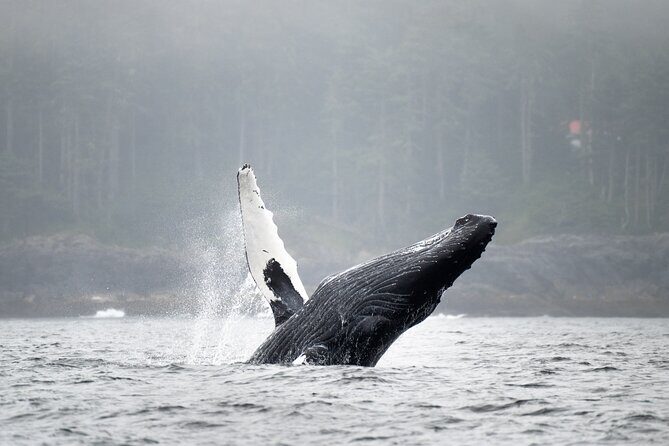
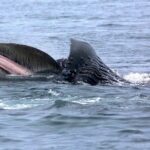
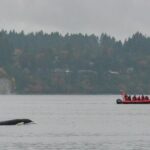
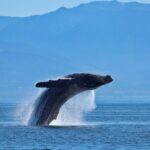
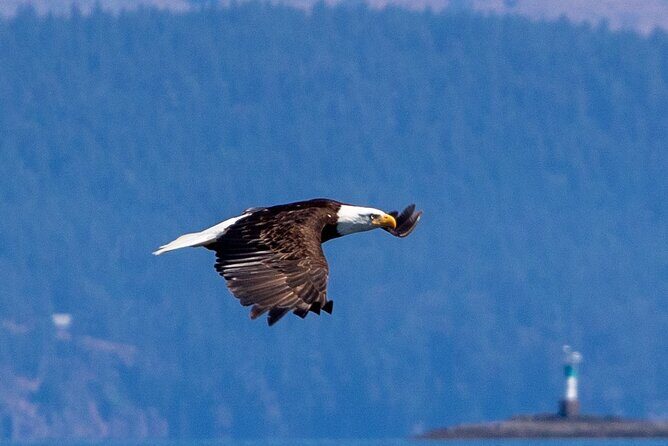
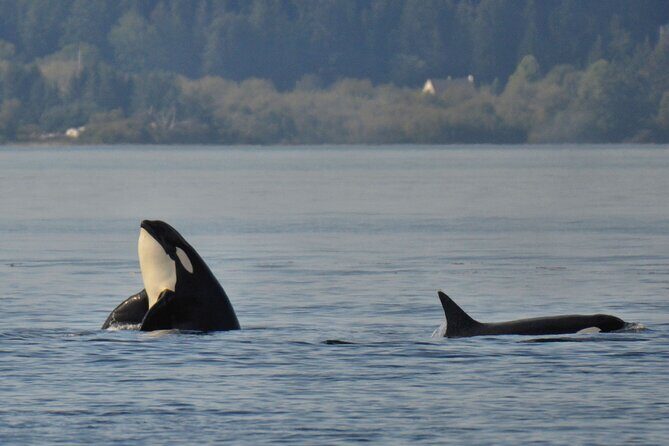
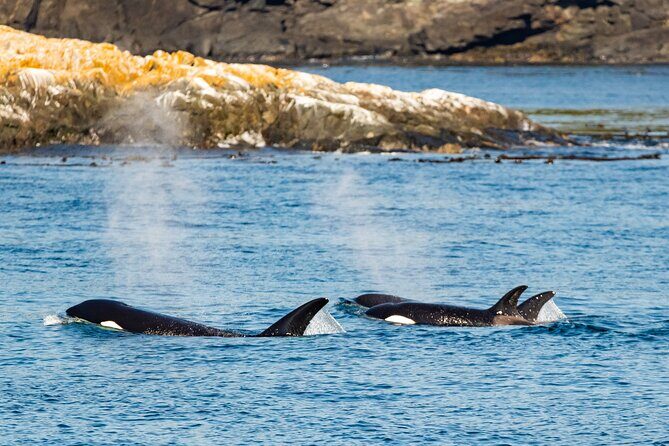
When whales do appear, you may get more than one type of sighting. Many trips include humpback whales, sea lions, sea otters, seabirds, and sometimes orcas. Some days are all about one species, and other days stack multiple encounters in a single outing.
One of the more memorable moments described is what people call “whale mugging,” when the crew slows or turns off engines due to whale curiosity. That’s rare, but it’s exactly the type of behavior explanation you get when the guide is actively interpreting what’s happening rather than just narrating a highlight reel.
How the crew boosts your odds of real sightings
You’ll see plenty of wildlife on a good whale watching day, but getting the right sightings often depends on teamwork: spotting patterns, reading the water, and knowing where to look next. This tour’s “covered vessel” design isn’t just comfort—it also helps everyone stay ready to spot changes.
The crew and naturalists focus on whale behavior and the surrounding life. That matters because whales often show up alongside other cues: birds, seals, and changing surface activity. When guides explain those relationships in real time, you learn how to identify what you’re seeing, not just what the species name is.
From the experiences described, humpbacks are a frequent headline. Sea lions and sea otters also show up often, and orcas do happen. People also mention seeing minke whales on some trips. You can’t bank on any specific species, but the pattern is clear: the crew’s job is to keep searching intelligently until they find something worth watching.




Morning vs afternoon departure: picking the right time window
You get a choice of morning or afternoon departures, which is more useful than it sounds. Light and temperature changes your comfort level, and comfort matters because you’re outside scanning for long moments.
If you’re choosing based on how you handle cold, morning can be tougher for some people, while afternoon can feel milder depending on the season. The best approach is to pick the time that matches your energy and your clothing tolerance, not just your calendar.
Another reality: whale movement is natural and unpredictable. What you can control is how prepared you are. If you dress to stay warm, you’ll enjoy the full search time instead of rushing back inside the moment your nose goes numb.
What to bring: the “stay warm and stay watching” checklist
Rain or shine is part of the deal, so you’ll want to dress like you’re going to be outside. Since you may choose the outdoor deck for the best views, treat this like a layered outing, not a casual boat ride.
Here’s the practical packing list that matches what people recommend:
- Warm layers you can move in
- A hat and gloves (especially if you plan to be on the upper deck)
- A coat that handles mist and spray
- Closed-toe shoes with grip
- Something to protect your phone/camera from spray if you’re bringing gear
If you’re sensitive to cold, plan to spend more time inside. If you’re steady with it, swap in and out. Either way, the indoor cabin lets you warm up without missing the big moment, which is a key reason this tour feels more “comfortable” than open-boat alternatives.
Price and value: what $136.42 buys you in real life
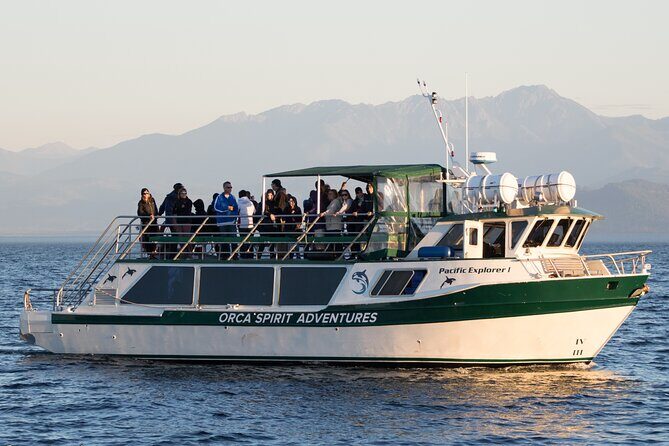
At $136.42 per person for about 3 hours, this isn’t a bargain-basement activity. But value here isn’t only about duration. It’s about the combination of a covered boat, guided expertise, and the odds of a strong wildlife outing.
You’re paying for:
- A vessel designed for continuous viewing in changing weather
- A marine naturalist-led experience that helps you interpret behavior
- A guided search process, not just a drive out and hope
The most compelling value angle is that the tour structure supports a better viewing experience. When your comfort is handled—warm inside, washrooms available, and an outdoor deck for photo angles—you tend to enjoy the full hunt. That turns whale watching from a gamble into a guided outing that still feels worth it even on slower days.
Also, the maximum group size is 75 travelers, so you’re not stuck in a giant crowd. And that helps your ability to hear the guide and find your sightline quickly when whales surface.
Food, drinks, and spending smart onboard
Food and drinks are not included, but onboard options are available for purchase. That’s actually useful for decision-making: you can eat what you like, when you like, instead of being stuck with a fixed meal plan.
The key move is timing. If you want to keep your viewing energy up, snack lightly before you board and plan small purchases onboard. That way, you’re not standing in line while you know whales are likely to surface.
If you’re someone who gets cold easily, warm drinks can feel like a small upgrade to the whole day. Since drinks are sold onboard, consider budgeting a little extra so you’re not surprised at the counter.
Who this tour suits best (and who might rethink)
This is a great fit if you want a calm, guided whale watching outing with comfort baked in. It’s often described as enjoyable for all ages, including families, because you can stay warm inside and still watch from the deck when activity starts.
It’s especially good for:
- Couples who want a relaxing experience without roughing it
- Families with kids who can’t handle long cold waits outdoors
- Solo travelers who want clear explanations while scanning for wildlife
- Photo-minded travelers who want 360 viewing angles
If you’re the type who prefers a very rugged, adrenaline-heavy ride, you might find the tone here more serene than adventurous. And if you’re very sensitive to cold spray, you’ll want to commit to layers and be smart about when you choose the outdoor deck.
Should you book this whale watching tour?
I’d book it if you want the best mix of wildlife time and comfort. The covered vessel design and indoor/outdoor viewing combo are exactly what makes whale watching in Victoria feel doable, even when weather turns. Add marine naturalists who explain behavior (people named Jake, Ryan, Gordon, and Briar stand out), and you get more than just sightings—you get understanding.
I’d also book it if your priority is learning while you watch. When the crew tells you what to look for and why it matters, you’ll notice more. That makes the “wait” part feel productive instead of tedious.
The only reason to pause is your tolerance for cold and spray on deck. If you know you’ll hate getting wet or chilled, commit to the indoor cabin and keep the outdoor time short—or bring gear strong enough to handle it.
If you can stay flexible with the day and you dress for real weather, this tour is a solid, high-value way to chase whales from Victoria.
FAQ
How long is the Victoria whale watching tour?
It runs for approximately 3 hours.
What’s included in the price?
The price includes a driver/guide and a professional guide.
Are food and drinks included?
No. Food and drinks are available to purchase onboard.
Is the vessel covered, and can I view from inside?
Yes. The tour is on a covered vessel with indoor and outdoor viewing areas.
Do I need to dress for weather?
Yes. It operates rain or shine, and you should dress appropriately for the conditions.
What’s the cancellation policy?
You can cancel up to 24 hours in advance for a full refund. If it’s canceled due to poor weather, you’ll be offered a different date or a full refund.