REVIEW · BRITISH COLUMBIA
Full Day Whale Watching Campbell River
Book on Viator →Operated by Wild Waterways Adventures · Bookable on Viator
Orcas can show up fast out here. This full-day Campbell River zodiac tour sends you into the Discovery Islands and Desolation Sound to search for whales in fjords, island channels, and tidal rapids.
I like two things the most: the way the guides read the water for whale activity, and the fact that you get a real farm-to-table lunch (plus snacks and hot drinks) during the long day. Even with the big wildlife goal, the day feels like organized exploring rather than just rushing from one spot to the next. Reuben is one of the named guides, and his hunt-style planning is part of why days can turn into big whale moments, not just a drive-by.
One consideration: the route can shift depending on what the water is giving that day. If the team chooses to run farther north to improve the odds for orcas, you may spend more time in transit than you expected, even if humpbacks might have been the safer bet.
In This Review
- Key points worth knowing before you go
- From Quathiaski Cove to the whales: how the day really runs
- Zodiac rides and tidal rapids: why this feels different from a big-boat tour
- Whales on the move: humpbacks, orcas, and how the guide choices affect your odds
- More than whales: eagles, seals, sea lions, dolphins, and bear chances
- Lunch on an island: what included really means for an 8-hour day
- Gear that makes a cold-water day easier: suits, gloves, goggles
- Price and value at about $266: what you’re paying for
- Who should book this Campbell River whale watch (and who might not)
- Should you book this tour?
- FAQ
- How long is the full day whale watching tour?
- Where does the tour start, and what time?
- How many people are on the zodiac?
- What whale species might you see?
- What other wildlife is possible besides whales?
- Is lunch included, and where do you eat?
- What cold-weather gear is provided?
- Do you pay extra for parking?
Key points worth knowing before you go
- Small-boat focus: capped at 11 travelers with zodiac-style riding for close, flexible wildlife searching
- Real search time in fjords: Coastal Mountain Fjords, tidal rapids, and island archipelagos are part of the plan
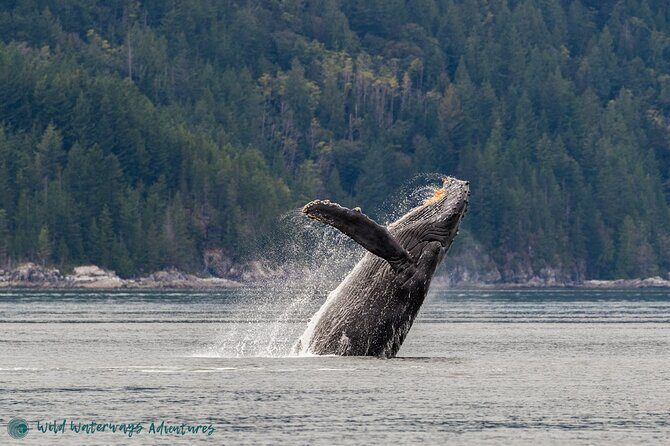
- Whale variety is the goal: humpbacks and orcas (including two orca ecotypes in the region) are a big target
- You’re not just watching whales: eagles, seals, Steller sea lions, dolphins, porpoises, and even bear chances
- Gear is included: floater suits, goggles, gloves, and beanies mean you’re better set for cold spray
From Quathiaski Cove to the whales: how the day really runs
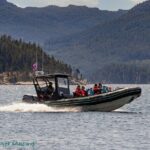
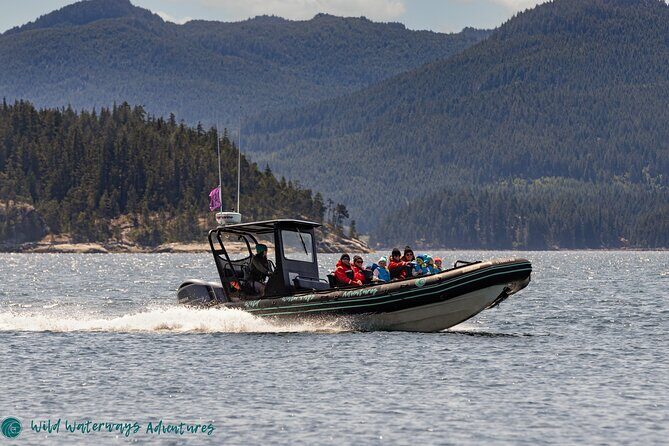
This is a full, 8-hour wildlife trip that starts at 9:00am from 730 Quathiaski Cove Rd in Quathiaski Cove and ends back at the meeting point. You’ll be on a large zodiac (the tour notes 12 passenger zodiacs), and that matters because zodiacs are built for changing conditions: narrow channels, shifting currents, and the kind of stops where you can actually watch animals feeding and moving.
The general flow is simple. You launch, then work your way through coastal fjords and island groups where whales and other marine life often use specific micro-habitats. Midway through, you take a longer lunch stop on an island. Then you head back through the water again with another round of whale searching. In practice, what makes it feel like a “real day” is that it’s not just one long drive followed by one short viewing window.
The weather piece is also important. This tour requires good weather, and if it’s canceled due to poor conditions, you’ll be offered another date or a full refund. That’s not a trivial detail in this part of BC—plan to be flexible.
You can also read our reviews of more whale watching tours in British Columbia
Zodiac rides and tidal rapids: why this feels different from a big-boat tour
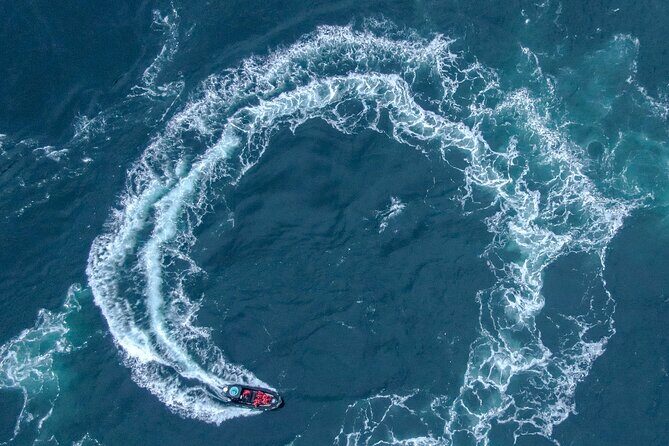
If you’re picturing a big, slow ferry, adjust that in your head. This tour is designed for a more hands-on ride. You’ll travel through tidal rapids and island channels, which is where the ocean gets active. That matters for wildlife because predators and prey often show up where currents concentrate food.
One of the most-loved parts is the tidal rapids themselves. They’re not just scenery; they’re action you can feel and learn from. You also get more time with the “in-between world” that doesn’t show up from shore—sight lines are better, and you can watch how animals use the water column and nearshore zones.
You’ll likely do washroom breaks during the day, and the tour information says they’re frequent and quick. That’s a quality-of-life win on an 8-hour zodiac outing, especially when you’re dealing with wind chill and waves.
Whales on the move: humpbacks, orcas, and how the guide choices affect your odds
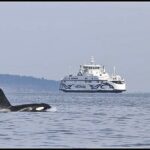
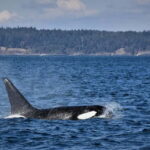
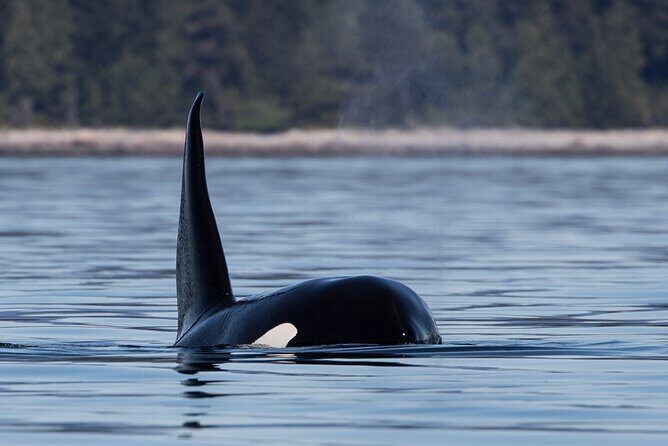
The whale lineup is a big deal here. The tour targets Pacific Northwest species, especially migratory humpback whales and orcas. The orca part gets extra interesting because the area is described as having two ecotypes: Biggs (mammal-eating culture) and Residents (salmon-eating culture). In other words, the team isn’t only looking for orcas in general; they’re tracking the right kind of whale activity for this region.
How you experience that in real time depends on where the guides decide to steer. In the information, the tour explicitly frames this as a search through fjords and archipelagos for cetaceans, not a single-location viewing. That means you might spend time waiting for the water to give you something worth stopping for—then suddenly you get multiple sightings back-to-back.
From the named guide Reuben’s examples, one approach is clear: sometimes you go for the “maybe” to get the “wow.” There’s a specific mention of a choice to head north for orcas rather than defaulting to humpbacks, and the result was multiple pods of orcas plus other species. Even if your day doesn’t match that exact outcome, the takeaway is real: the guides aren’t just following a checklist. They’re making route decisions based on what they think will pay off.
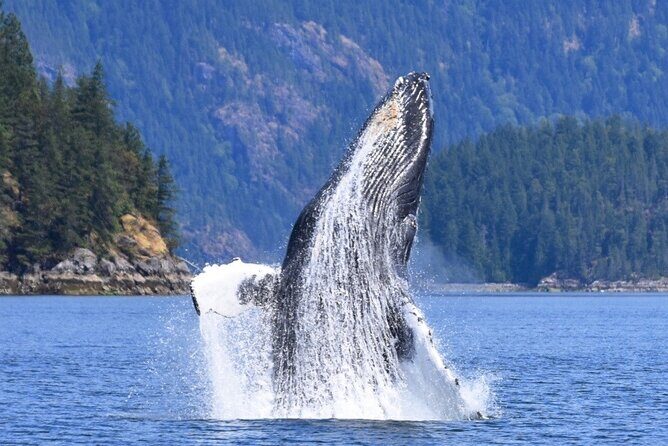
For humpbacks, you can expect classic behaviors like breaching and fin slapping when conditions line up—those kinds of surface moments are a big part of why people love this tour.
More than whales: eagles, seals, sea lions, dolphins, and bear chances
Part of the value here is that your day isn’t built around one narrow target. The tour plans for a vast variety of marine and maritime life.
You can have a shot at:
- Bald eagles along the way
- Harbour seals
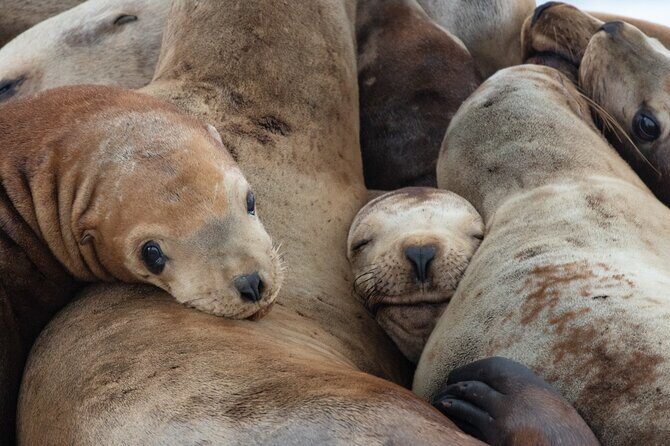
- Steller sea lions
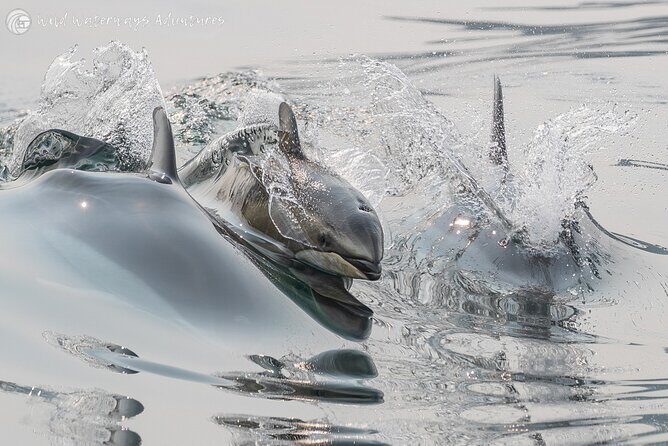
- Pacific white-sided dolphins
- Dalls and harbour porpoises
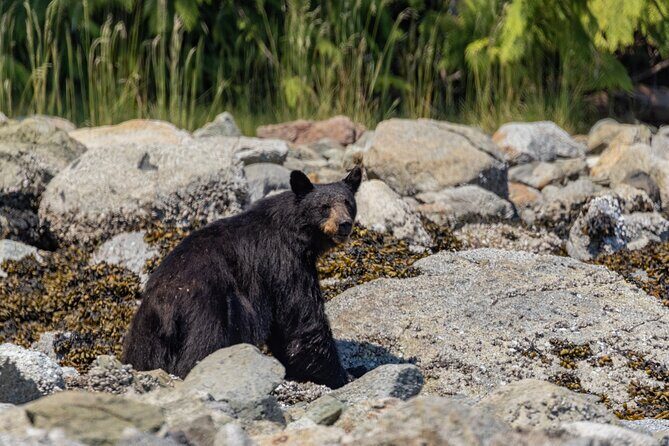
And yes, there’s also a land connection. With a keen eye on the shoreline, the tour offers hope for grizzly and black bears foraging in intertidal areas. One detailed example tied to Reuben’s guidance describes a later bear sighting with black bears fishing for salmon. Even if you don’t get that exact moment, the point for you is that the guides actively scan for shore behavior while you’re on the water.
If you care about “wildlife ecology,” this part is satisfying. You’re seeing a food web in motion: birds hunting, marine mammals feeding, and (sometimes) bears showing up where the water leaves food behind.
Lunch on an island: what included really means for an 8-hour day
Lunch isn’t a generic box meal here. The tour says you’ll stop at an island halfway through and have lunch provided, with a choice that can run either way:
- a picnic spot on a private beach, or
- a stop at a public dock with shoreside amenities and shops
That flexibility is practical. It keeps the day from turning into one long, identical loop where you eat and move on. It also means you might get a more relaxing break from boat rocking, with time to sit, eat, and reset.
The lunch is described as local farm to table, and the tour also includes snacks plus hot beverages throughout. Coffee and/or tea are included, and bottled water is on the list too. One example lunch described includes handmade salami sandwiches and home baked brownies with lemonade—so yes, it’s meant to feel like an actual treat, not just fuel.
If you’re sensitive to cold, that island lunch stop can also be the moment you warm up (you’ll still need layers, but hot drinks and food help).
Gear that makes a cold-water day easier: suits, gloves, goggles
Here’s where the tour gets smart for value. You’re not left to guess how much to wear or whether you’ve brought the right cold-water protection. The tour includes floater suits, goggles, gloves, and beanies.
That’s not just convenience. On open water in coastal BC, your comfort is directly tied to what keeps wind and spray off you. With the included gear, you can pack lighter and spend less time figuring out what’s “enough” protection.
You’ll still want to dress for damp wind and moving air under the suit gear. Bring layers you can handle. The included items cover a lot, but you’ll still have personal comfort preferences.
One more practical note: you’ll need to provide participant details (name, height, and weight; and for children, name, age, height, and weight). That’s usually about sizing and fit so the included gear works well for everyone.
Service animals are allowed, which is useful if you travel with one.
Price and value at about $266: what you’re paying for
At $266.62 per person, you’re paying for a full-day, small-group zodiac experience with real inclusions. The value isn’t just the boat ride—it’s the package.
You get:
- lunch and snacks
- coffee/tea and hot beverages
- bottled water
- full cold-water clothing set (floater suit, goggles, gloves, beanies)
- a half-day-plus wildlife search across multiple habitats
When you price it out like that, the cost starts to look more reasonable than it might at first glance. Many “see whales” days cost more once you add food, warm gear rentals, and the kind of transportation that actually gets you off the dock and into active water.
Also, this tour runs at high capacity for wildlife searching: it’s designed for a max of 11 travelers, and the zodiacs are described as 12 passenger units. That’s a balance point—you still feel part of a group, but it’s not a cattle-car situation where you can’t hold a steady view.
And the performance signals are strong: a 4.9 rating with 98% recommended. That’s not a guarantee of whales, but it is a useful clue that people tend to come away happy with how the day runs.
Who should book this Campbell River whale watch (and who might not)
This trip is a great fit if you:
- want a full day on the water, not a quick half-day
- care about wildlife variety, not just whales
- like close-up viewing where the guide can adjust quickly
- appreciate included gear that makes cold conditions more manageable
- enjoy being out in a working marine environment (fjords, tides, currents)
It may be less ideal if you’re the type who needs a perfectly predictable, low-motion schedule. This is active water travel, and the day can change with where whales appear. The same flexibility that creates whale moments can also mean longer runs when the team chooses to chase a specific target.
Should you book this tour?
If you’re choosing between a “standard whale watch” and something that treats the day like a living search, I’d lean toward booking. You’re getting a full 8-hour outing, multiple habitat types (fjords, tidal rapids, island channels), included cold-water gear, and a real lunch plan on land. Plus, the guide approach is framed around smart route decisions—sometimes that means taking a gamble for orcas rather than settling.
Book it if you can handle a full day outdoors and you want the best odds through active searching. And do one small thing before you go: double-check the pickup details for your exact marina location and arrive early enough that you’re calm, not rushing. The day works best when you start it relaxed.
FAQ
How long is the full day whale watching tour?
It runs about 8 hours.
Where does the tour start, and what time?
The meeting point is 730 Quathiaski Cove Rd, Quathiaski Cove, BC, and the start time is 9:00am.
How many people are on the zodiac?
The maximum group size is 11 travelers, and the tour describes using large 12 passenger zodiacs.
What whale species might you see?
The tour specifically targets migratory humpback whales and orcas (Biggs and Resident ecotypes in the area).
What other wildlife is possible besides whales?
You might see eagles, harbour seals, Steller sea lions, Pacific white-sided dolphins, Dalls, harbour porpoises, and bears depending on shoreline activity.
Is lunch included, and where do you eat?
Lunch is included. Midway through, you’ll stop at an island for lunch, which can be a picnic on a private beach or a stop at a public dock with shoreside amenities.
What cold-weather gear is provided?
Floater suits, goggles, gloves, and beanies are included.
Do you pay extra for parking?
Parking at the marina has an additional fee of $4.