REVIEW · VICTORIA BRITISH COLUMBIA
From Victoria: Whale Watching Marine Wildlife Excursion
Book on GetYourGuide →Operated by Orca Spirit Adventures Whale Watching · Bookable on GetYourGuide
Three hours, and the Pacific shows up. This Victoria whale watching Zodiac trip puts you in a small 12-passenger, open-air craft designed for faster wildlife encounters along the coast.
I like two things right away: the boat’s compact size (you get closer to where the action is) and the onboard biology-certified marine naturalist who helps you spot what you’re seeing. One heads-up: it’s open-top and weather can be brisk, so it’s not a great fit if you have chronic back or neck issues or you’re unable to handle cold wind and spray.
The tour also earns points for its practical environmental choices. The Zodiac uses eco-friendly Yamaha 4-stroke outboards built for ultra-low emissions and quieter operation, plus there’s a $5 wildlife conservation fee sent to the Pacific Salmon Foundation to support wild coho and chinook salmon restoration in the Salish Sea.
In This Review
- Key things to know before you go
- Why a 12-Passenger Zodiac makes this Victoria whale watching different
- Juan de Fuca + Haro Strait: the places where the animals show up
- What happens during the 3 hours on the water
- Comfort and safety: suits, seating, and wind on an open deck
- Guide-led spotting: what a good naturalist adds to your sightings
- Wildlife you can realistically hope for (and how to set expectations)
- Price and value: what you get for about $113
- Practical tips so you stay comfortable (and get better photos)
- Who this tour suits best—and who should skip it
- Should you book the Victoria Zodiac whale watching tour?
- FAQ
- How long is the whale watching marine wildlife excursion?
- Where is the meeting point in Victoria?
- What type of boat is used and how many people are on it?
- What wildlife might I see on the tour?
- What should I bring, and what do I get provided?
- Who isn’t this tour suitable for?
- Who leads the tour and what’s included with it?
Key things to know before you go
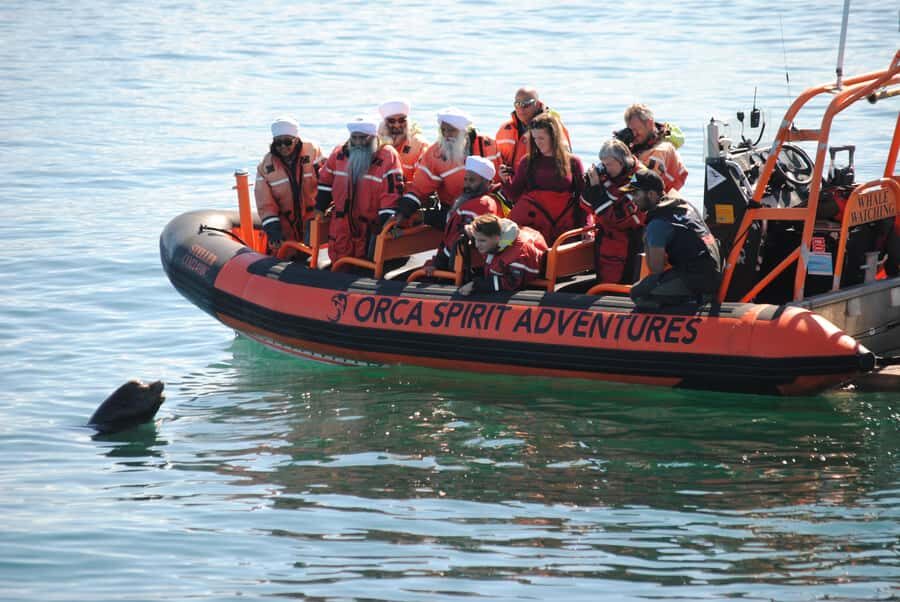
- 12 passengers max on a Zodiac means quicker “on scene” time when wildlife appears
- Yamaha 4-stroke outboards aim for low emissions and quieter cruising
- Biology-certified marine naturalist helps you make sense of sightings
- Flotation cruiser suits and dry storage keep you comfortable for the ride
- Juan de Fuca and Haro Strait are known for regular marine wildlife activity
- Tyler-style guiding is a highlight when you get a responsive, funny skipper/guide
Why a 12-Passenger Zodiac makes this Victoria whale watching different
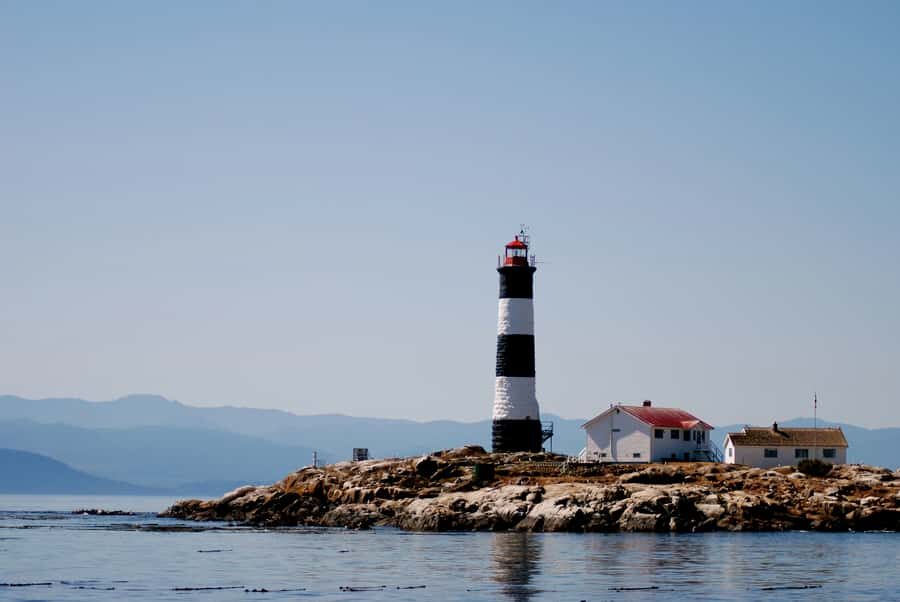
If you’ve done bigger boats before, you already know the tradeoff: you’re safer in a crowd, but you can feel far from the animals. Here, the small group setup matters. With only 12 people onboard, the crew can move with purpose and you spend more time scanning the water, less time waiting for a distant view.
This is also an open-air experience. That sounds simple, but it changes how you experience the ocean. You get clear sightlines for spotting spouts, fluke slaps, and birds reacting at the surface. It also helps for photography because you’re not dealing with as many glass barriers or awkward angles.
And yes, it can feel like you’re riding fast. The Zodiac is modeled after coast guard rescue vessels, cruising around 25 to 35 knots. That speed isn’t just for thrills—it helps the captain reposition when wildlife shows up. In whale watching, those minutes can be the difference between a quick pass and a real look.
You can also read our reviews of more whale watching tours in Victoria British Columbia
Juan de Fuca + Haro Strait: the places where the animals show up
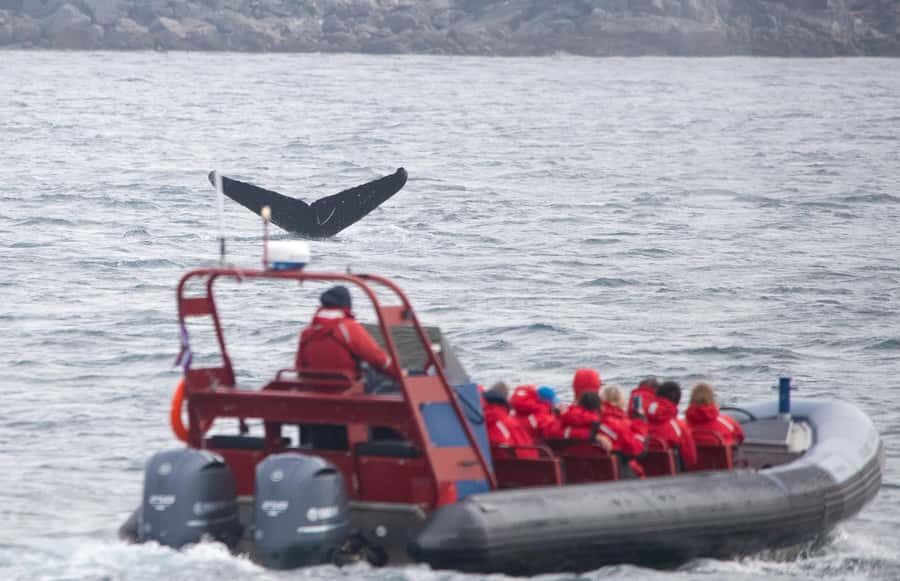
This tour focuses on the waters between the Victoria area and the Juan de Fuca and Haro Strait region. That corridor is famous in this part of British Columbia because it tends to concentrate marine life, from sea mammals to diving birds.
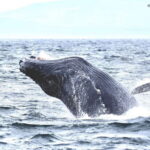
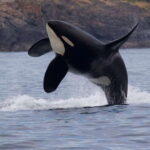
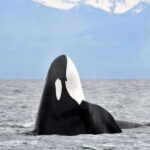
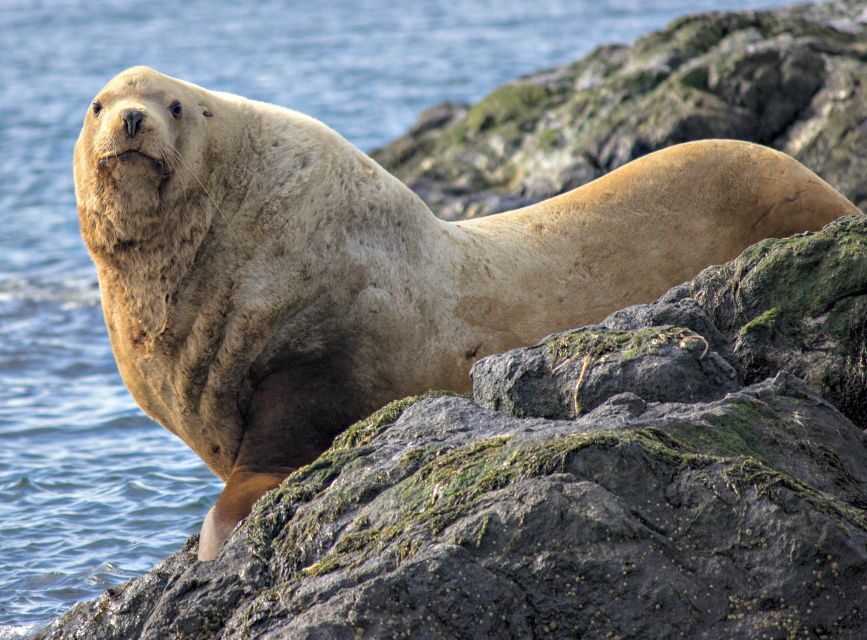
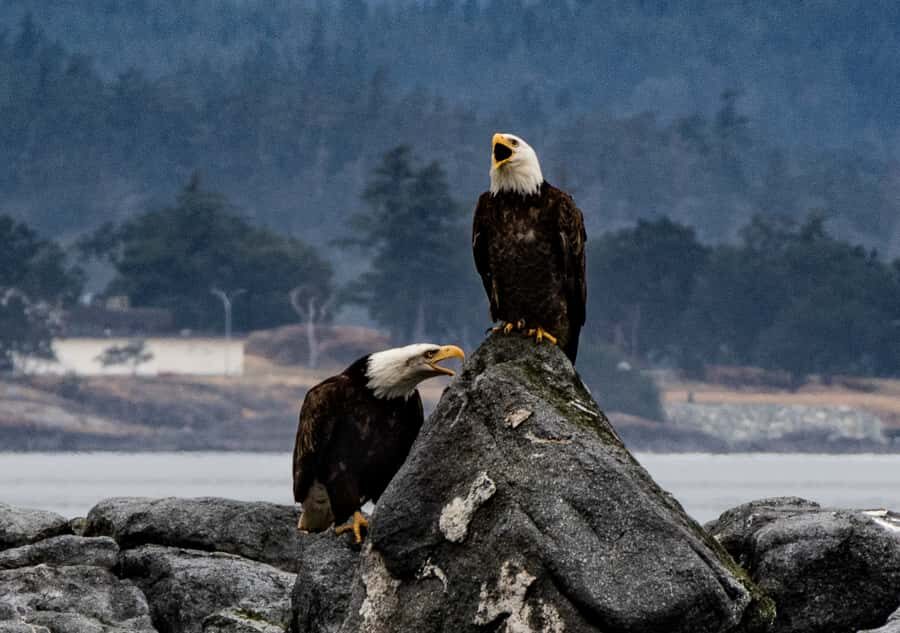
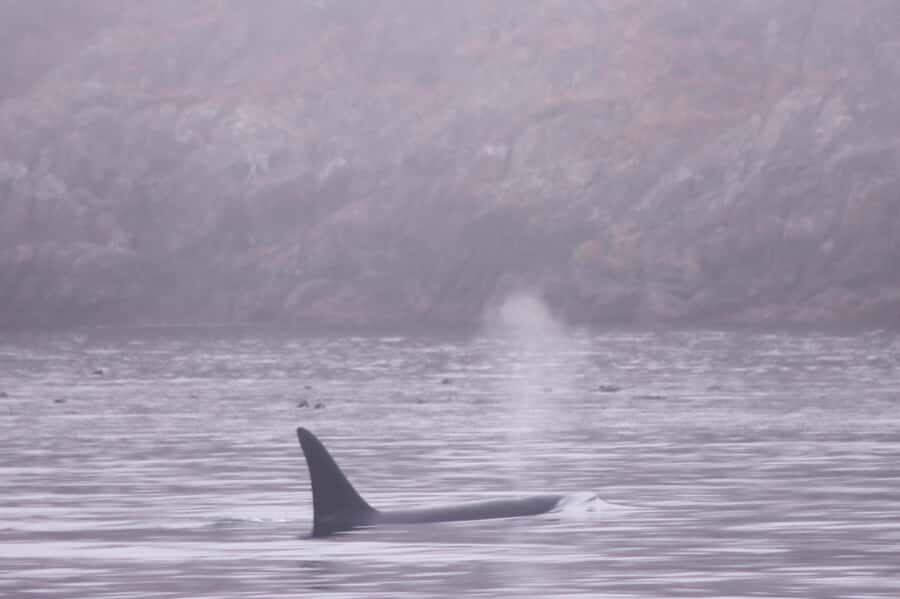
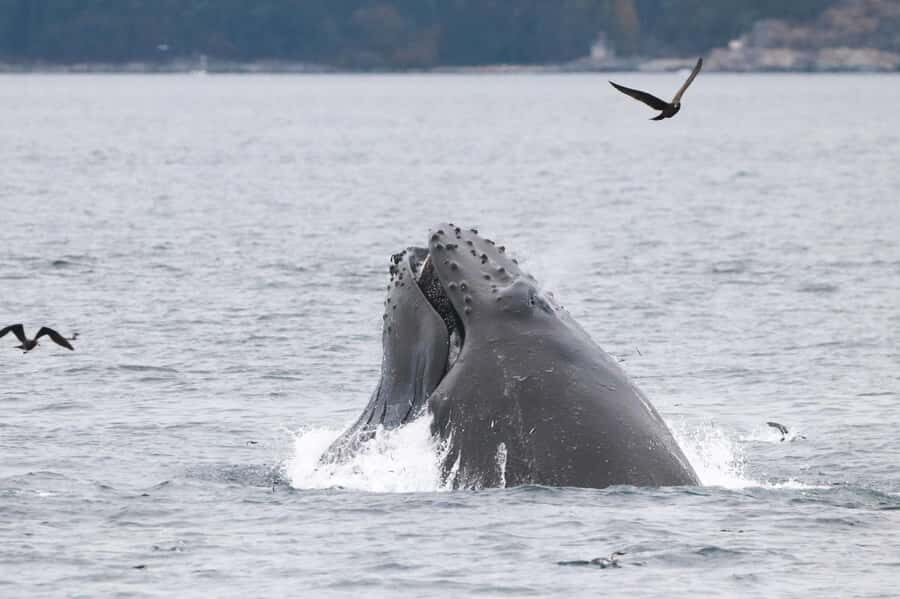
You might see humpback whales and killer whales (orcas), along with smaller-but-still-exciting sightings like minke whales, harbor seals, and sea lions. The area also supports sea and river otters, plus lots of marine birds that often act like living surf reports. When you see birds bunching up or diving in patterns, it’s usually a clue that there’s feeding happening under the surface.
Even if your goal is whales, don’t ignore the “support cast.” The best marine wildlife days often mix big moments (like a whale breach or a pod passing) with steady, easy-to-watch action close to the boat—seals popping up, sea lions resting on the edge of the waterline, or otters working along the shoreline.
What happens during the 3 hours on the water
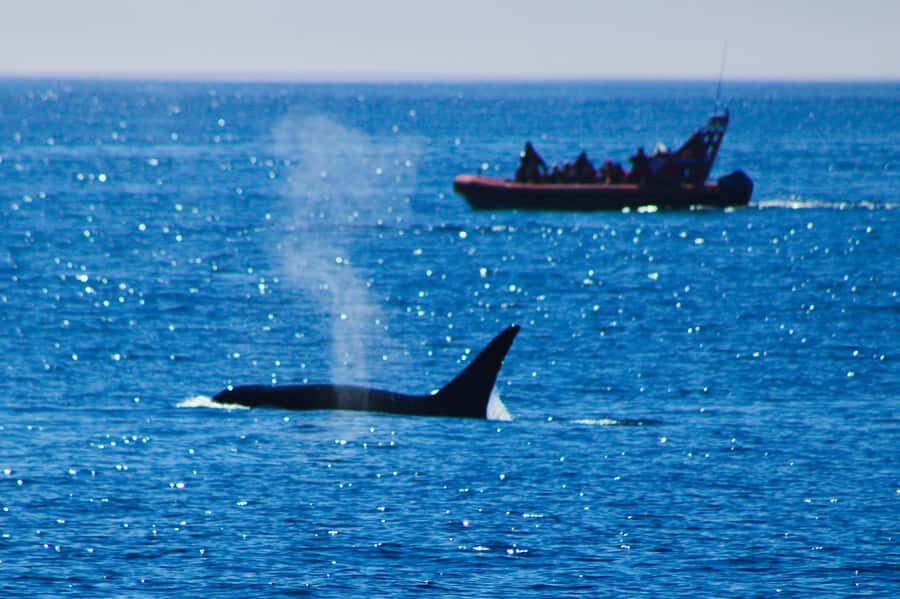
You’re out for about 3 hours, usually in the afternoon. That time window is long enough to scan for wildlife properly, but short enough that you won’t be stuck out there waiting forever if conditions are slow.
A typical feel of the outing is straightforward:
- You start with a quick briefing and gear setup (including the flotation suits).
- Then the Zodiac heads out to the best wildlife areas, where the captain keeps eyes on the water and the guide helps read the scene.
- When sightings happen, you don’t just stop and hope—this boat’s size and speed let you get on scene faster.
- You return once the tour time window closes, with your head full of what you saw and how it all fits together.
One subtle benefit of a guide who’s also trained in biology: you’ll get help interpreting what you’re seeing. It’s easier to understand behavior when someone can translate the basics—like how whales move, how seals surface, or why certain bird activity shows up when food is near.
Comfort and safety: suits, seating, and wind on an open deck
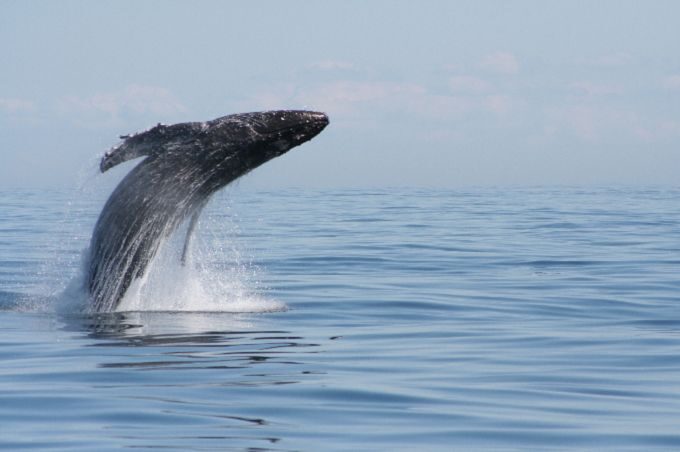
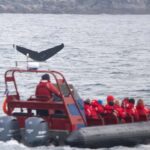
This isn’t a plush cruise ship. It’s an outdoor Zodiac ride, which means your comfort depends on how you dress. The good news is that you get real help: full flotation cruiser suits are provided. These are designed to keep you warmer and safer should you get splashed, and they cut down on that cold-water anxiety.
Onboard, you’ll also find well-padded bench seats and cushioned backrests. It’s not luxury, but it’s enough to make the ride more bearable when the ocean starts to roll.
You should still plan for wind. The boat is open-top, and the coastline in this region can shift from calm to cool quickly. Wear warm clothing, use closed-toe shoes, and bring a camera you’re comfortable holding steady in a moving boat. A reusable water bottle is also a smart idea because the ride can be surprisingly active even when you’re just watching.
There’s also dry storage under the seat, plus space in the office to leave belongings during the tour. That means you don’t have to cram your day bag into your lap.
Guide-led spotting: what a good naturalist adds to your sightings
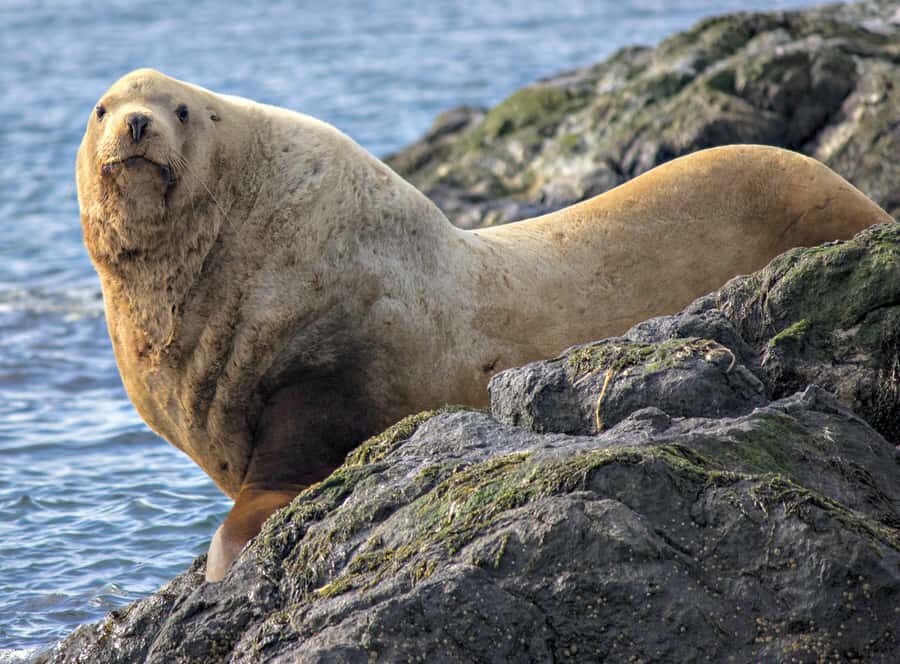
The ride isn’t only about speed. It’s about understanding what’s happening around you. This tour includes a biology-certified marine naturalist and Zodiac driver, and that pairing can make a huge difference.
From prior experiences on this kind of trip, the guiding style that wins people over is the one that stays flexible. For example, the name Tyler has shown up in feedback as a guide who responded quickly to new situations and kept everyone informed. Another note that matters: one rider suggested a clearer way to hear the guide better, like using a microphone. That tells me you should treat audio as a bonus, not a guarantee—so watch for visual cues from the guide and be ready to ask questions.
If you’re into learning, this is where the value shows. Whales and orcas aren’t just big shapes on the water. They have behaviors—surfacing patterns, movement through the channel, and ways they interact with the surrounding ecosystem—that are a lot more satisfying when someone explains the basics in plain language.
A few more Victoria British Columbia tours and experiences worth a look
Wildlife you can realistically hope for (and how to set expectations)
Wildlife watching is never a promise. Still, this route and boat type are built for chances, not just sightseeing.
Here’s what you should feel good about looking for:
- Humpback whales (often a main goal on this coast)
- Killer whales (orca), if conditions and movements line up
- Sea lions and seals close to shorelines or haul-out areas
- Sea otters and river otters (species presence depends on the day)
- Marine birds that can signal feeding activity and churn at the surface
- Potential smaller whale sightings like minke whales
The smart move is to keep your eyes wide. If you focus only on one target, you can miss the best moments. I’d plan to enjoy the full set: birds, seals, and otters as the “in-between scenes,” then whales when they make their appearance.
Also, remember this is open-water out on a moving boat. Spouts can be fast and timing-sensitive. If you want photos, practice scanning first and shooting second. It beats fumbling with settings while the whale is already gone.
Price and value: what you get for about $113
At $113 per person for a 3-hour outing, you’re paying for more than a ride. You’re also paying for a small-group boat, a naturalist, safety gear, and an environmental contribution.
Here’s where the value shows up:
- The Zodiac’s design lets you reach wildlife faster than a bigger vessel.
- The group size stays tight at 12 participants, which helps the guide manage spotting and helps you feel part of the action.
- You get flotation suits and a system for keeping belongings dry or stored.
- A $5 wildlife conservation fee supports salmon restoration through the Pacific Salmon Foundation, tied to restoring wild coho and chinook in the Salish Sea.
When you compare this to longer tours or larger boats, the best reason to choose it is the “time-on-target” feel. You’re not spending the whole day traveling. You’re out for a few hours with the goal of being ready when wildlife appears.
Practical tips so you stay comfortable (and get better photos)
Do this and you’ll enjoy the whole experience more:
- Dress in layers. Warm clothing matters because you’re exposed on an open deck.
- Wear closed-toe shoes with grip. The boat ride moves, and you’ll feel steadier.
- Bring a camera, but secure how you hold it. A moving Zodiac makes shaky photos easy.
- Pack a reusable water bottle.
- If you run hot, you might still bring a light extra layer. Wind chill can change quickly.
For photos, keep your expectations realistic. You can get great wildlife shots, but the “best frame” is usually a quick reaction: watch where the guide points, scan the surface for movement or bird dives, then shoot when you confirm the animal is there.
Who this tour suits best—and who should skip it
This tour is ideal if you want an active, wildlife-focused outing out of Victoria with a crew that helps you interpret what you see. It’s also a good match if you like the idea of a compact boat rather than a long, crowded cruise.
It’s not suitable for:
- Children under 6 (and the note about being 4 ft tall also matters for fit/safety)
- Pregnant women
- People with chronic back or neck issues
- Wheelchair users
If you’re traveling with mobility or comfort limitations, it’s worth choosing a different format that fits your needs better. And if you’re sensitive to cold wind or rough water, dress aggressively for warmth even when the forecast looks mild.
Should you book the Victoria Zodiac whale watching tour?
If your goal is a close-to-the-water Victoria whale watching experience with a small group, this one makes a lot of sense. I’d book it if you want the chance to see humpbacks, orcas, and marine wildlife in the Juan de Fuca and Haro Strait area, and you’re willing to dress for open-air weather.
Skip it if your health or comfort needs won’t work with an open-top Zodiac and the provided suit setup. Also, if you strongly dislike cold wind and spray, plan on layers and expect the outing to feel more like being at the water than being in a covered cabin.
FAQ
How long is the whale watching marine wildlife excursion?
The tour lasts 3 hours.
Where is the meeting point in Victoria?
You meet at 950 Wharf Street, Victoria BC.
What type of boat is used and how many people are on it?
You ride on an open-top Zodiac vessel with a small group limited to 12 participants.
What wildlife might I see on the tour?
You may see humpback whales, killer whales (orcas), sea lions, seals, sea and river otters, minke whales, harbor seals, and marine birds.
What should I bring, and what do I get provided?
Bring warm clothing, a camera, closed-toe shoes, and a reusable water bottle. You’ll receive full flotation cruiser suits and there is dry storage under the seat.
Who isn’t this tour suitable for?
It isn’t available for children under 6 or guests under 4 ft tall, expectant mothers, people with chronic back or neck issues, or wheelchair users.
Who leads the tour and what’s included with it?
A biology certified marine naturalist Zodiac driver provides the live tour guide experience in English, and a $5 wildlife conservation fee supports Pacific Salmon Foundation restoration work for wild coho and chinook salmon in the Salish Sea.