REVIEW · VANCOUVER
Explore Vancouver: Beaches & Downtown Audio Tour Bundle
Book on Viator →Operated by Adventures with Action · Bookable on Viator
Audio + beaches in one smooth drive. I love the offline maps and location-triggered stories, and I love the hands-free audio that plays as you move. The one real catch: you have to download the tour while you have strong Wi‑Fi or cellular, or you’ll be stuck dealing with audio setup.
This is priced at $14.99 per group (up to 4), so it can work out like a bargain for a carful of friends or a family. The route is about 9 miles long with 19+ audio stories, and you’ll likely spend around 2–3 hours total if you take photos and quick beach breaks.
In This Review
- Key Things to Know Before You Start
- What You’re Actually Getting: A 9-Mile Audio Loop Through Vancouver
- Sunset Beach: Calm Water, Snacks, and a Softer Start to the Day
- Burrard Street Bridge Secrets: Old Vancouver with a Mysterious Twist
- Kitsilano Beach Park and Kitsilano: Beach Views Plus a Neighborhood with Pull
- Jericho Beach Park: A Name with History Behind It
- Locarno Park: A Beach Where Quiet Is the Rule
- Spanish Banks Beach Park: Space, Students, and Wave-Chasers
- University of British Columbia (UBC): Big Campus Themes in a Short Stop
- Nitobe Memorial Garden: Japanese Authenticity Without the Need for a Flight
- UBC Botanical Garden and the Treewalk Option
- Gastown Steam Clock and Robson Square: Downtown Without the Ticket Lines
- Stanley Park Totem Poles: First Nations Stories You Can Read in Wood
- Nine O’Clock Gun and Prospect Point: The Day’s Best Payoff for Views and Stories
- Price and Value: Why $14.99 Per Group Often Makes Sense
- Practical Tips for a Smooth Day (So the App Doesn’t Become the Main Character)
- Should You Book This Vancouver Beaches & Downtown Audio Tour?
- FAQ
- How much does the Vancouver audio tour cost?
- How long does the tour take?
- What language is the audio available in?
- Do I need tickets or reservations for attractions?
- Is this a guided tour with a person meeting me?
- Will it work without cellular or Wi-Fi?
- How do I start the tour?
- Can I pause and resume when I want?
- Is the tour available only for certain dates?
- Where does the tour end?
Key Things to Know Before You Start
- Offline maps that keep going once you download the tour (no cell signal needed for playback)
- Location-based audio: stories start automatically when you reach each stop
- A smart mix of beach time + city icons, from Sunset Beach to Stanley Park
- Designed for small groups: buy once per group, up to 4 people
- Lifetime access with no expiry, so you can reuse the same tour on future trips
What You’re Actually Getting: A 9-Mile Audio Loop Through Vancouver
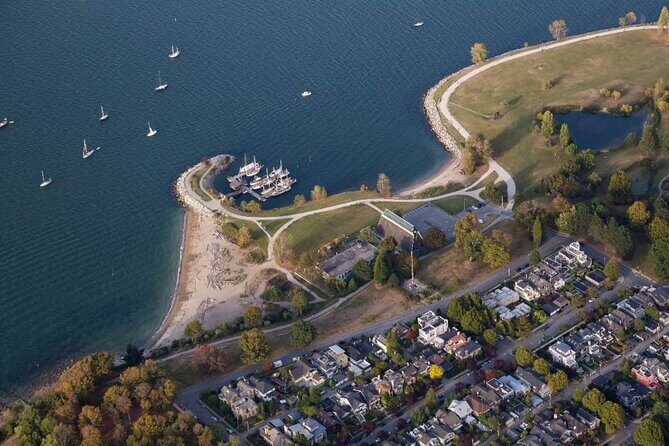
Think of this as a self-guided “greatest hits” drive that still gives you real moments at the water and in iconic downtown spaces. You’re not chasing a bus schedule or waiting for other people to finish a bathroom break. You’re in control: start anytime within opening hours (6:00 AM to 9:00 PM), pause for snacks or photos, then roll on when you’re ready.
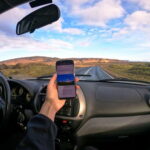
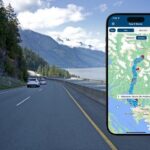
The format also matters. Because the audio is triggered by your location, you can spend less time staring at your phone and more time looking around. If you’re using a car, you can connect your phone to the stereo with Bluetooth, USB, or AUX. If you’re doing more walking at specific stops, headphones can make the experience easier to hear without blasting sound in public.
One more practical note: it’s “driving audio,” not an all-day hike. The route covers a lot of ground, so you’ll feel the city’s variety, but you won’t get hours-long beach lounging at every spot.
A few more Vancouver tours and experiences worth a look


Sunset Beach: Calm Water, Snacks, and a Softer Start to the Day
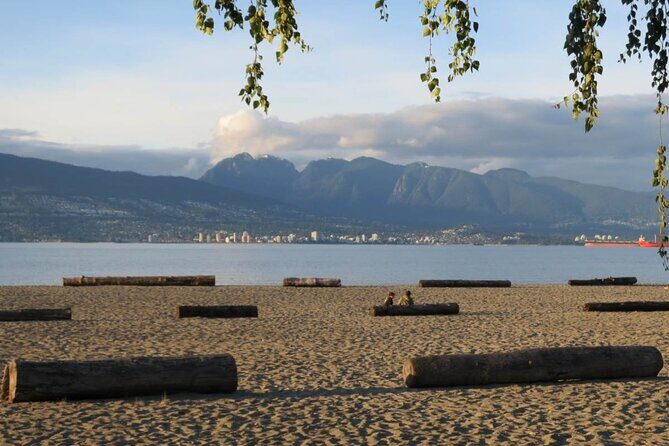
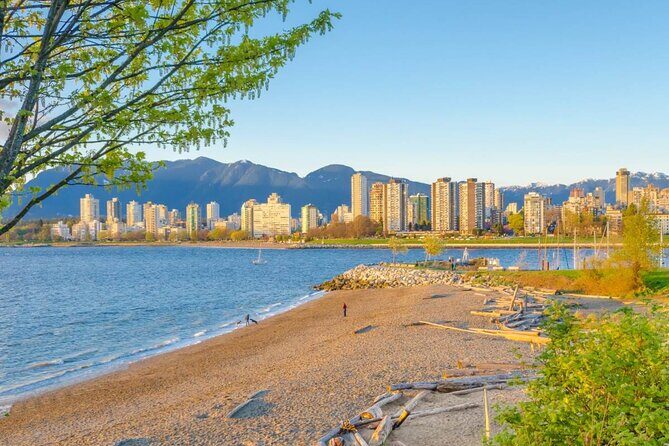
Your tour kicks off at Sunset Beach, a sheltered strip of sand where the water is generally calmer than at many open-coast spots. That makes it a good first stop if you’re traveling with kids, or if you just want an easy shoreline moment without fighting waves the second you arrive.
Look for the small details mentioned in the audio: there are concessions, plus a grassy field nearby for anyone who doesn’t feel like doing the whole sandals-and-sun thing right away. Even if you only step out for a few minutes, this stop sets the tone for the rest of the route: beach views, relaxed pacing, and quick local story beats.
If you want a longer beach reset, you can pause the tour and spend extra time here—just remember the tour is meant to keep moving through the route.
Burrard Street Bridge Secrets: Old Vancouver with a Mysterious Twist
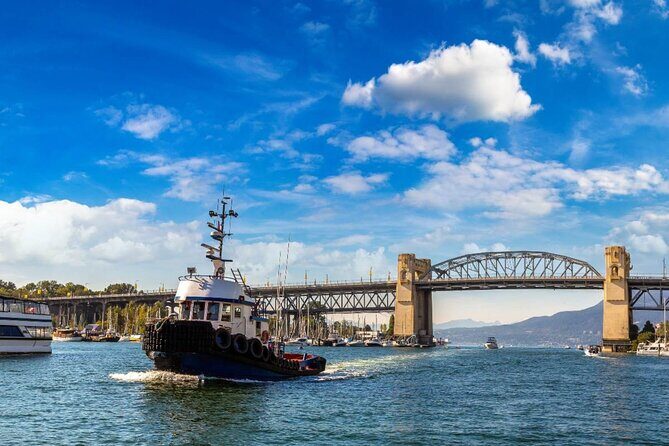
Next comes the Burrard Street Bridge, described as the oldest bridge in Vancouver. The outside is beautiful, but the story’s real hook is what’s hidden inside—there’s an entire stairwell in the south tower, once connected to Vanier Park. It’s been sealed off for close to 100 years, and the audio points out that nobody really knows why.
This is the kind of stop that’s short but memorable. You’re not just getting scenery; you’re learning how the city’s infrastructure has layers—some obvious, some deeply weird. It’s a good reminder that Vancouver’s modern look has older chapters tucked underneath.
Kitsilano Beach Park and Kitsilano: Beach Views Plus a Neighborhood with Pull
As you move along, you’ll hit Kitsilano Beach Park with a lookout-style approach to the shoreline. The audio highlights the views toward English Bay, which is exactly what you want here: a quick view-and-breathe moment before you keep going.
Right after that, the tour also gives you the social context of Kitsilano (locals call it Kits). The big idea is that this area is widely seen as one of British Columbia’s more desirable neighborhoods, especially for younger professionals. Even if you’re only briefly passing through, you get a sense of why people want to live here: water nearby, views, and an active outdoor culture.
A practical extra from the audio: the heated outdoor pool at Kitsilano Beach Park is saltwater and is Canada’s longest pool at 137 meters, running seasonally from May to September. If your trip lands in summer, that’s a great add-on stop—otherwise, you’ll just appreciate it from the outside.
Jericho Beach Park: A Name with History Behind It
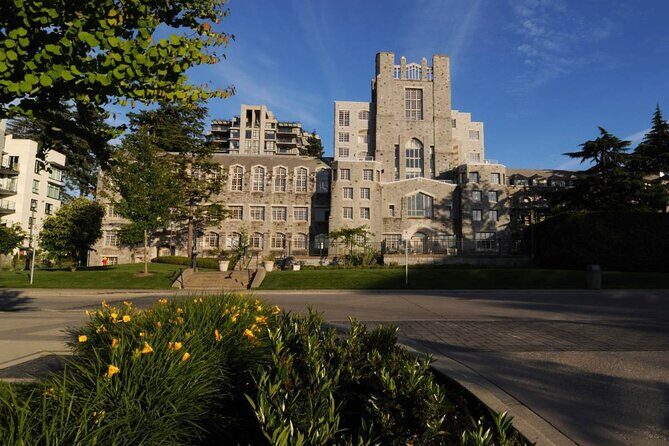
Jericho Beach Park is another shoreline stop, with a short story that gives the place a sharper edge. The audio ties the name to Jeremiah Rogers, a 19th-century logger who worked in the area.
This is a theme in the whole tour: you often get a human-sized detail like this that helps you stop treating place names as random labels. Even a quick drive-by can feel more meaningful when you understand where the name came from.
A few more Vancouver tours and experiences worth a look
Locarno Park: A Beach Where Quiet Is the Rule
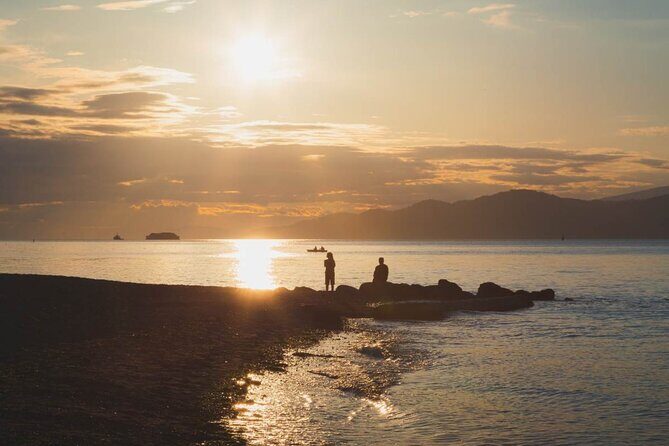
At Locarno Beach, the tone changes again. The audio tells you this beach is quiet by law, meaning amplified sound isn’t allowed. So if you’re hoping for beach parties, you may be disappointed. But if you want a calmer break, that rule can be a real benefit.
It’s also a useful planning tip: because it’s quieter, you’re likely to enjoy a slower walk or a calmer pause. Park in the lots if you want to stop, or just keep rolling if you’re trying to hit all the major sites without rushing.
Spanish Banks Beach Park: Space, Students, and Wave-Chasers
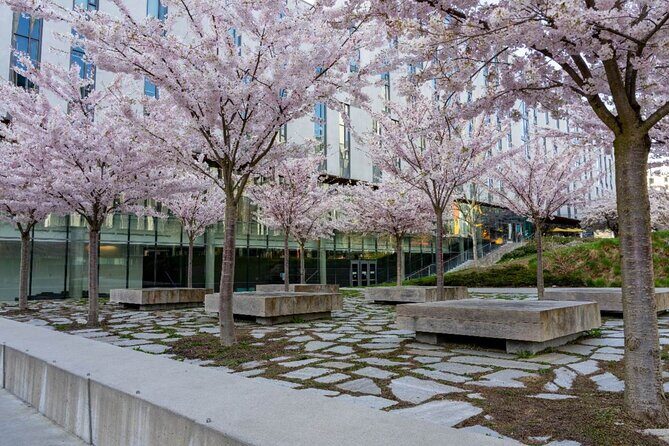
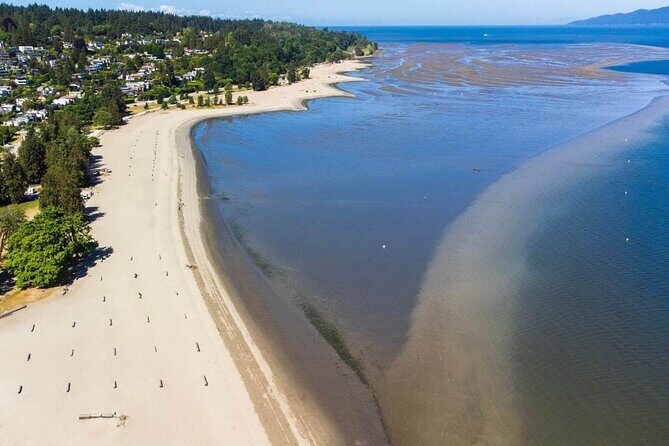
Then you’re at Spanish Banks Beach Park, described as the most spacious beach area in the Vancouver region. The sandy banks stretch along the far western edge of the city for about a mile, which explains why it can feel like you have more room than you’d expect in a big city.
The proximity to the University of British Columbia shows up in the vibe. The audio notes students taking breaks from studies, and other adventurous types looking for good waves. If you’re the type who likes watching people play at the water—surfboards, swimmers, wind-in-your-face beach energy—Spanish Banks is the place on this route where that energy tends to show up most.
University of British Columbia (UBC): Big Campus Themes in a Short Stop
You’ll pass University of British Columbia, and the audio doesn’t treat it like just another scenic landmark. Instead, it frames UBC through its relationship with First Nations people—a theme that ties back to Vancouver’s broader identity.
This is also where the tour starts doing something important for your brain: it shows you how the city’s natural beauty and its institutions are connected to the same long story. Even if you don’t tour campus buildings, you still come away with a clearer context for what you’re seeing.
Nitobe Memorial Garden: Japanese Authenticity Without the Need for a Flight
One of the tour’s most specific stops is Nitobe Memorial Garden, featuring a traditional Japanese garden. The audio makes a strong point about authenticity, including a detail from 2009: when Emperor Akihito strolled through the garden, he reportedly said he felt he was in Japan.
That kind of story detail is valuable because it changes your expectations. Instead of thinking of it as a generic “nice garden,” you can approach it with the idea that it’s designed to feel genuinely Japanese, not just landscaped in the style.
If you’re short on time but still want a moment that feels like a different place, this is the stop to treat as a must.
UBC Botanical Garden and the Treewalk Option
The audio wraps the UBC-area segment with UBC Botanical Garden & Centre for Plant Research. The key practical cue here is that you can explore on your own from there, including the Treewalk.
If you want a little movement on your day (some walking, some views), this is a good place to stretch your legs before you head downtown. If you’re tired or it’s raining, you can still enjoy the botanical atmosphere at a slower pace without committing to the Treewalk.
Either way, it helps break the route into “west-side water and campus” followed by “downtown icons.”
Gastown Steam Clock and Robson Square: Downtown Without the Ticket Lines
Next up is pure Vancouver theater: Gastown Steam Clock. The audio explains how it works—steam-powered whistles, plus a small engine that uses steam to wind the clock. It’s also said to be one of only seven working steam clocks in the world, which is the kind of fact that turns a quick photo into something slightly more satisfying.
A few minutes later, you hit Robson Square, described as a place connected to important provincial courts and a covered skating rink. Even if you’re not skating, the covered rink can be an appealing stop if the weather turns. And if you are visiting in winter, it adds seasonal contrast to your beach-and-garden day.
These downtown stops are useful because they’re quick. You’re getting iconic Vancouver imagery without needing entry tickets or reservations.
Stanley Park Totem Poles: First Nations Stories You Can Read in Wood
When the tour reaches Stanley Park, you’re meant to focus on the Totem Poles. The audio frames them as inspired by carved poles created by First Nations communities for centuries, representing ancestry, stories, and spiritual symbols.
This is one of those moments where listening matters. Totem poles can look like art from a distance, but the audio encourages you to treat them as carriers of meaning, not just photo props. That makes your walk through the park feel more grounded.
Nine O’Clock Gun and Prospect Point: The Day’s Best Payoff for Views and Stories
Two late-tour stops deliver both spectacle and story.
First, the Nine O’Clock Gun in Stanley Park. The audio says it fires every evening at 9:00 PM, and it includes the famous 1969 mystery where the gun was stolen and only returned after a ransom donation was raised by UBC engineering students. That blend of regular ritual plus weird local legend is why this stop tends to land with people.
Then you finish at Prospect Point Lookout. The audio calls it an easy, short walk with sweeping ocean views and views of the Lions Gate Bridge. There’s also a Squamish legend included: Shaunz and Siwash and a story of parents turned to stone as an example of perfect parenting.
Even if you’re not usually into legends, a lookout like this works because it gives you a payoff for the effort: you stop, you look, and the story locks into the view.
Price and Value: Why $14.99 Per Group Often Makes Sense
At $14.99 per group (up to 4), the pricing is built around one big idea: pay once for the car, not for each person. If you’re traveling with a partner and one friend, or a family of four, it can feel dramatically cheaper than a guided tour where everyone needs a ticket.
You’re also buying time flexibility. The app supports start anytime, pause anywhere, and you can take breaks freely for snacks and photos. That flexibility has real value in Vancouver, where you might want to step away from the route if you spot parking close to a viewpoint or if the weather changes.
Then there’s the practical value of lifetime access with no expiry. If you end up back in Vancouver later, you can reuse the same tour rather than paying again.
One limitation to keep in mind: attraction passes aren’t included. The tour is designed so you can enjoy most stops from outside or with free access, but you still won’t have entry tickets bundled for paid attractions.
Practical Tips for a Smooth Day (So the App Doesn’t Become the Main Character)
Here’s how I’d make this tour feel effortless:
- Download the tour on strong Wi‑Fi or cellular before you start. The app works offline after that download, but the initial setup is the one time you really need good connection.
- Use your car stereo if you’re driving. Bluetooth, USB, or AUX works, and it’s compatible with Apple CarPlay (Android Auto is said to be coming). Clear audio makes the difference between a “cool drive” and an “annoying drive.”
- For walking sections, consider headphones. It’s easier to hear stories when you’re moving and the area is windy or noisy.
- Don’t rush the route. The audio cues match the journey, and the tour notes that you should stick to the route and speed limit for the best experience.
- Plan for quick stops rather than long hangs. This is a half-day style loop: great for seeing a lot, not for maxing out beach time at every beach.
If audio glitches happen, the tour says you can contact support—so you’re not totally on your own if something goes wrong.
Should You Book This Vancouver Beaches & Downtown Audio Tour?
I’d book it if you want a low-stress way to see both shoreline Vancouver and classic downtown Vancouver in one go, especially if you’re traveling with up to three other people and prefer your own pace. The offline, hands-free audio is the core strength here. You get a lot of place context without needing to hire a guide or plan a detailed map-and-walk schedule.
I’d think twice if your main goal is long stretches of beach time. This route does include several beaches, but the structure is still drive-and-stop, with short story moments at many locations. If you’re hoping for hours of beach lounging at each stop, you’ll probably feel like you’re moving too fast.
If you like the idea of mixing quick nature breaks with downtown icons like the Gastown Steam Clock, Stanley Park Totem Poles, and the Nine O’Clock Gun, this is a smart, budget-friendly way to do it.
FAQ
How much does the Vancouver audio tour cost?
It costs $14.99 per group, up to 4 people.
How long does the tour take?
It’s listed as about 2 to 3 hours. There’s also a note that the full route is about 1 to 2 hours to complete.
What language is the audio available in?
The tour is offered in English.
Do I need tickets or reservations for attractions?
Attraction passes, entry tickets, or reservations are not included.
Is this a guided tour with a person meeting me?
No. It’s self-guided, and no one meets you at the start.
Will it work without cellular or Wi-Fi?
Yes. Offline maps are included, and it works offline after you download the tour while you have strong Wi‑Fi or cellular.
How do I start the tour?
After booking, you’ll get instructions and a password by email and text. Once onsite, open the separate Action’s Tour Guide App, launch the correct tour version, and enter the first story’s point so audio begins automatically.
Can I pause and resume when I want?
Yes. You can pause anywhere and resume later at your own pace.
Is the tour available only for certain dates?
No. It includes new, lifetime access with no expiry, so you can use it anytime and on multiple trips.
Where does the tour end?
It ends back at the meeting point.