REVIEW · EDMONTON
Edmonton: TELUS World of Science General Admission Ticket
Book on GetYourGuide →Operated by TELUS World of Science - Edmonton · Bookable on GetYourGuide
A planetarium and hands-on science in one ticket. If you want a single day that mixes big ideas with stuff you can actually do, TELUS World of Science is hard to beat, especially with included Zeidler Dome daytime shows and the Science Garage design-and-engineering activities. One thing to plan for: IMAX and evening laser shows cost extra, and that’s where totals can creep upward.
For $19 per person, you get same-day access to a full menu of permanent exhibits and science spaces, plus the included science demonstrations on the Syncrude Science Stage. You can also add extra-charge options like feature exhibitions, IMAX films, and special laser shows when you want them, not when you have to have them. This is a 1-day outing, so the trick is pacing yourself across galleries without feeling like you’re sprinting.
In This Review
- Key highlights worth planning around
- Your $19 ticket: what you really get
- Entering Zeidler Dome for daytime planetarium shows
- Arctic Journey: the exhibit that makes the cold feel real
- Science Garage and Syncrude Science Stage: learning by building
- S.P.A.C.E. Gallery and Stardust: The Universe in You
- Nature Exchange: researchers, trading, and hands-on curiosity
- Health Zone: science you can use
- CuriousCITY for ages 6 and under
- The Douglas Cardinal Indigenous Traditional Room: a respectful pause
- Add-on costs: how to keep your total from surprising you
- Where food and shopping fit into your day
- How to pace a full day without feeling rushed
- Who this is best for (and who might want a different plan)
- A quick checklist before you go
- Should you book TELUS World of Science general admission?
- FAQ
- What’s included with TELUS World of Science general admission?
- Are planetarium shows included in the ticket?
- Can I access the Zeidler Dome on the same day as my ticket?
- Is CuriousCITY included, and what ages is it for?
- Are feature exhibitions included?
- What extra experiences cost additional fees?
- Is food and shopping available onsite?
- What should I bring to the science center?
- Is the venue wheelchair accessible?
- Are children free?
Key highlights worth planning around
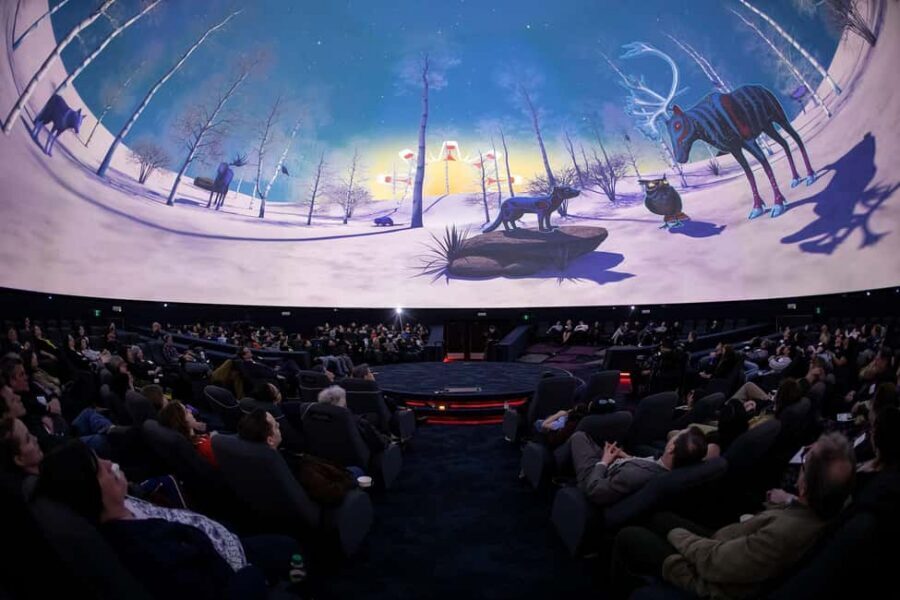
- Zeidler Dome planetarium daytime shows are included, and the dome is noted as the largest in Canada
- Arctic Journey is built to make you feel the Arctic’s chill, not just read about it
- Science Garage focuses on hands-on design and engineering, a great payoff for curious kids
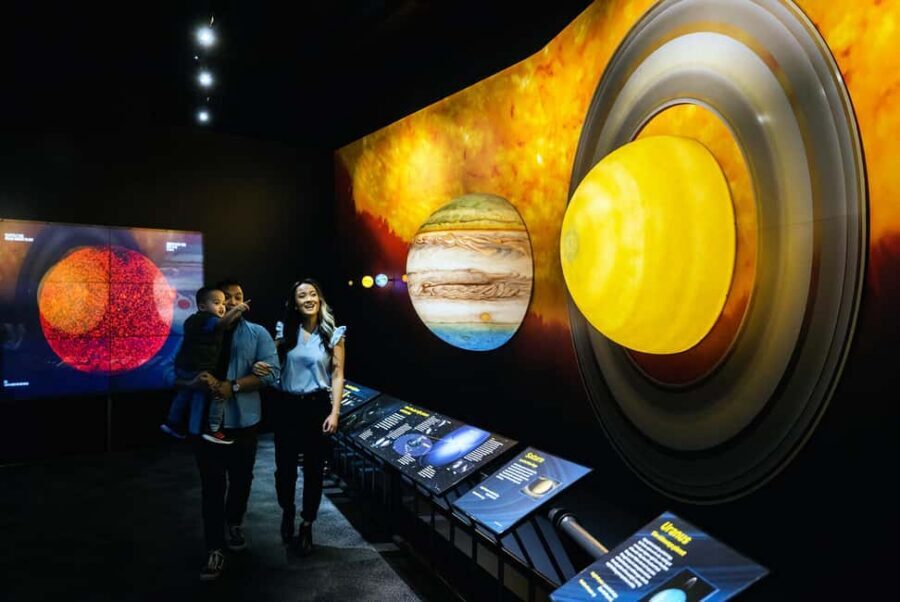
- S.P.A.C.E. Gallery connects solar system, beyond, and manned space exploration tools
- CuriousCITY is specifically for kids 6 and under, so younger visitors have their own pace
Your $19 ticket: what you really get
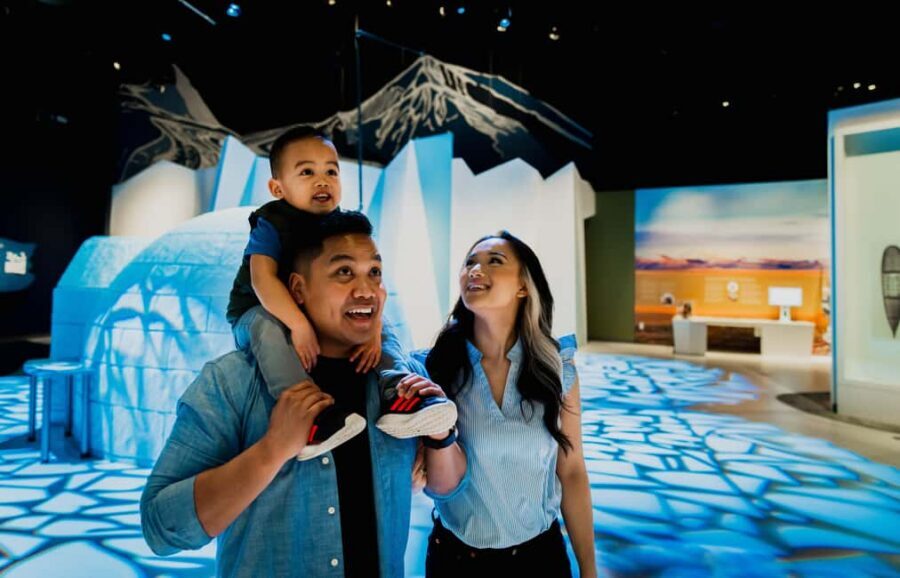
TELUS World of Science works like a science buffet. Your general admission ticket is the base layer, and it already includes access to a lot of the building’s permanent exhibit galleries and key “stage” moments.
For the price, the value comes from variety. You’re not only watching screens or reading panels. You’re moving between interactive galleries (like the ones focused on health, nature, space, and design) and doing short science-stage experiences along the way.
If you like to plan simply, this is also a relief. You’re not committing to a separate ticket for the planetarium or the main permanent spaces. Then, if you want to splurge later, you can add IMAX or evening laser shows as extras.
A few more Edmonton tours and experiences worth a look

Entering Zeidler Dome for daytime planetarium shows
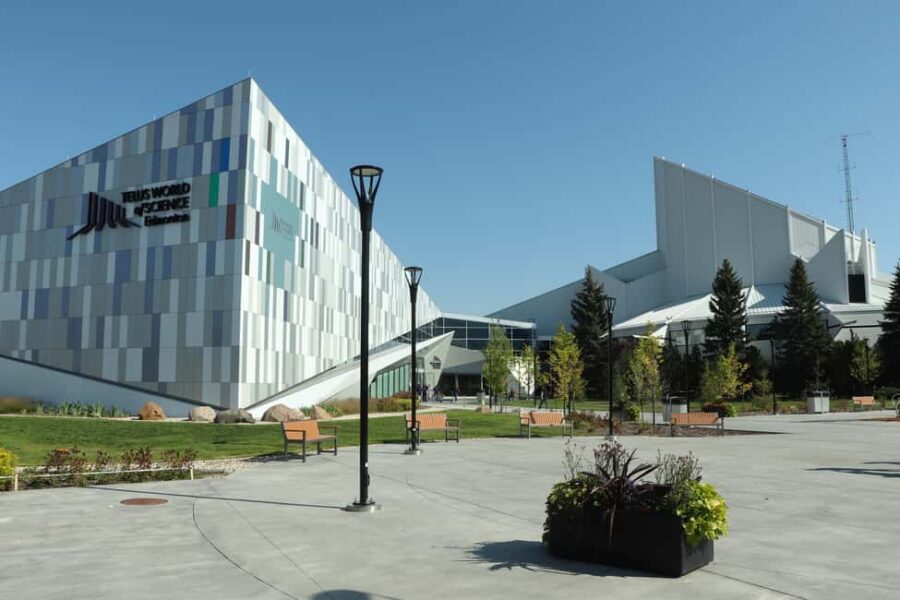
The Zeidler Dome is a big reason people make TELUS World of Science a priority in Edmonton. Your general admission includes planetarium access during the day, so you can schedule it without adding another admission charge.
Because the planetarium is described as the largest in Canada, it tends to feel like you’re getting a “major” theater experience rather than a small local add-on. I’d treat it as your anchor. Pick a time window that works with the rest of your day so you don’t end up bouncing around between galleries without a plan.
Practical tip: wear comfortable shoes and keep your camera handy. You’ll want to capture the moments, and daytime show timing usually shapes the best order for the rest of your visit.
Arctic Journey: the exhibit that makes the cold feel real
Most science center exhibits teach with visuals. Arctic Journey adds a different trick: you’re meant to feel the Arctic’s chill and explore its wonders from the inside.
That matters for families because it changes the learning style. Kids often remember experiences that have a sensory piece, and this one uses that feeling of cold as part of how you understand the Arctic environment. Even if you’re visiting as an adult, it’s a nice break from “space and stars” energy and a reminder that science is happening right here on Earth.
If you’re visiting with mixed ages, Arctic Journey can work well because it’s not only about reading. It’s about experiencing a theme space and moving through it.
Science Garage and Syncrude Science Stage: learning by building
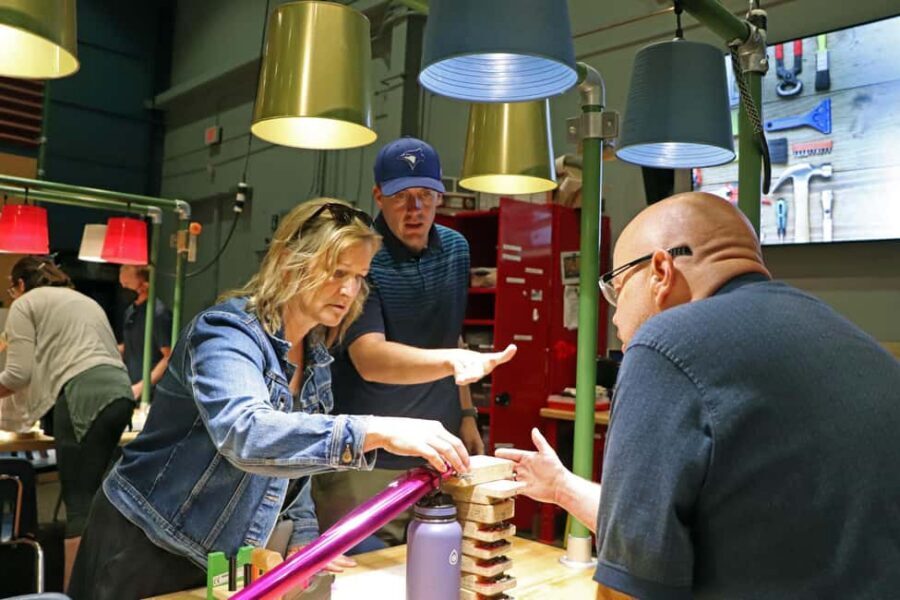
This is where TELUS World of Science really earns its ticket. The Science Garage is described as a widely expanded and improved activity space built around hands-on design and engineering activities.
That’s a big deal because design-and-engineering is the part of science where people get to make choices. Instead of only observing cause and effect, you’re more likely to test ideas—good for kids, and genuinely satisfying for adults who like tinkering.
Then there’s the Science Stage with demonstrations on the Syncrude Science Stage. These are included, so you’re not hunting for extra-ticket programming to fill the middle of your day. If you see a demonstration that lines up with your visit, it’s an easy win. It gives you a “reset” between gallery time and lets you regroup without losing momentum.
S.P.A.C.E. Gallery and Stardust: The Universe in You
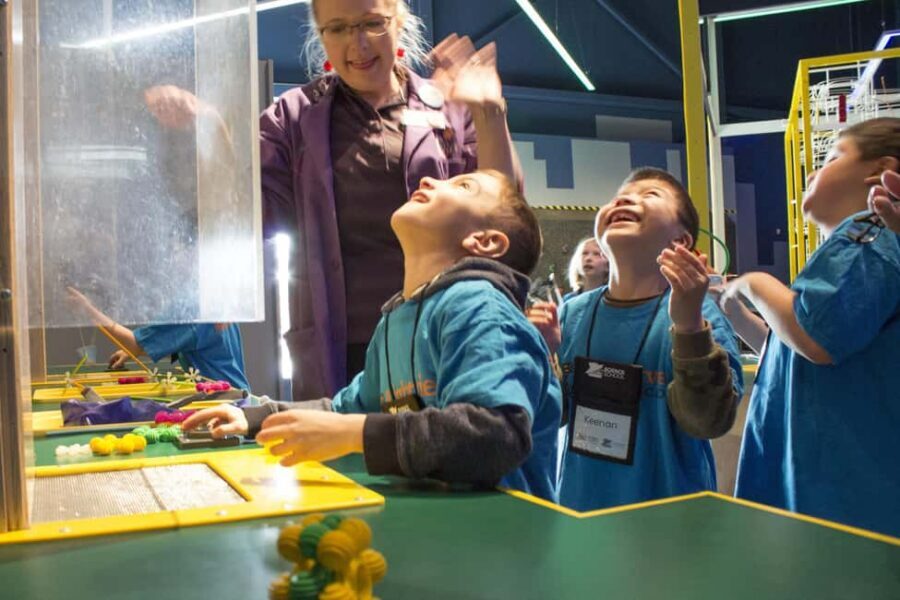
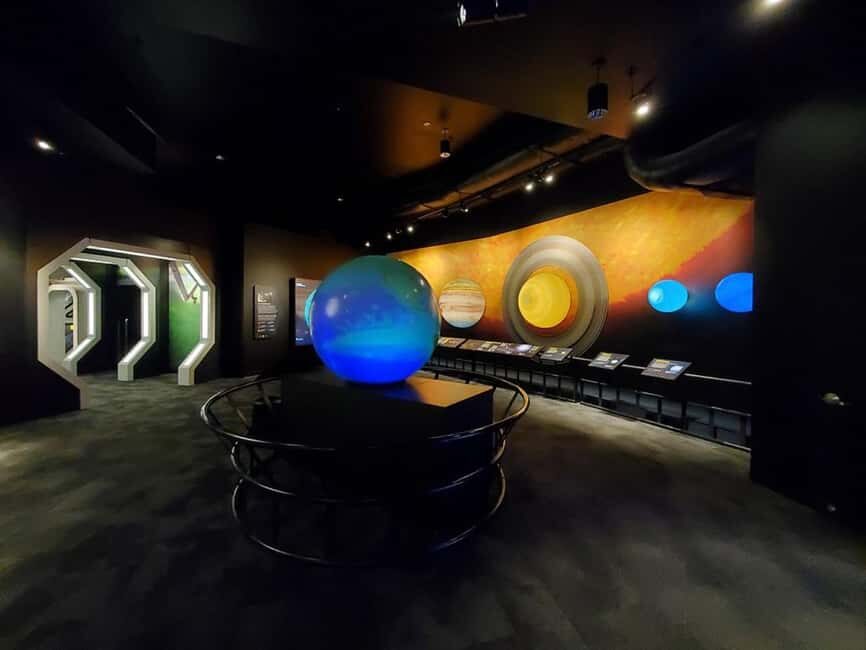
If your group loves space topics, plan to spend time in the S.P.A.C.E. Gallery. It’s built around practical learning: solar system, celestial objects beyond it, manned space exploration, and the tools used to understand what’s out there.
What I like about this approach is that it doesn’t treat space as only images and myths. It connects space to methods—tools and what those tools help us learn. That makes the information feel more grounded, even for kids.
A current featured experience is Stardust: The Universe in You Exhibition, listed with an end date of Sept. 14, 2025. The theme is about the connections between the stars, Earth, and you, using scientific concepts and hands-on activities. If your visit overlaps with this exhibition, it’s worth carving out time for it early, so you don’t run out of energy later.




Nature Exchange: researchers, trading, and hands-on curiosity
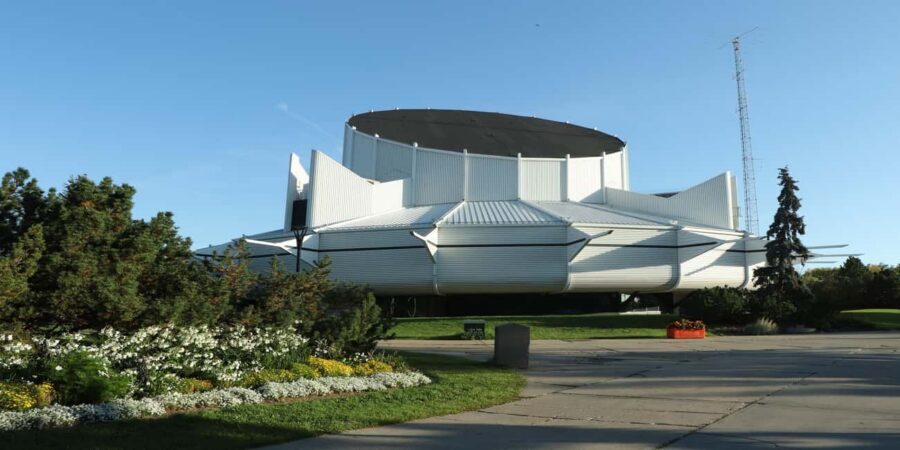
Nature Exchange is where the science center shifts gears toward natural history and the thrill of collecting knowledge. You get to step into the shoes of natural history researchers, and there’s also a Trading Centre within the Nature Exchange.
That “trade” concept is a smart engagement tool because it turns observation into action. Instead of only learning that nature matters, you get a playful structure for interacting with what you notice about the natural world.
If your group includes both science-lovers and kids who need motivation, this is often the section that helps everyone stay interested. It has enough motion and variety to keep attention without forcing everyone into a single style of learning.
Health Zone: science you can use
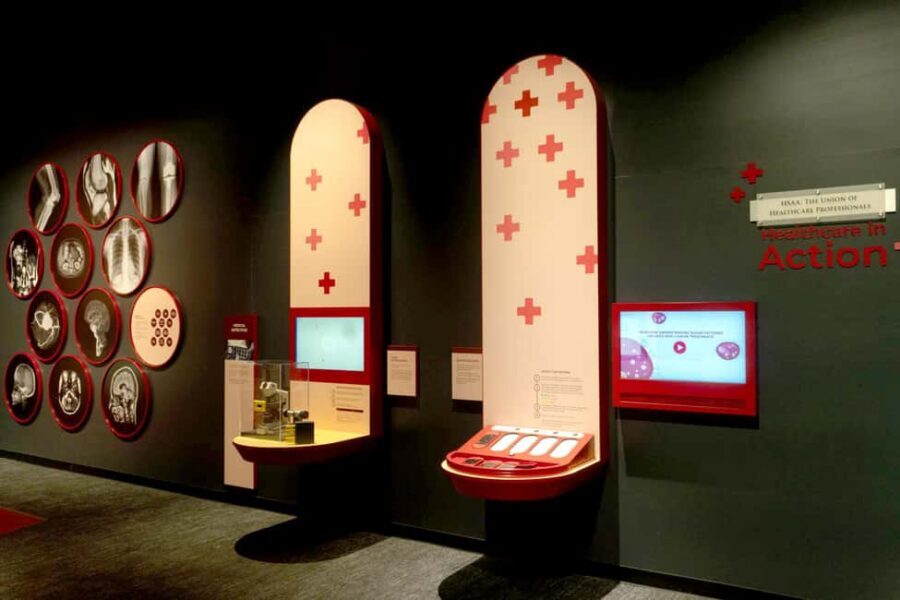
The Health Zone is included with general admission, and it’s a good counterbalance to space and Arctic themes. Even without getting too specific on individual stations, a health-focused zone usually helps kids make the link between science and daily life.
I also like that this adds balance to the day. If you start with space or Arctic content, shifting to the body and health topics can feel like a mental breath.
CuriousCITY for ages 6 and under
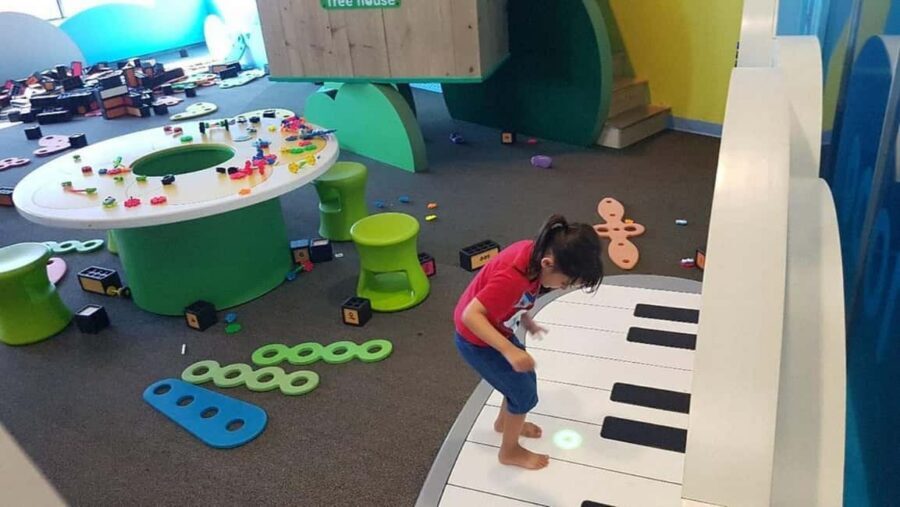
If you’re traveling with small kids, CuriousCITY is an important part of the plan. It’s an early childhood development gallery designed for children 6 and under, and it’s included with general admission.
This matters because science centers can sometimes tilt older. CuriousCITY gives the little ones their own zone and helps keep the day calmer for everyone. Parents get a break from constant “watching the clock” energy, because the space is geared to younger attention spans and early discovery.
The Douglas Cardinal Indigenous Traditional Room: a respectful pause
One of the most meaningful included spaces is the Douglas Cardinal Indigenous Traditional Room. It’s designed as a welcoming place for Indigenous and non-Indigenous people to gather, and it features local Indigenous artwork, ceremonial drums, blankets, and sacred medicines.
I’d think of this as your quiet reset. When the rest of the day is loud and hands-on, this kind of cultural space provides breathing room and a chance to slow down. It’s also a reminder that science centers can teach beyond lab coats—through art, community, and lived traditions.
Treat it with the same attention you would in any cultural room: lower voices, slow steps, and time to look.
Add-on costs: how to keep your total from surprising you
The big pricing question isn’t the $19 general admission price. It’s what you add on top.
Here’s what costs extra:
- IMAX theatre films and IMAX documentary/other showings
- Evening laser shows
- Special IMAX events and special events
- Feature exhibitions (unless noted)
Based on past experience with how budgets get squeezed at science centers, I’d make a simple decision early: do you want an IMAX film and/or the evening laser show, or do you prefer to stick to included programming?
One caution: general admission plus IMAX can push the overall spend high fast. If your group is more hands-on than theater-focused, you might be happiest skipping the extra-charge cinema and using that budget for more time in the interactive zones.
Where food and shopping fit into your day
You can grab food onsite at the Purple Pear Restaurant (additional fees apply) and shop at the Galaxy Gift Shop (additional fees apply). This is convenient because it prevents the “leave the building and lose half the day” problem.
If you’re going as a family, I’d schedule food between major sections. That keeps everyone from getting hangry at the exact moment you want them to concentrate on a new exhibit.
How to pace a full day without feeling rushed
You’re dealing with a lot of included spaces in a single day. The best approach is to anchor the day around your top two interests, then build a loop.
A practical order that usually works:
1) Start with an exhibit you don’t want to miss (often the Arctic Journey or Science Garage).
2) Add a second “big” stop next (S.P.A.C.E. Gallery or Health Zone).
3) Schedule your Zeidler Dome planetarium during the day as your mid-arc anchor.
4) Finish with more movement-based learning (Nature Exchange and any remaining hands-on activities).
5) Save CuriousCITY for earlier visitors’ energy levels, especially if your group includes kids 6 and under.
Keep in mind: planetarium show times have starting schedules, so check availability and plan your day around what’s offered during your visit window.
Also, bring comfortable shoes. This is a museum where your feet do the work.
Who this is best for (and who might want a different plan)
TELUS World of Science general admission is a strong match for families with kids, especially when your group includes a mix of ages. The hands-on engineering at the Science Garage and the age-targeted CuriousCITY for younger children are both built to keep different age groups engaged.
It’s also a good pick if you like science themes that change pace:
- space (S.P.A.C.E. Gallery and the Zeidler Dome)
- Earth and environment (Arctic Journey and Nature Exchange)
- human science (Health Zone)
- design and how things work (Science Garage and the science stage)
If your group only wants one or two exhibit types—like only space theater, for example—then you might be happier buying the specific experiences you want rather than trying to pack everything into one visit. But if you’re open to variety, this ticket supports it well.
A quick checklist before you go
- Wear comfortable shoes
- Bring a camera
- Leave alcohol and drugs at home
- Plan to buy tickets online prior to arrival
- Know that lost, damaged, or stolen tickets can’t be re-issued
- Kids age 2 and under get FREE admission
- The site is wheelchair accessible
If you’re planning a day where you might add IMAX or evening laser shows, take a moment to set a budget first. It’s the easiest way to avoid the sticker-shock moment later.
Should you book TELUS World of Science general admission?
Yes, you should book this if you want one ticket that covers a full day of hands-on science plus daytime planetarium access. The $19 price makes the included galleries and Zeidler Dome shows feel attainable, and the Science Garage is the kind of space where kids often stay focused longer than you’d expect.
Consider booking with a little extra care if you know your group will definitely want IMAX or evening laser shows. Those are additional fees, and they can quickly turn a good-value day into a pricey one.
If you’re traveling with younger kids, this is also a smart choice because CuriousCITY is included for ages 6 and under, and that age-fit matters more than many people think.
Bottom line: if you’re aiming for a flexible, science-rich day in Edmonton without overbuying add-ons, TELUS World of Science general admission is a solid bet.
FAQ
What’s included with TELUS World of Science general admission?
General admission includes same-day access to the Zeidler Dome daytime planetarium shows, S.P.A.C.E. Gallery, Arctic Journey, The Science Garage, Health Zone, The Nature Exchange, CuriousCITY (ages 6 and under), and science demonstrations on the Syncrude Science Stage.
Are planetarium shows included in the ticket?
Yes. Planetarium shows in the Zeidler Dome during the day are included with general admission.
Can I access the Zeidler Dome on the same day as my ticket?
Yes. The ticket includes same-day access to Zeidler Dome daytime shows.
Is CuriousCITY included, and what ages is it for?
CuriousCITY is included and is for kids 6 and under.
Are feature exhibitions included?
Feature exhibitions are not included unless noted.
What extra experiences cost additional fees?
IMAX theatre programming and evening laser shows have additional fees, along with IMAX documentary films, Hollywood films, special IMAX events, special events, and other special laser programming.
Is food and shopping available onsite?
Yes. There’s shopping at the Galaxy Gift Shop and food at the Purple Pear Restaurant, and both have additional fees.
What should I bring to the science center?
Bring comfortable shoes and a camera.
Is the venue wheelchair accessible?
Yes, it is wheelchair accessible.
Are children free?
Children 2-years-of-age and under receive FREE admission.