REVIEW · SAINT LOUIS FORTS AND CHATEAUX NATIONAL HISTORIC SITE
Québec City: Saint-Louis-Forts-and-Châteaux visit
Book on GetYourGuide →Operated by Parks Canada | Québec City area · Bookable on GetYourGuide
Québec City has a habit of hiding big stories in plain sight, and this one starts on Dufferin Terrace. You get St. Lawrence river views up top, then you descend to walk through the remains of Château Saint-Louis, the French and British governors’ seat of power. What I like is that you can see how the place worked over time, not just read dates.
My second favorite part is the way the site turns archaeology into real everyday life—hundreds of finds, plus details that make the château feel lived-in. You’ll also hear the diplomatic decisions that shaped North America, including an exhibition built with a Huron-Wendat Nation perspective. One possible drawback: if you’re using the self-guided audio circuit, the presentation can include role-play or theatrical bits, and it won’t be everyone’s cup of tea.
In This Review
- Key highlights you should notice first
- Entering from Dufferin Terrace: the view sets the stage
- Descending to Saint-Louis Forts and Châteaux: what you’ll actually see
- The artifact galleries: where daily life shows up
- Lavish events and governance stories you can picture
- Huron-Wendat alliances: diplomacy told with a key perspective
- Guided tour vs. audio circuit: choose the format that matches your style
- Price and value: is $9 for Château Saint-Louis a good deal?
- Meeting point, rules, and what to bring (so you don’t waste time)
- Who this Saint-Louis Forts and Châteaux visit is best for
- Should you book this Château Saint-Louis visit?
- FAQ
- How long is the Saint-Louis Forts and Châteaux visit?
- Is this a guided tour or a self-guided audio tour?
- What languages are available?
- Where do I meet for the tour?
- Are food, drinks, and luggage allowed?
- Is it wheelchair accessible?
Key highlights you should notice first
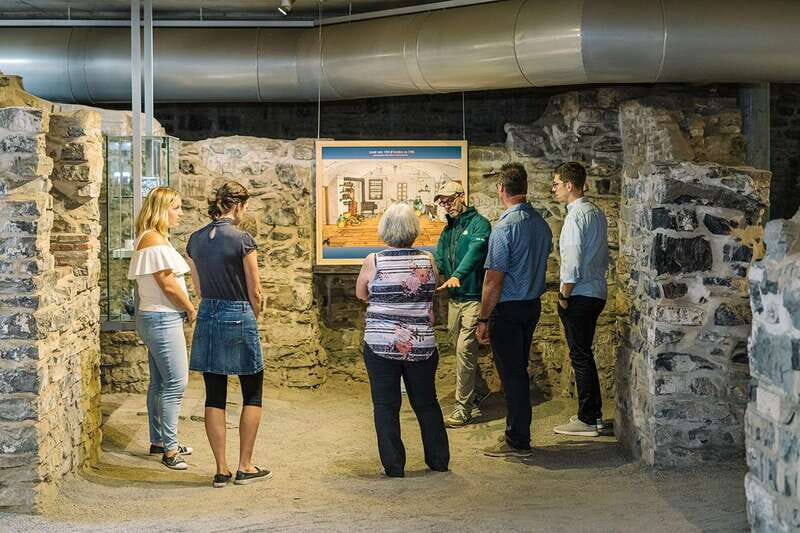
- Underground walk: descend from Dufferin Terrace to explore what’s hidden beneath
- Artifact-heavy visit: hundreds of finds on display, with more than 120 highlighted
- Diplomacy with context: French and British governance from 1620 to 1834
- Huron-Wendat perspective: an exhibition presented with the Huron-Wendat Nation
- Everyday-life clues: fun practical details, not just big speeches and battles
Entering from Dufferin Terrace: the view sets the stage
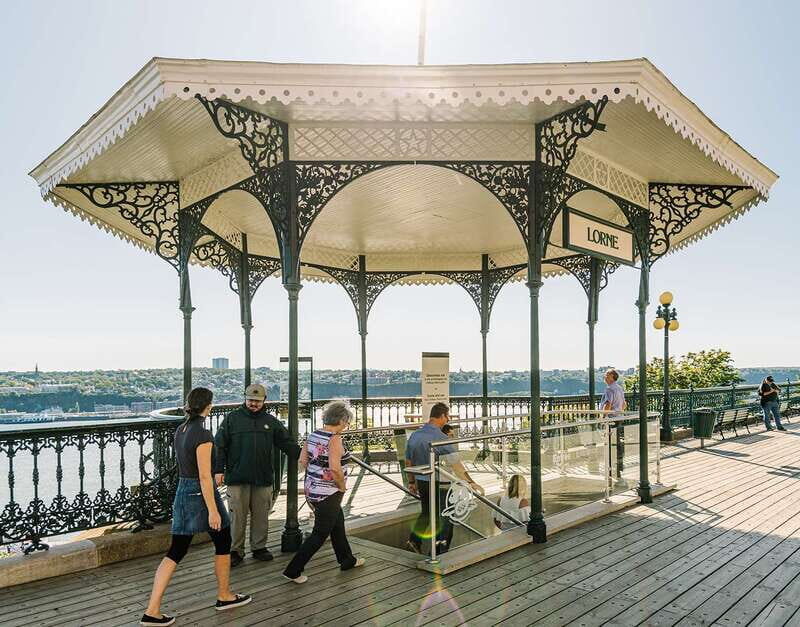
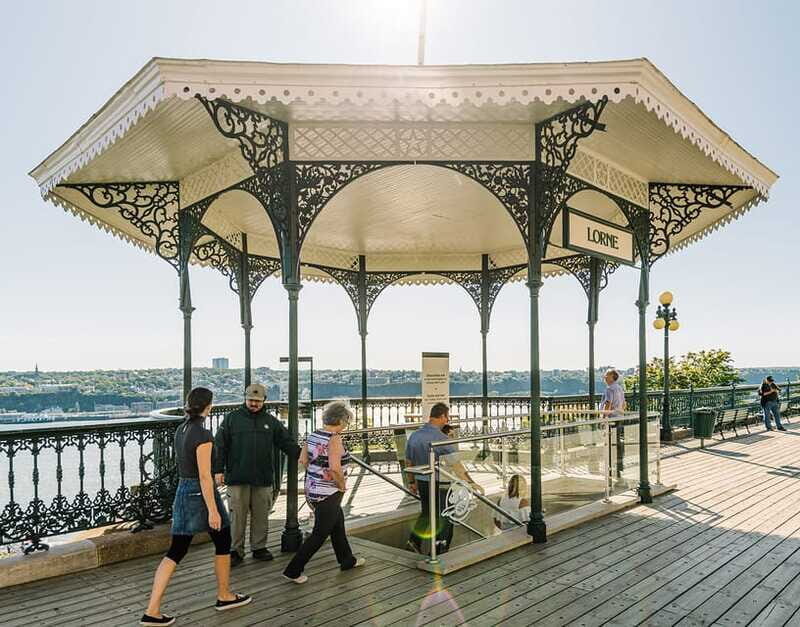
Before you go underground, take a moment on the boardwalk at Dufferin Terrace. The route begins at the start of the terrace with great water-and-city sightlines across the St. Lawrence, and that matters more than you might think. It gives your brain a “where am I?” reference point so the later underground spaces feel connected to real geography, not like a random museum room.
You’ll look for the Frontenac sign on a green and white kiosk with a Canadian flag, and if you’re doing the live option you’ll spot the guide in a green and beige uniform. From there, the experience funnels you naturally toward the stairs—this is a guided-to-the-doorway layout, not a scattershot scavenger hunt.
Timing helps too. The visit is designed to fit in about one hour, so you’re not signing up for a marathon. That makes it a smart add-on on a day when you also want Old Québec viewpoints, walking streets, and maybe one or two longer museum stops.
Descending to Saint-Louis Forts and Châteaux: what you’ll actually see
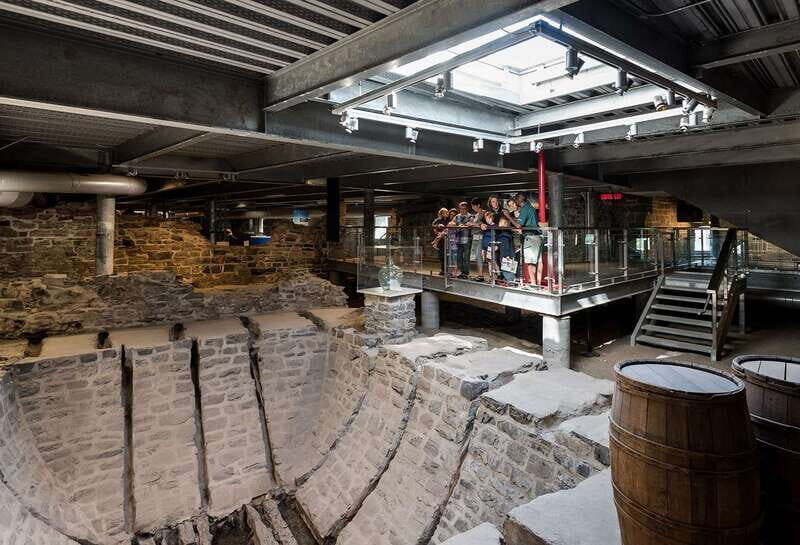
The heart of the experience is at the Saint-Louis Forts and Châteaux National Historic Site, built around the remains of Château Saint-Louis. Once you descend, you’re moving from the airy terrace world into a layered archaeological setting—exactly the right mood shift for a place described as the North American seat of power.
This is not just a plaque-and-photo stop. You’ll be walking among remains and retracing more than 200 years of diplomatic history. That phrasing sounds academic, but on-site it means you get a sense of how the château’s purpose shifted, and how governance and alliance-building changed with it.
If you like understanding places in layers—early layout, later evolution, how authority functioned—this will click. One reason the experience scores so high is that it helps you visualize architecture and planning through time, instead of treating the site as one static moment.
The artifact galleries: where daily life shows up
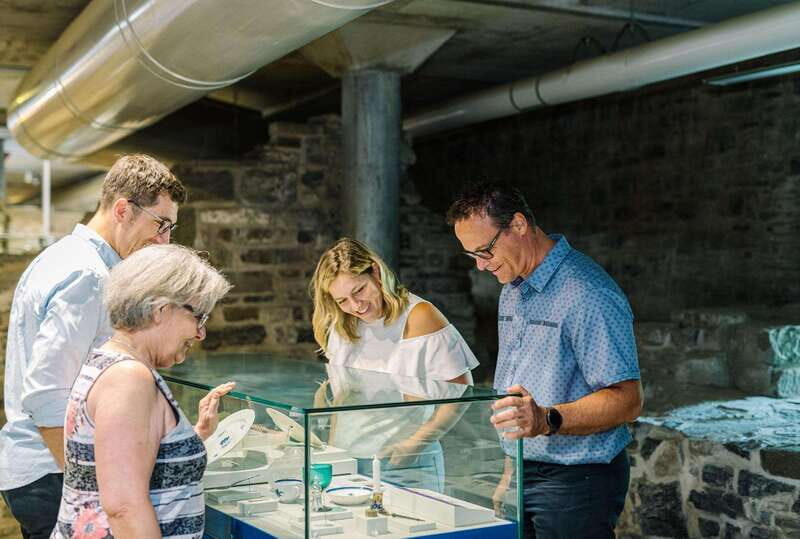
Here’s where the tour really earns its keep: the focus on finds. You’ll see hundreds of artifacts displayed, and the experience highlights more than 120 artifacts tied to the château’s story. These aren’t just decorative. They’re the clues that help explain what living in the governor’s residence might have looked like.
You’ll also get the “how did this work?” kind of storytelling. The site presentation can include specifics like how an icebox was used, what certain grooves in the bottom were for, and even why women used bottles of ammonia. Those details are the stuff that turns the château from a power symbol into a place with chores, storage problems, and household routines.
It’s also a great fit if you’re tired of tours that only hit the grand political moments. Yes, you’ll learn about alliances and leadership, but the artifacts push you to picture daily life—how people moved, ate, stored items, and dealt with practical needs.
Lavish events and governance stories you can picture
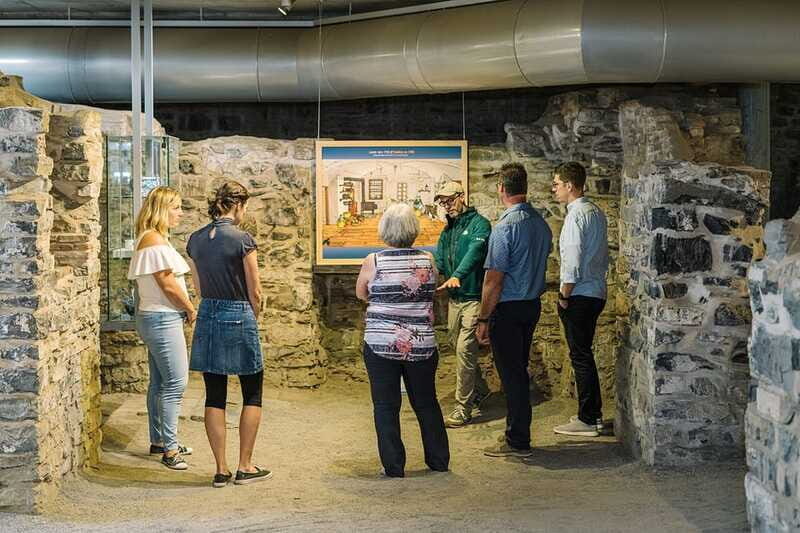
Between 1620 and 1834, Château Saint-Louis served as the official residence and seat of power for French and British governors. That long timeline could turn into a blur—unless the experience helps you anchor it.
The on-site storytelling is built around how the place operated: the events hosted there, the decisions made there, and the broader governance that flowed out of those rooms. The result is that you don’t just hear history; you start to map it onto what you’re walking through. You’ll get a sense of how architecture supported authority and how public ceremony and private decision-making were linked.
This is also where the live heritage guide (when you choose a guided format) can make a difference. The best moments are the animated explanations—clear, energetic, and focused on what you’re looking at right then, not what you saw in some other museum.
If you’re self-guiding, the audio circuit plus the Parks Canada app helps you keep your footing. You’ll be moving through a defined route where the audio can time the story to your view.
Huron-Wendat alliances: diplomacy told with a key perspective
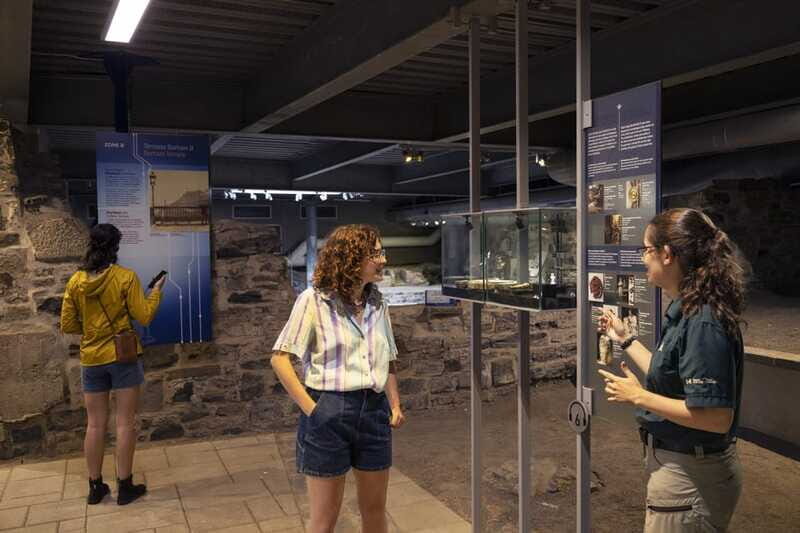
One standout feature is the exhibition that explores Huron-Wendat Nation diplomatic alliances with colonial governors. You’re not just hearing a one-sided colonial narrative. Instead, you get a perspective that centers Huron-Wendat relationships and political choices.
This matters because alliances weren’t background scenery—they shaped outcomes. When a tour ties diplomatic history to relationships and to the way different nations negotiated, it becomes more credible and more human. It also adds a layer that you might miss if your Quebec City day is only focused on fortifications, kings, and governors.
The experience is presented in collaboration with the Huron-Wendat Nation, which signals that the story is being handled with care rather than treated as a quick sidebar. If you’re the type of traveler who likes seeing how history is interpreted differently depending on who’s telling it, this part will be the payoff.
Guided tour vs. audio circuit: choose the format that matches your style
You can do this experience as a guided tour or as a self-guided audio tour. That choice affects the feel.
If you like direct interaction, go guided. A good heritage guide will connect the artifacts to what you’re standing near, and they’ll keep the pace lively. The high marks for entertainment and engagement make sense here: the site naturally supports a “talk while you walk” style.
If you’re self-guiding, you still get a strong experience thanks to the downloadable circuit and the Parks Canada app support. But you should know that the audio presentation can include role-play or acting-style segments—switching between a governor-like role and a servant-like role, plus an auditory theater flavor.
That’s fun for some people. For others, it can feel like an unwanted layer between you and the factual objects. If you prefer straightforward narration with minimal theatrics, you might want to choose the guided option.
Price and value: is $9 for Château Saint-Louis a good deal?
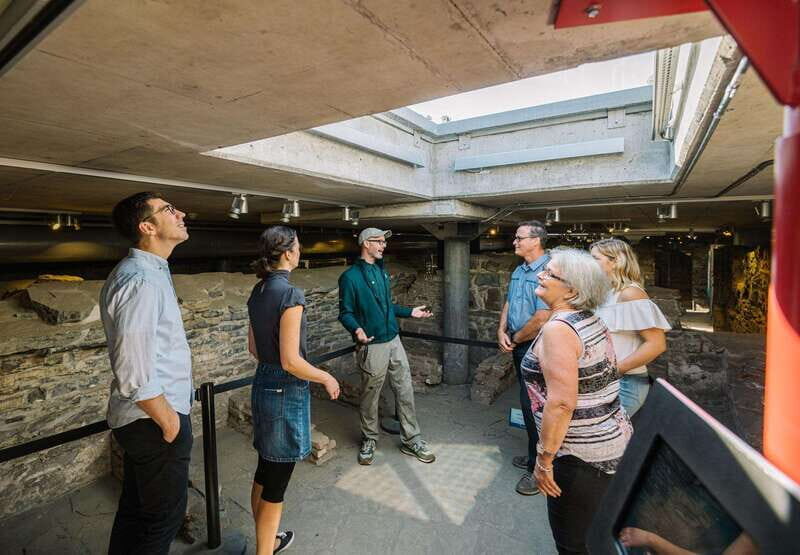
At $9 per person for about one hour, this is excellent value for a few reasons.
First, you’re paying for access to a National Historic Site plus a story-driven format that ties together architecture, artifacts, and diplomatic context. Most city history visits either focus on one track (ruins only, or artifacts only). Here you get the combination.
Second, the time is right. One hour means you can fit it between other Old Québec highlights without losing half your day.
Third, the artifact emphasis is the kind of “tangible payoff” that justifies the price. If you’re the kind of traveler who wants to walk away with more than vague impressions, this is built to deliver that.
You’ll also see why the experience works well with different learning styles. Visual learners get remains and site context. Story learners get diplomacy and court life explanations. Detail lovers get the small, practical household clues.
Meeting point, rules, and what to bring (so you don’t waste time)
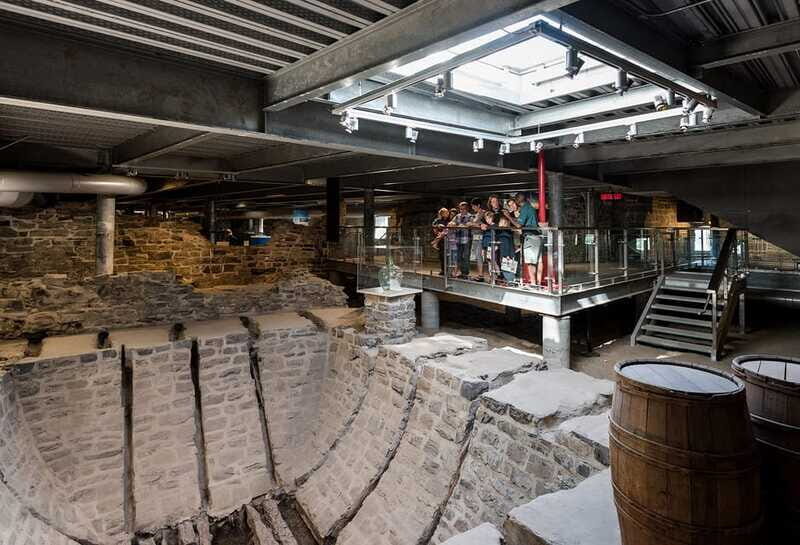
To make this smooth, keep the practical basics in mind:
- Look for the Frontenac sign on a green and white kiosk with a Canadian flag at the beginning of Dufferin Terrace.
- Avoid bringing food and drinks, since they’re not allowed on-site.
- Don’t plan on storing luggage or large bags here.
- Pets are not allowed (assistance dogs are okay).
- Skip anything like bare feet; you’ll want regular footwear.
Also, consider bringing a small bag for what you need—water, your phone charger if you’re using audio, and a layer if the day is cool. The tour is short, but Quebec wind can be real.
Who this Saint-Louis Forts and Châteaux visit is best for
This is a strong pick if you:
- Love Old Québec but want something more specific than general city history
- Prefer history that’s anchored by physical remains and real artifacts
- Enjoy diplomacy stories, especially when there’s more than one perspective
- Want a short, focused activity that still feels meaningful
It’s also good for families who can handle a guided or audio format for an hour, especially if kids like “how did they live?” details. On the flip side, if you need full wheelchair access or have mobility limits, this is not suitable, since it’s listed as not meeting that need.
Should you book this Château Saint-Louis visit?
If your goal is to understand why Château Saint-Louis mattered—and to see how that power connected to alliances, artifacts, and everyday life—then yes, book it. For $9 you’re getting an unusually high “story per minute” ratio, plus the rare bonus of a Huron-Wendat diplomatic perspective.
If theatrics in audio don’t sit well with you, choose the guided option or go in expecting a more staged audio style. Either way, plan for a one-hour session where the most valuable moments are the underground remains, the artifact displays, and the way the history becomes concrete under Dufferin Terrace.
FAQ
How long is the Saint-Louis Forts and Châteaux visit?
The experience is designed to take about 1 hour.
Is this a guided tour or a self-guided audio tour?
It’s offered as either a live tour guide or a self-guided audio tour.
What languages are available?
The experience is available in English, French, Spanish, German, and Chinese.
Where do I meet for the tour?
Meet at the beginning of Dufferin Terrace, looking for a Frontenac sign on a green and white kiosk with a Canadian flag.
Are food, drinks, and luggage allowed?
No. Food and drinks aren’t allowed, and luggage or large bags aren’t allowed either.
Is it wheelchair accessible?
No. It is not suitable for wheelchair users or people with mobility impairments.