REVIEW · BANFF
Canmore/Banff: Explore Banff & Wildlife
Book on GetYourGuide →Operated by Explore Banff Tours & Transfers · Bookable on GetYourGuide
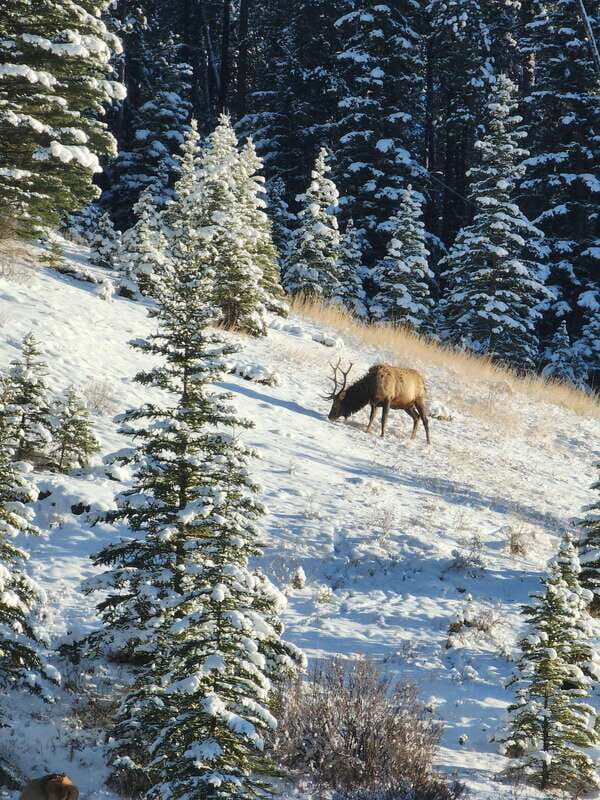
Banff animals show up when you plan right. This 4-hour outing is built for wildlife viewing plus postcard stops, so you get both motion and moments to breathe in the Canadian Rockies. I really like how the route balances classic Banff sights with short, efficient viewpoints, and I also like the focus on elk, deer, and bighorn sheep in their natural setting. One consideration: sightings are never guaranteed.
A big part of the value is the human side. You’ll ride in comfortable transportation, follow an expert guide’s lead, and learn how Banff grew into the iconic destination it is today—so the scenery comes with context, not just coordinates. If you want a straightforward way to see more of the area in less time, this format works.
For the best experience, you’ll want to dress for quick temperature shifts and stand outside for short stops. Wildlife is the star, and it means waiting can be part of the deal.
In This Review
- Key things to know before you go
- Getting to Banff Fast: Pickup From Canmore and Banff Hotels
- Surprise Corner to the Fairmont: Quick Viewpoints With Big Payoff
- Bow Falls and Mount Norquay: Banff’s Iconic Views in Two Acts
- Lake Minnewanka: A Calm Stop That Can Also Turn Wild
- Wildlife Viewing Strategy: How the Guide Maximizes Your Odds
- The Banff History Angle: Why It’s More Than Scenic Stops
- Price and Value: What $69 Buys in a 4-Hour Day
- What to Bring (So the Day Feels Easy)
- Who This Tour Fits Best (and Who It Doesn’t)
- Should You Book Explore Banff and Wildlife?
- FAQ
- How long is the Explore Banff & Wildlife tour?
- Where is pickup available?
- Is transportation included?
- What wildlife might I see?
- Are wildlife sightings guaranteed?
- What should I bring for the tour?
- Is the tour suitable for kids or wheelchair users?
- How does cancellation work?
Key things to know before you go
- Wildlife-first planning: guides take you to prime spots for elk, deer, and bighorn sheep (with other species possible).
- Iconic stops in a tight loop: Bow Falls, Mount Norquay, and Lake Minnewanka are all on the list.
- Short sightseeing windows: most stops are quick—great for photos, less time for long hikes.
- Flexible route choices: the plan is designed to maximize your chances of seeing animals.
- Park entry is included: you don’t have to handle national park fees separately.
- Bring binoculars and snacks: the tour provides refills, but meals are on you.
Getting to Banff Fast: Pickup From Canmore and Banff Hotels
The tour is designed to take the friction out of a day in Banff. You’ll get pickup from a long list of locations in both Canmore and Banff, including major hotel areas and visitor points. Common pickup spots include places like Moose Hotel & Suites, Canalta Lodge, The Malcolm Hotel, and the Banff Train Station area, plus Canmore options like Northwinds Hotel Canmore and the Travel Alberta Canmore Visitor Information Centre.
Practically, this matters because Banff parking can be annoying and timelines can slip. With pickup built in, you can show up, get on the vehicle, and start moving. The only true rule you have to follow is simple: be ready in the lobby or main entrance about 5 minutes before the scheduled time.
The drop-off is equally convenient, returning you to multiple Canmore and Banff locations, so you usually don’t end up stranded across town.
A few more Banff tours and experiences worth a look
Surprise Corner to the Fairmont: Quick Viewpoints With Big Payoff
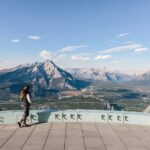
The first real sightseeing stop is the Surprise Corner Viewpoint in Banff. It’s a short stop, but that’s part of the appeal. In just about 10 minutes, you can grab a few photos and get your bearings on how Banff sits in the valley—wide views, dramatic rock backdrops, and that sense that the town is framed by mountains rather than surrounded by them.
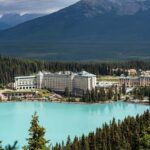
After that, you’ll stop at the Fairmont Banff Springs area. Even if you’re not there for the hotel experience, the stop is useful because it anchors you to one of the most recognizable Banff landmarks. You also get a moment to orient yourself before heading toward waterfalls and viewpoints where the scenery changes quickly.
What to watch for: this is a “look, photograph, and move” pace. If you’re hoping for long stretch-and-walk time at every location, this tour isn’t built like that. It’s built to keep momentum while still giving you several strong shots.
Bow Falls and Mount Norquay: Banff’s Iconic Views in Two Acts
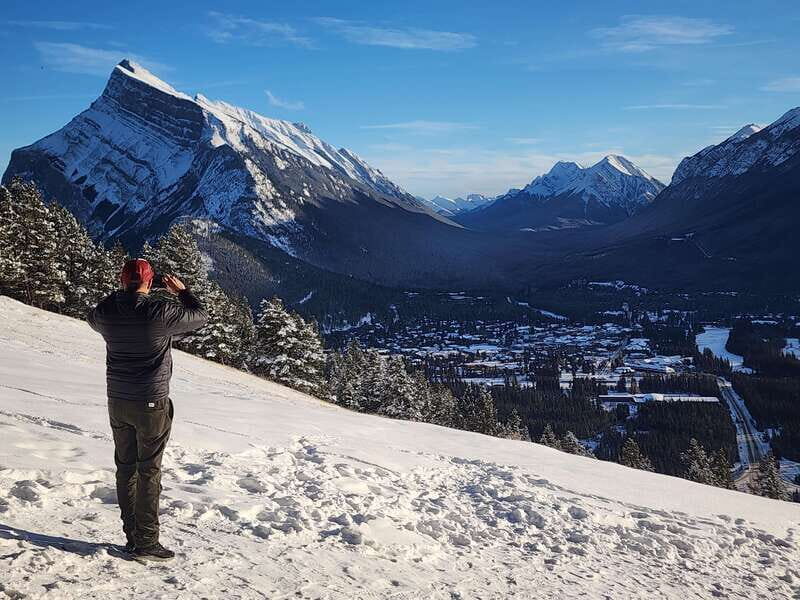
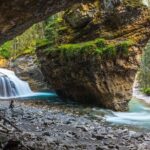
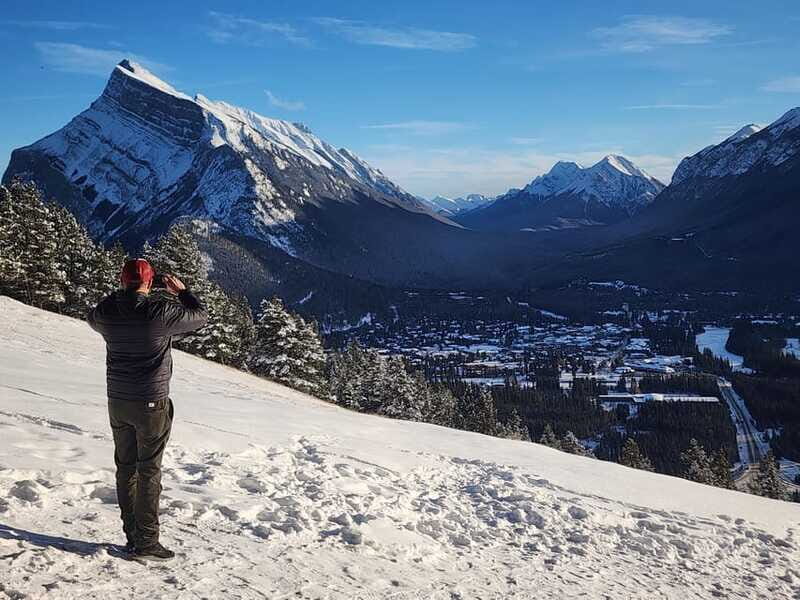
Next up is Bow Falls, a classic Banff photo stop with about 10 minutes of sightseeing time. It’s the kind of spot where the best photos often come from arriving, scanning for the best angle, and then using your short time wisely. The falls are easy to recognize, and the surroundings help you understand why Banff became a magnet for photographers and nature lovers.
From there, you’ll head to Mount Norquay for a longer viewpoint stop (about 20 minutes). That extra time helps because Mount Norquay-type viewpoints tend to reward patience. You’re not just collecting one picture—you’re often comparing angles and waiting for the light to look right on the mountain faces.
In my opinion, this is where the tour starts feeling like a “real Banff day,” not just a drive-by list of spots. You’ll get the Rocky Mountain scale without needing to plan a full day hike.
Lake Minnewanka: A Calm Stop That Can Also Turn Wild
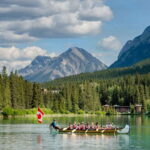
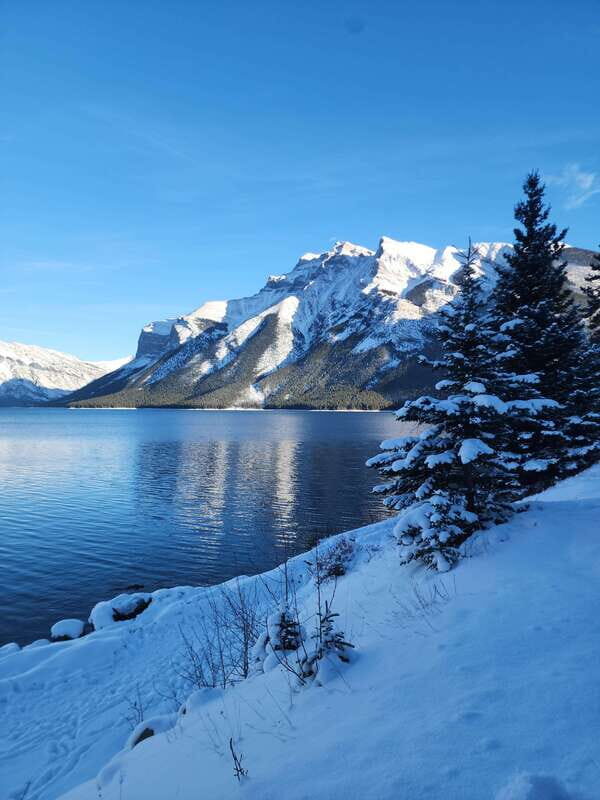
Lake Minnewanka is on the itinerary as a dedicated scenic stop (around 15 minutes). It’s one of those places where even a brief visit gives you a clear sense of how Banff’s scenery shifts from town-adjacent landmarks to bigger natural spaces.
This stop also fits the tour’s wildlife theme. While the tour doesn’t promise specific animals, a guide-led wildlife outing often benefits from being near the right types of terrain and edges where animals move. Lake Minnewanka gives you that “open space” feeling—good for photos and for scanning the area when you have a break from driving.
The tradeoff: it’s still a short stop. If you love lakes enough to want an hour or two to stroll, you may find yourself wishing you had more time. But as part of a four-hour overall tour, it’s a strong use of time.
Wildlife Viewing Strategy: How the Guide Maximizes Your Odds
Wildlife is the main reason many people book this tour, and it runs on one simple reality: no one can guarantee animal sightings. That said, you can improve your chances, and this tour is set up to do exactly that.
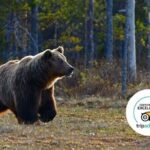
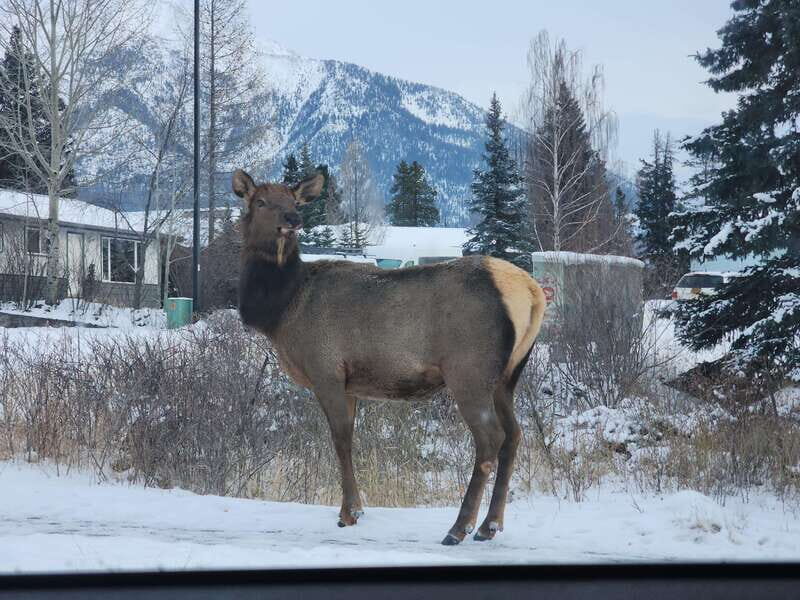
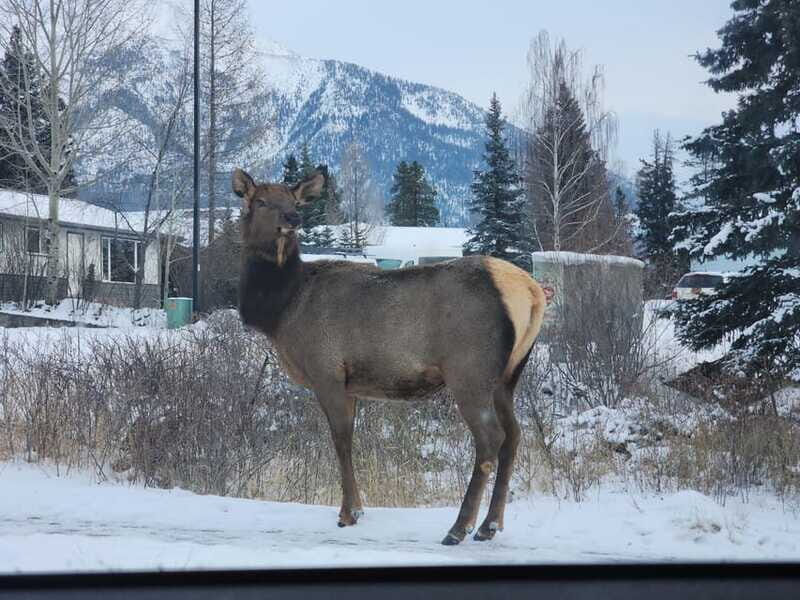
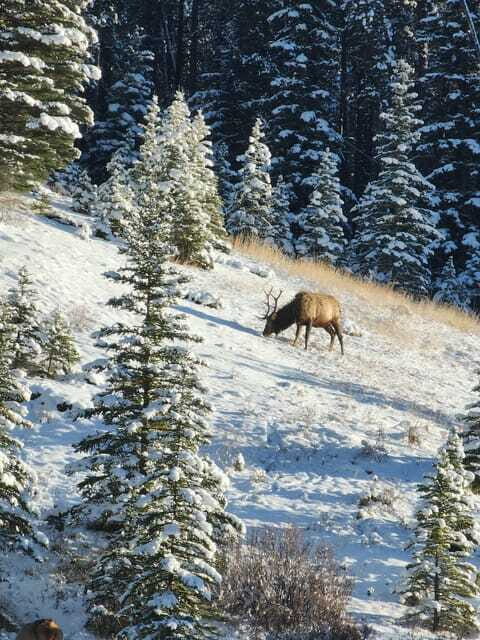
Your guides lead you to prime wildlife viewing areas with the goal of spotting elk, deer, and bighorn sheep, plus other possible animals such as coyotes. With luck, the tour may also connect you with animals like lynx, wolf, bear, or moose.
A helpful reality check is seasonal. Bear sightings are highly unlikely between November and March, so if you’re traveling in winter and bear is your must-see, set expectations accordingly.
What helps you personally (and you’ll want to do this on the day):
- Wear comfortable shoes and warm layers so you don’t lose time to discomfort.
- Bring binoculars if you have them. The tour is about spotting animals in their natural habitat, and binoculars turn a distant shape into something you can actually identify.
- Keep your camera ready. Even when you don’t get perfect close-ups, wildlife sightings can be fast.
Also, I love that guides bring more than just driving skills. In the feedback, guides like Phoebe and Austin were praised for working hard to make the experience feel worth the time—turning a scouting drive into real moments. One guide (Phoebe) was credited with getting a group on mule deer, bighorn sheep, and elk, including sightings with young. Austin was praised for knowing the area well and adapting to keep the stops productive.
The Banff History Angle: Why It’s More Than Scenic Stops
This isn’t only a “drive to look at mountains” kind of tour. You’ll learn about the history and culture of Banff from your guide, including how Banff became the iconic destination it is today.
That context matters because it changes how you view the scenery. Instead of seeing “pretty spots,” you start connecting what you’re looking at to why people built a life and a visitor economy around these valleys and wildlife corridors. It also helps you understand why certain areas feel so important—your guide can explain the significance while you’re in front of the view.
If you’re the type who likes your travel to have story, this component is a real plus.
Price and Value: What $69 Buys in a 4-Hour Day
At $69 per person for about 4 hours, the value comes from what’s included rather than what’s excluded.
Included features you’re paying for (directly or indirectly):
- Expert guides with local ecosystem and wildlife viewing insights
- Transportation to the key Banff area stops
- National park entry fees
- Access to wildlife viewing areas designed to maximize your chances
- Scenic stops at iconic locations like Bow Falls and Lake Minnewanka
- Water refills (bring a reusable bottle)
- A flexible itinerary built around wildlife opportunities
What’s not included: snacks and meals. That’s not a deal-breaker, but it’s a real reminder to pack ahead.
For my money, the math works best if you want a guided, no-planning-needed wildlife-and-scenery mix. If you already know Banff like the back of your hand and you’re comfortable driving yourself to wildlife spots, you might find cheaper ways to do it. But if you want the guide effort plus park-fee coverage, this price is pretty reasonable for the time you get.
What to Bring (So the Day Feels Easy)
This tour is built for outdoor stops, so your comfort is part of the quality. Here’s what you should plan to have with you:
- Comfortable shoes for standing around and moving between viewpoints
- Warm clothing, especially if you’re going in cooler months
- A camera and, if possible, binoculars
- Snacks and water (meals aren’t included, but water refills are available)
- Binoculars if wildlife is your priority
One small tip: bring water even if you think you won’t need it. Wildlife scanning often turns into long “wait and watch” moments.
Who This Tour Fits Best (and Who It Doesn’t)
This is a good fit if you:
- Want a 4-hour plan that covers multiple Banff highlights without a full-day commitment
- Care about wildlife and want a guide-led approach to finding it
- Like being taught along the way, not just dropped off at viewpoints
It’s not a great match if:
- You need wheelchair accessibility (the tour is not suitable for wheelchair users)
- You’re traveling with children under 6 years
Season matters too. In winter, the tour is still subject to weather conditions, and the shared tour requires a minimum of 4 guests to operate. If that minimum isn’t met, the tour may be rescheduled or cancelled with a full refund.
Should You Book Explore Banff and Wildlife?
If you want a guided Banff outing that mixes wildlife odds with several iconic scenery stops, this is a strong choice. The value is especially good when you factor in park entry fees, transport, and the guide’s job of getting you to better wildlife viewing areas. And if you’re traveling with a camera or binoculars, you’re set up to capture more than just mountains.
I’d skip it only if you’re expecting guaranteed animal sightings or you want lots of walking time at every stop. This tour is built for efficient sightseeing and smart wildlife searching, not long hikes and not certainty.
FAQ
How long is the Explore Banff & Wildlife tour?
It runs for 4 hours.
Where is pickup available?
Pickup is offered from a list of locations across Canmore and Banff, including options such as the Moose Hotel & Suites, Canalta Lodge, The Malcolm Hotel, Banff Train Station, Northwinds Hotel Canmore, and the Travel Alberta Canmore Visitor Information Centre.
Is transportation included?
Yes. Comfortable transportation is included to reach the sightseeing locations in and around Banff.
What wildlife might I see?
The guides target areas for elk, deer, and bighorn sheep, and you may also see animals such as coyotes. With luck, sightings may include lynx, wolf, bear, or moose.
Are wildlife sightings guaranteed?
No. The tour cannot guarantee wildlife sightings, and animals appear based on conditions.
What should I bring for the tour?
Bring comfortable shoes, warm clothing, a camera, snacks, water, and binoculars.
Is the tour suitable for kids or wheelchair users?
Children under 6 are not suitable, and the tour is not suitable for wheelchair users.
How does cancellation work?
You can cancel up to 24 hours in advance for a full refund.