REVIEW · BANFF
Banff OR Moraine Lake: Night Tour with possible Stargazing
Book on GetYourGuide →Operated by Canmore Travel · Bookable on GetYourGuide
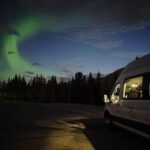
Night skies in the Rockies feel personal. This guided tour takes you well away from town lights for a relaxed dark-sky sit, with a telescope for up-close stargazing. I especially like the way guides set you up with comfort gear (blankets, chairs or inflatable loungers) and then help you make sense of what you’re seeing, even if you’re new to astronomy. One drawback: Northern Lights and specific sightings are not guaranteed, since the whole thing depends on weather.
This is also one of the rare night activities in Banff that feels made for people who don’t want to plan a thing. Guides such as Yanik and Sebastian (and also Lynka or Lenka, depending on your date) are praised for being patient and for helping with camera settings, which matters if you want more than blurry dots. It’s not a long hike, but there can be some walking, and the Moraine Lake option includes stairs.
You’ll finish the evening with that good kind of tired: warm drinks in hand, stars overhead, and a story you’ll keep repeating back home. And yes, the moonrise and Milky Way-style skies are a common highlight when clouds cooperate.
In This Review
- Key Highlights You’ll Actually Feel During the Night
- Why a Guided Banff or Moraine Night Tour Works Better Than Guessing
- The Dark-Sky Spot: Where the Night Changes Its Mood
- Your “Camp”: Blankets, Hot Chocolate, and Why It’s Not Cheesy
- Telescope Time: What You Can See When the Sky Plays Nice
- Classic Banff vs Moraine Lake Night Adventure: Which One Fits Your Trip
- Classic Banff Night Adventure (2.5–3.5 hours)
- Moraine Lake Night Adventure (4.5–5.5 hours, seasonal)
- Weather in the Canadian Rockies: How to Think About the “Chance” Factor
- What to Pack So the Cold Doesn’t Run Your Evening
- Price and Value: Is $108 Worth It for 3 Hours?
- Who This Tour Is Best For (and Who Should Skip It)
- Should You Book the Banff OR Moraine Lake Night Tour?
- FAQ
- How long is the Banff or Moraine Lake night tour?
- Where do pickups happen?
- Is a telescope included?
- Are the Northern Lights guaranteed?
- Is this a hiking tour?
- When is the Moraine Lake night tour available?
- Is the tour suitable for children?
- What does the price include, and what doesn’t?
Key Highlights You’ll Actually Feel During the Night
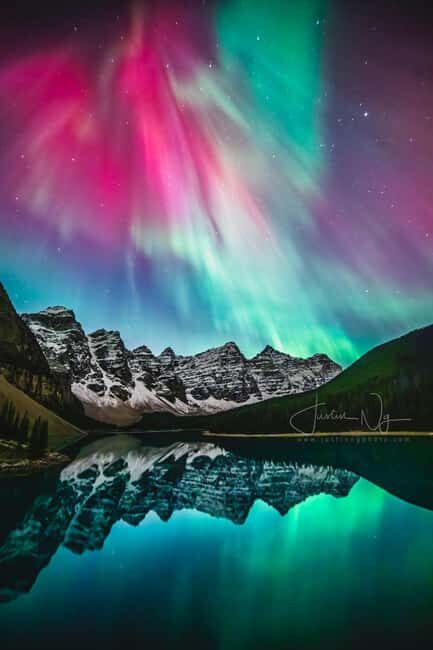
- A secret-feeling dark spot with minimal light pollution, far from town distractions
- Telescope time when skies cooperate, for closer views of planets and stars
- Cozy observation setup: blankets plus chairs or inflatable loungers, with headlamps
- Hot chocolate or tea to make the cold feel like part of the fun
- Guides who help you shoot better photos, including camera setting tips for nightsky images
- Night options in two worlds: the shorter Classic Banff version and the longer Moraine Lake (seasonal) version
Why a Guided Banff or Moraine Night Tour Works Better Than Guessing
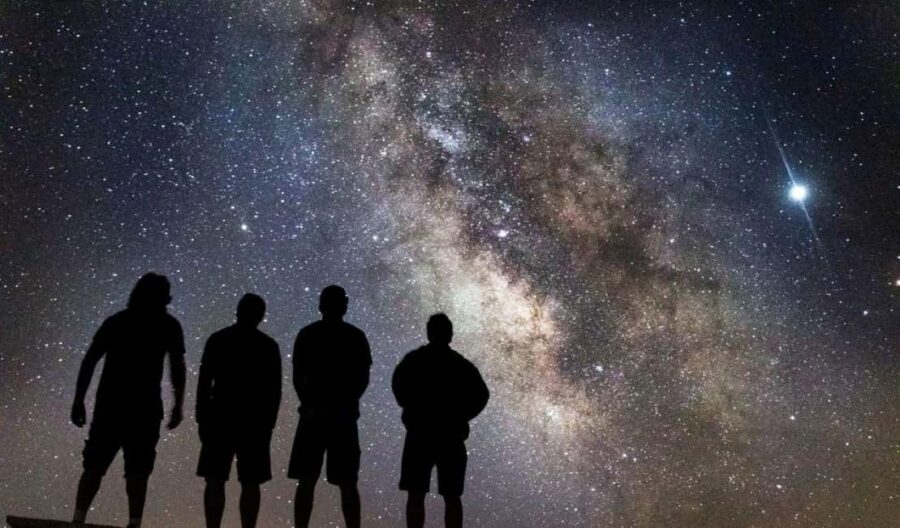
The biggest win here is simple: you’re paying for someone else to handle the night-sky problem. Finding a truly dark location around Banff isn’t hard if you know exactly where to go, but for most visitors it turns into guesswork fast. This tour moves you away from modern lights so you can actually see more than the town glow.
I also like the pacing. You get about two hours under the night sky, not a quick drive-by. That time matters because your eyes need minutes to adjust, and clouds can drift in and out, giving you more chances to catch clear patches.
The other value is the human part. Guides like Lynka and Lenka are repeatedly mentioned for being upbeat and patient, and even for helping people figure out camera settings on the spot. If you’ve ever tried to photograph stars and felt like the camera laughed at you, this is the kind of support that saves the trip.
Yes, it’s still a mountains-at-night experience. Cold, wind, and changing skies are part of the deal, and sightings are never promised. But you’re not standing around alone guessing what to point at.
You can also read our reviews of more evening experiences in Banff
The Dark-Sky Spot: Where the Night Changes Its Mood
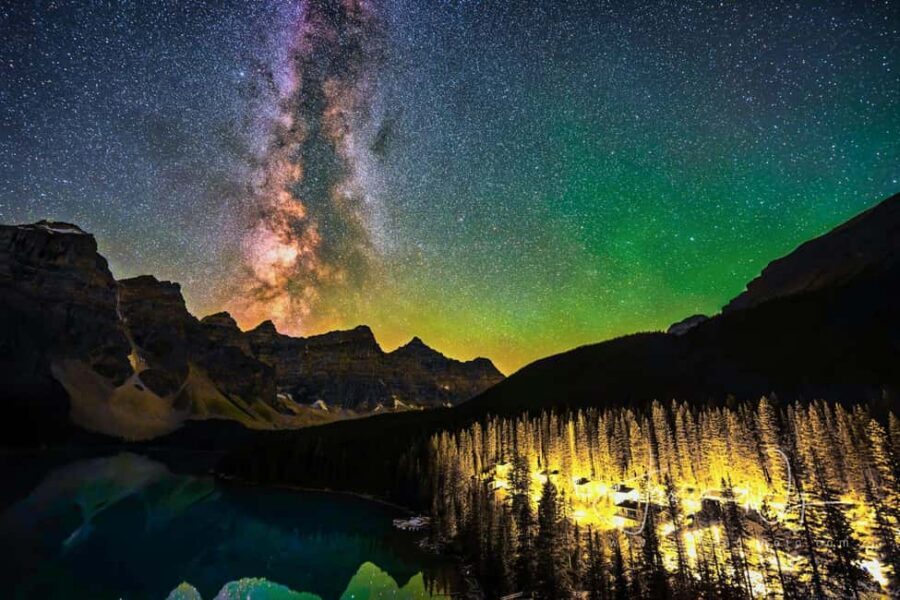
You’ll start with pickup from Canmore or Banff, and then ride into Banff National Park for the night portion. The whole point is to reach a place with minimal light pollution, where the sky looks deeper and the stars feel sharper.
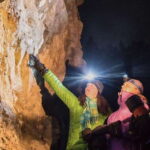
Once you arrive, the team sets up a comfortable base so you don’t have to constantly reposition. Headlamps are provided, so you can safely move around without ruining your night vision. You’ll also use cozy blankets and either chairs or inflatable loungers, which turns the evening from a “standing outside” chore into something you can actually enjoy.
What surprised me, even through other people’s experiences, is how much people talk about feeling calm during the night. The mountains at night can be dramatic, but this setup keeps it relaxed. One person even called out lounging on an inflatable chair as surreal while waiting for moonrise.
A small caution: this isn’t a total zero-walking experience. You’ll do some moving on both tours, and the Moraine Lake option includes stairs, so comfortable footwear matters.
Your “Camp”: Blankets, Hot Chocolate, and Why It’s Not Cheesy
This tour nails the comfort basics in a way that makes a night activity actually doable. You get cozy blankets, hot chocolate or tea, and a sit-down setup that makes it easy to watch for changes in the sky without feeling stiff.
There’s something practical about the headlamp choice too. If you’re outdoors at night, you want enough light to avoid trips and falls, but you don’t want to blind yourself every few minutes. Provided headlamps help the team keep the flow safe, especially when conditions are icy or snowy.
Comfort also helps with photography. When your hands aren’t freezing off, you can adjust your camera instead of giving up early. More than one guide pair is praised for helping people figure out camera settings, which is exactly what you want when you’re trying to capture the Milky Way, planets, or a surprise comet-like streak.
And then there’s the “surprise activity” part. It’s not described in detail, but it’s mentioned as a fun extra that adds variety beyond just stargazing. Think of it as the evening’s small curveball.
Telescope Time: What You Can See When the Sky Plays Nice
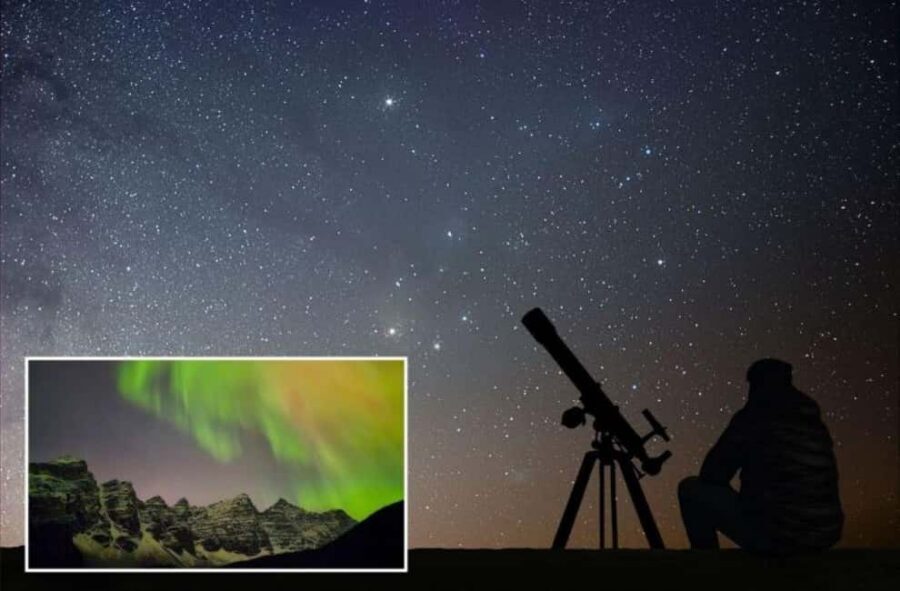
The included telescope is a big deal on nights when the stars are bright. If you’ve only ever seen the sky with your eyes, the telescope changes things from pretty to wow, especially for planets and standout sky objects.
People have specifically mentioned seeing Saturn and Mars through the telescope, which tells you the experience isn’t just star-pointing for show. The guides also explain what you’re looking at, then give you time to look for yourself.
Another practical advantage: when you’re learning star patterns, the “how” matters. Multiple accounts highlight that guides are patient and help with camera settings. That support can mean the difference between a few washed-out photos and a set you’re genuinely proud to share.
One reality check: telescope time depends on cloud cover. Some nights are partially cloudy, some are mostly cloudy, and some are clear enough to feel like the entire sky has been turned up. The tour runs across a range of winter and shoulder-season conditions, so you’re booking the chance—not a guaranteed show.
Classic Banff vs Moraine Lake Night Adventure: Which One Fits Your Trip
There are two versions, and they feel different for a reason: time and terrain.
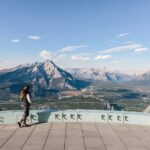

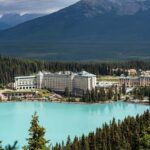
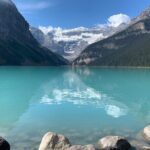
Classic Banff Night Adventure (2.5–3.5 hours)
This one is a shorter evening that still focuses on about two hours under the sky. You start with pickup in either Canmore or Banff, then head into Banff National Park with the guide. It’s the best fit if you want a stargazing night without committing to a longer outing.
Since it’s shorter, it can be easier to pair with daytime activities in Banff, especially if you’ve got a packed schedule and you don’t want to burn your whole night.
Moraine Lake Night Adventure (4.5–5.5 hours, seasonal)
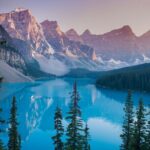
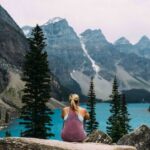
This is longer and includes access fees for Moraine Lake. It’s available only between June and mid October, which is key for planning. The longer duration also means more time for the evening to unfold, especially if clouds shift or the night gets better after sunset.
Here’s the consideration: Moraine Lake includes stairs, and it’s not a hiking tour. Still, those stairs mean you’ll want comfortable footwear and a little extra readiness for walking.
If your goal is the most iconic scenery from the area, this is the version to choose. If your goal is maximum comfort and minimal hassle, the Classic Banff option is often the less demanding path.
Weather in the Canadian Rockies: How to Think About the “Chance” Factor
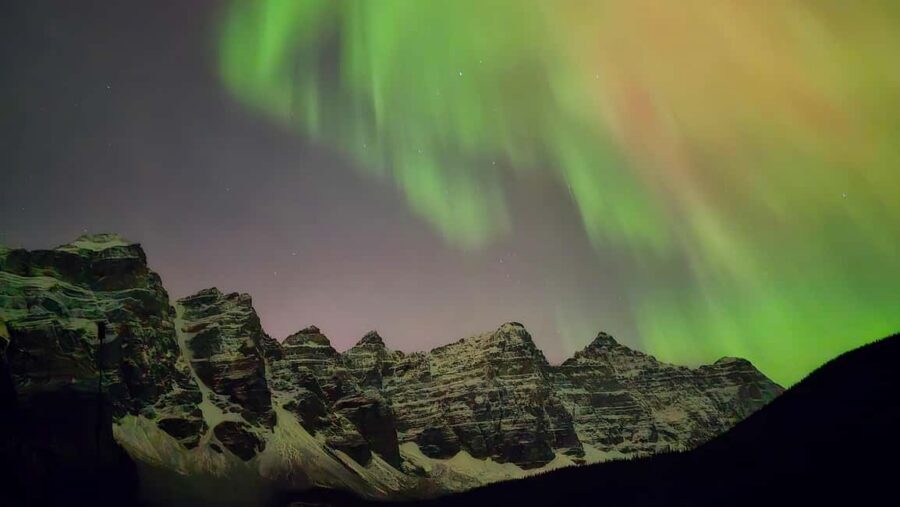
This tour runs in a wide range of conditions: partly clear, partly cloudy, mostly cloudy, cloudy, and even light snow, plus winter temperatures that can go well below freezing. The operation range is listed from -20°C to +20°C, which is a reminder that this is an outdoor mountain activity, not a cozy indoor program.
That also explains the big disclaimer: stars and Northern Lights are not guaranteed. If the clouds roll in, you’ll still get an evening outdoors with guidance, hot drinks, and telescope time when possible. If the sky opens, it can turn magical fast.
Importantly, the tour mentions options if conditions are too nasty: you can reschedule, choose an alternate tour, or receive a full refund in cases like heavy rain or heavy snow. Since forecasts can change late, you’ll be notified in the morning if a change is needed.
So how should you plan? Treat the aurora as a bonus. Book it because you want a guided dark-sky night, with real telescope support and comfort, not because you’re counting on one cosmic event.
What to Pack So the Cold Doesn’t Run Your Evening
You’ll be outdoors, in the dark, for a good chunk of time. The tour lists exactly what to bring, and following it helps a lot.
At minimum, plan for:
- Warm clothing in layers
- A windbreaker
- Hat and gloves
- Scarf or neck warmer
- Weather-appropriate outdoor clothing
- Warm shoes
In winter conditions, they specifically recommend snow layers like thermal clothing and sturdy warm boots, plus Hothands hand and foot warmers (found in sports stores). For summer, nights can still be chilly, so a jacket, hat, and gloves are still smart.
If you’re going in colder months, note that cleats are used on winter tours. That’s helpful on icy surfaces, especially when you’re doing any short walks or dealing with uneven ground around a lake or viewpoint.
And one more practical tip: bring the same comfort mindset you’d use for a long outdoor concert. You’re going to sit still. That means insulation and warmth matter more than you think.
Price and Value: Is $108 Worth It for 3 Hours?
At $108 per person, the price is basically paying for three things: transportation, a guide, and an organized dark-sky setup with equipment. You’re not just buying telescope access; you’re buying the logistics that let you actually see the sky.
What’s included is fairly strong for the money:
- Pickup and drop-off at your hotel
- Transportation in a shared group
- A guide
- Telescope use
- Chairs or inflatable loungers plus blankets
- Hot chocolate or tea
- Headlamps
- Moraine Lake access fees on the Moraine version
What’s not included:
- Meals
- Banff National Park passes
For me, the value clicks if you’re the type who wants a “show me where to stand, what to look for, and how to photograph it” night. If you’re the independent type who already knows the exact low-light locations and owns proper night-sky gear, you might feel less wow for the cost. But most people don’t.
Given the comfort setup and the guided stargazing support, it’s a solid pick for a couple’s night, a solo traveler who wants safety and company, or anyone who wants a memorable Banff evening without spending hours planning.
Who This Tour Is Best For (and Who Should Skip It)
This is a strong fit if you want a guided night sky experience and you don’t want to figure out dark-sky logistics alone. You’ll also like it if you’re curious about photography and want help with camera settings, since multiple guide teams are praised for being patient and hands-on.
It’s also a good match for couples and small groups who prefer a relaxed evening over a strenuous hike. People highlight the cozy, easygoing vibe more than anything else.
Skip it if:
- You’re traveling with kids under 8 years (not suitable)
- You hate cold weather and want a fully warm indoor alternative
- You need Northern Lights guaranteed (because they’re not)
And remember: it’s not a hiking tour. Some walking happens, and Moraine Lake has stairs, so wear footwear that works for uneven ground and steps.
Should You Book the Banff OR Moraine Lake Night Tour?
I’d book this if your goal is a guided dark-sky evening with comfort, hot drinks, and telescope time when conditions allow. The real selling point isn’t just the stars—it’s the organized experience that gets you far enough from light pollution that the sky actually changes.
Choose Classic Banff if you want the shorter, easier night and you’re staying busy during the day. Choose Moraine Lake if your timing fits the June to mid-October window and you’re okay with stairs for a longer evening.
If you’re aurora-chasing only, keep expectations flexible. If you’re coming for the overall night sky experience, guided support, and the chance to see planets through a telescope, this tour is a practical and fun way to spend your evening in the Rockies.
FAQ
How long is the Banff or Moraine Lake night tour?
Classic Banff runs about 2.5–3.5 hours, and Moraine Lake runs about 4.5–5.5 hours. Both include about 2 hours under the night skies.
Where do pickups happen?
You can be picked up from Canmore or Banff. Pickups in Canmore happen at the start of the tour, while Banff pickups are about 30 minutes after the Canmore departure time.
Is a telescope included?
Yes. Telescope use is included when conditions allow.
Are the Northern Lights guaranteed?
No. Stars and Northern Lights sightings are not guaranteed.
Is this a hiking tour?
No. It is not a hiking tour, but there is some walking on both tours. The Moraine Lake version includes stairs, so comfortable footwear is recommended.
When is the Moraine Lake night tour available?
The Moraine Lake Night Adventure is available only between June and mid October.
Is the tour suitable for children?
It’s not suitable for children under 8 years.
What does the price include, and what doesn’t?
The price is $108 per person. Transportation, guide, pickup/drop-off, telescope, chairs or loungers, blankets, hot chocolate or tea, headlamps, and (for Moraine) Moraine Lake access fees are included. Meals and Banff National Park passes are not included.