REVIEW · BANFF
Banff: Guided Sunset and Stargazing Tour
Book on GetYourGuide →Operated by Banff & Canmore Tours · Bookable on GetYourGuide
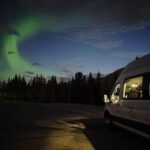
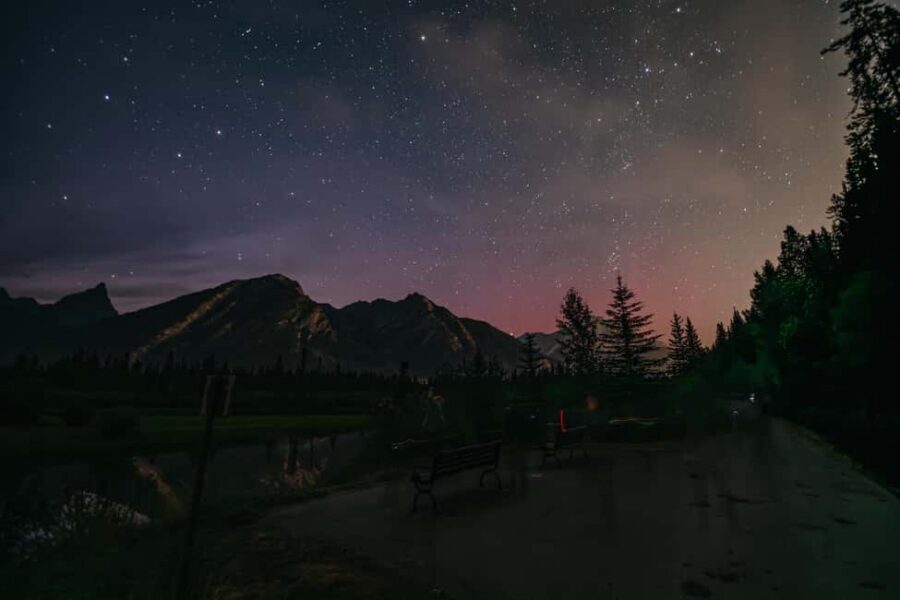
Stars in Banff happen fast. This guided sunset-to-night walk in Banff National Park is built around one simple idea: watch the mountains change color, then watch the sky wake up—stars, shooting stars, and sometimes even the Northern Lights.
What I like most is how the tour turns darkness into something you can actually understand. Second, I really enjoy that you’re not just wandering with a group—you’re guided with headlamps and lantern-style lighting while your guide explains what you’re seeing, including constellations people usually miss. One drawback to plan around: if the sky is cloudy (or a bright moon is washing out the view), your stargazing may be limited.
In This Review
- Key takeaways before you go
- Where you meet and how the tour really begins
- The 5 km sunset walk: what the trail time feels like
- Views at dusk: the part you’ll remember even without perfect stars
- Stargazing stops: constellations, Milky Way odds, and northern lights realism
- Night wildlife and bear-spray reality checks
- Winter traction and gear: what you bring (and what they provide)
- Guides: how the experience becomes more than a walk
- Price and value: is $66 worth two hours?
- Weather and schedule: how the tour handles the unpredictable sky
- Who this tour is best for (and who should skip it)
- Should you book Banff: Guided Sunset and Stargazing?
- FAQ
- Where do I meet for the tour?
- How long is the hike and how far do you walk?
- What’s included and what do I need to bring?
- Will the tour run in bad weather?
- Does the tour include help with auroras or constellations?
- Is it suitable for children or people with medical limits?
Key takeaways before you go
- Sunset timing matters: you start just after sunset seasonally, then keep going as the sky darkens.
- A real guided astronomy moment: your guide points out constellations and helps you connect the stars to place.
- Night-hike safety is part of the plan: headlamps are included, and guides carry bear spray and other safety equipment.
- The route is short but serious at night: expect a total of 5 km/3.5 miles in the dark, with winter traction if needed.
- Wildlife is possible: you’re on local trails after dark, so you’ll use lights and stay alert.
Where you meet and how the tour really begins
The tour starts at the Cave and Basin area, with the meeting point outside the Welcome Building at the Cave and Basin National Historic Site Parking Lot. It’s a large parking lot with free parking, and the guide will be holding a clipboard—so look for the person coordinating vouchers rather than trying to guess from a generic meeting crowd.
The big practical win here is that you’re not waiting around in the middle of town. Starting near Cave and Basin means you get set up quickly, and you can focus on the whole experience: sunset first, then the sky. The tour also ends back at the same meeting area (near 309 Cave Ave), which makes the night logistics easy.
You can also read our reviews of more guided tours in Banff
The 5 km sunset walk: what the trail time feels like
This is a 2-hour tour with a total trail distance of 5 km/3.5 miles. That’s not long, but doing it after dark changes everything. Your footing, your pace, and your sense of direction all shift once the trail is lit by headlamps and a few planned stops.
Many people appreciate that the walking is mostly manageable. In the experiences I’m drawing from, the route often includes paved stretches, boardwalk sections, and mostly flat sections—so you’re not doing a steep scramble while trying to see constellations. Still, it remains a night hike, which means you should wear solid hiking shoes and take the pace seriously, especially in shoulder seasons and winter.
Expect the group to slow down at key viewpoints. In the best moments, the guide pauses the walk so you can look up—not just glance at the stars between steps. That’s when the tour feels different from a normal “we’ll be there at sunset” photo stop.
Views at dusk: the part you’ll remember even without perfect stars
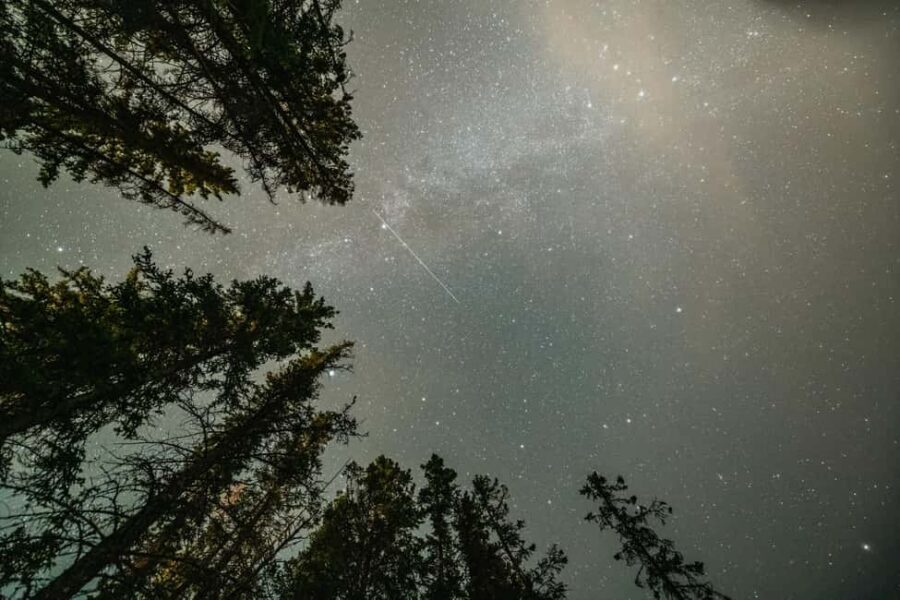
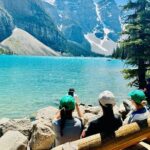
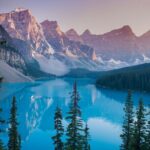
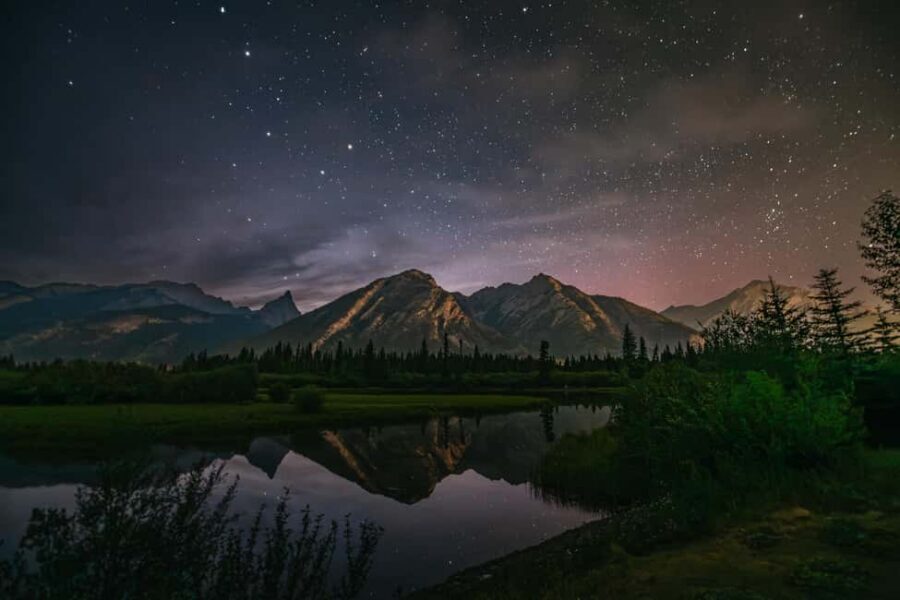
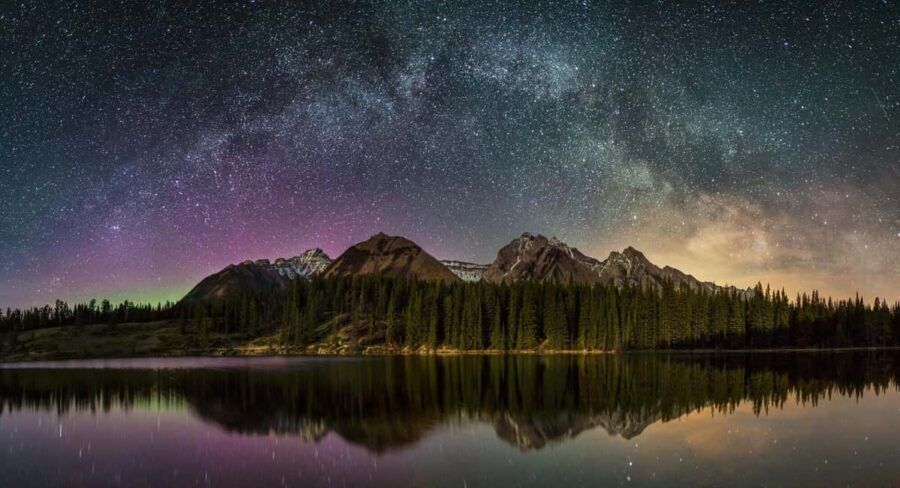
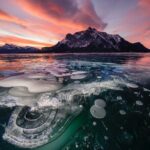
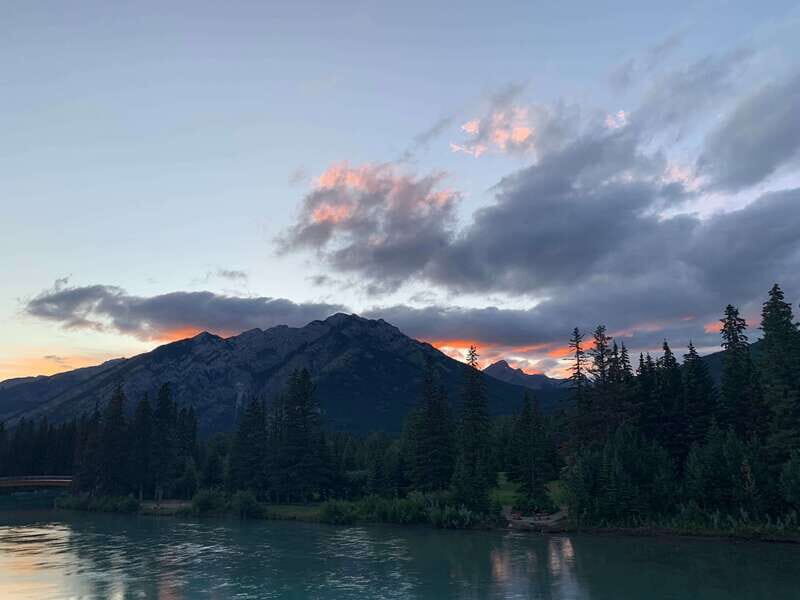
The tour is designed so you don’t wait for the sky to be perfect. You begin with the mountains and sunset, watching light fade across the peaks and trail. Even when stargazing is only decent, that transition—from last light on rock to the first bright points in the dark—still delivers.
One reason this format works: you’re not gambling your whole evening on one outcome. Yes, you’re watching for aurora activity and shooting stars, but you’ll get value from the whole arc. Guides keep your attention on the timing: what to notice while it’s still twilight, and what becomes visible as darkness deepens.
If you’re the type who thinks you need zero moonlight for stars, keep an open mind. In at least one winter booking, stargazing was still possible even with cloud and a bright moon; it just meant the view wasn’t as dramatic as it would be on a truly dark night.
Stargazing stops: constellations, Milky Way odds, and northern lights realism
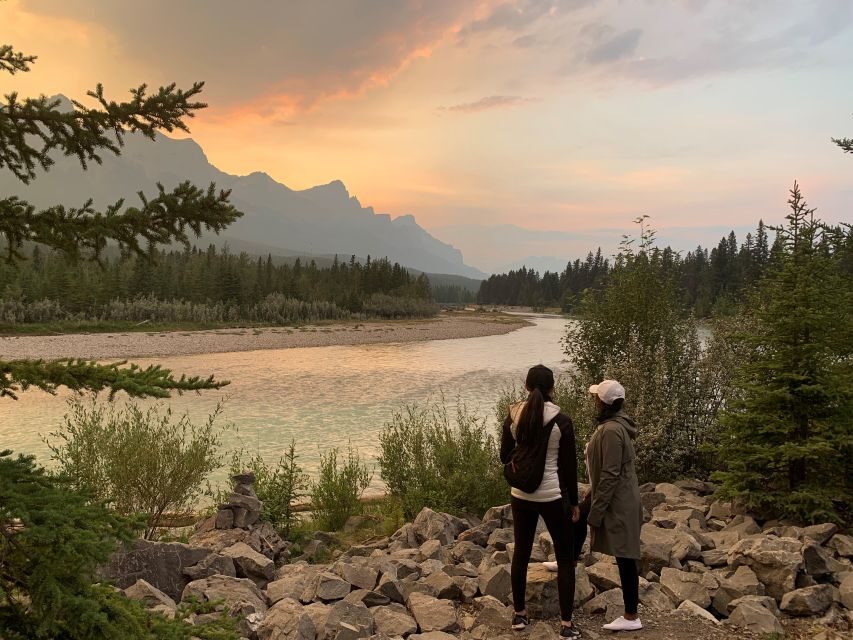
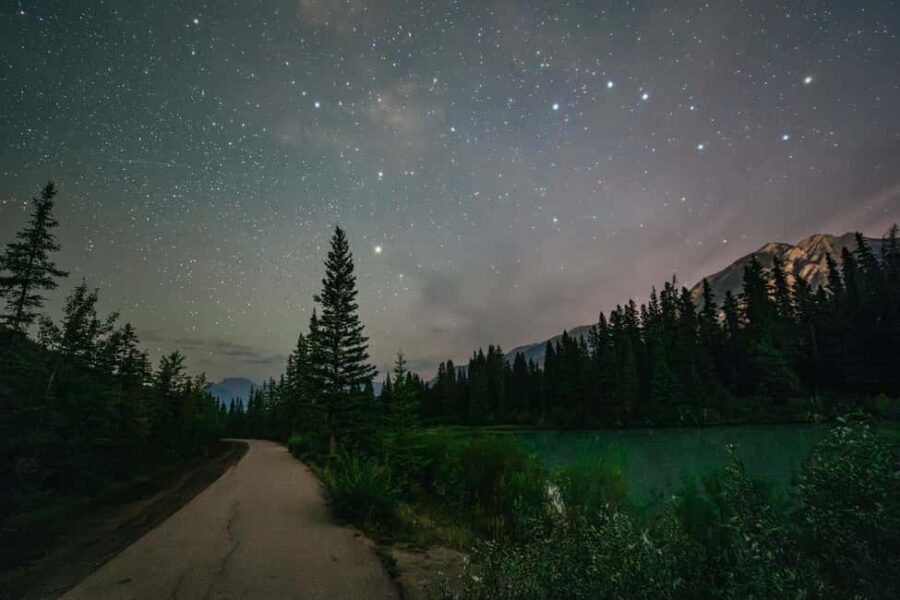
Your guide’s job is to make the sky legible. During the walk, they point out constellations and explain what you’re looking at, so the night stops become mini science lessons you can see with your own eyes.
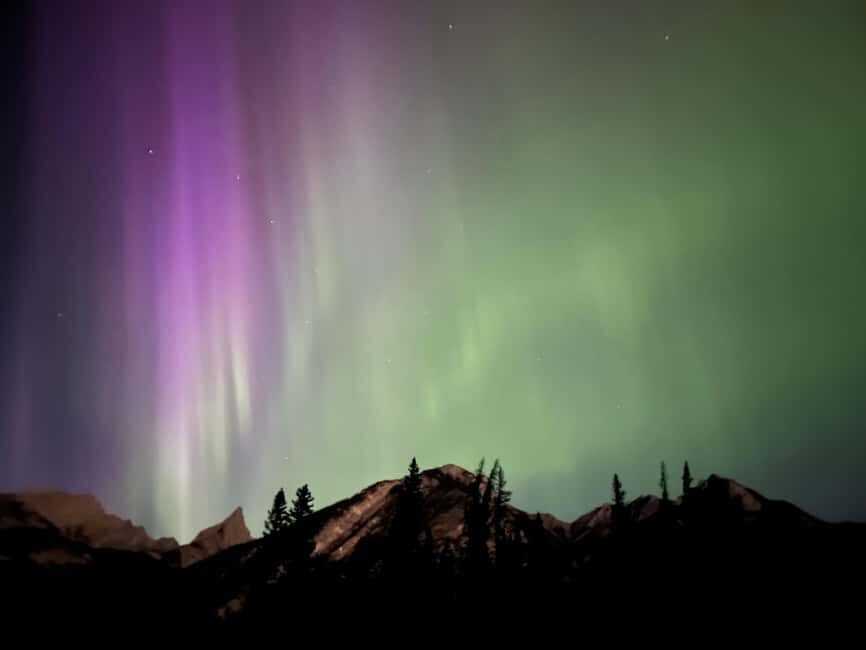
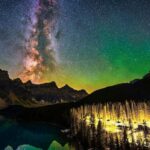
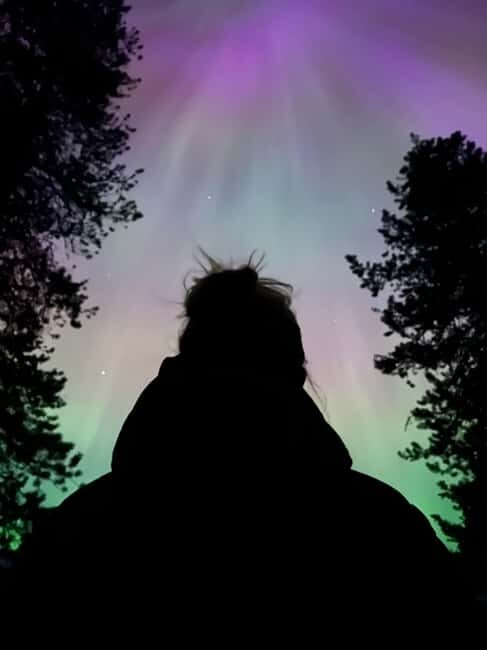
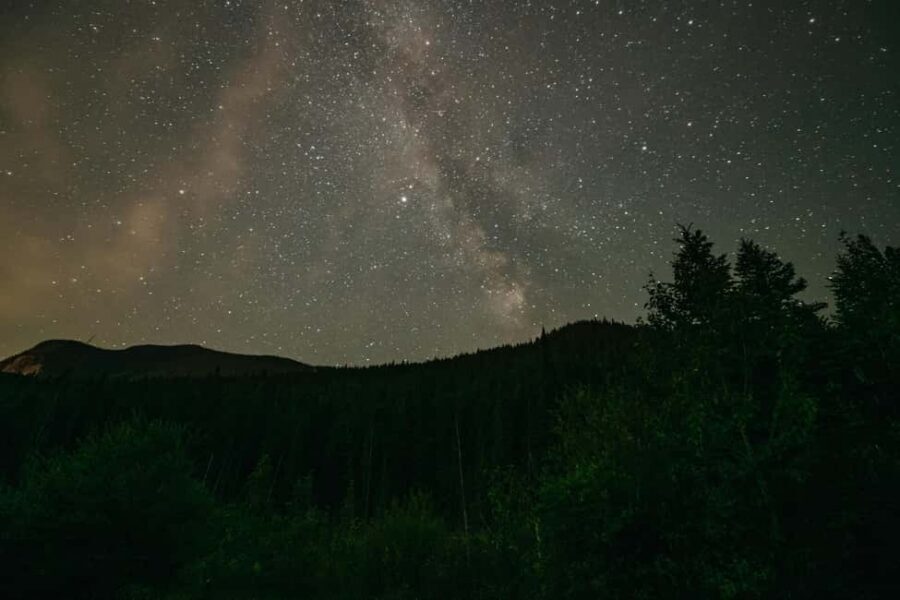
On clear nights, this tour can go well beyond “twinkling dots.” People have reported seeing the Milky Way, plus shooting stars and even a comet in some seasons. Northern Lights are also on the radar, and in the right conditions, bookings have included them. But here’s the honest planning angle: aurora visibility depends on weather and atmospheric conditions, and the tour doesn’t promise specific celestial results.
A smart consideration is moon brightness. A nearly full moon can make the stars look less intense and may reduce the wow-factor. You’ll still learn the sky and often see satellites, but you might not get the high-contrast view you imagined.
Night wildlife and bear-spray reality checks
This tour operates in a natural setting after dark, so wildlife is always a possibility. Your guide will carry bear spray and safety equipment, and the group uses headlamps and planned lighting so nobody stumbles through the forest with blind spots.
What I like about this setup is that it treats safety like part of the experience, not a sidebar. In the accounts I’m using, guides were attentive—one guide slowed the group when someone was struggling, and others focused on keeping everyone together while still making time for star viewing.
So what should you do? Keep your head up when the guide signals and use the light the way the guide directs. If you’re worried about animals, you’ll probably feel better once you see how orderly the group stays and how the guide handles pauses and spacing.
Also, plan for bugs in warmer months. In the late spring and summer, mosquitoes can bite early in the walk. It’s not a reason to skip the tour, but it’s a reason to bring repellent, especially if you’re someone who gets bothered fast.
You can also read our reviews of more evening experiences in Banff
Winter traction and gear: what you bring (and what they provide)
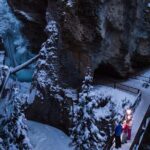
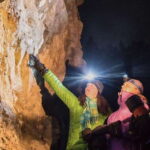
Included gear is straightforward and useful: headlamps and ice cleats (when required). If you’re going in winter, ice cleats matter. Night + ice is a bad combo, and having traction support is a big deal for confidence.
Your main personal item is hiking shoes. That’s it in the official list—but I’d also add the practical extras that make night hikes less annoying: warm layers, a hat for your ears, and a way to keep your phone battery from dying too quickly (cold drains batteries fast).
If you plan to take photos, this tour has a reputation for helping people get better shots with their phones. Some guides assist with night mode and long-exposure settings, so you might leave with images that look way more like what you saw.
Guides: how the experience becomes more than a walk
The stars are the headline, but the guide is the engine. Names that come up often include Kale, Jacob, Ben, Isla, and Yuin. Different personalities, same core result: you get explanations that feel like stories, not lecture notes.
One reason people rate this tour so highly is the human touch. There’s a clear theme of guides adjusting to the group—slowing down when someone needs it, keeping communication steady, and making sure everyone stays oriented as the light drops. That matters because night hiking isn’t just about the distance; it’s about comfort and confidence.
Guides also add context about the area and what you’re seeing overhead. If you enjoy learning details—where constellations fit, what the night sky looks like in this part of Alberta—that’s where this tour earns its place on your itinerary.
Price and value: is $66 worth two hours?
At $66 per person for a 2-hour guided experience, this tour is in the “worth it if you care about quality” category. Here’s the value logic that made sense for me:
- You’re paying for a guide who knows how to run a night experience safely, with bear-spray-equipped safety procedures and a plan for low-visibility hiking.
- You get lighting gear (headlamps) so you’re not relying on your own supplies or guessing how to manage darkness.
- You’re not stuck in a quick photo stop. You get a real sequence: sunset viewing, then gradual dark-sky observation over time.
If you’re the type who loves sunsets but also wants the science/story side of astronomy, this price feels fair. If you just want a walk in the woods and don’t care about learning the sky, you might find other free routes around Banff more cost-efficient. But if you want the “I finally understand what I’m seeing” effect, the guided format is the value.
Weather and schedule: how the tour handles the unpredictable sky
The tour may not operate in heavy cloud cover. If that happens, the guide will contact you 12–24 hours before departure and issue refunds. Since this is a sunset + stargazing experience, weather is the main variable.
Sometimes, conditions can lead to rescheduling rather than canceling outright. One winter booking described a cloud-caused cancellation on the original date, followed by a move to the next day with no problems—so even when things shift, the provider seems set up to communicate clearly.
You should still build your plan with flexibility. If you only have one night in Banff, you may want to avoid stacking another “must-do” activity right after this in case skies don’t cooperate.
Who this tour is best for (and who should skip it)
This is a good match if you want a guided night experience in Banff with real stargazing time. It’s also a solid option for people who are new to astronomy—guides point out constellations and explain what matters, so you’re not staring at the sky wondering where to start.
It may not be a good fit if you:
- Are traveling with children under 8
- Are pregnant
- Need help managing mobility impairments (the tour is listed as wheelchair accessible, but it also notes it’s not suitable for people with mobility impairments—so double-check your situation before booking)
- Have pre-existing medical conditions
- Have had recent surgery
This is also not a place to bring distractions like pets, and alcohol/drugs aren’t allowed. If you’re someone who wants quiet, focused nature time with structured stops, you’ll likely appreciate that.
Finally, think about how you handle being outdoors after dark. The hike is only 5 km, but it’s still 5 km in the dark.
Should you book Banff: Guided Sunset and Stargazing?
I’d book this tour if you want one evening in Banff that combines mountains at sunset with guided stargazing you can actually follow. The short distance, the safety gear, and the guide-led astronomy turn a simple walk into a night you’ll talk about later—especially if your goal is to spot constellations, satellites, and maybe aurora activity.
Skip it if you dislike night hikes, if your health situation makes after-dark walking risky, or if your schedule can’t handle weather changes. And if you’re booking only for one celestial outcome, recalibrate: you’ll get the sunset experience no matter what, and then you’ll build from there as the sky conditions allow.
If you’re ready for a guided, not-too-long, genuinely atmospheric night in Banff, this is one of the most practical ways to make stargazing part of your trip.
FAQ
Where do I meet for the tour?
Meet outside the Welcome Building at the Cave and Basin National Historic Site Parking Lot. The guide will be holding a clipboard, and you should present your voucher.
How long is the hike and how far do you walk?
The tour lasts about 2 hours and covers a trail distance of 5 km (3.5 miles).
What’s included and what do I need to bring?
Included are a professional guide, headlamps, and ice cleats when required. Bring hiking shoes; food and drink aren’t included.
Will the tour run in bad weather?
The tour will not operate in heavy cloud cover. If that’s the case, the guide contacts you 12–24 hours before departure and issues refunds.
Does the tour include help with auroras or constellations?
You’ll be looking out for Northern Lights and shooting stars, and your guide points out constellations and other night-sky sights during the walk.
Is it suitable for children or people with medical limits?
It’s not suitable for children under 8, pregnant women, people with mobility impairments, people with pre-existing medical conditions, or those who’ve had recent surgeries.