REVIEW · BANFF
Banff Night Sky: Stargazing and Northern Lights Chasing Tour
Book on GetYourGuide →Operated by Banff & Canmore Tours · Bookable on GetYourGuide
Stars steal the show in Banff. This 3-hour night tour is built for real sky time: I like the dark, star-filled viewing you get even when the northern lights don’t show, and I really like having Jacob’s help spotting constellations and setting up better night photos. The catch is simple: the aurora is never guaranteed, and you’ll be outside in the cold on a short winter walk—so it’s not the right fit if you have mobility or back limits.
I also like the pacing. You start in town at 309 Cave Ave, take a scenic Rockies drive, then do a total 2 miles (3.5 km) of walking to a dark-sky site, with headlamps provided and ice cleats in winter. You end back near where you started, looking up the whole way.
In This Review
- Key Things That Make This Tour Worth It
- What You’re Really Buying: Stars, Not a Guaranteed Aurora
- Meeting at 309 Cave Ave: Simple Start, Good Parking
- The Scenic Drive Through the Canadian Rockies
- How the Guide Chooses the Viewing Spot (and Why That Matters)
- The Short Walk to the Dark-Sky Site: Dress Like It’s Serious
- Stargazing With Jacob: Constellations You Can Actually Find
- Aurora Borealis: The Chance, the Wait, and the Reality
- Photo Tips That Actually Help at Night
- No Meals, No Problem: What to Do Before You Go
- Small Group Dynamics: Up to 10 People
- Who This Tour Is For (and Who Should Skip It)
- Price and Value: Does $108 Pay Off?
- Should You Book Banff Night Sky: Stargazing and Northern Lights Chasing?
- FAQ
- How long is the Banff Night Sky tour?
- Where is the meeting point?
- Is the northern lights guaranteed?
- What happens if it’s cloudy?
- How much walking is involved?
- What equipment is provided?
- What should I bring for the tour?
- Are meals included?
- Are tripods allowed?
- Can I use flash or record audio?
Key Things That Make This Tour Worth It
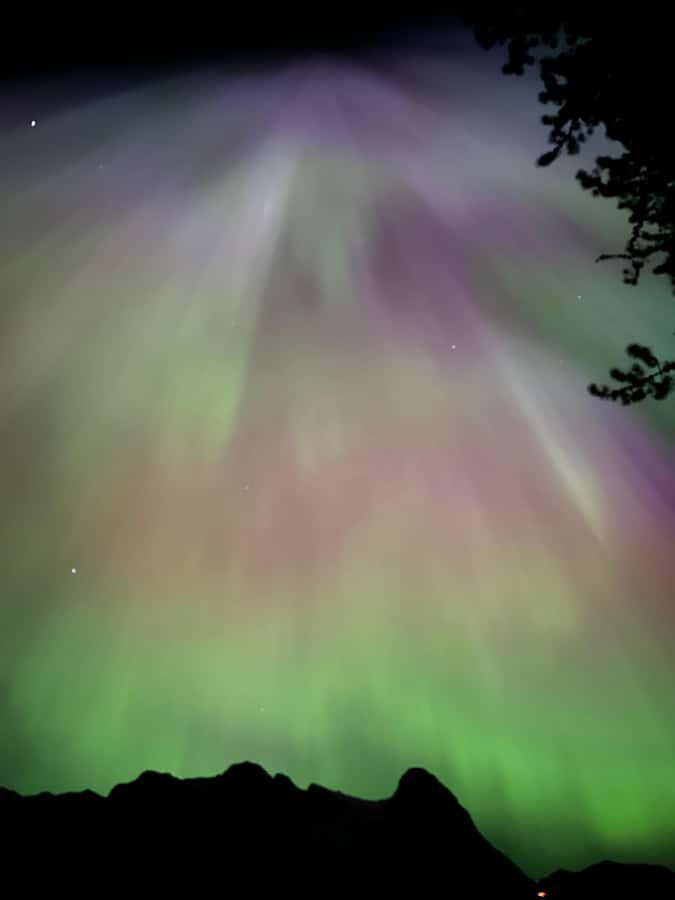
- Northern lights or not, you still get stargazing in a sky-friendly location selected for that night.
- Jacob’s constellation and myth stories turn a cold night sky into something you can actually recognize.
- Phone-and-camera photo help so you can capture more than a blurry dot.
- Warm-light logistics are handled for you with headlamps and winter ice cleats (when needed).
- Small group size (up to 10) keeps the guide’s attention on each person’s setup and questions.
What You’re Really Buying: Stars, Not a Guaranteed Aurora
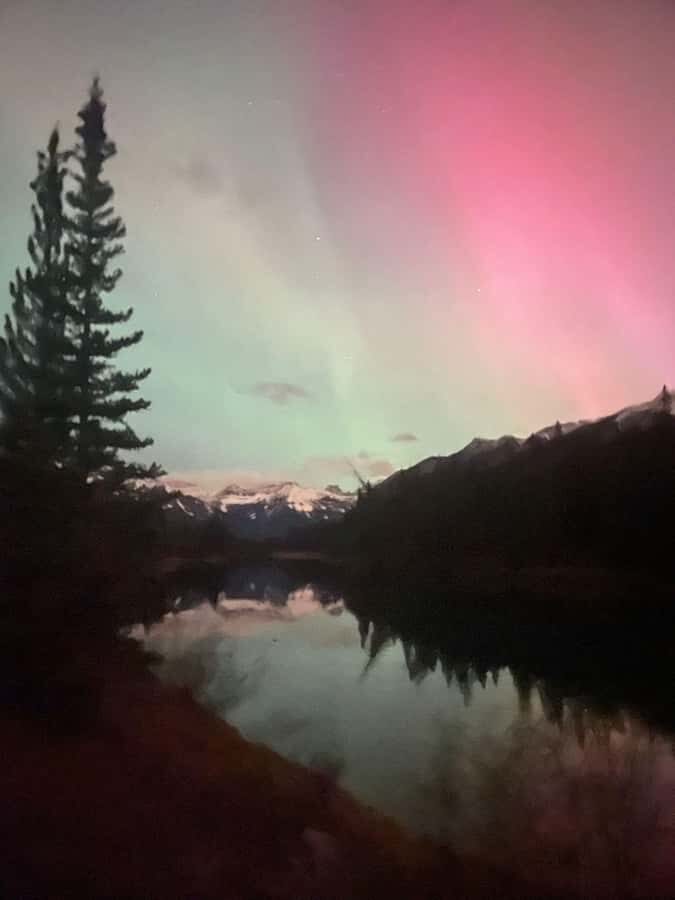
Banff at night can feel like a different world. This tour sells two things at once: the chance to see the aurora and the promise of a clear, star-filled experience if the sky doesn’t cooperate. Northern lights are rare and unpredictable, so you’re not paying for a sure thing—you’re paying for better odds and better guidance.
At $108 per person, the value depends on what you want. If you mainly want a guaranteed show, this won’t match that mindset. But if you want a guided night-sky experience with practical photo support and a dark-sky viewing plan, the price starts to make sense fast. Three hours is long enough to get properly adjusted, walk out safely, and spend real time looking up.
The other big value point: even when the aurora doesn’t appear, you’re not sent back early. The tour is designed so you still get the star show, plus constellation and planet spotting.
You can also read our reviews of more evening experiences in Banff
Meeting at 309 Cave Ave: Simple Start, Good Parking
You meet at the Cave and Basin parking lot, at 309 Cave Ave. The guide meets you outside the welcome building in the parking lot, and they’ll be easy to spot with a clipboard and a friendly hello.
A couple practical tips that help the whole night go smoother:
- Arrive 10 minutes early. It matters because everyone needs to gear up and get ready for departure.
- Use the free parking if you’re driving. The meeting spot is chosen for convenience.
- If you’re staying in town without a car, plan on a short local taxi ride or public transit access. It’s also walkable from central Banff for people who like a brisk winter stroll—one review shared about a 25-minute walk.
If you’re doing this from a hotel, don’t assume pick-up happens right at your door. Because pick-ups can take longer due to congestion and distance, the tour uses one central meeting location.
The Scenic Drive Through the Canadian Rockies
Once everyone’s together, you head out on a scenic drive through the Canadian Rockies. This part isn’t just transit—it’s time for the guide to set expectations for the evening and start pointing out what you might look for once you’re at the dark-sky spot.
That drive also gives you breathing room before the outside portion. On a winter night, that matters. Your eyes need time to adjust, and your body needs a minute to go from regular evening life to winter night mode.
How the Guide Chooses the Viewing Spot (and Why That Matters)
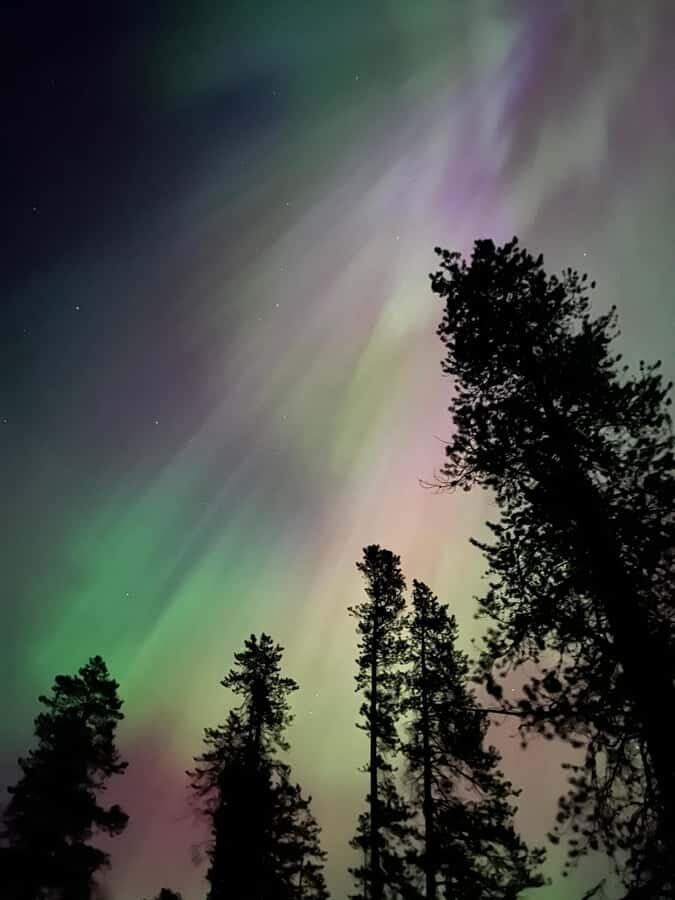
This is where the tour earns its keep. Before you ever walk outside, the guide bases the plan on the season and the evening’s sky forecast. They monitor conditions closely because the aurora depends on factors you can’t control.
Here’s what you can expect in plain terms:
- If aurora conditions look promising, the guide will aim for the best chance.
- If it doesn’t line up, you still go to a viewing area built for clear stars.
This is also why the routing or timing might adjust during the evening based on aurora conditions. It’s not chaos. It’s the guide trying to match your night to the sky’s mood.
And there’s a nice fairness detail: if the guide expects over 50% cloud cover, refunds are offered on-site. That means you’re not stuck paying full price for a grey sky situation.
The Short Walk to the Dark-Sky Site: Dress Like It’s Serious
After the drive, you do a short walk to your designated dark-sky viewing area. The total walking distance is 2 miles (3.5 km).
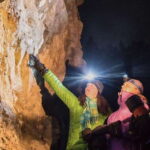
In winter, the tour supplies ice cleats for the short walk. Headlamps are also provided, which is a big deal for comfort and safety in the dark.
What you should bring (and not improvise at the last second):
- Warm clothing (layers help more than thick one-piece coats)
- Outdoor footwear that can handle winter ground
- A camera, plus the accessories you plan to use
- A tripod (it’s suggested, and it makes a big difference for night shots)
- Outdoor clothing you’re willing to wear for a couple hours outside
Also note what’s not allowed: flash photography is prohibited. That means you’re not just taking pictures—you’re taking them in a way that doesn’t ruin the night vision for everyone else.
One more reality check: this tour is not set up for everyone physically. The walk is short, but it’s still outside and on winter footing. If you’re dealing with back problems, mobility impairments, or recent surgery recovery, the tour isn’t designed for you.
Stargazing With Jacob: Constellations You Can Actually Find
Once you’re at the viewing area, the guide turns your attention outward and upward. This is the part that makes the experience feel more personal than simply standing in the cold.
With guide Jacob, the emphasis is on helping you connect what you see to what it means. You’ll learn about myths and legends tied to the stars across different cultures. That cultural angle matters because it gives the sky context, not just names.
You’ll also get help identifying key sights:
- Constellations and how to recognize them
- Planets and other celestial highlights (based on what’s visible that night)
- Tips for viewing and photographing the sky
Even when the aurora doesn’t happen, this is still satisfying. One review mentioned that after the northern lights failed to appear, the stars were magnificent—and Jacob helped everyone set up their phones for night photographs. That’s the kind of practical guidance that makes your own results better without turning the night into a workshop you didn’t ask for.
Aurora Borealis: The Chance, the Wait, and the Reality
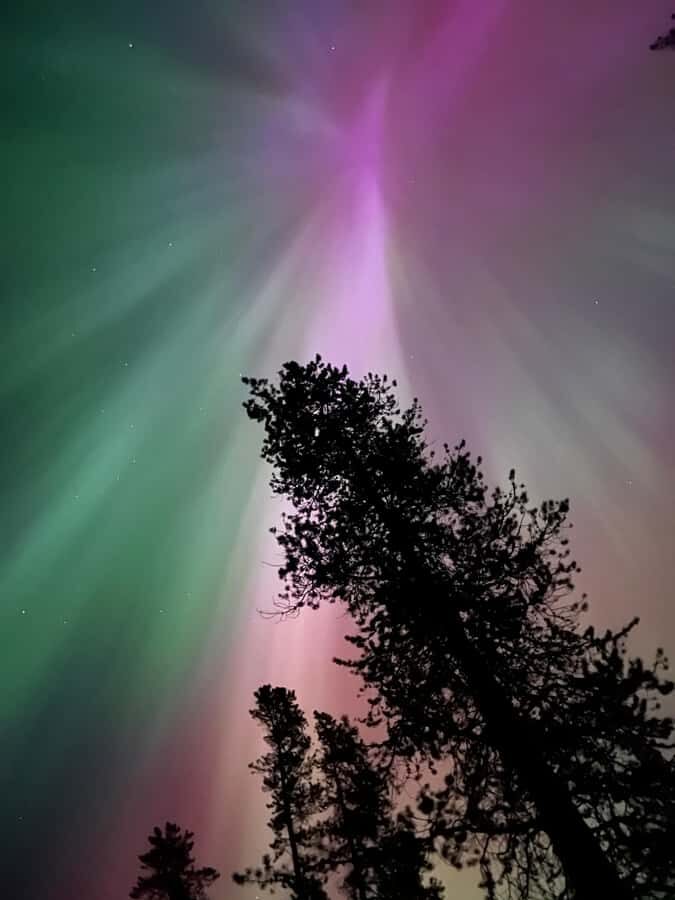
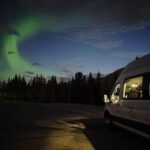
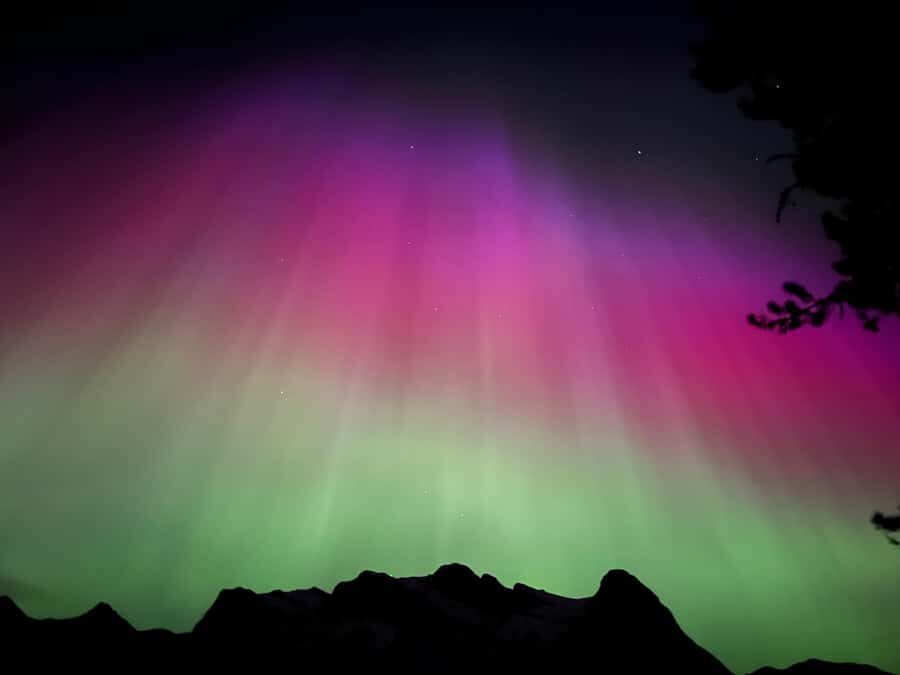
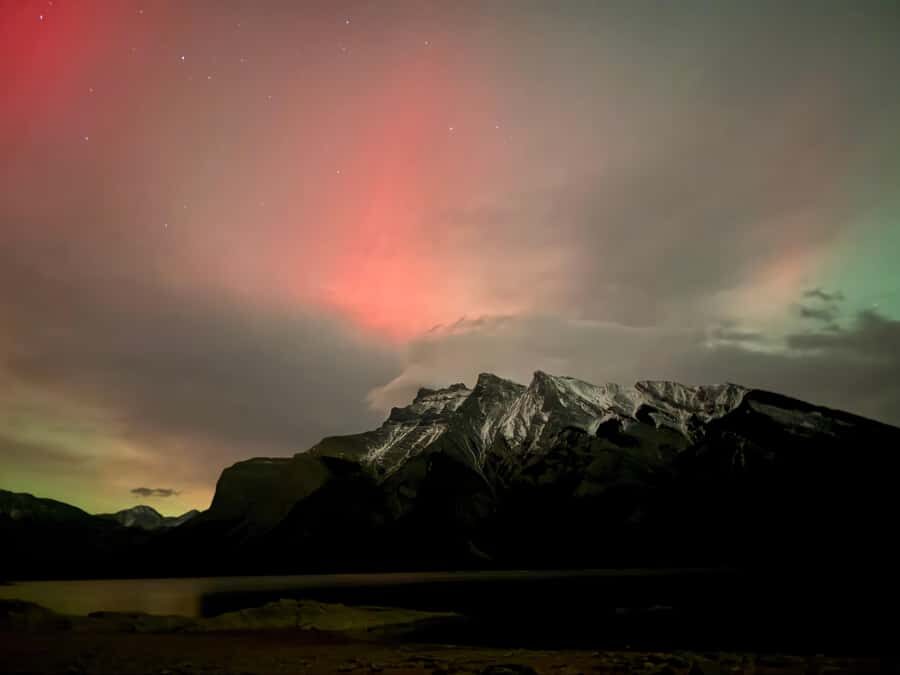
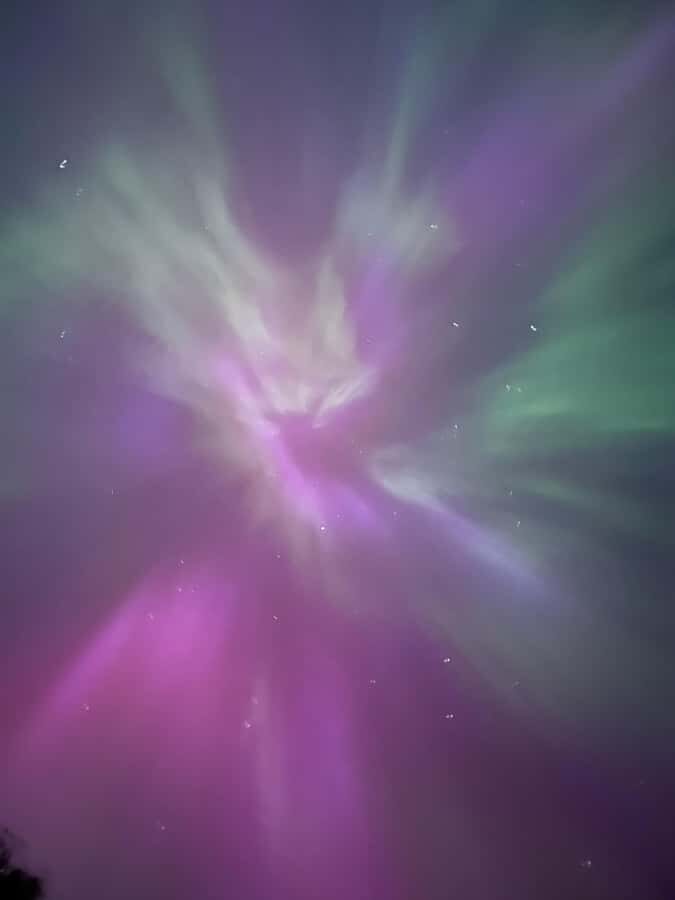
Let’s be honest: the aurora is the star of the show when it happens. You’ll be looking for it after darkness settles and while conditions are monitored. If it shows up, you’ll be ready because the guide has already positioned you at a good viewing spot.
But you’re also prepared for the downside. Northern lights sightings are rare and unpredictable. This tour doesn’t pretend otherwise.
What you can count on:
- You’ll spend time looking for it during the best window for your plan.
- Even if aurora doesn’t appear, the guide keeps the experience moving with stargazing and sky identification.
- If the sky is cloudy, the guide offers an on-site refund if cloud cover is expected to be over 50%.
There’s also a generous detail from one review: after no aurora that night, Jacob said guests could contact them and potentially take another trip for free. That’s not something you should assume on every date, but it does reflect a guide who seems serious about making the experience feel fair when nature doesn’t cooperate.
Photo Tips That Actually Help at Night
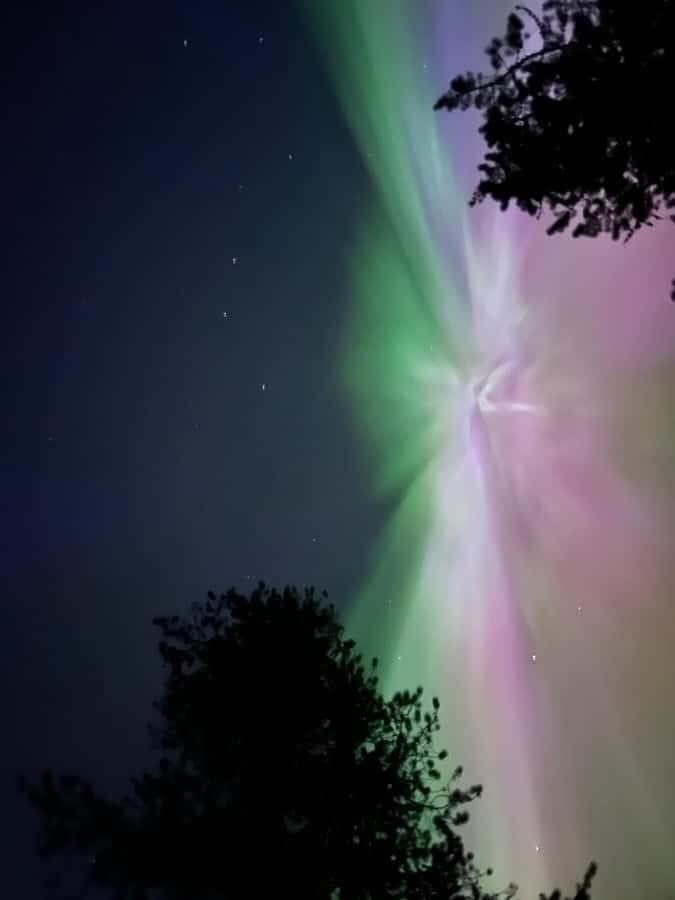
If you care about photos, you’re in the right place. The tour explicitly includes photographic opportunities and sets you up with a better chance of getting usable shots.
Key things that help:
- Headlamps provided so you can safely adjust gear and check your settings without wandering around in the dark.
- No flash photography, which protects everyone’s night vision.
- A focus on helping with phone setup for night images (at least one review called out Jacob walking people through phone photography).
- The suggestion to bring a tripod. If you want sharp results, this is usually the difference between wishful thinking and a real capture.
One practical mindset shift: night photos are less about taking lots of shots and more about taking fewer shots with the right setup. A guide helps you avoid the common mistakes quickly—like trying to shoot in the wrong way for low-light conditions.
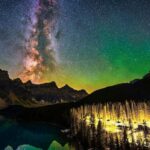
And yes, you’ll want your camera ready. The contrast of glowing stars against the mountain setting can create dramatic images, even without aurora.
No Meals, No Problem: What to Do Before You Go
Meals aren’t included. Also, there’s no food or drink in the vehicle.
That means you should plan ahead:
- Eat beforehand, or bring something to eat before departure time (since you can’t have food during the tour portion).
- Bring water if you tend to get thirsty in cold weather.
- Keep it simple and light on your hands, because you’ll be outside and you’ll want to stay focused on looking up.
If you’re traveling with friends, this is a good moment to agree on photo expectations. Some people want the aurora shot. Some want star patterns. The guide can help with both, but it helps if everyone understands the goal going in.
Small Group Dynamics: Up to 10 People
This is a small group tour, limited to 10 participants. That’s a big deal when you’re standing still outside in cold air with cameras and phones. In a bigger group, you lose time waiting your turn.
In this group size, the guide can help people set up, answer questions about what you’re seeing, and keep the night-sky discussion moving.
It also makes it easier to maintain safety during the walk. In winter, that matters more than people expect.
Who This Tour Is For (and Who Should Skip It)
This tour has clear limits, and that’s a good thing. It’s built for outdoor winter conditions and a short walking segment.
It’s not suitable for:
- Children under age 8
- People with mobility issues or serious medical conditions
- People with back problems
- People with heart problems
- People with recent surgeries
- Pregnant women (advised to refrain)
If you fit those categories, it’s better to choose a different Banff nighttime option with less walking and fewer winter footing demands.
If you’re generally healthy, comfortable in cold weather, and okay walking outdoors for a couple hours, you’ll likely enjoy this. It’s also a strong choice if you want to learn the sky instead of just looking at it.
Price and Value: Does $108 Pay Off?
At $108 for 3 hours, you’re paying for three things that are hard to replicate on your own:
- A dark-sky viewing plan chosen based on conditions
- A guide-led stargazing experience, including myths and constellation help
- Photo support and practical equipment provided for night visibility (headlamps, plus ice cleats in winter)
If aurora shows, the value feels obvious. But even when it doesn’t, you’re still paying for a structured night-sky session—not a random self-guided stop at a pull-off that may be too bright or too cloudy.
The best way to think about the price is this: you’re buying time with a guide so your night-sky experience improves. You also get a clear fallback plan if the aurora doesn’t appear.
Should You Book Banff Night Sky: Stargazing and Northern Lights Chasing?
Book it if you want a guided, photo-friendly stargazing night in Banff and you’re willing to accept the aurora reality. This tour is built to make the experience good even when the lights don’t show up.
Skip it if:
- You need guaranteed aurora. (No one can promise that.)
- You can’t handle cold outdoor walking or you fall into the tour’s medical and mobility limits.
- You’re not interested in photos or learning the sky. If you just want to drive somewhere and stand alone, you might not get as much value from a guided night.
If you do book, show up on time, dress warm, and bring the right gear for night photos (especially a tripod if you have one). That combination is what turns a cold look-up night into a real memory.
FAQ
How long is the Banff Night Sky tour?
The tour lasts 3 hours.
Where is the meeting point?
Meet at the Cave and Basin parking lot at 309 Cave Ave. The guide meets outside the welcome building in the parking lot.
Is the northern lights guaranteed?
No. Northern lights are rare and unpredictable. If the aurora does not appear, you’ll still have a stargazing experience.
What happens if it’s cloudy?
If the guide expects over 50% cloud cover, refunds are offered on-site by the guide.
How much walking is involved?
The total walking distance is about 2 miles (3.5 km).
What equipment is provided?
Headlamps are provided. Ice cleats are supplied during winter months.
What should I bring for the tour?
Bring warm clothing, outdoor clothing, hiking shoes, a camera, and a tripod.
Are meals included?
No. Meals and food/drink in the vehicle are not included.
Are tripods allowed?
You are encouraged to bring a tripod.
Can I use flash or record audio?
Flash photography is not allowed, and audio recording is also not allowed.