REVIEW · ALGONQUIN PROVINCIAL PARK
Algonquin Park: Canoe Camping Safari
Book on GetYourGuide →Operated by Algonquin Adventure Tours · Bookable on GetYourGuide
Algonquin’s wilderness sounds better from a canoe. This 3-day Algonquin Park safari is built around expert guiding on the waterways, with real chances at moose sightings and wildlife moments that feel close-up and quiet. You’ll also get fully handled camp setup basics and campfire food, so your energy goes to paddling, photos, and enjoying the day instead of fussing.
I especially like the mix of skills and freedom: you get professional guidance for canoeing and wildlife viewing, plus time to hike, fish, swim, and even cliff jump when conditions allow. The other big win is the focus on photographing wildlife—there’s a stated 90% success rate for moose photography and fishing. The only real drawback to plan around is that weather can turn the trip messy fast, and at least one review flagged that tents can get wet in heavy rain.
If you’re picky about gear comfort in a storm, go in with eyes open. Otherwise, this is a high-nature, small-group way to experience Algonquin Park at close range, with guides who bring humor, safety know-how, and a steady rhythm to the days (including guide names like Jess, Gill, and Guil from past trips).
In This Review
- Key things I’d bet on before you book
- Canoe Lake start: finding the group and getting on the water
- The 3-day rhythm: paddling, fishing, hiking, swimming, and camp life
- Day 1: arriving, learning the canoe routine, and settling in
- Day 2: wildlife searching with fishing and land breaks
- Day 3: return with more quiet time and a final campfire feel
- Moose odds: how the trip aims for photos, not just sightings
- Your guide makes the day: Jess, Gill, and Guil examples
- What camp feels like: tents, hammocks, meals by the fire
- Included comfort basics
- Rain is the real comfort test
- Food: wholesome, guided, and campfire-based
- Gear and packing rules: what you must bring (and what you must not)
- What to bring
- Shoes matter because you’ll step in water
- What not to bring
- Price and value: is $519 fair for this kind of time?
- Who this safari fits best (and who should skip it)
- Should you book Algonquin Park Canoe Camping Safari?
- FAQ
- FAQ
- What’s the tour duration?
- Where do I meet for the trip?
- How big is the group?
- Does this trip require canoeing or camping experience?
- What age is the minimum for participants?
- What should I pack?
- What’s not allowed to bring or use?
- Is cancellation available, and can I pay later?
Key things I’d bet on before you book
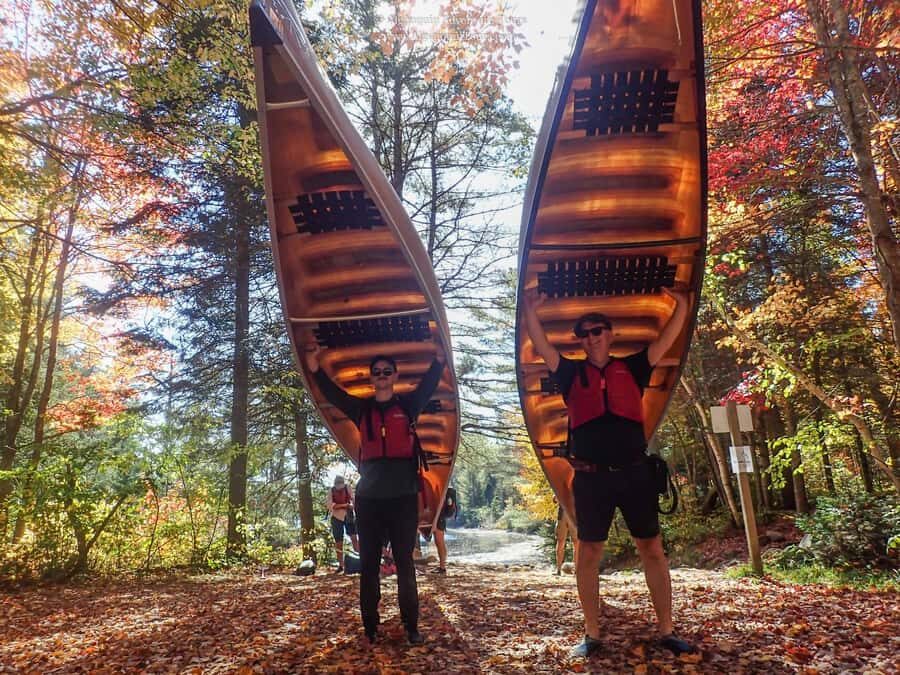
- 90% moose-photo and fishing success focus means the day is run with wildlife in mind, not just paddling for paddling’s sake.
- Small group (max 8) keeps the trip personal and helps with pacing, safety, and photo opportunities.
- Full camp basics included (tent, air mattress, sleeping bag with fresh liner, hammock, pillow case) reduce packing stress.
- Water-stepping reality check: you’ll repeatedly step in and out of the canoe with rocks and beaver wood.
- Food by the fire + s’mores is part of the experience, not an afterthought.
- Rain gear is essential—and you’ll be glad you packed proper water/wind protection.
Canoe Lake start: finding the group and getting on the water
Your trip begins at the Canoe Lake beach in Algonquin Park, with the meeting point on the rocky beach near the Ontario Parks building at the far end of Canoe Lake beach. The coordinates are 45.535032, -78.706570 and you’re meant to watch for the little KM markers on Highway 60 once you’re inside the park.
If you’re driving in from the West gate, the turn off is after KM 14; from the East gate it’s around KM 15. Then you drive up Canoe Lake Rd. about 150 meters, park in the first lot, and walk down to the beach with your bags via the small driveway at the far end. Look for staff, canoes, or a van with the Canadian flag logo.
One practical tip: if it’s raining hard, you don’t meet on the sand. You’ll meet on the outside deck of the Ontario Parks Canoe Lake permit building. That’s a good sign that the operator knows weather happens and keeps the start safer and calmer.
Why this matters: canoe camping is all about momentum. A clean meeting point and clear first instructions help you get your bearings fast—especially if you’re new to stepping around in shallow, rocky water.
A few more Algonquin Provincial Park tours and experiences worth a look
The 3-day rhythm: paddling, fishing, hiking, swimming, and camp life
Even though details can vary with conditions, this safari follows a pretty logical outdoor rhythm: move through Algonquin’s waterways by canoe, stop for land time, return to camp, and repeat. The included activities are your roadmap, and they shape the day.
Day 1: arriving, learning the canoe routine, and settling in
Day one usually focuses on getting you comfortable on the water and in camp. You’ll have your canoe, paddle, and life jacket provided, and you’ll get professional guidance on how to handle the canoe safely and efficiently. This is also where your guide sets expectations for the rest of the trip—where you’ll swim (if it’s safe), how you’ll manage water steps, and what “good camp” looks like with limited space.
Once you’re camped, you’ll settle in with the basics you get on site: tent, air mattress, camping pillow case, and sleeping bag with a fresh liner, plus a hammock. Meals are gourmet and designed to keep you fueled for paddling and hiking. Expect the classic canoe-camping moment: warm food after a long day, then lingering near the fire.
Guide style shows up here too. One past group had Gill leading with clear instructions, small challenges for the younger ones, and jokes/stories that kept things light while still feeling organized and safe.
Day 2: wildlife searching with fishing and land breaks
Day two is where the “wildlife safari” tone usually gets stronger. The tour is explicitly geared toward wildlife viewing, including moose-focused viewing and photography. You’ll also have fishing time built into the flow—again, not as a side quest, but as a planned activity tied to the broader wildlife rhythm.
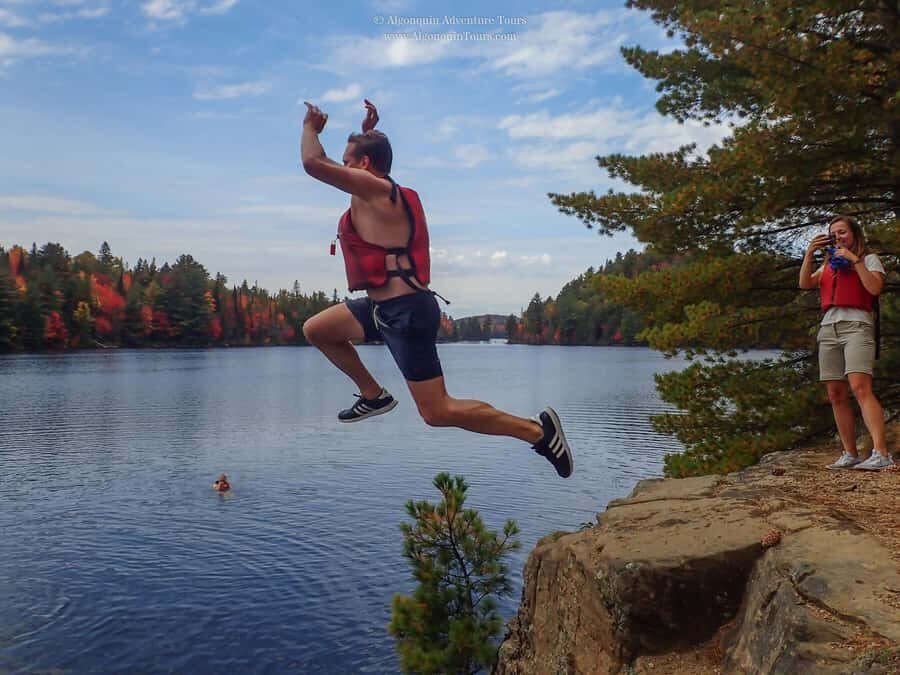
Land breaks matter in a canoe trip. You’ll go for a hike when the guide finds a good spot, and you’ll get chances to swim. The included activities list also mentions cliff jumping—so if you’re comfortable with that, you’ll likely have a chance when the guide feels conditions are appropriate. If you’re not, you can still enjoy the water and scenery without trying everything.
What I like about this structure: it avoids the “just paddle for hours” trap. You get enough movement to feel like you earned the views, but not so much that you’re wiped out before you even reach the wildlife moments.
Day 3: return with more quiet time and a final campfire feel
On day three, you usually get a last push on the water, plus final wildlife scanning opportunities. Then you wrap up back toward where you started.
One review point that rings true: returning paddling can be work. One participant noted the trip back against the wind was a bit strenuous, and that it’s the kind of effort you simply accept as part of canoe travel. If you’re active and enjoy physical challenges, you’ll be fine. If you want zero effort, you may find the paddling pace harder than you expected.
A few more Algonquin Provincial Park tours and experiences worth a look
Moose odds: how the trip aims for photos, not just sightings
This trip comes with a very specific promise: a stated 90% success rate in moose photography and fishing. Even if you treat that as a best-case target rather than a guarantee, it tells you how the guides run the day.
You’re not just cruising randomly. The focus is on finding photogenic habitats and timing wildlife moments so you can get pictures rather than only glance at a distant shape in the brush. That’s why “photo time” is part of the tour’s value, not a bonus add-on.
And it’s not only moose. You should also expect general wildlife listening and observation. Past participants talked about the quiet you get from being on the water, plus the kinds of moments where you slow down, scan, and let the forest show itself.
One important practical note: moose photo success isn’t only about animals—it’s also about how you handle gear, movement, and patience. This is where the small group size (max 8) helps. Less crowding means less bumping into each other while you adjust camera settings or stand safely for a shot.
Your guide makes the day: Jess, Gill, and Guil examples
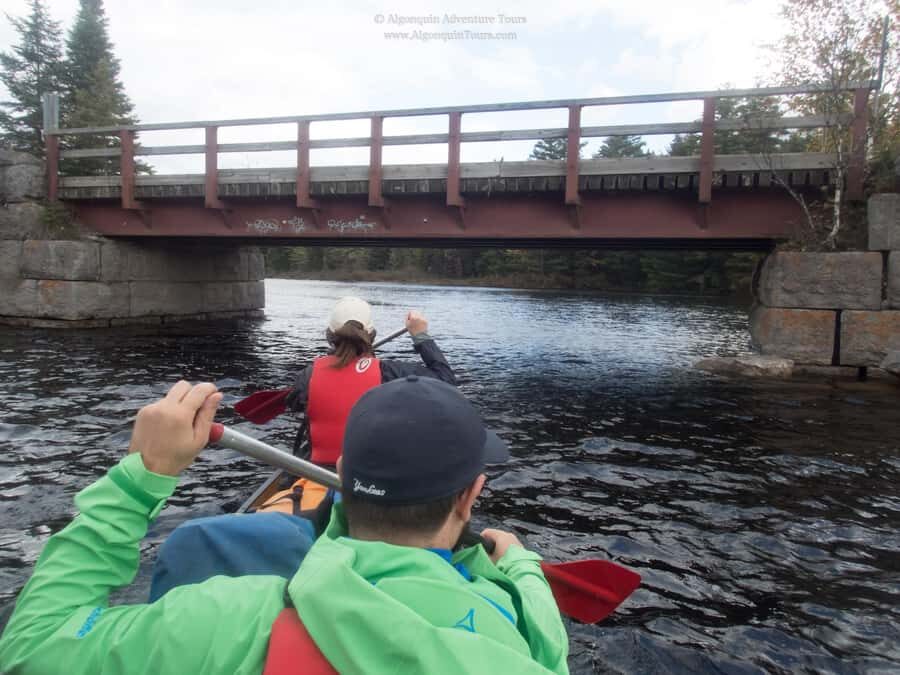
This is not a fly-by guide situation. The guides are described as giving clear instructions, keeping everyone safe, and cooking/handling the camp while also teaching you about nature.
Some specific guide names showed up in past trips:
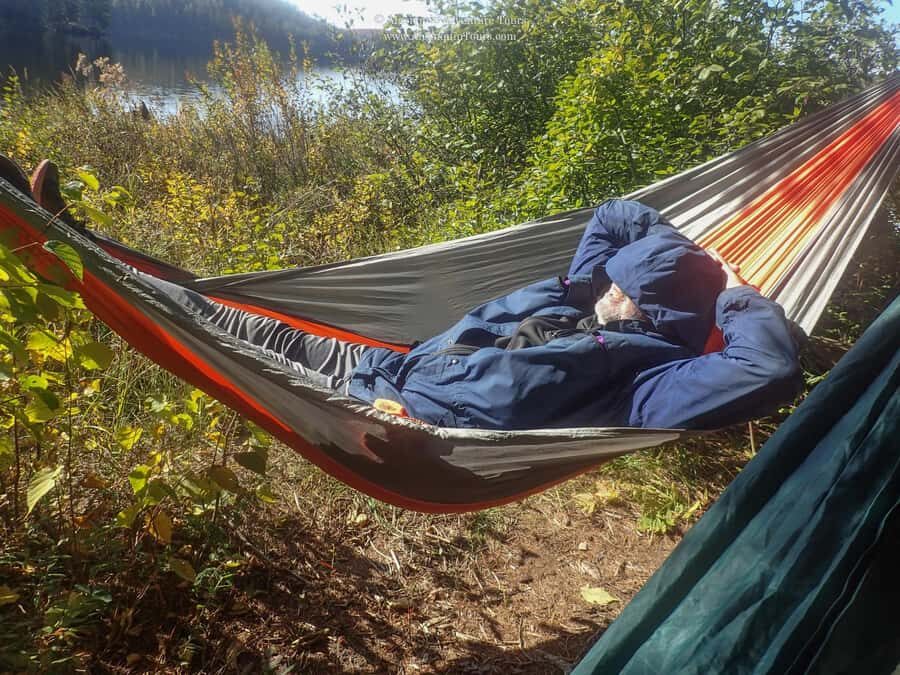
- Jess: paired excellent info with exellent menus, and helped make the evening campfire time feel smooth and unhurried.
- Gill: led with clear safety guidance, built in mini challenges (including humor and tasks for younger participants), and took full responsibility for cooking and camp care.
- Guil: described as resilient and in constant good mood even when the trip organization had a few hiccups (like a forgotten water filter or broken stove).
That last point is worth mentioning. One group noted small organization issues during the trip, but still rated the experience highly because the guide stayed upbeat and handled problems well. What that means for you: expect an outdoor environment where tiny things can go wrong. The deciding factor is whether your guide stays calm, fixes the problem, and keeps moving forward.
What camp feels like: tents, hammocks, meals by the fire
Camp is a big part of the “why” of this trip. You’ll be in the wilderness, but you’re not building everything from scratch.
Included comfort basics
You’ll get:
- Tent
- Air mattress
- Camping pillow case
- Sleeping bag with a fresh liner
- Hammock
- Bug jacket
- Gourmet meals
That’s a lot of the heavy work removed. You’re still responsible for your own clothing and personal items, but you won’t need to arrive with a full camping kit.
Rain is the real comfort test
One review flagged a downside: tents were too small and didn’t hold up in a rain storm, leading to a wet experience. Another participant noted returning paddling against the wind was tiring, which is another reminder that comfort depends on weather and effort.
So, my advice: treat this as an outdoor trip where rain gear matters more than thinking about cozy tent dimensions. If you pack smart (waterproof layers, dry backup clothes), you’ll make rain a nuisance instead of a dealbreaker.
Food: wholesome, guided, and campfire-based
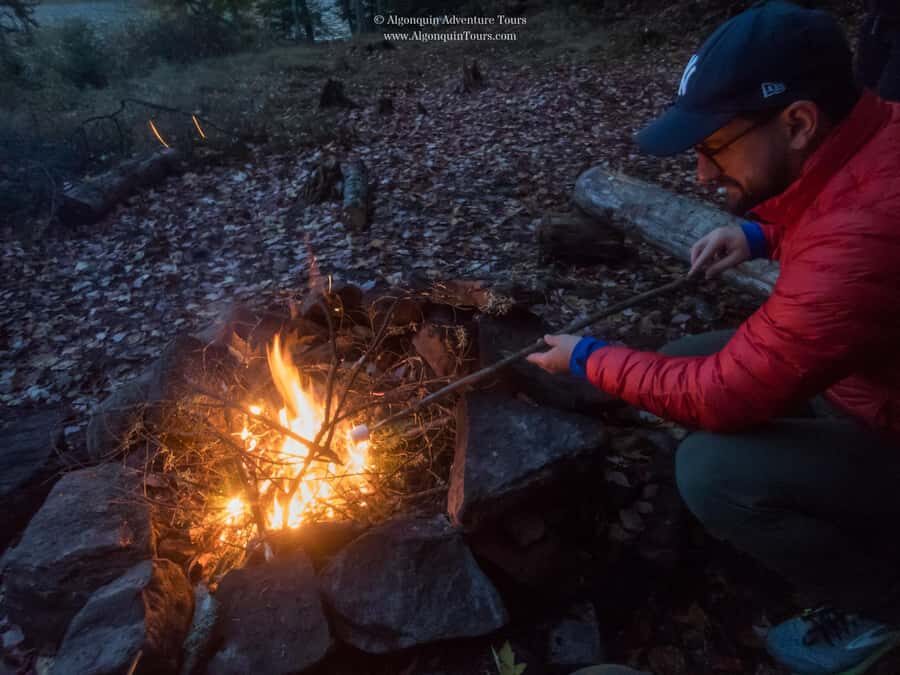
Meals are described as good to excellent, cooked and handled by the guide, and enjoyed by the fire. S’mores are included, along with something called Henrietta’s. You can also expect the kind of “after paddling” hunger that makes campfire food taste extra good—because you’ve actually worked for it.
Gear and packing rules: what you must bring (and what you must not)
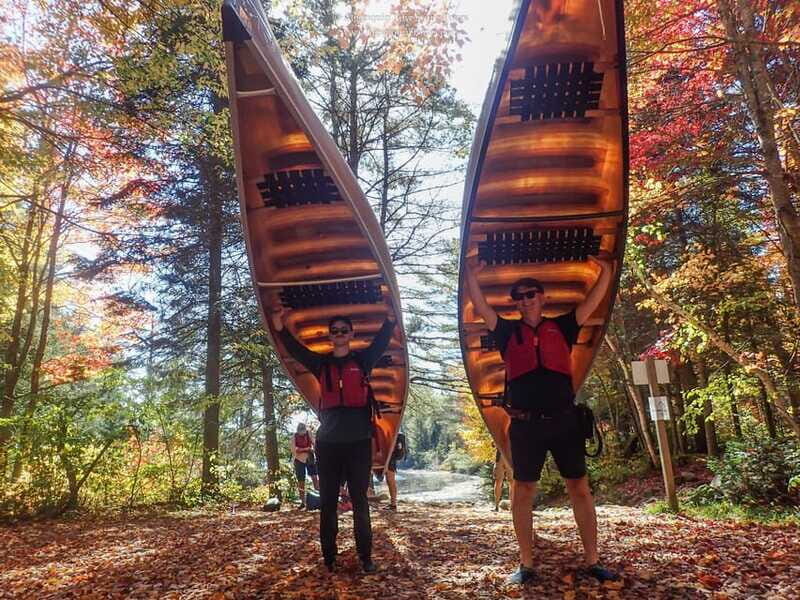
This tour has strict packing rules, and they’re not just to be annoying. They tie directly to safety and wildlife management.
What to bring
You’re told to bring:
- Warm clothing
- Sunglasses and a sun hat
- Swimwear, towel, and change of clothes
- Camera
- Sunscreen
- Water shoes (important)
- Flashlight
- Closed-toe shoes
- (You’ll also need rain gear, with good wind/water protection strongly emphasized.)
Shoes matter because you’ll step in water
When you paddle, you’ll repeatedly step in and out of the boat into water with rocks and cut beaver wood. That’s why safe shoes for walking knee-deep in water and swimming are essential. Even if you’re a confident swimmer, you still need traction and protection underfoot.
What not to bring
You can’t bring:
- Sandals or flip flops
- Smoking
- Food and alcohol/drugs (with one exception below)
- Insect repellent
- Open-toed shoes
You also must not bring any cosmetics, gum/food items, or personal camping gear. The reason given is that anything scented can attract bears. You’re also advised to pack only toothbrush and paste for toiletries. Biodegradable soap will be provided for bathing.
Alcohol is handled strictly: up to 4 oz is permitted in an appropriate container (no cans or glass), and you hand it to the guide for storage. You’re only meant to consume it after dinner and out of the water.
Why I think these rules are a good sign: the tour protects both wildlife and your safety. If you show up following the rules, you’re less likely to lose time or create problems for the camp routine.
Price and value: is $519 fair for this kind of time?
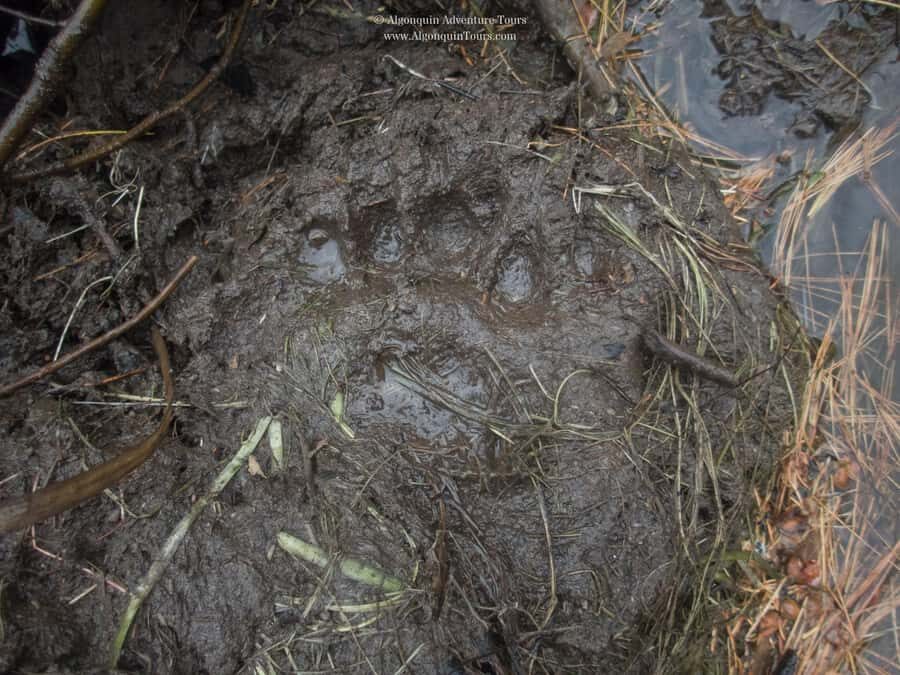
At $519 per person for a 3-day trip, you’re paying for more than transportation. You’re paying for:
- A professional guide
- Canoes/paddles/life jackets
- Wilderness camping setup with camp basics included
- Meals (including gourmet meals)
- Wildlife viewing and fishing time
- Extra gear that reduces packing pressure (hammock, bug jacket, sleeping bag with liner)
So the value question becomes: does it replace your usual trip costs and effort? In a normal DIY canoe-camping attempt, you’d still need equipment, permits, food planning, and safety know-how. Here, much of that work is handled for you, and you’re in a small group with active guiding rather than wandering alone.
The other value part is outcome-focused wildlife time. With the moose-photo and fishing success focus, the guide’s work is aimed at getting you better wildlife results during limited daylight hours.
Is it “cheap”? No. But for a structured 3-day nature experience in Algonquin with camping handled and a guide running the rhythm, it can feel like money well spent—especially if you don’t want to figure out gear logistics and permit headaches.
Who this safari fits best (and who should skip it)
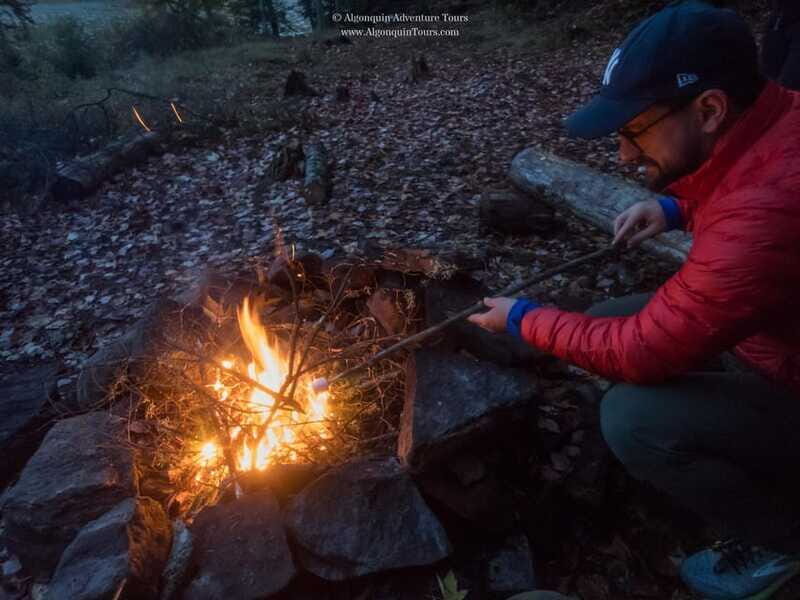
This trip is for people aged 7 and up, but not for anyone who dislikes effort. It also isn’t framed as a casual stroll tour.
It suits you if:
- You want a small-group canoe camping experience with guiding
- You’re excited by wildlife viewing, especially moose photography
- You’re okay with paddling and day-by-day movement
- You like the idea of camp meals by the fire and a “forest at night” feel
You might want to choose something else if:
- You need a roomy, storm-proof tent experience (rain can make things uncomfortable)
- You’re uncomfortable with stepping in and out of the canoe repeatedly into rocky water
- You hate the idea of active outdoor time (hiking, swimming, and possibly cliff jumping are part of the included activities list)
Should you book Algonquin Park Canoe Camping Safari?
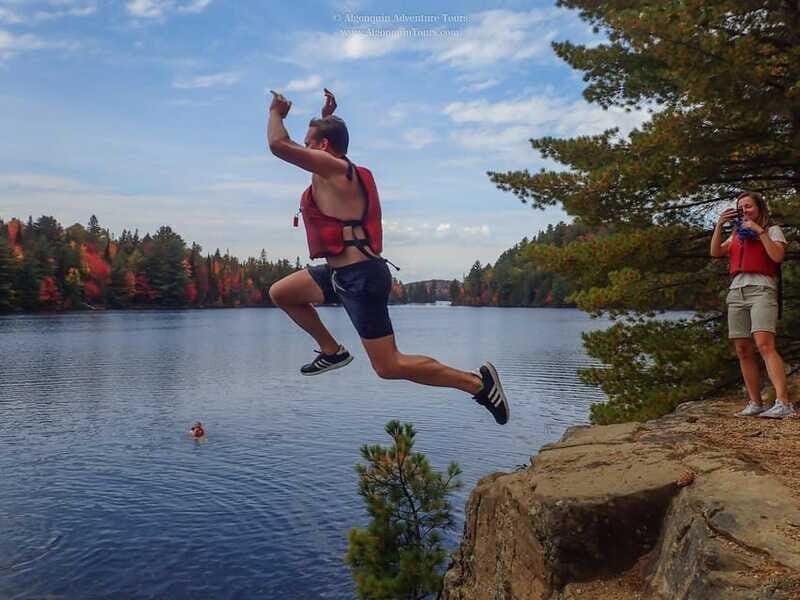
Book it if you want a guided canoe-camping trip that puts wildlife moments and camp life front and center. The moose-photo focus, the small group size, and the fact that the guide handles camp basics and gourmet meals make it a strong choice when you want authentic nature without DIY stress.
Don’t book (or at least think hard) if you’re the type who needs comfort above all else, especially in rain. At least one trip review pointed out tents can be small and wet during heavy storms. If rain worries you, pack serious rain gear and bring dry spare clothes, because the tour’s comfort level will be weather-dependent.
If you’re ready to trade luxury for real wilderness time—and you’re willing to work a little on the water—this is a very satisfying way to spend three days in Algonquin.
FAQ
FAQ
What’s the tour duration?
It’s a 3-day experience.
Where do I meet for the trip?
You meet at Canoe Lake beach in Algonquin Park, near the Ontario Parks building at the far end of the beach. The coordinates provided are 45.535032, -78.706570.
How big is the group?
The group is limited to 8 participants.
Does this trip require canoeing or camping experience?
No prior canoeing or camping experience is required.
What age is the minimum for participants?
The trip is for participants aged 7 and up. It is not suitable for children under 7.
What should I pack?
Bring warm clothing, sunglasses, a sun hat, swimwear, a towel, change of clothes, a camera, sunscreen, water shoes, a flashlight, and closed-toe shoes. Good rain gear is essential.
What’s not allowed to bring or use?
You can’t bring sandals/flip flops or open-toed shoes, and insect repellent is not allowed. Smoking isn’t permitted, and you also shouldn’t bring food or alcohol/drugs. You’re also told not to bring cosmetics or personal camping gear.
Is cancellation available, and can I pay later?
Yes. Free cancellation is offered up to 24 hours in advance for a full refund. There’s also a reserve now & pay later option.