REVIEW · ALGONQUIN PROVINCIAL PARK
3 Day Algonquin Park Canoe Trip – Moose & Beaver Safari
Book on Viator →Operated by Algonquin Adventure Tours · Bookable on Viator
A three-day canoe trip in Algonquin can feel huge. This one keeps it personal with small-group time and real time in the Algonquin interior, plus a guide who knows how to work the wildlife side of the day. I especially like the fact that you get most gear and training handled up front, and I also like the camp-cuisine setup that keeps the experience from turning into a rough-bush survival test. The main thing to think about is bugs and stamina: bring serious repellent and be ready for paddling, portaging, and hiking with a moderate fitness level.
You meet your guide at Canoe Lake and spend the next three days learning how to move safely and calmly through the park. Many groups are coached by guides such as Andrew, who’s praised for clear teaching, humor, and keeping everyone comfortable in the rhythm of canoe life. If you come for moose and beavers, go with patience too, since even the best safari energy can still mean you miss the animals on a given day.
In This Review
- Key things I’d focus on before you book
- Canoe Lake start: 12:00 meet-up and a small group rhythm
- What’s included (and what you’ll still want to bring)
- Included gear that matters most
- Included with your guide
- What’s not included
- Day 1: canoe training, paddling into the interior, and first wildlife time
- The best part of Day 1 for most people
- Possible drawback on Day 1
- Day 2: dawn animal searching, loons and camp time, plus swimming and hiking
- Comfort on Day 2
- The realistic wildlife angle
- Day 3: packing up, breakfast again, and the about-15 km paddle home
- What makes the ending satisfying
- Moose and beaver safari: how to think about wildlife sightings
- Food and camp life: why it feels easier than you’d expect
- Dietary needs
- Price and value: what $555.96 buys you in real terms
- Who this Algonquin canoe safari fits best
- Quick packing and prep notes (so Day 1 doesn’t feel like chaos)
- Should you book the 3-Day Moose & Beaver Safari?
- FAQ
- How many people are on this canoe trip?
- What time and where does the trip start?
- What canoe and camping gear is included?
- Do you get meals during the trip?
- Can you accommodate dietary restrictions?
- How is wildlife spotting handled for moose and beaver?
- What’s required for tipping?
- What happens if the weather is poor or you cancel?
Key things I’d focus on before you book
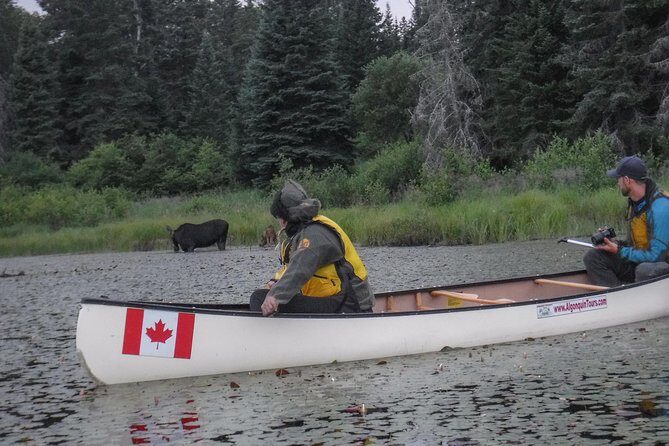
- Maximum 8 people means you actually learn canoe skills, not just follow a line on the water.
- Canoe + camping gear included so you can show up without building a whole kit.
- Wildlife-first education tied to real paddling and quiet observation time.
- 90% moose & beaver success is a big promise, but you still need to accept nature timing.
- Hammocks, bug jackets, and camp comforts make this more livable than many outdoor trips.
- Gourmet camp cuisine from local organic produce keeps morale high.
Canoe Lake start: 12:00 meet-up and a small group rhythm
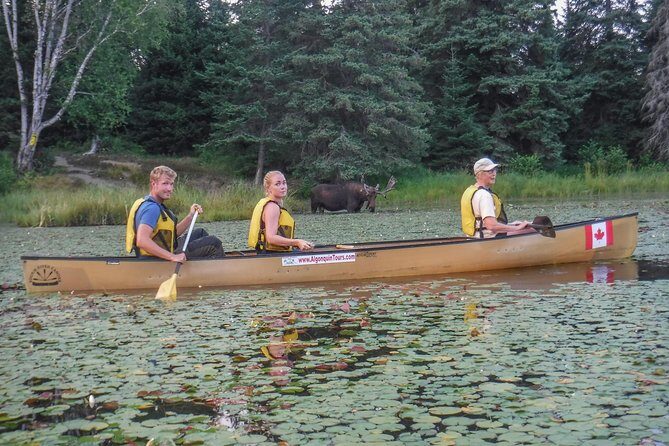
This trip starts at 12:00 pm at the Canoe Lake Access Point Permit Office (Highway 60 at km 14.1 north). You’ll meet your guide on the Canoe Lake beach, then settle in with lunch and time to get to know your group. With a maximum group size of eight and one guide, the vibe stays social but not chaotic. It also makes it easier for the guide to correct your stroke, fit, and safety moves without making you feel rushed.
One practical advantage: you’re not spending your first hour figuring out what’s happening. You get training right away, then you get on the water. That’s how you get to the good stuff faster—moving into the park, then slowing down to look for wildlife.
A few more Algonquin Provincial Park tours and experiences worth a look
What’s included (and what you’ll still want to bring)
The value here isn’t just that you get a guide. It’s that the essentials are already set up so you can focus on the experience.
Included gear that matters most
- Canoe gear: canoe (for 3 people), paddle, life jacket, and a safety kit.
- Camping gear: tent, air pad (and foam padding if you’re over 120 kg), sleeping bag with a fresh liner, and a pillow.
- Comfort extras: a hammock for each participant, plus a bug jacket for each person.
- Dining setup: a mesh dining shelter if required.
- Permits and logistics: vehicle parking and camping permits.
Included with your guide
Your guide brings advanced naturalist training and is WFR certified (plus food handling certification). That combination matters because you’re not only paddling—you’re also camping and eating in a wilderness setting where good procedures matter.
What’s not included
Bring cash for the guide tip (5–10% of the tour cost). Also plan to bring things like a flashlight and towel if you want them; a few items such as a backpack/duffle and fishing kit are listed as rentable rather than included.
If you’re thinking about fishing, the trip has a strong angle toward bass and trout, with a stated 90% success rate. Just be sure your kit situation is sorted ahead of time.
A few more Algonquin Provincial Park tours and experiences worth a look
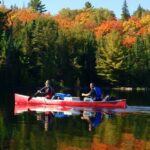
Day 1: canoe training, paddling into the interior, and first wildlife time
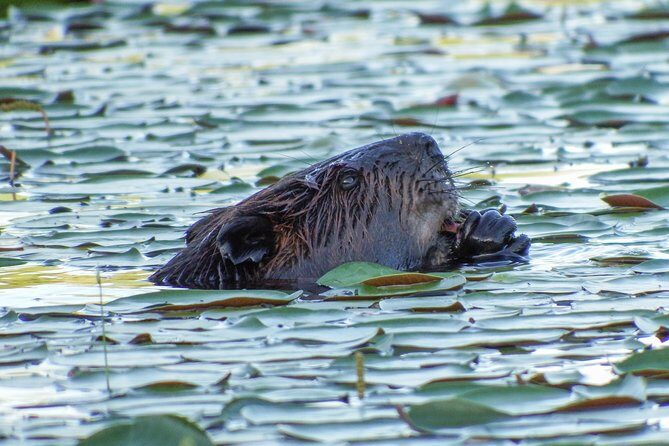
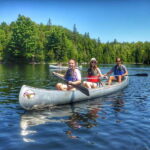
Day 1 begins with a meet-up on Canoe Lake beach. You get lunch with your group, then you move into canoe training. The training block is part of the trip, not a separate “maybe you’ll learn” extra. You’ll learn what you need to stay safe and efficient on a multi-day paddle.
After that, you paddle together into Algonquin’s interior. Even when you’re excited, you’ll feel the shift into real wilderness quickly—because you’re no longer just touring a lake. You’re practicing movement, reading the water, and settling into the day’s pace: paddle, pause, observe, then go again.
The best part of Day 1 for most people
It’s the first real taste of how quiet Algonquin can be once you’re out of the obvious paths. One of the most-loved moments in past trips is the calm that shows up early and the way the guide leads observation from the canoe.
Possible drawback on Day 1
You’ll likely work harder than you expect on day one. Canoeing is not complicated, but it is physical—especially when you add portaging, short hikes, and the constant need to stay balanced. If you’re the type who gets discouraged in “practice mode,” arrive ready to learn without expecting to glide effortlessly right away.
Day 2: dawn animal searching, loons and camp time, plus swimming and hiking
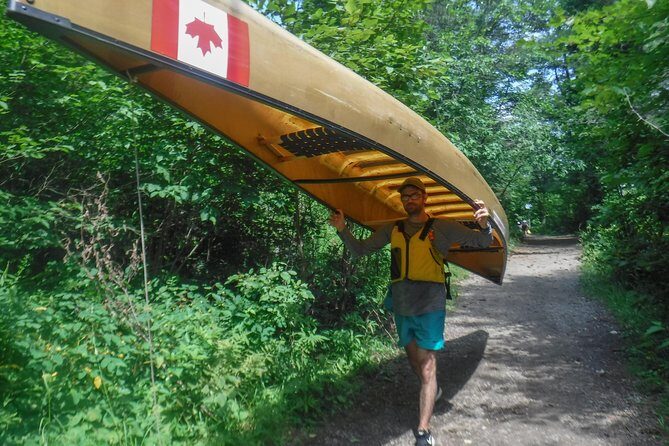
Day 2 is the day people tend to remember. It starts with an epic breakfast, then the schedule turns into a mix of water time and camp time. You’ll have chances to swim, paddle, relax in your hammock, and hike. If you like photos, you’ll also have the quiet moments that actually make good pictures—time to watch light and movement rather than just shoot and run.
A standout detail from this style of trip is how the guide runs early animal searching. There’s a special kind of stillness when you’re scanning from the canoe at dawn, trying to catch movement before it becomes obvious. That’s also when moose and beavers are most likely to show themselves, since you’re timed for wildlife behavior rather than just your own convenience.
Comfort on Day 2
This is where the included gear earns its keep. Hammocks help you reset between activities. Bug jackets matter because the park’s insects can be relentless, and having a plan for your skin and sleeves makes a huge difference in how long you can enjoy being outside.
One practical tip that’s worth taking seriously: strong mosquito defense is non-negotiable in this area. If you want to sleep well and enjoy evening downtime, use repellent on your body before the bugs win.
The realistic wildlife angle
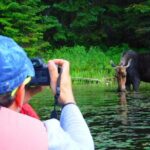
Yes, moose and beaver spotting is part of the promise here, and the trip states 90% success for wildlife observation. Still, don’t build your day around only one outcome. Build your expectations around the full experience: quiet canoe time, guide-led education, swim breaks in clean lakes, and camp life.
Day 3: packing up, breakfast again, and the about-15 km paddle home
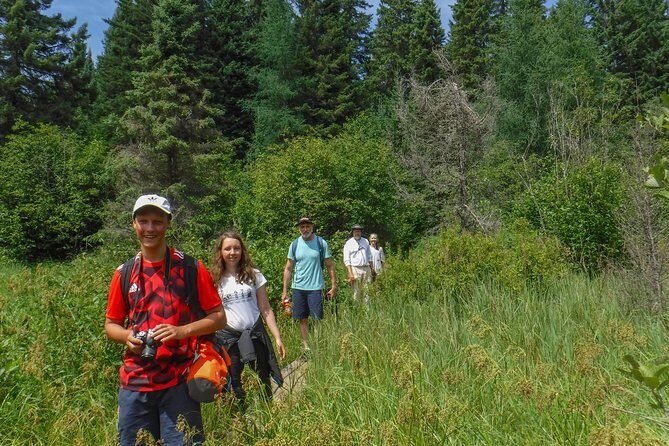
Day 3 starts with pack-up time while the guide prepares another memorable breakfast. The pace becomes lighter because the team knows everyone is already doing the basics now. After that, you paddle back toward Canoe Lake.
The return paddle is listed as about 15 km. That number matters because it signals you’ll be spending meaningful time on the water, but it’s also long enough that your earlier training pays off. Many people find day three less stressful than day one because you stop thinking about technique and start thinking about where to look.
What makes the ending satisfying
You’re not just turning around and escaping. You’re bringing your camp routine to a close in the interior, then closing the loop with the easier feeling that comes from competence. If you’ve ever felt “I’m not really a canoe person,” this trip is the kind that tends to change that.
Moose and beaver safari: how to think about wildlife sightings
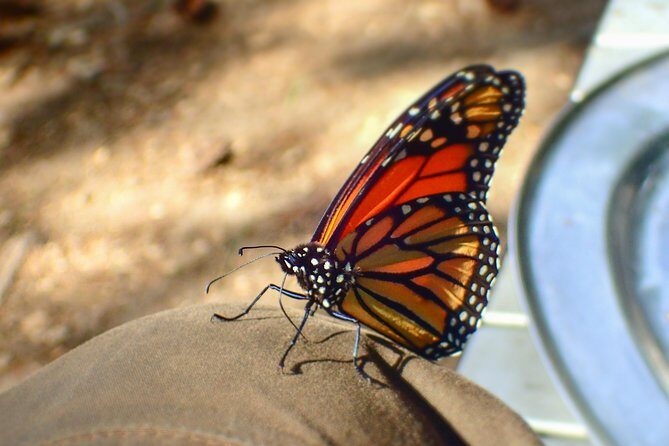
The trip promises wildlife observation with a 90% success rate for moose and beaver. That’s a strong claim, and it usually means the guide is managing for conditions that animals respond to—timing, quiet movement, and good scanning.
Still, wildlife is wildlife. Sometimes you’ll be close and see nothing. Sometimes you’ll get lucky fast. Your best strategy is mindset: treat every pause as a chance to learn something, even if the final sighting doesn’t happen.
This is one reason the guide’s naturalist training matters. The education piece isn’t about reciting facts at you. It’s about teaching you what to look for while you’re already on the water.
Food and camp life: why it feels easier than you’d expect
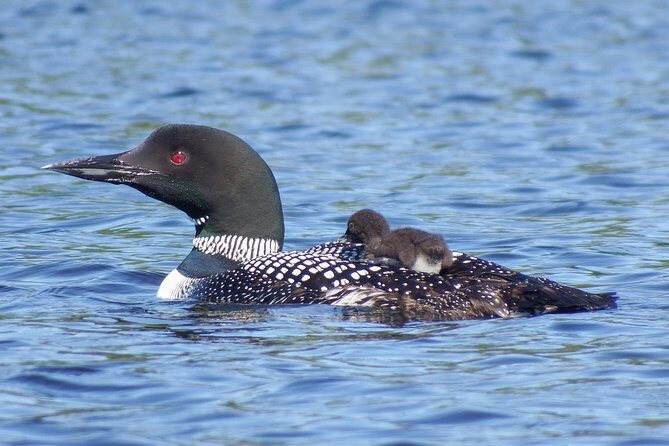
This trip includes gourmet camp cuisine with organic produce from a local farm. That’s not just marketing. In practice, it changes how you feel at the end of each day, especially when you’re paddling, portaging, and hiking in a remote setting.
You’ll also find wilderness-friendly touches:
- wild berries and other edibles in season
- hammock time instead of only sitting in a chair
- clean-lake swimming opportunities
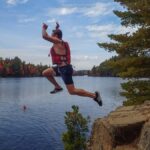
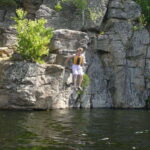
- optional cliff jumping (if you’re feeling bold)
Dietary needs
The trip notes that simple restrictions such as vegetarian, nut-free, lactose-free, and no pork can be accommodated if you tell them in advance. For vegan and gluten-free plans, there’s a $50 CAD added fee plus 13% tax. If food rules matter to you, this is the moment to ask questions early so your meal plan is truly set.
Price and value: what $555.96 buys you in real terms
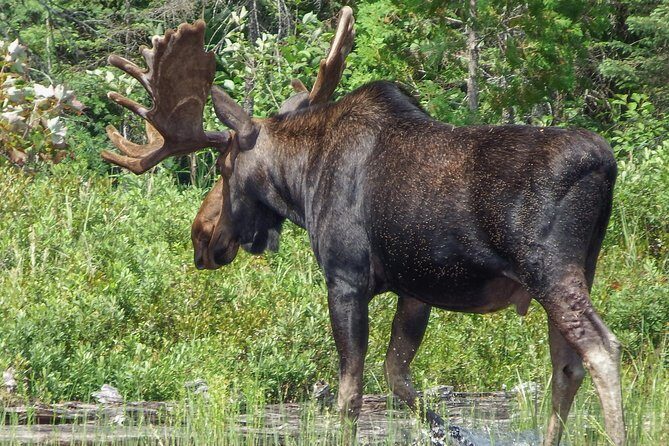
At $555.96 per person for about three days, the price isn’t cheap. But the value case is strong because you’re paying for:
- an expert guide with safety and food handling credentials
- small-group attention (max eight people)
- canoe and camping gear that you do not need to source yourself
- hammocks, bug jackets, and camp-support items
- best-campsite use (so you’re not guessing where to stay)
- photos after the trip (via Facebook)
- vehicle parking and camping permits
A lot of outdoor trips are “guided, but you bring your own gear.” This one is more like guided + outfitted. If you don’t already own a canoe, camping system, or a bug plan, the included package can make the total cost feel more reasonable.
One more value point: small-group time tends to reduce the “waiting around” problem. You’re more likely to get time on the water learning strokes and corrections, not just following.
Who this Algonquin canoe safari fits best
You’ll likely enjoy this most if you want:
- a guided trip with hands-on canoe training
- a true interior experience rather than a quick shoreline cruise
- small-group attention and an educational approach to wildlife
- camp comfort that’s still outdoors (hammocks, good meals, clean-water swims)
This also fits families and mixed groups better than big-tour formats. Past groups have included kids and still kept the experience organized and fun. That said, the trip calls for moderate physical fitness, so take it seriously if you’re coming off injury or you know you struggle with paddling and hiking for hours.
Quick packing and prep notes (so Day 1 doesn’t feel like chaos)
You’ll be issued a lot of what you need, but you still want to think like a wilderness camper. Prioritize:
- mosquito defense (use enough, not a token application)
- a plan for a flashlight and towel since they aren’t listed as included
- a bag solution (a backpack or duffle is listed as rentable)
- cash for the guide tip
Also consider your comfort expectations. This is camping in Algonquin. You’ll be in nature, not in a campground with a front desk and hot showers on demand.
Should you book the 3-Day Moose & Beaver Safari?
Book it if you want a real canoe-camping experience in Algonquin with training, gear, and wildlife focus handled for you. The small group size is a big deal here. It’s the difference between watching a guide and actually learning to participate.
Skip it (or ask lots of questions first) if you’re extremely bug-sensitive, you hate physical days that include paddling and hiking, or you’re looking for a mostly relaxing, low-effort tour. The trip promises wildlife success and good comfort, but it’s still a wilderness environment.
If you’re ready for controlled effort, calm nature time, and a guide-led wildlife hunt, this is a strong way to see more of Algonquin than quick-day trips ever manage.
FAQ
How many people are on this canoe trip?
The group size is limited to a maximum of eight participants with one guide.
What time and where does the trip start?
The meeting point is Canoe Lake Access Point Permit Office on Highway 60 at km 14.1 north, and the start time is 12:00 pm. The trip ends back at the meeting point.
What canoe and camping gear is included?
You’ll receive canoe gear (canoe for 3 people, paddle, life jacket, and safety kit) plus camping gear including a tent, air pad (with foam if over 120 kg), sleeping bag with fresh liner, and a pillow.
Do you get meals during the trip?
Gourmet camp cuisine is included. Breakfast, lunch, and dinner are listed as optional items in the tour details, so confirm which meals are included when you book.
Can you accommodate dietary restrictions?
Simple restrictions such as vegetarian, nut free, lactose free, and no pork can be accommodated if you advise in advance. Vegan and gluten free can be accommodated for $50 CAD plus 13% tax.
How is wildlife spotting handled for moose and beaver?
The tour includes wildlife observation with a stated 90% success rate for moose and beaver.
What’s required for tipping?
A guide tip of 5–10% of the tour cost is not included. The tour notes that you should bring cash for tipping.
What happens if the weather is poor or you cancel?
The experience requires good weather. If it’s canceled due to poor weather, you’ll be offered a different date or a full refund. You can cancel up to 3 days in advance for a full refund; if you cancel less than 3 full days before the start time, the amount paid is not refunded.