REVIEW · ALGONQUIN PROVINCIAL PARK
Algonquin Park 3-Day Deluxe Camping & Canoeing Adventure
Book on Viator →Operated by Algonquin Nature Adventures · Bookable on Viator
Three days in Algonquin, by canoe, sounds simple. It isn’t. This backcountry canoe camping adventure blends paddling, gourmet camp meals, and guided wildlife and night-sky moments into one tight, no-drama wilderness rhythm that feels both wild and well handled.
I particularly love the way this trip sets you up with the gear and instruction you need, so you’re not fumbling in the dark or guessing what to do with your campsite. And I love that guides like Baz bring real experience to the paddling and camp hosting, not just a checklist.
The one drawback to keep in mind: wildlife sightings are never guaranteed, and the trip is more “smart and organized backcountry” than “luxury resort.” If you’re expecting chairs, tables, and perfect weather, you’ll need to adjust your mindset.
In This Review
- Key highlights at a glance
- Price and logistics: what your $368 is really buying
- Day 1 on the water: canoeing into camp, then fire craft and stars
- Sleeping in the woods: comfort basics you’ll want to prepare for
- Day 2: beaver-and-moose habitat tour, sauna rituals, and cliff-jumping options
- Wildlife isn’t guaranteed, and that’s actually part of the lesson
- Day 3 sunrise canoe, hot chocolate, and Tom Thompson’s Algonquin Memorial
- What to pack (and what to skip) for this exact kind of canoe-camping
- Who this tour suits best (and who might not love it)
- Should you book this Algonquin 3-day canoe camping adventure?
- FAQ
- What’s included in the price?
- Are all meals included?
- Do I need to bring camping and canoe equipment?
- How much canoeing and portaging is there on day one?
- Are there activities like cliff jumping and a sauna?
- Will I definitely see moose or other wildlife?
- What should I bring that’s not provided?
- How big is the group?
- What’s the refund window if I need to cancel?
Key highlights at a glance
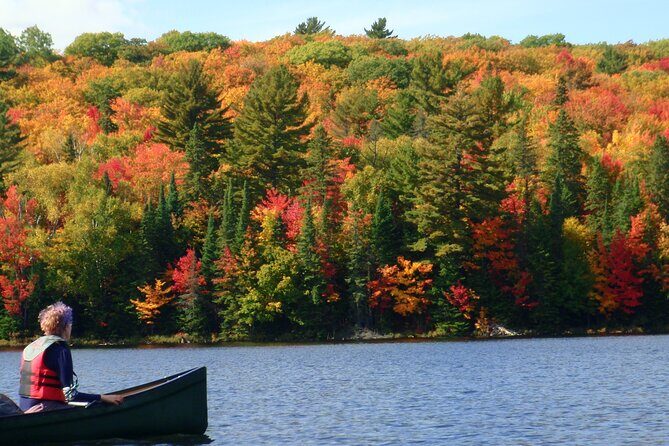
- Small-group feel with a real wilderness pace (and an overall cap of 18 travelers)
- All camping gear provided, including tent, cot, sleeping bag, canoe, paddle, and lifejacket
- Gourmet meals in camp, from BBQ wild salmon to a big steak-focused dinner
- Sunrise canoe tour with hot chocolate, plus a deluxe breakfast to end the trip
- Guided wildlife and night-sky time, including a nighttime beaver-habitat walk
- Activities beyond paddling, like a wilderness sauna and optional cliff jumping (when conditions and energy allow)
Price and logistics: what your $368 is really buying
At $368.01 per person for about three days, the value here comes from what’s included rather than the headline price. You’re paying for guided canoe time, a true campsite setup, and most of the food that would otherwise cost extra once you start renting gear and piecing meals together.
The big inclusions that matter for your comfort:
- Camping gear: tent, sleeping bag, liner, and a camping cot
- Canoeing essentials: canoe, paddle, and lifejacket
- Meals during the camping portion: you’ll get two breakfasts, two lunches, and at least one full gourmet dinner experience (plus the mid-day camp food that keeps you fueled for paddling)
What’s not included is also clear and important:
- First day lunch and last day lunch are on you
- Personal hygiene items, snacks, sandals, and a waterproof bag aren’t included
So the real question isn’t whether the price feels “cheap” or “expensive.” It’s whether you want to spend your time coordinating gear and meals versus spending it canoeing and learning the camp routine. This tour is built for the second option.
A few more Algonquin Provincial Park tours and experiences worth a look
Day 1 on the water: canoeing into camp, then fire craft and stars
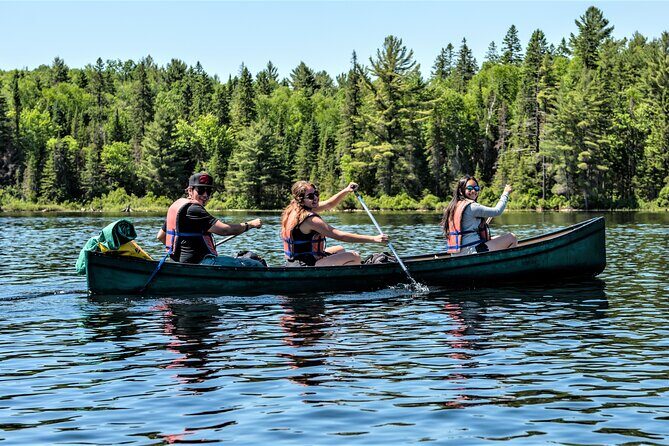
Day 1 starts with a pickup at the meeting area, then a quick setup that matters: you get equipment for both camping and canoeing, plus a basic paddling lesson before you head out.
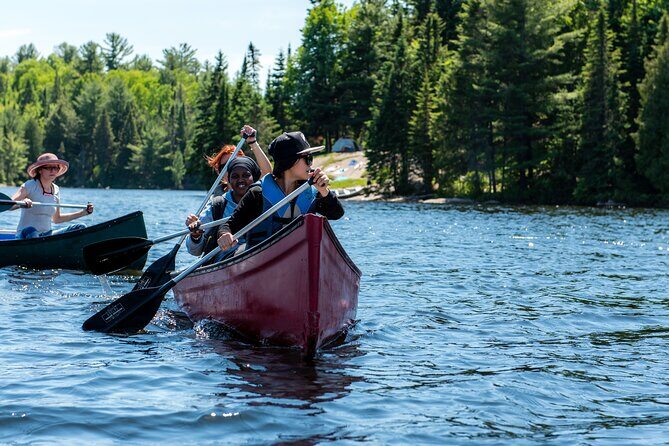
From there, you’re not doing a short “try it once” paddle. You’re looking at roughly 3 hours by canoe and then a short 200 m portage to reach the lakeside campsite. That combination is where the experience really clicks. You’ll feel like you earned camp, not just checked into it.
Once you’re set up, Day 1 turns into what I call skill-and-story camp:
- A demonstration on how to make a fire without matches
- Wildlife talks with handouts that cover animals like moose, loons, beavers, bears, wolves, and snapping turtles
- A gourmet dinner, plus wood collecting
- An astronomy lesson and then a campfire with BBQ wild salmon
The best part of the evening is the guided night walk under bright skies to a natural beaver habitat area. If weather cooperates, you may even catch the Milky Way. This is the kind of guided night experience that’s hard to recreate on your own, because you’re benefiting from someone who knows where to aim your attention.
One practical consideration: this is wilderness travel, so plan for bugs. One review flagged that a reminder to reapply bug spray would have helped, and that lines up with what you should expect in late-summer canoe country. Bring bug spray and reapply—seriously.
Sleeping in the woods: comfort basics you’ll want to prepare for
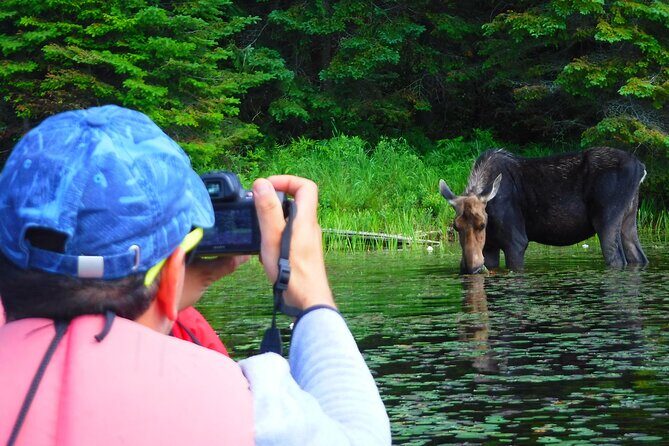
You’re given a tent, sleeping bag, liner, and camping cot, which takes a lot of the stress out of packing. And that’s the point: you’re not trying to carry everything on your back while also learning canoe rhythm.
But don’t confuse provided gear with “hotel comfort.” One review complaining the setup wasn’t called luxury mentioned things like limited camping furniture and needing to eat under cover during rain. That doesn’t mean the trip is chaotic. It means your plan should be: bring the right attitude and expect simple backcountry living.
A few tips that help:
- If you’re bringing a small personal item for comfort, choose something that reduces friction (a dry layer, a headlamp you trust, or an extra warm layer).
- Keep your sleeping bag dry and handle it with care when conditions are damp. One account mentioned an unusual sleeping bag odor, which can happen if gear goes away slightly damp.
- If you’re sensitive to temperature swings, pay attention to how many people share a tent. The trip uses summer-rated sleeping bags and airbed setup, but warmth can feel different depending on tent occupancy.
Day 2: beaver-and-moose habitat tour, sauna rituals, and cliff-jumping options
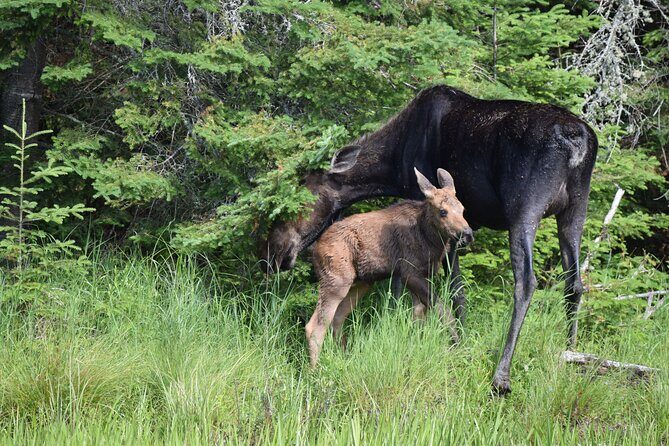
Day 2 is a full day of both nature time and physical fun.
Morning starts with a gourmet breakfast, then a guided tour to what the day is really built around: beaver and moose habitat, including dams and lodges. This isn’t just a walk where you hope to see something. You get explanation, context, and a route designed for looking at animal signs and habitat patterns.
Then you’re back for a gourmet lunch with dessert, which is one of the less flashy but most valuable parts of any multi-day canoe trip. Paddling burns energy fast, and you’ll feel it if you’re running on snacks and vibes.
The afternoon ramps up:
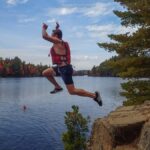
- You paddle to a cliff for optional cliff jumping at multiple heights (listed as 2 m, 3 m, 5 m, and 7 m).
- You build and use a Native-style wilderness sauna (advertised around 85°C), including a sea salt scrub, eucalyptus oils, and a clay mask.
- There’s also swimming time.
Two important reality checks:
- The sauna temperature can vary. Even when it’s planned around the 80–85°C range, weather and fuel/conditions can change what you feel in the moment. If you’re heat-sensitive, treat sauna time as optional and listen to the guide’s safety guidance.
- Cliff jumping depends on energy levels and group timing. One manager response noted cliff jumping wasn’t possible on their date because more than half the group was too tired afterward.
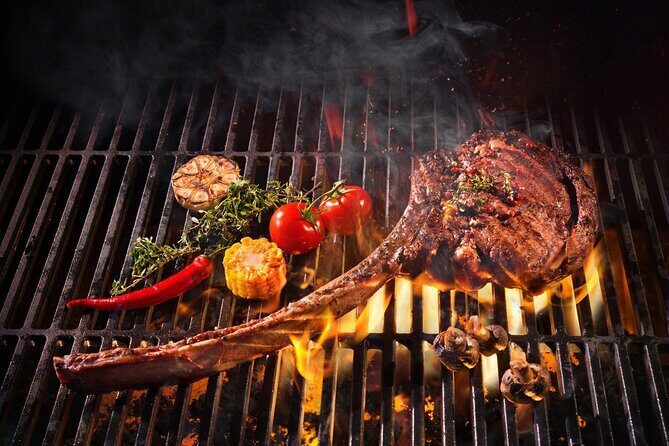
Then comes the big food finish: the trip’s famous BBQ dinner with items like tomahawk steak, BBQ shrimp, deer and bison skewers, fresh corn, mushrooms, grilled sweet peppers, and dessert. If you want proof that “backcountry” doesn’t automatically mean plain food, this is the proof plate.
One note on dietary needs: at least one review said vegetarian options were handled well, with plenty of choice. Still, if you have strict dietary needs, do ask before you go so the team can plan.
Wildlife isn’t guaranteed, and that’s actually part of the lesson
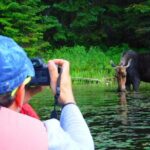
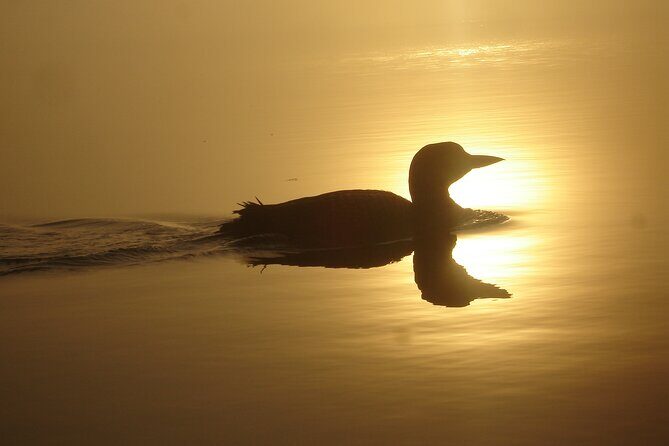
You’ll hear about moose, loons, beavers, bears, wolves, and snapping turtles. The guides will point you toward habitat and signs. But you should never go hoping for a specific animal on a specific schedule.
One review experience included seeing fewer of the advertised animals than expected, and the key takeaway is simple: wildlife is wild. Some trips produce multiple sightings, and others are slower.
So what should you do as a smart participant?
- Be patient during habitat walks and pay attention to what the guide tells you to look for (dams, lodges, tracks, calls, water behavior).
- Don’t treat every moment as a wildlife “test.” Sometimes animals show up in the margins, like beaver signs or a loon call you can’t ignore once you hear it.
- If you’re mainly traveling for guaranteed animals, build a backup plan: the real win is spending your days in Algonquin with trained eyes and good timing, not “collecting species.”
A few more Algonquin Provincial Park tours and experiences worth a look
Day 3 sunrise canoe, hot chocolate, and Tom Thompson’s Algonquin Memorial
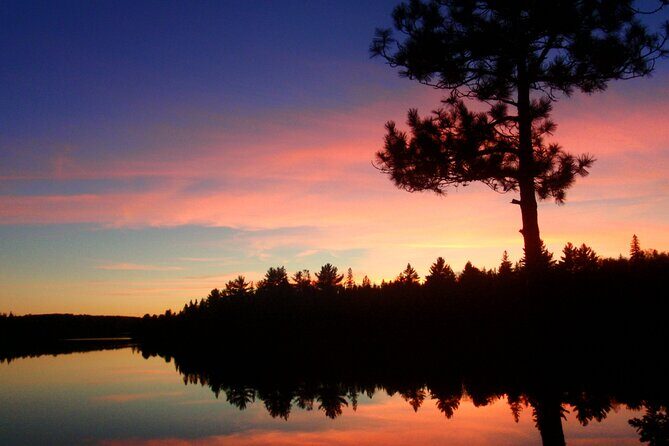
Day 3 begins with one of the most memorable setups on the whole trip: a sunrise canoe tour from the Canoe Lake Access Point (#5). You’ll be out early, in the right light, with hot chocolate and a deluxe breakfast.
After sunrise comes the “let’s see what we missed” canoe time. You pack up, then return toward Canoe Lake while searching for beaver ponds and inlets—again, habitat-based looking rather than random cruising.
There’s also a short cultural stop built into the end:
- A visit to Tom Thompson’s Algonquin Memorial and the site linked to his death
Then the trip returns you to the registration area by around 1:00 PM.
If you still have energy (or want to bring home something tangible), you’ll also stop at Dwight Trading Post for about 20 minutes outside the park. It’s a practical way to grab local-made souvenirs without turning the last day into a long detour.
What to pack (and what to skip) for this exact kind of canoe-camping
Since you’re responsible for personal items like hygiene and certain extras, pack to reduce wet, cold, and bug pain.
Based on what isn’t included, I’d plan on:
- A waterproof bag or dry bag for your personal items (this matters most during portages and wet canoe transfers)
- Personal hygiene items and any meds you need
- Snacks if you know you snack during paddling breaks
- Sandals if you like having foot comfort around camp
Also, pack for bugs and water:
- Bring insect repellent and reapply. Bugs can turn a good evening walk into a survival test.
- Have a light rain layer so you’re not miserable if weather shifts.
And one small mindset tip: keep expectations flexible. One review described rain and basic camp logistics like eating under cover during bad weather. Your job is to be adaptable, not to demand indoor amenities.
Who this tour suits best (and who might not love it)
This works best for you if:
- You want guided canoe camping with real structure and pacing
- You like the idea of gourmet camp food and organized camp activities
- You’re comfortable with moderate physical fitness demands and the reality of portaging
- You enjoy nature interpretation—wildlife talks, night skies, astronomy lessons—because that’s part of the value
You might not love it if:
- You want guaranteed animal sightings on demand
- You expect luxury camping with lots of furniture and guaranteed warm conditions
- You need perfect predictability for outdoor activities like jumping or sauna heat levels
Also, if you’re traveling with kids, this kind of trip can land really well because it’s structured and active. One review praised the guide’s interaction with a family group, and the mix of paddling, sauna, campfires, and sunrise gives kids plenty to watch and do.
Should you book this Algonquin 3-day canoe camping adventure?
I’d recommend booking if your idea of a great trip is: get into Algonquin with an experienced guide, eat well in camp, learn the rhythm of paddling, and let the wilderness do what it does best—surprise you.
It’s also a smart choice if you don’t want to wrestle with gear rentals, meal planning, or figuring out where to camp. The included tent, cot, sleeping bag system, canoe setup, and guided program remove the “logistics tax” that normally eats your vacation time.
But book with clear expectations. This isn’t a guaranteed wildlife safari, and it’s not a resort. The upside is that you’re in the real Algonquin backcountry, with guides who know how to keep things organized while still letting you enjoy the wild parts.
If you want an experience that feels both guided and genuinely outdoors, this one is worth your attention.
FAQ
What’s included in the price?
The experience includes canoe, paddle, lifejacket, camping gear (tent, sleeping bag, liner, and camping cot), and meals during the camping portion (breakfasts and lunches, plus dinner). It also includes all fees and taxes.
Are all meals included?
First day lunch and last day lunch are not included. The camping part of the experience includes dinner, and you’ll have two breakfasts and two lunches.
Do I need to bring camping and canoe equipment?
No. Your tent and sleeping gear are provided, along with the canoe, paddle, and lifejacket.
How much canoeing and portaging is there on day one?
Day one includes about 3 hours of paddling plus a short 200 m portage to reach the lakeside campsite.
Are there activities like cliff jumping and a sauna?
Yes. The experience includes a cliff-jumping opportunity and a Native-style wilderness sauna experience. Some activities may depend on timing and group energy levels.
Will I definitely see moose or other wildlife?
No. Wildlife is wild and sightings are not guaranteed, even though the guides provide wildlife education and lead habitat-focused looking.
What should I bring that’s not provided?
Personal hygiene items, snacks, sandals, and a waterproof bag are not included.
How big is the group?
The experience is described as a small group with no more than eight people, and it also has a maximum cap of 18 travelers.
What’s the refund window if I need to cancel?
You can cancel up to 6 days in advance of the experience for a full refund, and you may be eligible for a 50% refund if you cancel 2–6 days in advance.