REVIEW · MONTREAL
A Walking Tour of Old Montreal
Book on GetYourGuide →Operated by Nicola Zoghbi · Bookable on GetYourGuide
Two hours can make Old Montreal feel like one big story. I like the way Place d’Armes frames centuries in a single glance, and I really enjoy the change of pace at the Pointe-à-Callière observation deck. One thing to plan for: the basilica stop is optional, and the entrance costs extra if you choose to go inside.
If you want Montreal’s big-picture history without skipping the day-to-day city details, this is a solid fit. You’ll walk cobblestone streets lined with buildings from four eras—First Nations, French, British, and Canadian/Quebec—and you’ll see how those layers shaped churches, banks, markets, and more.
The tour is led by a live guide, and English, French, or German are available depending on your group. I especially liked hearing about guides like Nicola Zoghbi—friendly, clear, and willing to explain what you’re seeing, not just point at it.
In This Review
- Key Things That Make This Tour Worth Your Time
- Old Montreal in Two Hours: What You Can Learn and See
- Place d’Armes to Place Jacques-Cartier: A Walk Through Four Eras
- Pointe-à-Callière’s Observation Deck: Seeing the City in Context
- Sailors’ Chapel: An Interior Stop With Atmosphere
- Price and Value: Is $146 for Up to 12 People a Good Deal?
- Who This Tour Fits Best (and Who Might Be Happier Elsewhere)
- Practical Tips Before You Go (Shoes, Weather, and What to Budget)
- Should You Book This Old Montreal Walking Tour?
- FAQ
- FAQ
- How long is the Old Montreal walking tour?
- How much does the tour cost?
- Where does the tour start and where does it end?
- Is the basilica entrance included?
- What stops or sights are included?
- How many people are in the group?
- What languages are available for the guide?
- What should I bring?
- Is there free cancellation?
- Can I book without paying right away?
Key Things That Make This Tour Worth Your Time
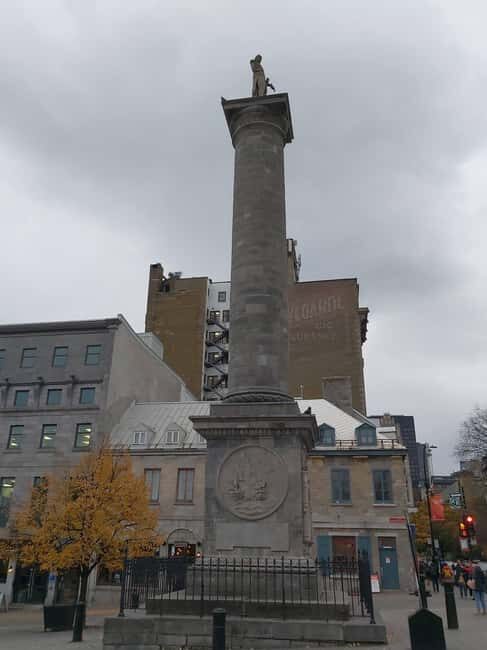
- Place d’Armes as a history snapshot: historic buildings from different periods sit side by side, making the city feel instantly legible.
- Pointe-à-Callière observation deck views: you don’t just hear dates; you get a viewpoint that helps the layout click.
- Four eras in one walking route: First Nations, French, British, and Canadian/Quebec themes stay connected as you move.
- Historical moments brought into the streets: topics can include the US revolution and C. de Gaulle’s speech.
- Sailors’ chapel included in the walk: you get an interior stop, not only façades from the sidewalk.
- Private group format: up to 12 people means the guide can keep the pace more tailored to your crew.
Old Montreal in Two Hours: What You Can Learn and See
This is the kind of Old Montreal tour that respects your time. Two hours isn’t enough for deep museum study, but it’s long enough to walk away with names, themes, and a sense of how the city grew.
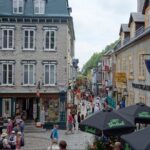
I like that the route aims to balance big-picture history with street-level details. You’ll spend your time on the cobbles and along the structures that define the area, so the story stays grounded in what you can actually see.
The other big plus is that this is built around a sequence of eras. Instead of one straight timeline, you get a layered approach: First Nations roots, then French influence, British control, and finally Canadian/Quebec development. That structure helps you make sense of why the architecture feels like it belongs to different worlds.
A small consideration: if you’re the type who wants long photo stops or long interior visits everywhere, you may feel the time pressure. The tour is designed to cover a lot while staying focused.
You can also read our reviews of more walking tours in Montreal



Place d’Armes to Place Jacques-Cartier: A Walk Through Four Eras
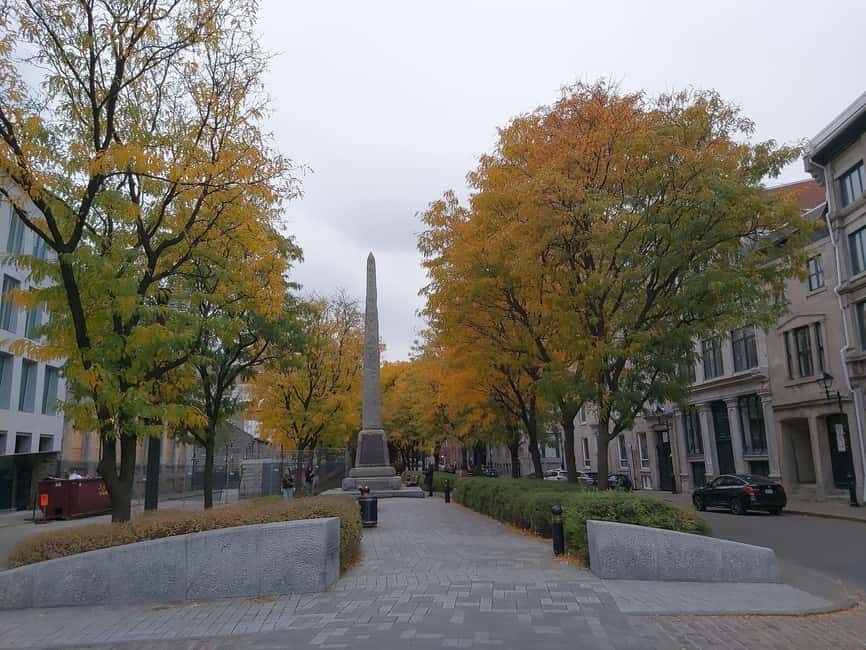
Old Montreal can feel chaotic if you wander without a plan. This tour gives you a path and a framework, starting with the area around Place d’Armes and finishing around Place Jacques-Cartier.
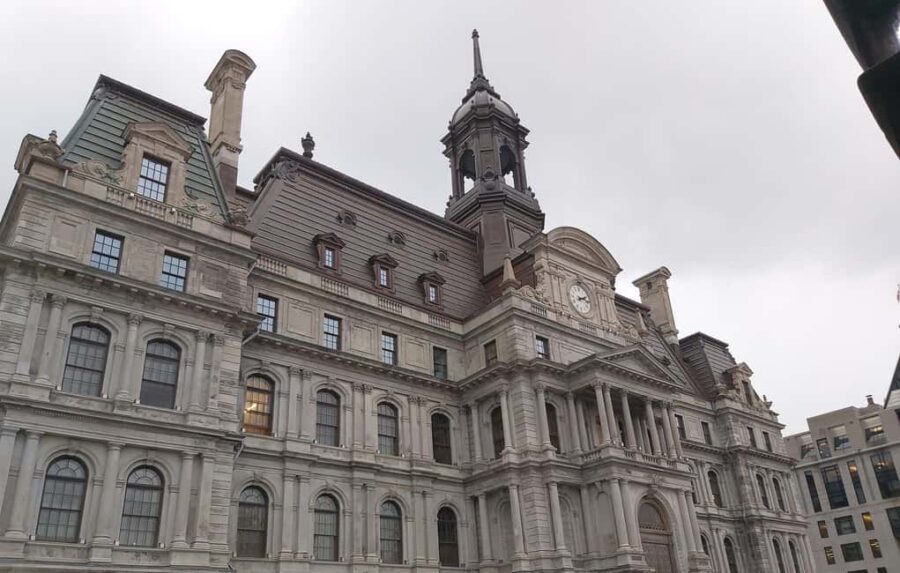
Here’s what that framework changes for you. When you’re surrounded by older buildings—churches, banks, and market-related structures—you start noticing patterns: when a style appears, what it signaled at the time, and how each era shaped everyday life in the neighborhood.
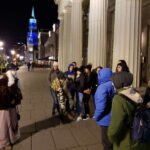
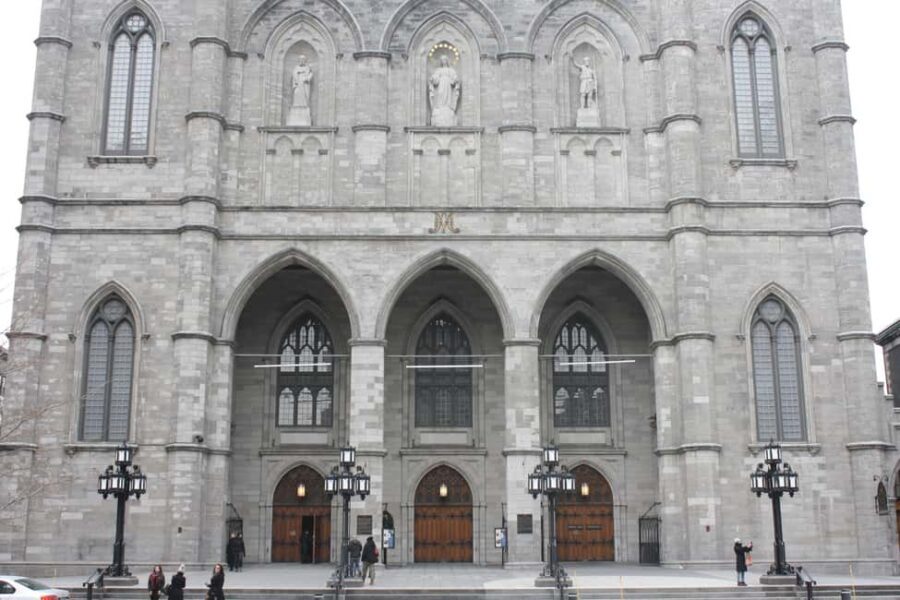
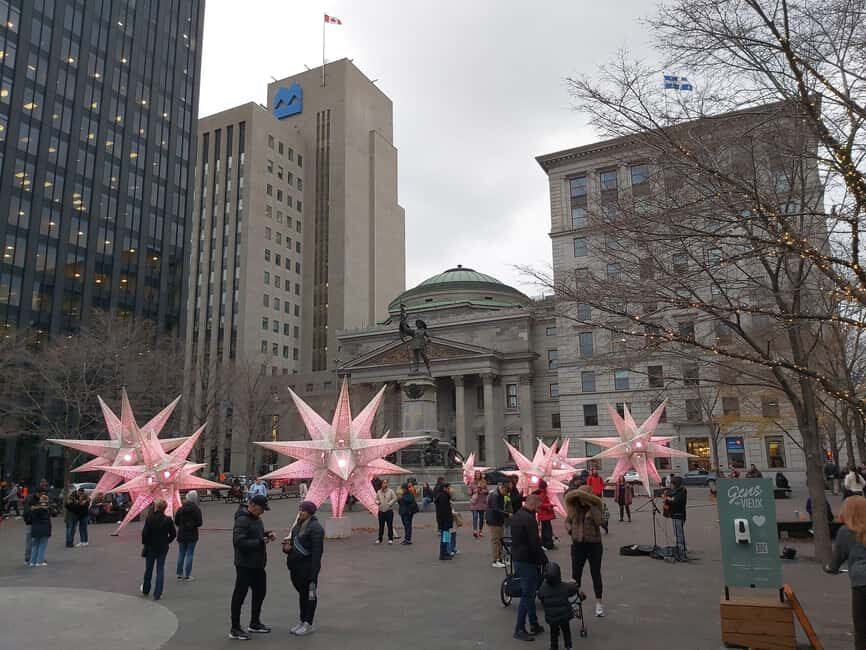
At Place d’Armes, the value is visual as much as it is verbal. The square sits across from the basilica, and the surrounding buildings from different centuries create that rare moment where you can compare eras almost at once. If you want the quick mental map, this is the best place to get it.
As you move, the tour keeps tying new locations back to those four eras. That means you’re not just collecting facts. You’re connecting them—like seeing how the city’s power, religion, and commerce showed up in what got built and what got replaced.
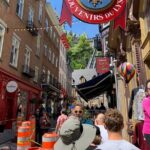
Practical tip: cobblestones can be slick depending on weather. Wear shoes you trust, because the tour’s comfort depends on footing more than anything else.
Pointe-à-Callière’s Observation Deck: Seeing the City in Context
A walking tour is only half about walking. The other half is helping you understand where you are and what you’re looking at.
That’s why the stop at Pointe-à-Callière’s observation deck matters. You get a viewpoint that supports the tour’s story, so the historical talk has a physical anchor. Even if you know Montreal already, the deck view helps you connect street layout, building placement, and the logic of the area.
This is also where the tour leans into memorable historical moments. You’ll hear about events that range from the US revolution to C. de Gaulle’s speech, and the point isn’t just trivia. It’s about showing how Montreal’s narrative was shaped by bigger political waves, not only local developments.
If you like moments where history becomes geography—where you can point and say, I see why that matters—you’ll probably enjoy this part a lot. It’s a strong contrast to the earlier street-level walking.
One caution: observation decks can be crowded at peak times. Your guide will manage the flow as best they can, but if you’re sensitive to crowds, plan for some wait-and-see energy.
Sailors’ Chapel: An Interior Stop With Atmosphere
Outdoor scenes are great, but interior spaces often stick in your mind longer. This tour includes entering the sailors’ chapel, which helps break up the walk and adds texture beyond façades.
What makes this stop valuable is simple: it gives you a change of scale. On the street, buildings can look like they’re all about style and power. Inside, you get a clearer sense of daily religious life—what people gathered for, how space shaped behavior, and why chapels could become important waypoints for communities tied to travel and work.
Even if you’re not a big church person, the chapel stop tends to work because it’s practical within a tour like this. You’re not stuck in a long detour; you’re getting a focused interior experience that supports the tour’s themes.
If you prefer only outdoor sights, note that this is part of the schedule. It may be short, but it is real time inside.
Price and Value: Is $146 for Up to 12 People a Good Deal?
The price is listed as $146 per group for a private tour that fits up to 12 people, and the duration is 2 hours with a live guide.
So what does that mean for value?
- If you’re traveling solo or as a couple, you might feel the cost is higher than a standard walking tour. Private tours shift the math from per-person price to group price.
- If you’re a small family or a group of friends, this can feel very fair because you’re splitting the total cost.
- Because the tour includes a guide and a structured overview of four eras, you’re paying for interpretation and direction—not just time outdoors.
For me, the key value question is this: do you want someone to connect architecture to story quickly? If yes, then paying for a guide makes sense. If you’d rather wander with a map and read plaques at your own pace, you might not need a guided route.
Also worth noting: the basilica interior is optional and costs extra at $16 per adult. If you’re the type who always wants to go in, factor that into your total budget. If you’re happy to see it from outside, the tour stays closer to the base price.



Who This Tour Fits Best (and Who Might Be Happier Elsewhere)
This tour is best for you if you want a clear Old Montreal orientation fast. It works especially well when you’re short on time but still want to understand how Montreal became Montreal.
I think it’s a great match for:
- Couples who want a guided history walk without a long day
- Families who prefer a short, story-driven route with a few distinct stops
- Friends traveling together who want a private group pace
- Anyone who gets turned around by “multiple eras” and wants them organized for you
It might not be your best choice if:
- You want lots of time inside museums or for extended cathedral visits beyond what’s included
- You hate cobblestones and would struggle with constant walking, even for two hours
- You want a deep dive into one single topic rather than a broader sweep
If you’re planning your trip around photos, you’ll likely enjoy the contrast between squares, streets, and the viewpoint stop. Just keep expectations realistic about time.
Practical Tips Before You Go (Shoes, Weather, and What to Budget)
For this tour, the basics matter more than gear or apps.
Bring:
- Comfortable shoes for cobblestones
- Weather-appropriate clothing, since you’ll be outside much of the time
Budgeting:
- Plan for the optional basilica entrance if you want to go inside. The tour offers the choice, but it’s not automatically included.
- If you’re going with a group, confirm your group size up to the 12-person limit so the private format stays worthwhile.
Timing:
- The tour duration is 2 hours, so treat it like a high-efficiency activity. It’s perfect between meals or early in your Old Montreal day, when you want your bearings.
Language:
- The guide can be English, French, or German, based on the option you select. If you have a preference, lock it in early so you don’t end up adapting mid-day.
Should You Book This Old Montreal Walking Tour?
Book it if you want Old Montreal to make sense quickly: streets you can walk, landmarks you can find later, and a guide who connects buildings to First Nations, French, British, and Canadian/Quebec chapters.
I’d skip it (or pair it with something longer) if you want extended museum time or if you’re budgeting tightly and will definitely want the basilica interior. Also, if cobblestones are a deal-breaker for you, consider a different plan.
If your goal is simple—get oriented, learn the story behind what you’re seeing, and enjoy a short guided walk—this tour is a practical choice. The private group format helps, and the Pointe-à-Callière viewpoint plus the sailors’ chapel give you enough variety that the two hours feel worth it.
FAQ
FAQ
How long is the Old Montreal walking tour?
The guided walk lasts 2 hours.
How much does the tour cost?
It’s $146 per group, up to 12 people.
Where does the tour start and where does it end?
The starting and pickup location depends on the option you select. The tour finishes at Place Jacques-Cartier.
Is the basilica entrance included?
No. Basilica entrance is optional and costs $16 per adult.
What stops or sights are included?
You’ll see highlights around Place d’Armes, visit Pointe-à-Callière’s observation deck, hear historical events, and enter the sailors’ chapel.
How many people are in the group?
This is a private group format for up to 12 people.
What languages are available for the guide?
The live guide is available in English, French, and German.
What should I bring?
Wear comfortable shoes and bring weather-appropriate clothing.
Is there free cancellation?
Yes, you can cancel up to 24 hours in advance for a full refund.
Can I book without paying right away?
Yes, there’s a reserve now & pay later option.