REVIEW · TORONTO
60-Minute Toronto Sightseeing Harbour Tour
Book on Viator →Operated by City Cruises Toronto · Bookable on Viator
A cruise on Toronto Harbour hits fast. You get CN Tower skyline views, plus a multilingual GPS audio tour in about an hour. What I like most is the mix of fun and facts, and the easy “see a lot without walking” pace; the main catch is that the outdoor deck fills quickly and it can get noisy when the crowd thickens.
This is a 60-minute sightseeing cruise from Toronto Harbour on the north shore of Lake Ontario, aboard the Oriole, a 76-foot steamship replica. You choose the open-air viewing deck for photos or the air-conditioned cabin for comfort, and you’ll cruise past major waterfront sights like Harbourfront and Toronto Island parklands. One possible drawback to plan for: narration volume and crowding can vary by day and where you sit.
If you want a quick, low-effort orientation to the city from the water, this one fits. Just go in knowing it’s not a stop-and-get-out tour at each landmark—you’re mainly viewing from the boat.
In This Review
- Key highlights to pay attention to
- Toronto Harbour Views in One Hour on the Oriole
- Choosing the Top Deck vs the Cabin for Skyline Photos
- GPS Audio and Live Narration: How the Tour Tells Its Story
- CN Tower to Rogers Centre: What You See on the Harbour Loop
- Harbourfront Centre, Sugar Beach, and HTO Park: Waterfront Toronto in Motion
- Toronto Islands and Gibraltar Point Lighthouse: A Different Side of the City
- Redpath Sugar Refinery: The Sweet Industrial Detail Most Tours Miss
- Drinks, Snacks, and Onboard Comfort That Actually Matter
- Price and Value: Is $25.48 Worth 60 Minutes on the Water?
- Best Times to Go and How to Get a Seat That Works
- When It Might Not Work: Crowds, Noise, and Expectations
- Who This Cruise Fits Best
- Should You Book This Toronto Harbour Tour?
- FAQ
- How long is the Toronto Harbour sightseeing cruise?
- Where does the tour meet and start?
- What languages are included in the audio tour?
- Is there indoor seating or is it all outdoors?
- Can I buy snacks or drinks on board?
- Are restrooms available during the cruise?
- Does the cruise run in bad weather?
Key highlights to pay attention to
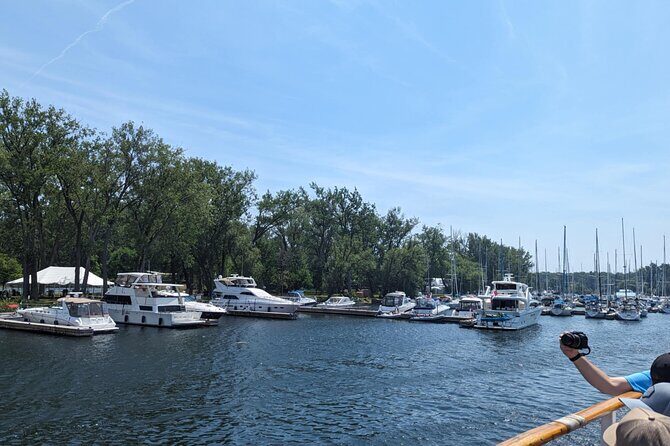
- Two decks, two moods: top deck for skyline photos; cabin for shade and air-conditioning.
- Seven-language audio via GPS: English, French, Spanish, Italian, German, Japanese, Mandarin.
- Live guide + audio prompts: you’ll get information as you pass key landmarks.
- Big hits in a small time window: CN Tower, Rogers Centre, Scotiabank Arena, Harbourfront, and Toronto Islands.
- Cash bar onboard: you can buy drinks and snacks while you ride.
- Outdoor seating can sell out fast: arrive early if you want a forward-facing spot.
Toronto Harbour Views in One Hour on the Oriole
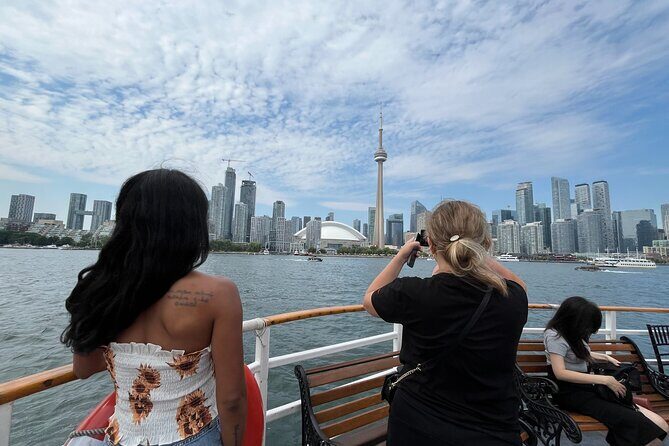
Toronto from the water feels different in the best way. The harbour is naturally protected, so the cruise tends to feel smooth and calm, not like a rough open-ocean trip. You board the Oriole, a 76-foot Great Lakes steamship replica, and you’re set up to enjoy the city at a relaxed pace.
The timing matters. At about 60 minutes, you get a strong overview without turning the day into a logistics project. It’s also a smart “first day” activity if you’re trying to orient yourself before you commit to neighborhood exploring on foot.
And yes, the views are the point. You’ll see major downtown landmarks from angles you just don’t get from streets and sidewalks.
You can also read our reviews of more tours and experiences in Toronto.



Choosing the Top Deck vs the Cabin for Skyline Photos
You’ll make one key choice right after boarding: sit outside or go inside. The outdoor deck is best when the goal is skyline shots, especially when Toronto’s waterfront looks crisp and bright. The cabin is the better move when it’s hot, chilly, or you just want to cut noise and glare.
Here’s what to expect in practice. Outdoor seating is limited, and it can fill up quickly, so if you’re picky about your photo angle, get there early. Aim for a spot that gives you a clear line to the harbourfront skyline; some seats on the top deck are more photo-friendly than others.
On busier days, crowding can make it harder to hear the narration from farther back or from behind taller people. If you’re sensitive to sound, choosing the cabin can help.
GPS Audio and Live Narration: How the Tour Tells Its Story
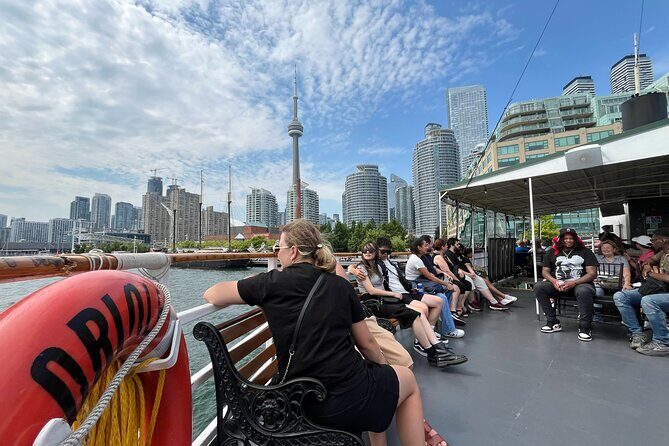
This tour uses a GPS-triggered multilingual audio experience, and it’s paired with lively onboard narration. That combination is what makes it work even if you miss a segment—you can still catch what’s happening as the boat moves.
Seven languages are offered: English, French, Spanish, Italian, German, Japanese, and Mandarin. If you’re traveling with people who prefer different languages, this is one of the easiest ways to keep everyone synced without splitting up.
The narration style seems to be a big deal for people. Some onboard guides (one named Brian shows up in the feedback with strong customer service) keep things clear and even funny. On other days, the loudness of announcements can feel intense, so if you’re near the speakers, be ready for volume.
CN Tower to Rogers Centre: What You See on the Harbour Loop
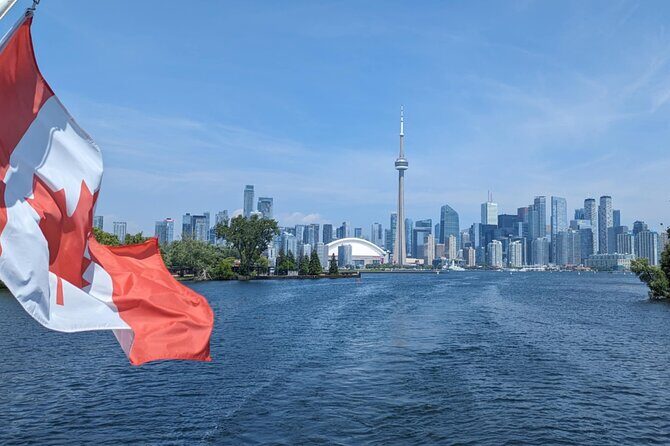
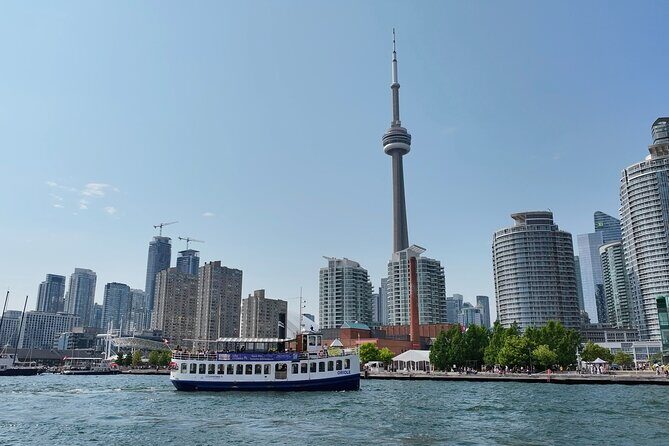
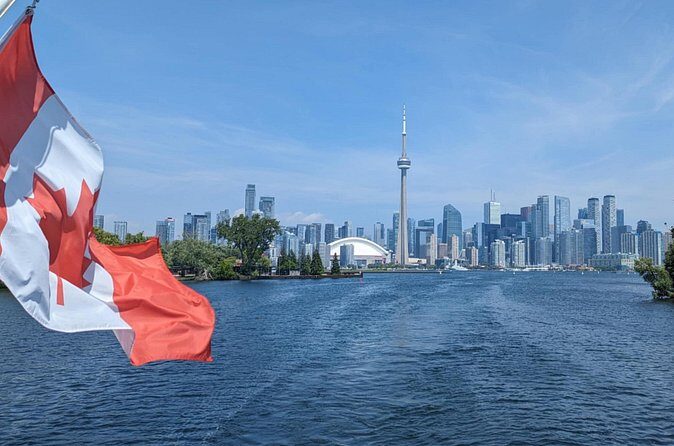
The cruise path is designed for maximum city recognition. From the water, you’ll pass the downtown cluster that most visitors want to see: CN Tower, Rogers Centre (formerly SkyDome), and nearby stadium architecture.
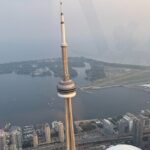
The CN Tower segment is the classic Toronto moment. You’ll glide past it as you cruise along the waterfront, and the scale of the building reads even better from harbour height than from street level. It’s also a good mental reference point: once you see it from the boat, you’ll understand where the rest of the skyline sits.
Rogers Centre comes into view next, a stadium with a retractable roof that’s associated with the Toronto Blue Jays. Seeing it from the water helps you clock the geometry of downtown near the shoreline—where the city ends and the lake begins.
Right after that, the boat passes Scotiabank Arena, formerly Air Canada Centre, home of the Toronto Raptors and Toronto Maple Leafs. From the harbour, it looks less like a venue and more like part of the city’s waterfront plan.
If you like landmark spotting, this section delivers. If you expect to step off and explore each site, adjust your expectations: you’re viewing from the boat.
Harbourfront Centre, Sugar Beach, and HTO Park: Waterfront Toronto in Motion
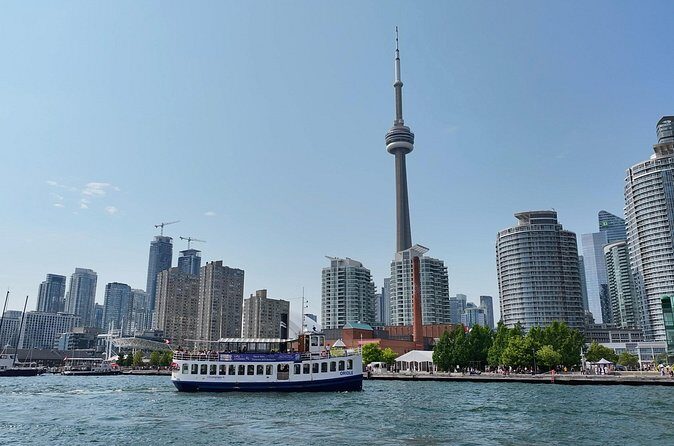
This is where the harbour cruise feels less like a checklist and more like a real sense of place. As you move along the revitalized harbour-front, you’ll pass Harbourfront Centre, a major arts and culture hub with year-round programming.
You’ll also cruise by public waterfront space like HTO Park and Sugar Beach. Sugar Beach is an urban beach park that opened in 2010, and it’s more about relaxing and hanging out than swimming. Expect a lively waterfront vibe from the water even if the shore itself is busy or calm depending on the season.
If you enjoy seeing how cities use their edges, this is one of the most rewarding parts of the route. These waterfront spots explain why Toronto feels so “water-aware,” even when the main action is downtown.



Toronto Islands and Gibraltar Point Lighthouse: A Different Side of the City
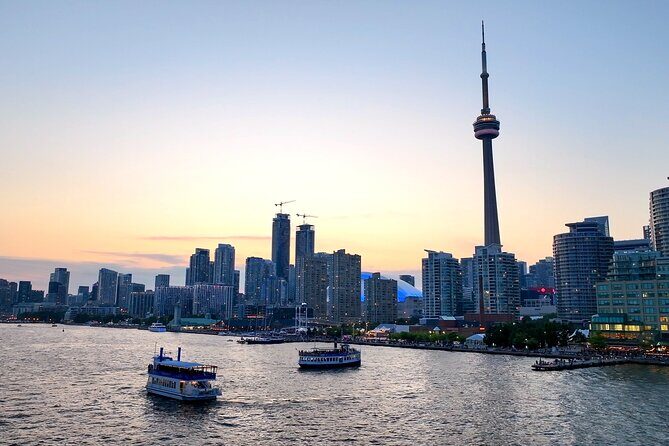
You’ll spend time looking toward the Toronto Island area and its landmarks, including the Gibraltar Point Lighthouse. The lighthouse is the oldest existing one on the Great Lakes, begun in 1808, and it’s one of Toronto’s oldest buildings. That kind of history lands well when you can see it in context, rather than as just a photo on a postcard.
This area also comes with storytelling built around the lighthouse and its keeper’s fate—part of Toronto’s famous ghost-story lore. Whether you’re into spooky history or not, the key value here is perspective: Toronto’s city pulse sits close to quiet island geography.
You may also pass points like the Toronto Island parklands and the island airport area from the harbour route. The biggest payoff is the contrast: high-rise downtown energy versus a shoreline that feels more open and relaxed.
Redpath Sugar Refinery: The Sweet Industrial Detail Most Tours Miss
Most Toronto skyline tours focus on towers and stadiums. This one includes Redpath Sugar Refinery, a sugar storage, refining, and museum complex near the east side of downtown around the intersection of Queens Quay and Jarvis Street.
From the boat, an industrial landmark like this becomes easier to understand visually. It’s not just a factory building—it’s a recognizable part of how the city grew and how waterfront industry shaped Toronto’s economy.
If you like learning one or two unexpected things, this stop makes the cruise feel more rounded. You leave with an extra layer of Toronto you might not get by sticking to the typical downtown walking loop.
Drinks, Snacks, and Onboard Comfort That Actually Matter
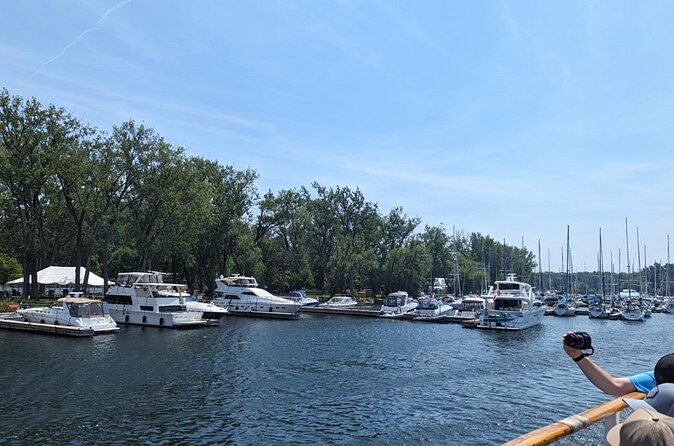
On board, there’s a cash bar with beverages and snacks you can purchase during the cruise. Restrooms are also available, which makes a big difference on a one-hour trip.
Think of the cash bar as a convenience, not a deal. One common complaint is that some drinks can feel pricey, and if you’re budgeting, you might stick to one small purchase. Still, it’s handy if you want something warm on a cool day or a cold drink while you watch the skyline.
Comfort is mostly about your seating choice. On hot days, being inside with air-conditioning can feel like the smart move. On cool days, the top deck may feel better, but you’ll want to dress for wind off the water.
Price and Value: Is $25.48 Worth 60 Minutes on the Water?
At $25.48 per person, this cruise sits in the “affordable splurge” category for many visitors. You’re paying for a few things you can’t easily replicate on foot in one hour: a smooth harbour perspective, coordinated views of multiple landmarks, and narration that keeps the trip from feeling random.
It’s good value if:
- you want quick orientation to downtown and the waterfront
- you care about skyline photos and want a clear vantage point
- you’re traveling with mixed interests and want one activity that fits everyone
It’s less good value if you’re hoping for a long, story-heavy tour. It’s 60 minutes. You’re not going deep enough to replace a museum day or a neighborhood walking tour.
But for many people, the price-to-time ratio feels fair because the tour is short, structured, and scenic.
Best Times to Go and How to Get a Seat That Works
For the best experience, time and seating are everything. Top deck seating can fill fast, so if you want prime views, arrive early. People also note that the skyline looks great when you’re set up properly for the direction of the route, so being in the right area of the deck can make the difference between average and standout photos.
If you want the skyline at its most photogenic, consider going around the edge of day—when lighting is flattering. The boat is also a good option when the city feels too hot or too cold for walking for long stretches.
If you’re going during extreme weather (heat waves or very rough conditions), prioritize comfort and be ready for potential changes. The cruise runs rain or shine, but if conditions are unsafe, it can be canceled.
When It Might Not Work: Crowds, Noise, and Expectations
This is where you should be a bit picky with your expectations. The ride can feel crowded depending on the day and how quickly people fill the outdoor deck. When crowds press in, it can be tough to get clear sightlines and to hear narration.
Noise is another factor. Some feedback points out overly loud announcements and narration that can be hard to understand if you’re farther away. If you’re sensitive to sound, plan to sit farther from speakers or go inside where the environment may be calmer.
Finally, the boat itself is a real ship experience, not a modern museum-style lounge. Some people love that charm; others feel the seating setup is basic. If you prefer lots of personal space, go early and choose your deck with care.
Who This Cruise Fits Best
This tour is a strong pick for:
- first-time visitors who want Toronto’s main icons fast
- couples who want an easy, low-stress activity with great photo angles
- solo travelers who want company without committing to a full-day walking plan
- families looking for an hour on the water with enough structure to keep kids and adults interested
It also works well if you like narration that mixes history with quick facts. Names and dates matter here, but the real win is how the cruise frames Toronto’s landmarks in the flow of the harbour.
If you’re the type who likes to see the city first, then explore later, this fits like a warm-up lap.
Should You Book This Toronto Harbour Tour?
I think you should book this one if your goal is simple: see Toronto’s big skyline hits from a great angle in about an hour. The two-deck setup, the multilingual GPS audio, and the mix of downtown icons with waterfront spaces like Harbourfront and the Toronto Islands make it a solid “great value, low effort” activity.
I’d skip it or approach it cautiously if you’re extremely noise-sensitive, you hate crowds, or you expected stops where you get off and explore each landmark. This is a cruise-viewing experience, not a guided walking tour.
If that matches what you want from Toronto, the Oriole harbour ride is a smart use of time.
FAQ
How long is the Toronto Harbour sightseeing cruise?
It runs for about 60 minutes.
Where does the tour meet and start?
The meeting point is City Cruises, 207 Queens Quay W, Toronto, ON M5J 1A7, Canada. The tour ends back at the meeting point.
What languages are included in the audio tour?
The audio is available in seven languages: English, French, Spanish, Italian, German, Japanese, and Mandarin.
Is there indoor seating or is it all outdoors?
There are two levels: an open-air observation deck and an air-conditioned cabin.
Can I buy snacks or drinks on board?
Yes. There is a fully licensed cash bar with beverages and snacks available for purchase, and alcoholic beverages are also available through the cash bar.
Are restrooms available during the cruise?
Yes, restrooms are available on board.
Does the cruise run in bad weather?
The cruise runs rain or shine, but if severe weather or unsafe water conditions arise, the operator may cancel. If canceled due to unsafe conditions, you’ll be offered a different date or a full refund. Service animals are allowed.