REVIEW · TORONTO
Toronto’s Multicultural Heart – Kensington & Chinatown Walk
Book on Viator →Operated by Intrepid Urban Adventures - Canada · Bookable on Viator
Toronto’s best side streets tell louder stories. This Kensington Market and Chinatown walk pairs coffee-shop comfort with a street food snack, plus human stories from guides like Kieran, Robert, and Jackie about how immigration shaped these blocks. You also get practical local pointers for where to eat and shop after the tour.
One thing to plan for: you’ll walk a good amount over roughly three hours, so comfortable shoes really matter. If you’re the type who wants to slowly browse every shop window, the pace might feel a touch structured for you.
In This Review
- Key highlights worth your attention
- Why Kensington Market and Chinatown work so well together
- The starting point: McCaul and Dundas, with a big-city anchor
- Kensington Market: coffee, street art, and the anti-corporate attitude
- What you’ll do in Kensington Market
- The “how” and “why” behind the murals
- A practical note about chains
- Chinatown: late-19th-century roots, local stories, and where to eat next
- What you’ll do in Chinatown
- The best part: learning while you browse
- Coffee, tea, and street snack: what’s included and how to plan around it
- Timing trick: eat light before you start
- If you have food limits
- Guides and group size: the difference between a stroll and a real orientation
- Where the tour ends: Dragon City Shopping Centre and easy next steps
- Walking logistics: how to set yourself up for a good pace
- Price and value: what $64.25 buys you
- Who should book this Kensington and Chinatown walk
- Should you book? My honest take
- FAQ
- Where does the tour start?
- Where does the tour end?
- What time does the tour begin?
- How long is the tour?
- How many people are in the group?
- What’s included in the price?
- Is coffee, tea, or extra food included beyond the stops?
- Is the tour offered in English?
- Is it suitable for children?
- What is the cancellation policy?
Key highlights worth your attention
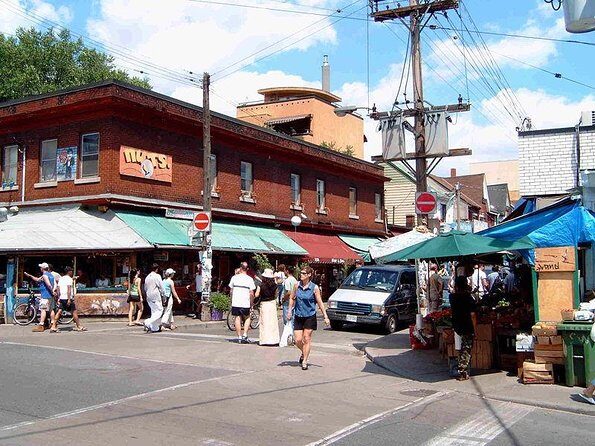
- Two neighborhoods, one route: Kensington Market and Chinatown next to each other, so you get contrast without wasting transit time
- Included coffee or tea: a real neighborhood café stop instead of a quick photo break
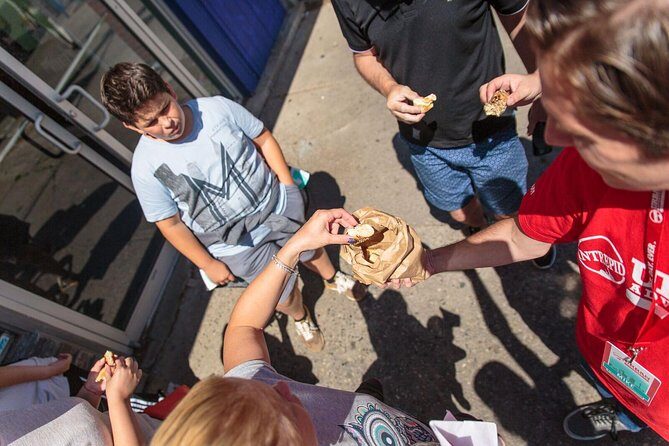
- A street snack taste test: you’ll sample local street food rather than just hearing about it
- Street art you can talk about: graffiti murals and the “why” behind them, with guide context
- Restaurant and shop tips on the go: useful suggestions as you pass places you’ll actually want later
- Small group energy: max 12 people, with guides who know how to keep attention on the walk
Why Kensington Market and Chinatown work so well together
Kensington Market and Chinatown sit close enough that the trip feels efficient, but different enough that it never gets repetitive. Kensington is the “in-between” neighborhood where indie shops, bakeries, and hole-in-the-wall bars rub shoulders with bare brick walls covered in murals. Chinatown, just a short walk away, carries a long-settlement story starting in the late 19th century and still feels busy and active along Dundas Street West and Spadina Avenue.
What I like about pairing them on one tour is the way the guide can connect big-city change to what you see on the street. You’re not just looking at storefronts; you’re getting the human reasons behind them.
Also, this tour is built for getting oriented. You end with a location (Dragon City Shopping Centre area) that makes it easy to keep wandering afterward, instead of ending in the middle of nowhere.
You can also read our reviews of more walking tours in Toronto

The starting point: McCaul and Dundas, with a big-city anchor
The tour meets at Dundas St West at McCaul St, near the Art Gallery of Ontario. That’s a smart starting spot because you can usually reach it without stress using public transit, and the meeting area is clear.
You start at 10:00 am, and you’ll head out with a small group. You’ll spend about two hours moving through the neighborhoods, with enough time to take in what matters without feeling like you’re running.
If you’re prone to arriving late, aim a few minutes early. With small-group tours (max 12), the “everyone together” dynamic is part of the value.
Kensington Market: coffee, street art, and the anti-corporate attitude
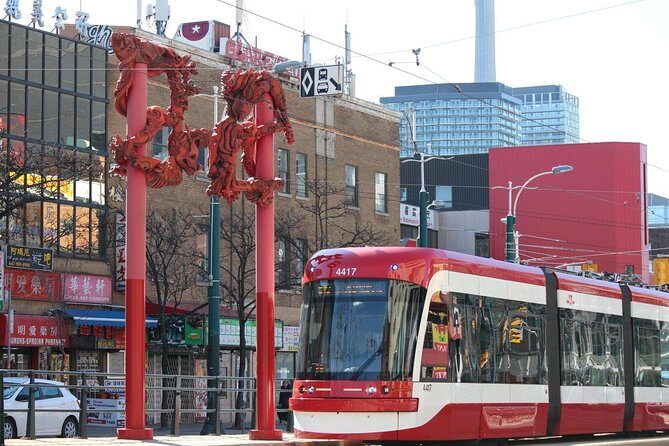
Kensington Market is its own story in Toronto. The neighborhood has evolved over time—from a working-class Jewish market to a working-class bohemian one—shaped by waves of immigrant settlement across the past century. That history shows up in the mix of shops, the variety of languages you’ll hear, and the way you get food choices that feel local rather than standardized.
What you’ll do in Kensington Market
You’ll stop for coffee or tea at a neighborhood café. This isn’t just a sit-down moment; it’s a reset that gives the guide room to explain how Kensington changed and why that matters. Then you’ll move through the market area toward street-level highlights: vintage-style shops, bakeries, indie cafés and bars, and the wall art that gives the neighborhood its visual signature.
The tour also includes a street vendor snack. This is one of those simple parts that turns into a highlight because you’re sampling something you can’t easily “research” from home. It’s a small taste test that makes the whole walk feel more real.
The “how” and “why” behind the murals
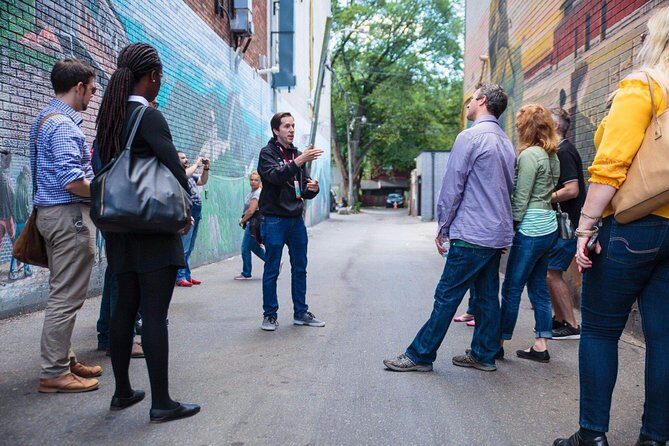
One of Kensington’s iconic features is the graffiti mural coverage on bare brick walls. The guide will point out murals and talk about how many are done at the request of building owners, which changes how you should read the street art. Instead of treating it like random scribbles, you learn to see it as something tied to permission, community identity, and the neighborhood’s visual culture.






A practical note about chains
Kensington Market is known for being unfriendly to big corporations, and you can often feel that difference quickly while you walk. The guide’s commentary helps you understand why that matters: it supports the independent, neighborhood-run character that makes the market feel like a place you’d return to—not just a sightseeing stop.
Downside to consider: Kensington is a walk-and-look neighborhood. If you hate urban walking with crowds and constant storefront hopping, you might find it a lot. Comfortable shoes are your main fix.
Chinatown: late-19th-century roots, local stories, and where to eat next
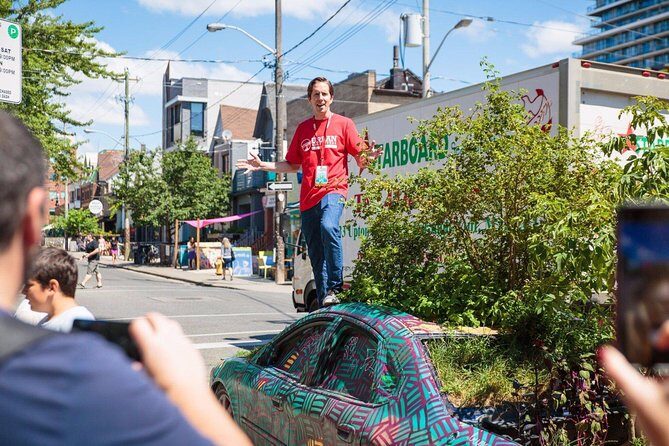
Right next door, Chinatown brings a different rhythm. This area was first developed in the late 19th century and is home to Canada’s largest Chinese community, plus one of the largest Chinatowns in North America. It also remains one of the city’s busiest areas, with restaurants, shops, and historic monuments extending along Dundas Street West and toward Spadina Avenue.
What you’ll do in Chinatown
During your Chinatown portion, the guide shares local stories and history tied to Toronto’s Chinese community. The goal isn’t to give you a textbook; it’s to explain what you’re walking past and why the neighborhood looks the way it does.
As you go, you’ll likely receive restaurant recommendations. That matters more than it sounds. After a walk like this, your brain is already warmed up and hungry; having the guide suggest where to eat saves you time and helps you target places that fit the vibe of the area you just learned about.
The best part: learning while you browse
Chinatown is full of visual cues—shopfront signs, product displays, and street life. A good guide helps you connect those details to community history rather than treating everything as scenery. In this kind of walk, the “stories in between” are often the memorable bits.
Downside to consider: Chinatown can feel lively and busy, especially around peak times. If you’re sensitive to crowds, consider wearing layers and keeping your phone packed away unless you’re ready to walk with it.
Coffee, tea, and street snack: what’s included and how to plan around it
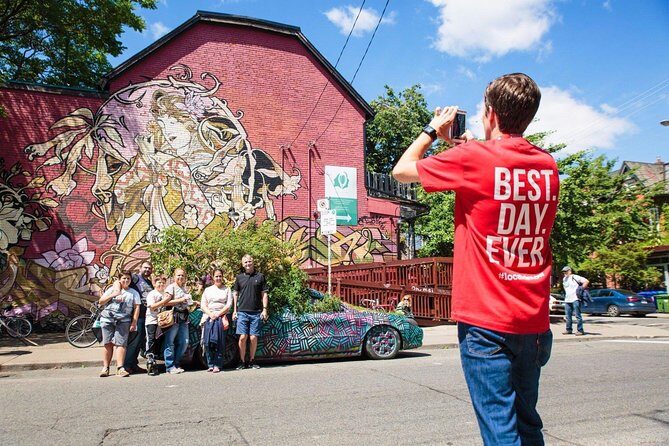
This tour includes two comfort basics: coffee or tea at a neighborhood café, and a local snack from a street vendor or market stall. That’s a meaningful inclusion because it takes the guesswork out of the day. You won’t have to hunt down “a good place to stop” while you’re also trying to follow the route.
What’s not included is extra food or drinks beyond those stops. So if you want a full meal, plan to do that either before the tour or after you finish—your guide’s Chinatown and Kensington tips will help you decide.
Timing trick: eat light before you start
Because you’ll be sampling a snack during the walk, you’ll enjoy it more if you don’t arrive stuffed. I like the idea of having a light breakfast before 10:00 am, then letting the included snack and café stop do the heavy lifting for energy.
If you have food limits
The tour data doesn’t list specific dietary accommodation details. If you have allergies or strict dietary needs, it’s worth messaging before booking so you can confirm what the café and vendor stops might look like for you.
Guides and group size: the difference between a stroll and a real orientation
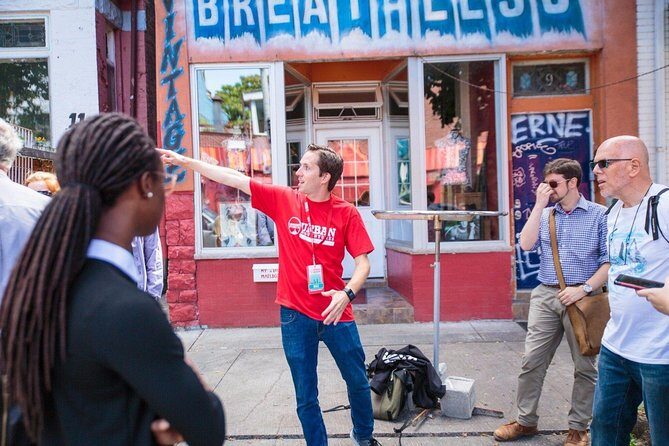
This is a small-group tour with a maximum of 12 people, which helps because the guide can actually interact, answer questions, and keep the group moving without losing people. The reviews highlight that some guides go beyond facts and add personality.
You’ll see different styles, but several names came up again and again—Kieran, Robert, Jackie, and others. Reviews note that guides were friendly, humorous, and patient with questions. One guide (Rob) even used quick quiz-style moments to keep things engaging, which can be a fun way to absorb history while you’re walking.
The best part of good guiding here is connection: you’re learning how immigration and community survival show up in real storefronts and street life. That’s the difference between a “see things” tour and a “understand the neighborhood” walk.
Where the tour ends: Dragon City Shopping Centre and easy next steps
The tour finishes at Dragon City Shopping Centre on the southwest corner of Spadina Ave and Dundas St West. Ending here is practical. It’s a recognizable anchor point in the Chinatown area, which makes it easier to keep going with your day—whether you want more shopping, a second bite, or just more wandering.
If you’re planning to visit other spots later in the city, this end point is also useful because it keeps you west-of-center where public transit connections are generally straightforward.
Walking logistics: how to set yourself up for a good pace
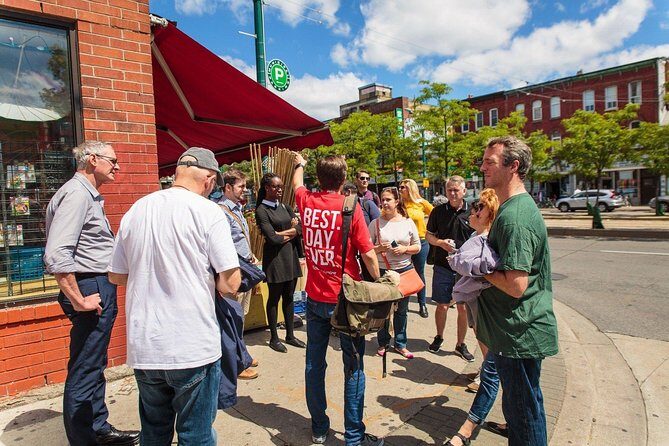
The tour is about three hours total and involves a good amount of walking. That’s not a “stroll for beginners who want minimal steps” kind of experience.
Here’s what helps you enjoy it:
- Wear comfortable shoes (the tour explicitly recommends them)
- Bring a light layer; neighborhoods can feel cooler near shade and open storefronts
- If you love photos, take them while you’re moving through the area, not in the middle of a lane
There’s no mention of hotel pickup, so you’ll want to plan to meet at the stated location. Since it’s near public transportation, getting there should be manageable.
Price and value: what $64.25 buys you
The price is $64.25 per person for about three hours. What you’re really paying for isn’t just “someone to lead you.” You’re paying for:
- a local guide who explains neighborhood change and context
- two structured stops (café for coffee/tea, plus a street vendor snack)
- a route that covers two major neighborhoods close together
- small-group size (max 12), which often improves the quality of interaction
If you’re the type who enjoys learning while walking, this price is easier to justify. If you already know Kensington and Chinatown well, you might find you could do the route independently. But even then, the guide’s focus on street art, community history, and where to eat next is hard to replicate quickly on your own.
Also note that the tour is typically booked around a month in advance on average, so if your dates are fixed, booking earlier is the smarter move.
Who should book this Kensington and Chinatown walk
This tour is a great fit if you want more than a map-and-photo afternoon. You’ll like it if you:
- want local tips for where to eat and shop
- enjoy street-level history and people-centered stories
- like small groups and guides who respond to questions
- want an easy way to cover two neighborhoods without switching plans all day
It’s also child-friendly. Children under 6 can join free of charge (just inform the operator when booking). For families, the included café stop and snack break can make a walking tour feel more doable.
Should you book? My honest take
Book this tour if you want a guided way to understand why Kensington Market and Chinatown look and feel the way they do. The included coffee/tea stop and street snack make it more than just sightseeing, and the small-group size keeps it from turning into a rushed parade.
Skip it if you strongly dislike walking or you prefer totally self-guided browsing where you control every pause and detour. In that case, you might do better with a flexible plan and your own pace.
FAQ
Where does the tour start?
It starts at Dundas St West at McCaul St, Toronto, Ontario, beside the Art Gallery of Ontario.
Where does the tour end?
It ends at Dragon City Shopping Centre, the southwest corner of Spadina Ave and Dundas St West.
What time does the tour begin?
The start time is 10:00 am.
How long is the tour?
It runs for about 3 hours.
How many people are in the group?
The maximum group size is 12 travelers.
What’s included in the price?
The tour includes a guided walk through Kensington Market and Chinatown, a coffee or tea stop at a neighborhood café, and a sample snack from a street vendor or market stall.
Is coffee, tea, or extra food included beyond the stops?
Coffee or tea is included at the café, and a snack is included from a street vendor or market stall. Additional snacks and beverages are not included.
Is the tour offered in English?
Yes, it’s offered in English.
Is it suitable for children?
It’s child-friendly, and children under 6 can join free of charge if you inform the operator when booking.
What is the cancellation policy?
You can cancel for a full refund up to 24 hours before the experience’s start time. If you cancel less than 24 hours in advance, the amount paid is not refunded.