REVIEW · TADOUSSAC
Tadoussac/Charlevoix: Whale Watching Zodiac Tour
Book on GetYourGuide →Operated by AML Cruises · Bookable on GetYourGuide
Zodiacs bring you close to whales. This Tadoussac and Charlevoix whale watching Zodiac tour turns the Saguenay–St. Lawrence Marine Park into a near-water viewing deck. You move fast enough to reach sightings, but close enough to feel like you’re part of the scenery, not watching it through a window.
I especially love the certified bilingual naturalist commentary. It makes the animals easier to spot and it helps you understand behavior, not just names. The second big win is the variety: you’re set up to look for as many as 13 whale species, plus seals and porpoises, depending on what the water is offering that day.
One real consideration: the ride can be cold and wet. That matters even with provided gear, because Zodiacs sit low and the wind off the water is the difference between comfy and shivering.
In This Review
- Key things that make this Zodiac tour worth it
- Tadoussac and the Saguenay-St. Lawrence: why this site is a big deal
- Price and what $98 buys you in real terms
- Choosing your departure time: morning energy, midday sightings, or sunset light
- The route from Tadoussac toward prime whale waters
- On the Zodiac: what up-close whale watching actually feels like
- The naturalist guide: why your spotting improves fast
- The Saguenay Fjord detour: when the cliffs steal the show
- Cold, wet, and doable: dressing smart for a Zodiac ride
- Safety, ethics, and who should skip this tour
- Who this tour is best for (and when to consider another option)
- Should you book the Tadoussac Zodiac whale watching tour?
- FAQ
- How long is the Zodiac whale watching tour?
- Where do I meet the boat?
- When do tours depart?
- What whale sightings should I expect?
- What should I wear, and is waterproof gear provided?
- Will the tour go into the Saguenay Fjord?
- Who can’t join this Zodiac tour?
Key things that make this Zodiac tour worth it
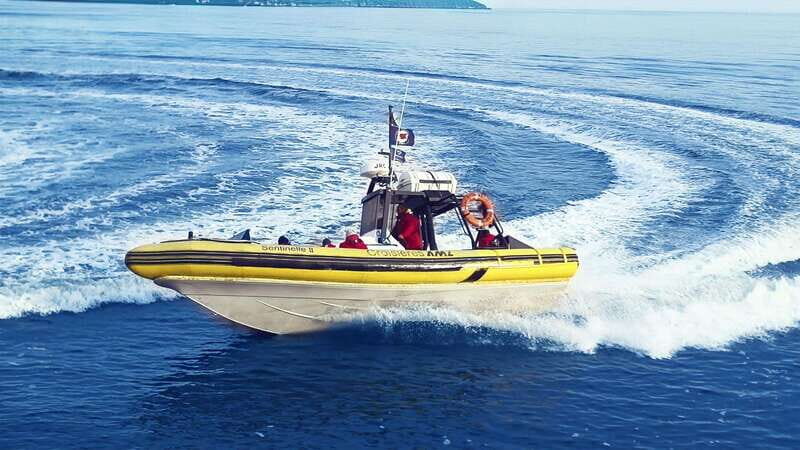
- Top-line Zodiacs (24 or 60 passengers) built for marine mammal viewing close to the water
- Bilingual certified naturalists who point out what to look for and explain whale behavior
- Up to 13 whale species in the habitat, with sightings that often include belugas and minke
- Saguenay Fjord detour if conditions allow, with dramatic steep cliffs up to about 450 meters
- Weather-smart operations and clear safety culture, even when it’s rainy or windy
- What you need is included, including waterproof jacket and pants (so you can pack lighter)
Tadoussac and the Saguenay-St. Lawrence: why this site is a big deal
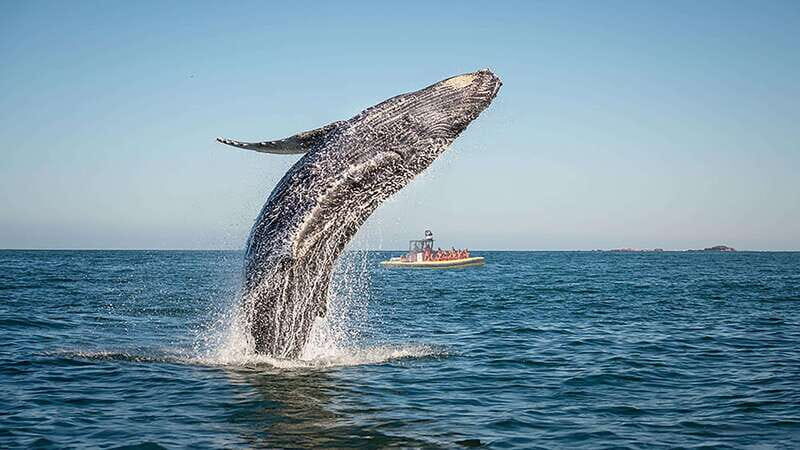
Tadoussac sits where the Saguenay Fjord feeds into the mighty St. Lawrence, and that mix creates serious whale habitat. The tour focuses on this area for a reason: the water funnels food and concentrates marine life. If you’re chasing whales, this is one of the places where your odds tend to be better than “hope and pray” tourism.
The Zodiac format also changes the feel of the day. A big boat can be fine, but it’s a different viewing experience. A Zodiac puts you closer, lets you look across the water surface for spouts, and helps you react quickly when the guide calls out movement.
And there’s the setting. The Saguenay Fjord is all steep walls and narrow sightlines, the kind of scenery that makes whales feel even more impressive. Even when the fjord detour doesn’t happen, you’re still in one of Quebec’s most dramatic marine corridors.
You can also read our reviews of more whale watching tours in Tadoussac

Price and what $98 buys you in real terms
At about $98 per person, this tour isn’t a bargain in the way a museum ticket is. But for whale watching, it’s competitive when you compare what’s included and what you’re trying to do: see large marine mammals in a specialized area.
Here’s what you get that helps your money feel more like value:
- A 2-hour to 150-minute whale watch depending on the exact option you choose
- A certified naturalist guide giving live commentary in English and French
- A Zodiac boat experience on a top-line vessel (24 or 60 passenger) designed for close observation
- Waterproof jacket and pants so you’re not stuck buying gear at the last second
- Fjord time if conditions allow, which can add real scenery and wildlife chances
What isn’t included matters too. Binoculars are not provided, so if you have your own, bring them. If you don’t, the guide’s spotting skills will help, but having binoculars still improves comfort and spotting accuracy when animals are farther out.
Bottom line: you’re paying for a focused, marine-focused boat outing with trained interpretation and the right kind of vessel. For many people, that’s the whole point of coming to Tadoussac.
Choosing your departure time: morning energy, midday sightings, or sunset light
This operator offers multiple departures, and picking the right window can shape both comfort and your view of the water.
You can choose:
- Early riser: 8 to 10 am
- Daytime options: 10:15 am to 12:45 pm or 1:30 pm to 4 pm
- Sunset tour: 4:30 to 6:30 pm
Early in the day can feel like a classic wildlife slot: calmer water is more likely, and the light makes spouts and whale movement easier to track. Midday can still be excellent, especially if the guide finds feeding areas. Sunset tours can be beautiful for the fjord and the shoreline, but you should still expect wind off the water as the temperature drops.
A practical tip: whatever time you pick, you need to arrive early. Boarding starts roughly 30 minutes before departure, and the boats leave on time.
The route from Tadoussac toward prime whale waters
The tour runs from one of two meeting points. In practice, you’ll see the experience start from either:
- 122 Rue de la Cale Sèche, or
- 159 Rte 138
From there, the boat is set up for a scenic drive-by route while you get positioned for sightings. You’ll pass by Tadoussac and the Saguenay–St. Lawrence Marine Park, and then move through familiar shoreline viewpoints.
Here’s what’s likely happening visually as you go:
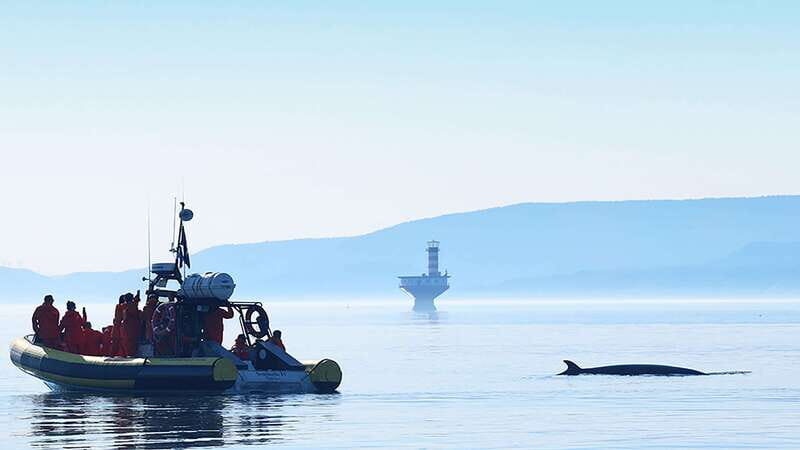
- Prince Shoal Light (photo stop): this is your moment to slow down on something scenic and anchored in the geography of the area. Even if whale sightings are happening nearby, the photo stop gives you a break to reset and frame the coastline.
- Les Dunes: you’ll get a sense of how the shoreline shapes the water and view angles. It’s not a museum stop; it’s about orientation and spotting opportunities.
- Pointe-Noire Interpretation and Observation Centre (pass by): you’ll slide past the area known for understanding the region’s marine and coastal life. It’s a clue that you’re in a place people study seriously, not just a random shoreline for tourists.
- Pointe de l’Islet: another pass-by spot where the guide may use the geography to help you track movement across the water surface.
- Chute du Caribou: a named point on the route that keeps the coastline interesting even when whales are quiet for a stretch.
A key note: if you’re hoping for the fjord itself, don’t assume it’s guaranteed. You only go into the Saguenay Fjord if time and weather allow. When it does happen, the cliffs rise dramatically (up to around 450 meters), and the change in scenery can feel like a second chapter of the trip.
On the Zodiac: what up-close whale watching actually feels like
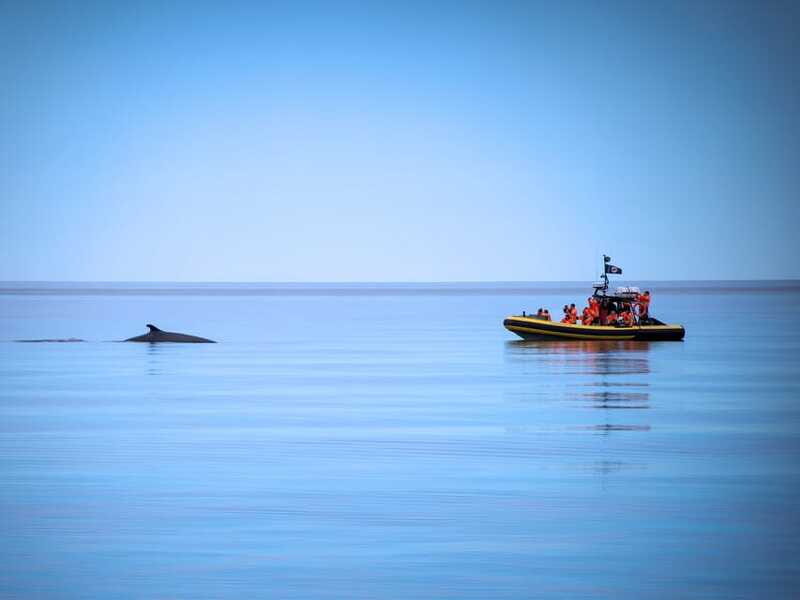
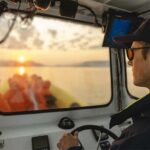
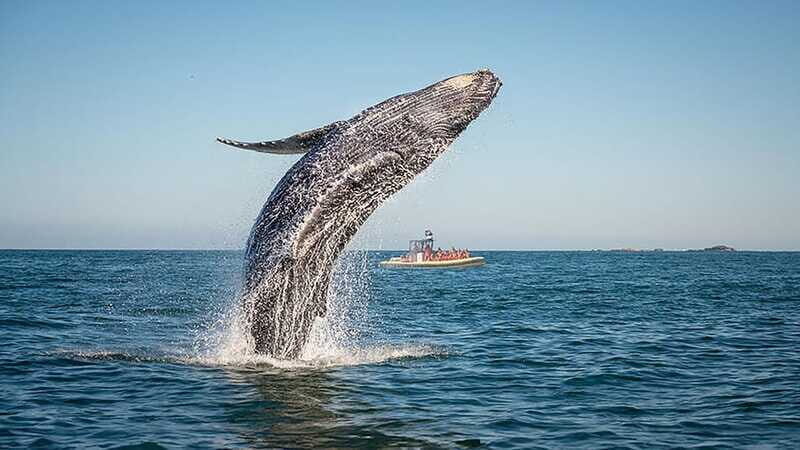
This is the heart of the experience, and it’s why the Zodiac tour tends to stand out from the bigger-boat options. Zodiacs let you watch the surface for spouts, watch for blows, and track a whale’s travel path more actively. You’re not just looking forward; you’re scanning and reacting.
The boat is built for marine observation and operates in a way meant to reduce disturbance. The emphasis you’ll see is on staying respectful of natural behavior and not treating whales like a drive-through attraction. One thing that repeatedly shows up in people’s positive experiences is how the crew adjusts position so more people can see, including slowing down or changing where they sit relative to the animals.
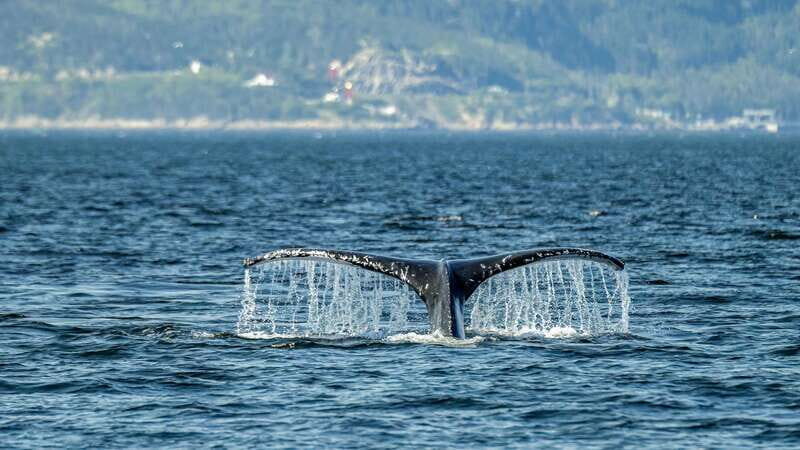
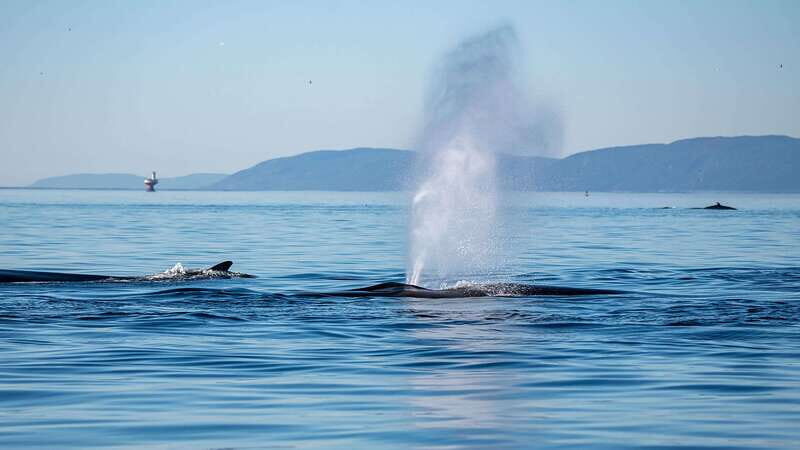
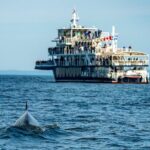
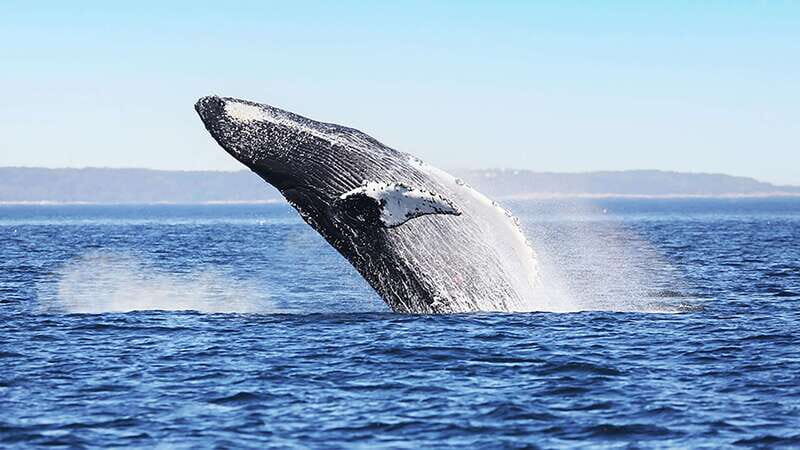
In terms of what you might see, the goal is broad. The tour is set up around as many as 13 whale species, and sightings commonly include:
- Belugas (often described as very close and sometimes in family groups)
- Minke whales
- Humpbacks
- Fin whales
- Seals and porpoises
Sometimes you’ll get rarer, luck-based highlights. People have reported seeing blue whales and multiple whale species in the same outing. That’s not something you can plan for, but it’s exactly why being in this habitat with an expert guide matters.
Also, don’t expect every whale to do the dramatic Hollywood moves. You can have an amazing trip even when animals surface quietly, graze the surface, or move through in short bursts. In fact, some of the most exciting moments come from spotting the spout pattern, then watching the animal’s behavior unfold at close range.
The naturalist guide: why your spotting improves fast
A whale watch is partly luck, but interpretation changes everything you do with that luck.
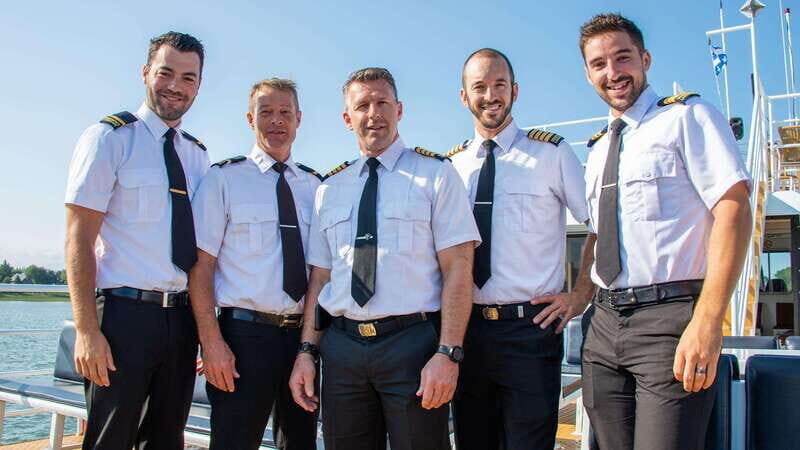
The guides here are certified bilingual naturalists and they focus on more than naming whales. They help you watch correctly: where to look, how to recognize behavior, and what details matter when you’re trying to tell species apart at speed.
I like this approach because it turns the tour into a learning moment you can use immediately. Instead of passively staring, you start connecting:
- spout shape and timing
- how animals travel relative to the wind and surface conditions
- how groups behave, including mothers and calves when belugas show up
Some guides have been specifically praised for excellent bilingual delivery, and names like Catherine and Fredrick come up in past experiences as people who helped guests feel oriented quickly. You don’t need to be a marine expert to benefit. You just need the guide calling out what to watch for, and then you copy the technique.
The Saguenay Fjord detour: when the cliffs steal the show
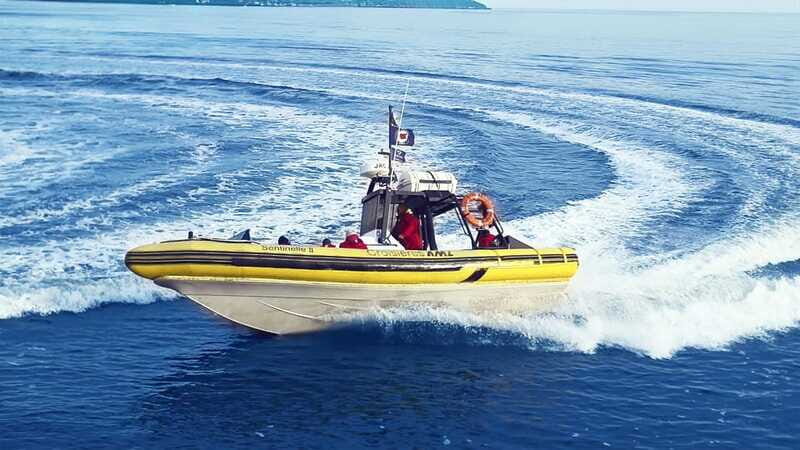
The tour may add time inside the Saguenay Fjord if conditions allow. That’s not a small detail. The fjord changes the geometry of the water, the soundscape, and the sense of space. Instead of a wide river feel, you get a more enclosed, dramatic setting where cliffs rise steeply.
If you go in, expect breathtaking cliff walls (up to about 450 meters). People also report additional wildlife sightings in these fjord stretches, including belugas in some cases.
The drawback is simple: it’s not guaranteed. When it’s windy, rough, or just not enough time, the detour may get skipped. That’s why the tour is built to still be worthwhile even without the fjord.
If you’re traveling during May to October, you’ll be in the prime whale watching window. That doesn’t mean every day is the same, but it does mean the tour is scheduled for when conditions are typically most favorable for whale presence.
Cold, wet, and doable: dressing smart for a Zodiac ride
This is where many people win or lose the day. A Zodiac ride is close to the water, so wind and spray can hit harder than you’d expect. Even with waterproof clothing included, you want layers.
Here’s what I’d plan around:
- Wear warm clothing and expect the temperature to feel colder once you’re out on the water
- Use closed shoes only (no sandals)
- Bring sunscreen and sunglasses, because brightness can still sneak through even when it’s chilly
- Consider gloves and a hat/toque if you run cold
Waterproof gear is included: a jacket and pants. On some outings, people have also mentioned additional wet-suit style layers being helpful in colder months. The key is that you should still dress like it’s colder than it looks from shore.
Seats can get wet, and plastic surfaces can feel icy. A simple move that some people recommend: bring a small towel so you can sit more comfortably and reduce that numb feeling on a cold, damp day.
Also note one minor complaint that comes up: rain gear can sometimes be a bit finicky in heavy weather. That’s not a reason to skip the tour. It’s just a reminder to dress for wind and spray, not for a perfect forecast.
Safety, ethics, and who should skip this tour
This operator is careful about safety. Boats are safe, inspected, and certified by Transport Canada, and crews are fully certified by Transport Canada and Transport Québec.
The ethics message is part of the experience, not a poster on the wall. The focus is on observing whales without intrusive behavior, and the goal is to let animals do what they do, while you watch and learn.
That said, this Zodiac format is not for everyone. It’s not advisable and in some cases prohibited for:
- Children under 6 (minimum age is 6)
- Pregnant women
- People with articulation, back, or autonomy problems (wording varies, but the idea is that certain mobility/comfort issues don’t mix well with a Zodiac)
- Wheelchair users
If you’re uncertain, it’s worth taking the restrictions seriously. Zodiacs involve movement, spray, and balance on a small deck. If the instructions say it’s not advisable for a reason, listen.
Pets aren’t allowed, and you also can’t bring food and drinks on board. It’s a nature-first outing, so plan around that.
Who this tour is best for (and when to consider another option)
If you want whales up close, a Zodiac tour is your best match. It’s especially good for people who:
- love nature and want guidance while they search
- want intimate water-level views instead of distant spotting
- are comfortable getting cold and wet and dressing in layers
It’s also a good fit for families with kids 6+ who can handle the boat time and cooler conditions. The ride is generally short enough that even kids can stay engaged if they’re interested in wildlife.
If you don’t handle cold well, or if you have limitations that match the tour’s “not advisable” notes, you may be better off choosing a different style of whale watch. In rough weather, some operators offer alternate vessel types, and it’s worth asking directly what options you’ll have if conditions become unsafe.
Should you book the Tadoussac Zodiac whale watching tour?
Yes, you should book if your priority is close-up whale watching with expert interpretation and you’re willing to dress for wind and spray. At $98, the value makes sense because you’re paying for the right habitat, a marine-trained guide, and a vessel designed for this exact job.
I’d skip it if:
- you fall into the stated non-advisable groups (pregnancy, significant back or mobility issues, wheelchair)
- you expect a dry, warm boat experience
- you want a casual, sit-and-do-nothing outing without active scanning (Zodiacs invite you to look closely)
If you’re flexible with time and you pack warm layers, this tour can be one of the most satisfying things you do in Quebec’s whale territory. The odds improve when you’re out on the water with people who know how to read it.
FAQ
How long is the Zodiac whale watching tour?
The experience is listed as 2 hours, or about 150 minutes depending on the option you choose.
Where do I meet the boat?
You can meet at one of two addresses: 122 Rue de la Cale Sèche or 159 Rte 138. The meeting point can vary based on the option you booked.
When do tours depart?
Departure times depend on the tour you select: 8 to 10 am (early), 10:15 am to 12:45 pm or 1:30 pm to 4 pm (daytime), and 4:30 to 6:30 pm (sunset).
What whale sightings should I expect?
The tour is designed for sightings of up to 13 whale species in the area, depending on conditions. Common sightings can include beluga, minke, humpback, and fin whales, along with seals and porpoises.
What should I wear, and is waterproof gear provided?
Wear warm clothing and closed shoes, along with long pants and a long-sleeved sweater. Waterproof jacket and pants are included.
Will the tour go into the Saguenay Fjord?
It includes an excursion into the fjord only if time and weather conditions allow.
Who can’t join this Zodiac tour?
Children must be at least 6 years old. It is not advised for pregnant women, people with back problems, and it’s not suitable for wheelchair users. Pets, food, and open-toed shoes are also not allowed.