REVIEW · VANCOUVER ISLAND
People Water Land- Indigenous Cultural and Wildlife Tour
Book on Viator →Operated by Homalco Wildlife & Cultural Tours · Bookable on Viator
Orcas and stories, all in one afternoon. This tour pairs a First Nation guide with a small group whale watch, so you’re not just looking at wildlife—you’re learning how people understand this place. It also adds a land stop at Aupe, where the ocean view comes with human history and ongoing community plans.
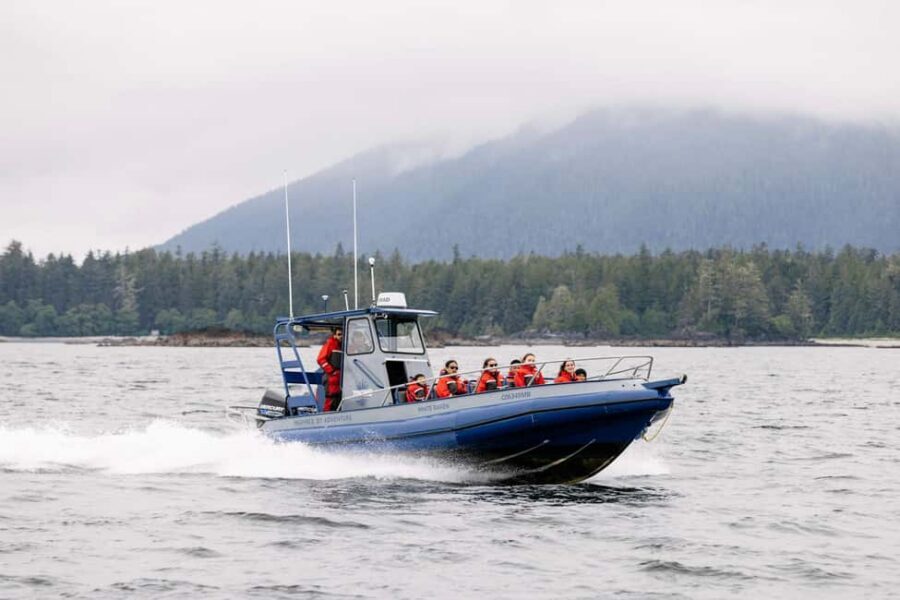
I love the mix of comfort and access. The boat is covered and heated, with seating options inside or outside, so you can stay warm while still getting good sightlines. And because the group is capped at 12, the captain and guide can actually keep an eye on everyone—especially while searching for humpback whales, orcas, dolphins, sea lions, and bald eagles.
One possible drawback: this isn’t a sit-and-glide outing. You need to be able to walk about 2–3 kilometers on uneven ground and climb stairs, then move through outdoor parts of the site at Aupe.
In This Review
- Key things that make this tour worth your time
- Why this “People, Water, Land” format works so well
- Vancouver Island logistics: where you start and how long it lasts
- Salish Sea whale watching: what you’re really doing on that boat
- Aupe Church House village site: walking the land with context
- Wildlife spotting: how to maximize your chances without losing the story
- Comfort details that affect your day more than you think
- Guides and the value of learning from real people
- Price and value: what $269.83 buys you in real life
- Who should book this, and who should think twice
- Should you book People, Water, Land in Campbell River?
- FAQ
- How long is the People Water Land tour?
- Where does the tour start and end?
- What wildlife can I expect to look for?
- How big is the group?
- Is the tour physically demanding?
- What is the cancellation and weather situation?
Key things that make this tour worth your time
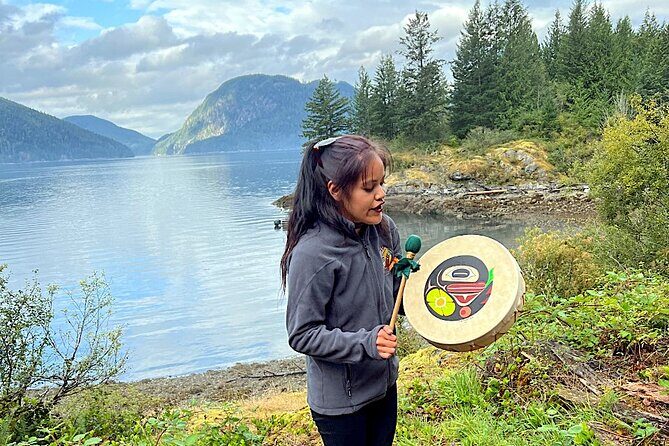
- 100% indigenous owned company meaning the storytelling and stewardship come from the community, not a script
- Homalco First Nation guide on the water, sharing legends and human history while the captain scans for whales
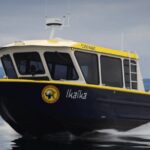
- Covered, heated boat with both inside and outside seating, so weather is less of a deal
- Aupe Church House village site visit, with a guided walk past remnants and into the forest
- Small group size (max 12) for a calmer, more personal experience on the water
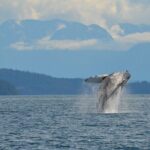
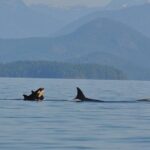
- Real wildlife target list: orcas, humpbacks, dolphins, sea lions, plus eagles when the skies cooperate
Why this “People, Water, Land” format works so well
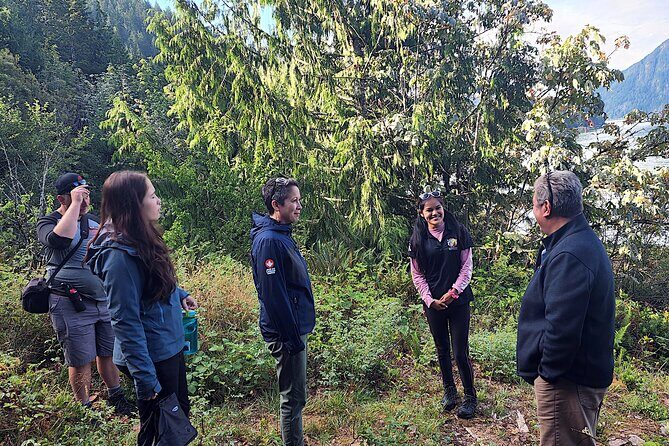
This tour wins because it refuses to treat wildlife as separate from culture. On the water, you’re watching for whales and other sea life, but the guide is also explaining why this coastline matters—stories, place names, and the way the Homalco community thinks about land and water. That changes how you look at everything. A whale isn’t just a sighting; it’s part of a living system people know deeply.
I also like how the structure keeps you moving without rushing. About two hours are spent cruising the Salish Sea area, and then you switch gears to a land walk at Aupe. You get the motion of boat travel, then the slower pace of footsteps onshore. It’s a nice rhythm for a roughly five-hour outing, especially if you want something more meaningful than a standard whale tour.
One more detail that matters: the team is built around two roles—skipper and First Nation guide. The skipper focuses on safe navigation and finding wildlife. The guide handles the storytelling. You’re not forced to choose one or the other, and the separation helps keep the experience clear.
A few more Vancouver Island tours and experiences worth a look
Vancouver Island logistics: where you start and how long it lasts
You meet at 1003B Island Hwy, Campbell River, BC V9W. The tour ends back at the meeting point, which keeps the day simple—no mystery transfers, no late-day backtracking.
The overall duration is about 5 hours, but it does not feel like one long stretch of waiting. The boat time on the Salish Sea is planned (around 2 hours), and the land portion at Aupe is designed to be walkable for most participants who can handle uneven ground and stairs. If your schedule is tight in Campbell River, this timing usually fits without turning into a whole-day commitment.
The tour uses a mobile ticket, and confirmation happens when you book. It’s also listed as near public transportation, which can help if you’re not driving on the Island.
Salish Sea whale watching: what you’re really doing on that boat
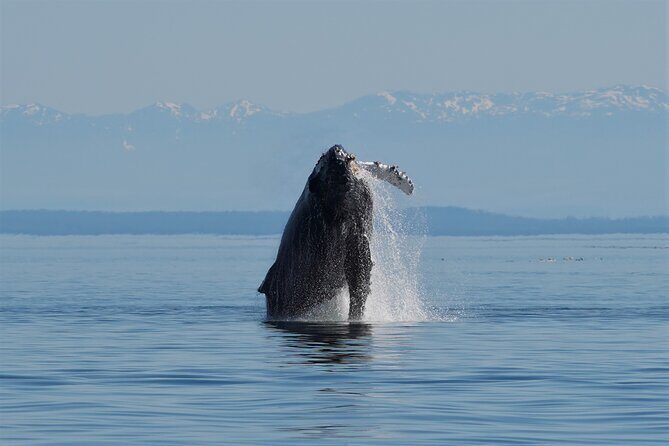
Once you’re underway, you’ll feel the difference between being out on open water and being in a more sheltered coastal route. This ride is on a covered, heated boat, which helps a lot on Vancouver Island days when the weather can flip fast.
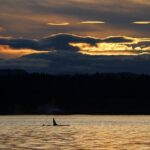
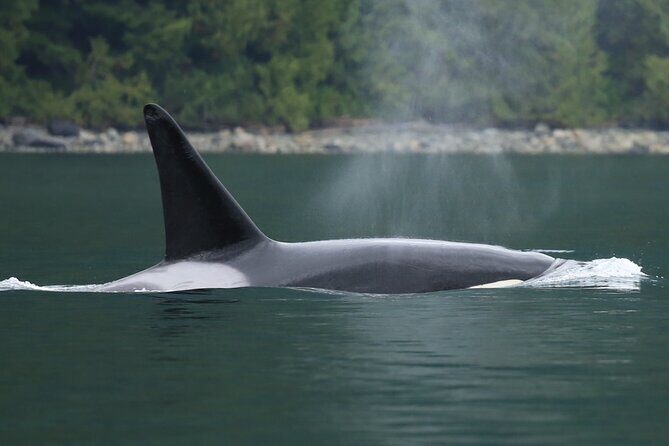
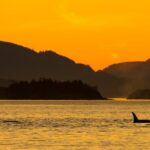
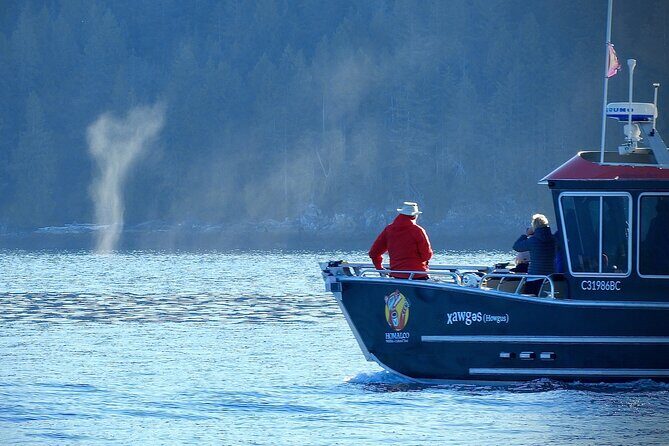
As you cruise through the Salish Sea area, the skipper and First Nation guide share what they know while scanning for wildlife. Your sighting list is the big draw:
- humpback whales
- orcas
- dolphins
- sea lions
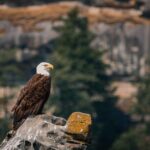
- bald eagles
…and sometimes other birds and marine life when conditions line up.
A practical note from how the experience is run: you can choose your view from inside or outside. That’s a big deal. If the wind picks up, you’re not stuck freezing for the whole trip. If the spotting action heats up, you can go outside for better ocean watching. The boat setup is built for that back-and-forth.
Also plan for salt spray. Ocean water can hit the boat at times, so if you’re bringing a camera or phone, keep it protected when you’re not actively shooting.
Aupe Church House village site: walking the land with context
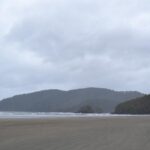
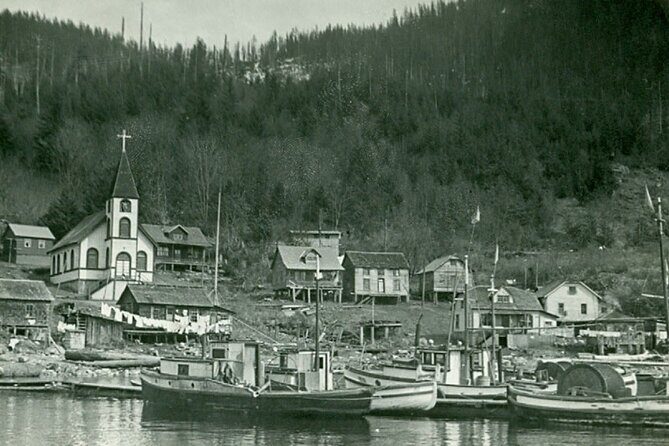
Aupe is the heart of the “Land” part of the tour, and it’s not presented as a generic stop. You head there along paths connected to the Homalco First Nation’s last village site area, with a guide explaining what you’re seeing.
Expect a guided walk past remnants of village buildings, then into the forest. The pace is not marathon mode, but it is outdoor walking on uneven ground. You should be ready for stairs and loose surfaces. Comfortable, sturdy footwear matters more than trendy shoes.
This is also where the tour earns its emotional weight. Guides share personal stories and teach you about community life tied to place. You may hear songs and see cultural elements demonstrated in a way that connects meaning to the landscape you’re standing in. In some experiences on this day, guests also talk about cedar weaving and tasting forest foods as part of the learning.
One reality check: Aupe can include areas that are under construction or being transformed. Some highlights still shine through, but don’t expect a perfectly packaged, finished museum setting.
If you want a single takeaway from the land portion, it’s this: you’re not just visiting a viewpoint. You’re visiting a living area of memory, education, and future planning, with the guide translating that into something you can understand in a few hours.
Wildlife spotting: how to maximize your chances without losing the story
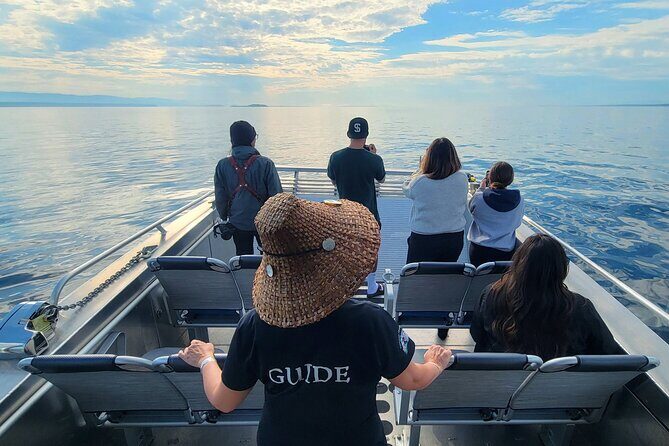
No whale tour can promise sightings, but this one is clearly built around serious scanning. The captain is looking for orcas, humpbacks, and dolphins, with sea lions and eagles as bonuses when you’re moving through the area.
Here’s what you can do to improve your odds:
- Stay flexible about where you sit. When you get a wildlife alert, move quickly to the side that gives the best view.
- Keep your camera ready but protected. Salt spray is real, and you don’t want your gear taking hits while you fumble.
- Pay attention during transit, not only when the boat slows. Some of the best moments happen before you think anything is happening.
The other half of the “maximize” strategy is mental. Don’t treat the guide’s stories like background noise. When the captain is concentrating on spotting, the guide will also keep you connected to why the location matters. If you follow both, you end up with a more memorable trip than a checklist of whales.
Comfort details that affect your day more than you think
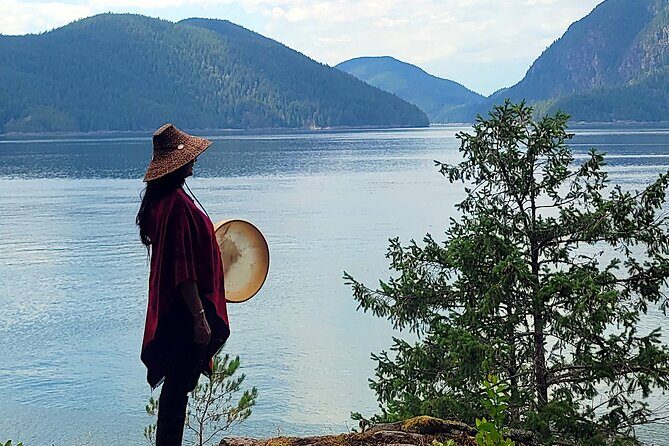
This tour has a lot going for it on paper, but the small comfort details are what keep it pleasant.
The boat is covered and heated. You’ll also find an indoor section with a washroom, plus outdoor seating for better spotting when the weather cooperates. In practice, that means you can manage comfort without missing whale-viewing time.
The team also offers warm drinks like coffee, tea, or hot chocolate. That sounds minor until you’re out on the water and the air cools down. Binoculars are available too, which is helpful if you want to see details without squinting the whole time.
Sound matters on boats. When you’re seated in certain positions while the vessel is moving, it can be harder to hear the guide. If you care about the cultural storytelling as much as the wildlife, try to pick a spot that gives you both view and clearer audio during the ride.
Guides and the value of learning from real people
The experience is powered by people—especially the First Nation guide. Multiple guides are part of this overall program, and names you may meet include Janet, Cassie, Mark, Guy, Wayne, Ron, and John (captain). The common thread is that the guide role is not just facts; it includes family context, personal experience, and songs that connect events and values to place.
That matters for value. A whale tour is fun even when it’s generic. A whale plus culture tour is more than entertainment; it changes how you interpret what you’re seeing. When the guide shares legends and history tied to Homalco territory, your whale sighting lands differently.
And because the company is 100% indigenous owned, the tone stays grounded. You’re not watching a performance for tourists. You’re learning from people who live with these stories and responsibilities.
Price and value: what $269.83 buys you in real life
At $269.83 per person, this is not a budget whale watching outing. But it also isn’t just paying for time on the water. You’re paying for:
- a covered, heated small-boat experience
- time with a captain actively searching for wildlife
- a First Nation guide sharing local legends, history, and cultural teachings
- a land visit at Aupe that includes outdoor walking and cultural elements
- a small group cap of 12, which usually improves the flow and attention you get
If you compare this to whale watching tours that focus only on spotting, the value here comes from the cultural layer and the land stop. If culture and context are important to you, that makes the price feel more justified. If your only goal is maximum whales per hour, you might find other tours cheaper—but you’d also be giving up the Homalco storytelling component that makes this day distinctive.
Who should book this, and who should think twice
This tour fits best if you want a balanced day: wildlife viewing plus meaningful storytelling, with a team that keeps both parts moving. It’s also a strong choice if you’re in Campbell River and want a high-impact half-day plan that isn’t just a quick stop.
You’ll likely enjoy it if:
- you want to see whales and orcas, not just marine scenery
- you appreciate learning from a First Nation guide
- you’re comfortable being outside for parts of the day
- you value small-group pacing
Think twice if:
- stairs and uneven ground are an issue for you (the requirement is walking 2–3 kilometers and climbing stairs)
- you want a totally low-mobility experience
- you’re extremely sensitive to boat movement and find outdoor wind or spray stressful
Should you book People, Water, Land in Campbell River?
If you’re torn between a basic whale watch and something more purposeful, this is the one I’d steer you toward. It combines a real wildlife outing with Homalco First Nation guidance, and the Aupe stop turns the afternoon into more than photos. The small group size, heated indoor space, and warm drinks help keep it comfortable, even when the weather is a little moody.
Just be honest with yourself about the walking and stairs. If that part is manageable, you’ll leave with both whale memories and cultural context tied to the land you visited.
If that sounds like your kind of day, go for it.
FAQ
How long is the People Water Land tour?
The tour runs for about 5 hours (approx.).
Where does the tour start and end?
It starts at 1003B Island Hwy, Campbell River, BC V9W, Canada, and ends back at the same meeting point.
What wildlife can I expect to look for?
The tour focuses on spotting humpback whales, orcas, dolphins, and sea lions, with bald eagles also mentioned as a possibility.
How big is the group?
The experience has a maximum of 12 travelers, which keeps it small and more personal.
Is the tour physically demanding?
You must be able to walk about 2–3 kilometers on uneven ground and climb stairs.
What is the cancellation and weather situation?
Free cancellation is available up to 24 hours in advance for a full refund. The tour requires good weather, and if it’s canceled due to poor weather, you’ll be offered a different date or a full refund.