REVIEW · TORONTO
Museum of Illusions Admission in Toronto
Book on Viator →Operated by Museum of Illusions · Bookable on Viator
Your eyes might file a complaint here. At the Museum of Illusions Toronto, you test perception through interactive exhibits that turn simple curiosity into hands-on problem solving. It’s an easy downtown stop that works well for families, couples, and anyone who likes goofy science.
I love how much is included: the admission ticket gives you access to all the exhibits, and it’s self-paced so you can linger where you’re having fun. I also really appreciate the human touch—staff are there to help with explanations and even picture-taking, and one visitor specifically called out a guide named Pragya for clear introductions in the rooms. The main drawback to consider is that the museum is small and popular, so peak time slots can feel crowded, which can make the experience feel rushed for the price.
In This Review
- Key things to know before you go
- Museum of Illusions Toronto: what the hour really feels like
- A self-guided museum works—if you use it right
- Price and time planning on Front Street
- How far ahead should you book?
- Your best strategy: time it like a local
- Getting in: where to redeem and how long it takes
- What’s included in your ticket
- Stop-by-stop: how to get the most out of your Museum of Illusions hour
- Step 1: arrive ready to follow instructions
- Step 2: hit the photo-friendly illusions first (then slow down)
- Step 3: do the hands-on puzzles instead of only taking pictures
- Step 4: don’t miss the “mind bending” showpieces
- Step 5: use staff help if you get stuck
- Staff support and the little tips that change everything
- Ask for help with photos and setup
- Read signage for directions
- Expect a small-room experience
- Who this is best for (and who may feel it’s too short)
- Families with kids
- Couples and friends
- Solo visitors
- When the price might feel steep
- Getting there and pairing it with your Toronto day
- Should you book Museum of Illusions Toronto?
- FAQ
- How long does the Museum of Illusions Toronto visit take?
- How much are tickets for the Museum of Illusions Toronto?
- What is included with admission?
- Where do I redeem my ticket?
- Is the visit self-guided?
- Do children need to be accompanied?
- What is the cancellation policy?
Key things to know before you go
- Book ahead if you want a smoother visit, since it’s consistently in demand
- Self-guided, on your schedule with an admission ticket that covers all exhibits
- Crowds can change the vibe in a small space, especially for photo-heavy installations
- Staff help is real with directions and picture-taking when you ask
- Read the signs—some illusions require following specific instructions to get the full effect
- Plan for a short visit; many people move through in about 30–60 minutes
Museum of Illusions Toronto: what the hour really feels like
The Museum of Illusions Toronto is the kind of attraction that sneaks up on you. You start off thinking it’s mostly a photo stop, then you hit an exhibit that makes you slow down because your brain is trying to “solve” what your eyes are seeing.
The core promise here is simple: nothing looks like it should. You’ll find optical illusions and brain-bending activities that ask you to notice details, repeat motions, or figure out why an outcome looks “wrong” until you understand the trick. It’s playful learning, but not in a stiff classroom way. If you like puzzles, you’ll likely have fun even if you’re not the type to obsess over museum labels.
You can also read our reviews of more museum experiences in Toronto



A self-guided museum works—if you use it right
Because this is a self-guided visit, you control the pace. That’s a big plus in Toronto, where you might be juggling a packed day. Want to go straight to the photo rooms? You can. Prefer hands-on puzzles and slower observation? Also fine.
Just know this: the museum layout is compact, so you can burn through it faster than you’d expect. Some visitors report quick passes around 30 minutes, while others take longer when they revisit favorites. That means your enjoyment depends on how you approach it: rush through and it can feel overpriced, slow down and it can feel like a satisfying mini-activity.
Price and time planning on Front Street

Tickets run $26.23 per person, and the visit is listed at about 1 hour. On paper, that looks straightforward. In real life, the value comes down to two questions: how much you enjoy repeating photo-worthy illusions, and whether you’re willing to wait your turn in busier periods.
Many people are drawn to the same standout setups (especially rooms and installations that are visually dramatic). If you hit a crowded time slot, you may find yourself bumped around or stuck in short lines. A few visitors even left because the flow felt chaotic. That’s not a dealbreaker for everyone, but it’s worth factoring in before you pick your entry time.
How far ahead should you book?
This attraction is popular enough that it’s typically booked about 7 days in advance. If you’re traveling during a holiday period or on a weekend, I’d treat that as your cue to lock in a time sooner rather than later. Booking early doesn’t just save stress at entry—it also improves your odds of getting a calmer slot.
Your best strategy: time it like a local
If you’re aiming for the best experience per dollar, choose a slot when you can take your time. In a small museum, crowding doesn’t just add noise—it can interrupt the “try again and see it differently” rhythm that makes the illusions work. If you’re traveling with kids, you’ll also want fewer interruptions so the energy stays positive.






Getting in: where to redeem and how long it takes

You’ll redeem tickets at Museum of Illusions Toronto, 132 Front St E, Toronto, ON M5A 1E2. This location is noted as being near public transportation, which matters in downtown Toronto where parking can be awkward and time-consuming.
The experience is also listed as private for your group. That sounds promising, but keep your expectations realistic: a small attraction can still be busy inside. What “private” usually helps with is how your group is handled at entry, not necessarily the number of people sharing the same small rooms at the same time.
What’s included in your ticket
Admission includes access to all exhibits. That’s the big value driver. You’re not paying an extra fee to try each installation, and you can move around freely during your visit window.
Food and drinks are not included, so plan to buy water elsewhere or bring along what’s allowed by the venue. If you’re doing this as part of a longer day in the Entertainment District area, it’s smart to eat before you go rather than assuming you’ll have time to stop afterward.
Stop-by-stop: how to get the most out of your Museum of Illusions hour

There’s one main stop here: your visit inside the Museum of Illusions Toronto. But within that stop, your experience gets better when you move with intention. Think of it like a short program with different “modes”: orientation, photo challenges, and hands-on problem solving.
Step 1: arrive ready to follow instructions
Start by taking a quick look around for signs and directions. One useful tip from visitors: the museum setups can require you to follow specific instructions to get the full mind-bending effect. If you skip the signage, you may end up frustrated because the illusion isn’t doing what you expected.
Even when the exhibit seems obvious, take 20 seconds to read the cues. It’s the difference between “cool picture” and “aha, I get why that happens.”
Step 2: hit the photo-friendly illusions first (then slow down)
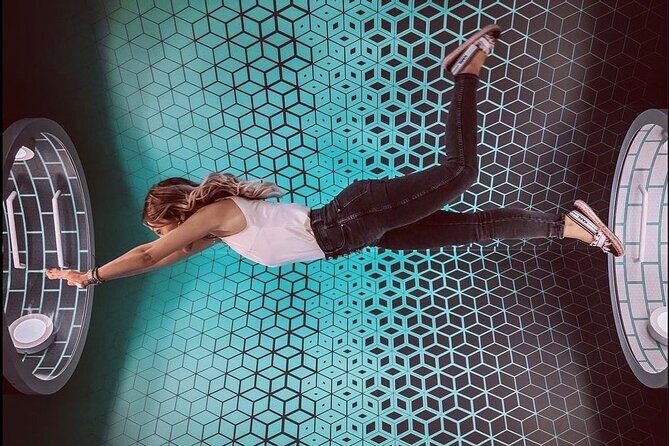
A lot of the enjoyment comes from rooms and installations that are perfect for photos, including setups like the infinity room and the tilted room. People consistently mention these as standouts, which makes sense: they visually communicate the illusion fast.
That said, photo rooms can bottleneck when it’s busy. If you arrive during a crowded window, I’d do a quick pass for the big photo moments first. Then, once the lines and pressure ease, you can return to the exhibits you want to experience more slowly.
Step 3: do the hands-on puzzles instead of only taking pictures
The museum isn’t only about optics. You’ll also find activities that feel more puzzle-like, including wooden puzzle-style challenges mentioned by visitors. These are the exhibits that tend to work better when you’re not rushed, because you can keep trying different approaches.
If you enjoy tinkering—turning something, aligning something, or solving by trial and error—you’ll probably feel like the hour stretches a bit longer in a good way.
Step 4: don’t miss the “mind bending” showpieces
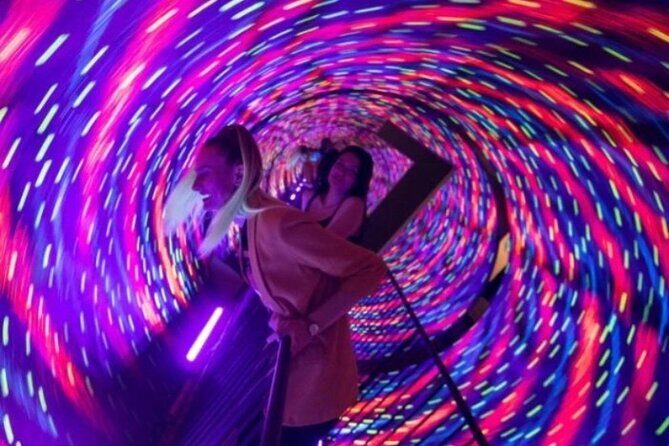
Some visitors highlight installations that feel like a full-on optical performance, such as a vortex tunnel and hologram-type displays. If you’re the kind of person who likes being surprised, these are the stops that deliver the wow factor quickly.
Again, crowding matters here. If you’re stuck waiting, it can break the spell. If the museum feels too busy in a given area, step away, do another exhibit, then come back when it clears.
Step 5: use staff help if you get stuck
One of the most practical advantages of this museum is that staff are friendly and helpful. Multiple visitors mention that staff explain exhibits and assist with picture-taking, and one named staff member—Pragya—was praised for clear introductions in the rooms.
If you’re confused, it’s absolutely worth asking. In a museum like this, your goal isn’t to “get everything perfectly,” it’s to understand enough to enjoy the trick and capture the moment.
Staff support and the little tips that change everything
Staff interactions can be the difference between a forgettable quick pass and a more satisfying experience. The museum’s exhibits are visual, and some are meant to be discovered through guidance or instructions.
Ask for help with photos and setup
It’s clear that picture-taking is a major part of why many people visit. Staff can help you position yourself or figure out how to get the shot without awkward guesswork. If you’re going as a couple or with friends, this matters because you might otherwise struggle to get the angle right while waiting for someone to take your photo.
Read signage for directions
A repeated practical point is this: some exhibits work best when you follow the directions on the signs. If you’re used to museums where you just look and learn, this is a different style. Treat it like an interactive experiment where the “how” matters.
Expect a small-room experience
Because the space is compact, you can run into discomfort when crowds hit. A few visitors noted body-odor issues during crowded times, likely because there’s not much ventilation. I can’t control the conditions, but you can choose your approach: aim for a less busy time slot and you’ll likely enjoy the experience more comfortably.
Who this is best for (and who may feel it’s too short)
This place is designed for broad appeal. The mix of puzzles, optical challenges, and photo moments makes it work for many groups.
Families with kids
For kids, the museum can feel like constant “try it, see it, wow.” A number of visitors specifically mention their children enjoying it. The key condition is that children must be accompanied by an adult, so plan on staying active with them rather than treating it like drop-off entertainment.
Couples and friends
If you go with someone who likes playful activities and photos, you’ll probably feel more value. Some exhibits are genuinely easier when you have someone to test angles, hold positions, or run through the steps together. People also mention that it’s easier when another person can take photos, so going solo can mean less fun unless staff help you out.
Solo visitors
Solo can still work. One visitor even described having a staff member spend time walking through the museum and taking photos, which can turn a solo visit into something more memorable. If you do go alone, be ready to ask staff for guidance or picture help so you’re not spending half your time struggling with self-timer angles.
When the price might feel steep
A handful of people felt the experience was not worth the cost, largely because it’s small and can be done quickly. Some report finishing in as little as 15 minutes. That’s the risk: if you walk through without slowing down for repeated favorites and hands-on puzzles, the value may feel thin compared with the ticket price.
Getting there and pairing it with your Toronto day
Because it’s at Front St E, you can often fit it between other downtown stops without a big commute. It’s also close to public transportation, so you can minimize transit friction and maximize time on the fun parts.
If you’re doing a Toronto weekend itinerary, consider adding it as a mid-day activity when indoor time helps. If you’re balancing kids and adults, this type of attraction can be a good “common ground” stop where everyone finds something to do.
A smart move is to treat it as a one-stop event: do the museum, then head out to eat. Since food and drinks aren’t included, you’ll appreciate having a plan for snacks or lunch nearby.
Should you book Museum of Illusions Toronto?
Book it if you want a short, playful, downtown activity where hands-on puzzles and photo-ready illusions keep the energy moving. I especially think it’s a good fit if you’re traveling with kids, going with friends who’ll help with photos, or you just like experimenting with how your brain interprets what you see.
Skip it or reconsider if you’re expecting a big, long museum experience. The main trade-off is time: the space can be finished quickly, and during crowded periods it can feel chaotic in a way that chips away at the fun. If you do book, pick a time you think will be calmer, and go in ready to read the signage and slow down where it counts.
FAQ
How long does the Museum of Illusions Toronto visit take?
The experience is listed at about 1 hour (approx.).
How much are tickets for the Museum of Illusions Toronto?
Tickets are priced at $26.23 per person.
What is included with admission?
Your admission includes access to all the exhibits. Drinks and food are not included.
Where do I redeem my ticket?
You redeem at Museum of Illusions Toronto, 132 Front St E, Toronto, ON M5A 1E2, Canada.
Is the visit self-guided?
Yes. You can visit on your own schedule with a self-guided tour.
Do children need to be accompanied?
Yes. Children must be accompanied by an adult.
What is the cancellation policy?
This experience is non-refundable and cannot be changed for any reason. If you cancel or request an amendment, the amount paid is not refunded.