REVIEW · LUNENBURG
Lunenburg: Zodiac Wildlife Tour with Naturalist Guide
Book on GetYourGuide →Operated by Expedition Nova Scotia · Bookable on GetYourGuide
Fast water, slow learning. On this 2-hour military-grade Zodiac ride along Nova Scotia’s Atlantic coastline, you get close to wildlife while your naturalist guide explains what’s going on in the ecosystem around you. It’s exciting, but one real consideration is that this tour isn’t set up for everyone: children under 6 aren’t suitable, and wheelchairs and strollers aren’t a good fit.
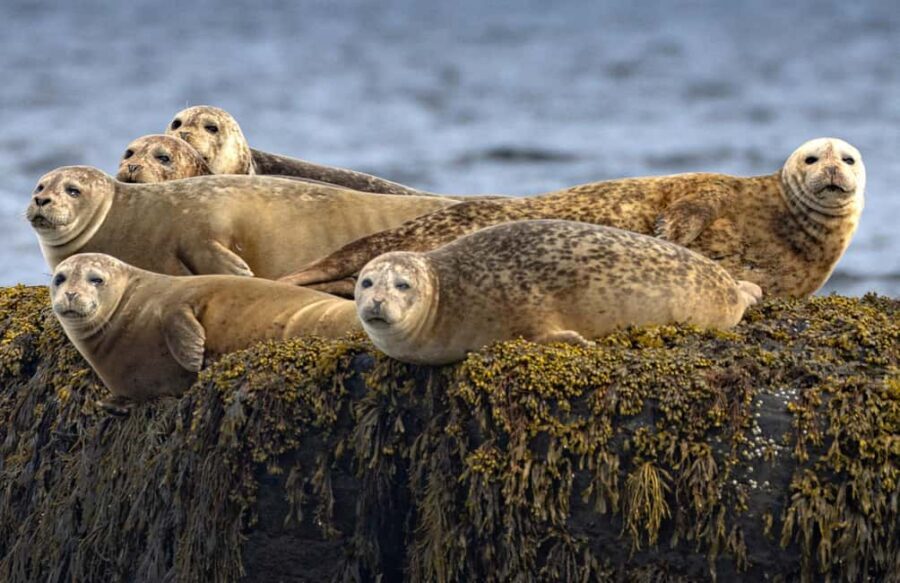
I also like how the experience aims for real wildlife viewing, not just looking at water. You can keep your eyes open for seals (grey and harbor), osprey, eagles, herons, mink, and deer, plus smaller birds that pop up when the timing and conditions line up. In a couple of cases, I’d expect a lot of birds in the scope and on the wing, guided by the kind of local focus you get from people like Jason and Deb.
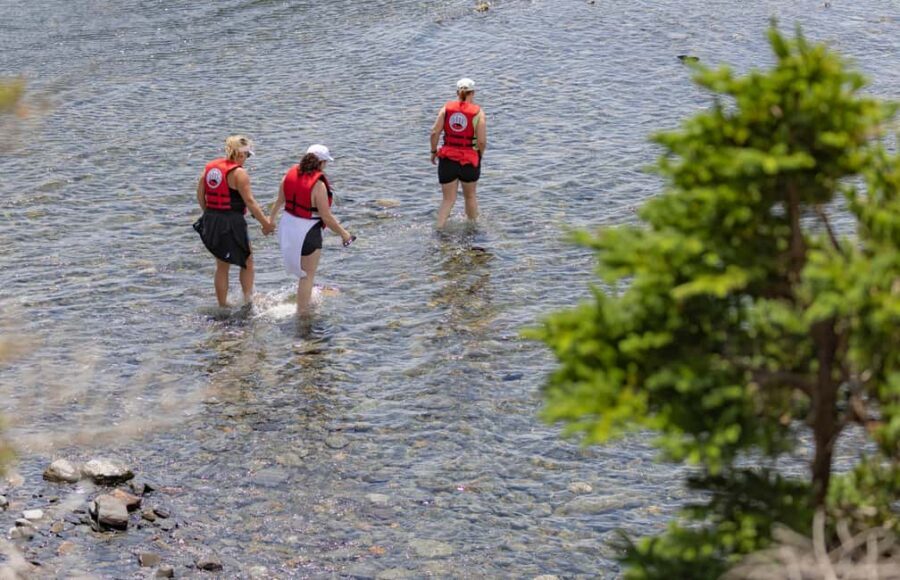
The setup is practical too. The tour departs and returns from the Expedition Nova Scotia wharf, about 10 minutes from UNESCO World Heritage Lunenburg, so you’re not burning the day on long transfers. Just plan to arrive 15 minutes early so you can sign the waiver and get fitted for a PFD (life jacket) before you head out.
In This Review
- Key highlights you’ll actually feel on this Zodiac ride
- Zodiac speed that still feels like wildlife watching
- Meeting near Lunenburg: wharf logistics that don’t waste your time
- The 2-hour wildlife route: what you’ll watch for along the Atlantic coast
- The naturalist angle: geology, ecosystems, and practical field thinking
- Wildlife etiquette: how the rules protect animals and your viewing
- What to bring: camera plus binoculars is the winning combo
- Photo tips for a fast-moving coastline
- Price and value: is $101 for 2 hours a fair deal?
- Who should book this Zodiac wildlife tour (and who shouldn’t)
- Getting the most out of your outing: timing, gear, and mindset
- Should you book? My straight answer
- FAQ
- How long is the Zodiac wildlife tour?
- Where does the tour start and end?
- What wildlife might I see?
- Do I need binoculars?
- What should I bring?
- What time should I arrive?
- Is this tour suitable for small children or wheelchairs?
- Are there rules about wildlife contact or feeding?
Key highlights you’ll actually feel on this Zodiac ride
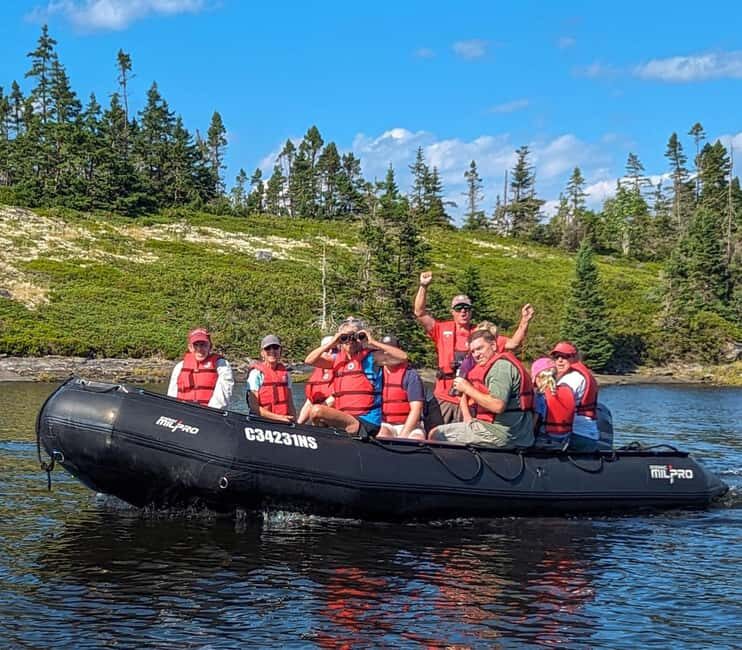
- Expedition Nova Scotia’s expedition-style Zodiac for active, coastline-hugging wildlife spotting
- Naturalist-led interpretation of flora, fauna, and even the geology you’re passing
- Real chances at seals and seabirds plus mink and deer when the coastline delivers
- A quieter stretch of coast away from the main tourist lanes
- Photo-friendly moments with binoculars encouraged and camera time built into the route
Zodiac speed that still feels like wildlife watching
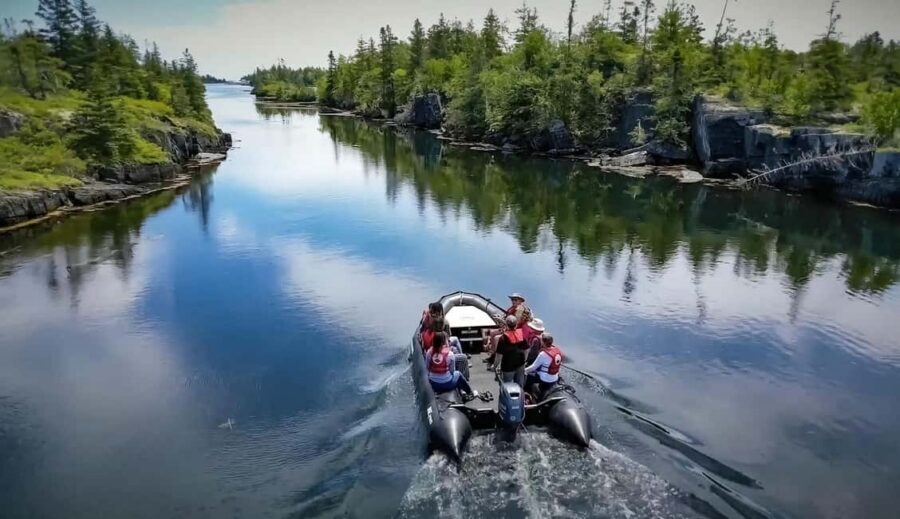
This isn’t a slow sightseeing cruise. You’re on a Zodiac expedition vessel, the kind designed for getting out along the coast and staying responsive when wildlife shows up. The payoff is that you’re not stuck staring from far away; you’re positioned to watch behavior, not just count sightings.
At the same time, the goal isn’t thrill for thrill’s sake. The ride works best when you settle into a rhythm: scanner eyes on the waterline, then a quick check upward for birds. With a naturalist guiding, that scanning becomes purposeful instead of random.
If you’re the type who likes wildlife but dislikes tours that feel like a checkbox, this format makes more sense. The coastline moves past you quickly, yet you pause long enough for the guide to point out what matters.
You can also read our reviews of more tours and experiences in Lunenburg.
Meeting near Lunenburg: wharf logistics that don’t waste your time
You start and end at the Expedition Nova Scotia wharf, located about 10 minutes from the UNESCO World Heritage town of Lunenburg. That short distance matters. You can keep your day flexible, grab food in town before or after, and avoid the feeling of losing half the outing to commuting.
Plan your arrival with care. The tour asks you to get there 15 minutes early so you can complete a waiver and get fitted for your PFD. That’s not just admin; it’s part of safety and comfort when you’re heading out on open water.
Also note what the tour does and doesn’t allow. Smoking and intoxication aren’t permitted, and you can’t bring drinks in the vehicle. In plain terms: this tends to feel more like an outdoor program than a casual party ride.
The 2-hour wildlife route: what you’ll watch for along the Atlantic coast
The entire experience runs about 2 hours, and during that time you’ll be cruising the Atlantic coastline in search of animals using natural, coastal viewing points. You won’t get a scripted “at 10:12 we’ll see X” promise, but the targets are clear.
Here’s the wildlife list to anchor your expectations:
- Seals (including grey and harbor seals)
- Seabirds and raptors like osprey, eagles, herons, and eagles in season
- Smaller coastal birds you might catch at the right moment, such as arctic terns, gulls, and plovers
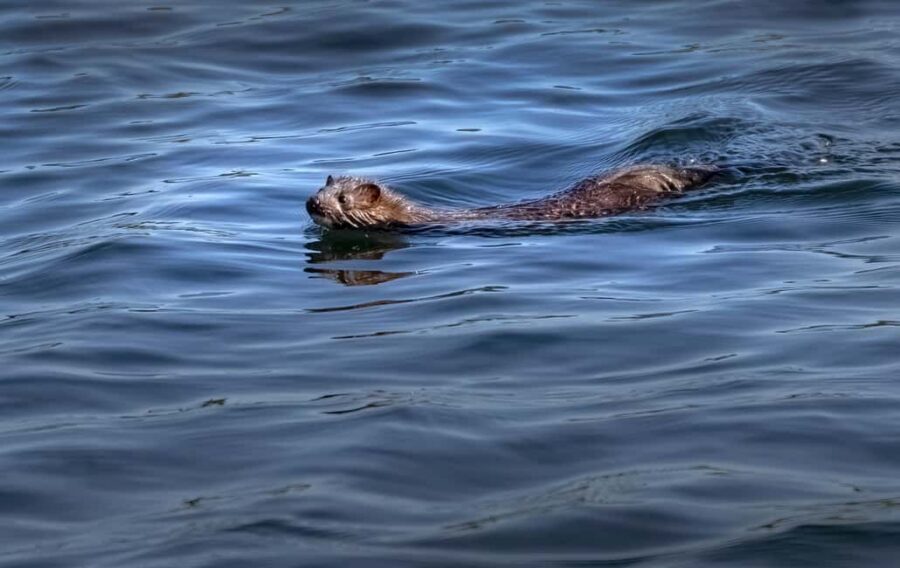
- Mink along the edges of suitable habitat
- Deer in coastal areas where they access water or browse
What makes this feel special is not just the variety. It’s the chance to see animals in natural rhythms: seals resting or moving between haul-out areas, birds reacting to shoreline currents and prey movement, and mammals appearing when the ecosystem supports them.
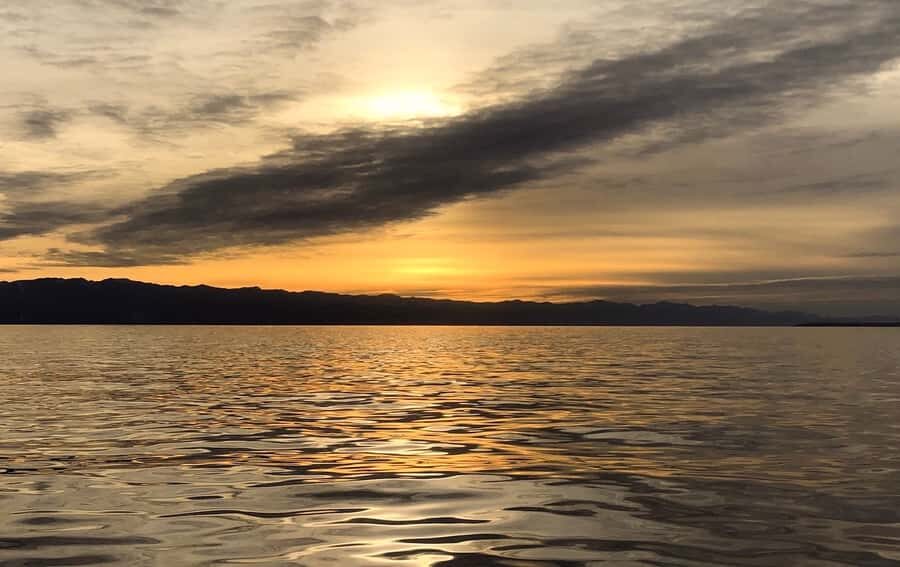
You should also expect the route to focus on a pristine stretch of coastline away from the tourist tracks. That usually means less human noise and more natural behavior you can watch with your binoculars.
The naturalist angle: geology, ecosystems, and practical field thinking
What sets a naturalist-led wildlife tour apart is how the sightings connect. On this one, your guide talks about the ecosystem and also adds the sort of local geology context that makes the coastline feel “readable.”
In fact, guides Jason and Deb are noted for connecting what you see on the water to the landforms. They’ll point out how the rock formations and island-building processes shape what lives where. That matters for you because it changes how you look.
Instead of seeing a shoreline as scenery, you start seeing it as habitat:
- where birds forage,
- where marine life tends to surface or rest,
- and why certain areas hold more activity than others.
You’ll also hear about flora and fauna along the route. Even if you’re not a plant person, it’s helpful. It turns what could be “pretty greenery” into clues about the coastal environment and seasonal patterns.
Wildlife etiquette: how the rules protect animals and your viewing
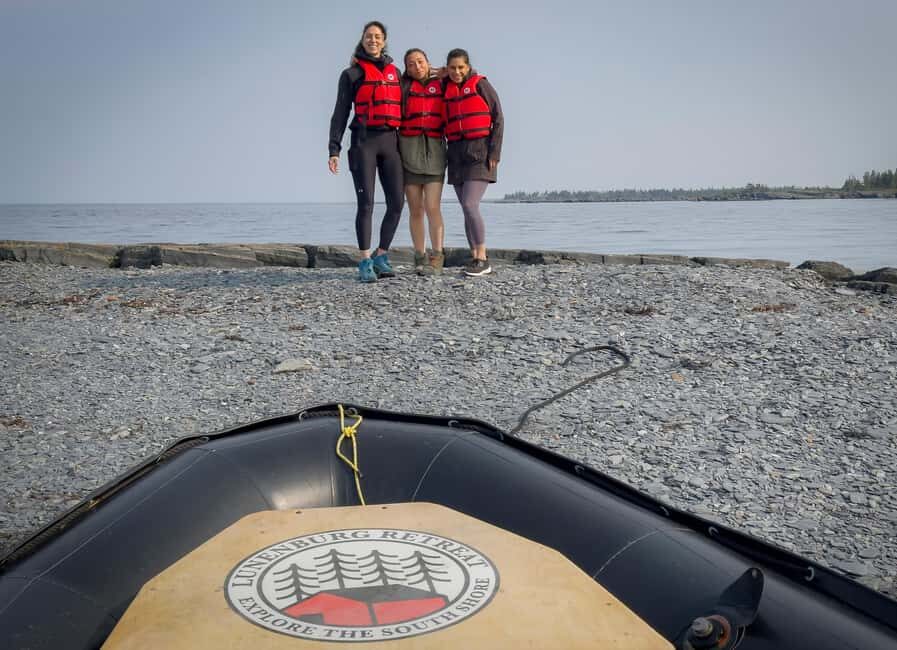
This tour is built around safe, respectful viewing, and the rules are straightforward. Feeding animals isn’t allowed, and you also can’t touch animals or touch marine life. That protects wildlife from stress and protects you from the muddy mix of curiosity and risk.
There’s also a clear no-fishing policy, and no making fires. You’re here to observe, not to interact.
It’s also worth thinking about your behavior even beyond the written rules. If you spot wildlife, you’ll want to keep your stance stable and let the guide manage the moment. With a Zodiac, sudden movements can create noise and spray that animals don’t need.
If you want that “wow, we’re really here” feeling, etiquette is part of the deal. Calm viewing often gets you more time with the animals rather than less.
What to bring: camera plus binoculars is the winning combo
The tour guidance is simple: bring a camera, sunscreen, and binoculars. If you only bring one thing besides your phone, make it binoculars. Birds and smaller mammals are easier to read when you can zoom in without leaning too far forward.
Sunscreen is practical here, even if conditions aren’t blazing hot. Open water and coastal wind can trick you into thinking you’re fine until later.
Camera strategy helps too. When wildlife appears, you’ll need quick focus and quick framing. You’ll get better results if you’re ready before the guide calls out the sighting rather than fumbling with menus mid-moment.
Photo tips for a fast-moving coastline
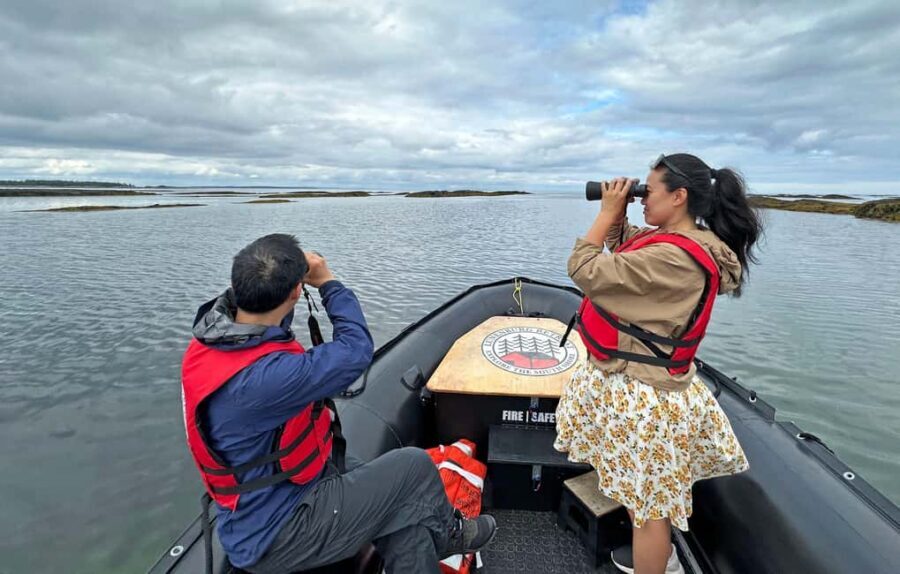
Zodiac rides come with motion, and wildlife doesn’t always cooperate for long. So treat photos as a mix of patience and speed.
A few practical habits that work well on open-water wildlife tours:
- Keep your camera settings simple. If you rely on a complicated mode, you’ll lose moments.
- Use binoculars first, then switch to the camera once you know what you’re aiming at.
- Take a few wider shots of the coastline too. Even when the animals are small in frame, the Atlantic view often becomes the best memory.
If you’re photographing birds, remember that the moment they lift or pivot can change everything. Focus quickly, then be ready to reframe.
And don’t forget the end of the outing can bring a nice break. One highlight from past guests is that there are drinks and snacks at the end, a small comfort after time in wind and spray.
Price and value: is $101 for 2 hours a fair deal?
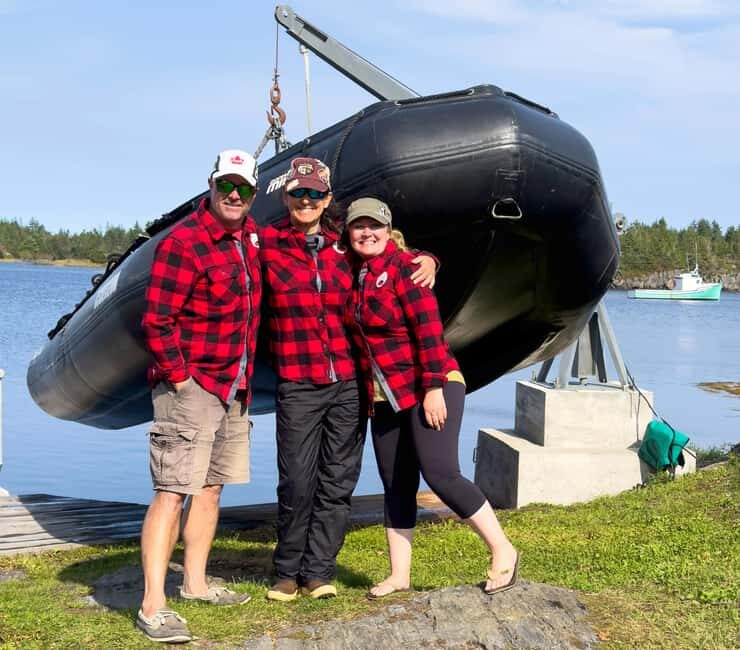
At $101 per person for a 2-hour guided ride, the value comes down to what you get for that time: active transportation, a naturalist guide, and a route designed for wildlife spotting rather than just scenic cruising.
You’re paying for three things that many lower-cost tours don’t fully deliver:
- The expedition-style Zodiac that can get you into better viewing positions along the coast
- The naturalist interpretation that turns sightings into understanding
- The focus on a wildlife-rich stretch of coastline rather than just views from the same main drag
Add in the practical extras that guests note, like drinks and snacks at the end, and the tour feels more like a complete field outing than a quick cruise.
If wildlife is your priority, this price is easier to justify. If you’re purely chasing a relaxed boat ride with zero scanning, you might find it more effort than you expected.
Who should book this Zodiac wildlife tour (and who shouldn’t)
This tour is a great match if you:
- like wildlife viewing and can handle a bit of scanning and movement,
- want an outdoor guide who explains both ecosystems and how the coastline was formed,
- enjoy a faster pace that still feels structured.
It may not be a good fit if you:
- need a wheelchair (wheelchair users aren’t suitable),
- are traveling with children under 6,
- need to bring a stroller (baby strollers aren’t allowed),
- or have difficulty doing the basic steps involved in boarding and fitting a PFD.
Age limits also matter. The experience lists people over 95 years as not suitable. That’s one of those “don’t gamble” items; it’s safer to choose a different format.
Getting the most out of your outing: timing, gear, and mindset
To make this tour pay off, show up ready. Arrive early for the PFD, bring binoculars, and keep your phone charged if you’re using it as a camera backup.
Then switch your mindset. Wildlife spotting is a waiting game, even when you’re moving fast. The best moments usually come when you stop hunting for one species and start watching how the ecosystem is behaving right then.
If you keep your eyes moving—waterline first, then birds, then the guide’s pointers—you’ll feel like you’re participating instead of observing from the sidelines.
Should you book? My straight answer
Book this Zodiac wildlife tour if you want a hands-on, naturalist-guided ride along Nova Scotia’s Atlantic coast and you’re excited by the chance of seals, seabirds, and even mink or deer. The short duration works in your favor, and the interpretation turns wildlife into something you understand, not just something you saw.
Skip it if you’re traveling with a small child under 6, need wheelchair access, or you’re counting on strollers. Also skip it if you want a totally relaxed boat ride with no scanning and no outdoor prep.
If your goal is real wildlife viewing near Lunenburg without spending your whole day in transit, this is the kind of tour that earns its price.
FAQ
How long is the Zodiac wildlife tour?
It lasts 2 hours.
Where does the tour start and end?
It starts and ends from the Expedition Nova Scotia wharf, about 10 minutes from the UNESCO World Heritage town of Lunenburg.
What wildlife might I see?
You’ll look for seals, osprey, eagles, herons, mink, and deer, depending on conditions. Past outings also mention species like arctic terns, gulls, and plovers.
Do I need binoculars?
Binoculars are recommended and are listed as something to bring, which helps for wildlife spotting.
What should I bring?
Bring a camera, sunscreen, and binoculars.
What time should I arrive?
Arrive 15 minutes before the scheduled tour time to sign the waiver and get fitted for a PFD.
Is this tour suitable for small children or wheelchairs?
No. Children under 6 aren’t suitable, and wheelchair users aren’t suitable.
Are there rules about wildlife contact or feeding?
Yes. Feeding animals is not allowed, and touching animals or touching marine life is not allowed.