Toronto’s best stories are on foot. This 3-hour walk pairs Kensington Market with Chinatown, guided by a local who connects streets to the people who shaped them. I love the included coffee or tea stop at a locally owned café, and I also like how the guide turns what you see (murals, shopfronts, food) into something you actually understand.
The main thing to consider is that it’s still a walking tour, so you’ll want comfy shoes and a little patience if you’re hoping for slow browsing or long detours. Also, while food and drink are partially covered, you may still want to budget for any extra bites beyond the included snack.
In This Review
- Key highlights at a glance
- Why Kensington Market and Chinatown work so well together
- Meet your local guide: stories, tips, and fast connection
- Kensington Market: murals, vintage shops, and coffee with a point
- The snack stop: how to eat locally without a food-walk overload
- Chinatown beyond the obvious: huge in scale, strong in meaning
- Price and value: what $57 buys you (and what it doesn’t)
- Eco-friendly and responsibly run in real terms
- Practical tips so you enjoy every minute
- Who this tour suits best
- Should you book this Hidden Toronto walk?
Key highlights at a glance
- Small group pace (max 12) keeps the experience personal and interactive
- Kensington murals and vintage streets come with stories, not just photos
- Coffee or tea included at a local café tied to the area’s immigrant history
- Chinatown context beyond the tourist route, plus practical restaurant tips
- Local impact focus: stops are 100% locally owned businesses
- Carbon-neutral tour run by a certified B Corp (responsible tourism built in)
Why Kensington Market and Chinatown work so well together
These two neighborhoods sit close enough that you can connect them in one outing, but they feel worlds apart in character. Kensington Market tends to feel like a creative spillway—shop windows, street art, and people lingering. Chinatown adds structure: bigger signage, busy streets, and a strong sense of community you can feel even before you read anything.
The value of this pairing is how the tour teaches you to look. You don’t just see food and color—you learn why communities formed where they did, and how that history still shows up in everyday choices like what people eat, what businesses survive, and what gets painted on a wall.
Also, the timing is realistic. Three hours is enough to get your bearings without turning your day into a workout marathon.
You can also read our reviews of more walking tours in Toronto

Meet your local guide: stories, tips, and fast connection
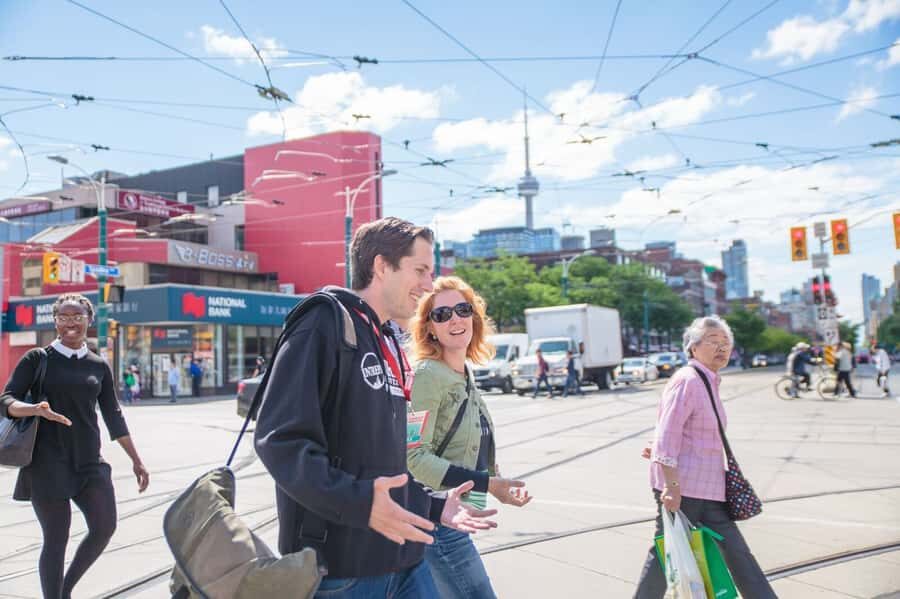
This tour is built for conversation. You’ll walk with an English-speaking local guide, and the best part is how they make you feel like you’re in the neighborhood with someone who cares. In past groups, guides like Robert and Jackie have been praised for connecting quickly and tailoring the pace to the people in front of them.
You’ll hear facts and follow-up context, not just a list of landmarks. One standout theme from the experience: guides have their information lined up well, and they can explain how Kensington Market and Chinatown changed over time, then point you to what you can do next.
If you get a guide like Sam, expect an interactive vibe—people describe the tour as fun and engaging. And if you travel with a baby or need a flexible moment, guides have also been noted for being willing to adjust timing (like Mike handling a 7-month-old feeding schedule). That kind of practical care matters on a walking tour.
Kensington Market: murals, vintage shops, and coffee with a point
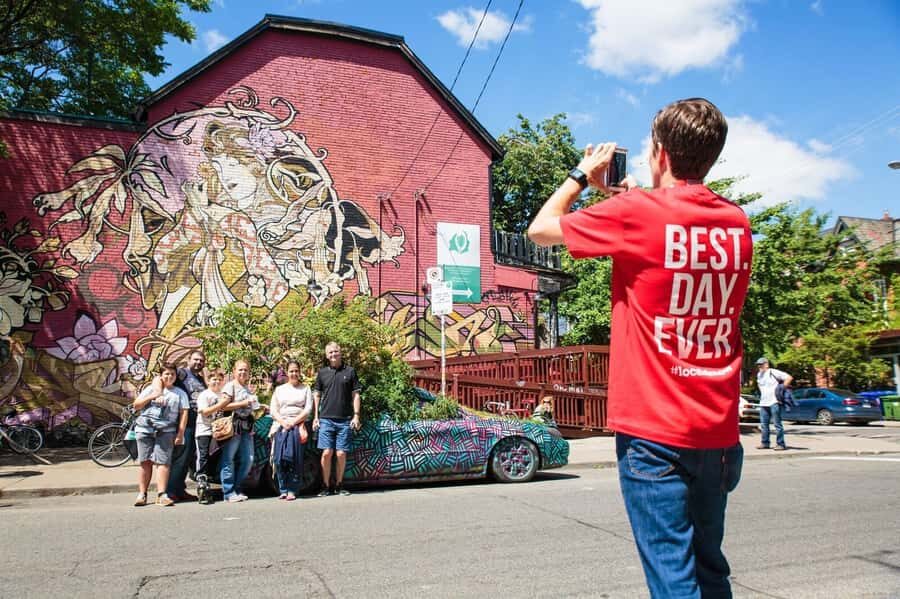
Kensington Market is the part of Toronto that feels like it runs on small places and big personality. On this tour, you’ll spend time getting oriented—then you’ll start noticing the details you’d miss if you were rushing through on your own.
The walk includes stops that highlight the area’s immigrant story. At the included café stop, you’ll sip coffee or tea and hear how different waves of communities shaped Kensington Market’s bohemian charm. You’re not just drinking something warm—you’re learning how a neighborhood becomes a neighborhood.
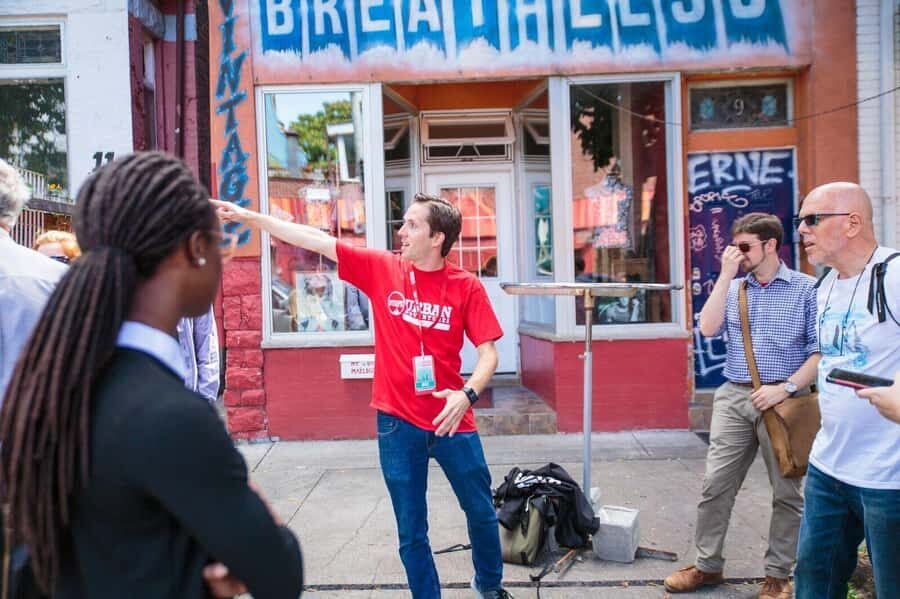
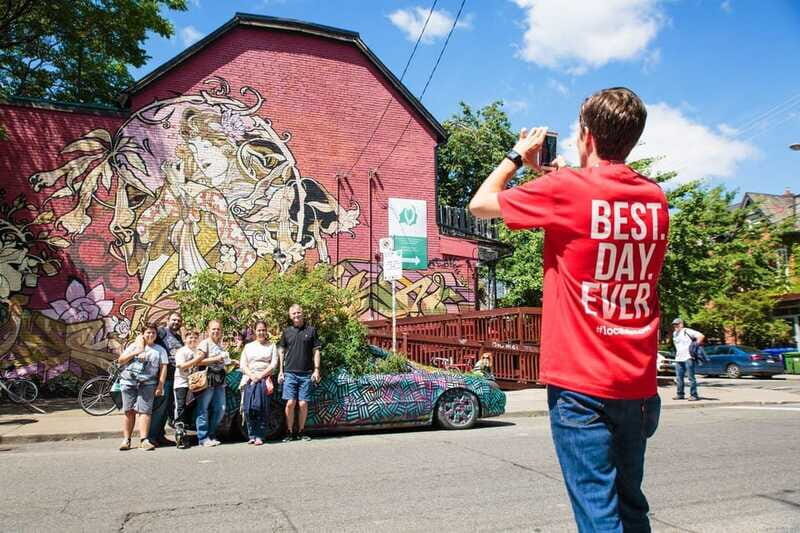
Then comes the visual storytelling. You’ll stroll past murals and graffiti-covered walls, and the guide will share the stories behind the art. That’s a big reason this works: street art isn’t treated as decoration. It’s treated as commentary—about identity, community, and change.
You’ll also have time to browse vintage shops. The tour won’t force you to buy anything, but it gives you enough rhythm to step inside a shop or two if something catches your eye. If you love texture—signage, hand-painted details, the slightly scrappy charm—this is where you’ll feel it.
The snack stop: how to eat locally without a food-walk overload
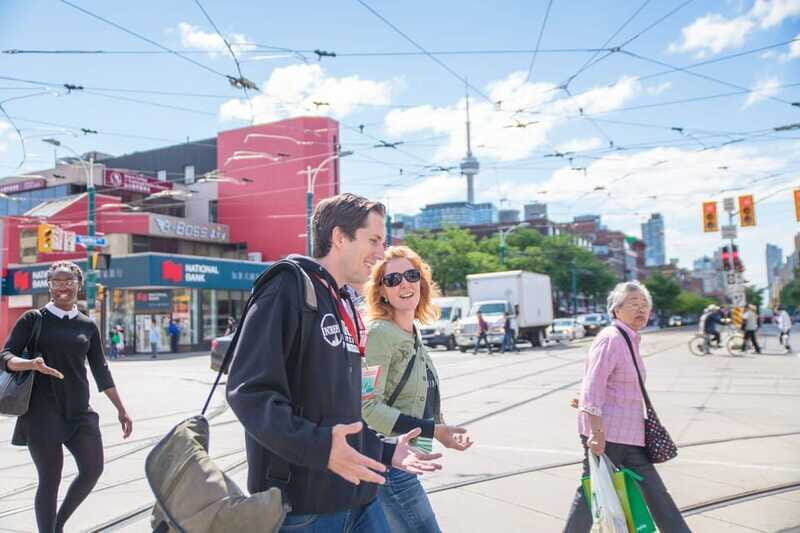
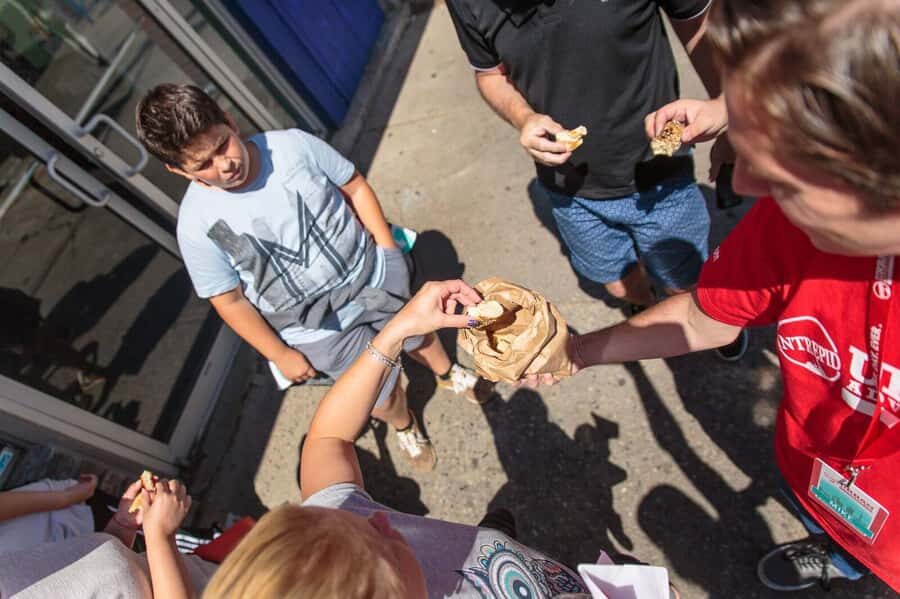
This tour includes a snack from a local food vendor in Kensington Market. That’s a smart setup: you get a taste of the neighborhood flavor without trying to turn three hours into a full meal plan.
Here’s how I think about this kind of included tasting. If you’re arriving hungry, the snack can keep you from spiraling into tourist-price desperation later. And if you’re already fed, it still works because you’ll want a quick sample after the walking and story time.
A practical tip: since the snack is included but additional food and drink aren’t, you should decide early how you’ll handle lunch. If your stomach tends to take over, plan to keep your extra spending small—grab a drink only if you still feel good.
Chinatown beyond the obvious: huge in scale, strong in meaning
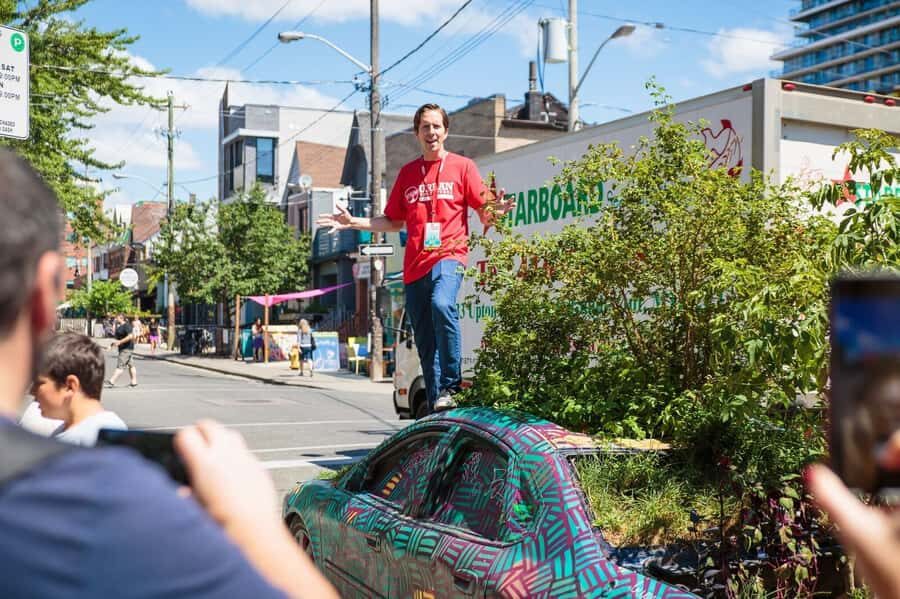
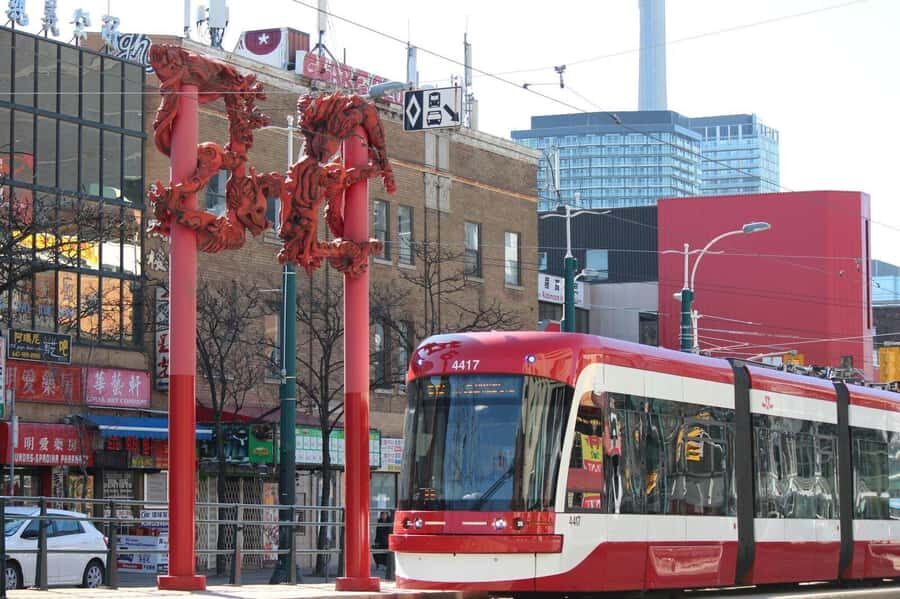
Chinatown in Toronto is one of the largest in North America, and you’ll feel that scale immediately. Streets get louder, signage gets denser, and there’s an ease to the flow of people that suggests this isn’t just a destination—it’s a working community.
This part of the tour is where the guide’s story-telling really earns its keep. Instead of treating Chinatown like a checklist, the tour focuses on heritage and what day-to-day life looks like. You’ll learn enough context to understand why the food scene and business mix feel the way they do.
There’s also a practical side: your guide will share restaurant tips for later. I like that approach because it helps you move beyond the basics. You’ll walk away with specific ideas that match your tastes, rather than random recommendations.
You’ll likely notice that Chinatown can feel overwhelming if you don’t know what to look for. This tour helps you read the neighborhood—what’s central, what’s casual, and what’s worth circling back to after your walking loop ends.
You can also read our reviews of more shopping tours in Toronto


Price and value: what $57 buys you (and what it doesn’t)
$57 for a 3-hour, guided, small-group walking tour is a fair value when you look at what’s included. You’re paying for more than direction—you’re paying for context, which is what turns neighborhoods from scenery into experience.
In the price, you get:
- guided walking tour through Kensington Market and Chinatown
- an English-speaking local guide
- coffee or tea at a local café
- a snack from a local food vendor
- local impact from 100% locally owned business stops
What’s not included is additional food and drink. That’s normal, and it’s also useful—you can follow your own cravings instead of getting pushed into someone else’s set menu.
If you’re trying to maximize learning per hour in Toronto, a tour like this tends to win. You get the orientation you’d otherwise need to piece together with a map and a stack of tabs on your phone.
Eco-friendly and responsibly run in real terms
This tour is described as carbon neutral and run by a certified B Corp, which matters because it’s not just marketing. The tour framework is designed around responsible tourism, and the “local impact” piece means your money stays with locally owned businesses at the stops.
That matters on a walking itinerary. You’re not shipping in a busload of people and moving on. You’re supporting the kinds of places you came to experience—cafés, food vendors, and shops that rely on foot traffic and neighborhood loyalty.
Practical tips so you enjoy every minute
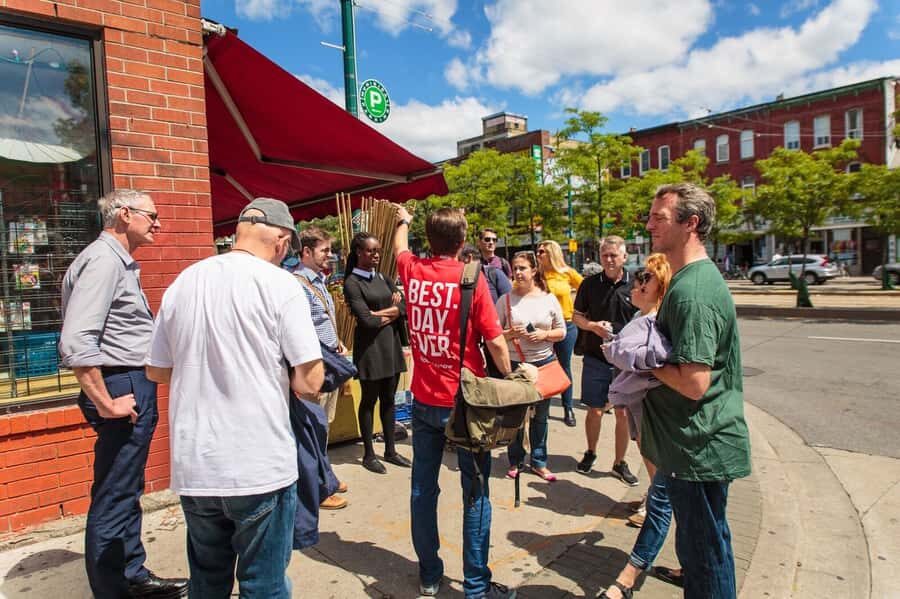
Wear comfortable shoes. You’re walking through two neighborhoods and you’ll want your feet to feel good enough to pause, look around, and step into a store if it catches your attention.
Timing helps too. The tour is usually available in the morning, which can be a perk if you want the neighborhoods fresh and not fully cooked by the afternoon heat.
Group size is max 12, so expect a personal feel. That also means the guide can adjust based on the flow of the group. It’s the kind of setup where you can ask questions and get answers that actually fit what you care about.
Meeting point may vary depending on the option booked, so double-check details before you head out. And since the guide runs the tour in English, it’s best if that’s comfortable for you.
Kids aged 6 to 11 are welcome, as long as they’re ready for walking and exploration.
Who this tour suits best
This is ideal if you want Toronto without the “only take photos at the famous spot” feeling. It’s also great for first-timers who want fast orientation, since you’ll learn what makes Kensington Market and Chinatown tick and get practical ideas for later meals.
If you love street art and local food culture, you’ll get plenty to look at and plenty to understand. If you’re more detail-oriented, the history and community context will keep you interested even when you’re just standing on a sidewalk.
And if you’re the type who prefers small-group experiences over big bus tours, this fits that style cleanly.
Should you book this Hidden Toronto walk?
Yes—if your goal is to understand Toronto at neighborhood speed. The combination of small group, a real local guide, included café coffee or tea, and a snack makes the timing feel efficient. You also get restaurant tips for later, which helps the tour pay off beyond the three hours.
Skip it only if you hate walking or you’re hoping for a long, unstructured shopping spree. This is a guided loop with stops that matter; it’s not built for drifting for hours on end.
If you want a smart way to spend a morning and leave with both ideas and context, this is an easy pick.