REVIEW · BANFF
Half Day Heart Creek Canyon – Near Banff & Canmore- For Beginners
Book on Viator →Operated by Banff Canyoning · Bookable on Viator
Rope, water, and big laughs in Alberta. I love the beginner-friendly way you build rappel skills before you get fully wet, and I love the pay-off of an 18-meter waterfall plus fun rock slides at the end. The main drawback to plan for: you must wear the right wet-ready footwear and be ready to hike with a pack (about 3.5 km uphill).
This is a small-group canyoning trip (max 12), and it’s set up so you’re busy the whole time—guided, geared up, and moving through a real canyon system near Banff and Canmore. One more practical win: key safety gear is included, so you can show up and focus on the experience (not shopping for gear).
In This Review
- Quick hits before you go
- Heart Creek Canyon near Banff: what the day feels like
- Price and what you get for about $146
- Getting started: meeting at Heart Creek Trail Head
- The rappel workshop: your confidence ramp
- Upper section vs. lower section: where the day gets real
- The 18-meter waterfall and the finishing slides
- Gear and what to bring: how not to ruin a good day
- Timing, group size, and why it matters for beginners
- Fitness check: hiking 3.5 km uphill with your backpack
- Getting from Canmore or Banff: plan for the last mile
- Weather reality near the Rockies
- Who should book this (and who should skip it)
- Should you book Half Day Heart Creek Canyon?
- FAQ
- How long is the Half Day Heart Creek Canyon tour?
- Is this tour really for beginners?
- What gear is included?
- What should I bring with me?
- What footwear is required, and what isn’t allowed?
- What are the age and size limits?
- How many people are in a group?
- What if the weather is bad or I need to cancel?
Quick hits before you go
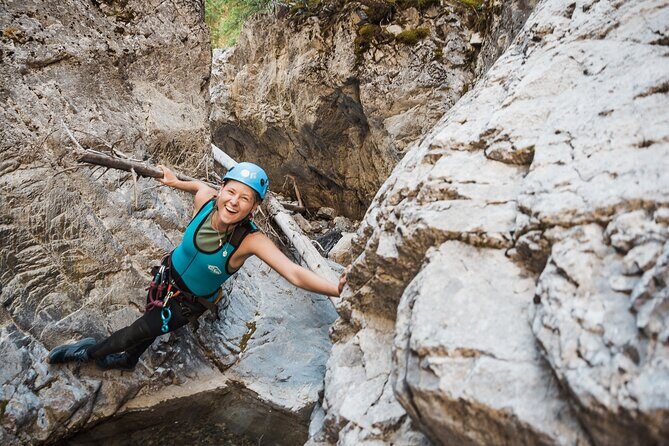
- Skills first, then action: You start with a guided rappel workshop before entering the wetter, tougher section.
- 18-meter waterfall moment: The last canyon section brings a major highlight and a real sense of achievement.
- High-quality canyon gear included: Wetsuit, harness, helmet, plus a drybag to keep essentials safer.
- Small groups help you learn: With up to 12 people, the guide can coach you more closely (and keep the pace sensible).
- Footwear rules are strict: Closed shoes are required; water shoes and Keen-style sandals won’t be accepted.
Heart Creek Canyon near Banff: what the day feels like
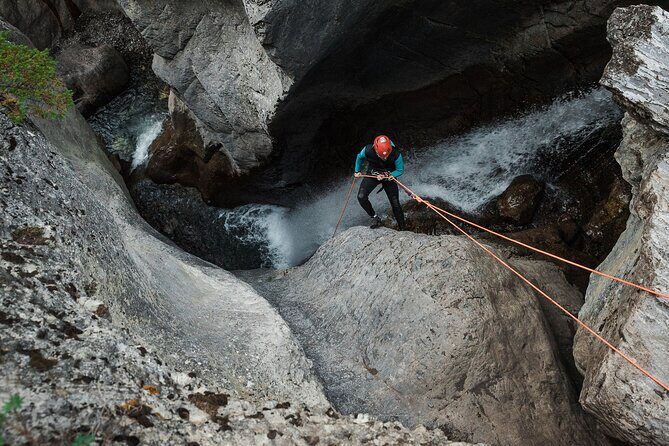
If you’ve never done canyoning, this is the kind of active outing that makes you feel capable by the end. You’re not just watching other people rappel. You practice rope skills, then you put them to use through a sequence of drops, pools, and slides.
The “half day” framing is also accurate in spirit. You’re out for about 4 to 5 hours, and the time is used well: safety briefing, hike in, rappel instruction, canyon time, then you slide and hike back out.
It’s also a nice option if you’re based around Banff or Canmore and want a real Rockies activity without committing to an all-day wilderness marathon.
You can also read our reviews of more tours and experiences in Banff.



Price and what you get for about $146
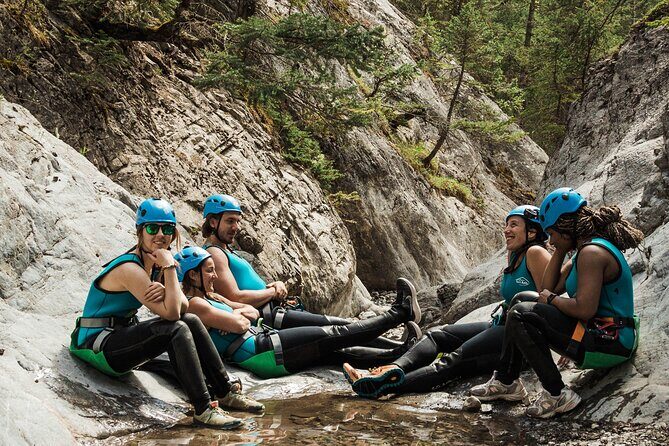
At $146.37 per person for roughly 4 to 5 hours, the value is mostly in what’s included: a fully certified canyoning guide and the core gear you need to be on rope.
You get:
- A certified, experienced canyoning guide
- Wetsuit, harness, helmet, and drybag
What’s extra (and easy to forget until you’re packing):
- Bathing suit & towel (you’ll want both for dressing/changing)
- Snacks and water, since you’ll be hiking and moving
- Fully closed footwear that can get wet (your choice, but it must meet the rules)
- Parking fees: CA$15.00 per booking
When I look at the price vs. the included gear and guide time, it’s the kind of cost that makes sense for a beginner. You’re paying for risk-managed instruction and proper equipment, not just scenery.
Getting started: meeting at Heart Creek Trail Head
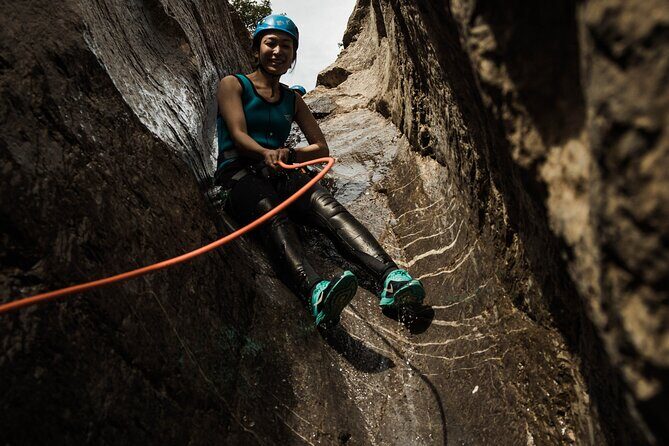
You meet at the Heart Creek Trail Head (parking lot area). Expect a mandatory safety briefing right away. This isn’t the “sit and listen forever” kind of briefing—you’ll get the rules you need for the day and then you’ll be moving.
From there, you’ll hike for about 45 minutes from the parking area to reach the canyon. This isn’t a flat stroll. You’ll also be required to carry a backpack and hike uphill for 3.5 km, so treat this hike like part of the activity.
One thing I appreciate about a first hike like this: it gets your legs working before you’re asked to do anything technical. It also lets you settle in and get your bearings before you climb onto rope.
The rappel workshop: your confidence ramp
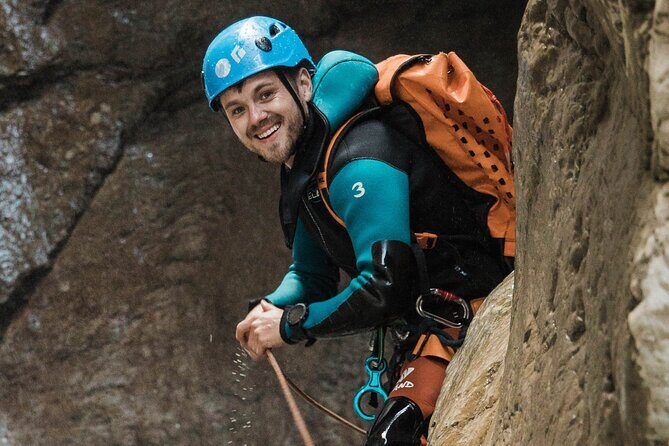
This tour is designed for beginners, and that shows in the order of operations. Before you enter the main canyon drops, you’ll do a rappel workshop where you practice basic rope skills.
Here’s the key: it’s coached, not tossed at you. One guide might walk you through technique and safety checks. Another might slow you down until you feel comfortable with control and positioning.
You’ll also see different guide styles from the same company. In past groups, guides such as Jack, Juan, Guillaume, and Olivia have been praised for being friendly, knowledgeable, patient, and encouraging. That matters because canyoning is equal parts physical effort and mental comfort.
Practical tip: during the workshop, ask any “what if” questions you’re thinking. If you’re unsure about how you’ll move or hold yourself during a rappel, this is the moment to get it sorted.
Upper section vs. lower section: where the day gets real
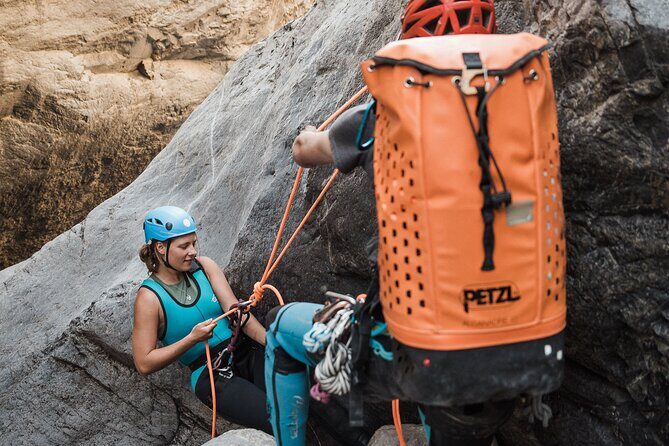
Once you’re in the canyon, conditions can change—especially in the upper section, which can be relatively dry depending on current conditions. That’s a great setup for practice: you can rappel and take in the scenery while you’re still getting warmed up.
Then comes the transition into the lower section, where you’ll get wet. This is where the canyoning vibe shifts from learning to doing.
The waterfall highlight hits in the lower section, and it’s the big “wow, we’re really here” moment. After that, the route continues with fun drops and slides that keep the energy up.
If you’re nervous about getting cold, it helps to know the team plans for weather swings. One group reported that after heavy rain right before their meeting time, the guides brought dry suits instead of wet suits so they stayed comfortable. You should still assume you’ll be wet, but you can feel better knowing they adjust equipment when conditions demand it.


The 18-meter waterfall and the finishing slides
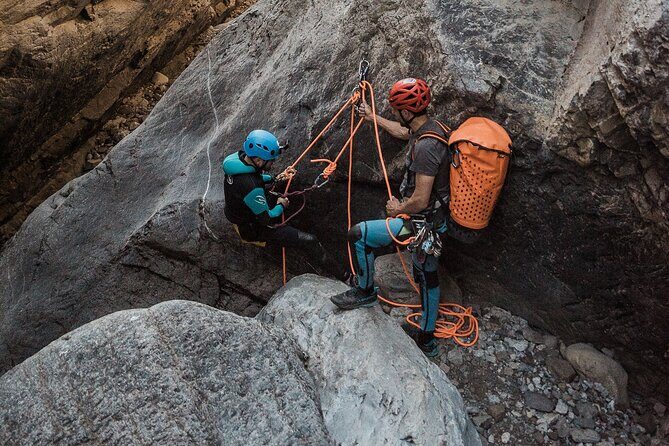
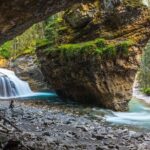
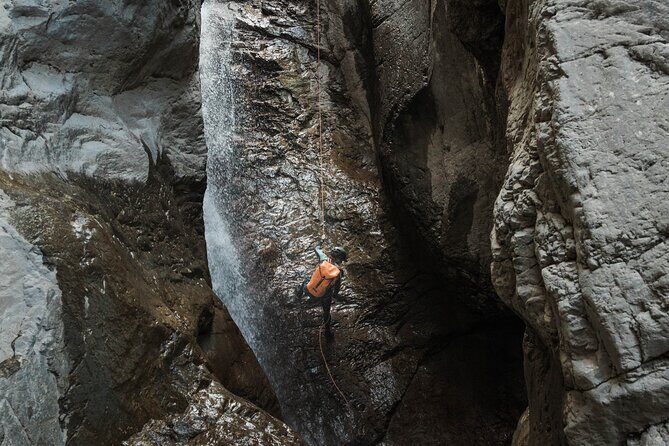
The centerpiece is an 18-meter waterfall. It’s not just a photo moment. You’ll rappel down and move through the experience with your guide managing safety and spacing.
This is the part where beginners usually go from cautious to proud. It’s one thing to practice rope skills at ground level. It’s another to control a descent with water roaring below you.
After the waterfall, the trip doesn’t end with a quiet trudging-out. You’ll enjoy a series of fun slides, then you hike back to the cars.
A useful way to think about the ending: those slides are your reward loop. By the time you reach them, you’ll have already earned your confidence—and the day becomes lighter and more playful.
Gear and what to bring: how not to ruin a good day
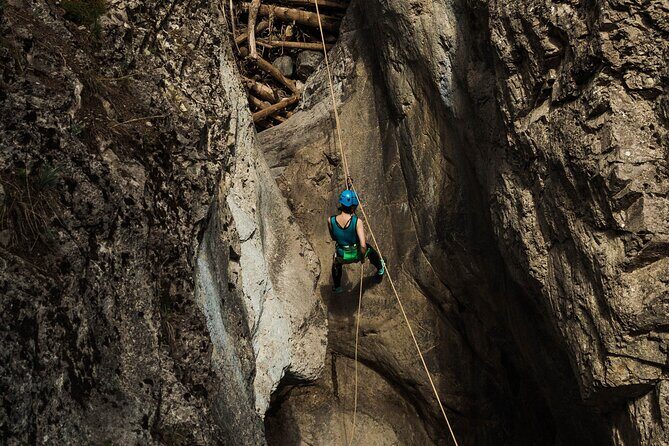
Included gear covers your safety and comfort basics:
- Wetsuit
- Harness
- Helmet
- Drybag
But you still need to bring the rest of the stuff that keeps you comfortable between water moments.
Bring:
- Bathing suit (needed under the suit system)
- Towel (you’ll want it for changing out)
- Snacks and water (small lunch or lots of snacks works—plan on fueling)
- Fully closed footwear that can get wet
Footwear rules are strict:
- Running or light hiking shoes are required as long as they can get wet
- Water shoes and Keen-style hiking sandals are NOT suitable and will NOT be accepted
Gloves are a common “wish I had them” item. One group noted gloves weren’t included and would help with wet rope during rappelling. The listing doesn’t say gloves are provided, so if you’re prone to cold hands or rough rope discomfort, I’d consider bringing thin canyon gloves that fit your comfort needs.
Also: you’ll sign a waiver on-site. Read it carefully when you’re able, so you’re not trying to decode forms in wet gear mode.
Timing, group size, and why it matters for beginners
The tour runs about 4 hours on average (often stated as roughly 4 to 5 hours). That means it’s long enough for real canyoning skills, but short enough to stay focused—especially if you’re new to rope work.
Group size max 12 travelers. Small group sizes aren’t just a comfort perk. They help with safety spacing and make it easier for guides to coach individuals without losing time.
One downside to note: the nature of technical activities means you may sometimes wait your turn while other group members complete drops or slides. That’s normal, but it can feel slow if you’re expecting nonstop action. The trade-off is worth it for beginners because coaching is the point.
Fitness check: hiking 3.5 km uphill with your backpack
This is beginner-friendly, but it’s not effortless.
You need to be able to:
- Carry a backpack
- Hike uphill for about 3.5 km
Also pay attention to physical limits:
- Maximum waist size: 42
- Minimum age 12, with children accompanied by an adult
Health and comfort considerations:
- Not recommended for travelers with back problems, heart problems, or other serious medical conditions
- Not recommended for travelers over 60
If any of that hits your situation, call the office and ask about medical considerations. It’s better to check up front than find out at the trailhead.
Getting from Canmore or Banff: plan for the last mile
The meeting point is at the Heart Creek Trail Head area. If you’re staying in Canmore, you may want a plan for transport rather than assuming public transit will line up.
In one example, a group pre-booked a taxi from Canmore to the trailhead and paid about $40 each way. That’s not a promise for your trip, but it’s a realistic ballpark for budgeting when you’re not driving.
If you are driving, remember there’s a CA$15.00 parking fee per booking.
Weather reality near the Rockies
This canyoning experience requires good weather. If conditions are poor and the trip is canceled, you’ll be offered a different date or a full refund.
Also remember water temperature can change fast in the Rockies. One group specifically highlighted the comfort improvement they got when guides switched to dry suits after heavy rain. The lesson: don’t assume every “cold” day will be identical—guides make calls based on conditions.
Who should book this (and who should skip it)
This tour is best if you:
- Want a beginner-friendly introduction to rappelling and canyoning
- Like guided outdoor adventure with a clear skill progression
- Are okay being wet, and you’ll follow footwear rules
- Prefer a small group (max 12) so you get coached without feeling rushed
Skip it if you:
- Have back/heart issues or serious medical conditions
- Are over 60
- Don’t want to do an uphill hike with a backpack
- Can’t meet the closed-shoe footwear requirements
Also, if you’re the kind of person who gets stressed by waits or hands-on steps, don’t panic. The workshop format and the coaching approach are built to help you learn step-by-step.
Should you book Half Day Heart Creek Canyon?
If you want an active, guided taste of technical Rockies fun without a long commitment, I’d say yes—especially for beginners who learn best by doing.
Book it if:
- You’re excited by rappelling and want the practice portion
- You’re aiming for a big highlight like a true 18-meter waterfall
- You appreciate equipment and coaching being handled for you
Think twice if:
- You’re very sensitive to cold or hate wet footwear days
- You can’t do an uphill hike and carry a pack
- You don’t have footwear that meets the rules (this is the usual deal-breaker)
One more practical note: the overall satisfaction here is strong, with a 5-star rating and a perfect recommendation rate based on the provided feedback. That’s not a guarantee for your day, but it does suggest the guides are doing their job right—teaching, managing safety, and keeping the mood upbeat.
If you’re ready to trade comfort for accomplishment, Heart Creek Canyon is the kind of half-day adventure that leaves you grinning long after your boots dry out.
FAQ
How long is the Half Day Heart Creek Canyon tour?
Plan on about 4 to 5 hours total, including the hike in and out, the safety briefing, canyon activities, and time on the rope.
Is this tour really for beginners?
Yes. You’ll do a rappel workshop first to practice basic rope skills, then you’ll progress into the canyon with increasing difficulty.
What gear is included?
You’re provided with a wetsuit, harness, helmet, and drybag, plus a fully certified and experienced canyoning guide.
What should I bring with me?
Bring a bathing suit and towel, plus snacks and water (a small lunch or plenty of snacks works). You’ll also need proper closed footwear that can get wet.
What footwear is required, and what isn’t allowed?
You need fully closed footwear like running or light hiking shoes that can get wet. Water shoes and Keen-style hiking sandals are not suitable and will not be accepted.
What are the age and size limits?
The minimum age is 12, and children must be accompanied by an adult. There’s also a maximum waist size of 42.
How many people are in a group?
This experience runs with a maximum of 12 travelers.
What if the weather is bad or I need to cancel?
The tour requires good weather. If it’s canceled due to poor weather, you’ll be offered a different date or a full refund. For cancellations, you can cancel up to 24 hours in advance for a full refund.