REVIEW · TORONTO
Downtown Toronto: Walking tour experience. English/Spanish
Book on GetYourGuide →Operated by Paul Campbell · Bookable on GetYourGuide
Toronto looks best on foot.
This downtown walking tour led by English/Spanish guide Paul Campbell is a smart way to see how neighborhoods work and why Toronto feels different block to block—especially with stops at St. Lawrence Market and Graffiti Alley, both great for quick culture shocks and easy photo moments.
I also like the pace: you get enough time at the big sights without feeling rushed, and the guide can adjust for real needs. One possible drawback: the tour can feel a bit light on deeper historical context, so if you want long-form background, plan to ask questions (or do a bit of reading before you go).
In This Review
- Key things to know before you go
- Why this downtown Toronto walk works in 2–4 hours
- Meeting Paul Campbell and setting expectations on the route
- Distillery District: cobblestones and Victorian-era texture
- St. Lawrence Market: where Toronto’s food culture shows up first
- Graffiti Alley: street art that’s doing more than decorating
- Chinatown and Kensington Market: big flavor contrasts in one walk
- Dundas Square: lights, entertainment, and city energy
- Toronto Island ferry (seasonal): skyline views and a calmer pace
- Price and value: is $54 worth it?
- Who should book this tour, and who might want something else
- Should you book this downtown Toronto walking tour?
- FAQ
- What languages is the tour offered in?
- How long is the walking tour?
- Is this a private group tour?
- Is the tour wheelchair accessible?
- What stops are included in the tour?
- How much does it cost, and are kids included?
Key things to know before you go
- Paul Campbell’s attention to detail: reviews highlight that he stays engaged and adapts on the fly
- St. Lawrence Market: you’ll focus on Toronto food culture at the city’s culinary epicenter
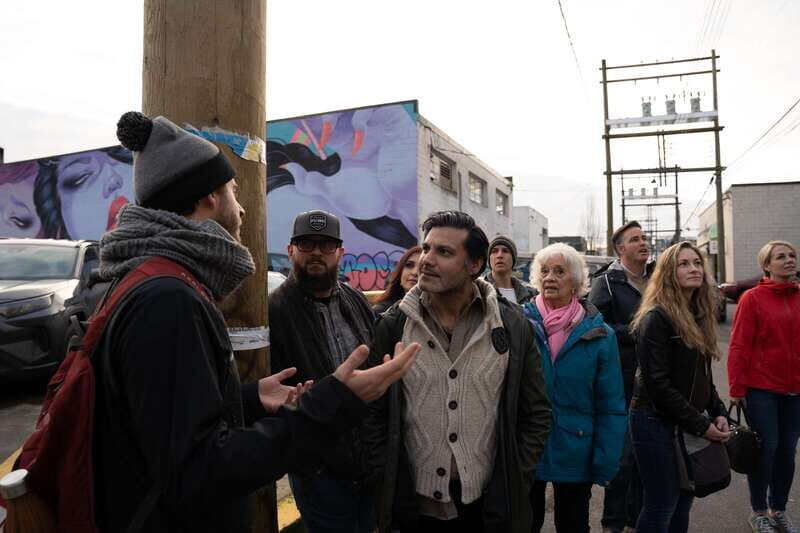
- Graffiti Alley: street art with social commentary and creativity, not just pretty murals
- Multiple neighborhoods in one walk: Chinatown and Kensington Market are easy contrasts back-to-back
- Dundas Square + Toronto Island (seasonal): city energy on land, then skyline calm by ferry
- Private group feel: small enough for flexibility; kids under 12 are free
Why this downtown Toronto walk works in 2–4 hours
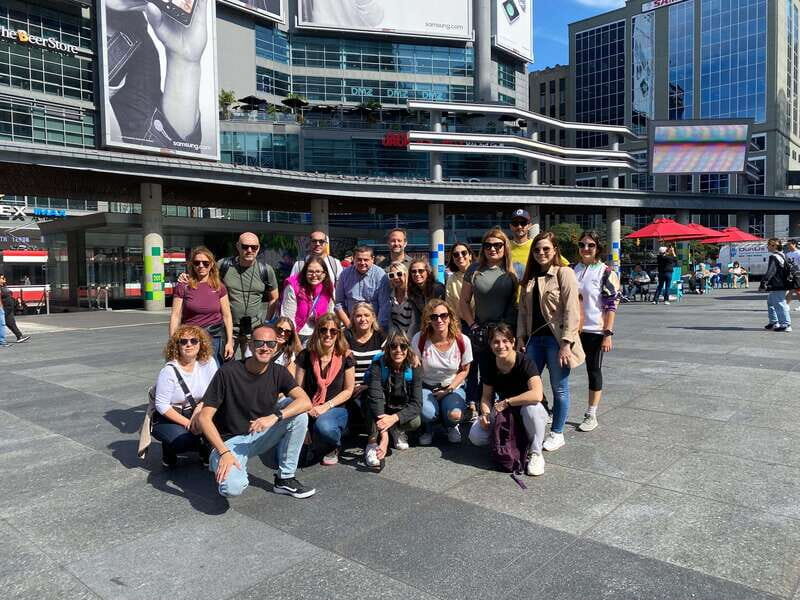
Toronto is huge, but the downtown core is very walkable. This tour is designed to give you a wide “greatest hits” view of the city’s personality without turning your day into a transit headache.
At 2 to 4 hours, you’re also in a sweet spot for staying alert. It’s long enough to get real context for what you’re seeing, but short enough that you can still add a casual meal, browse a neighborhood shop, or hop on another activity afterward.
And because it runs in English or Spanish, you won’t have to piece things together yourself. A guided route helps you avoid the common problem of seeing iconic spots but missing why they matter.
You can also read our reviews of more walking tours in Toronto


Meeting Paul Campbell and setting expectations on the route
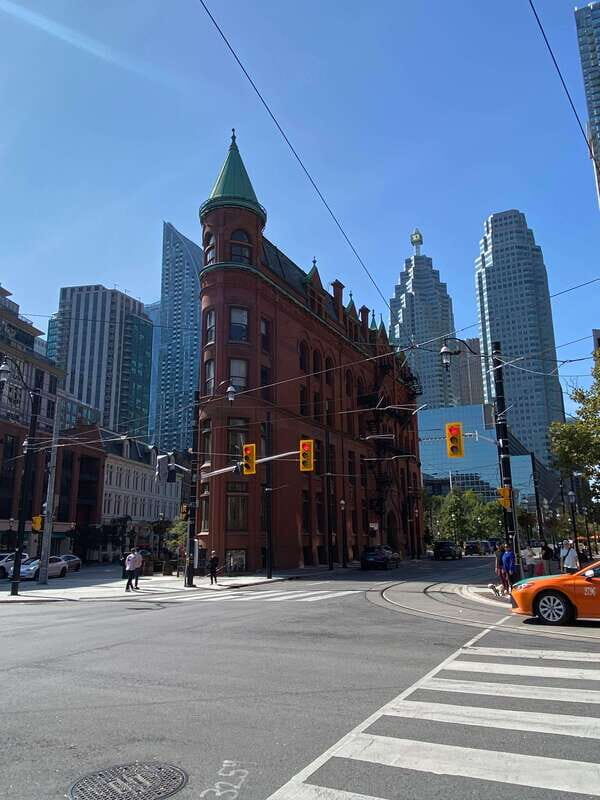
This experience is a live guided walking tour with private group pacing. That matters, because it makes the route easier to tailor—especially if you’re moving at a slower speed or want extra time on a specific stop.
In reviews, Paul Campbell stands out for being attentive and flexible. One person noted he adapted the tour to accommodate wheelchairs, which is a big deal in a downtown setting where some sidewalks can be uneven.
One more expectation to set: the guide can keep the experience moving and clear, even if you’re a couple or a small group. That said, the tour may not satisfy your appetite for heavy historical storytelling on every stop—so if history is your main interest, treat this as an efficient orientation and then follow up on the topics that catch your attention.
Distillery District: cobblestones and Victorian-era texture
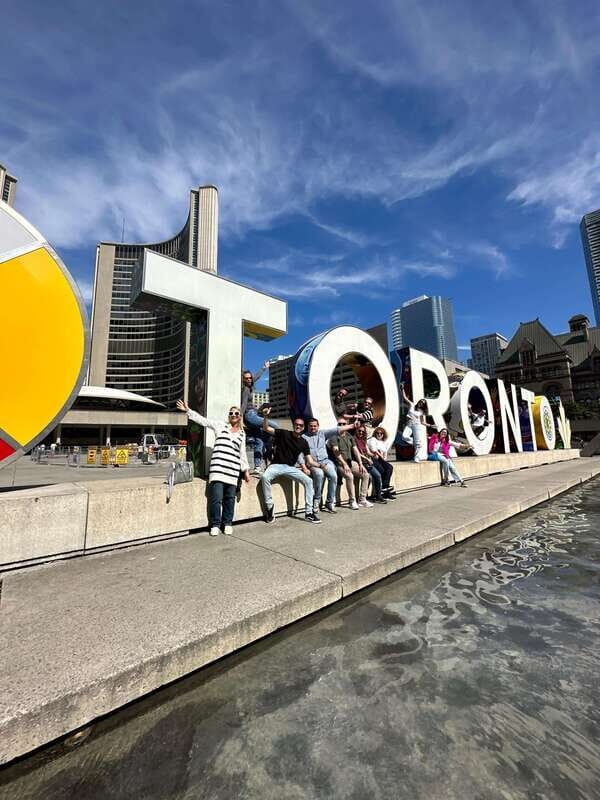
The Distillery District is one of those places where the street layout does half the work for you. Expect cobblestone streets and Victorian-era buildings that instantly make the area feel older than the surrounding downtown.
What I like about this stop is the contrast. After you’ve been in modern Toronto for a while, Distillery District slows the pace with architecture and a pedestrian-first feel. It’s also a strong photo location because the buildings and street pattern create natural frames.
A practical tip: wear shoes you can handle on stone. Even when the walk is short, cobblestones can be a little unforgiving if you’re in soft flats or worn-out soles.
St. Lawrence Market: where Toronto’s food culture shows up first
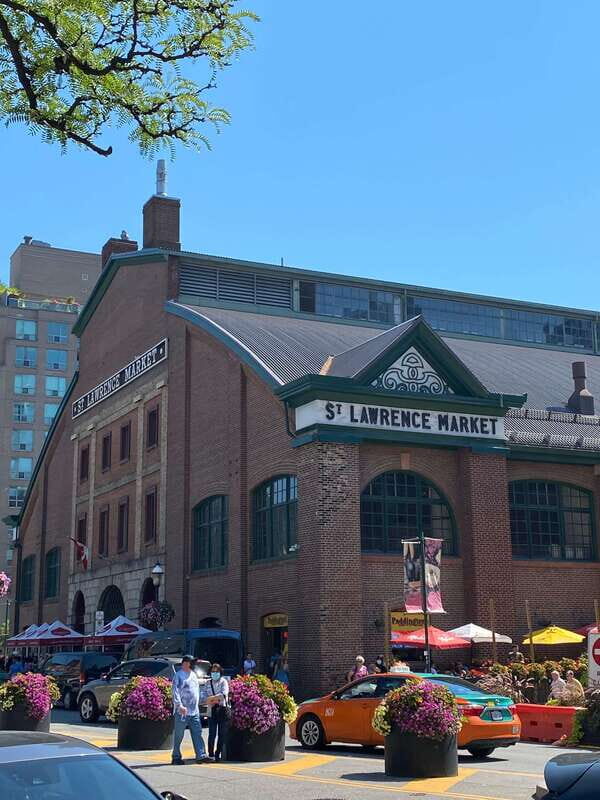
St. Lawrence Market is the culinary landmark you can’t really fake. It’s known as Toronto’s food epicenter, and it’s described as the largest market in North America—so you’re not just visiting a stop, you’re stepping into a food-centered institution.
Here’s why this stop is valuable: you don’t need a food background to “get it.” You’ll see how local and international food culture can coexist in one place, and that helps you understand Toronto as a multicultural city in a very tangible way.
If you’re hoping to sample, keep your plan flexible. Markets are visual and sensory, and it’s easy to want everything at once. A simple strategy works well: pick one sweet and one savory option so you get variety without turning your tour into a long detour.
The one caution: markets can get crowded around peak times. The guide’s job is to keep things flowing, but you may still want to bring patience if you’re sensitive to shoulder-to-shoulder spaces.
Graffiti Alley: street art that’s doing more than decorating
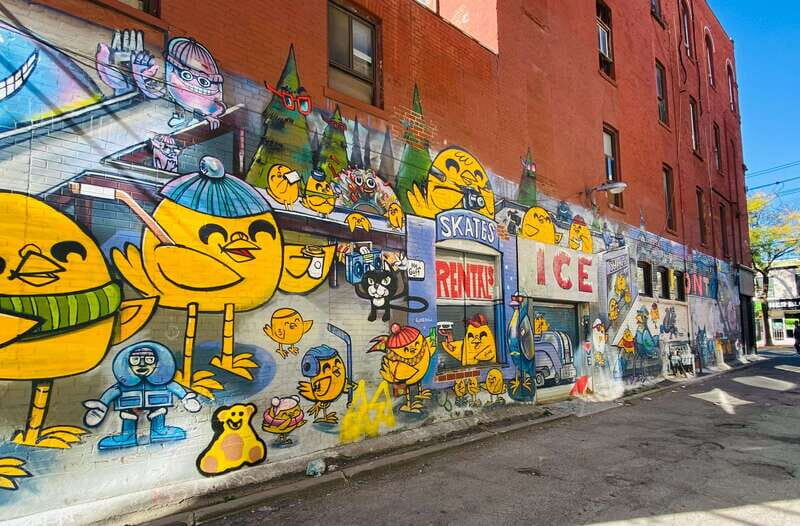
Graffiti Alley is the kind of place where you start noticing small details. Instead of just colorful walls, the street art is tied to social commentary and creativity, so it feels more like a public gallery than a random mural strip.
This stop is also great for learning how Toronto thinks. Murals often reflect current conversations, and Graffiti Alley gives you a quick snapshot of how art and messages show up in everyday space.
What to do while you’re there: don’t rush. Read the art where it’s meant to be read—look for symbols, color patterns, and recurring themes. Even if you’re not a street-art expert, you’ll walk away with a clearer sense of what makes the city feel modern and expressive.






Chinatown and Kensington Market: big flavor contrasts in one walk
Toronto’s neighborhoods work like chapters. Chinatown gives you one flavor of cultural energy—active markets, authentic food options, and a strong sense of tradition. Kensington Market shifts the mood again with a more bohemian vibe, where indie shops, cozy cafes, and street performers create a laid-back buzz.
I like putting these two side by side because it helps you avoid the “one neighborhood stereotype” trap. You get multiple examples of how culture shows up: food and commerce in Chinatown, and a more creative, offbeat street life in Kensington.
A practical way to enjoy this section:
- Pause when you see people gathering. That’s often where the best food and activity cues are.
- Keep an eye out for side streets. Kensington in particular rewards a little wandering time, even during a guided route.
This is also where your guide’s personality matters. In reviews, Paul was described as charming and flexible, which tends to make neighborhood segments feel less like checkpoints and more like real local streets you can actually absorb.
Dundas Square: lights, entertainment, and city energy
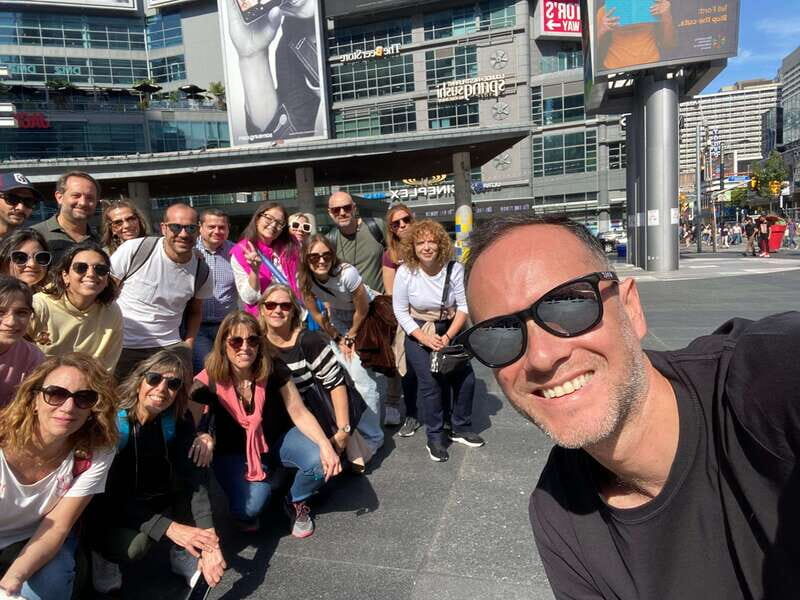
Dundas Square is a familiar landmark because it feels like Toronto’s pulse point. Expect a busy intersection with lights and entertainment energy—an urban space that’s unmistakably downtown.
This stop works as a breather and a reset. After the more neighborhood-focused sections, Dundas Square brings you back to the big-city rhythm. It’s also a useful orientation marker for understanding where many major downtown routes connect.
If you want a quick win here, simply take a minute to watch how people move through the space. You’ll get a feel for the city flow without needing extra context.
Toronto Island ferry (seasonal): skyline views and a calmer pace
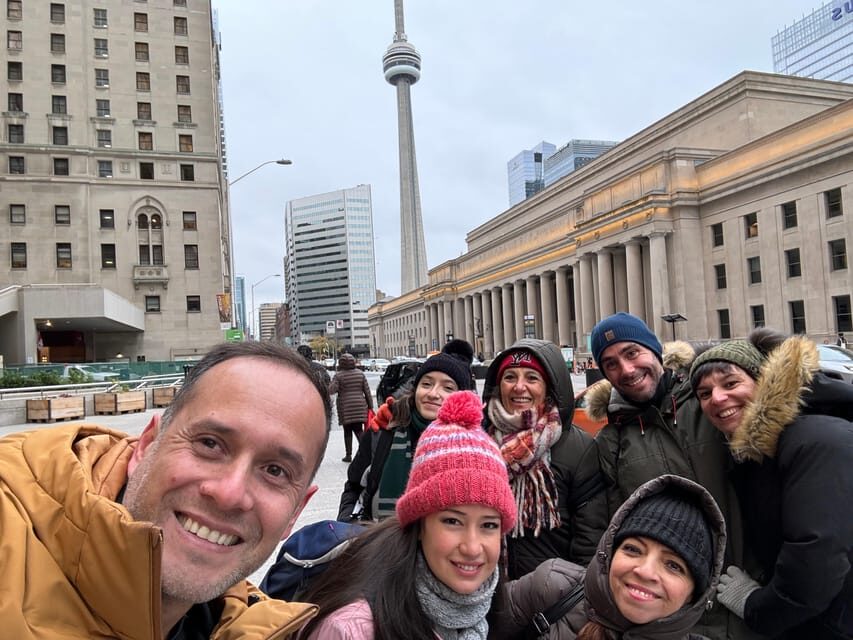
The tour includes a ferry ride to Toronto Island during the right season. On land, Toronto can feel intense; on the island, you’re usually looking for air, open space, and skyline views.
Expect tranquil beach time, greenery, and a strong visual payoff: you get a different perspective on the downtown skyline. Even if you don’t spend long at every point, the change of scenery alone is worth it.
One thing to plan around: because this part is seasonal, check whether your travel dates line up with the island portion. If it doesn’t, you’ll still get plenty from the downtown sequence, but the island aspect won’t be part of your day.
Price and value: is $54 worth it?
At $54 per person for a 2 to 4 hour walking tour, the value comes down to what you’re buying: time, context, and a guided route that covers multiple areas without you needing to map every turn.
You’re not just paying for steps on a sidewalk. You’re paying for:
- a live guide (English/Spanish)
- a structured route through major downtown highlights
- the chance to connect each stop to a bigger picture of Toronto’s multicultural identity
The private group format also helps the value feel more personal, especially if you want a bit of flexibility. Reviews emphasize that Paul adapts—whether that’s pacing for individuals or adjusting for wheelchair needs.
Also worth noting: kids under 12 are free. If you’re visiting with children, this can turn the tour into an easier family decision than many other paid attractions.
My balanced take: if you want a compact orientation tour to start your Toronto trip, this price feels fair. If you’re seeking deeply detailed lectures on every stop, you may need to do some extra reading or ask targeted questions to fill in any background gaps.
Who should book this tour, and who might want something else
This walking tour fits best if you want a guided overview and you enjoy seeing multiple neighborhood styles in one outing.
You’ll likely love it if:
- you want English or Spanish guidance without doing your own route planning
- you like markets, street art, and neighborhood streets more than museums
- you want a day that feels flexible for small-group needs
It may be less ideal if:
- you need heavy historical depth at every stop
- you’re only interested in one single area and don’t care about a wider downtown mix
It’s a great “first Toronto day” option. You’ll come away with landmarks you can point to later, and neighborhood context that makes your independent exploring easier.
Should you book this downtown Toronto walking tour?
Yes—if you want a practical, guided highlight walk that covers real Toronto variety in a short window. The standout strength is the guide: reviews repeatedly highlight Paul Campbell’s attentiveness, flexibility, and charm, plus his ability to adjust when accessibility needs come up.
Book it especially if you’re going for orientation, food culture, and street-level city life. Just go in expecting a lighter touch on deep history, and you’ll get full value by asking the guide what to follow up on after the tour.
FAQ
What languages is the tour offered in?
The tour is available in English and Spanish with a live tour guide.
How long is the walking tour?
The tour lasts about 2 to 4 hours, depending on the starting time and how the group moves through the route.
Is this a private group tour?
Yes, it’s offered as a private group experience.
Is the tour wheelchair accessible?
The tour is listed as wheelchair accessible, and the guide can adapt to accommodate wheelchair needs.
What stops are included in the tour?
You’ll visit major downtown highlights such as the Distillery District, St. Lawrence Market, Graffiti Alley, Chinatown, Kensington Market, Dundas Square, and Toronto Island by ferry during the seasonal period.
How much does it cost, and are kids included?
The price is $54 per person, and kids under 12 are free.