Toronto reveals itself on a smart walk.
This private, customizable 3-hour route helps you shape the day around what you care about, from history to art to food, with a guide who keeps things moving without the usual crowd crush. You also get morning or afternoon start options, so you can fit it cleanly into a first trip.
What I like most is the personal pacing. You’re not stuck in a one-size-fits-all march, and the guide can adjust on the fly—one guide named Matty even switched to an indoor route when rain started, then moved outside when it eased. I also appreciate how the tour is built to give you quick context at each stop, not just photos and head nods.
One consideration: this is a walking tour, so plan for time on your feet and bring footwear that can handle Toronto sidewalks in whatever weather shows up.
In This Review
- Key Highlights You’ll Actually Feel
- First Stop Energy: Finding Toronto Through Its Iconic Tower
- What you’ll get out of this first stretch
- A small tip
- The Mall-to-Square Connection: Commerce, PATH Links, and Easy Navigation
- Why this stop is worth your time
- Graffiti Alley and the Art Side of Toronto’s Streets
- How to enjoy this part more
- An Oxford-Looking Campus: Architecture and School History on Foot
- What to watch for
- Possible drawback
- Kensington-Market Energy: Shopping with a Past That Still Shows
- How to use this stop well
- Church Street Area: An Inclusive Neighborhood With Queer History
- What makes this part meaningful
- A practical note
- Toronto’s Original Market Hall: Food, History, and Go-Back-Again Energy
- Why ending at a market makes sense
- Timing, Pace, and What “Private” Really Means for Value
- Small practical advice
- Who Should Book This Walk (and Who Might Skip It)
- Should You Book This Customizable Toronto Walking Tour?
- FAQ
- What is the duration of this Toronto walking tour?
- How much does the tour cost?
- What locations does the tour start and end at?
- Is this a private tour or shared group?
- What language is the tour offered in?
- Are there morning and afternoon departure times?
- Will I receive confirmation after booking?
- Can I bring a service animal?
- Is the meeting point near public transportation?
- What is the cancellation policy?
Key Highlights You’ll Actually Feel
- Private guide, just your group, so questions and detours are easy
- Customizable interests, from history to art to food priorities
- Built for first-time orientation, so you learn where things are and why they matter
- Street art stop (Graffiti Alley) that adds color beyond downtown landmarks
- Weather-aware flexibility, including indoor-to-outdoor routing when needed
- Market time in multiple styles, from shopping to food-focused stops
First Stop Energy: Finding Toronto Through Its Iconic Tower
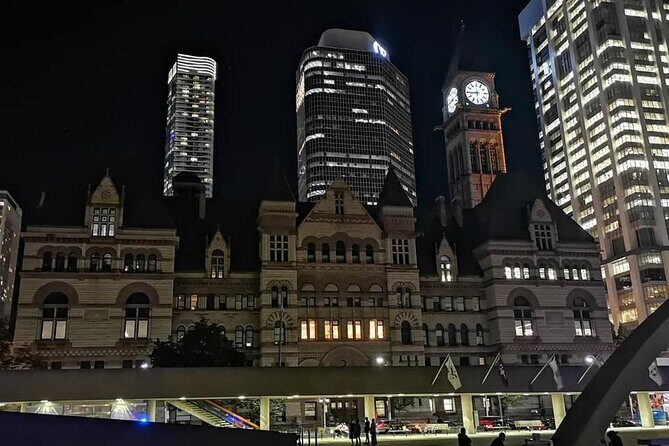
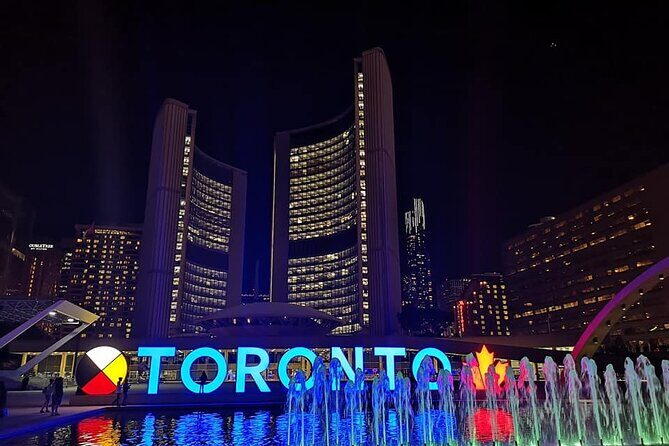
If you’ve only got a short time in Toronto, the tour starts with the kind of landmark that gives you instant bearings. You’ll walk by the city’s signature tower, and your guide will break down why it’s so important—historically, practically, and symbolically.
This is a smart warm-up. Instead of saving the “big landmark moment” for later (when you might be tired), you start with a clear focal point. From there, you’re better at reading the city as you move—major streets, sight lines, and neighborhoods make more sense once you’ve been shown what connects them.
You can also read our reviews of more walking tours in Toronto


What you’ll get out of this first stretch
- A quick sense of how the city grew around landmark areas
- Useful context for later stops (markets, campuses, shopping corridors)
- A “low stress” way to start your trip, since you’re walking and learning at the same time
A small tip
When the tour hits a major landmark area, I recommend you take a moment to look around before moving on. Your guide’s explanations land better when you’re matching them to what you can see.
The Mall-to-Square Connection: Commerce, PATH Links, and Easy Navigation
Next up is a big downtown shopping complex that acts like a connector hub—linked to the square and the PATH pedestrian network, which matters a lot in Toronto. Even if you’ve never used underground pedestrian routes before, your guide will explain the practical reason it exists: it helps people move around the core of the city efficiently, especially when weather is annoying.
This stop is more than “look at a mall.” It’s a crash course in how Toronto keeps downtown functioning. You’ll understand why locals plan routes differently than tourists do. And since you’re on foot with a guide, you’ll learn where to look when you want to move between landmarks without backtracking.
Why this stop is worth your time
- You learn how Toronto’s downtown links work (above ground and below ground)
- It helps you navigate later, even if you go off on your own afterward
- It’s a natural bridge from landmark zones to street-level neighborhoods






Graffiti Alley and the Art Side of Toronto’s Streets
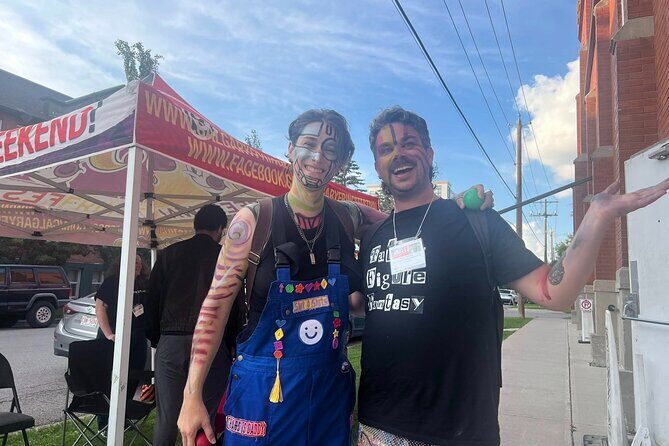
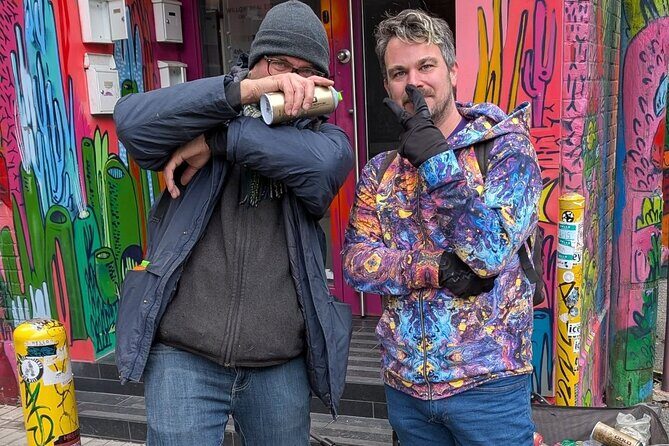
Then comes a stop that changes the mood: Graffiti Alley and nearby walls and lanes with working street artists. This is where the tour leans into the idea that Toronto isn’t just skyline and museums. The city has an active visual culture, and street art is one of the easiest ways to spot it in real life.
Your guide should talk through what you’re seeing and why it matters—style, placement, and the energy of the artists currently working in the area. Even if street art isn’t your obsession, this stop is a good reminder that art can be public, everyday, and tied to community life.
How to enjoy this part more
Slow down. Don’t treat it like a quick photo stop. Walk the lanes, look at layers, and pay attention to how pieces relate to each other. If you’re the kind of traveler who likes stories behind what you see, ask your guide what themes they notice most.
An Oxford-Looking Campus: Architecture and School History on Foot
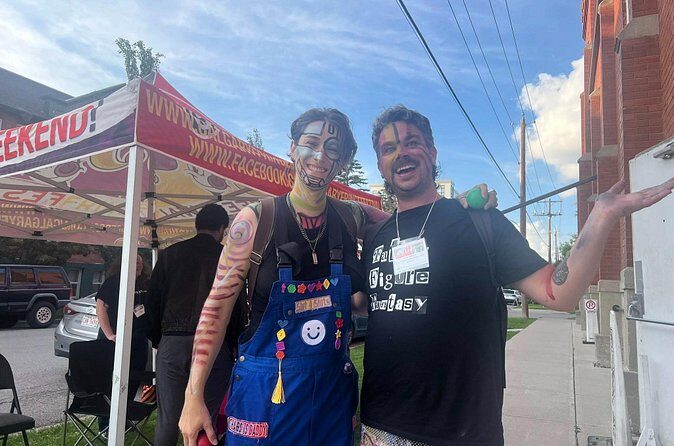
After the streets, the tour shifts to a beautiful university campus with architecture that gives off an old-school, Oxford-like feel. Your guide will point out the design details and also cover the education story—how this area became what it is and why the campus shapes the surrounding neighborhood.
This stop works especially well for first-timers because it gives you a different type of Toronto. Instead of commerce or entertainment zones, you get an institutional space where stonework, layout, and long-running traditions influence how the area feels.
What to watch for
- Architectural features that create a sense of “place”
- How campus buildings shape pedestrian flow
- The contrast between academic calm and nearby busy city motion
Possible drawback
If you’re expecting a purely outdoor photo walk, this campus stop still includes learning and walking time. It’s not a problem—just know it’s part architecture, part story.
Kensington-Market Energy: Shopping with a Past That Still Shows
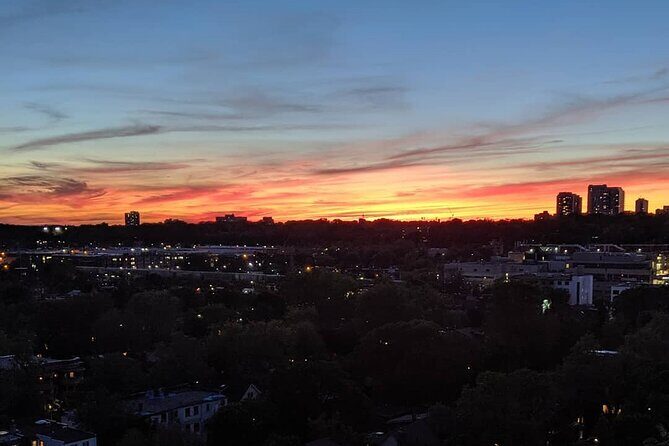
Next is a classic market area known for transformation over time—from earlier counterculture vibes to today’s style of shopping and browsing. Your guide will connect those dots, so you’re not just scanning boutiques; you’re also understanding how the neighborhood’s identity shifted.
This stop is often where people slow down. Markets are made for browsing, and your guide can tailor your path if you’re more into food stalls, snacks, or just grabbing a sense of the local scene. If you like shopping but hate overpaying blindly, this is where you start learning what’s common and what’s unique.
How to use this stop well
- If you’re hungry, plan to snack lightly so you can still enjoy the final food-focused market stop later
- If you’re not shopping, treat it like a story walk: watch how storefronts and streets reflect the neighborhood’s evolution
Church Street Area: An Inclusive Neighborhood With Queer History
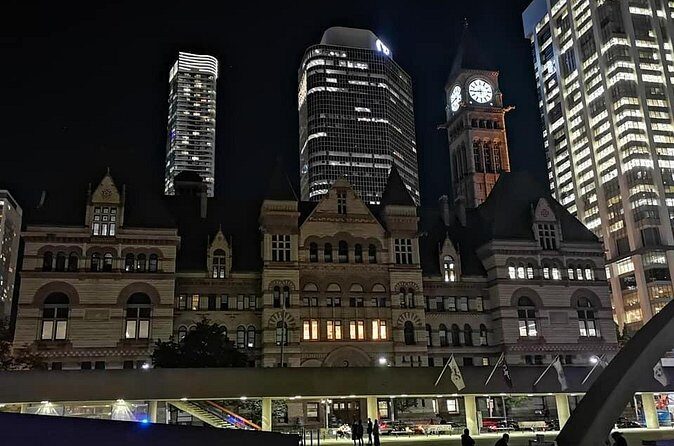
From the market zone, the tour moves into one of Toronto’s most inclusive spaces. This area is closely associated with Toronto’s long-running queer community, and your guide will explain the local history while pointing out businesses along the way.
This is an important stop because it adds context that many first-time itineraries miss. Toronto is more than landmarks; it has community geography. Seeing how businesses and public spaces reflect that community helps you understand the city beyond what’s easiest to photograph.
What makes this part meaningful
- You learn the story behind a long-running LGBTQ destination
- You see local businesses in context, not as random storefronts
- It adds warmth and humanity to a day that also includes architecture and markets
A practical note
If you’re the type who likes asking questions, this is a great moment. Your guide’s explanations here help you connect facts to place.
Toronto’s Original Market Hall: Food, History, and Go-Back-Again Energy
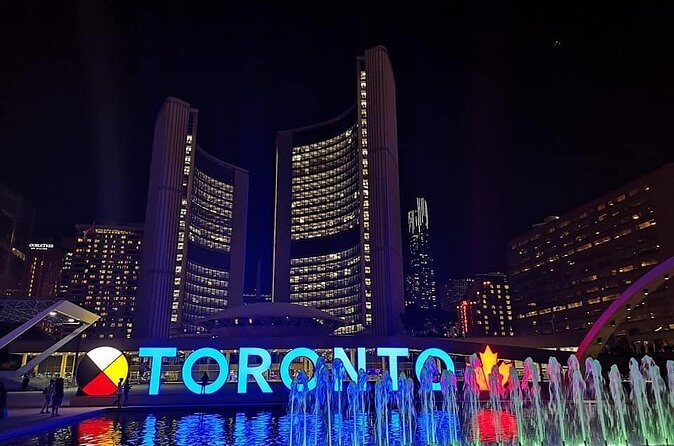
The final major stop is Toronto’s original market, operating for decades and known as one of the city’s most unique food destinations. Here, the tour shifts from walking-and-learning to sampling-and-absorbing the atmosphere of a working market.
You’ll get the story arc of the market and how it became a go-to food address. Then you can decide how you want to spend your time—browse, eat, or simply soak in the buzz.
Why ending at a market makes sense
After hours of towers, street art, and campuses, a food stop is the payoff. It’s also a perfect end point because it gives you an easy next step: grab something and head back, or continue exploring nearby streets with less mental effort.
Timing, Pace, and What “Private” Really Means for Value
At about 3 hours, this tour is ideal for people who want orientation without committing to a full day. You’re not trying to sprint from place to place; you’re walking with a guide who can shape the day to your interests.
Price-wise, at $37.47 per person, the value comes from three things:
- Private attention (only your group participates)
- Customizable focus (your interests steer how the guide frames stops)
- A tight route that covers multiple “Toronto moods” in one outing
Also, it’s booked an average of 33 days in advance, which is a hint that popular start times can fill up. If you’re traveling in peak season or have fixed plans, booking ahead helps you lock in the time you want.
Small practical advice
Wear comfortable shoes. You’re walking through downtown core areas with a mix of outdoor and indoor-adjacent sections. And if weather turns, remember you’re in a guided, adaptable setup—rain doesn’t have to wreck the whole experience.
Who Should Book This Walk (and Who Might Skip It)
This tour is a strong match if you:
- Want an easy first-trip introduction to Toronto
- Like history, art, and food, but don’t want to plan three separate half-days
- Prefer a private guide who can slow down, speed up, and answer questions
- Appreciate route adjustments when weather changes—exactly like the rain-to-indoor-then-outdoor handling described by Matty
You might think twice if you:
- Want a purely self-guided day with no flexibility
- Hate walking in any weather conditions (this is still a walking tour)
- Only care about one narrow topic, like street art only, since the route covers several different angles
Should You Book This Customizable Toronto Walking Tour?
Yes, if you want a smart “Toronto primer” with real flexibility. I like that the day isn’t only about seeing famous stuff; it connects landmarks, street art, education architecture, inclusive neighborhood life, and food-market culture into one coherent walk.
If you book, do two things:
- Bring a short list of what you want more of (history, art, food, shopping, neighborhood stories). Your guide can shape the route around that.
- Choose your start time based on your energy. Morning and afternoon options mean you can pick the slot that matches your travel rhythm.
FAQ
What is the duration of this Toronto walking tour?
It runs for about 3 hours.
How much does the tour cost?
The price is $37.47 per person.
What locations does the tour start and end at?
It starts at Buddies in Bad Times Theatre, 12 Alexander St, Toronto, ON M4Y 1B4, and it ends back at the meeting point.
Is this a private tour or shared group?
This is a private tour/activity. Only your group participates.
What language is the tour offered in?
The tour is offered in English.
Are there morning and afternoon departure times?
Yes, it offers morning and afternoon start times.
Will I receive confirmation after booking?
Confirmation will be received at the time of booking.
Can I bring a service animal?
Yes, service animals are allowed.
Is the meeting point near public transportation?
Yes, it is near public transportation.
What is the cancellation policy?
Free cancellation is available. You can cancel up to 24 hours in advance for a full refund, and cancellations within 24 hours are not refunded.