REVIEW · VANCOUVER
Coho – Explore Banff and Jasper National Parks (4-Days)
Book on Viator →Operated by Moose Travel Network · Bookable on Viator
Banff and Jasper icons, packed into four days. This Coho trip strings together rainforest waterfalls, Okanagan lake time, and Canada’s most famous Rockies stops, with a guide who keeps the route moving and your questions answered. You also get national park fees covered, including exclusive Moraine Lake access, so you spend less time figuring things out and more time outside.
I really like the way the tour is guided. On this route, you’re not just dropped at a viewpoint; guides such as Mike and Troy are known for helping you connect what you’re seeing with the region’s stories and practical trail notes. I also like the value of the included access: big-name sights like Moraine Lake are handled, plus you have hostel dorm-style rooms for three nights, so you’re not scrambling for beds mid-journey.
The main drawback to consider is that the pace is steady and the stops are short. You’ll do early days and moderate walks like the Athabasca Glacier toe hike, and this isn’t the kind of trip where you linger all day. If you’re sensitive to shared space, keep in mind the rooms are mixed-gender dorm style, and luggage has strict limits.
In This Review
- Key highlights worth planning around
- The vibe: a guided Rockies speedrun with real time outside
- Value and price: what you’re actually buying for $1,121.24
- Where you’ll sleep: hostel dorm nights that keep costs down
- Day 1: Bridal Veil Falls, Okanagan lakes, and a Kelowna dinner stop
- Day 1 watch-outs
- Day 2: From the Last Spike to Lake Louise, with a wooden-boat option
- Day 2 watch-outs
- Day 3: Moraine Lake access plus glacier and canyon viewpoints
- Day 3 watch-outs
- Day 4: Columbia Icefield toe hike, then Sunwapta and Athabasca Falls
- Day 4 watch-outs
- Transportation, timing, and the early-start reality
- Who should book this Rockies sprint?
- Should you book the Coho Banff and Jasper 4-Day trip?
- FAQ
- Is paddleboarding included?
- What meals are included?
- What kind of accommodation do I get?
- Which park fees are included?
- What’s the group size limit?
- What luggage can I bring?
Key highlights worth planning around
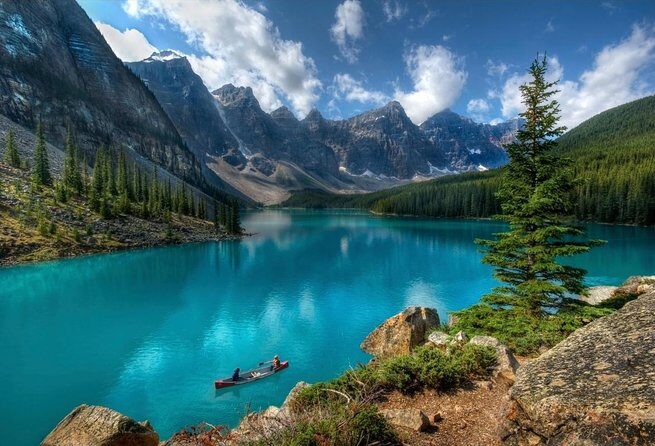
- Exclusive Moraine Lake access means you can aim for that iconic view without playing phone-game for permits.
- A guide who teaches while you travel, with past departures led by Mike and Troy, keeps photo stops from feeling empty.
- Okanagan breaks on the way through: Skaha Lake paddleboarding and a Kelowna dinner add variety beyond just park stops.
- Glacier day at the Columbia Icefield: a hike to the toe of the Athabasca Glacier gives you real scale.
- A tight group size (up to 24) makes it easier to meet people without feeling like cattle.
- Parks and fees included, so the biggest-ticket items are already priced into your trip.
The vibe: a guided Rockies speedrun with real time outside
This is a structured trip built for people who want maximum Rockies payoff in a short window. You start in the Vancouver area, then work through British Columbia and into Alberta for Banff, and finish your day-by-day highlights in Jasper National Park. The marketing language talks about five days of discovering, but the itinerary runs four days—either way, it’s designed to feel like a full-on sampler platter.
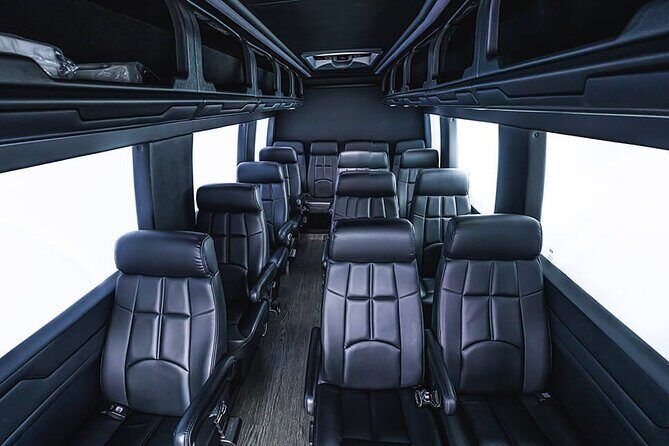
The biggest thing you’ll notice is that you’re never stuck on your own for logistics. You get Moose Bus transportation and a professional guide/driver, plus breakfast and three dinners. That matters because these places can be busy, and moving between them is the hard part. Your effort goes into walking, looking, and taking pictures—not booking.
Group size stays reasonable (max 24). That’s big enough to have energy and meet people, small enough that you’re not lost in a crowd. If you’re traveling solo, you’ll likely appreciate the social rhythm; at least a few recent solo travelers highlighted that the trip felt welcoming and organized.
You can also read our reviews of more tours and experiences in Vancouver.
Value and price: what you’re actually buying for $1,121.24
At $1,121.24 per person, the headline number sounds high—until you count what’s folded in. You’re paying for four days of organized transport, three hostel nights, breakfast, three dinners, a guide, and national park fees. On top of that, Moraine Lake includes exclusive access, and Skaha Lake paddleboarding is included during the mid-May to September window.
That’s why the pricing can make sense for the right traveler: the “expensive parts” are already handled. You’re not paying separately for lodging on multiple stops, and you’re not taking on permit hunting for one of the most in-demand lakes in the country.
Where you might feel the cost more is if you don’t plan to do optional extras. For instance, kayaking/canoeing/SUP on Lake Revelstoke is described as not included. If you skip optional activities, you’re still getting plenty from the core route, but the trip will feel most “worth it” if you’re happy with what’s already built in.
Where you’ll sleep: hostel dorm nights that keep costs down
The trip includes 3 nights accommodation in mixed-gender hostel dorm-style rooms. That’s a clear trade: you’re getting a lower-cost lodging setup, but you’re also accepting shared space. If you like meeting people and you can sleep through normal hostel sounds, this is a good fit for the budget-friendly angle.
If you prefer private rooms, this isn’t that kind of tour. Also, the rooms are included, which means you don’t need to make reservations for beds while you’re moving around. That’s a major convenience point if you want to avoid planning fatigue.
Day 1: Bridal Veil Falls, Okanagan lakes, and a Kelowna dinner stop
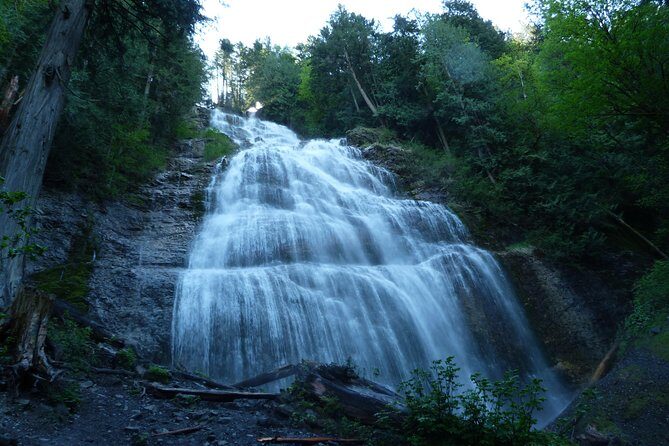
Day 1 is about variety. You start with a west-coast style nature pause: Bridal Veil Falls Provincial Park. Expect a short rainforest walk and a first taste of Canada’s waterfall scenery, in about a half-hour on the ground. It’s a great warm-up—easy enough to get moving without exhausting you before the longer drives.
Next comes Hope, BC, often described as the Chainsaw Carving Capital of Canada. You’re stopping briefly to pick up lunch supplies, which is practical. It also gives you a quick sense of small-town stops along the route, instead of purely jumping from park to park.
Then you head to E.C. Manning Provincial Park and Lightning Lake. This stop is shorter, but that’s the point: it’s a chance to stretch your legs in the Cascade Mountains setting and get photos with calmer water in the mix. If you like contrast, you’ll appreciate moving from waterfall to lake without the itinerary turning into one long hiking day.
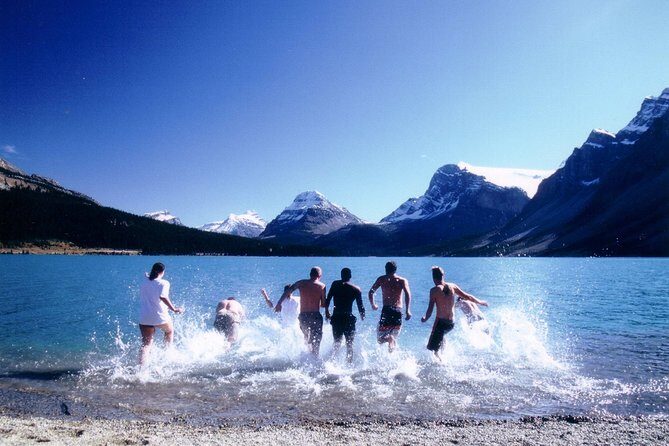
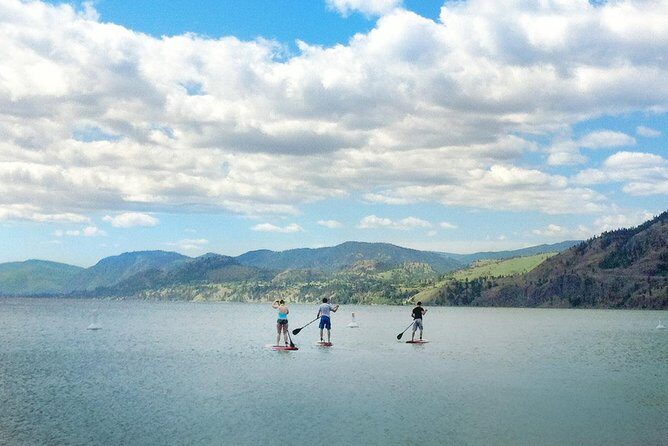
After that, you reach Skaha Lake Park in Penticton for afternoon paddleboarding (included during mid-May through September). This is a clever inclusion because it’s active in a way that doesn’t require technical hiking knowledge. You’ll get the feeling of the Okanagan without leaving the Rockies story behind.
You end your day in Kelowna, with dinner at Kekuli Café, known for Indigenous-inspired cuisine. Even when a trip is focused on national parks, this kind of food stop gives you local context. It’s also a nice pacing change from driving—sit down, refuel, and plan your energy for the big Rockies next day.
Day 1 watch-outs
You’ll likely feel the day’s rhythm more than you feel individual hikes. If you’re expecting long guided walks every day, this isn’t that type of itinerary. The payoff is variety plus a schedule that keeps you on track.

Day 2: From the Last Spike to Lake Louise, with a wooden-boat option
Day 2 starts in Kelowna with Frind Estate Winery bakery and vineyard views over Okanagan Lake. You’ve got about an hour here, centered on pastries and scenery. It’s a gentle start that also helps break up the travel day before you cross into Alberta.
Then you stop in Craigellachie, where the Last Spike of the Trans-Canadian Railway was driven—a big Canadian history moment tied to how the country opened up by rail. The stop is short, but it’s worth it because it reminds you that these parks aren’t just pretty. They’re connected to how people moved and built across the country.
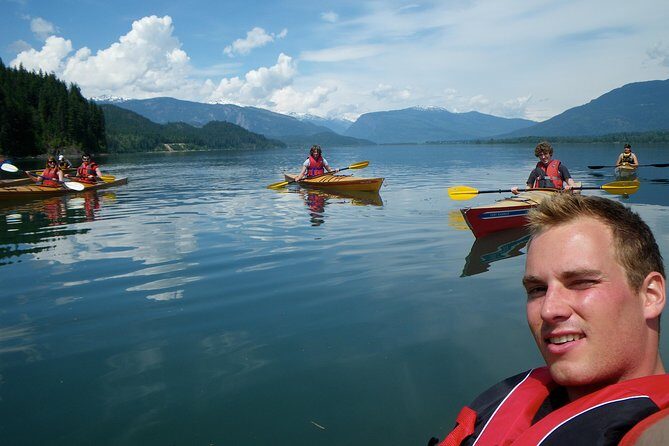
Your next possible water activity is at Natural Escapes for kayaking/canoeing/SUP on Lake Revelstoke. This is listed as not included, but the description notes handmade wooden kayaks and options that range from active paddling to simply relaxing near the water. If you love adding one optional “try it” activity, this is the day to do it—just know it’s separate from the included cost.
From there, you drive through big scenery and reach Lake Louise, crossing Kicking Horse Pass along the way. Lake Louise is the kind of stop that makes your brain go quiet for a moment. On this itinerary, you arrive and then spend the night there, so you don’t just show up, snap photos, and leave immediately.
Day 2 watch-outs
The day has a lot of “see it, then move on.” If you’re the type who wants one place to be your whole day, you may feel shortchanged. If you love hitting several top sights in sequence, this day is exactly what you paid for.
Day 3: Moraine Lake access plus glacier and canyon viewpoints
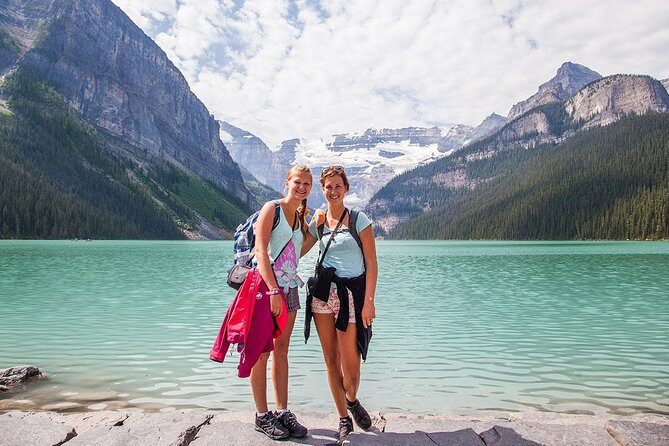
Day 3 is where the Rockies start stacking up fast: Lake Louise, Moraine Lake, Crowfoot Glacier, Peyto Lake, and Mistaya Canyon all show up, with generous time for photos at most stops.
You begin again with Lake Louise for about an hour. Having a second touchpoint here can be a good thing. First glance sets the hook; the second visit can feel like a deeper look rather than a drive-by.
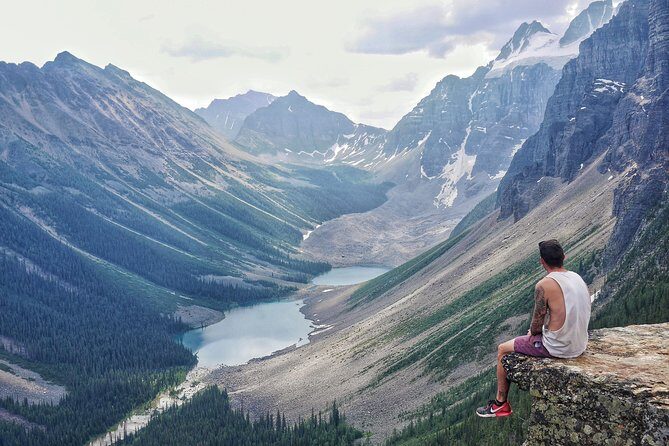
Next is Moraine Lake, with about an hour and admission included. Moraine is known for its intense color and the surrounding peaks, and on this tour you get the advantage of exclusive access. That’s important because this lake can be difficult to visit well if you’re traveling on your own without timed planning.
Then you head to Crowfoot Glacier. Your stop is only about 30 minutes, but the description is the real hook: explore ice formations and marvel at how time carved this area. It’s one of those quick stops that can still feel memorable because glaciers give you scale instantly.
After that comes Peyto Lake, described as the tour favorite. The big detail here is the distinctive wolf-shaped outline and the turquoise water with mountain backdrop. You’ll get a short look, but this one is worth it if you like recognizable shapes in nature—something you can remember later instead of just another photo.
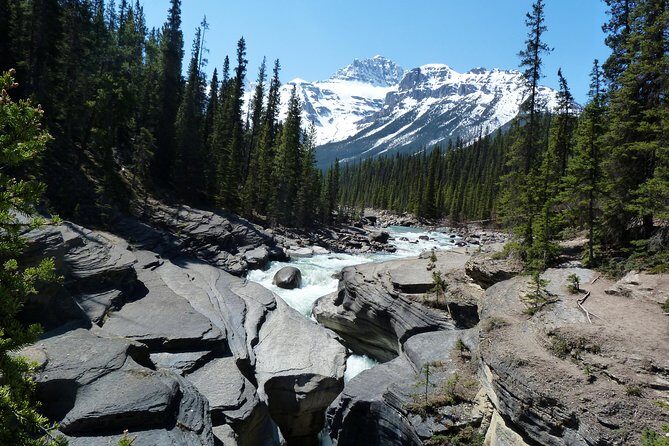
Finally, you end with Mistaya Canyon, where you take a short walk and see Mistaya River flow and rock formations carved over time. It’s a good closing note because it connects glaciers and meltwater to what happens downstream.
Day 3 watch-outs
This is a photography-heavy day. If you get frustrated by quick stops, set expectations. If you’re flexible and keep an eye on timing, you’ll feel like you’re seeing a lot without burning out.
Day 4: Columbia Icefield toe hike, then Sunwapta and Athabasca Falls
Day 4 is the “big finish” day. You start at the Columbia Icefield, the largest icefield in the Rocky Mountains (about 325 square kilometers). The highlight here is a short hike to the toe of the Athabasca Glacier, about two hours. That walk matters because you don’t just stare at ice from a bus window—you get close enough to understand how massive it is.
Next, you enter Jasper National Park and stop at Sunwapta Falls and Canyon. This is another powerful gorge waterfall moment. Even with only about 30 minutes, you’ll feel the energy of water dropping through dramatic terrain.
Then you head to Athabasca Falls, also about 30 minutes. It’s described as powerful and mesmerizing, tumbling through a rugged canyon. This is the kind of ending that feels earned: you start with ice scale, then shift to water power.
Day 4 watch-outs
The toe hike is longer than most of the other stops. Make sure you can handle walking time even if you don’t consider yourself a big hiker. Also, the tour operates in all weather conditions, so bring layers and expect the day to change quickly.
Transportation, timing, and the early-start reality
Start time is 8:00am, and the tour runs on a schedule designed to fit multiple parks in a short window. That means you should pack with the mindset of movement, not lounging. You’ll have luggage constraints too: one main backpack/bag up to 23kg (50lbs) and 158cm linear dimensions, plus one small daypack.
This matters because these places aren’t convenient to haul heavy gear around. If you show up with a bulky suitcase, you might have issues. And if luggage exceeds the limits, the operator can refuse it or charge a $50 fee per overweight/oversize bag (decision at departure).
On the plus side, you’re not dealing with car rental juggling, parking stress, or constant navigation. The Moose Bus plus guide makes it a calmer way to move through the Canadian Rockies.
Who should book this Rockies sprint?
This tour fits best if you:
- Want Banff and Jasper highlights without planning each stop yourself.
- Are okay with hostel dorm-style rooms and a guided group rhythm.
- Like day-to-day variety: waterfalls, lakes, glaciers, and a canyon walk.
- Travel solo or with a small group and appreciate meeting people in a max 24 group setting.
It’s less ideal if you:
- Want long, unhurried time at one location.
- Need private lodging or quiet downtime on every day.
- Don’t want to do a couple of moderate walks like the glacier toe hike.
Should you book the Coho Banff and Jasper 4-Day trip?
If your goal is simple—see the Rockies best-known sights with minimal planning—this is a strong booking. The included package makes it easier to get to places like Moraine Lake and to follow a smooth route across regions. The guide-led approach also seems to be a consistent win, with past leaders like Mike and Troy earning praise for being friendly, helpful, and focused on what you’re seeing.
I’d book it if you can handle a busy schedule and shared hostel rooms. I’d pass—or at least shop around—if you crave slow travel or private comfort. For the right traveler, this tour is the kind of trip that gives you big memories fast, with fewer trip-planning headaches.
FAQ
Is paddleboarding included?
Paddleboarding on Skaha Lake is included mid May to September.
What meals are included?
Breakfast is included, and there are 3 included dinners. Meals other than those listed are not included.
What kind of accommodation do I get?
You get 3 nights accommodation in mixed gender, hostel dorm-style rooms.
Which park fees are included?
National park fees are included, including exclusive access to Moraine Lake.
What’s the group size limit?
The tour has a maximum of 24 travelers.
What luggage can I bring?
You’re limited to one reasonably sized main backpack/bag/suitcase up to 23kg (50lbs) and 158cm linear dimensions, plus one small daypack. Overweight/oversize luggage can be refused, and a $50 fee may apply if accepted at departure.