Puffins in Newfoundland, with iceberg hope. This 1.5-hour boat trip from St. John’s targets the largest puffin colony in North America, with viewing decks built for spotting nesting birds and a captain who scans for icebergs and whales when conditions allow.
Two things I really like: you get practical, eye-level sightlines thanks to the ship’s deck layout, not just a vague “go look at the water” plan, and the crew mixes live wildlife interpretation with Newfoundland stories and humor so you learn without feeling stuck in a classroom.
The main catch is that the North Atlantic can be cold fast, and while puffins are promised, icebergs and whales are not guaranteed. On rougher moments, you may be asked to stay seated and limit standing for safety and comfort.
In This Review
- Key things to know before you go
- A 90-minute cruise that feels made for real spotting
- From St. John’s to the cliffs: what the ride is like in practice
- The puffin colony: why you’re kept at eye level
- Icebergs in range: best chances and how to handle uncertainty
- Whale watch moments: what changes when you get the right angle
- Guides in Newfoundland style: learning with humor, not lectures
- What to bring: layers win, binoculars help, and weather is part of the deal
- Price and value: why $71 can be fair (or not) depending on your goals
- Who should book this, and who might want a different plan
- Should you book Birds and Bergs in Newfoundland?
- FAQ
- Are puffins guaranteed on this tour
- Are whales and icebergs guaranteed
- When is the best time to see puffins
- How long is the Birds and Bergs cruise
- Is hotel pickup available
- What’s included in the tour price
- Is a Screech In ceremony included
Key things to know before you go
- Penthouse-style deck viewing: you’re kept at bird-and-water level, with lots of rail and deck space for clear spotting.
- Puffins are the headline: the tour says puffins are guaranteed, and the best season runs from May through late August.
- Iceberg odds depend on timing: early season (May/June) tends to bring the best chance, but the number and reach of icebergs vary.
- Whales, when they show up: the cat-style vessel gives you a better angle to see what’s happening underwater.
- Comfort and safety are handled: you get Transport Canada–required safety gear, a pre-departure briefing, and a washroom onboard.
- Optional Screech In: you can register for a Screech In ceremony at check-in or during the tour.
A 90-minute cruise that feels made for real spotting
This is a short tour on purpose. You don’t spend half a day commuting or waiting around; you spend about 1 hour 30 minutes on the water, where your odds improve simply because everyone is focused on the same targets: nesting seabirds first, and then icebergs and whales if the sea gods cooperate.
The boat is also set up for viewing. You’re not stuck craning from one awkward spot. The big idea is straightforward: more usable viewing space plus a higher sightline means you spot puffins faster, and you have a better chance of seeing a distant iceberg or whale rise.
One small reality check: sea conditions matter. The crew may ask you to sit during portions of the cruise, and people with balance issues are advised to remain seated. That’s not a dealbreaker, just something to plan for with your clothing and your attitude.
You can also read our reviews of more tours and experiences in St Johns.
From St. John’s to the cliffs: what the ride is like in practice
You start and end back in St. John’s, with the tour finishing at the meeting point. There’s free parking on site, which is handy if you’re driving in on your own. Hotel pickup and return may be available for an extra fee, but it has to be booked and confirmed in advance (the timing is tight, so don’t leave it to the last minute).
Before you head out, you’ll get a pre-departure safety briefing, plus all the necessary safety equipment is provided per Transport Canada requirements. There’s also a washroom onboard, which sounds basic until you’ve done enough boat tours to know it’s a genuine comfort upgrade.
Group size is capped at a maximum of 100 people. That matters because it usually means easier deck movement and less crowd chaos when wildlife appears.
The puffin colony: why you’re kept at eye level
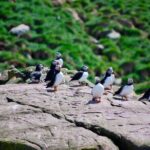
This tour is built around a simple promise: you’re going to see puffins. The operator states puffins are guaranteed, and the tour’s whole design supports that goal.
Puffins nest on cliffs, which means the main challenge is perspective. From the deck of most boats, you end up looking slightly down or at an angle. Here, the viewing setup is meant to keep you near eye level with nesting puffins, so you’re more likely to catch key behaviors, not just distant dots on rock.
If you want photos, this is where the “why it matters” part shows up. When you’re at the right height, you can keep the subject in frame longer and track action without constant repositioning. There’s also abundant deck and rail space, so you’re less likely to be blocked when someone else finds something.
Timing also affects what you’ll feel out there. The seabird colony is at its finest from May through late August. Puffins can still be present through mid/late September, but the prime experience is definitely in the late spring to late summer window.
Quick tip: bring binoculars. Even in the best conditions, they help you find birds quickly, especially if they’re moving on ledges rather than sitting perfectly still.
Icebergs in range: best chances and how to handle uncertainty
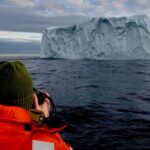
Icebergs are one of the reasons people book a Birds and Bergs style trip in the first place. The tour treats them realistically: they can appear early season, but they’re not guaranteed.
Here’s what you can use to make smart decisions:
- May/June gives you the best chance for icebergs.
- The number and distribution can change every season, so one year’s sightings don’t automatically predict the next.
When icebergs are in range, the captain navigates waters around them, and the guides provide insights into the life of an iceberg. This part is more than trivia. Understanding how ice moves, melts, and breaks apart makes the sighting feel less like a random floating chunk and more like a living process you’re watching from the deck.
My practical advice: if you have flexibility, choose earlier season for iceberg odds. But if you don’t get bergs on the day, don’t treat it like a failure. The puffin side of the trip is the backbone, and even without ice, the sea is still full of wildlife interest.
Whale watch moments: what changes when you get the right angle
Whales are the wildcard bonus. The tour states whales cannot be guaranteed, and they may appear before or after peak season. That matches how real whale-watching works: your success depends on where the animals decide to be.
Still, this trip has an advantage in how it positions you. When whales visit closer, the cat enables superior viewing angles, letting you see deeper into the water. That’s a big deal because the most exciting moments aren’t always the surface splash. It’s the glide and the quick drop beneath.
When whales show up, you’ll usually get a mix of excitement and motion. Stay ready for short bursts of action: watch, track, and keep your gear handy but protected from sea spray and wind.
A good sign you’re on the right track is how often the crew keeps scanning during the cruise. The captain and crew are described as constantly scanning for early-season whale sightings, which means you’re not just traveling to one point and hoping.





Guides in Newfoundland style: learning with humor, not lectures
What makes this tour more than a “boat ride to see birds” is the way the crew teaches.
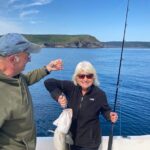
You get a live interpretation that connects the puffins, seabirds, and marine wildlife you encounter. Instead of standing around reading facts off a card, you hear it in the moment—plus you’ll get a colorful blend of local humor, stories, and song that captures the Newfoundland feel.
There’s a balance here that I appreciate. You still get the wildlife info, but it’s delivered as entertainment, not a formal talk. That matters because wildlife doesn’t wait politely while someone finishes a lecture. The best guides keep information flowing while also giving you time to look.
If you can, listen for the guide cues about what to watch for. When puffins shift location on cliffs or when the crew starts scanning harder, the payoff usually comes quickly.
What to bring: layers win, binoculars help, and weather is part of the deal
This operates in all weather conditions, so you should plan like the North Atlantic is going to do North Atlantic things—wind, spray, and sudden chill.
At minimum, I’d pack:
- Warm layers you can adjust on deck
- A hat and gloves (wind steals heat fast)
- Sunglasses (ice glare and ocean glare happen)
- Binoculars for seabird spotting
One review highlight matched what I’d expect: the upper deck/front balcony area is often the best view, but it’s also colder. If you’re the type who wants maximum spotting, aim for front/upper, but dress for the cold so you can stay out there.
Also remember: the crew may tell you not to stand during certain portions due to vessel movement and sea conditions. Don’t rely on constant standing as your plan. Dress for sitting or standing, just in case.
Price and value: why $71 can be fair (or not) depending on your goals
At $71, this is positioned as a value-focused wildlife cruise. What you’re getting for that price is more than time on a boat:
- An experienced local guide for the live interpretation
- Safety equipment and a pre-departure briefing
- A washroom onboard
- Free parking on site
- A deck layout designed for actual spotting
That’s meaningful because a lot of tours charge similar money but don’t include the practical stuff that makes the experience easier and safer.
Not included: alcohol. So if you want drinks, plan on buying them separately (the tour doesn’t include alcoholic beverages).
Also note the extra transportation fee if you request transfer service: transportation is listed as available on request for an additional $35 + tax per person. If you’re driving and using free parking, you can ignore that. If you’re staying at a place far from the action, it can matter, so confirm what’s available before you go.
Finally, puffins are the guaranteed anchor of the day, while whales and icebergs are the bonus. If your main goal is puffins, this price makes a lot of sense. If you’re chasing whales and icebergs as your top priority, understand that the odds depend on the day.
Who should book this, and who might want a different plan
This is a great match if you want:
- A short, efficient wildlife trip out of St. John’s
- Strong puffin chances (the tour says puffins are guaranteed)
- Good viewing space for photos and spotting
- A guide crew that mixes facts with Newfoundland culture
It’s less ideal if:
- You need frequent guaranteed sightings of whales or icebergs (those are explicitly not guaranteed)
- You’re very sensitive to cold wind and motion, since you may be advised to stay seated at times
If you’re traveling with kids, or you just don’t want an all-day commitment, this format is friendly. And because it runs in all weather conditions (with appropriate clothing), you’re not stuck waiting for a perfect forecast to justify going.
Should you book Birds and Bergs in Newfoundland?
I’d book it if puffins are on your Newfoundland checklist and you want the most direct route to them. The tour’s design—deck space, eye-level viewing, and a short time window—feels built for real wildlife sighting, not wishful searching.
I’d think twice if your trip timing is fixed and you’re mainly hoping for icebergs or whales. You can boost your odds with early-season timing, and I also recommend doing a quick iceberg check before you go, since berg visibility depends on how far south they drift that year. But even without ice or whales, puffins plus a strong crew and interpretation can still be a satisfying couple of hours on the water.
If you do book, wear layers, bring binoculars, and plan to be flexible when the captain and crew follow what the sea gives that day.
FAQ
Are puffins guaranteed on this tour
Yes. The tour states that puffins are guaranteed.
Are whales and icebergs guaranteed
No. The tour says whales and/or icebergs cannot be guaranteed on any given cruise.
When is the best time to see puffins
The seabird colony is at its finest from May through late August. Puffins can still be present through mid/late September.
How long is the Birds and Bergs cruise
It’s approximately 1 hour 30 minutes.
Is hotel pickup available
Hotel pickup and return may be available for an additional fee for select hotels, but it must be booked and confirmed in advance.
What’s included in the tour price
Included items are an experienced local guide, safety equipment per Transport Canada requirements, a pre-departure safety briefing, free parking on site, and a washroom on the vessel.
Is a Screech In ceremony included
A Screech In ceremony is available, but you need to register at check-in or during the tour.