REVIEW · BANFF
Abraham Ice Bubble/Sunwapta Falls,Snowshoeing,Icefield, Bow&Peyto
Book on Viator →Operated by Rockies Journey · Bookable on Viator
Ice bubbles turn winter into theatre. This long day strings together Abraham Lake and major photo stops along the Icefields Parkway, with a guide who’s built for winter timing and safe walking. I love how the day is designed around the big visual payoffs (turquoise lakes, glacier-blue ice, and waterfall power), and I love that winter essentials like crampons and hot drinks are included. One possible drawback: it runs 10 to 12 hours and there’s no lunch stop, so you’ll want to pack food and plan for a cold, early start.
What makes this tour feel worth it is the human touch. Guides like Lam, Kenneth, and Ray show up with clear directions, help with photos, and keep the pace moving without rushing you through every viewpoint. With a max group size of 24, you usually get enough time to actually look, not just pose and bounce.
In This Review
- Key highlights you should care about
- Price and logistics: what you’re really paying for
- The 7:00 am start: a long day, planned to keep you sane
- Cascade Mountain, Vermilion Lakes, and Castle Mountain: quick hits that set the tone
- Bow Lake: the turquoise you can’t fake
- Peyto Lake: glacier-fed blue in half an hour
- Icefields Parkway: why this drive matters (and not just for photos)
- Abraham Lake ice bubbles: the winter main event
- When winter conditions change: Weeping Wall and glacier-view alternatives
- Crowfoot to glaciers to falls: how the stops connect
- Sunwapta Falls (and the waterfall factor)
- What it feels like with guides: Lam, Kenneth, and Ray
- What to pack: keep your hands warm and your day easy
- Who this tour suits best
- Should you book this tour?
- FAQ
- What time does this tour start from Banff?
- How long is the tour overall?
- Where is this tour offered?
- Is the tour in English?
- How many people are in the group?
- Is lunch included?
- What’s included in the price?
- What tickets or admissions are included?
- What’s not included?
- Is there free cancellation?
- Do I need crampons for winter?
Key highlights you should care about
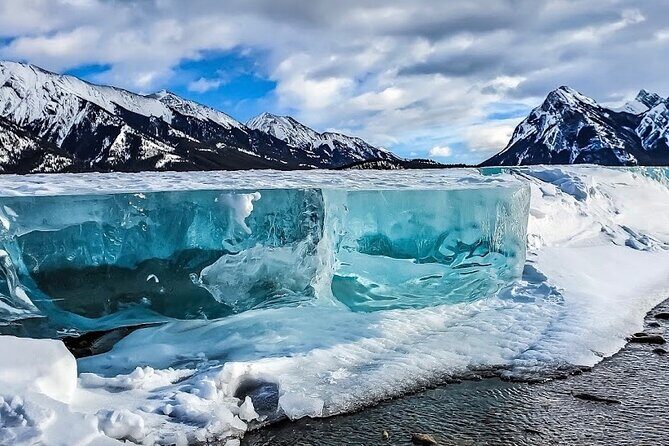
- Abraham Lake ice bubbles in prime winter weeks (mid-Jan to early Feb often deliver the best look)
- Icefields Parkway viewpoints that are timed for scenery, not just driving through
- Bow Lake and Peyto Lake colors—glacier-fed blues you can spot right away
- Sunwapta Falls with a short stop that still feels like a real payoff
- Winter support: crampons and hot drinks, plus guides who adjust plans when weather changes
Price and logistics: what you’re really paying for
At $68.34 per person, this is priced like a value-focused Rockies day. You’re not just buying a bus ticket. You’re paying for (1) a full day of guided stops across the Banff–Icefields corridor, (2) included water and winter hot drinks, and (3) entry/tickets for several key viewpoints like Bow Lake and Peyto Lake.
The part you’ll have to cover yourself is also clear: meals (and there’s no lunch stop), personal expenses, and tips. The good news is that the lack of restaurant stops keeps the schedule tight and helps you spend your time outside, which is where this route matters.
Group size helps too. With up to 24 travelers, the day usually stays organized enough for bathroom breaks and quick photo moments—without turning into a free-for-all.
You can also read our reviews of more tours and experiences in Banff.
The 7:00 am start: a long day, planned to keep you sane
This tour begins at 7:00 am and runs about 11 to 12 hours (the trip from Banff is often around 10 hours, but you should treat it as a long day that includes driving). In winter, that early start matters because daylight and road conditions can shape what you’ll actually see.
The itinerary is also weather-dependent. If the road or conditions don’t support a specific stop (one review noted difficulty seeing a glacier during snow), the guide will adjust. That’s not a small detail—it’s what keeps the day from feeling like it fell apart.
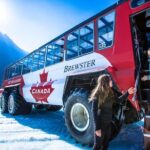
You’ll be in an air-conditioned vehicle, with bottled water onboard. In winter, the tour includes hot drinks, which sounds simple until you’re standing outside waiting for the best light on icy surfaces.
Cascade Mountain, Vermilion Lakes, and Castle Mountain: quick hits that set the tone
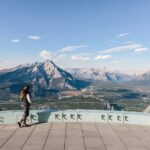
Before you dive into the Icefields portion, you’ll pass through some of Banff’s most famous backdrops.
- Cascade Mountain: It’s one of those Banff “you know it when you see it” peaks. Expect photo opportunities and a sense of scale as you start the day.
- Vermilion Lakes: Three linked lakes make reflections possible, especially with Mount Rundle rising behind town. This is often the kind of stop where a short pause makes a difference—water calm, reflection crisp, and you get that postcard look without hiking for hours.
- Castle Mountain: Its name comes from its castle-like profile, shaped by erosive processes. It’s a quick viewpoint stop, but it helps you understand how the Rockies look from different angles, not just one iconic frame.
These stops are short, but they’re useful. They’re a warm-up for the longer drives ahead and they make the day feel like a journey, not a checklist.
Bow Lake: the turquoise you can’t fake
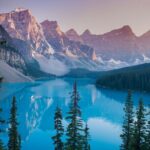
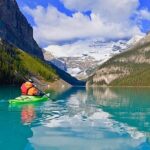
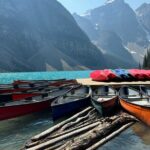
Bow Lake is a glacier-fed lake, famous for its striking turquoise color. The shade comes from glacial till—tiny rock particles mixed into the meltwater, which changes how light hits the water.
On this tour you’ll get about 15 minutes at Bow Lake, with a ticket included. That’s not a lot of time, but it’s enough if you treat it like a “look first, walk second” stop:
- Arrive, scan for the color effect from the best angle.
- Take photos early, then do any short stroll if conditions are safe.
- Keep your head up for ice and snow reflections—those can change as clouds move.
The biggest benefit of a guided stop is timing. The guide helps you get positioned so you’re not wasting your limited time guessing where the best view is.
Peyto Lake: glacier-fed blue in half an hour
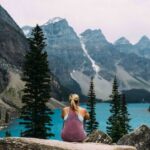
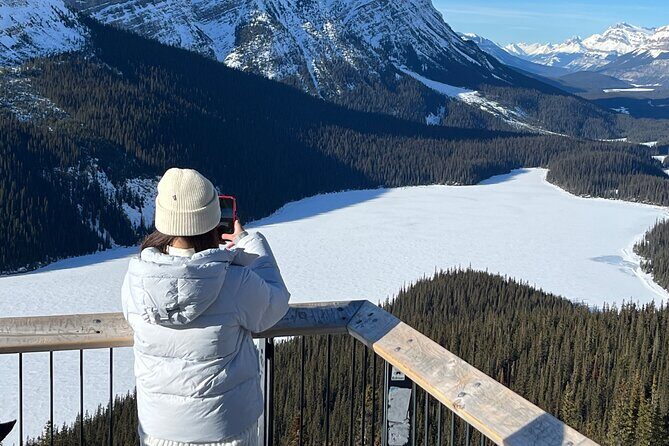
Peyto Lake is one of Banff National Park’s most popular lakes for a reason. Like Bow Lake, it’s glacier-fed, and its vivid blue comes from glacial rock flour flowing in from the Peyto Glacier.
You’ll have about 30 minutes, and the admission is included. With that extra time compared to Bow Lake, you can do more than just snap a photo:
- Find your viewpoint and let your eyes adjust to the color.
- Use the extra time to try a couple angles—Peyto can look different as your position changes.
- If your guide offers photography tips (many do), take them. One strong theme from the guides in this tour is helping people get better pictures without wasting time.
Icefields Parkway: why this drive matters (and not just for photos)
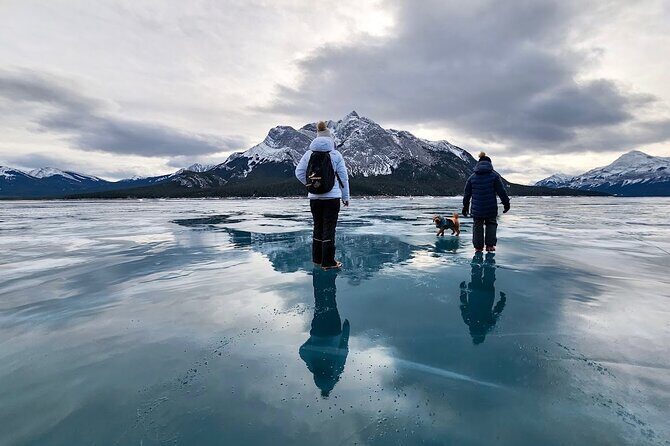
Between Banff and Jasper, the Icefields Parkway (Hwy 93 North) is often ranked among the world’s most scenic drives. This route matters because it threads through protected habitats and puts you in the Canadian Rockies’ “working nature” zone—animals can be out, and you’ll see the scale of glaciated terrain.
Practically, this means you’re not just chasing one lake after another. You’re driving through a region where the scenery makes sense as a whole system:
- rocky outcrops,
- long viewpoints,
- and glacier-fed valleys.
On the way, you may see the Crowfoot Glacier, which sits above Bow Lake. It’s one of those sightings where your brain clicks: that lake color you just saw is connected to the ice feeding it.
Abraham Lake ice bubbles: the winter main event
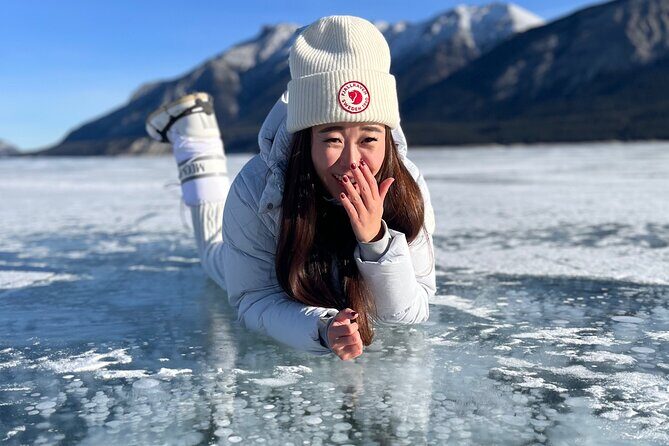
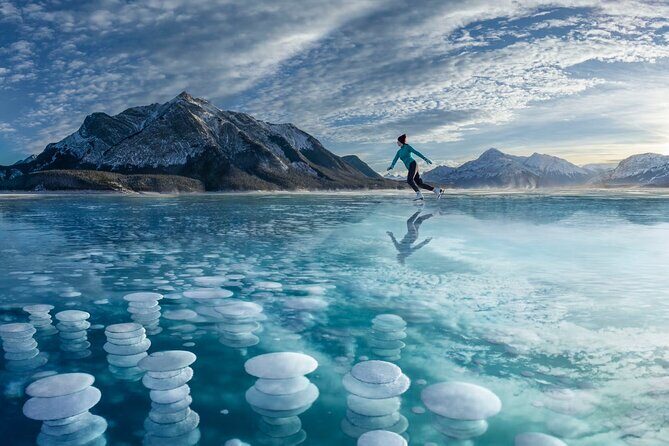
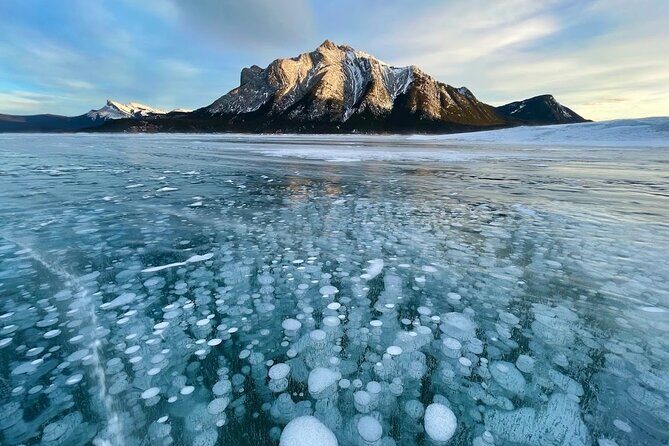
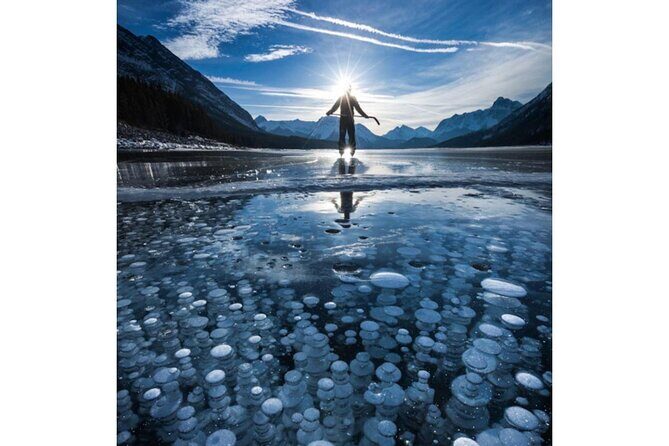
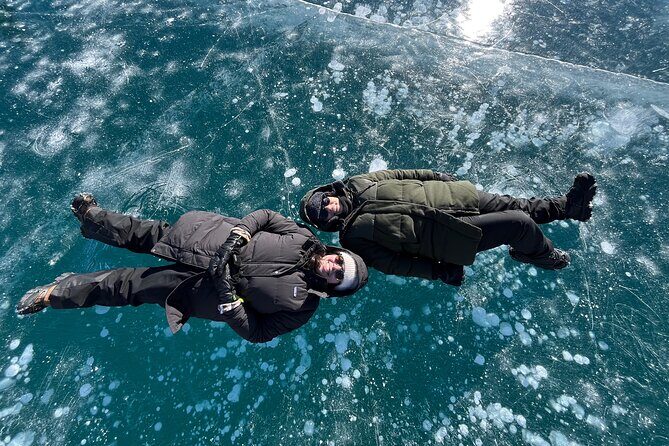
If you’re booking for the ice bubble look, this is the centerpiece. Abraham Lake shines in winter because its turquoise water freezes, revealing thousands of white bubbles beneath the surface.
This works only in the winter season, generally from mid-December to early March, and the tour notes that the best timing is often between mid-January and early February. You’re not guaranteed perfect conditions, but you’re booking for peak odds.
You’ll have about 1 hour at Abraham Lake, and admission is listed as free. That hour is valuable because ice-bubble viewing isn’t like a quick waterfall check. Light, wind, and how the ice surface looks can change what you see.
What to do with your time:
- Arrive early in your window and let your eyes adjust to the ice texture.
- If your guide is walking the group and offering direction, follow that. It’s the quickest way to avoid ending up in a spot with an awkward angle.
- Don’t just shoot wide. Try a close-in photo where the bubble pattern is clearer—those often become the memories you zoom in on later.
The best reviews consistently point to this as the highlight, and for good reason: it’s unusual, photogenic, and very “this only happens here” type of experience.
When winter conditions change: Weeping Wall and glacier-view alternatives
Abraham Lake depends on weather and access, so the tour provides winter alternatives.
One alternative is the Weeping Wall at Cirrus Mountain, about 100 meters (330 feet) high. It looks like a mountain shedding tears. The most prominent waterfall is called Teardrop, and it can create a mesmerizing vertical flow you’ll want to watch from the right angle.
Other winter alternatives focus on the Columbia Icefield area:
- Athabasca Glacier: You can walk on the glacier and see blue ice close up, and it’s described as an indicator of climate change because it has been shrinking. You’ll have about 30 minutes at this stop, with admission included.
- Stutfield Glacier: Another ice formation with crevasses and icy blue pools for photos and views, also around the 30-minute range.
- Tangle Creek Falls: A waterfall stop with rocky-cliff cascades and a quieter feel than the biggest showstopper falls.
If you’re hoping to add the more involved Columbia Icefield Adventure, note that it’s listed as not included. You still get major glacier viewing on this tour, but if you want the full program, you’d need the separate add-on.
And if the weather turns (snow, low visibility, bad road conditions), your guide will prioritize what’s still accessible. One of the most important things I look for on winter tours is flexibility, and this itinerary is built for it.
Crowfoot to glaciers to falls: how the stops connect
This tour works best when you think of it as a chain. Each part supports the next:
- glacier ice feeds the color in the lakes,
- the Icefields corridor reveals more ice formations,
- and then the waterfalls show you meltwater energy in motion.
That’s why the day feels satisfying even if you don’t have the perfect weather. You still see the Rockies’ main themes: cold water, ice, and sharp mountain shapes.
Sunwapta Falls (and the waterfall factor)
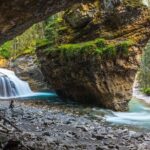
Sunwapta Falls sits south of Jasper and has an approximate drop of 18 meters (about 60 feet). It tends to be most impressive in late spring and early summer when snowmelt boosts the flow, and it’s fed by the Athabasca Glacier.
On this itinerary, you’ll have about 15 minutes here, and admission is listed as free. That’s a short time, so I’d treat it like this:
- find your best viewpoint quickly,
- shoot photos early,
- then do a second look to appreciate the sound and power.
In winter, flow patterns can be different, so don’t expect every season’s peak look. But even in colder months, waterfalls help break up a day heavy with ice and lake views.
If your program also includes Athabasca Falls, you’re in for another punch. The stop is listed at 45 minutes, and the description emphasizes that it’s powerful due to the large volume of water—another great “feel it in your chest” moment after ice and color.
What it feels like with guides: Lam, Kenneth, and Ray
A standout pattern in the feedback is how much guides help beyond just driving. Guides like Lam, Kenneth, and Ray show up as:
- organized about timing,
- patient with the group,
- and focused on safety on slick winter ground.
There are also practical touches that matter on a cold day. One review noted hot chocolate/tea, and several mention guides helping people find the best views and even taking photos for group members. Another mentions the guide handing out crampons and walking with the group during site visits to make sure everyone gets through safely.
Even if you’re a confident traveler, those details reduce stress. You spend more mental energy looking at the mountains instead of thinking about every little logistics step.
What to pack: keep your hands warm and your day easy
Based on how this tour runs in winter, I’d pack like this:
- Warm layers (you’ll be outside at multiple stops)
- Gloves and a hat you can actually wear for photos
- Good traction footwear even though crampons are provided in winter—your base shoes still matter
- Lunch you like (no lunch stop on this tour)
- A camera/phone strap or secure gloves for icy handling
Even with hot drinks included, long outdoor pauses will chill you. The tour can be wonderful, but it’s not a sit-in-comfort day.
Who this tour suits best
This is a strong match if you:
- want one guided day that covers Banff-area classics plus the Icefields corridor,
- are traveling without a car,
- and you’re especially excited about a winter-specific experience like Abraham Lake ice bubbles.
It may be less ideal if you hate long drives or you want a slower pace with long meals. This is built for scenery stops, not for restaurants.
Also, if you’re very sensitive to cold, plan ahead. Winter gear and hot drinks help, but the day is still outdoors at key moments.
Should you book this tour?
Yes—if you want maximum “Canadian Rockies in one day” impact and you’re excited by winter sights like Abraham Lake ice bubbles. The included crampons in winter, hot drinks, bottled water, and multiple ticketed viewpoint stops add up to solid value for the price.
I’d say book it sooner rather than later if your dates line up with the ideal bubble window (often mid-Jan to early Feb). If your priority is glacier access with a full guided program, double-check whether you want the separate Columbia Icefield Adventure, since it’s listed as not included.
If you can pack your lunch, dress for cold, and accept that weather can shift the exact stops, this tour is a well-run way to see the Rockies’ cold beauty without having to plan the entire route yourself.
FAQ
What time does this tour start from Banff?
The tour starts at 7:00 am. Total duration includes travel time, and the day runs about 11 to 12 hours.
How long is the tour overall?
It’s listed as approximately 11 to 12 hours. The time from Banff is noted as around 10 hours, with travel included.
Where is this tour offered?
It runs in the Banff area in Canada, visiting stops around Banff and the Icefields region.
Is the tour in English?
Yes. The tour is offered in English.
How many people are in the group?
The tour has a maximum of 24 travelers.
Is lunch included?
No. Meals are not included, and there is no lunch stop listed. You should prepare lunch for the day.
What’s included in the price?
Included items are an air-conditioned vehicle, bottled water, hot drinks in winter, a multilingual guide, crampons in winter, and GST.
What tickets or admissions are included?
Admission tickets are listed as included for stops like Bow Lake and Peyto Lake. Abraham Lake is listed as free (in winter). Sunwapta Falls is listed as free. Other glacier and alternative stops also note admission included.
What’s not included?
Not included: meals, personal expenses, gratuities for the guide (CAD 15 per person), and the Columbia Icefield Adventure.
Is there free cancellation?
Yes, free cancellation is available. You can cancel up to 24 hours in advance for a full refund; within 24 hours, the amount paid is not refunded.
Do I need crampons for winter?
Crampons are included in winter. The tour also notes that crampons (winter) are provided as part of the included items.