REVIEW · VANCOUVER ISLAND
4-Hour Sailing Adventure on The Strait of Juan de Fuca
Book on Viator →Operated by Starlight Sailing Adventures · Bookable on Viator
Sailing beats guessing and hoping. This 4-hour sail on the Strait of Juan de Fuca mixes real sailing practice with a whale-watching side quest, run by friendly skippers like Gord, Dallas, and Mitchell. You’ll get a calm intro to the basics and still have time to enjoy the water and coastline.
I especially like that you can choose your role on the boat: take the wheel or sit back and watch the work up close. And the setup is built for learning in a small space, with a max of 5 people and a tour that’s private or semi-private depending on the day.
One consideration: wind, sea life, and even the exact timing can shift. The operator notes that tides can affect departure times or location, and whales are part of the plan but not guaranteed in every outing.
In This Review
- Key things to know before you sail
- Why this Strait of Juan de Fuca sail feels like a real lesson, not a boat ride
- 6585 Goodmere Rd in Sooke: the meeting point and why the right harbor matters
- From safety briefing to steering time: what actually happens on the boat
- Sailing the Strait of Juan de Fuca: wind, fog, and the thrill of real conditions
- Whale watching: part of the tour, not a promise
- Comfort and packing: layers, snacks, and staying warm on the water
- The cost and value: $134.88 for a 4-hour small-group sailing lesson
- Weather, tides, and what you should expect if conditions turn
- Should you book Starlight Sailing Adventures from Sooke?
- FAQ
- How long is the sailing adventure on the Strait of Juan de Fuca?
- Where do I meet, and where does the trip end?
- What’s included in the price?
- What should I bring?
- Is whale watching guaranteed?
- What if weather or tides affect the trip?
Key things to know before you sail
- Small-group pace: a max of 5 people means more hands-on time and fewer long waits.
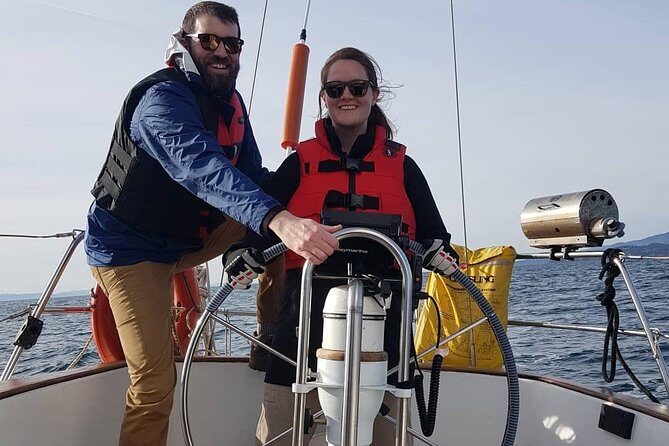
- You steer or you observe: the captain invites involvement, but you can also just enjoy the sail.
- PFD is included: safety equipment like a personal flotation device comes with the trip.
- Bring your own snacks and layers: the water can feel colder than you expect, even on a mild day.
- Whales are a bonus: the tour includes whale watching, but wildlife sightings depend on conditions.
- Tides can adjust timing: start time or location may change to match tide and water conditions.
Why this Strait of Juan de Fuca sail feels like a real lesson, not a boat ride
If you want the water experience without drowning in jargon, this is a smart fit. You’ll start with a short safety briefing, then you’re out there doing sailing. It’s the kind of trip where you can go from watching lines move to understanding what they do for the boat, without needing a week of classroom time.
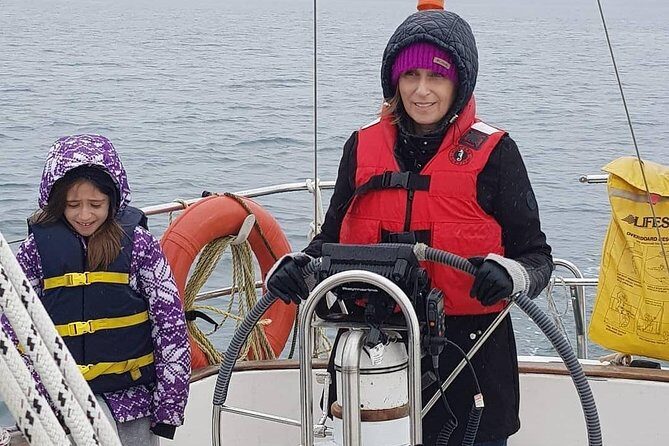
The biggest win is the hands-on nature. Multiple guides are described as patient and interactive, and that shows up in how the trip is run: you may steer for a good portion of the sail, and you can try tasks like raising sails if conditions and your comfort level allow. One review even called out how heavy the sails are to raise, which is exactly the kind of real-world detail that turns theory into experience.
And since the day is only about 4 hours, the lesson stays focused. You get enough time to feel the boat’s rhythm, but not so much that it turns into a long, drawn-out slog.
You can also read our reviews of more boat tours in Vancouver Island
6585 Goodmere Rd in Sooke: the meeting point and why the right harbor matters
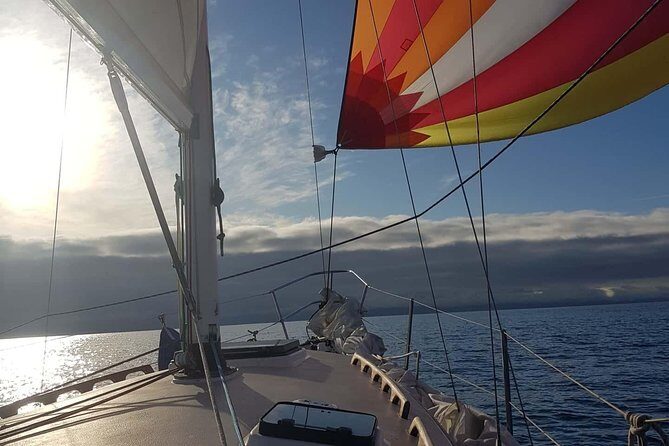
Your start point is 6585 Goodmere Rd, Sooke, BC V9Z 0X1, Canada, and the activity ends back at the same meeting point. The operator also notes the tour is near public transportation, which helps if you’re not driving in from Victoria.
Timing is the part that can surprise first-timers. The operator says times or location may have to adjust due to tides. That’s normal for coastal sailing, but it means you shouldn’t plan tight connections right after your return.
Also worth noting: Sooke has more than one harbor option, and one past sail flagged that there are three harbors in town. To avoid a pointless detour, I’d double-check the exact harbor details in your confirmation close to your departure time. Small effort here saves time later.
From safety briefing to steering time: what actually happens on the boat
Expect a straightforward flow. You’ll do a short safety briefing, get your life jacket (PFD) sorted, then head out to sail and watch the water. The day can feel relaxed even when conditions pick up, because the captain’s job is to manage the boat and teach you at the same time.
Here’s how the hands-on part tends to work in practice:
- You’ll learn the basics of sailing and/or practice what you already know.
- If you want to participate, you can take the captain’s wheel.
- If you’d rather not, you can observe and still follow along as the crew maneuvers.
A few reviews mention the motor shutting off and how that changes the whole experience. That quiet moment is when the sea sounds get louder and you start noticing details like wind shifts and wave pattern. One sail also mentioned hearing whales blow off in the distance right after that switch, which is a good reminder that the boat’s pace can change what you notice.
Boat size can also affect the feel of the trip. One reviewer described what looked like a smaller boat compared to the site photos, while the operator responded that they use two boats with similar cockpit size and about a five-foot difference in overall length. Either way, a keelboat setup typically gives you stability and a more “real sailing” feel than a dinghy.
Sailing the Strait of Juan de Fuca: wind, fog, and the thrill of real conditions
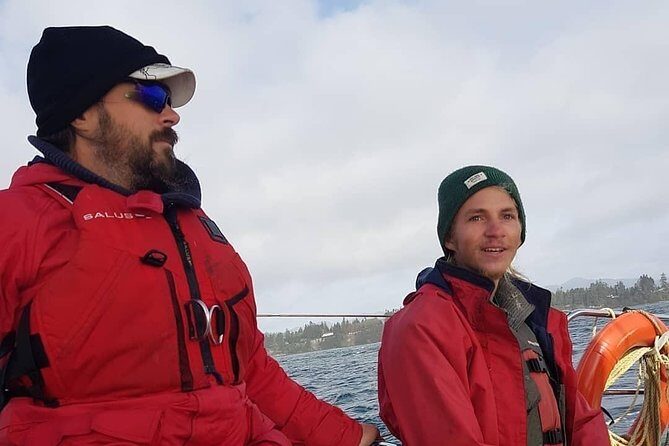
This is a scenic strait with open water right in front of Vancouver Island. Reviews describe the route moving from calmer winds toward more active conditions as you go further out. That matters because it turns your sailing lesson into something more than a gentle, flat-water demo.
You might also deal with fog. One review noted fog hanging out on the distance and then burning off as temperatures rose. That’s one of the reasons I like this kind of trip: the day isn’t staged. The water and weather lead the script.
And if you’re curious about the “border between places” feeling, you may get that too. One review described sailing approaching international waters. Even if you don’t focus on that detail, it adds a layer of perspective: you’re not just tooling around a harbor. You’re learning in a real marine zone.
One practical caution: sea conditions vary, and you should expect that some days feel more like waves than smooth floating. One review even suggested you must be seaworthy. If you’re prone to motion sickness, bring whatever you normally use for boat rides, and dress for wind. Calm stomachs equal better learning.
Whale watching: part of the tour, not a promise
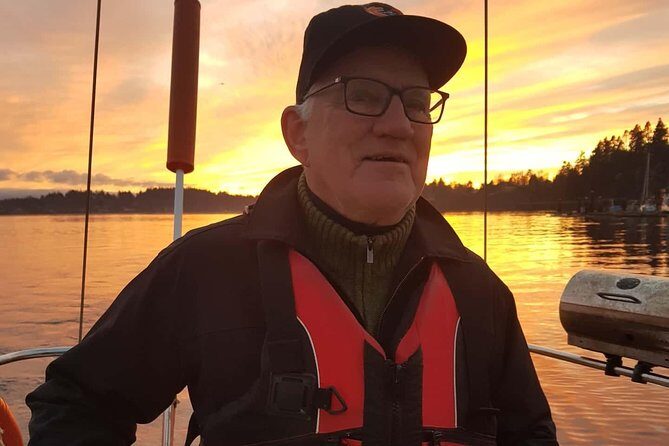
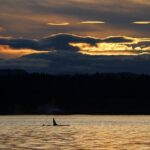
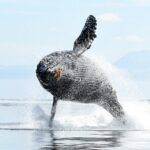
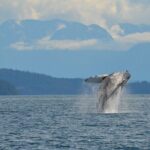
This sailing adventure doubles as a whale-watching cruise. That’s the pitch, and it’s why you’ll often see people pair the action of sailing with the patience of scanning the water.
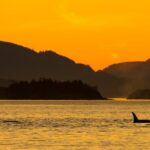
But here’s the honest part: whales are wildlife. One review specifically called out a no-whale day as a disappointment, while still praising the steering and hands-on sailing. That matches what I’d expect from nature-based spotting: sometimes you get action, sometimes you get ocean silence.
So how should you think about this?
- Go in knowing it’s whale watching as part of the experience, not a guaranteed sighting.
- If you’re lucky with conditions, you’ll get that classic moment: the boat slows, you look out, and then you catch the sign you’ve been waiting for.
- If you’re unlucky, you still get the sailing lesson, which is the main value here.
If wildlife matters most to you, I’d prioritize the sailing time as your anchor. The whale part is the bonus.

Comfort and packing: layers, snacks, and staying warm on the water
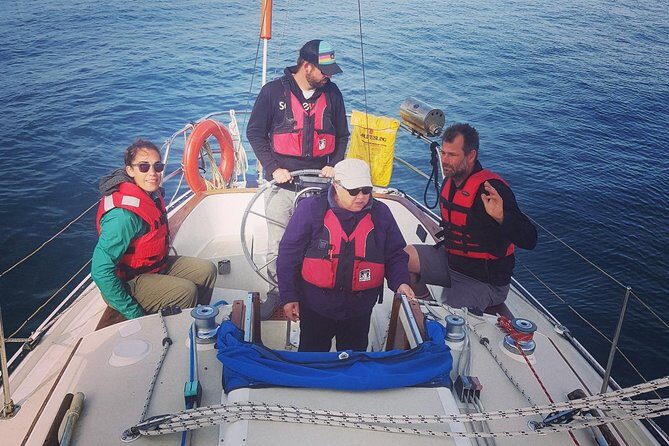
The operator is direct about clothing: warm clothes, wear layers. It can be colder in the water. That advice is worth taking seriously, because even mild air can feel sharp once you’re on the move and exposed to wind.
I’d pack like this:
- Layers you can peel on and off, not one bulky sweater.
- A wind-resistant top (the wind is the real temperature changer out there).
- Something you can wear that stays comfortable in wet conditions.
- Snacks and drinks, since neither is included.
One detail from reviews: people brought lunch or enjoyed small comforts during the sail, and one mention said skipper Gord made tea. I wouldn’t count on tea as an official inclusion, but it’s a nice example of how some captains help make the time feel more like an outing than a lesson-and-go.
Also, the trip is about 4 hours. If you get hungry, you’ll want your own plan. Bring enough snacks for yourself, plus a little extra in case the day runs a touch longer than you expect due to tides or conditions.
The cost and value: $134.88 for a 4-hour small-group sailing lesson
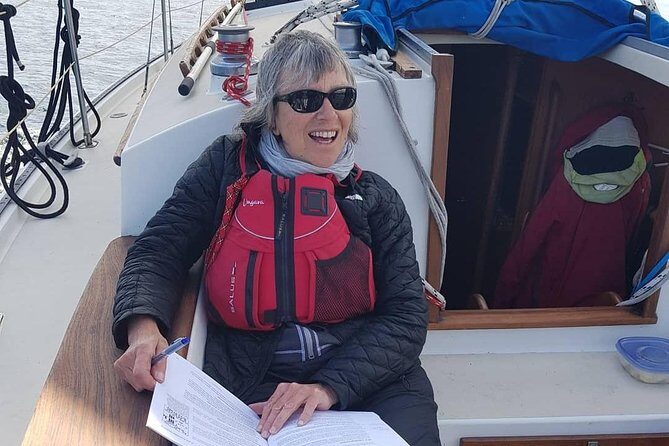
At $134.88 per person for about 4 hours, you’re paying for three things that are hard to find together: real sailing time, instruction, and a small-group format.
PFDs and safety equipment are included. That’s not glamorous, but it’s essential value. The larger value is that you’re not stuck watching from the rail while someone else does the work. Multiple reviews highlight that steering and sail-handling were accessible for beginners, and that coaching felt patient and calming.
The tour also runs private or semi-private depending on the day. And with a maximum group size of 5 people, you’re less likely to feel like you’re squeezed into a crowd. That’s one of the quiet reasons the experience scores so high: you get attention, not just time on the water.
One more pricing note: this kind of small-group sailing can book out, and this one averages booking about 26 days in advance. If you’re traveling during busy periods, I’d book earlier rather than treating this like a last-minute experiment.
Weather, tides, and what you should expect if conditions turn
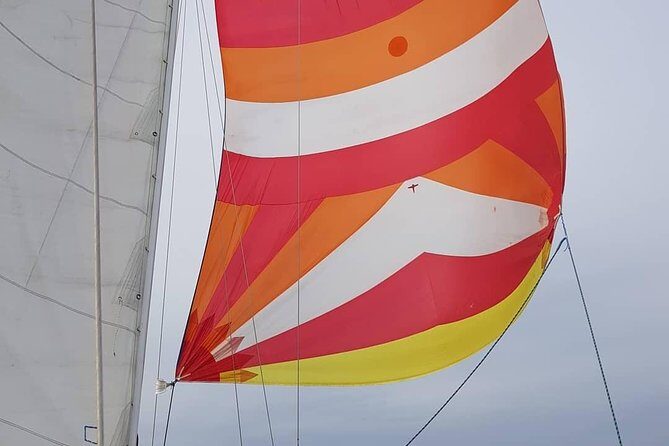
Sailing in Sooke is weather-driven. The operator says times or location may be adjusted due to tides, and the experience requires good weather. That’s not fine print. It’s the whole game.
If conditions are rough, the captain’s first job is safety and comfort while still finding sailing opportunities. Some days you’ll get calm winds and smooth sailing. Other days winds pick up, fog can appear, and the sea gets a little more “alive.”
Here’s how to plan smart:
- Pick your day based on broader forecasts, not just an hour window.
- Dress for wind and cold water exposure even if the morning looks sunny.
- Have flexible expectations about timing and wildlife.
Should you book Starlight Sailing Adventures from Sooke?
I’d book this if you want an affordable way to learn sailing basics on a real boat, with an option to steer. The small-group size and captain-led coaching are the core reasons this trip works, especially for couples, first-timers, and families who want a structured but not stiff experience.
I’d think twice if:
- You’re highly sensitive to motion and don’t usually handle boats well. Sea conditions can be more active than you expect.
- Whale watching is your only goal. The tour includes it, but sightings depend on conditions.
- You want a guaranteed itinerary that never changes. Tides can affect timing and location.
If you want a day that’s equal parts learning and outdoors time, this is a strong choice.
FAQ
How long is the sailing adventure on the Strait of Juan de Fuca?
The tour is about 4 hours.
Where do I meet, and where does the trip end?
You meet at 6585 Goodmere Rd, Sooke, BC V9Z 0X1, Canada, and the activity ends back at the same meeting point.
What’s included in the price?
The tour includes safety equipment such as a personal flotation device (PFD). Snacks and drinks are not included.
What should I bring?
Bring your own snacks and drinks, and wear layers. Warm clothing matters because it can be colder in the water.
Is whale watching guaranteed?
The sailing tour is described as doubling as a whale-watching cruise, but wildlife sightings can vary with conditions, and not every outing will necessarily include whales.
What if weather or tides affect the trip?
The experience requires good weather, and the operator may adjust times or location due to tides. If the trip is canceled due to poor weather, you’ll be offered a different date or a full refund. You can cancel up to 24 hours in advance for a full refund.