REVIEW · VANCOUVER
Vancouver: The Dark Secrets of Stanley Park Tour
Book on GetYourGuide →Operated by Forbidden Vancouver · Bookable on GetYourGuide
Stanley Park has dark corners. This 2-hour tour is built around stories, not scenery, and it helps you see the park’s famous forest with new eyes. I love how the guide turns ordinary walking into real narrative routes, with Stanley Park totem poles placed in their true context.
The history is heavy in the best way. You’ll learn about Coast Salish villages in the park area and the government pressure that led to long, forced evictions—then you’ll connect that to later, grim events like Deadman’s Island and smallpox use in the 1800s.
One drawback to plan for: the tour is for adult audiences and includes mature themes. It’s recommended for ages 14+ (and it’s not suitable for kids under 10), and it also isn’t set up for wheelchair users.
In This Review
- Quick hits: what makes this tour worth your time
- Stanley Park’s famous rainforest story has missing pages
- Starting at the Vancouver Aquarium: getting the day’s bearings fast
- Following the trails to Coast Salish village sites and forced eviction
- Deadman’s Island: legend, war, and smallpox-era realities
- Totem poles, seawall, and the hidden details most people walk past
- Secret cemeteries and true-crime storytelling on foot
- Price and time: is $28 for 2 hours good value?
- Who this tour suits best (and who should skip it)
- Practical tips to make the walk more comfortable
- Should you book this tour?
- FAQ
- Where is the tour meeting point?
- How long is the Stanley Park Dark Secrets tour?
- How much does the tour cost?
- Is it suitable for children?
- Is the tour wheelchair accessible?
- What should I bring for the walk?
- Is the tour in English, and are pets allowed?
Quick hits: what makes this tour worth your time
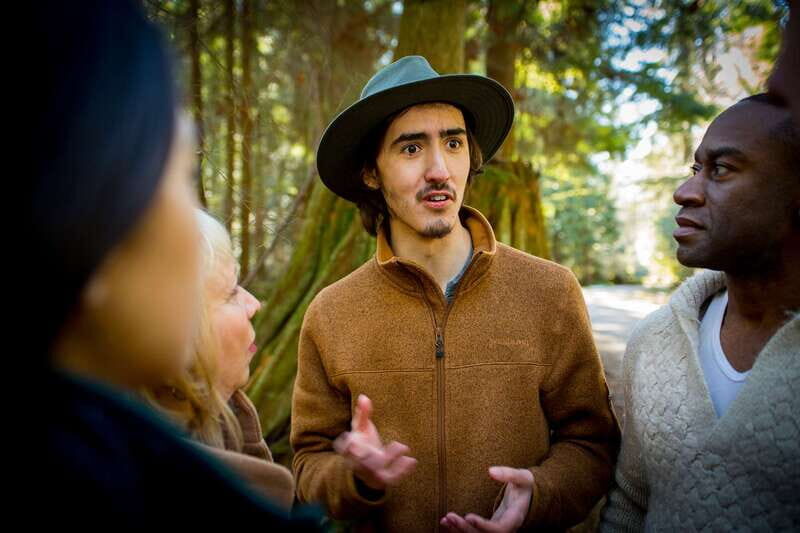
- Intimate forest trails few mainstream visitors ever notice
- Coast Salish village sites paired with the story of forced eviction
- Deadman’s Island history and legend, including smallpox-era use in the 1800s
- Totem poles and the seawall, explained so you don’t miss what you’re seeing
- Secret cemeteries, ghost stumps, and crime stories that add bite to the walk
- Views of Downtown and Lions Gate Bridge as a payoff for staying engaged
Stanley Park’s famous rainforest story has missing pages
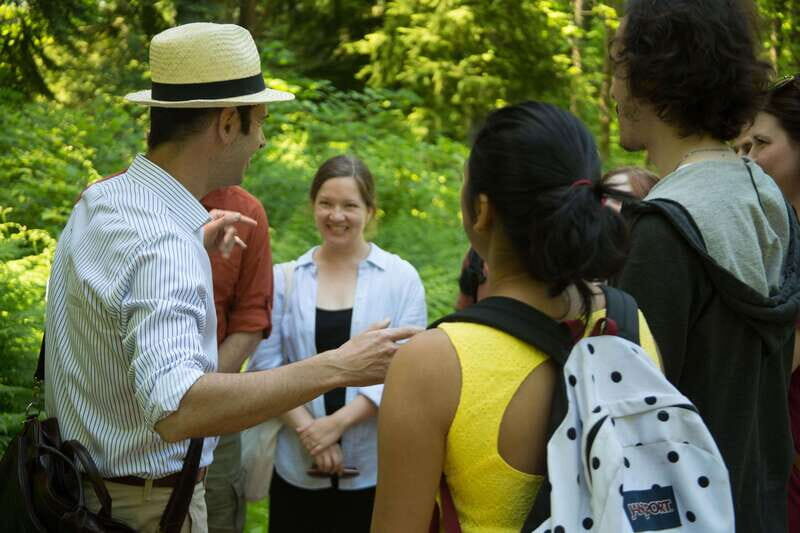
Stanley Park sells a simple idea: untouched nature right beside the city. This tour asks a better question—what did that “untouched” label ignore?
You’ll walk through a Pacific Northwest forest atmosphere, but the emphasis is on how the land was lived on, used, and reshaped by outsiders over time. That means the mood shifts. One moment you’re noticing huge trees and quiet trails. The next, you’re hearing about eviction pressure and later public health and violence linked to the park.
For me, the value is in the balance. You’re not just getting horror-movie talking points. You’re getting the connective tissue: who was here first, what they faced, and how later events left scars you can still find if you know where to look.
You can also read our reviews of more tours and experiences in Vancouver.


Starting at the Vancouver Aquarium: getting the day’s bearings fast
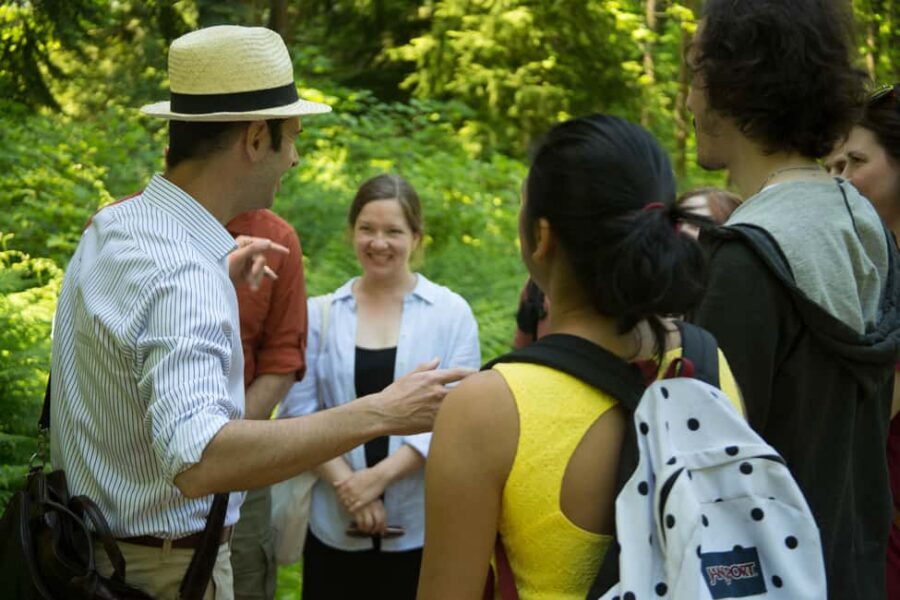
Your meet point is outside the Vancouver Aquarium, at the Whale sculpture by 845 Avison Way in Stanley Park. It’s a smart start. You’re anchored at a well-known landmark, and then you can focus on the walking once the guide has your attention.
This is a 2-hour walking tour, so pace matters. You’ll be on your feet enough that comfortable shoes aren’t optional. It also helps to bring a water bottle, sunscreen, and weather-appropriate clothes—Stanley Park weather can change fast, even when the city looks calm.
One practical tip: treat this as a “learn while walking” experience. If you stop too often to take photos or chat, you’ll feel rushed later when the guide is moving through the next story beat. If you’re the type who likes to watch, listen, and then photograph, you’ll enjoy it more.
Following the trails to Coast Salish village sites and forced eviction
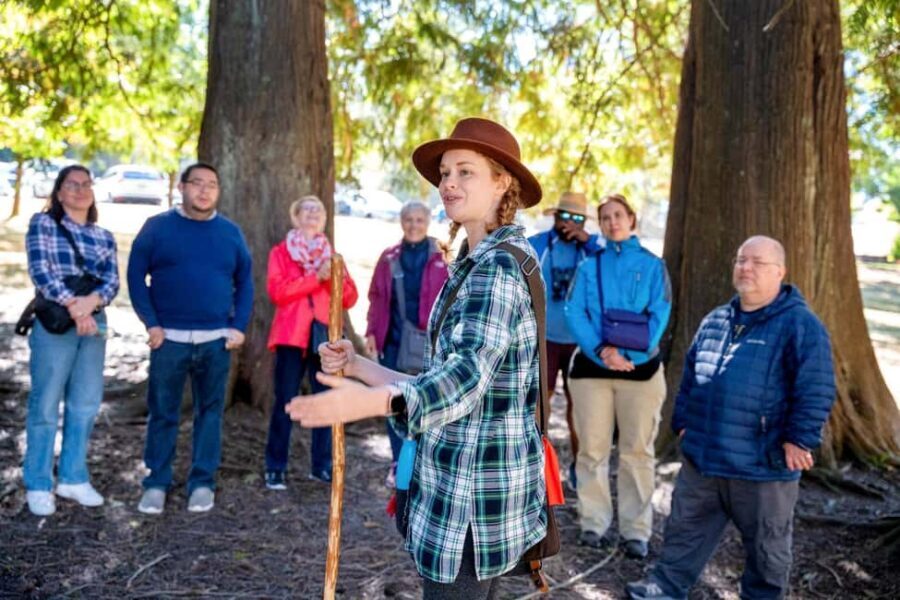
A big part of what makes this tour memorable is that it treats the park as lived-in land, not just a set of viewpoints. You’ll hear how, for millennia, Coast Salish people lived here. Then the story turns to the arrival of government pressure and the decades-long push that led to forced evictions.
The guide points out sites of long-lost Coast Salish villages that are hiding in plain sight today. That’s the key idea: the park can look unchanged, but the human story is not.
If you care about accuracy and context, this portion delivers. You’re shown that the park’s later “legendary nature” image didn’t appear by accident—it was built on a history of displacement. And when you understand that, the rest of the tour hits harder, because you’re carrying the same question through every next stop.
This is also where you’ll likely feel the emotional weight most. The tour contains adult-themed references, and this part of the story is not soft-pedaled. It’s powerful, but it isn’t meant to be casual.
Deadman’s Island: legend, war, and smallpox-era realities
Deadman’s Island is where Stanley Park’s darker reputation stops being a vague rumor and becomes a specific story. You’ll hear a Squamish legend of an ancient war tied to the island—then you’ll learn how the island was used during smallpox outbreaks in the 1800s.
That mix matters. Legends give you meaning. Historical use gives you consequences. Put together, you get a fuller picture of how fear, disease, and violence can shape a place.
Even if you’ve passed by Deadman’s Island area before, this is the kind of stop where you start noticing the land as evidence. Not in a dramatic, Hollywood way. More like: you understand why a name stuck, why people talked about it, and why the island carries layers that a standard stroll won’t reveal.
This portion also helps you understand why the tour is called The Dark Secrets of Stanley Park. It’s not just about spooky stories. It’s about the darker facts that sit alongside the famous views.
Totem poles, seawall, and the hidden details most people walk past
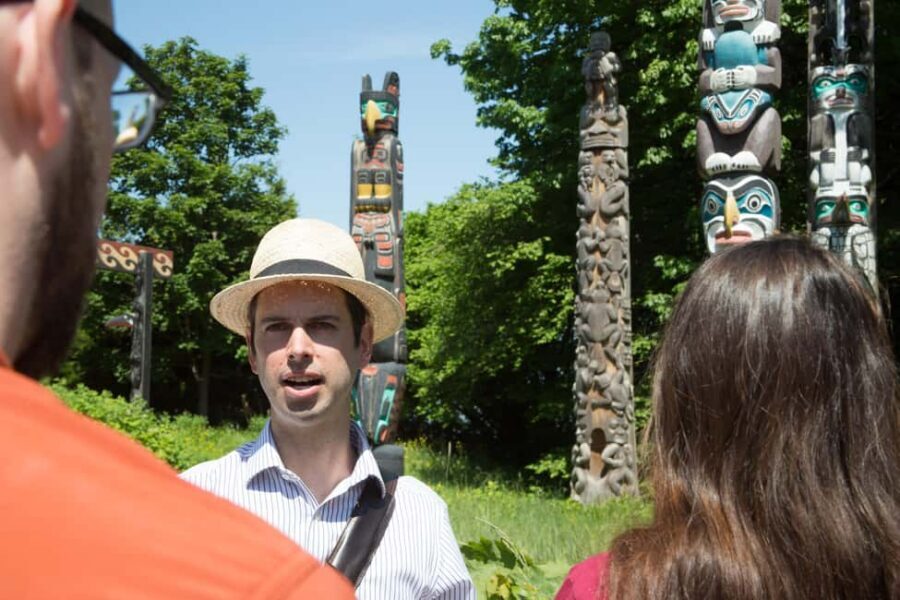
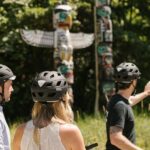
Yes, you’ll see the world-famous totem poles. But the tour’s angle is the difference between seeing art and understanding it. You don’t just look; you learn what you’re looking at and why it belongs in this specific park setting.
You’ll also cover the seawall and other spots where the park feels more like a working system than a postcard. The guide takes you onto hidden trails and points out small, easy-to-miss features like ghost stumps—signs of what used to be there and what still echoes in the forest.
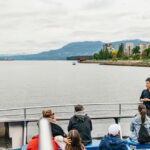
Then there are the views that make your feet glad you stayed with the pace. The tour includes breath-taking sights back toward Downtown and the Lions Gate Bridge. It’s not a “last 10 minutes” reward. The views are threaded through the walk so you keep getting those little resets.
If you like your nature with a side of interpretation, this is the part that lands best. It turns a famous park into a guided conversation you can actually follow.



Secret cemeteries and true-crime storytelling on foot
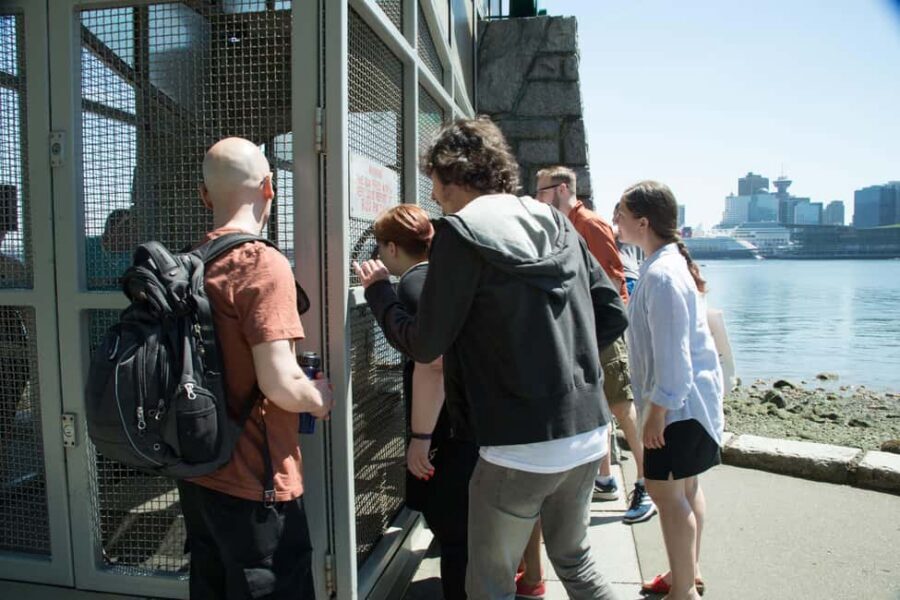
One reason the tour scores so well is that it treats the park like a place where real events left real traces. You’ll hear famous true crime stories and learn about secret cemeteries, along with shocking crime scenes tied to the park’s past.
This is also why the tour has clear age guidance. It’s designed for adult audiences and includes references to adult themes. If you’re bringing a teen who’s okay with mature subject matter, the recommended age is 14+. If parents feel comfortable, children age 10+ can attend and enjoy the walk—but it should be a deliberate choice, not an accidental one.
From a value standpoint, this stop is where the “dark secrets” theme stops being marketing and becomes the point. Lots of tours talk about history. This one uses story momentum to keep you listening, and it places the heavier topics in the actual park spaces where they make sense.
Just plan to be mentally engaged. This isn’t a silent meditative walk. It’s a storytelling walk, and you’ll get more out of it if you let the guide guide your attention.
Price and time: is $28 for 2 hours good value?
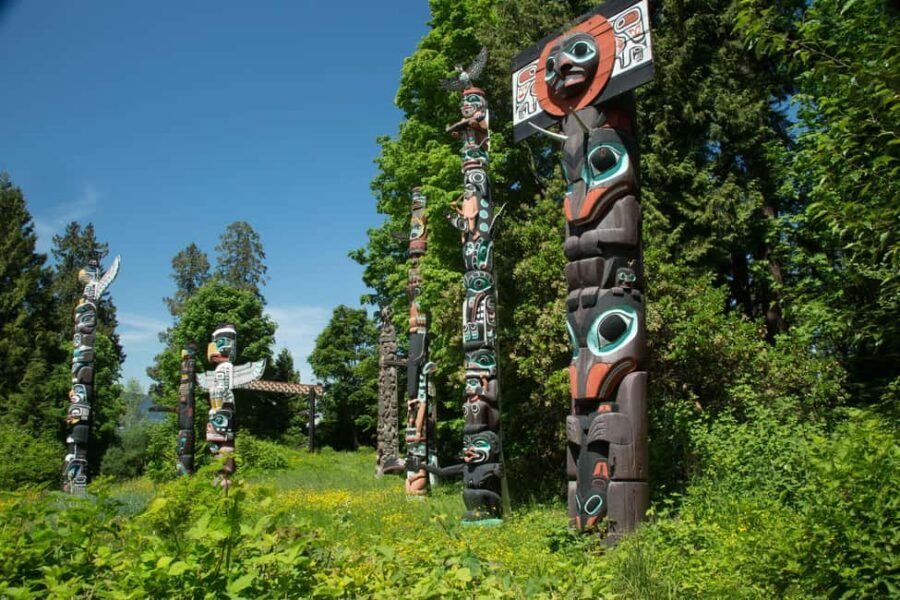
At $28 per person for a 2-hour guided walking tour, the main question is whether you’re buying a guide’s perspective or just renting time in the park. The answer here is perspective.
You’re paying for a local expert and professional storyteller who can connect scattered locations—totem poles, seawall areas, hidden trails, and specific sites connected to Coast Salish history and later events—into one coherent experience. Without that, you’d likely recognize the famous parts and miss the rest.
Also, the tour is tight enough to be realistic. Two hours is a manageable commitment, especially if you’re already spending time in Stanley Park. And it ends where it starts: back at the Vancouver Aquarium, so you don’t have to solve transportation logistics at the end.
If you want a quick way to see more meaning than just distance, this pricing structure makes sense. If you’re expecting a purely scenic, no-stories walk, you might feel like it’s too narrative-heavy.
Who this tour suits best (and who should skip it)
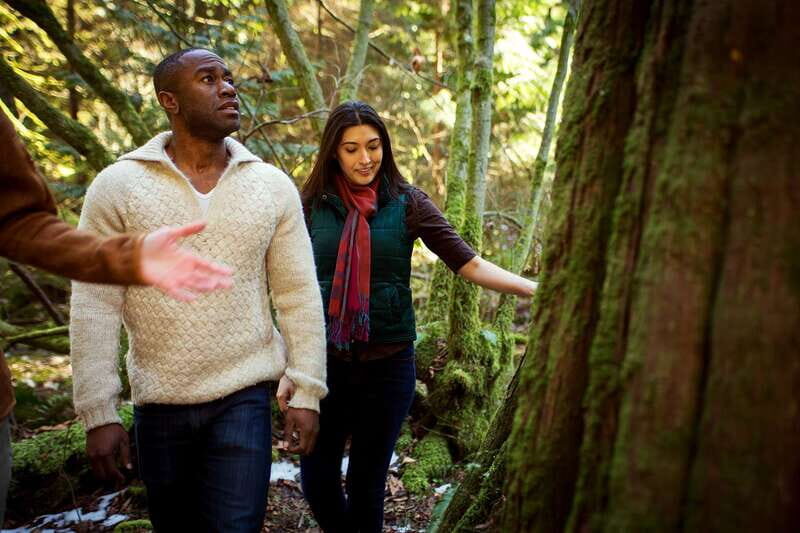
This tour is best for you if you want to understand Stanley Park beyond the usual postcard layers. You’ll enjoy it if you like walking with a guide who can tie together Indigenous history, later impacts, and the park’s more troubling stories without losing the thread.
It’s also a strong choice if you’re a history buff who thinks you already know Stanley Park. Even people born and raised in Vancouver can still be surprised by what they learn here—especially around how stories were preserved, hidden, or simply not talked about in mainstream park narratives.
Skip it if you need a wheelchair-accessible route. The tour is not suitable for wheelchair users. Also skip it if you’re traveling with kids who can’t handle adult themes or if you’re looking for a purely lighthearted afternoon.
Practical tips to make the walk more comfortable
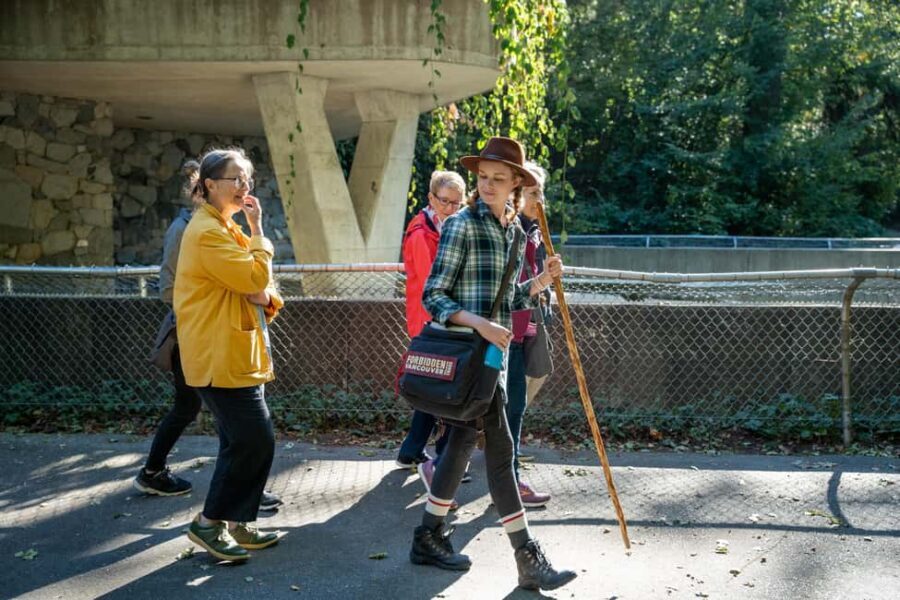
Bring comfortable shoes you can trust for uneven, foresty ground. Bring water and drinks, plus sunscreen and weather-appropriate clothing. If it looks fine on the sidewalk, it can still be different a few minutes into the park.
There’s also a simple health rule: don’t attend if you’re feeling ill or have been in contact with anyone ill recently, as the tour follows COVID-19 preventative measures. It’s a responsible standard, and it keeps the group safer.
Finally, no pets are allowed. If you’re bringing a dog, plan another Stanley Park route that fits your needs.
Should you book this tour?
I’d book it if you want Stanley Park to make sense as a place with human stories—especially stories that don’t get told in the quick “trees and totems” version. This is an easy-to-join, two-hour format, and the guide-led storytelling seems to be the whole reason people walk away impressed.
I would not book it if you’re seeking a gentle, kid-friendly nature walk or if mobility support is needed. The adult-themed content and the lack of wheelchair accessibility are the deal-breakers.
If you’re on the fence, make the call based on your listening style. If you like to walk while learning, you’ll get your money’s worth.
FAQ
Where is the tour meeting point?
You’ll meet outside the Vancouver Aquarium at the Whale sculpture on 845 Avison Way in Stanley Park.
How long is the Stanley Park Dark Secrets tour?
The tour runs for 2 hours.
How much does the tour cost?
The price is $28 per person.
Is it suitable for children?
It’s designed for adult audiences with some references to adult themes. The recommended age is 14+, but children aged 10+ may attend if their parents are comfortable with them hearing mature subject matter. It’s not suitable for children under 10.
Is the tour wheelchair accessible?
No. The tour is not suitable for wheelchair users.
What should I bring for the walk?
Bring comfortable shoes, drinks, sunscreen, water, and comfortable clothes with weather-appropriate clothing.
Is the tour in English, and are pets allowed?
The tour guide speaks English, and pets are not allowed.