REVIEW · VANCOUVER
Vancouver: Open-air Whale Watching Tour, Granville Island
Book on GetYourGuide →Operated by Wild whales eco tours · Bookable on GetYourGuide
Whales feel close out on the water. This open-air Eagle Eyes catamaran from Granville Island is built for visibility, so you don’t spend your trip peering through barriers; you get a full 360° view. Two things I especially like: the guided marine naturalist commentary (so sightings turn into real understanding), and the chance to track wildlife from a stable, mid-size boat. One trade-off to plan for is that you’re looking at a 3–5 hour window that depends on weather and where the whales decide to show up.
The ride itself is part of the appeal. You can move around the deck, aim your camera anywhere, and still benefit from a smoother feel thanks to the twin-hull design. The tour also includes a whale sightings guarantee, plus onboard washrooms—handy when you’re out longer than you expected. Just keep in mind it isn’t a great fit for everyone (for example, it’s not recommended for pregnant people, and children under 3 aren’t suited to this vessel).
In This Review
- Eagle Eyes Whale Watching: Quick Win for Views and Learning
- Granville Island to the Salish Sea: Getting There Without Stress
- The Eagle Eyes Open-Air Catamaran: 360° Sightlines That Actually Help
- Safety Briefing on Granville Island: What You’ll Learn Before You Sail
- Salish Sea Wildlife Viewing: What You’re Looking For
- When You See an Orca, You’ll Want This Instruction
- Duration Reality Check: The 3–5 Hour Timing You Can Plan Around
- Comfort, Warmth, and What to Bring for Open-Air Watching
- Price and Value: Is $165 Worth It for a Whale Tour?
- Who This Tour Fits Best (and Who Should Skip It)
- Tips for a Better Whale-Spotting Day
- Should You Book This Whale Watching Tour?
- FAQ
- How long is the Vancouver whale watching tour from Granville Island?
- Where do I meet the tour?
- What marine wildlife can I expect to see?
- What makes this boat different from other whale watching tours?
- Is food included?
- Does the tour provide warm clothing?
- What should I bring?
- Is the tour suitable for pregnant people or young children?
- Are pets, drones, or strollers allowed?
Eagle Eyes Whale Watching: Quick Win for Views and Learning
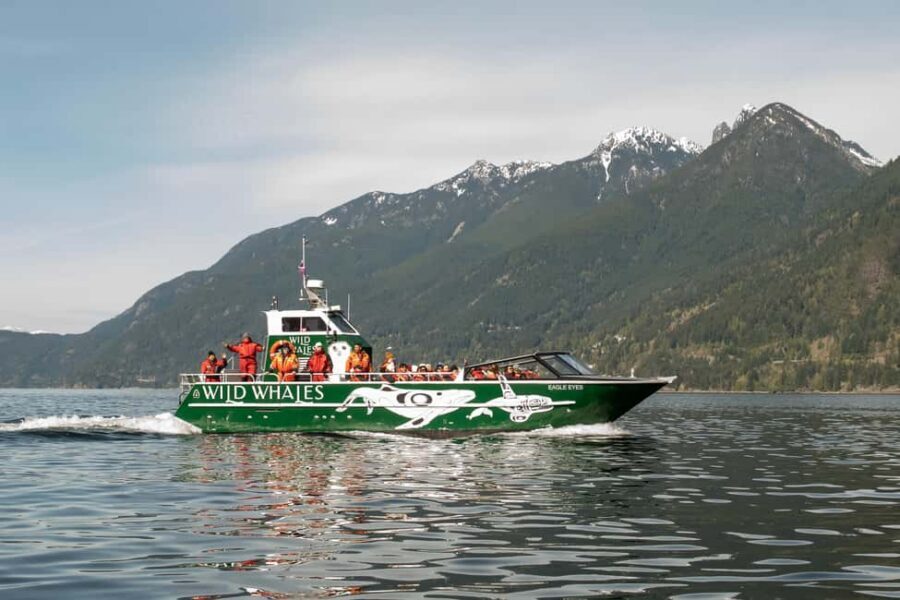
- Open-air 360° deck with no enclosed cabins, so your sightlines aren’t blocked
- Marine naturalist guidance that helps you identify whales and understand behavior
- Move-and-shoot design: you’re free to walk around the deck while cruising
- Stable twin-hull comfort that can feel easier than smaller boats
- Wildlife range you might spot includes orcas, humpbacks, dolphins, seals, and seabirds
- Whale sightings guarantee adds peace of mind when you’re chasing animals
Granville Island to the Salish Sea: Getting There Without Stress
This tour starts at the Wild Whales Vancouver office on Granville Island, right by the city center. If you’re coming by car, you’ll find paid parking across the Island—but Granville can get crowded in summer, so arriving early is smart.
If you’re using public transit or the small local ferry service, you’ll still be in a convenient hub. That matters here because the schedule is built around getting you out on the water on time. You’re also asked to arrive 45 minutes before departure, not because they’re being fussy, but because the day runs smoother when everyone is checked in and ready.
Once you’re there, you’ll do a safety briefing before you head out. Expect this to cover the basics for being on an open deck—how to stay aware while the boat is moving and how to handle common boat-day situations.
You can also read our reviews of more whale watching tours in Vancouver
The Eagle Eyes Open-Air Catamaran: 360° Sightlines That Actually Help
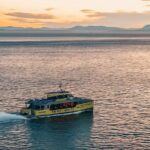
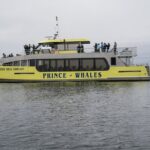
Most whale tours tell you to look around. This one is set up so you can. Eagle Eyes is a custom-built open-air catamaran, and the key point is the unobstructed 360° view. No enclosed cabins that force you into a narrow “view through glass” routine.
You’ll also appreciate that it’s designed for people who like to take photos or just want to watch without feeling trapped in one spot. The crew encourages you to stand and move freely on deck, and the boat is mid-size, which helps you avoid the shoulder-to-shoulder feel you sometimes get on larger vessels.
Comfort is handled in a practical way:
- The twin-hull design aims for a smooth ride, which can be easier if you’re sensitive to motion.
- There are individual seating options and onboard washrooms, so you don’t feel like you’re marooned out at sea for hours.
It’s still an open-air experience. Even if you’re in Vancouver, bring the expectation that you’ll feel wind and chill on the water.
Safety Briefing on Granville Island: What You’ll Learn Before You Sail
The safety briefing is your warm-up. You’ll be shown the basic rules for being on an open deck and how to prepare for time at sea. It’s also the moment the crew sets the tone for how to watch animals respectfully—because the tour includes clear “do not” guidance.
A few key points you should expect to hear or follow during the day:
- No touching marine life
- No touching animals
- No drones
- No pets
- No alcohol and drugs
This isn’t just about rules on paper. When you’re out to spot whales and other wildlife, simple safety and respect guidelines help keep everyone focused on what matters: seeing animals in their habitat without risky behavior.
Salish Sea Wildlife Viewing: What You’re Looking For
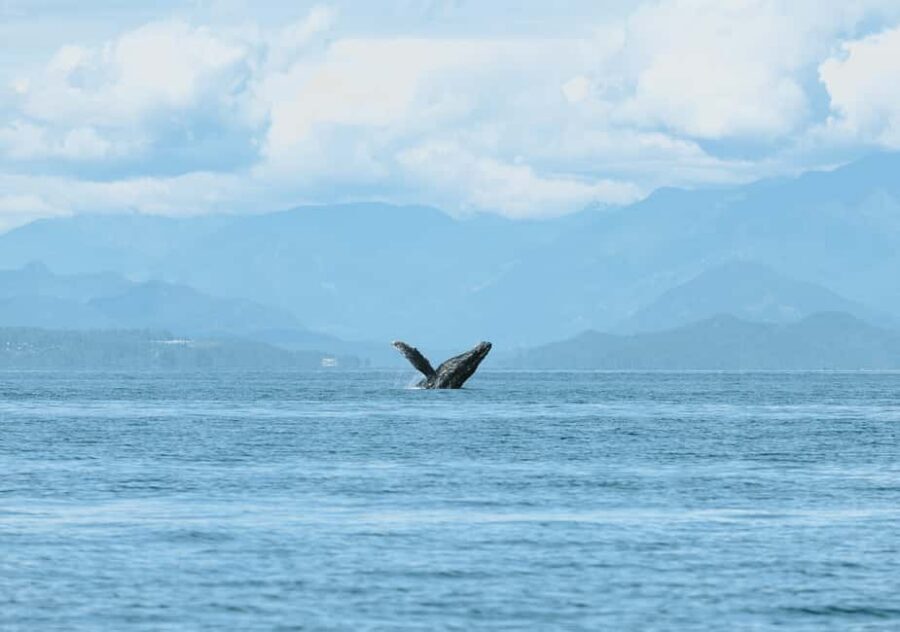
Once you’re out in the Salish Sea, the day becomes an exercise in patience and good instruction. The tour’s goal is clear: spotting iconic species in the wild, while a captain and marine naturalist guide you through what you’re seeing.
Keep your eyes open for a range of animals, including:
- Orcas
- Humpback whales
- Gray whales
- Pacific white-sided dolphins
- Steller sea lions
- Harbor seals
- Seabirds (and other marine life you might spot along the way)
The naturalist’s job is to turn random sightings into species-level understanding. You’ll get help identifying different whales and learning about behavior—how they surface, what actions can mean, and how the food web connects everything you’re seeing.
One example that stands out from recent trip notes is how naturalist Julia focuses on humpback behavior and practical identification. If you’re the kind of person who wants more than a “there they are” moment, this is where that happens. The same guidance helps you keep track when you spot multiple animals during the excursion.
Even when the day doesn’t line up perfectly with your personal wish list, the value often comes from learning the cues. And in one case, the naturalist also pointed out other marine wildlife like sea otters even though they weren’t seen on that particular outing. That’s a good sign: you’re not only chasing animals—you’re learning the region.
When You See an Orca, You’ll Want This Instruction
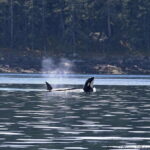
Orcas tend to make the whole trip feel electric because they’re so recognizable and so social. In one recent trip, an orca nicknamed Stanley was spotted along with other whales. You can think of that as a reminder that this isn’t just “big animals, far away.” The guides often help you connect sightings with real whale stories—migration timing, behavior patterns, and how different species use the waters.





Duration Reality Check: The 3–5 Hour Timing You Can Plan Around
The tour is listed as about 5 hours, but the time you actually spend out for wildlife viewing works in a 3–5 hour range. That difference isn’t small—so plan your day with flexibility.
The factors are straightforward:
- weather
- where whales are located during the outing
Here’s how I’d think about it. You’re paying for access to good viewing conditions and expert tracking. If conditions aren’t right, or if whales move farther out, the captain and naturalist need to make the call that best balances safety and spotting chances. That’s also why the tour includes a whale sightings guarantee—because whale watching is never fully predictable.
Comfort, Warmth, and What to Bring for Open-Air Watching
Open-air means you’ll feel the weather more than you would in a cabin. The tour provides an optional wind breaker or suit for warmth, but you shouldn’t rely on that alone.
Bring:
- Warm clothing
- A hat
- Your camera
- Food and drinks (not included)
- A reusable water bottle
I also like the idea of packing layers you can adjust. On the water, the mix of sun, wind, and spray can change hour to hour. If you’re comfortable, you’ll watch longer and enjoy it more.
One more practical note: the tour has washrooms onboard and individual seating, so you can take breaks without losing the entire viewing session.
Price and Value: Is $165 Worth It for a Whale Tour?
At $165 per person, this isn’t a budget activity. The question is whether you’re getting more than a simple sightseeing cruise.
Here’s why I see value in it:
- You’re on an open-air, 360° viewing platform designed for real wildlife spotting.
- You have both a captain and a marine naturalist, so your time out becomes educational, not just scenic.
- You’re using a mid-size vessel that helps avoid the worst crowding.
- The twin-hull design is aimed at smoother comfort.
- The tour includes a whale sightings guarantee, which matters because whale watching is inherently uncertain.
That combination is what pushes it above the “just take me out on the water” category. If you care about identifying whales and understanding what you’re seeing, the guided component makes the price easier to justify.
If your goal is only quick views with minimal learning, you might find cheaper options. But if you want a thoughtful, optics-friendly tour that actually helps you interpret sightings, this one is priced like an experience built for it.
Who This Tour Fits Best (and Who Should Skip It)
This whale watching style suits people who want to move, watch, and learn. If you love photography, enjoy being outdoors, or you’re the type who likes to know what a species is doing and why, you’ll likely get a lot out of the naturalist commentary and deck design.
It’s especially sensible for:
- first-time whale watchers who want guidance on identification
- families with older kids (the data notes children under 3 aren’t recommended on this vessel)
- anyone who prefers open space but wants more stability than the smallest boats
It’s not suitable for:
- wheelchair users
- pregnant people (not recommended)
- children under 3
- anyone planning to bring pets or drones (both aren’t allowed)
If you fall into a group that’s not recommended, you’ll save yourself frustration by choosing an alternative format.
Tips for a Better Whale-Spotting Day
You can’t control where whales go. But you can control how ready you are.
My top practical moves:
- Dress for wind. Even in mild Vancouver weather, the water can feel colder.
- Arrive early enough to get parked and checked in without stress.
- Bring snacks you actually want to eat, since food isn’t included.
- Keep your expectations flexible about timing—3 to 5 hours is the honest reality.
Also, treat the deck like a viewing platform. Since you can move around while cruising, decide early where you’ll stand when animals surface. If you wait until the last moment every time, you lose the best viewing angle.
Should You Book This Whale Watching Tour?
I think you should book this tour if you want an open-air, 360° whale experience with real interpretation from a marine naturalist, not just a generic sightseeing cruise. The combination of Eagle Eyes visibility, deck access for photos, and a knowledgeable guide (including naturalist Julia’s focus on humpback behavior and identification) is exactly what makes the outing feel worth it.
Skip it if you need wheelchair access, if you’re pregnant and concerned about suitability, or if you’re traveling with a child under 3. And go in with one mindset: whale watching depends on conditions, so build in flexibility and lean into the learning.
If that sounds like your kind of day on the water, this is one of the better ways to spend a half-day exploring the Salish Sea from Vancouver.
FAQ
How long is the Vancouver whale watching tour from Granville Island?
The tour lasts about 3–5 hours depending on factors like weather and where the whales are located. The overall duration is listed as 5 hours based on starting times and the full experience.
Where do I meet the tour?
Meet at Wild Whales Vancouver on Granville Island at 1806 Mast Tower Ln, Vancouver, BC V6H 4B6.
What marine wildlife can I expect to see?
You may see orcas, humpback whales, gray whales, Pacific white-sided dolphins, Steller sea lions, harbor seals, and various seabirds.
What makes this boat different from other whale watching tours?
Eagle Eyes is an open-air catamaran with a custom design that provides a 360° unobstructed view, with no enclosed cabins. You can walk around the deck during the cruise.
Is food included?
No. Food and snacks aren’t included, so plan to bring them.
Does the tour provide warm clothing?
An optional wind breaker or suit for warmth is available.
What should I bring?
Bring warm clothing, a hat, a camera, food and drinks, and a reusable water bottle.
Is the tour suitable for pregnant people or young children?
It is not recommended for pregnant people. Children under 3 years are not recommended on this vessel.
Are pets, drones, or strollers allowed?
Pets and drones aren’t allowed. Non-folding strollers aren’t allowed either.