REVIEW · VANCOUVER ISLAND
Vancouver Island: Spring Bears and Whales Full-Day Tour
Book on GetYourGuide →Operated by Homalco Wildlife and Cultural Tours · Bookable on GetYourGuide
Wildlife returns fast in spring on Vancouver Island. I like how this full-day trip blends real marine spotting—shore bears, humpbacks, and more—with a purpose-built, heated boat that keeps you comfortable when conditions turn. You’re out on the Salish Sea during the season when everything starts feeding again, so the day feels alive from start to finish.
Two things I really like: the live naturalist-led search (you get help reading what you’re seeing, not just hoping) and the inclusion of a First Nations guide who adds cultural context alongside the wildlife viewing. One consideration: sightings are never guaranteed—spring is busy and changeable, and the route and timing can shift with weather and whale activity, so you’ll want a flexible mindset.
In This Review
- Key Points I’d Prioritize Before You Go
- Spring Bears and Whales on Vancouver Island: What Makes This Day Special
- A 7-Hour Day from Campbell River: How the Timing Works
- The Boat Setup That Actually Helps You Stay Comfortable
- What You’ll Look For: Shore Bears, Humpback Whales, and More
- Black Bears at the Water’s Edge
- Humpback Whales Returning to the Salish Sea
- Bigg’s Killer Whales and Other Predators
- The Naturalist and Skipper Partnership: Why It Feels More Than a Typical Whale Trip
- Lunch Included: Fueling Up Without Losing the Best Watching Window
- Respectful Wildlife Viewing: The Distance Part
- First Nations Commentary and Environmental Revitalization You Can Actually Hear
- Price and Value at $338: What You’re Actually Buying
- Comfort, Clothing, and Small Details That Matter
- Where This Tour Fits Best (and Who Should Skip It)
- Should You Book Vancouver Island: Spring Bears and Whales?
- FAQ
- How long is the Vancouver Island: Spring Bears and Whales full-day tour?
- Where does the tour depart from?
- Is lunch included?
- Do I need pickup or drop-off?
- What should I bring?
- What is the minimum age to join?
- What happens if poor weather stops the tour?
Key Points I’d Prioritize Before You Go
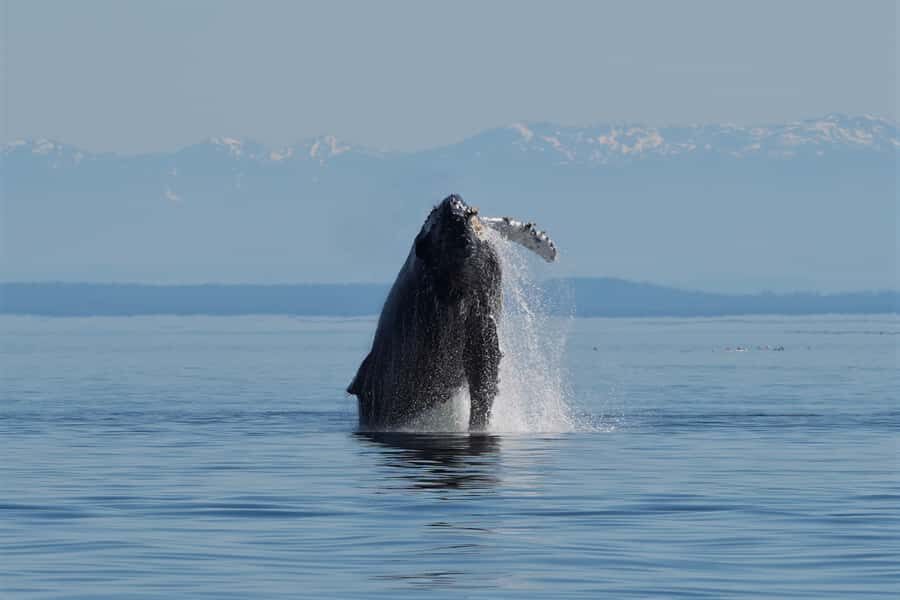
- Heated, covered wildlife boat with a toilet, plus indoor and outdoor seating options
- Naturalist-led spotting designed for real wildlife viewing, including bears at the water’s edge
- First Nation guide commentary tied to cultural and environmental revitalization
- Spring timing when hungry bears and migrating humpbacks are back in the Salish Sea
- Lunch, snacks, and beverages included so you’re not scrambling mid-day
Spring Bears and Whales on Vancouver Island: What Makes This Day Special
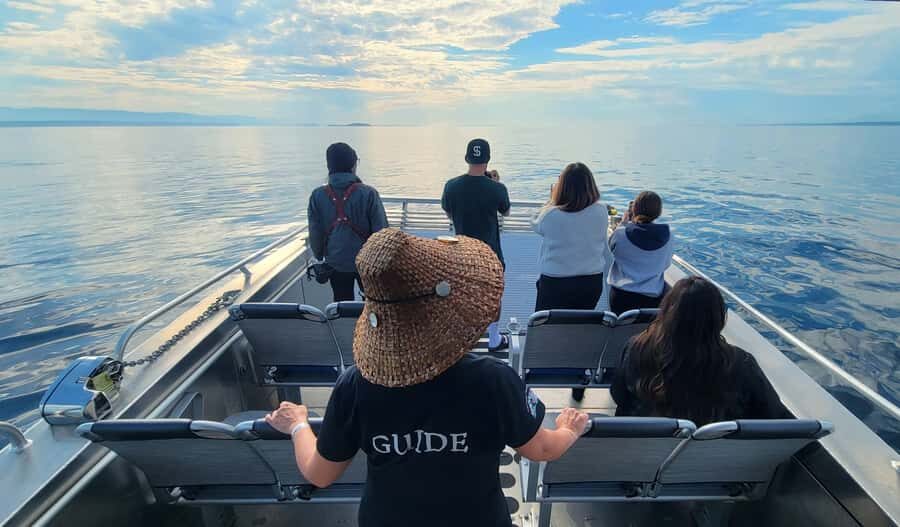
Spring on Vancouver Island is not a quiet “maybe we’ll see something” season. It’s a hungry, high-activity window. The tour leans into that reality, promising the kind of wildlife experience you can actually feel: bears waking up and foraging, whales returning from farther south, and lots of seabirds showing up as the food chain ramps back up.
The best part is the combination of focus and context. You’re not just staring at the water. You’re learning what to look for and why it’s happening now. That matters because on the water, small details can make or break your enjoyment—like how to spot shorelines where bears forage, or how whale movement patterns shape where the boat will go next.
You also get something that many wildlife days skip: a cultural lens. The tour includes live commentary with a First Nation guide, tied to cultural and environmental revitalization. It turns the day from entertainment into understanding.
A few more Vancouver Island tours and experiences worth a look

A 7-Hour Day from Campbell River: How the Timing Works
Your outing runs 9:00am to 4:00pm, with check-in about 15 minutes before departure. It’s a full day, but not a marathon. Seven hours is long enough to get meaningful time searching different stretches of the water—especially when you’re looking for animals that don’t follow schedules.
Here’s the practical expectation to hold: routes and timing may vary depending on sightings and weather. That’s not just fine print; it affects how you should plan your mindset. You’re paying for expertise and mobility, and sometimes that means shifting course quickly.
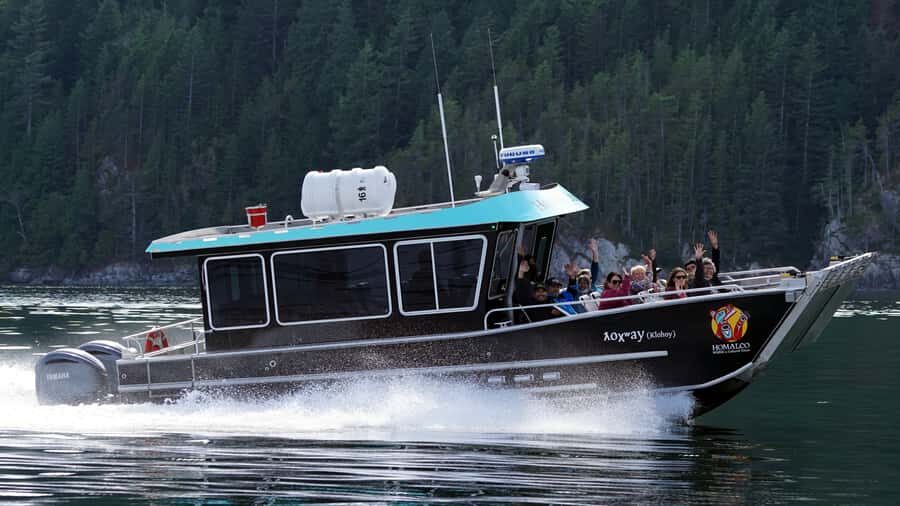
The day starts in Campbell River, where you board Homalco Wildlife and Cultural Tours’ purpose-built wildlife viewing vessels. From there, the naturalist and skipper work together: one to interpret the water and wildlife cues, the other to safely get you where the action is likely to be.
The Boat Setup That Actually Helps You Stay Comfortable
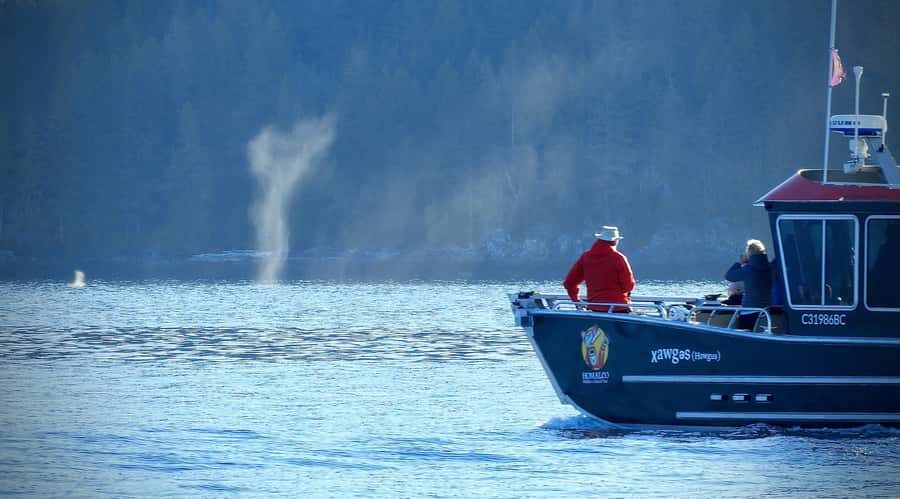
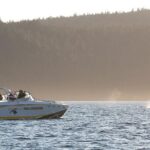
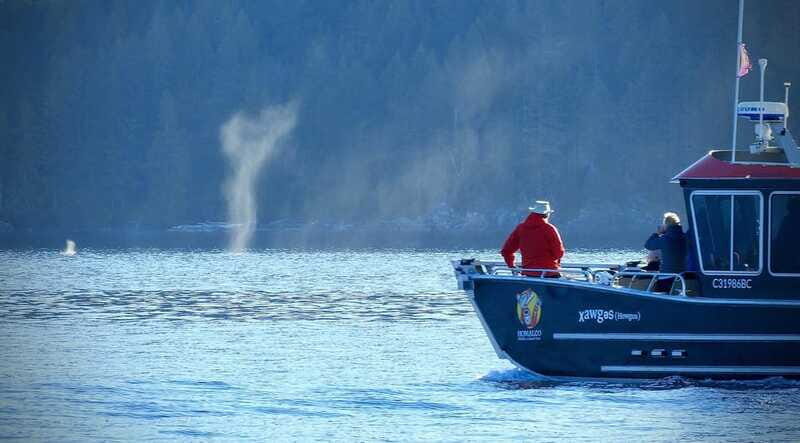
Cold mornings and breezy afternoons on the water are real. I appreciate that this tour uses heated and covered boats with both inside and outside open seating options, so you can match your comfort level as conditions change.
You also get a toilet onboard. That sounds like a small detail until you’ve been out all day. It helps you stay focused on spotting wildlife instead of negotiating breaks.
If you’re the type who gets fidgety when you’re cold or stuck, this design choice is a big part of the value. Comfort isn’t a luxury here—it’s what keeps you able to watch carefully.
What You’ll Look For: Shore Bears, Humpback Whales, and More
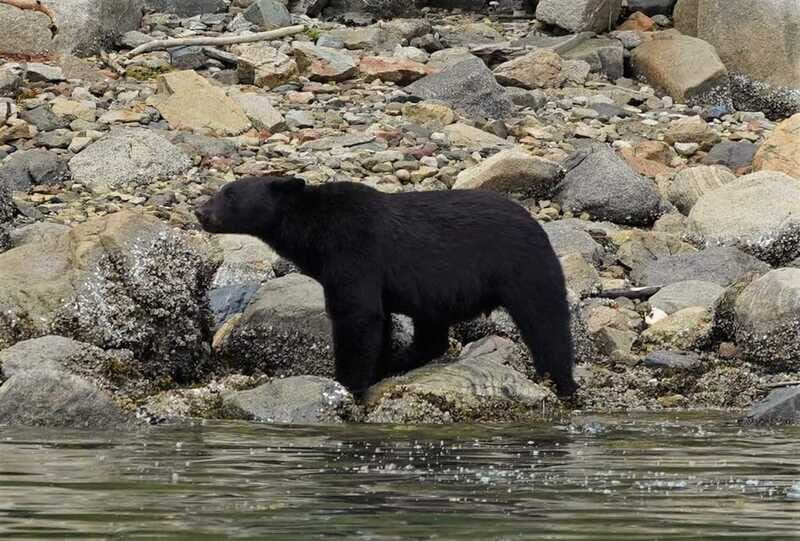
This trip is built around spring’s “return of the hunters.” You’re out for black bears foraging near shore, migrating whales, and a mix of birds and other marine wildlife that tend to cluster where food is.
Black Bears at the Water’s Edge
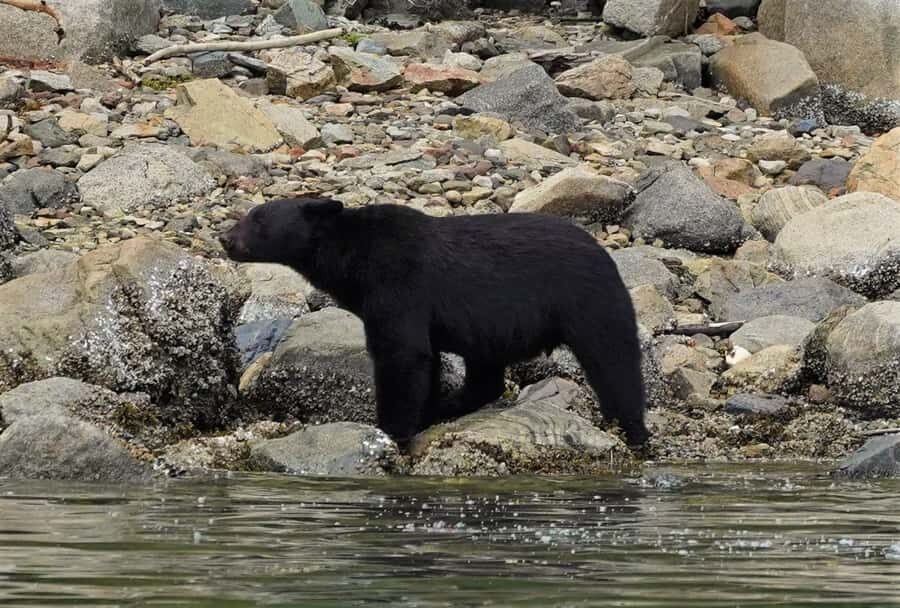
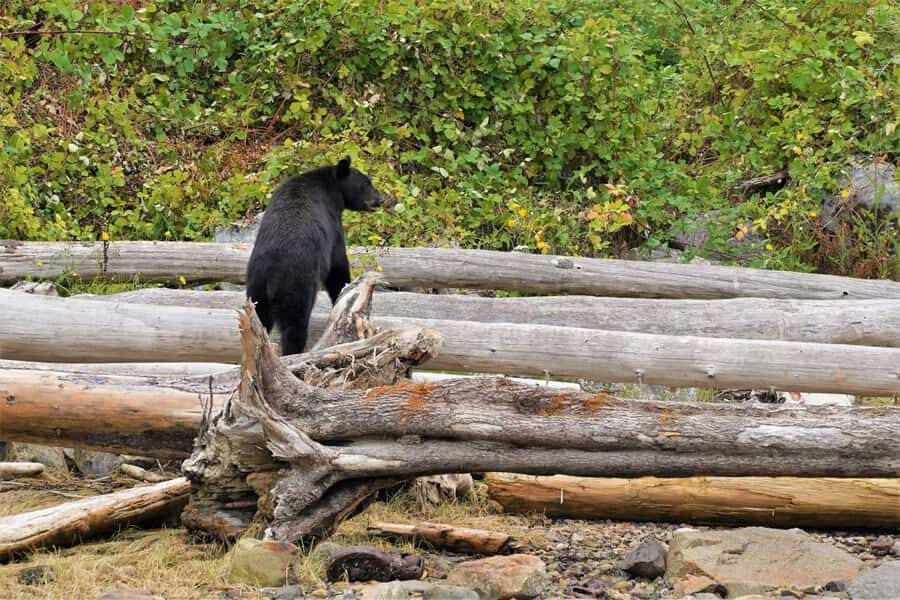
In spring, Black Bears (mɛxaɬ) need to replenish their fat reserves after long winter hibernation. The tour specifically focuses on the idea that bears often turn up at the water’s edge, foraging on rocky beaches for shellfish and sedge grasses.
That matters because the best bear sightings usually come from reading the shoreline. With an experienced naturalist on hand, you’re more likely to understand what you’re seeing—why a certain stretch of coastline looks promising, and what to watch for when bears surface or move along shore.
Humpback Whales Returning to the Salish Sea
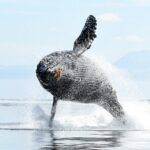
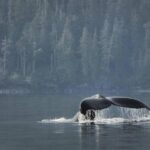
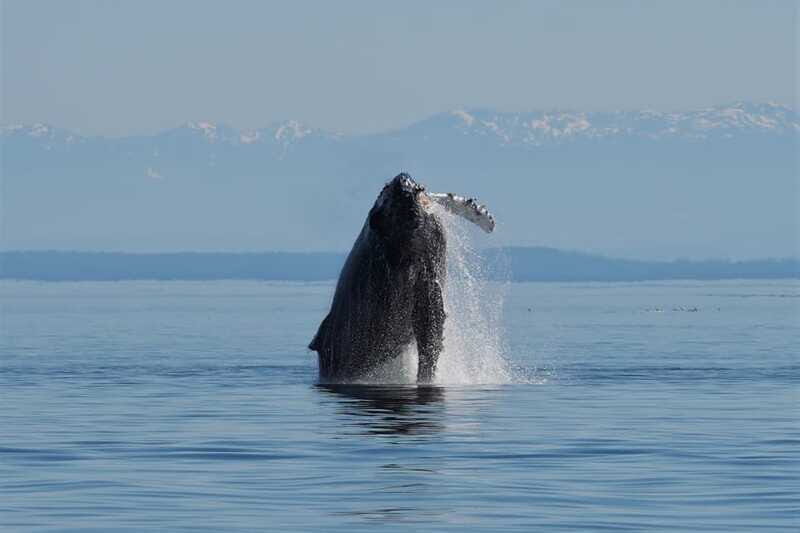
At the same time, humpback whales are returning to the Salish Sea after migrating from more tropical climates where they mate and give birth. In other words, the whales are back, but the timing can still be active and varied.
You’ll be searching with help from a naturalist, which improves your odds of turning a distant sighting into a real viewing moment. Instead of simply spotting a whale spout and guessing what to do next, you get guidance that helps you track behavior and movement.
Bigg’s Killer Whales and Other Predators
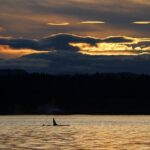
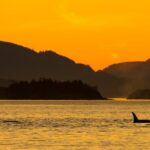
The tour also calls out Bigg’s killer whales, which hunt seals, dolphins, and porpoises. Even when you’re not seeing them constantly, knowing they’re part of the mix adds meaning to what you might observe—because predator activity often shifts where other wildlife tends to appear.
Add in seabirds and the wider food web, and spring becomes a full ecosystem story, not just a single-species hunt.
The Naturalist and Skipper Partnership: Why It Feels More Than a Typical Whale Trip
This is a naturalist-led experience with a seasoned skipper, and that partnership shows up in how the day runs. The skipper handles safety and positioning. The naturalist handles interpretation—what the animals are doing, what to look for next, and how to make the most of the time you have.
That matters because wildlife viewing is a skill. You’re on the water, animals are moving, and visibility changes. With the right guidance, you can turn uncertainty into focus.
The reviews also point to friendly, engaging hosting. Names that came up included Guy and Cassie, and also Debora alongside the skipper. The common thread: local knowledge plus an easygoing style. It makes the day feel like you’re learning with people who care, not just buying a ticket and hoping for the best.
Lunch Included: Fueling Up Without Losing the Best Watching Window
Lunch is included, along with snacks and beverages. For a day like this, that’s a real quality-of-life upgrade. You don’t want to burn time hunting for food or cramming in a quick meal while you miss the exact window when whales or bears show activity.
Timing-wise, the tour is flexible—routes and watch patterns can shift with sightings and weather. Lunch helps anchor the day so you can stay out longer and keep your energy steady, even if you spend extra time slowing down for wildlife.
Practical tip: wear comfortable layers you can manage while seated. Lunch is part of your pacing. If you’re too cold, you lose attention.
Respectful Wildlife Viewing: The Distance Part
The tour’s whole setup—naturalist commentary, careful search, and an emphasis on appropriate viewing—supports respectful wildlife watching. One of the best things you can do as a passenger is follow the guidance promptly: listen for when to look, when to hold steady, and when to avoid anything that could disturb animals.
Respectful viewing isn’t just moral; it’s practical. It keeps everyone calm and makes it easier to get repeat sightings. When you do it right, you often get more time watching behavior rather than reacting to chaos.
First Nations Commentary and Environmental Revitalization You Can Actually Hear
This is one of the elements that gives the tour weight. You get live commentary with a First Nation guide, and the experience is framed around cultural and environmental revitalization.
That shows up in the way the day is explained: wildlife isn’t just scenic. It’s part of ongoing relationships between people and place—especially in a region shaped by the Salish Sea ecosystem. The included commentary also helps you connect the spring timing to real local meaning, not just a general “nature fact.”
In plain terms: you’ll understand more about what you’re seeing and why it matters, beyond the thrill of the sighting.
Price and Value at $338: What You’re Actually Buying
At $338 per person for a 7-hour outing, this isn’t a budget wildlife cruise. But it isn’t just a boat ride either. You’re paying for:
- A purpose-built viewing vessel with heated/covered comfort and toilet access
- A full naturalist-led search for shore bears and whales
- Live First Nations commentary that adds cultural value
- Lunch, snacks, and beverages included
- Time on the water during a season when wildlife activity is tightly linked to feeding and migration
If you’ve done casual wildlife tours before, you might know the frustrating version: lots of driving around, limited explanation, and short viewing windows. Here, the structure aims to give you interpretive help and enough time to make the day feel complete—even if conditions force course changes.
So the real question for value isn’t whether it costs more. It’s whether you’ll appreciate guidance, comfort, and context. If yes, it’s a solid spend.
Comfort, Clothing, and Small Details That Matter
You’ll want comfortable clothes and closed-toe shoes. That’s not just for “nice to have” reasons. On a boat, you want grip and stability, especially if you’re moving between seating areas.
Also note the practical reality of signing an activity waiver prior to departure. You’ll need to plan a few minutes for that when you arrive.
Because the tour runs 9:00am to 4:00pm, dress for changing weather. Even in spring, the water can be cool and breezy. Bring layers you’ll actually wear, not just bulky items that make it hard to sit comfortably.
Where This Tour Fits Best (and Who Should Skip It)
This tour is a great match if you:
- Want spring wildlife viewing in the Campbell River / Salish Sea area
- Care about interpretation, not only spotting
- Appreciate cultural context through live commentary
- Prefer a heated, covered boat rather than cold open-water chaos
It’s not suitable for children under 4 years old, and children aged 4 to 17 must be accompanied by an adult 18+. If you’re traveling with young kids, this matters for planning.
And if you’re the kind of person who needs a rigid schedule, keep in mind that routes and timing can vary based on whale sightings and weather. This day works best when you’re flexible and present.
Should You Book Vancouver Island: Spring Bears and Whales?
I’d book this tour if your priority is a guided wildlife day that combines comfort, interpretation, and cultural storytelling. The biggest strengths are clear: the heated boat setup, the naturalist-guided search for bears and whales, and the First Nations commentary that adds meaning beyond the sighting itself.
Hold off if you:
- Need guaranteed animal sightings (this tour is built for spotting, but spring is still unpredictable)
- Are uncomfortable with a day where the exact route may shift for wildlife or weather
- Are trying to travel on a strict budget
If you want a high-quality, spring-season day on the water that’s designed for real looking—not just hoping—this one belongs near the top of your list.
FAQ
How long is the Vancouver Island: Spring Bears and Whales full-day tour?
The tour lasts 7 hours (9:00am to 4:00pm).
Where does the tour depart from?
You board in Campbell River aboard the provided purpose-built wildlife viewing vessels.
Is lunch included?
Yes. Lunch, snacks, and beverages are included.
Do I need pickup or drop-off?
No pickup and drop-off is included.
What should I bring?
Wear comfortable clothes and closed-toe shoes.
What is the minimum age to join?
Children must be at least 4 years old. Guests aged 4 to 17 must be accompanied by an adult 18+.
What happens if poor weather stops the tour?
If the provider cannot operate due to poor weather conditions or unforeseen circumstances, you receive a full refund.