REVIEW · COWICHAN BAY
Vancouver Island: Cowichan Bay Sunset Whale Watching Tour
Book on GetYourGuide →Operated by Ocean Ecoventures · Bookable on GetYourGuide
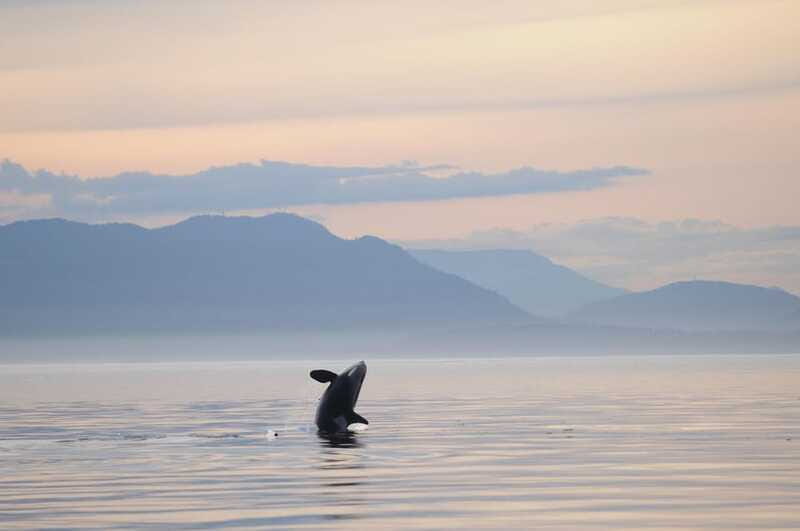
Sunset and whales make a pretty strong combo. This Cowichan Bay boat tour is built around one thing you can’t fake: watching the Salish Sea turn golden while you scan for whales like orcas and humpbacks. It runs in the evening, you’re on a smaller boat (up to 12 guests), and the guide helps you focus your eyes so you’re not just guessing at dark water.
I especially like the small-group format. On boats capped at 12, you actually get time to look and reset between sightings. I also like that the emphasis is on spotting real wildlife, not just cruising for the view—plus you get the kind of evening light that makes cameras happy. One practical consideration: if your trip has only one target (like orcas), you’ll want to keep expectations flexible. Even on well-run tours, marine animals don’t show up on command, and one past guest complained about not seeing orcas at sea.
In This Review
- Key Takeaways
- Cowichan Bay at Golden Hour: What This Sunset Cruise Really Delivers
- Meeting at 1721 Cowichan Bay Rd: Check-In, Gear-Up, and Your First Views
- The Whale-Watching Focus: Orcas, Humpbacks, Greys, and Minke
- Wildlife Beyond Whales: Sea Lions, Bald Eagles, Harbour Seals, and More
- Gear That Actually Helps: Flotation Suit, Gloves, Goggles, and Toques
- Sunset Light Photography: How to Get Good Shots Without Fumbling
- How the 210 Minutes Feel: The Cruise Time and What It Means
- Price and Value: Is $155 Worth It?
- Who This Tour Suits Best (and Who Might Want Another Option)
- What Can Go Wrong: The One Thing to Keep Realistic
- Should You Book This Sunset Whale Watching Tour?
- FAQ
- How long is the Vancouver Island: Cowichan Bay Sunset Whale Watching Tour?
- When does the tour operate?
- Where do I meet for the tour?
- What animals are the tour focused on?
- Are meals included?
- What gear is provided?
- What should I bring?
- Is the tour suitable for children and pregnant travelers?
- What rules should I know before booking?
Key Takeaways
- Small boats (max 12) help everyone stay focused during whale scans
- Sunset timing gives you better visibility and better photos than midday glare
- Orcas and humpbacks are the headline, with chances for other whales too
- You’re out in cool weather fully geared with flotation suit, gloves, goggles, and toques
- Wildlife variety is real: sea lions, bald eagles, harbour seals, porpoises, and birds
- A guided eco-tour keeps you learning while you watch
Cowichan Bay at Golden Hour: What This Sunset Cruise Really Delivers
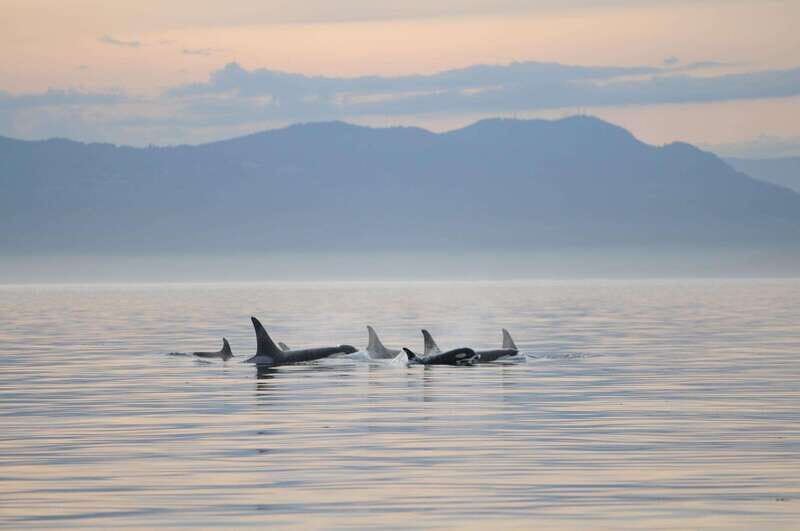
Cowichan Bay is made for evening trips. As the sun lowers, the water changes fast—light turns softer, the horizon gets clearer, and moving animals can show up as a dark shape against bright glare. On a whale-watching boat, that matters more than fancy marketing, because you’re constantly trading between “where should I look?” and “is that actually a whale?”
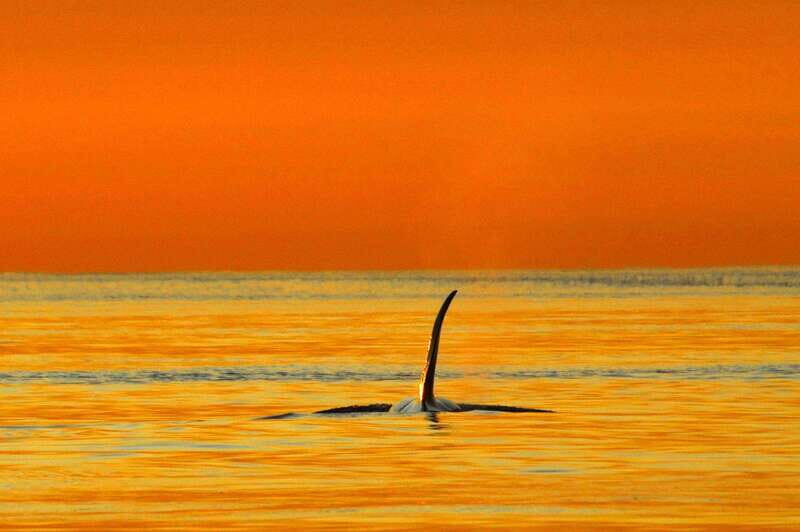
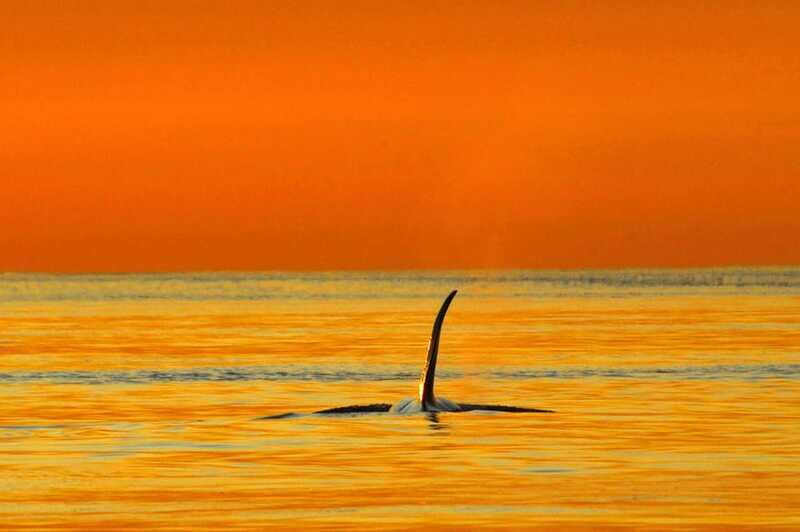
This tour is timed so you’re cruising as the sky shifts into sunset mode. That’s when you get two rewards at once: wildlife viewing and the kind of natural lighting people love for photos. Even if you’re not a serious photographer, you’ll feel the difference—sunset makes the whole experience more legible, and it’s easier to track surfacing blows and tail moves.
Meeting at 1721 Cowichan Bay Rd: Check-In, Gear-Up, and Your First Views
You’ll start at 1721 Cowichan Bay Rd, at the Burgundy Building. Look for the blue banner that says whale watching and the large orca mural—simple markers that make it easy to find the right place when you’re eager (and maybe a little chilly).
Check in early enough that you’re not rushing. You’ll want to arrive no later than 30 minutes before departure so the crew can get everyone suited up. Once you’re at the dock, you’ll feel how local this is: this isn’t an abstract “go to a harbor” experience. It’s a specific bay with a repeatable routine, and you’ll be set up to head straight out when the boat is ready.
The Whale-Watching Focus: Orcas, Humpbacks, Greys, and Minke
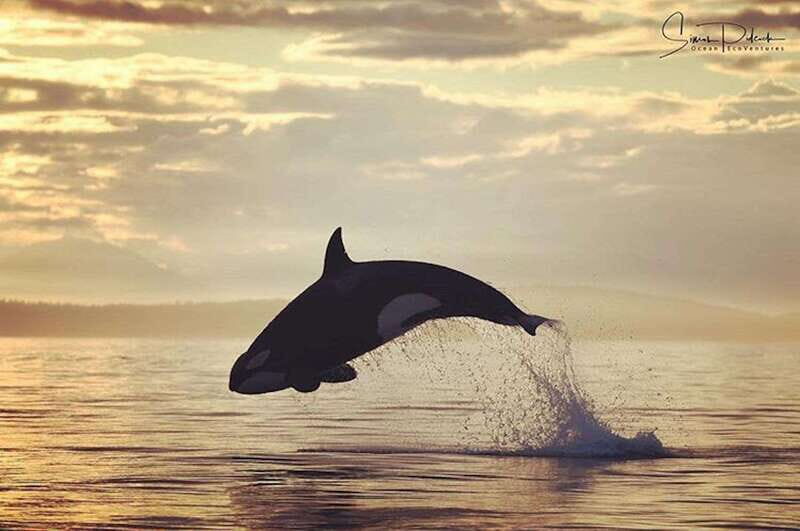
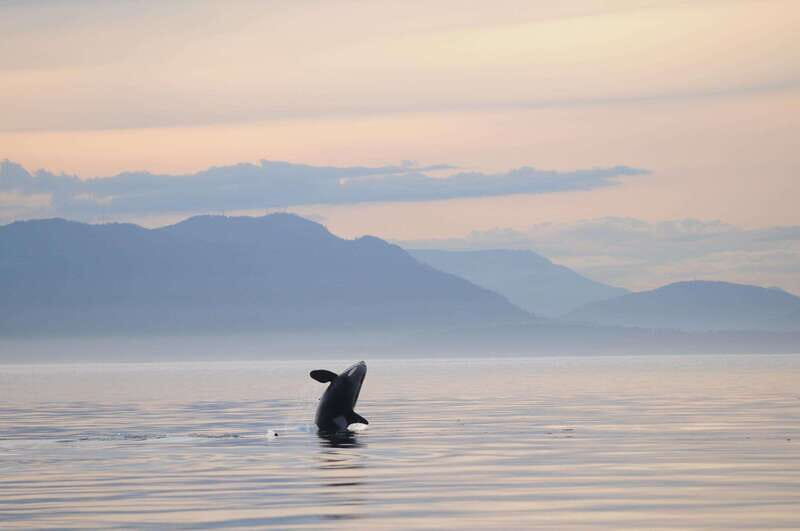
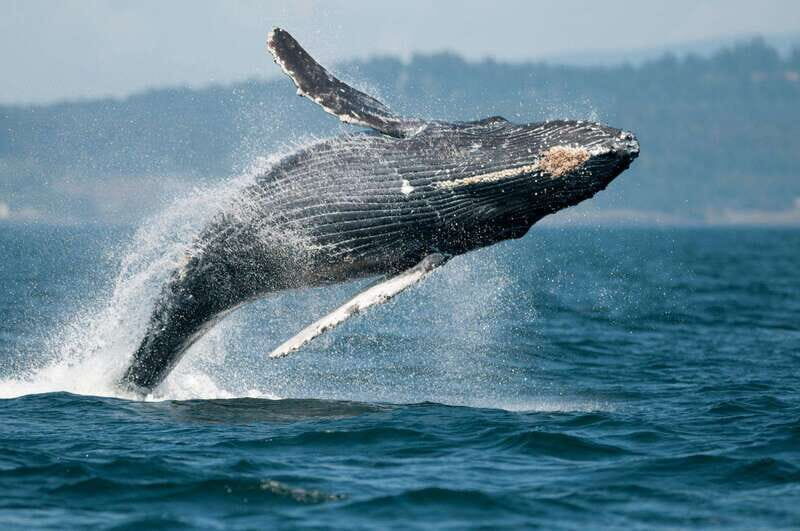
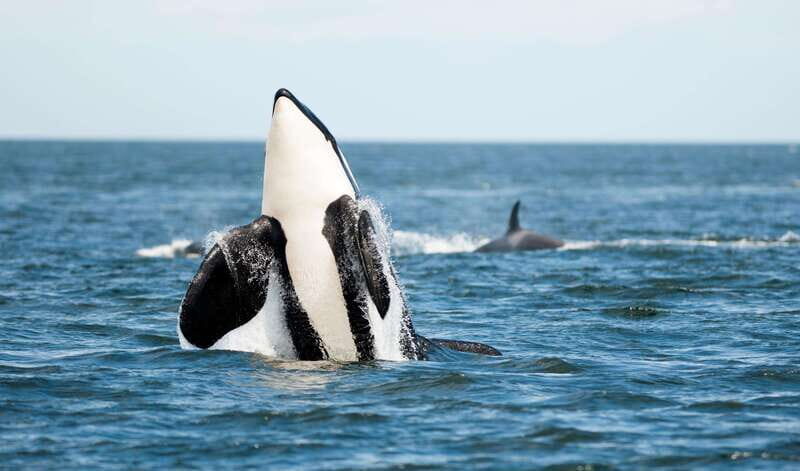
The core promise here is wildlife viewing with a specific attention to whales common to the region. The tour focuses on orcas (including transient killer whales), humpback whales, grey whales, and minke whales. That doesn’t mean you’ll see every species every night, but it does mean you’re not on a generic “maybe something” outing.
Here’s why that matters for your trip planning. Orcas and humpbacks are big draws, yet they also behave differently. Orcas can appear as repeated surfacing and active group movement, while humpbacks often show slower patterns and may give you time to watch breathing intervals and movement across the water. Grey whales and minke whales are also possible targets, but your real advantage on this tour is the guide’s job: helping you scan efficiently so you don’t miss the short windows that matter.
The tour runs mid-June to mid-September, daily. That seasonal schedule lines up with the idea that you’ll be going when conditions are most likely to support frequent wildlife activity. If your dates fall outside that window, you’d be better off choosing another option instead of hoping for the same timing.
Wildlife Beyond Whales: Sea Lions, Bald Eagles, Harbour Seals, and More
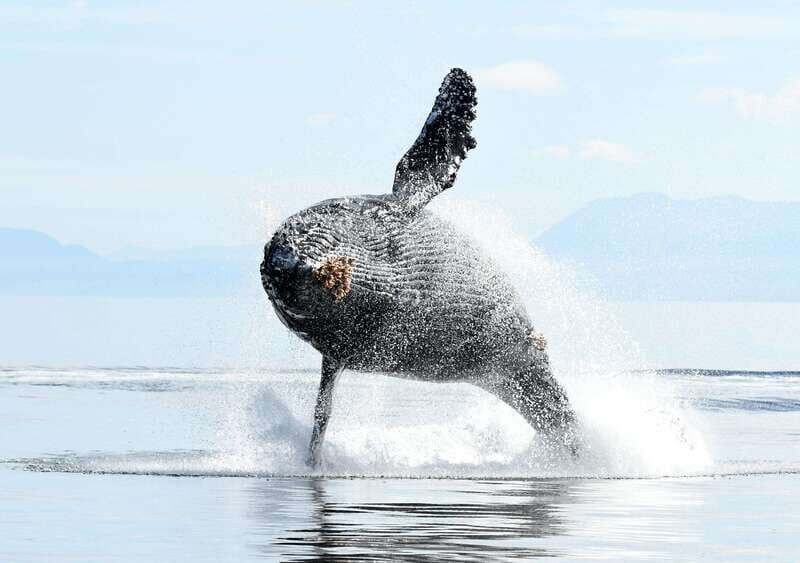
Whales take center stage, but what makes this feel like a true wildlife outing is the secondary sightings. You might see sea lions, bald eagles, and harbour seals while you’re scanning the water. You may also spot Dall’s and harbour porpoise—small, fast, and easy to miss if you’re not paying attention to the water surface patterns.
Then there are the birds. Birds are often the unsung bonus on whale cruises because they can react to what’s happening below. When you’re out on a sunset outing, the birds can also be easier to track visually against the dim sky and reflecting water.
A good whale tour is equal parts patience and attention. The value here is that you’re not just watching randomly—you’re cycling your focus between open water, surfacing areas, and where the crew tells you to look next.
Gear That Actually Helps: Flotation Suit, Gloves, Goggles, and Toques
One of the most practical parts of this tour: you don’t have to guess what to wear beyond warm layers. Included gear is designed for the conditions you’ll likely face on an evening boat—a flotation suit, plus gloves, goggles, and toques.
That matters for comfort. On a sunset trip, you’re moving through cool air and damp sea spray, and you’ll likely be standing or leaning while you search for spouts. Gloves help with camera handling too, and the toque keeps your head warm so you can stay focused instead of thinking about cold fingers.
Bring a camera if you care about photos, plus sunscreen and water. The tour doesn’t include food and drinks, so you’ll want to plan your meals around the departure time and bring water to keep yourself comfortable while you’re out there.
Sunset Light Photography: How to Get Good Shots Without Fumbling
Sunset lighting is the whole reason this tour earns its reputation. As the sky gets darker, the contrast between a dark whale body and the brighter water background can actually improve. The crew’s focus on spotting also helps you get your framing right instead of chasing animals after they’ve already moved on.
A few practical photo tips for this specific kind of outing:
- Keep your lens ready before you think you need it. Animals don’t wait for camera settings.
- Wear the provided gloves so you can handle the camera without numb hands.
- Try to shoot with the horizon visible when you can. It helps you track where movement happens across the water.
- Use the darker sky to your advantage: movement near the surface often shows up as quick changes in shape and reflections.
Also, remember that whale photography is more about timing than gear. You’ll get better results when you’re ready the moment the guide calls attention to a surfacing pattern.
How the 210 Minutes Feel: The Cruise Time and What It Means
The tour runs about 210 minutes—roughly 3.5 hours of time on the water, with a total experience listed as 3.5 to 4 hours. That pacing is long enough to have real chances at multiple sightings, but short enough that the evening doesn’t drag into a painful endurance test.
It follows a simple rhythm: meet, suit up, cruise through the Salish Sea area, watch for whales and wildlife, and then return to the same dock at 1721 Cowichan Bay Rd. The key benefit of that structure is that you’re not bouncing around from location to location. You’re learning the waters around Cowichan Bay as you go, and that can help you interpret what you’re seeing.
The drawback is also predictable: you’re on a boat for the whole block of time. If you’re sensitive to motion or cold air, plan layers and expect you’ll feel the evening wind.
Price and Value: Is $155 Worth It?
At $155 per person, this isn’t a “cheap afternoon activity.” But the price isn’t just for boat fuel and a random ride—it covers guided eco-tour time, wildlife spotting efforts, and included cold-weather gear like flotation suit, gloves, goggles, and toques.
You’re also paying for the small-group format. With a maximum of 12 guests per boat, your experience is less like sardines in a big group and more like a guided spotting session. That tends to improve the odds that you’ll get real viewing moments, not just occasional distant sightings.
What’s not included matters too. Food and drinks aren’t provided, and transportation to the departure point is on you. So the true cost is $155 plus what you spend on water/snacks and how you get to 1721 Cowichan Bay Rd.
If you’re traveling with someone who’s into wildlife, cameras, or just wants a high-probability chance at an unforgettable evening outing, it can be good value. If you’re only chasing one specific whale and you get nervous about uncertainty, you should think twice.
Who This Tour Suits Best (and Who Might Want Another Option)
This is a strong match for people who want a guided wildlife outing with a focus on whales and the bonus of sunset views. It’s also ideal if you like learning while you watch—this tour is run with an English live guide, and the whole experience is built around interpreting what you’re seeing, not just pointing and saying look there.
On the other hand, it’s not for everyone. It’s not suitable for children under 4 years, pregnant women, or people with back problems. Also, pets aren’t allowed, and you can’t bring drones.
If you fit the recommended group and you dress for the evening, you’re set up for a comfortable night on the water. If not, you might spend too much time worrying about your comfort instead of watching marine life.
What Can Go Wrong: The One Thing to Keep Realistic
The biggest risk with any whale tour is the same plain truth: animals move on their own schedule. This tour advertises a focus on whales like orcas and humpbacks, and sometimes sightings can be excellent. In at least one past outing, a group reported seeing eight killer whales in total.
But if your heart is set on a single species—and you’d be genuinely upset if you only got other wildlife—you may not love the uncertainty. The smart move is to decide what you’ll enjoy even if the top target doesn’t show up.
If you’re happy to watch for multiple species, and you enjoy the whole event—water, birds, seals, sea lions, and that sunset light—then you’ll likely feel like the tour was worth it.
Should You Book This Sunset Whale Watching Tour?
I’d book this if you want an evening on the water in a small group, you enjoy wildlife viewing, and sunset photography matters to you. The included cold-weather gear is a real benefit, and the focus on orcas, humpbacks, greys, and minke gives the trip a clear theme instead of vague hope.
Skip it if any of these are dealbreakers for you: you can’t handle evening cold and boat time, you’re in one of the groups listed as not suitable (under 4, pregnant, or back problems), or you need guaranteed orcas. In whale watching, you plan for the chance to see them, not a contract.
If your dates are in the season window (mid-June to mid-September), and you’re ready to stay flexible once you’re on the water, this tour is one of the better ways to make Cowichan Bay part of your Vancouver Island trip.
FAQ
How long is the Vancouver Island: Cowichan Bay Sunset Whale Watching Tour?
It’s listed as about 210 minutes, which is roughly 3.5 to 4 hours total.
When does the tour operate?
It operates daily from mid-June to mid-September.
Where do I meet for the tour?
Meet at 1721 Cowichan Bay Rd, at the Burgundy Building. Look for the blue banner that says whale watching and the large orca mural.
What animals are the tour focused on?
The tour focuses on orcas (including transient killer whales), humpback whales, grey whales, and minke whales, with additional chances to see sea lions, bald eagles, harbour seals, Dall’s and harbour porpoise, and marine birds.
Are meals included?
No. Food and drinks are not included.
What gear is provided?
You’ll receive a flotation suit, gloves, goggles, and toques.
What should I bring?
Bring warm clothing, a camera, sunscreen, water, and comfortable clothes.
Is the tour suitable for children and pregnant travelers?
It is not suitable for children under 4 years or for pregnant women.
What rules should I know before booking?
Pets, smoking, and drones are not allowed, and alcohol and drugs are not allowed either. The tour guide is in English.