REVIEW · CALGARY
From Calgary/Canmore: Banff National Park Premium Day Trip
Book on GetYourGuide →Operated by Banff DayTrips · Bookable on GetYourGuide
Banff in one day, without the stress. This small-group Banff National Park trip packs jaw-dropping winter scenery into an easy day: hotel pick-up, big lake viewpoints, Bow Falls, and time in Banff plus Lake Louise and Moraine Lake.
I really like the way the guides keep things fun and moving. I also love the balance of short photo stops plus actual time on the ground, and I’ve seen names like Murray, Dan, Patrick, Sergiy, and Gordon deliver exactly that mix of facts, jokes, and patience with photos.
One thing to consider: it’s a long 11-hour day, and you’re on your own for food and drinks during breaks (the tour supplies water, but lunch isn’t included).
In This Review
- Key highlights worth your attention
- Hotel pick-up from Calgary or Canmore: why this format feels easier
- The drive that turns into part of the sightseeing
- Two Jack Lake Viewpoint: the quick win stop
- Lake Minnewanka in winter: frozen color and quiet walking time
- Banff town break: lunch, shops, and a real pause
- Bow Falls: where the soundscape does half the work
- Lake Louise winter stop: glacier views and optional snowy walks
- Moraine Lake chances: the payoff and the risk
- Price and value: what $70 buys you for 11 hours
- What to pack and how to stay comfortable in winter Rockies mode
- Guides make the day: the names you might get and why it matters
- Should you book this Banff day trip from Calgary or Canmore?
- FAQ
- How long is the Banff National Park premium day trip?
- How many people are in the small group?
- Where are the pick-up and drop-off locations?
- Is food included in the price?
- Are park entry fees included?
- Are stops like Moraine Lake guaranteed?
- Is hiking required at Lake Louise?
- Does the tour include photos or videos?
- Are drones and strollers allowed?
Key highlights worth your attention
- Max 13 people means you get time to ask questions and actually see what you’re paying for.
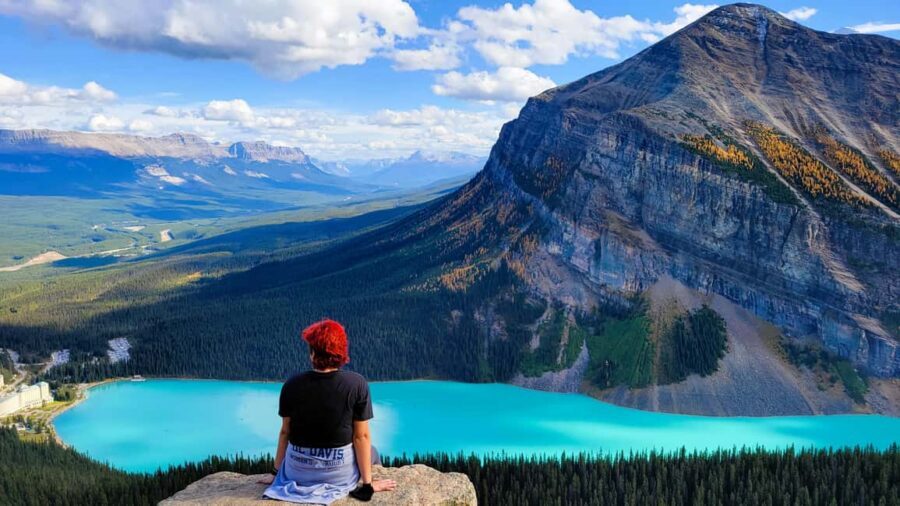
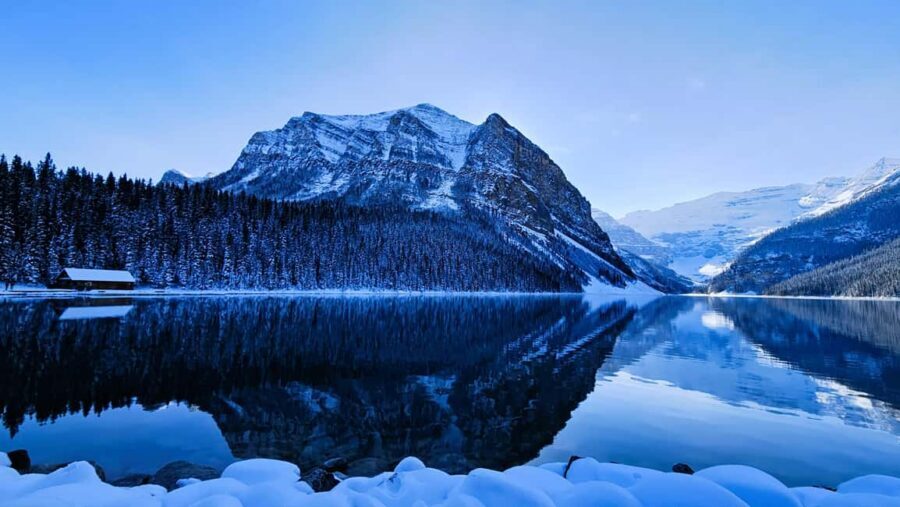
- Winter lakes: Lake Minnewanka’s frozen turquoise look and Lake Louise’s icy glass-and-glacier vibe.
- Guides who talk: multiple guides (like Murray) use the vehicle speaker to point out what matters and keep the drive interesting.
- Banff town time: enough for shopping and a relaxed lunch break, not just a quick photo whip-by.
- Photo-friendly timing: stops are built around views, plus time buffers so you’re not sprinting at every stop.
Hotel pick-up from Calgary or Canmore: why this format feels easier
This tour is set up for people who don’t want to drive the Rockies in winter, deal with parking, or guess which pull-offs are worth it. You get pick-up from select areas—Downtown Calgary, Northeast Calgary, Northwest Calgary, Canmore, and Banff Trail—then you’re dropped back in the evening at one of the matching drop-off areas.
With luggage space included, it’s also a friendlier option if you’re hopping hotels mid-trip. And because it’s a limited group (up to 13), the van rhythm stays calm. You’re not stuck shoulder-to-shoulder, and the guide can keep track of everyone’s pace.
A practical note: the itinerary is a guide, and the route adapts to traffic, weather, and park seasons. That matters in winter, where road access can change quickly. It’s still a structured day—just not blindly rigid.
A few more Calgary tours and experiences worth a look
The drive that turns into part of the sightseeing
A lot of Banff day trips feel like transportation with stops. This one treats the drive as part of the experience. The guide uses the speaker to share what you’re seeing, and several guides mentioned in the experience have a habit of pointing out things while you’re on the move, not only at the viewpoints.
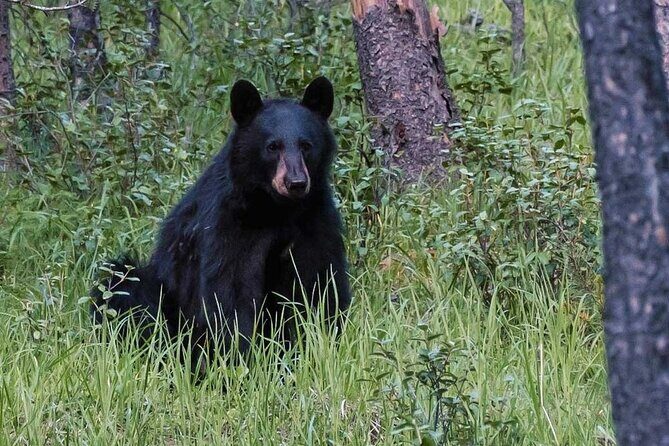
If you’ve ever been stuck on a tour where the guide talks for 20 minutes and then disappears, you’ll appreciate this. People mention the humor, the real-world details, and the way guides slow down when wildlife appears along the roadside—so you get a better chance of spotting animals without the group falling behind.
Also, you’ll be given drinking water, which is a small thing that pays off on a long day. You don’t have to remember to bring a bottle, at least for the day’s essentials.
Two Jack Lake Viewpoint: the quick win stop
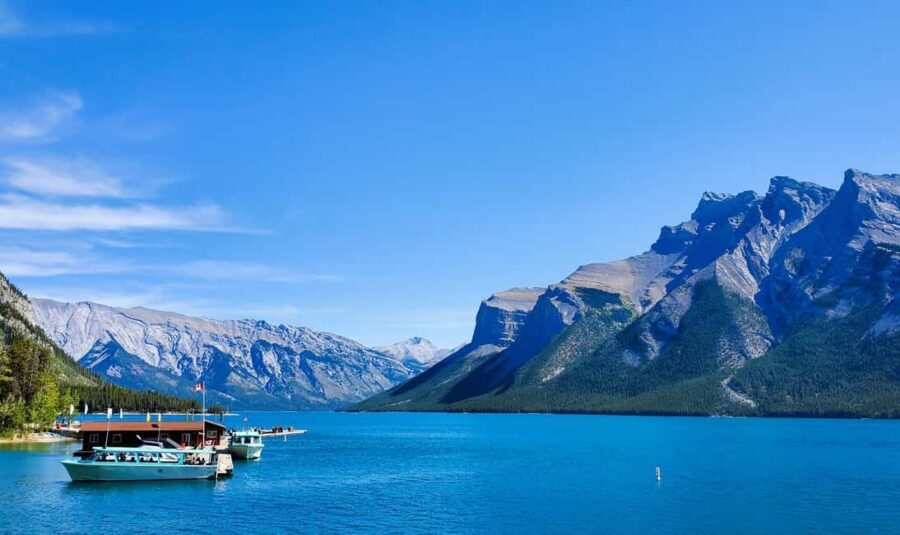
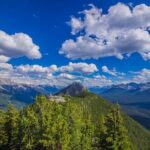
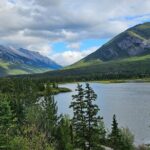
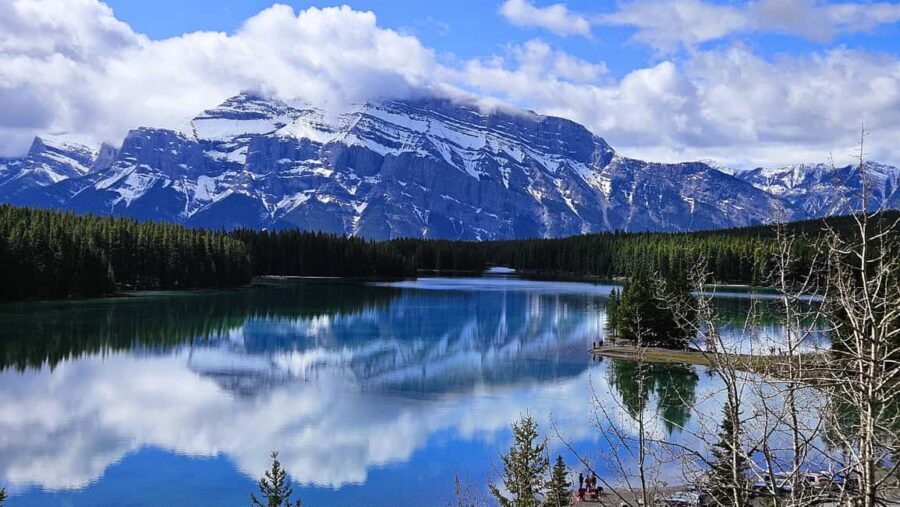
The first big stop is Two Jack Lake Viewpoint, with a photo-and-sightseeing window. This is the kind of stop that works even if the weather isn’t perfect, because it’s designed for quick framing: you pull in, look across the water, take a few photos, and soak up the mountain feel before the day warms up.
In winter, the air can feel crisp and clear, and viewpoints like this tend to deliver that early Rockies “okay, wow” moment. You’ll likely spend your time shifting between skyline shots and a couple of wider perspectives, then getting back on the road before the day gets too crowded.
Drawback? If you’re the kind of traveler who wants a long hike as your first stop, this one won’t feel enough. It’s a viewpoint stop, not a trail day. But it sets the tone and keeps the schedule smooth.
Lake Minnewanka in winter: frozen color and quiet walking time
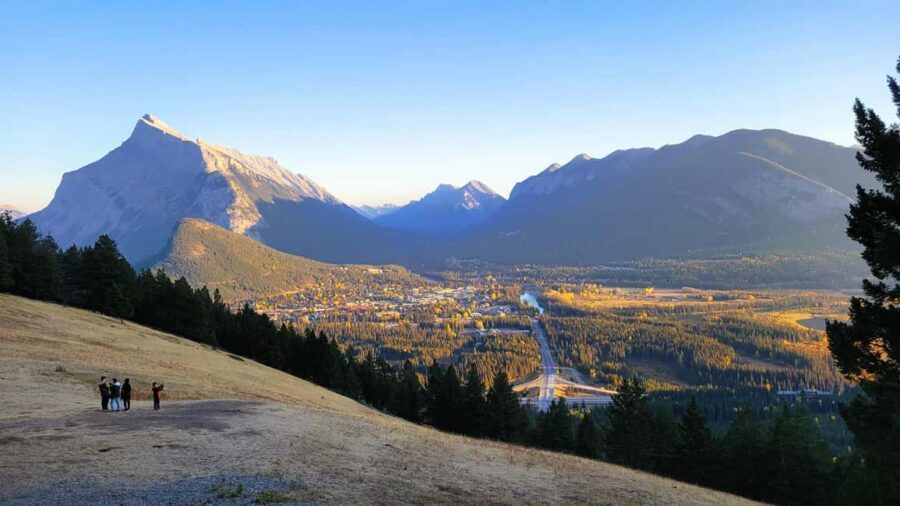
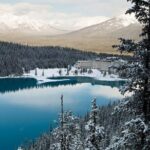
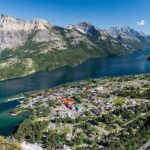
Next is Lake Minnewanka, where you get another photo stop plus free time on the ground. In winter, the lake can look almost unreal—turquoise tones under ice, with frosted trees and tall peaks doing the heavy lifting for your photos. The best part here is the mix: you’re not stuck staring out a window. You have time to walk a bit and choose your angle.
Some visitors mention not seeing the same crowds they expected, which can make this feel calmer than you’d imagine for a famous park destination. Still, it’s winter, so traction and conditions matter. If paths look slick, keep it slow. (And if you have hiking boots, you’ll be more comfortable for the small walks.)
This stop is also a good energy checkpoint. You’ve done the initial “wow” moment, and now you shift to slower looking. It’s a nice tempo change before the busier Banff town break.
Banff town break: lunch, shops, and a real pause
Then you head into Downtown Banff for a longer break—long enough for lunch and time to shop. This is one of the reasons I like this kind of day trip: the Rockies can start feeling the same if all you do is pull-offs. A town stop breaks the pattern.
During this window you can browse local gear shops, pick up small souvenirs, and choose where you want to eat instead of being rushed into one set restaurant. In the reviews, people praised having enough time to eat and shop, not just a quick stare at a street corner.
One caution: Banff is popular. If you want a low-stress lunch, pick a spot quickly once you arrive, then stroll after you eat. This is also a good time to refuel because you still have Lake Louise and Moraine Lake later.
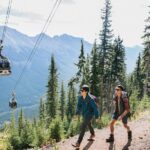
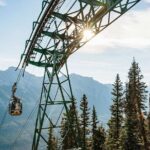
If you’re interested in extra add-ons, your guide may suggest options such as the Banff Gondola. One winter visitor specifically called out being given the chance to add Gondola for a small fee, and the mountain-top views were described as worth it.
Bow Falls: where the soundscape does half the work
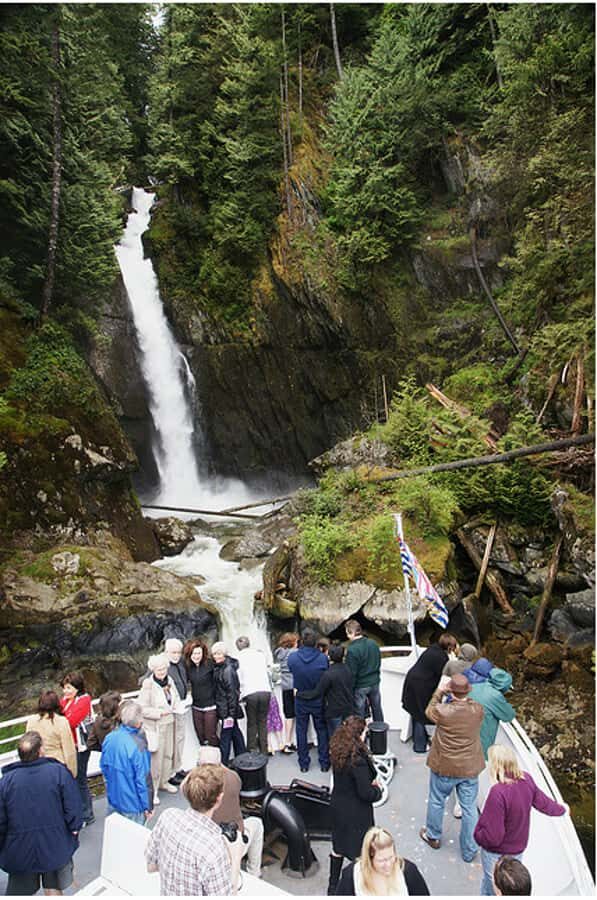
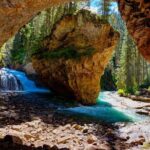
After Banff, you stop at Bow Falls for a shorter photo-and-sightseeing block. The best thing about Bow Falls is that it doesn’t require a long walk to feel dramatic. You can hear the falls, see the rush, and still keep your momentum for the rest of the day.
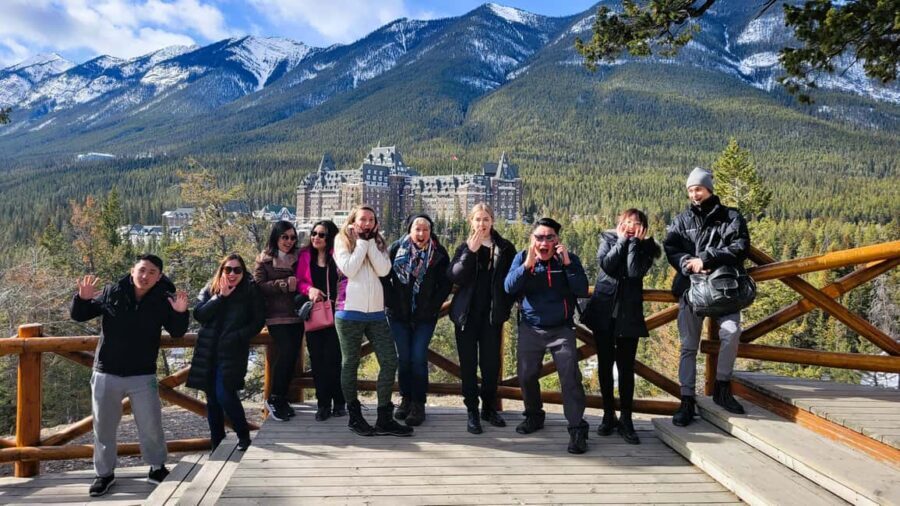
This stop gives you a natural contrast: after quiet lake time, you get motion—spray, sound, and the forest texture around the viewing areas. It’s also an easy place for group photos because everyone can line up without negotiating a trail.
Time is brief here, so if you’re trying to do your best waterfall photos, come prepared for quick positioning. Bring your best camera settings ahead of time if you can—winter light can change fast.
Lake Louise winter stop: glacier views and optional snowy walks
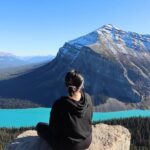
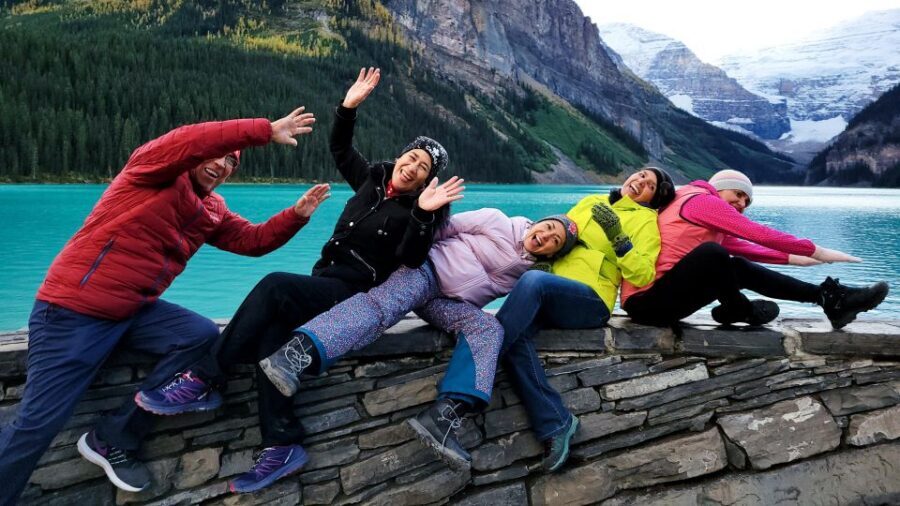
Then comes the big one: Lake Louise in winter, with a break that includes photo time, a visit, and a walk option. The “winter Lake Louise” look is a different experience than summer. Instead of canoes, you’re dealing with snow, ice, and the crisp stillness of the shoreline.
Victoria Glacier is the star in the background, and many of your best photos will be wide shots that include both the lake surface and the glacier face above it. There’s also time to pause along the frozen shoreline and take in that glassy-water feeling—even when the lake itself is locked in winter.
Some guests mention a short snowy walk toward frozen waterfalls during the Lake Louise portion. Since the tour says hiking at Lake Louise is optional and there are self-guided trails, it’s worth bringing warm layers and traction-friendly footwear if you want that extra movement.
Practical tip: give yourself permission to go slower than your phone wants. Winter light and ice textures reward steady looking, not frantic snapping.
Moraine Lake chances: the payoff and the risk
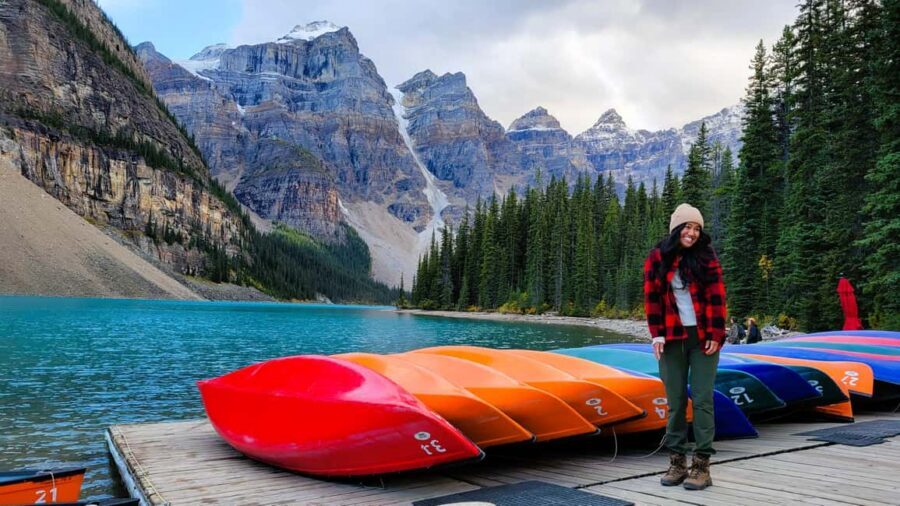
The itinerary includes Moraine Lake as a break with photo time, free time, and scenic driving views on the way. In good conditions, Moraine Lake is the kind of place that makes the whole day feel instantly worth it.
But winter adds uncertainty. The tour notes that stops adapt based on traffic, weather, and park seasons. One visitor specifically reported that Moraine Lake wasn’t possible due to end-of-season timing and a road closure, even though the rest of the tour still delivered.
So here’s how I’d plan your expectations: treat Moraine Lake as a bonus if you get it, not as a guaranteed “must.” If you do reach it, you’ll feel the contrast—brighter color and tighter mountain framing compared with wider lake viewpoints.
If you don’t, you’ll still have Lake Louise, Bow Falls, and Banff town time anchoring the day. In other words, missing Moraine doesn’t erase the main experience.
Price and value: what $70 buys you for 11 hours
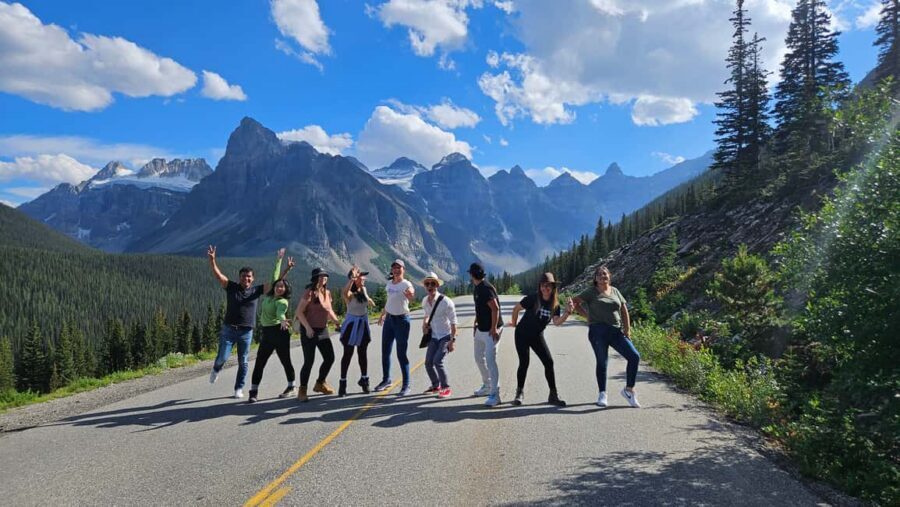
At $70 per person for about 11 hours, the value is in the parts you’d normally pay for or struggle to organize yourself: round-trip transport with luggage space, hotel pick-up and drop-off, a guide, and a Banff National Park day pass included. Add in drinking water, and you’re also saving on the hassle of arranging your own car and parking game.
What’s not included is just as important. Food and drinks are on you, and if you’re thinking about paid add-ons (again, Gondola is a common example), that’s extra. For many people, the “real” cost is less about the ticket price and more about how you handle lunch.
I think it’s good value if:
- you want to hit multiple iconic places without driving,
- you like learning as you go (your guide talks and points things out),
- you prefer small-group comfort over big-bus crowds.
If you already have your own vehicle and you’re comfortable driving in winter conditions, the main difference is convenience and guide-led timing.
What to pack and how to stay comfortable in winter Rockies mode
This tour runs in rain or shine unless roads are closed, an extreme storm is happening or predicted, or the temperature reaches -50°C. Translation: you should dress like weather can change quickly. Layers win. You’ll want warm outerwear even when the sun appears.
You also need to think about footwear. The tour notes hiking at Lake Louise is optional and you don’t need special boots—but if you have them, wear them. Ice and packed snow can make small walks feel longer than you expect.
A few other rules to plan around:
- no drones,
- no smoking in the vehicle,
- no intoxication,
- no drinks in the vehicle,
- no baby strollers or baby carriages,
- and it’s not suitable for children under 3.
Finally, bring a charging plan. One guest mentioned the guide having a charger bank available. That’s not something you should assume will be there, but it’s a helpful clue that power access can matter during a long day of photos.
Guides make the day: the names you might get and why it matters
If you care about more than just scenery, this is where the tour earns its high marks. Multiple guides are credited by name—Murray, Patrick, Dan, Sergiy, Gordon, and Kevin—and people highlight the same pattern: lots of facts, a good sense of humor, and attention to timing so the group doesn’t feel rushed.
One difference you’ll notice with strong guides is pacing for photos. Some guides actively join you for pictures when you’re at the right spot, and they’re willing to slow down for wildlife if it appears. That’s the kind of detail that turns a checklist trip into something that feels personal.
Also, if you’re traveling solo, small group size helps. You’ll have people to chat with during breaks, and you’re not lost in a crowd.
Should you book this Banff day trip from Calgary or Canmore?
I’d book it if you want a structured, guide-led day that hits the top winter sights—Two Jack, Lake Minnewanka, Banff town, Bow Falls, Lake Louise, and Moraine Lake if conditions allow—without the work of planning pull-offs and parking. At $70, you’re paying for convenience, timing, and a day pass plus transport.
I’d think twice if:
- you need guaranteed Moraine Lake access,
- you want food included (it’s not),
- or you hate long days (this is a full 11-hour run).
If you can handle winter layers and you’re okay budgeting lunch, this tour is a solid way to experience the Canadian Rockies fast, with less friction than driving yourself.
FAQ
How long is the Banff National Park premium day trip?
The duration is 11 hours.
How many people are in the small group?
The group is limited to 13 participants.
Where are the pick-up and drop-off locations?
Pick-up options include Banff Trail, Canmore, Downtown Calgary, Northeast Calgary, and Northwest Calgary. Drop-off options match those areas: Northwest Calgary, Canmore, Northeast Calgary, Downtown, and Banff Trail.
Is food included in the price?
No. Food and drinks are not included, so you’ll want to plan for lunch on your own during the Banff stop.
Are park entry fees included?
Yes. A Banff National Park day pass is included.
Are stops like Moraine Lake guaranteed?
No. The itinerary is a guide and stops can be adjusted based on traffic, weather, and park seasons.
Is hiking required at Lake Louise?
No. Hiking is optional at Lake Louise, and there are self-guided trails. If you have hiking shoes or boots, wear them.
Does the tour include photos or videos?
The tour includes videos and photos on request, but the guide cannot take your photo or make a video for you.
Are drones and strollers allowed?
Drones are not allowed. Baby strollers and baby carriages are also not allowed.