REVIEW · TORONTO
Toronto: Private Small Group City Tour with Local Guide
Book on GetYourGuide →Operated by BG TOURS CANADA INC. · Bookable on GetYourGuide
Four hours to get your bearings in Toronto. This private small-group drive turns the city’s big landmarks—CN Tower included—into an easy route with photo-ready stops and neighborhood context as you roll along.
I love how the route threads multiple Toronto neighborhoods in one go, from the Distillery District to Chinatown and Kensington Market, with a guide who can steer the day toward what you care about. With a max of 7 people, it stays conversational instead of chaotic.
The main drawback: food and drinks aren’t included, so you’ll need to plan your own quick bite if you get hungry.
In This Review
- Key things to know before you go
- The Route: a 4-hour drive that covers a lot without feeling scattered
- Hotel pickup to CN Tower: start downtown, shoot the skyline, keep moving
- Casa Loma and the Yonge-Dundas core: gothic drama and city-center energy
- Harbourfront and the Art Gallery of Ontario: lake views without planning
- Distillery District to ROM and Hockey Hall of Fame: culture you can see from the road
- Chinatown and Kensington Market: a fast lesson in Toronto’s multicultural neighborhoods
- Yorkville, University of Toronto area, Rainbow Village, and Cabbagetown
- Rosedale and Forest Hill: the quiet contrast after the busy center
- Price and value at $182: what you’re paying for
- How to get the most out of a small-group, photo-heavy half day
- Should you book this Toronto small-group city tour?
- FAQ
- How long is the Toronto private small-group city tour?
- What is the price per person?
- How many people are in the small group?
- What languages are the live guides available in?
- What’s included in the tour price?
- Is pickup from downtown included?
Key things to know before you go
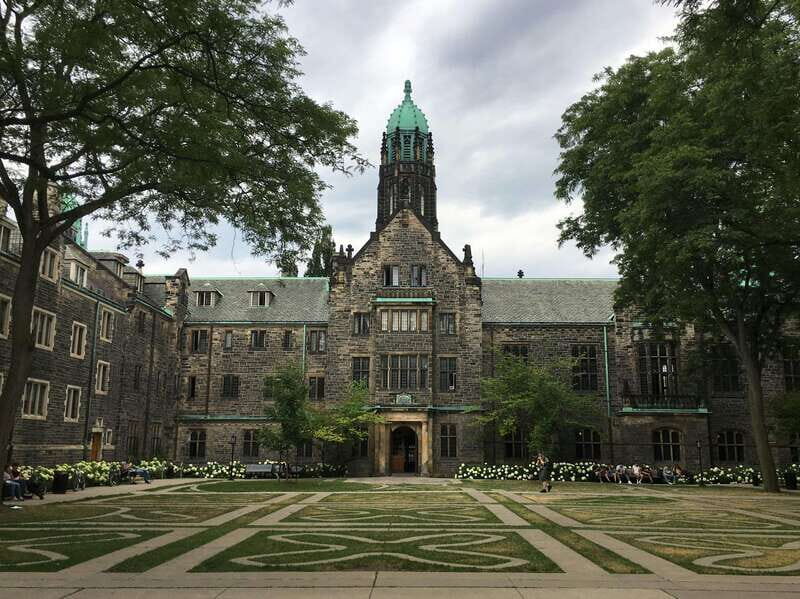
- CN Tower photo stop early helps you lock in the iconic skyline view before traffic and crowds build
- Casa Loma + downtown core gives you a strong mix of “Toronto wow” and everyday street life on Yonge Street
- Neighborhood driving (not just walking) makes a tight 4-hour plan feel far longer than it is
- Small-group flexibility means you can ask for more time at a stop you care about
- A guide-led story loop connects sites like the Art Gallery of Ontario, Royal Ontario Museum, and Hockey Hall of Fame to local history
The Route: a 4-hour drive that covers a lot without feeling scattered
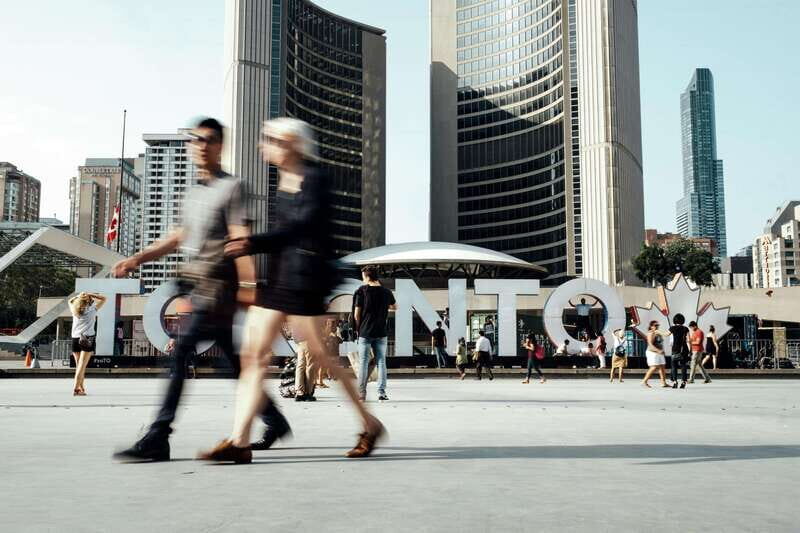
This tour works because it’s built for orientation. In four hours, you don’t need to plan transit, guess parking, or bounce between far-apart areas. You get a guided route that hits Toronto’s most recognizable sights and then balances them with the city’s day-to-day neighborhoods.
You’ll spend a lot of time moving by car, which sounds simple, but it matters in Toronto. The distance between “must see” areas is real, and a driving format helps you compare neighborhoods side-by-side. That’s also why the tour is a good first stop on a trip: you’ll learn the city’s geography quickly, so the rest of your days make sense.
The day is paced as a mix of photo stops, pass-by views, and short check-ins where you can step out, look around, and reset. If you’re the type who wants long museum time at every stop, you might feel the limits. But for most visitors who want the highlights and the connections, it’s an efficient, low-stress format.
You can also read our reviews of more guided tours in Toronto

Hotel pickup to CN Tower: start downtown, shoot the skyline, keep moving
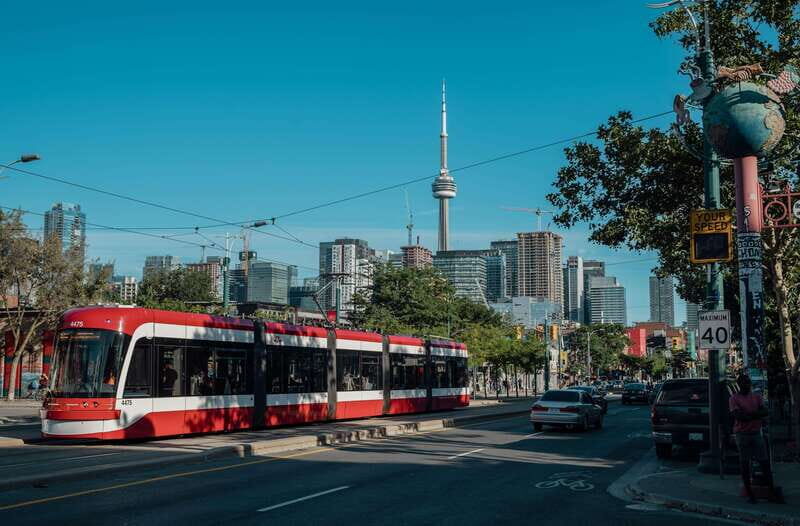
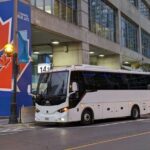
The experience begins with a pickup in central Toronto. You’ll meet your guide downtown and then head out with the group. One practical detail that helps: you should wait outside your hotel about 10 minutes before your pickup time, and you’ll be looking for a vehicle marked BG Tours Canada.
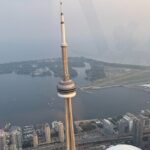
The tour’s first big “wow” moment is the CN Tower. You’ll stop for iconic photos, and doing that early is smart. In the beginning, you’re fresh, the schedule is clean, and you’re not competing with the later-day crowd mood. Even if you don’t go inside, it’s still worth the stop because it anchors your mental map of the city.
From there, the tour moves into a classic Toronto pattern: landmark → architecture → street grid → waterfront → neighborhoods. That keeps the day from turning into a list of random sights.
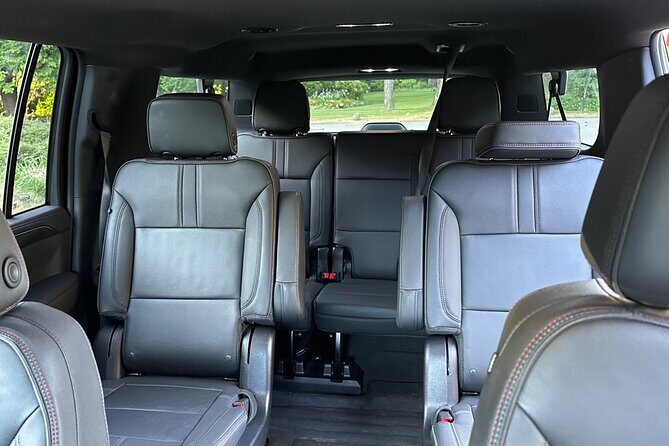
One extra detail you may hear about from past guests: some departures have included a private Tesla ride, which adds a sleek, fun twist to getting around. Not every day is guaranteed the same vehicle setup, but the point stands—the transportation can make the whole route feel a cut above.
Casa Loma and the Yonge-Dundas core: gothic drama and city-center energy
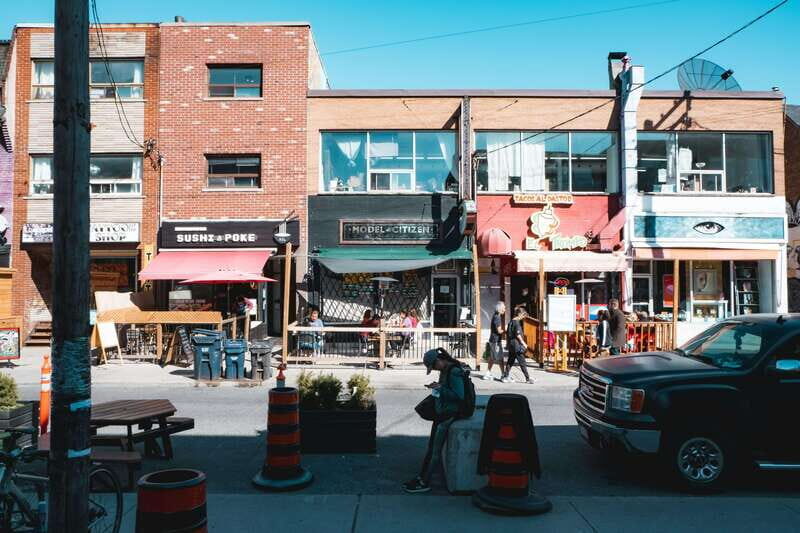
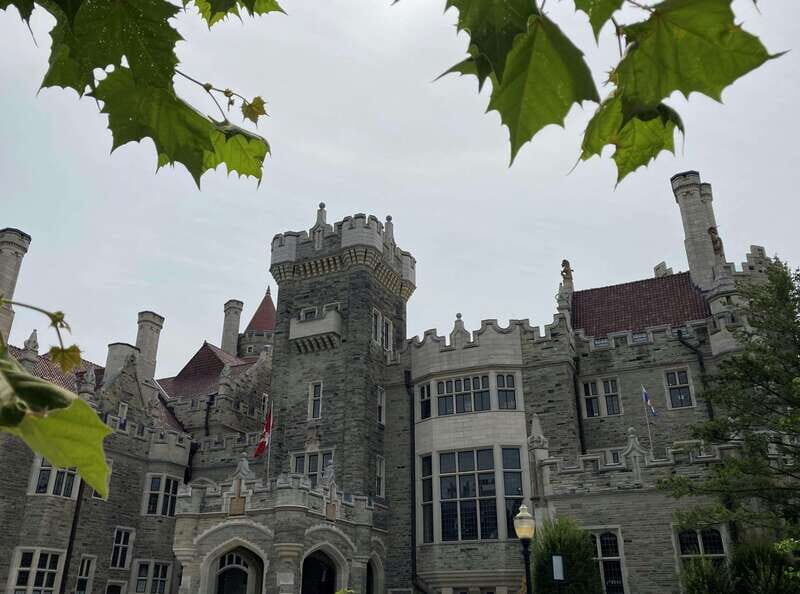
After CN Tower, you’ll head to Casa Loma, Toronto’s Gothic Revival mansion. This stop is one of the best switches in the whole tour: you go from futuristic skyline views to a storybook-style building and then out onto the city’s main downtown streets.
Casa Loma works well on a half-day format because even if your time there is limited, it’s visually strong. It’s the kind of place that gives you an instant sense of Toronto’s “we build big” side, and it contrasts nicely with what you’ll see later in the day.
Next up are the Eaton Centre and Yonge-Dundas Square. This is a useful shift because it takes you from grand architecture to how the city actually performs day-to-day—people moving, signage everywhere, and the big-city rhythm of Yonge Street. You’ll also get a sense of why Toronto’s downtown works as the core hub: everything feeds into it.
If you like cities that show both the famous and the functional, this portion will land well. If you prefer quiet streets and long walks, you may find this area a bit more intense—but it’s short enough that you don’t burn your whole day on crowds.
Harbourfront and the Art Gallery of Ontario: lake views without planning
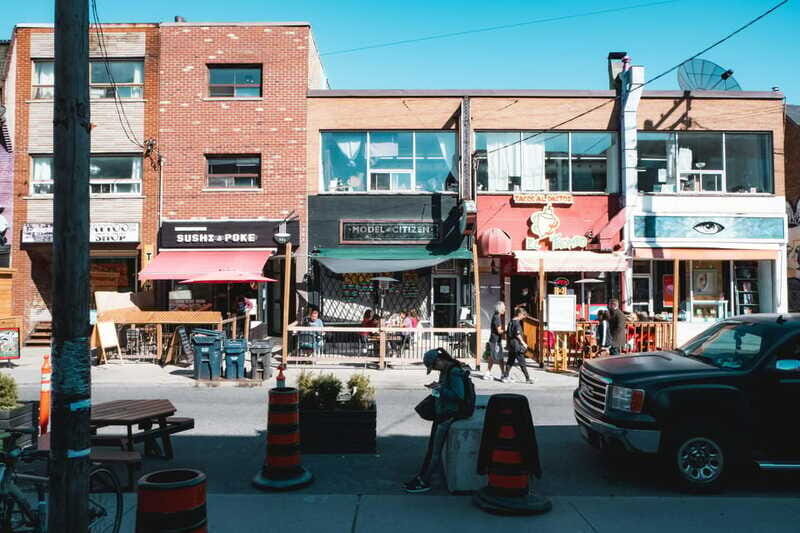
From the downtown core, you’ll swing toward Harbourfront for waterfront views. The value here isn’t just the water itself; it’s perspective. Toronto has a way of feeling all-city until you see how the lake edges shape where people gather and how neighborhoods develop.
You’ll also pass by the Art Gallery of Ontario, known for its distinctive architecture. Even as a pass-by, it’s a worthwhile moment because the building’s look is a visual lesson. It signals how Toronto blends modern cultural ambition with older urban fabric.
This stop pairing—Harbourfront plus a major cultural building—helps you understand Toronto’s priorities: art and skyline views aren’t isolated. They sit right next to the daily movement of the city.
Distillery District to ROM and Hockey Hall of Fame: culture you can see from the road
The Distillery District is the next highlight zone on the drive. It’s famous for its transformation into a cultural hotspot, and you’ll get a sense of how the area’s character changed over time. From the car, you can’t browse every shop window for an hour, but you can see the vibe and understand why people gravitate there.
As the route continues, you’ll pass the Royal Ontario Museum and the Hockey Hall of Fame. These are big-ticket Toronto institutions, and the tour’s approach is smart: it gives you recognition and context without turning the day into a ticket line and indoor schedule.
That said, here’s how to make this work for you. If any of these two stops are your top priority, ask your guide if you can trade a little time elsewhere. The tour is built to be flexible, and you don’t want to spend your energy photographing a building you could’ve gone into deeper.
You can also read our reviews of more city tours in Toronto
Chinatown and Kensington Market: a fast lesson in Toronto’s multicultural neighborhoods
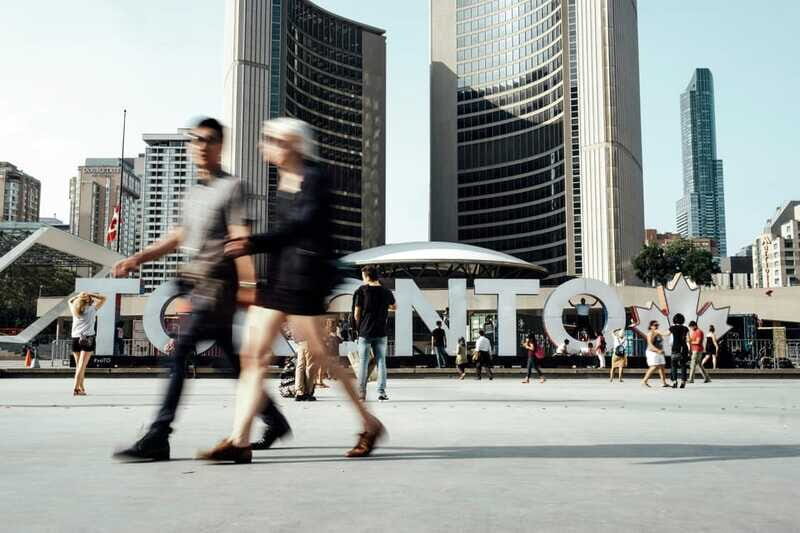
One of the best parts of the itinerary is the way it shifts into Chinatown and Kensington Market. This is where Toronto stops looking like a set of famous landmarks and starts looking like a living mosaic.
Kensington Market is especially useful on a half-day driving tour because it gives you texture—small streets, shifting cultures, and a neighborhood feel that’s hard to recreate with a generic downtown stroll. Chinatown offers its own visual and cultural density, and passing through by car helps you get the big picture without losing too much time.
A heads-up so you’re not surprised: since food and drinks aren’t included, you’ll want to plan if you hope to snack in these areas. That said, the stops still pay off even if you don’t eat. The main win is knowing what kind of neighborhood energy exists where, so later you can choose which areas deserve your full-time exploring.
Yorkville, University of Toronto area, Rainbow Village, and Cabbagetown
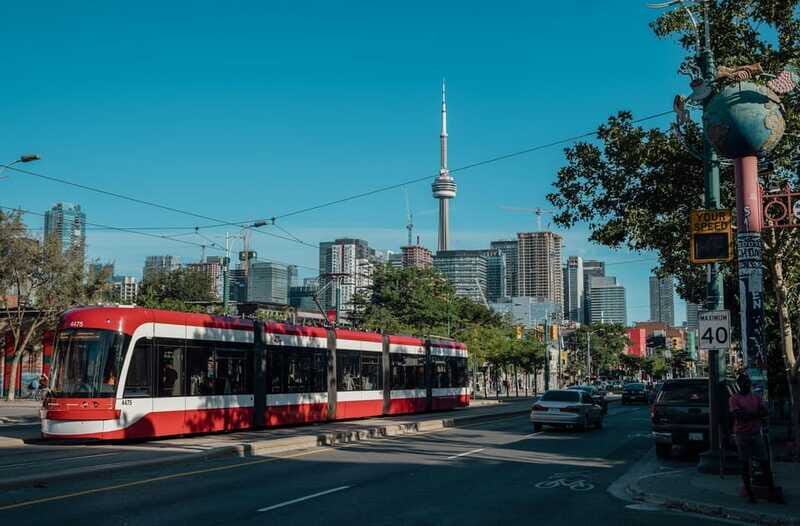
After the multicultural neighborhood segment, the tour heads into Toronto’s “different kind of story” zones.
You’ll pass Yorkville Village, which tends to feel more upscale and composed than some other parts of the city. Then you’ll roll by the Ontario Provincial Parliament and University of Toronto, two anchors that help explain how Toronto functions politically and academically. Even from the vehicle, these pass-bys give you a sense of scale—how big the institutions are and how they structure the surrounding streets.
You’ll also see Rainbow Village and Cabbagetown along the route. This is a strong stretch because it shows how Toronto holds contrasts in close proximity: community landmarks and residential history side-by-side with modern institutional presence.
If you’re the kind of traveler who likes cities with personality, this section is where you’ll start to feel it. Toronto isn’t one thing; it’s a chain of neighborhoods with their own pace. This tour helps you notice that fast.
Rosedale and Forest Hill: the quiet contrast after the busy center
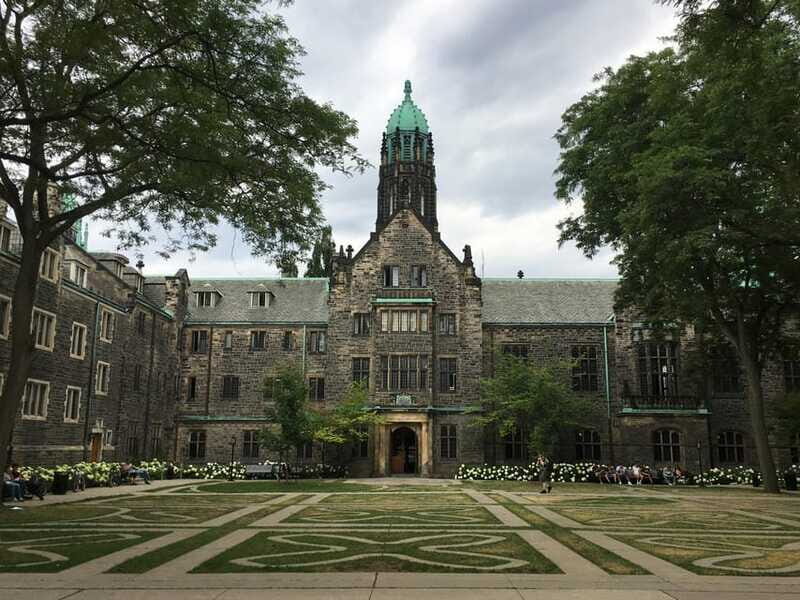
The last part of the drive heads toward the affluent residential areas of Rosedale and Forest Hill. This is a meaningful contrast section. After downtown and cultural districts, these neighborhoods feel calmer, greener, and more spacious, and you’ll understand why people choose to live there.
The guide will share stories about their place in Toronto’s history, and that storytelling matters here because without context, these areas can look like “nice neighborhoods.” With context, you start to see how Toronto’s growth patterns shaped where wealth, greenery, and quiet streets would settle.
This contrast ending is also a practical benefit: it sets up a smoother return to downtown. When the day ends, you’re not mentally stuck in traffic-heavy downtown energy—you’ve had a pace shift.
Price and value at $182: what you’re paying for
At $182 per person for a 4-hour tour, you’re paying for three things that add up quickly: a guide, transportation, and a format that compresses Toronto’s geography.
Here’s how that value usually plays out for you:
- Transportation included means you don’t spend part of your limited time figuring out transit or parking between distant areas.
- Small group (up to 7) keeps the pace flexible. That matters for a route like this, where you may want more time for a photo stop or fewer minutes at a pass-by.
- Customizable itinerary gives you control. If your priorities skew toward architecture (CN Tower, Casa Loma) or toward neighborhood streets (Chinatown, Kensington Market), the guide can adjust the emphasis.
The tour doesn’t include food, so you’ll want to budget for at least a snack or a drink stop if you’re out all day.
From the guide feedback, I also think the quality variable here is the guide’s style. In past experiences, guides like Gerardo and Bernard were praised for being experienced, answering questions well, and steering the day to match what the group wanted—so your best “value” comes from engaging with the guide early and sharing your priorities on pickup.
How to get the most out of a small-group, photo-heavy half day
This tour moves. To enjoy it, you’ll want to travel light and be ready to step out quickly for photos and brief looks.
Bring what makes sense for an outdoor-heavy day: comfortable shoes, camera, sunscreen, hat, and water. Even in cooler months, you’ll feel the timing and walking bursts when you get photo moments.
One more practical idea: think of your day in “credits.” If the schedule has a stop you really care about—say CN Tower photos or Casa Loma—tell the guide early. That’s how you avoid the classic half-day regret of spending the whole time only looking from the sidewalk.
Also, remember the format: some places are more of a viewing stop than a deep visit. If you want to go inside a specific attraction, plan that as a separate outing later. This tour works best for getting orientation, context, and a solid shortlist of what to revisit.
Should you book this Toronto small-group city tour?
I’d book it if you want a fast, guided overview of Toronto’s most recognizable sights plus a real sense of how neighborhoods differ. It’s especially good for first-timers who feel overwhelmed by distance and for visitors who want someone to explain what you’re seeing as you drive.
I would skip it if you prefer long indoor time at major attractions, or if you hate sitting in a vehicle for stretches between photo points. Also, because food and drinks aren’t included, make sure you’re comfortable handling your own snack plan.
If you do book, tell your guide what you care about on pickup, and bring your best “photo posture” (comfortable shoes, camera ready, and water in hand). With a small group and a guide who adjusts the pace, this can be a smart, efficient way to understand Toronto fast—and then explore it deeper on your own.
FAQ
How long is the Toronto private small-group city tour?
The tour duration is 4 hours.
What is the price per person?
The price listed is $182 per person.
How many people are in the small group?
The group is limited to 7 participants.
What languages are the live guides available in?
The live tour guide is available in English and German.
What’s included in the tour price?
Included items are the local guide, transportation, and the ability to customize the tour.
Is pickup from downtown included?
Yes. Pickup is included, and you should wait outside your hotel about 10 minutes before your pickup time. Pickup time is confirmed up to 12 hours before the start of the tour.