REVIEW · TORONTO
Toronto: Experience PATH – A 32km/24mile underground walkway
Book on GetYourGuide →Operated by Buzz Tours · Bookable on GetYourGuide
Toronto has a whole city under your feet. This PATH walk shows you the downtown core without freezing outside, and I like that you learn how the system works instead of just wandering.
I also like the chance to mix indoor walking with quick skyline breaks, including big hits like the CN Tower and Hockey Hall of Fame. The main catch: the route uses escalators and it is not suitable for strollers, wheelchairs, or people with mobility impairments.
With a small group (up to 10) and about two hours total, it’s a smart way to get your bearings early, especially if you’re visiting in winter.
In This Review
- Key Highlights You’ll Actually Feel on the Walk
- Toronto’s PATH: A Whole Second City Under Union Station
- Starting at Union Station Great Hall: Where the Tour Begins
- The Two-Hour Route: 3 km of Underground With Real Breaks
- Learning PATH Like a Local: Direction Tips That Save Time
- Escalators, Corridors, and the Underground City Scale
- Popping Outside: CN Tower, Scotiabank Arena, and Hockey Hall of Fame
- Small Group Value: Why Up To 10 People Matters
- What You Should Bring (and What Might Trip You Up)
- Should You Book This PATH Tour With Buzz Tours?
- FAQ
- How long is the PATH tour, and how much walking is involved?
- Where do we meet, and where does the tour end?
- What’s included during the tour?
- How much does it cost, and are there optional fees?
- Is the tour suitable for strollers or wheelchairs?
- What should I wear or bring?
- Do escalators always work on the tour?
Key Highlights You’ll Actually Feel on the Walk
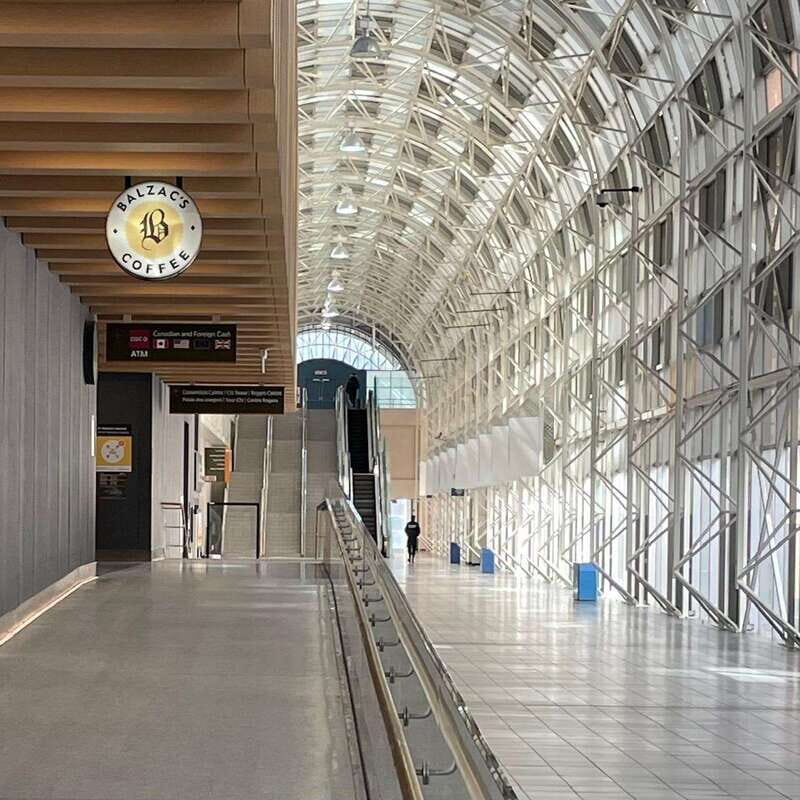
- Learn PATH wayfinding tricks so you can judge direction without relying on guesswork.
- Walk about 3 km / 2 miles in roughly 2 hours with planned stops and photo moments.
- See downtown anchors without stepping outside much, then pop out for landmarks like the CN Tower.
- Ride through an underground city used daily by 200,000 to 300,000 people on workdays.
- Small group pace (max 10) makes it easier to ask questions and keep moving.
- Union Station to Toronto City Hall gives you a clear end-to-end route you can repeat later.
Toronto’s PATH: A Whole Second City Under Union Station
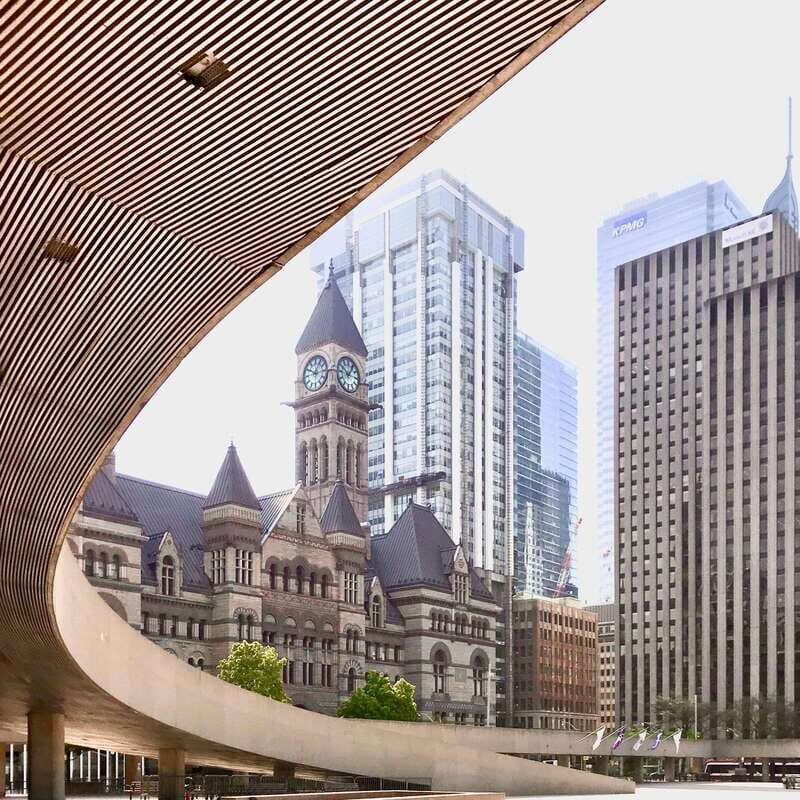
The PATH is one of those Toronto facts that sounds made up until you’re standing inside it. Think 32 km (24 miles) of underground connections packed with storefronts, places to eat, and buildings linked so tightly you can move between major destinations without battling snow or wind.
What makes this tour feel useful is the approach. It is not just about seeing the underground. You get the sense of how the system is laid out and how people navigate it day after day. On workdays, PATH sees roughly 200,000 to 300,000 users, so you’re walking in an infrastructure that locals genuinely rely on, not a tourist gimmick.
During the walk, you’ll also get context for what you’re seeing: the buildings, how the connections evolved, and what to pay attention to when you’re later exploring on your own. That matters because PATH can feel like a maze if you go in cold. The tour helps you build a mental shortcut map—something you can use quickly when you’re rushing between subway stations, hotels, and arenas.
Also worth noting: PATH is massive. There are over 1,200 shops/food venues, plus links to 6 subway stations and 9 hotels. You’ll pass through enough of it that you start to understand the “why” behind the maze. And because it’s connected to sports and shopping areas (including major arenas and the busiest shopping mall in the city), it is practical for real itineraries, not just sightseeing.
You can also read our reviews of more tours and experiences in Toronto.



Starting at Union Station Great Hall: Where the Tour Begins
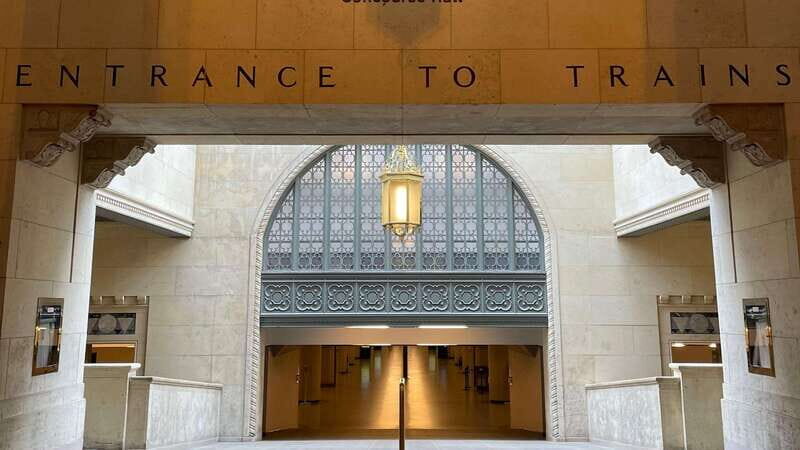
Your meeting point is big, busy, and easy to miss if you’re unsure where to look. You’ll meet inside Union Station in the Great Hall, at 65 Front Street West. Enter through the main historical part of the station from Front Street West.
Once you’re inside, find your guide in the center of the Great Hall. The guide will be near the clock and the Via Rail Departure Board, holding a small 8.5 x 11 inch sign with the word PATH.
This is more than a logistics detail. Union Station is one of the best places to start because it anchors the whole experience. You’re stepping into PATH from a landmark tourists recognize instantly, so the underground feels connected to the city you came to see. Even if you’re not a planner, you’ll leave with a clearer sense of where you are relative to major transit and downtown destinations.
A quick practical point: the tour starts inside and stays connected underground for much of the experience, which is great in winter. But you should still wear shoes you trust. Even when you’re not outside, you are still walking and stopping often enough to matter.
The Two-Hour Route: 3 km of Underground With Real Breaks
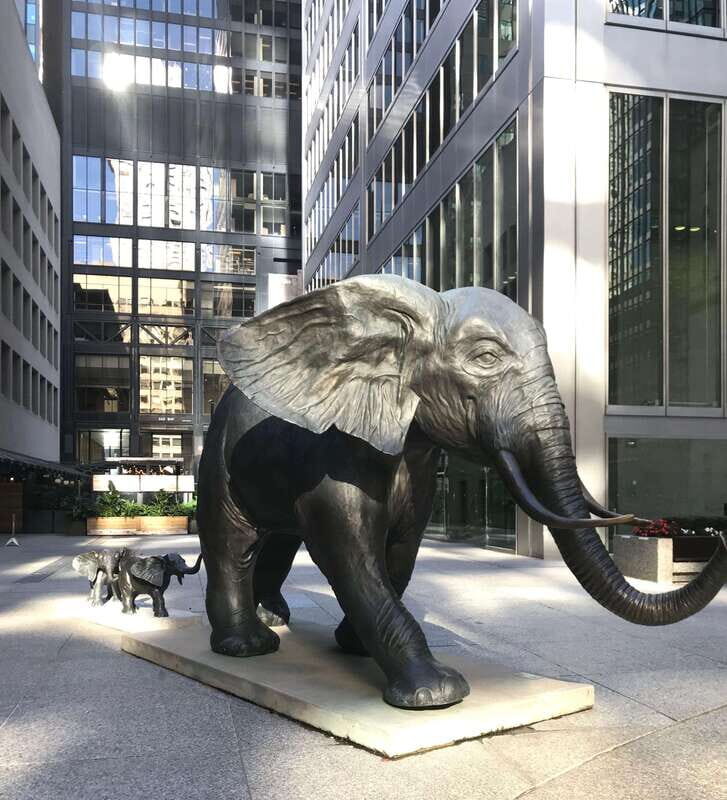
The walking portion is about 3 km / 2 miles, covered in around 2 hours. That’s a manageable distance, but it’s not a sit-and-stand lecture. You’ll be moving, following the guide’s direction, and stopping at key points to learn what you’re seeing.
You’ll also use 4 escalators on the tour. That’s one of the reasons to choose comfortable, grippy footwear. Escalators are common in PATH, but you’ll still spend time on stairs if things are down.
One more reality check: on weekends, some buildings may not have their escalators working. When that happens, you might use stairs or elevators instead. The tour is still designed to work, but it’s smart to factor in that the route may feel slightly more stair-heavy depending on the day.
As you move along, the tour is geared to help you with a problem you’ll have later: how to tell which way you’re going in a system that doesn’t always “feel” directional. Included in the guide experience are tricks for determining direction inside PATH, so you don’t get stuck making panicked U-turns or backtracking in a place where signage can be easy to overlook.
And because the tour includes short “popping outside” moments, it also keeps your bearings visually. You’re not stuck underground the whole time, which helps you connect the underground route back to recognizable city landmarks.
Learning PATH Like a Local: Direction Tips That Save Time
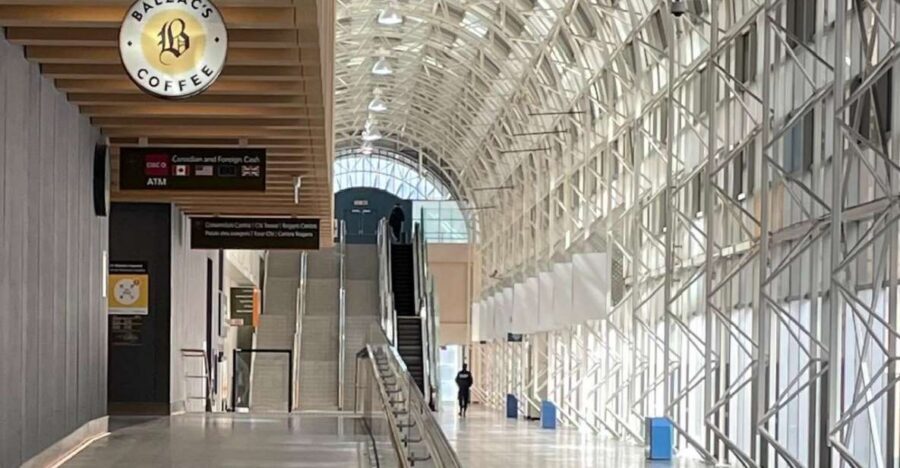
The best value of this tour isn’t the list of places—it’s the navigation skill. PATH is famous, but it is also easy to underestimate. Without a strategy, you can end up walking longer routes than you need, especially when your destination is a hotel, arena, or shopping area tucked behind a web of connections.
The guide’s job is to help you build that strategy fast. You’ll learn key lessons to navigate Toronto’s underground city, including practical direction checks and how to judge where you are relative to bigger landmarks and transit points.
In my view, these are the skills that turn the PATH from a curiosity into a tool. Once you can move through it with confidence, it becomes a cheat code for winter days and tight schedules. It also changes how you plan the rest of your trip. Instead of abandoning outdoor walks because of weather, you start planning a “mostly underground” day and treating outdoor sightseeing as optional bursts.
The guide also includes historical photos during the experience. That adds a layer that you can feel immediately: you start recognizing why certain connections exist and how the downtown core evolved into an integrated underground network.
And it’s not just facts. The tone from past groups emphasizes that the guide encourages questions and conversation, which matters because PATH navigation is personal. If you’re the type who wants to know how to reach a specific stop from your hotel, the guide is the easiest person to ask.
Escalators, Corridors, and the Underground City Scale
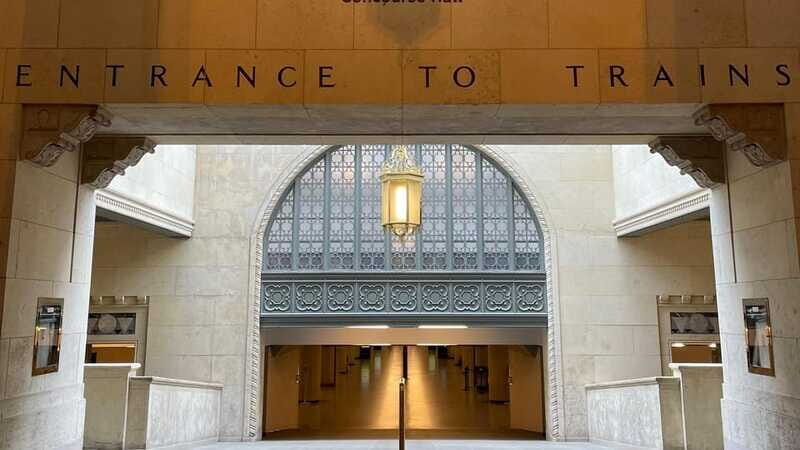
You’re walking through a system that is simply too big to understand in one casual pass. That’s why the tour’s scale is important. You’re exposed to enough of PATH to recognize it as a living downtown layer, not just a tunnel.
Here’s what the numbers mean in real terms:
- Over 1,200 shops and food courts means you can stop for a meal without leaving PATH.
- Six subway stations means PATH connects directly to the transit rhythm.
- Nine hotels means you can start thinking of PATH as an extension of accommodations.
- Workday use in the 200,000 to 300,000 range signals that people trust it to function day-to-day.
When the guide points out these relationships, the tour becomes more than sightseeing. It becomes a framework for choosing your own routes later.
Still, be honest with yourself about your comfort level. Even though the total distance is reasonable, underground spaces can feel repetitive if you’re expecting dramatic architecture every few minutes. The excitement here comes from learning to read the city correctly, not from constant “wow” views at every turn.
Also keep in mind that some locations you pass through may not be open on certain weekends and holidays. That doesn’t mean the tour fails. It just means you should expect the experience to be shaped by what’s operating that day.



Popping Outside: CN Tower, Scotiabank Arena, and Hockey Hall of Fame

This tour doesn’t treat the indoors as the whole story. One of the key features is that you’ll pop outside to see notable buildings—so you can connect what you learned underground to the city’s visible icons.
You can expect skyline and landmark moments that include:
- CN Tower
- Scotiabank Arena
- Hockey Hall of Fame
These breaks do a lot for your brain. They turn PATH from an abstract route into something anchored to recognizable geography. After that, when you’re later walking downtown (even briefly), you understand which direction you’re facing and how your underground route likely connects.
It also helps with motivation. Underground tours sometimes feel like they never end, especially on grey days. The outdoor hits create natural reset points, and they’re also useful for photos.
On certain departures, the guide may even take a photo of participants in a nice spot during the stops. That’s a small detail, but it makes the experience feel more personal, especially if you’re traveling with friends or just want a memory without doing a solo photo scramble.
Small Group Value: Why Up To 10 People Matters
At $29 per person, the price is in a sweet spot for a two-hour guided experience that covers a large, complex downtown system. The value isn’t just “you get a guide.” You get a guide who helps you avoid wasting time later.
Small group size (limited to 10 participants) changes the experience. It’s easier to:
- ask questions without waiting for a crowd,
- keep a steady pace,
- and get practical answers that apply to your plans.
In winter, that matters. You don’t want to spend your trip stuck figuring out directions while your hands are freezing and your schedule is slipping. Learning to navigate PATH early can pay off immediately. Past participants specifically praised how the tour helped them use PATH right away afterward, and that’s exactly the kind of return on investment you want from an orientation-style tour.
The other nice part: there are no optional fees or charges during the tour. That keeps the cost simple and predictable.
What You Should Bring (and What Might Trip You Up)
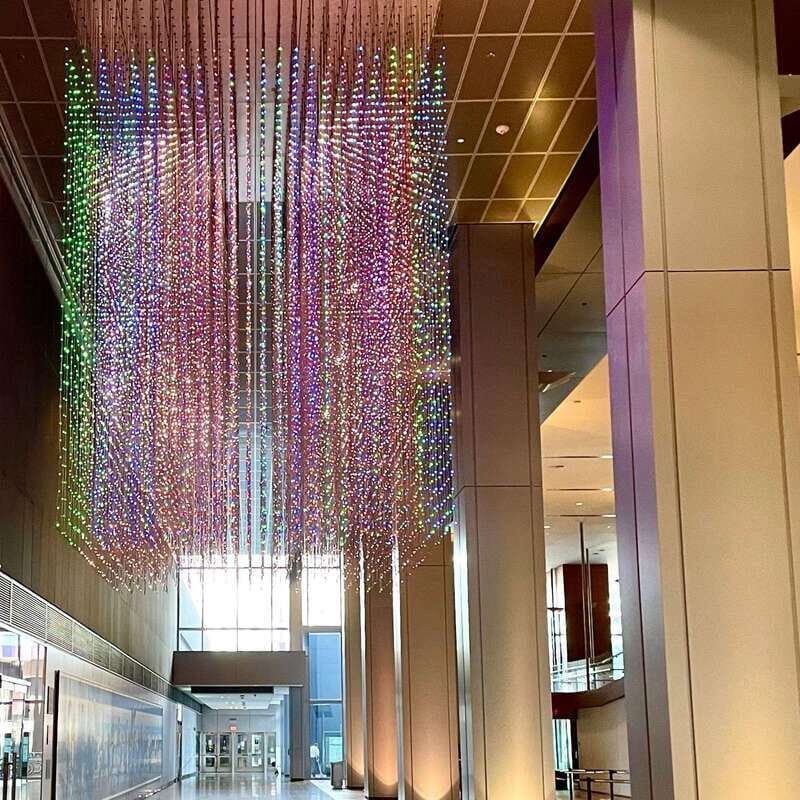
This tour is straightforward: wear comfortable shoes. You’ll do a guided walk with multiple stops, plus escalator time. If your footwear is the kind you’d normally wear all day, you’ll be happier.
Where it can get tricky is accessibility. This experience is not suitable for:
- strollers
- wheelchair users
- people with mobility impairments
- children under 10
- people over 80
So if you’re traveling with mobility needs or have a stroller, you’ll likely be frustrated by the escalators and the general design of the route.
Another practical factor: PATH is indoors, but you still move through long corridors. If you get uncomfortable with repetitive walking or tight-feeling indoor spaces, you’ll want to consider whether you’d prefer an outdoor-heavy Toronto day instead.
Finally, keep your expectations realistic about what’s open. Some stops may not be available on certain weekends and holidays.
Should You Book This PATH Tour With Buzz Tours?
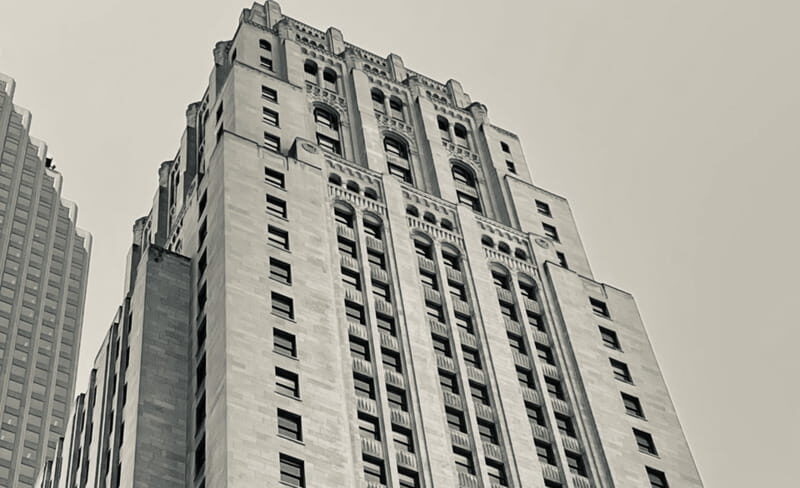
If you’re visiting Toronto in winter, I’d consider this an easy yes. It’s built for weather avoidance without sacrificing major sights. You’ll come away with navigation tips that let you reuse the system the rest of your trip.
It’s also a good pick if you like practical city learning. You’re not just collecting facts. You’re learning how to move through a real working network that locals use daily.
I’d skip it if accessibility is a concern, or if your travel style is all outdoor sightseeing and you dislike guided walking tours. Also, if you’re traveling with small children under 10, the tour isn’t designed for that age group.
If you want one smart orientation move in Toronto before you start scheduling your own days, the PATH tour from Buzz Tours is a solid call.
FAQ
How long is the PATH tour, and how much walking is involved?
The tour runs for about 2 hours and covers around 3 km (2 miles).
Where do we meet, and where does the tour end?
You meet inside Union Station in the Great Hall at 65 Front Street West. The tour ends at Toronto City Hall.
What’s included during the tour?
You get a professional guide, historical photos of the area, direction-finding tricks for navigating PATH, and a few moments popping outside to see notable buildings.
How much does it cost, and are there optional fees?
The price is $29 per person, and there are no optional fees or charges on the tours.
Is the tour suitable for strollers or wheelchairs?
No. It is not suitable for strollers or wheelchairs, and it’s also not suitable for people with mobility impairments.
What should I wear or bring?
Bring comfortable shoes.
Do escalators always work on the tour?
The tour uses 4 escalators, but on weekends some buildings may have escalators not working. If that happens, stairs or elevators may be used.