REVIEW · VANCOUVER
Spoken Treasures: Stanley Park Indigenous Walking Tour
Book on Viator →Operated by Talaysay Tours · Bookable on Viator
Stanley Park has more stories than you’d guess. Spoken Treasures blends an Indigenous cultural ambassador guide with a small group walk (max 10 people) along the seawall and then ending at the Stanley Park Totem Poles, with the kind of Q&A that makes the park feel personal.
You’ll like how the guides translate the space into meaning, including clear explanations of totem pole figures and the stories tied to ceremony and symbolism.
The only catch is practical: this tour runs on select days in summer (mostly Tuesdays and Wednesdays in July and August), and it depends on good weather for the walking portion.
In This Review
- Key things to know before you go
- Why this tour works better than the usual Stanley Park loop
- A possible drawback to factor in
- The 1.1 km seawall story walk: what you’ll actually be doing
- What the seawall portion focuses on
- A note on questions and interpretation
- Reaching the totem poles: where the meaning “locks in”
- What to look for during the totem pole stop
- The value of guidance at the poles
- Group size, guide style, and why names matter
- A quick reality check
- Timing, start point, and how to plan your afternoon
- How to make it easy on yourself
- Price and value: what $56.20 buys you
- Who gets the best value
- Weather and comfort: the part that affects everyone
- Who this tour is best for
- Before you book: my decision guide
- FAQ
- FAQ
- How long is the Spoken Treasures Stanley Park Indigenous Walking Tour?
- What’s the price per person?
- How many people are in the group?
- Where do I meet the tour guide?
- Where does the tour end?
- What days does the tour run in July and August?
- Is the tour offered in English?
- What happens if the weather is poor?
- What type of ticket do I get?
Key things to know before you go
- Max 10 people keeps it conversational instead of lecture-y
- Indigenous Cultural Ambassadors share the park through Indigenous eyes
- Seawall walk plus totem pole stop gives you both scenery and context
- Q&A about symbols and ceremonies helps you understand what you’re looking at
- Ends at the totem poles so you don’t have to figure out the “next step”
Why this tour works better than the usual Stanley Park loop
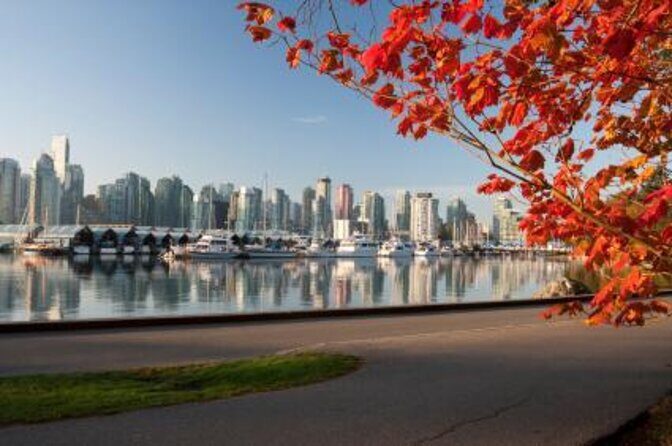
Stanley Park is famous for views. But if you only do the standard paths, you can miss the layers that make it more than scenery. Spoken Treasures is built for that exact gap. You get a guided walk that slows things down and adds meaning, moving from the seawall into the totem pole area where the stories and artists behind the poles become the focus.
What makes this tour especially worthwhile is the guide format. You aren’t just walking with a historian. You’re walking with an Indigenous Cultural Ambassador, which changes the tone. The goal isn’t to make you memorize facts. It’s to help you read the park—trees, shoreline, and carved figures—like they connect to living cultures and community knowledge.
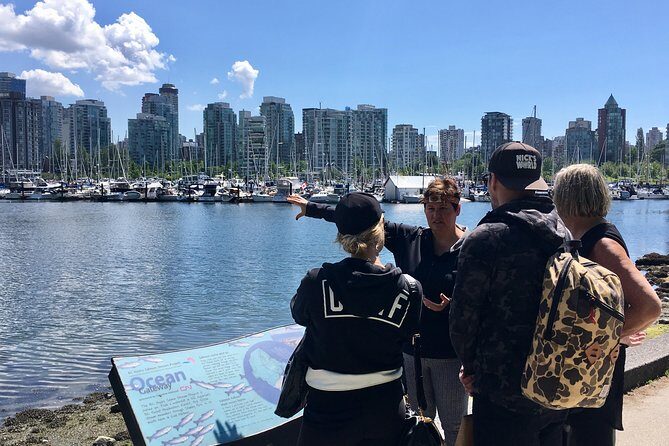
Another thing I like is the small-group size. Max 10 means you can ask questions without waiting in line behind other people. In the best moments, you’ll notice the guide responding to what you see, not what they wish you’d brought.
You can also read our reviews of more walking tours in Vancouver


A possible drawback to factor in
You should plan around the schedule and the weather. In July and August, the tour operates on select days—Tuesdays and Wednesdays—so it’s not a “book any day” option. Also, because it’s a walking experience, poor conditions can mean rescheduling or refund options depending on what happens.
The 1.1 km seawall story walk: what you’ll actually be doing
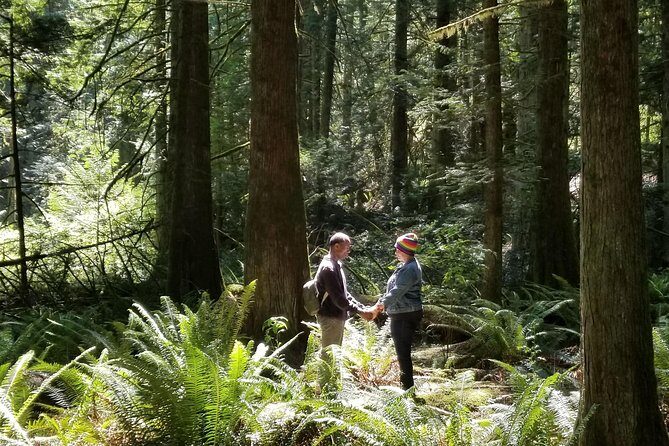
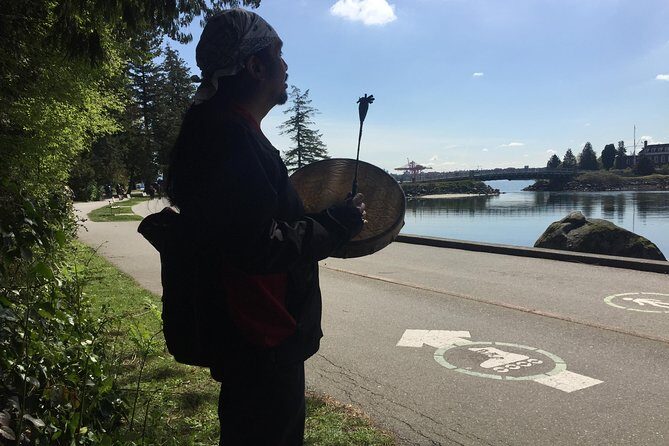
The core of the tour is a seawall walk along Stanley Park. The distance is listed as about 1.1 km, and the full tour runs about 1 hour 15 minutes with the guided time and the walk between stops.
In practice, that length is perfect for people who want something active but not exhausting. You’re not signing up for a marathon. You’re signing up for a guided stroll where the guide can point out details, explain connections, and answer questions as you go.
What the seawall portion focuses on
You’re not just getting “here’s the view” commentary. The walking segment is described as telling stories, history, and lore of Vancouver through Indigenous perspectives. That matters because Stanley Park often gets framed as a city landmark first. Here, it’s framed as a place with Indigenous presence, knowledge, and interpretation.
It also gives you something most people don’t get: a sense of movement through the story. The shoreline becomes part of the narrative. You’re watching where you’re walking, which makes the explanations easier to hold onto.
A note on questions and interpretation
Two areas come up often in strong tour conversations: ceremony symbolism and totem pole meaning. One participant asked about why masks are used during ceremonies and what the faces represent on totem poles. The tour’s guide explained that the faces are ancestors, with the oldest figure at the bottom and generations appearing across the pole.
That kind of answer is exactly the point. If you’ve ever looked at a totem pole and wondered what you’re seeing, this tour gives you a path to understanding instead of leaving you with guesses.


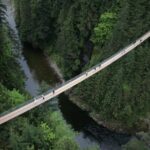

Reaching the totem poles: where the meaning “locks in”
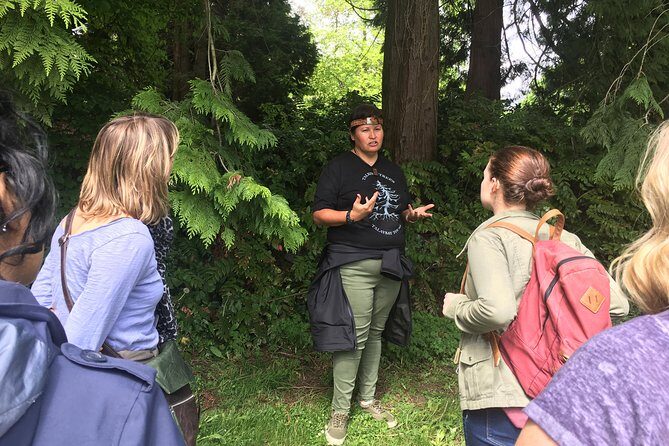
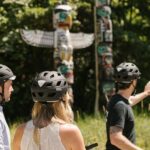
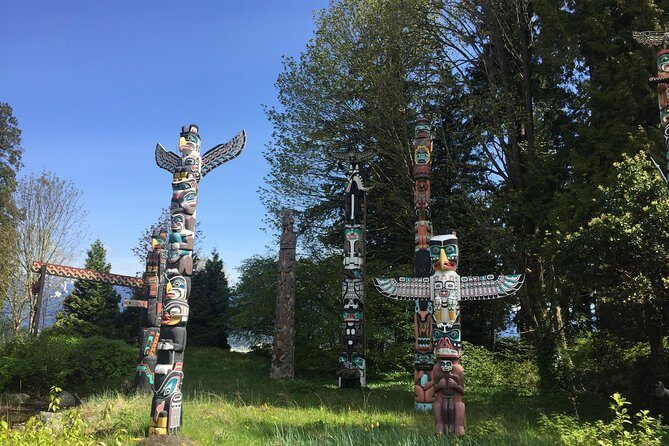
Your walk ends at the Stanley Park Totem Poles. The tour description frames this as the conclusion of the guided portion, with stories tied to the poles and the Indigenous peoples who carved them.
This is a smart structure. If you start with the poles, you might feel like you’re getting an isolated stop. Ending there means you arrive already warmed up to the idea that this park space has layers. You’ve already walked through the seawall segment hearing how to read place and meaning—so the poles land with more impact.
What to look for during the totem pole stop
The tour emphasizes the stories of the carvings and the Indigenous peoples behind them. Even when you don’t know what each figure is, you can still notice how the guide points out relationships between figures and placement on the poles.
Based on an example shared during the tour, placement can carry meaning—for instance, the idea that the lowest figure may represent the eldest, with other generations shown above. When you learn how to interpret placement, you don’t just “see wood and faces.” You start seeing lineage and story structure.
The value of guidance at the poles
Totem poles are outdoors, and the setting is busy. Without guidance, it’s easy to treat them like photo props. With guidance, they become a readable text. You’ll likely leave with a clearer sense of why certain elements exist and what they’re communicating.
Group size, guide style, and why names matter
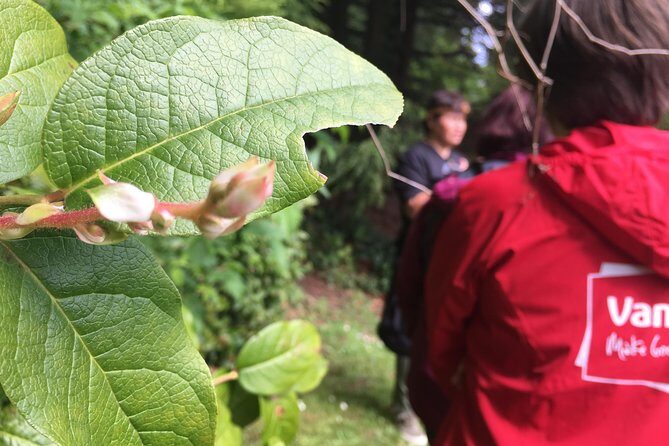
This is one of those tours where the guide can make or break the experience. The tour description clearly states you’ll be walking with trained ambassador-guides along the seawall, and the maximum group size is 10 travelers. That sets up a calmer, more personal atmosphere.
The reviews also highlight specific guides by name. Shae is praised for connecting guests to the land and sharing stories with both care and clarity. Patrick stands out for answering questions and being strong on Vancouver tribe history and culture, with people appreciating his readiness to respond to curiosity on the spot. Even if you don’t know who you’ll get beforehand, the format suggests you’re going to be in hands that know how to explain respectfully and clearly.
A quick reality check
Not every guide will answer every question the same way. But the consistent strength here is the attention to your questions. If you want to ask things like what symbols mean, how ceremonies work, or who certain figures represent, this tour’s style is built for that.
Timing, start point, and how to plan your afternoon
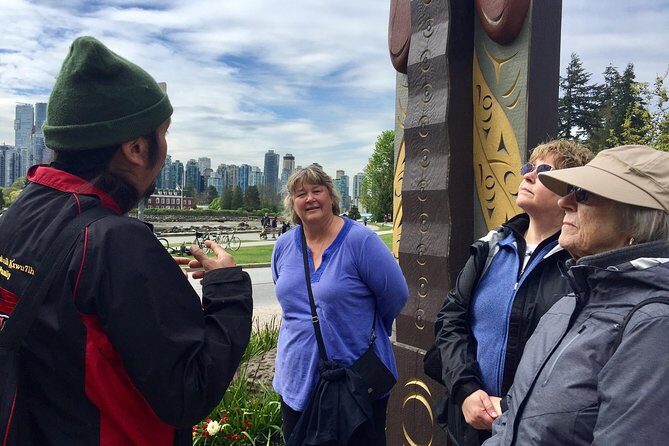
The start time listed is 2:00 pm. The meeting point is 1100 Stanley Park Dr, Vancouver, BC V6G 3B3, and the tour ends at 1976 Stanley Park Dr, at the totem pole area.
That afternoon timing is practical. You get daylight for the seawall walk, and you’re not rushed the way some morning tours can feel. It’s also a good pairing with other Stanley Park plans afterward, since the tour concludes right where many people already want to spend time.
How to make it easy on yourself
Since this is a walking tour along the park, wear comfortable shoes with decent grip. Even on non-rainy days, the seawall area can be damp. If you’re the type who likes a clear photo plan, bring a phone with enough battery—because once you start noticing details, you’ll want pictures.
Price and value: what $56.20 buys you
At $56.20 per person, Spoken Treasures sits in the mid-range for a guided attraction experience. The smart value angle here isn’t just that you get a guide. It’s how the guide is used.
You’re paying for:
- a structured walking route with Indigenous storytelling
- a small group format (max 10) that makes Q&A realistic
- a finish at the totem poles, where the meaning is tied to what you’ve just heard
If you were to do Stanley Park independently, you could certainly walk the seawall and visit the totem poles. But you’d be piecing together interpretation from whatever information you find on your own. This tour saves you time and confusion by giving you guided context directly in the environment.
Who gets the best value
You’ll feel like you got your money’s worth if you like understanding what you’re seeing. If you want to walk, ask questions, and leave with a clearer mental map of meaning, this tour fits well. If you only want photos and fast sightseeing, you might find the storytelling slower than you prefer.
Weather and comfort: the part that affects everyone
This experience requires good weather. The tour listing says that if it’s canceled due to poor weather, you’ll be offered a different date or a full refund. That’s the key planning point.
In rainy Vancouver, I’d treat this as “plan for a walk, not a hike.” Bring a layer you can move in, and consider a light rain jacket even if the morning looks fine. If conditions shift, the provider’s weather rules will guide what happens next.
Who this tour is best for
This is a strong choice if you want a more personal Stanley Park experience and you care about context. It’s also a good fit for families and curious adults who can appreciate explanations and want to ask questions.
Because the group stays under 10, it works well if you don’t enjoy big crowds. It’s also a smart pick if you’re visiting with someone who likes learning through conversation rather than reading signs.
If you’re traveling with limited time in Vancouver but you still want to connect the dots between scenery and culture, this tour gives you a focused slice of the park in about 75 minutes.
Before you book: my decision guide
Book Spoken Treasures if:
- you want Stanley Park with explanation, not just photos
- you like Q&A and learning as you walk
- you’re happy to work around select days in July and August
- you value small-group attention (max 10)
Consider skipping or rethinking if:
- you only want a self-guided, flexible schedule every day
- you’d rather read independently than ask questions in person
- weather uncertainty would stress you out during your trip window
For most people who like thoughtful sightseeing, this tour is a practical way to experience Stanley Park as more than a landmark.
FAQ
FAQ
How long is the Spoken Treasures Stanley Park Indigenous Walking Tour?
It’s about 1 hour 15 minutes.
What’s the price per person?
The price is $56.20 per person.
How many people are in the group?
The tour has a maximum of 10 travelers.
Where do I meet the tour guide?
The start is at 1100 Stanley Park Dr, Vancouver, BC V6G 3B3, Canada.
Where does the tour end?
The tour ends at the Stanley Park Totem Poles, at 1976 Stanley Park Dr, Vancouver, BC V6G 3E2, Canada.
What days does the tour run in July and August?
It’s operating on select days in summer, specifically Tuesdays and Wednesdays for July and August.
Is the tour offered in English?
Yes, it’s offered in English.
What happens if the weather is poor?
This experience requires good weather. If it’s canceled due to poor weather, you’ll be offered a different date or a full refund.
What type of ticket do I get?
You receive a mobile ticket.
If you want, tell me your travel dates in Vancouver and whether you’re aiming for Tues/Wed in July or August, and I’ll help you decide if this tour fits your schedule.