REVIEW · VANCOUVER
Snowshoe Through Vancouver’s Winter Wonderland
Book on Viator →Operated by Into The Wild · Bookable on Viator
Vancouver turns magical in winter, and this snowshoe outing is a simple way to experience it. You start in the city, then ride up into the winter trails for a guided walk through snowy forests, with a warm-up break along the way.
I especially like the easy logistics (pickup, gear, and transport handled) and the fact that the guides I’ve seen—people like Paul and Arman—tend to keep the pace friendly for different skill levels. A possible drawback is the weather: it can be windy and snowy, so you need proper layers and warm footwear to stay comfortable.
If you want a winter activity that feels outdoors-first (not a long bus ride with minimal walking), this fits well. It also caps at 12 travelers, so you get a more personal guide experience on the trail. The main consideration: you should have at least moderate physical fitness, since it’s more than a gentle stroll once you’re on the snow.
In This Review
- Key points to know before you go
- Why this Vancouver winter wonderland trek feels different
- Pickup from downtown: smooth start, less stress
- Getting to the trail area: the ride is part of the day
- Your snowshoe adventure through BC winter trails
- The mid-journey hot cocoa and snack break
- Scenery, wildlife moments, and why a guide matters
- Return to Vancouver: you still keep your afternoon
- Price and value: what $105.08 really covers
- What to wear (and pack) so the day feels comfortable
- Who this snowshoe tour is best for
- Weather reality check: you’ll go, but you should be ready
- Should you book this Vancouver snowshoe experience?
Key points to know before you go
- Downtown hotel or transit pickup makes the start painless
- Snowshoe rental plus guide and driver keeps you from figuring out gear
- Warm drink and snack during a mid-journey break
- Small group size (max 12) helps with pacing and attention
- Operates in all weather conditions, so dress for real winter
- Route flexibility is possible if snow conditions aren’t ideal
Why this Vancouver winter wonderland trek feels different
This is the kind of winter day you can actually pull off on a trip, even if you’re not a gear person. You don’t have to worry about where to rent snowshoes, how to get to the trailhead, or how to coordinate timing back in town. Instead, you meet downtown, get transported to a snowy area, and spend your energy on the walk and the scenery.
The best part is that it’s not just about moving through snow. The guide-led nature adds meaning to what you’re seeing—people have mentioned good conversation, natural history, and even moments that make the day feel playful in a practical way (like building Olaf-style in the snow when conditions are right). And when the weather turns, the guides are the difference between tough and fun. In snowy, windy conditions, guides have been described as prepared with warmer packs, wind protection, and a calm approach that keeps the group on track.
A few more Vancouver tours and experiences worth a look

Pickup from downtown: smooth start, less stress
The day begins in downtown Vancouver. You’ll meet at Burrard Station at 9:00 am, and if you booked pickup, the operator can pick you up from a downtown hotel or a downtown transit stop.
Two details matter for planning:
- If your hotel is outside the city center, you may meet at Burrard Skytrain Station (635 Burrard Street) instead.
- Pickup and drop-off are specifically for the downtown area only, so you’ll want to be ready to get to Burrard if you’re staying farther out.
This setup is great if you’re doing a tight itinerary. Vancouver can be a lot of walking in daylight and transit at night; having your midday winter activity already handled by transport makes the whole trip feel easier.
Getting to the trail area: the ride is part of the day
After meeting downtown, you ride up the mountains to reach the winter trails. The tour is set up so you’re not thinking about directions or parking in snow. That matters because mountain weather can change fast, and winter navigation is not the place to improvise.
Also, the timing is designed around a full, satisfying morning. You typically get back to Vancouver in the early afternoon, which is a gift. You’re not stuck planning your whole day around one activity; you can still eat well, explore downtown, or tack on a second low-key plan that doesn’t involve long commutes.
Your snowshoe adventure through BC winter trails
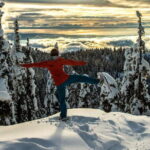
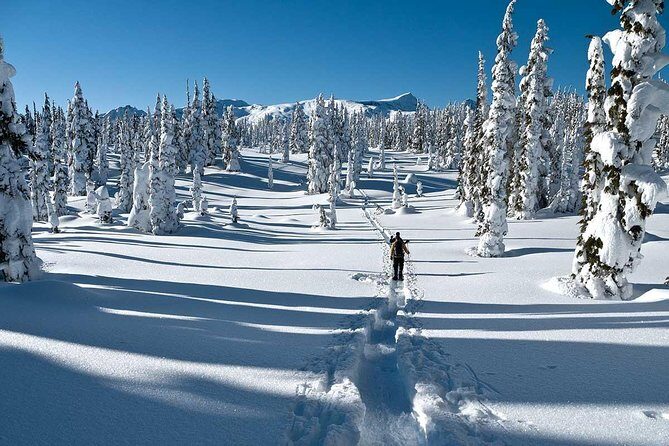
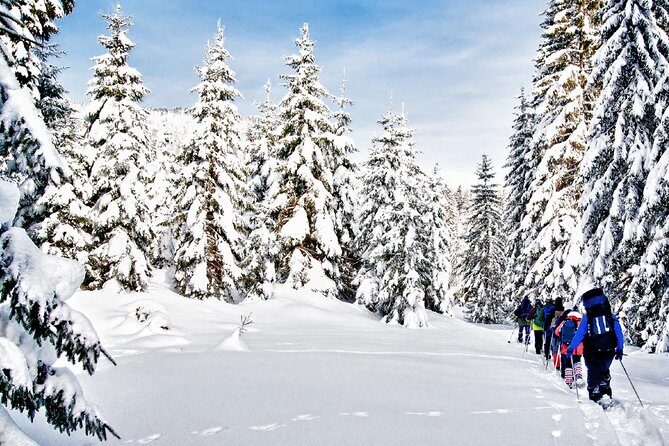
Once you arrive, the main event starts: a snowshoe trek on winter trails through forested terrain. You’ll be on a guided route, which is helpful if you’re new to snow travel. Snowshoes can feel awkward for the first few minutes, and having someone show you how to step naturally is the difference between having fun and fighting your gear.
A few points that come through strongly from people who’ve done this:
- Learning is quick for first-timers. One solo traveler mentioned they’d never snowshoed before and still felt able to pick it up with help on the outing.
- The guides tend to work with different comfort levels. People have described guides staying attentive if someone falls behind, and guiding in a way that avoids the feeling that you must keep up with the fastest walkers.
- Depending on snow conditions, the tour may shift. There’s an example of a group where snow conditions weren’t right for snowshoes, and the walk continued using microspikes instead. That’s a sign this isn’t a rigid, one-size-only experience.
Distance-wise, one account described the hike as around 4 miles in a pleasant pace. Because conditions can vary, treat that as a ballpark, not a promise. The tour does require at least moderate physical fitness, especially since snow depth and wind can add effort.
The mid-journey hot cocoa and snack break
Halfway through the snow time, you stop for a warm-up: hot cocoa plus a snack. This isn’t just a nice perk. It’s a smart survival tool.
In real winter weather, steady warmth helps you keep moving comfortably. Hot drinks can reset your energy, and a small snack takes the edge off the cold-weather burn you don’t always notice until you stop. Multiple people have called out the hot chocolate as a highlight, and on windy/snowy days, guides have been described as having extra warming items to help keep someone comfortable sooner rather than later.
One practical tip: sip your drink and eat a bit during the break, even if you don’t feel hungry. Cold can dull hunger signals, and you’ll want fuel for the return trail.



Scenery, wildlife moments, and why a guide matters
You’re going to see snowy forest trails and winter mountain scenery, but the more you have a guide, the more you’ll actually notice. Guides have shared natural history context and helped make the route feel less like a workout and more like a winter walk with meaning.
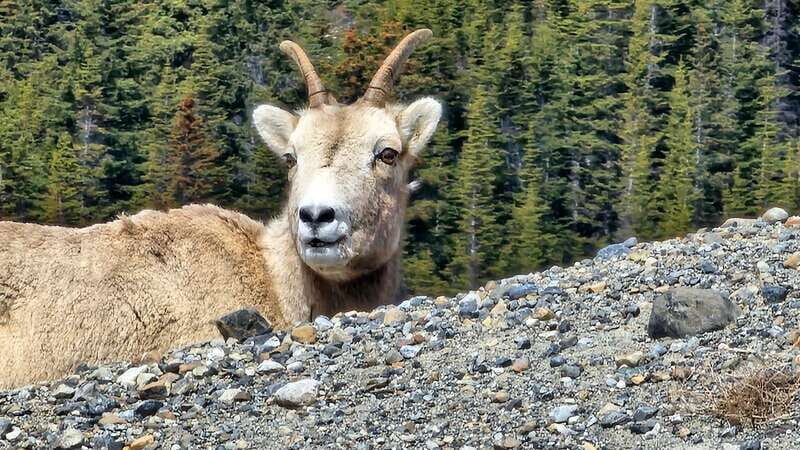
Wildlife sightings can also pop up. One group mentioned seeing a Steller’s jay, and that kind of moment is exactly why guided trips feel richer than going out on your own. You might still spot birds on your own, but when someone knows where and when to look, it’s easier to connect with the living part of the forest rather than only the snow-covered part.
And when conditions are tough, guide judgment matters. People have described guides keeping the outing running smoothly even in high wind and heavy snow, which tells me the plan adapts while still delivering a real experience.
Return to Vancouver: you still keep your afternoon
After the snowshoe portion, you head back toward Vancouver and return for the early afternoon. This timing is one of the underappreciated benefits.
Instead of feeling like your day evaporated into a full-day tour, you get a morning adventure with time left to enjoy Vancouver on your terms. If you’re the kind of traveler who likes to linger in neighborhoods, this makes it easy. If you prefer structured time, it still gives you a clean buffer for lunch or a second activity.
Price and value: what $105.08 really covers
At $105.08 per person (about a 5-hour experience), this is priced like a guided winter activity, not like a rental-only add-on.
Here’s where the value comes from:
- Snowshoe rental and equipment are included, so you don’t spend time and money tracking down gear.
- Hotel pickup and drop-off in downtown Vancouver is included, which removes a major transportation headache.
- A snack and warm drink are included, plus bottled water.
- You’re paying for both a professional tour guide and driver, meaning you get route knowledge and weather-day decision-making.
If you tried to do something similar alone, the hidden costs add up fast: gear rental, transit or rides to the trail area, and the time spent figuring out a safe winter route. This price doesn’t make winter snowshoes cheap—it makes them simple and professionally managed.
Also, the group size max of 12 matters for value. Small groups generally mean less waiting and more personal help on the trail, especially if you’re learning how to walk on snowshoes or you want reassurance in cold weather.
What to wear (and pack) so the day feels comfortable
This tour is clear about what you need: dress for Canadian winter. That’s not a casual suggestion—it’s the difference between a fun winter walk and a shivery one.
Plan on:
- Warm layers (not one thick layer)
- A warm coat or jacket
- A hat and gloves
- Hiking boots/leather boots or sneakers that work on snow and cold ground
One detail from real outings: in windy/snowy weather, guides have been ready with protective solutions like windbreaker help and extra warmth packs. Still, your best safety and comfort tool is your own clothing. If you run cold easily, prioritize insulation and wind protection.
If you’re bringing a small bag, keep it light. You’ll likely want your hands free for balance and steady steps.
Who this snowshoe tour is best for
This experience works well for:
- Solo travelers: people have mentioned feeling safe and comfortable, even as a solo participant.
- Couples: the pacing and scenery make it feel like a shared morning activity, not a crowded rush.
- Families with kids: there are accounts of a very young child enjoying the day, and the guide support can be strong when someone needs reassurance or a slower rhythm.
- Active beginners: if you’re willing to walk in cold weather and learn, you can have a great time even if you’ve never used snowshoes before.
It’s less ideal if you want a fully flat, minimal-effort stroll. Snowshoe walking is work. Even at a moderate pace, snow changes every step. If your idea of winter exercise is “easy,” pick something else. If your idea is “outdoors time with a guide and hot cocoa,” this is a good fit.
Weather reality check: you’ll go, but you should be ready
The tour operates in all weather conditions, which means you need to treat weather as part of the plan. Wind and snow can happen, and people have described exactly that—still, the guides reportedly kept things fun and organized.
Your responsibility is simple:
- Dress appropriately in layers
- Bring gloves and a hat you trust in wind
- Wear footwear with good traction for snowy ground
If snow conditions are unusually low, the operator may adjust the plan. There’s an example of a day where snow wasn’t ideal for snowshoes and the group switched to an alternative approach like microspikes and a different hike style. That’s good news. It means you’re not automatically stuck if the snowpack is off.
Should you book this Vancouver snowshoe experience?
Book it if you want a winter experience that is well-managed and easy to fit into a Vancouver trip. The combination of downtown pickup, included equipment, small group size, and a guided forest trek with hot cocoa makes this a practical choice for first-timers and experienced hikers alike.
Skip it (or choose another option) if:
- you dislike cold weather outdoors no matter what you wear
- you need a very low-effort activity with minimal walking
- you’re staying well outside downtown and don’t want to plan around the Burrard meeting point
If you’re somewhere in the middle—ready to walk, excited by snowy forests, and happy to learn as you go—this is a strong pick. The day is designed to get you out of the city, into the winter quiet, and back before you feel like your afternoon is gone.