REVIEW · BANFF
Rock Climbing Adventure in Banff: Beginner
Book on Viator →Operated by Alpine Air Adventures · Bookable on Viator
Rock climbing in Banff is a confidence booster. This beginner day pairs small groups (max 8) with all climbing gear included, so you can focus on the wall instead of logistics. You’re in Banff National Park, learning on real routes with guides who keep things practical and safety-led.
I especially like the way instruction is set up for first-timers and families. You’ll start with core fundamentals like site safety and belaying basics, then move through multiple routes so you actually get reps—plus you’re in good hands with guides such as Jacob, Dustin, Janet, Austin, and Sebastien, who are repeatedly praised for patient coaching (including with kids).
One consideration: shoe comfort can make or break your day. In one case, the on-site shoe sizes didn’t match everyone’s needs, leading to discomfort and more switching than ideal—so it’s worth confirming shoe sizing in advance.
In This Review
- 5 key things to know before you climb in Banff
- Meeting up in Banff: the start matters for a smooth day
- Banff National Park climbing with a safety-first mindset
- What you’ll learn: from site safety to belaying top rope
- Why these topics help you progress fast
- The climbing flow: how you get real reps (not just one attempt)
- Expect a day that feels paced, not rushed
- Gear included: what you get and what to double-check
- The one gear issue worth thinking about
- Who this is best for: families, new climbers, and mixed groups
- Guides make the difference: what the coaching feels like
- Price and value: why $112.39 makes sense for a full beginner day
- Timing and pacing: what a 7-hour day really means
- What to do about lunch and getting fed
- The small-group cap: max 8 travelers and why it matters
- So, should you book this beginner rock climbing day in Banff?
- FAQ
- What time does the Banff beginner rock climbing start?
- Where do we meet for the experience?
- How long is the rock climbing experience?
- Is this beginner-friendly?
- How many people are in the group?
- What climbing gear is included?
- Is lunch included?
- Do we need to provide transportation?
- Are service animals allowed?
- What if the weather is bad?
5 key things to know before you climb in Banff
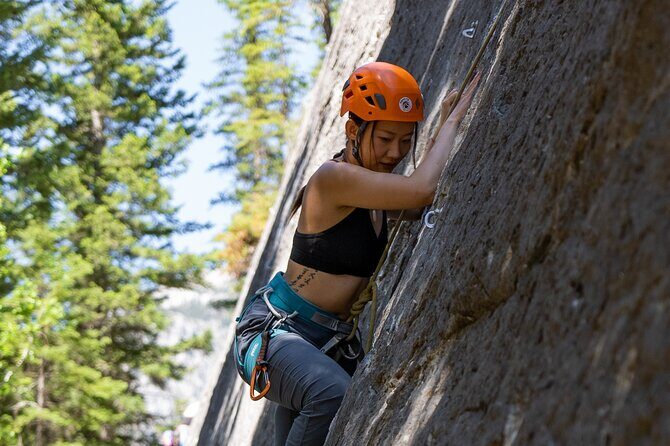
- Small-group cap (8 people) means less waiting and more time on the ropes.
- All gear is provided (helmet, harness, climbing shoes, ropes, belay device), so you travel lighter.
- You’ll learn safety skills first: site awareness, overhead hazard recognition, and belaying top-rope and lead.
- Beginner-focused progression: even brand-new climbers are set up to get on the wall and build confidence fast.
- Route variety is part of the plan, and one group tried six different climbing spots in a single day.
Meeting up in Banff: the start matters for a smooth day
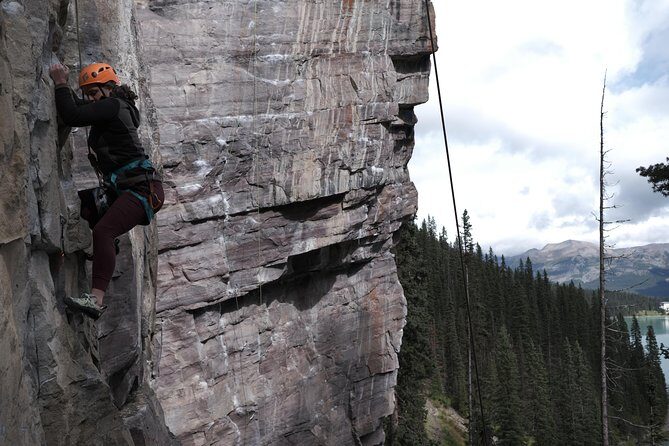
Your day begins at 7:45 am at 229 Bear St, Banff, AB T1L 1C3. Plan to arrive a few minutes early—getting outfitted and oriented goes faster when you’re not rushing. It’s also the kind of morning start that helps you beat crowds and get more climbing time in good conditions.
This experience runs for about 7 hours, and it’s designed as a full-day intro, not a quick demo. You’ll come back to the same meeting point when it’s done, so you’re not piecing together your own transportation puzzle.
If you like to lock in activities early, this one books up. The average booking window is around 50 days in advance, which tells me most people want that morning slot while the weather still plays nice.
You can also read our reviews of more tours and experiences in Banff.

Banff National Park climbing with a safety-first mindset
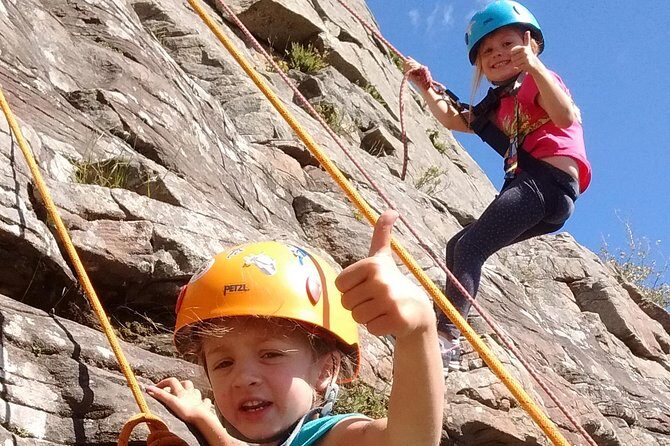
The heart of this trip is straightforward: you’ll go to a local climbing area in Banff National Park with guides who treat safety as the main sport. That matters because climbing isn’t just about strength—it’s about systems: how people move, how gear is checked, and how everyone stays aware around the wall.
The program is built for a first climb. You don’t need prior experience, and the teaching approach is safety-oriented while still pushing for real movement. That’s also why it works for families and groups trying something new together.
You’ll also see the guides bring climbing talk down to earth. Overhead hazards and site awareness aren’t taught like trivia. They’re explained because you’re literally learning how to be a safe partner—whether you’re the person climbing or the person belaying.
What you’ll learn: from site safety to belaying top rope
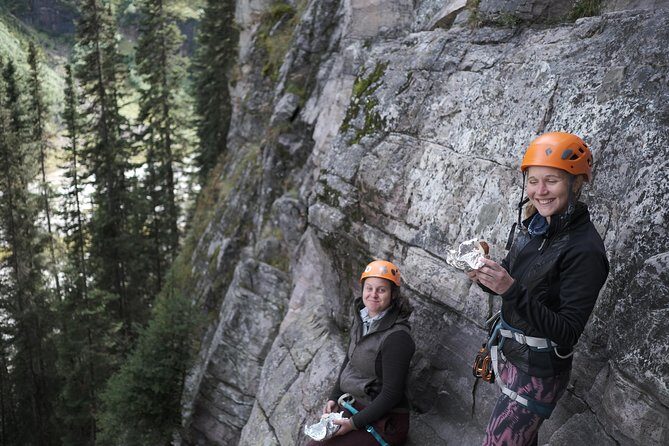
This is not a vague “try some climbing” day. It’s structured around skills you can reuse later, even if your first attempts feel awkward at first.
Here’s the core skill set the guides will cover:
- Site safety and awareness
- Overhead hazard recognition
- Belaying top rope and lead climbers
- Climbing technique
If that list makes it sound serious, good. It is. But the goal isn’t to drown you in jargon—it’s to get you functioning on day one.
Why these topics help you progress fast
- Belaying basics are what turn climbing from scary to doable. When you know how the system works, you can focus on your feet and body position instead of fear management.
- Technique coaching gives you something concrete to try on each attempt. That’s how you go from stuck to climbing to stuck in a better way.
- Overhead hazard awareness keeps everyone safer around the routes. It also builds the habit of scanning—something you’ll want for every future climb.
The day can also include additional skills if conditions and the group’s energy allow, such as steeper rock techniques, using and setting quick draws on bolts, building top rope anchors, mock leads, and rappelling. You don’t have to “earn” these by being strong. You earn them by being comfortable with the basics.
The climbing flow: how you get real reps (not just one attempt)
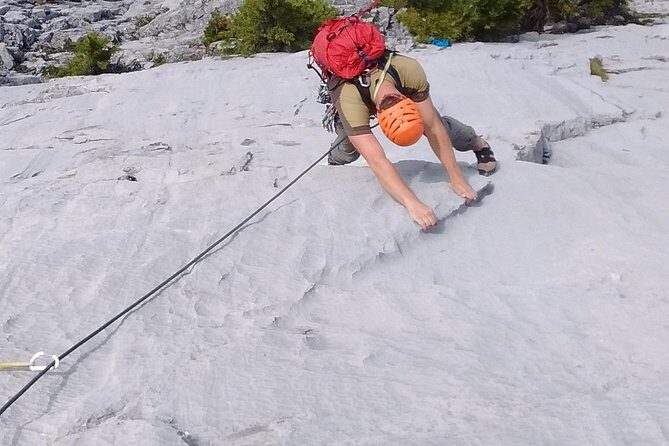
Even though the day has one primary setting, you’ll get variety. The format is a mix of instruction, guided attempts, and route changes as you build comfort.
One thing that stands out from the experience: groups often try multiple climbing spots in a single day. In one case, a group climbed at six different climbing spots—and that kind of variety is exactly what helps beginners improve. Different holds, different angles, and different lengths force your body to learn more than one solution.


Expect a day that feels paced, not rushed
A beginner climbing day is tricky to design: go too slow and you lose motivation, go too fast and people get overwhelmed. This program aims for the sweet spot—getting you on the wall as much as you can handle while keeping safety tight.
If you’re traveling with kids, this structure is especially useful. Guides like Dustin and Janet are highlighted for tailoring climbs to the group’s level, and that flexibility is a big deal when you’ve got a mixed ability set in the same rope team.
Gear included: what you get and what to double-check
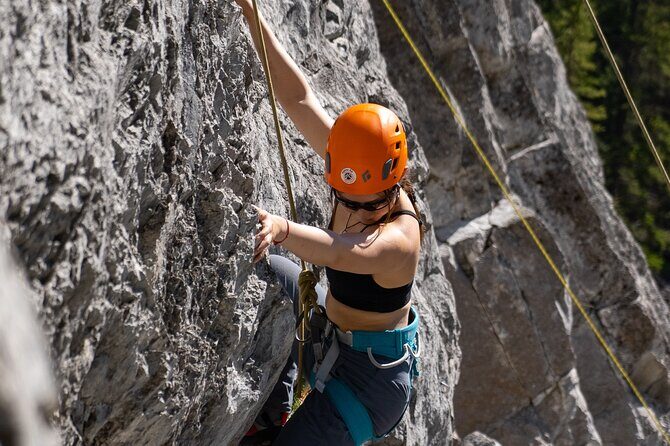
You won’t have to rent the core hardware. The experience includes:
- All climbing gear (helmet, harness, climbing shoes)
- Ropes
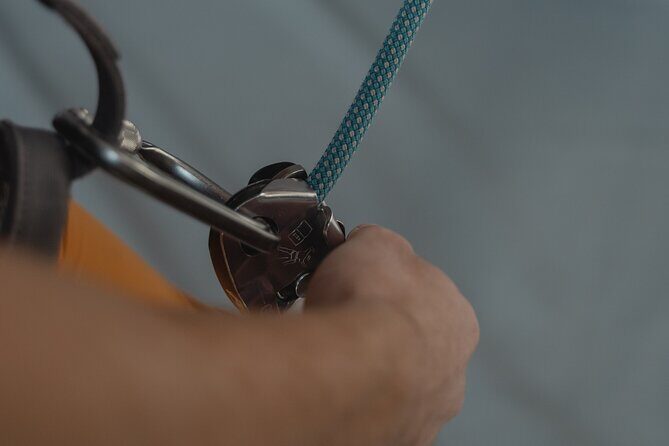
- Belay devices
That’s a real value piece. For a first-time climb, gear is usually the hidden cost and the biggest hassle. Here, you show up and get geared up on site.
The one gear issue worth thinking about
Shoe fit is the one place where an experience like this can vary based on available sizes. In one reported case, shoe sizes were limited and didn’t match the climbers perfectly, making climbs harder and uncomfortable between attempts.
My advice: before your morning, ask what your shoe options are and how sizing works for your group. If you want maximum comfort, plan to communicate your shoe size clearly. It can save you from spending the day fiddling with fit instead of climbing.
Also, if you’ve got strong opinions about footwear comfort, it’s worth asking the provider ahead of time about their process. (One response indicated shoe supply timing issues and that bringing shoes to the climbing area has worked as an alternative when parking and town traffic were factors.)
Who this is best for: families, new climbers, and mixed groups
This is a beginner program, but it’s not only for nervous adults in sport shoes from 2009. It’s designed for:
- People trying climbing for the first time
- Families (especially those with kids who can follow safety instructions)
- Friends who want an outdoor day with guided coaching
There’s also a specific note for families with younger kids: if you have children under 10, you’ll want to ask about the half-day program instead. That tells you the full-day format may be more energy than little ones need.
For mixed groups, the best part is that guides can tailor routes to different levels. The goal isn’t to make everyone climb the same line—it’s to get each person moving on something they can do while still building real technique.
Guides make the difference: what the coaching feels like

The guides are a big part of why this experience earns such high ratings. Names that came up for outstanding instruction include Jacob, Dustin, Janet, Austin, and Sebastien.
What these instructors seem to do well, based on the pattern of feedback:
- Patient teaching for kids who need reassurance
- Safety-first coaching without killing the fun
- Practical technique cues that help you climb better immediately
- Progression that doesn’t feel like a trick—they shift difficulty as you’re ready
If you’re the type of traveler who learns best by trying, not by watching, this style is ideal. You’ll do the moves, then adjust based on what the guide points out.
Price and value: why $112.39 makes sense for a full beginner day
At $112.39 per person for about 7 hours, the value is largely in two things: real outdoor coaching and gear included.
You’re paying for:
- A guided day in Banff with beginner instruction
- Safety systems taught in a hands-on way
- Equipment that would otherwise add cost and friction (harness, helmet, ropes, belay device, and shoes)
You also aren’t paying for private transport—because that part isn’t included. You meet at the designated spot and travel as you arrange it. Since lunch is also not included, you’ll want to budget for food or plan snacks before/after.
One more practical value point: this is a small-group experience with a maximum of 8 travelers. In climbing, that matters. When fewer people share the guide’s attention, you get more climbing time and faster feedback.
Timing and pacing: what a 7-hour day really means
The start time is 7:45 am, and the program is about 7 hours end to end. That usually signals a full morning and early afternoon with:
- Safety and gear time
- Instruction before and during climbing
- Multiple routes as skills click
This kind of pacing is good for beginners because you don’t just “learn the one thing.” You learn the basics, then you keep applying them across different attempts.
One practical thing to keep in mind: climbing depends on good weather. The experience requires it, so have flexibility in your Banff schedule. If the weather changes, you’ll be offered a different date or a full refund.
What to do about lunch and getting fed
Lunch isn’t included. That’s not a deal-breaker, but it does change how you plan the day.
I recommend you treat this as a food-planning priority. Either eat before the meeting, or plan a simple, easy meal to grab after. If you prefer to bring your own, that’s often the easiest way to avoid hangry climbing.
Also think about water intake. Even if you’re not used to it, climbing uses energy fast—especially once you start moving from “climb a little” to “climb a lot.”
The small-group cap: max 8 travelers and why it matters
A maximum of 8 travelers keeps the day from turning into a waiting game. In climbing, timing is everything: a belayer needs focus, climbers need a clean route, and everyone needs to reset safely between attempts.
In practice, smaller groups usually mean:
- More attention per person
- Faster feedback when you’re adjusting technique
- More opportunity for your guide to tailor routes to your comfort level
For families, that’s huge. Kids can lose momentum quickly if they’re waiting too long, and the group structure helps prevent that.
So, should you book this beginner rock climbing day in Banff?
If you want a first climbing experience that’s structured, safety-led, and built for real beginners, I think this is a strong pick. The gear included lowers the barrier, the small-group size helps you get attention, and the curriculum covers the fundamentals you’ll use again—especially belaying and climbing technique.
I’d only hesitate if shoe fit is a major concern for you. Since shoe sizing can be limited on site, it’s worth clarifying ahead of time so you don’t lose comfort mid-day. Also, if you’re traveling with kids under 10, ask about the half-day option so you match the schedule to their energy.
Overall, this is a day where you should leave feeling like climbing is possible—not just on paper.
FAQ
What time does the Banff beginner rock climbing start?
It starts at 7:45 am.
Where do we meet for the experience?
The meeting point is 229 Bear St, Banff, AB T1L 1C3, Canada.
How long is the rock climbing experience?
The duration is approximately 7 hours.
Is this beginner-friendly?
Yes. It’s suitable for anyone regardless of previous experience, with an introduction to the sport and a focus on safety.
How many people are in the group?
The group maximum is 8 travelers.
What climbing gear is included?
All climbing gear is included, including a helmet, harness, climbing shoes, ropes, and belay devices.
Is lunch included?
No, lunch is not included.
Do we need to provide transportation?
Private transportation is not included.
Are service animals allowed?
Yes, service animals are allowed.
What if the weather is bad?
The experience requires good weather. If it’s canceled due to poor weather, you’ll be offered a different date or a full refund.