REVIEW · JASPER
Rafting on Athabasca River Mile 5 in Jasper
Book on Viator →Operated by Rocky Mountain River Guides · Bookable on Viator
You can raft Jasper in two easy hours. The Athabasca River Mile 5 run mixes Class II rapids with big mountain views, so beginners get real whitewater without the panic. You’ll start in town, drive to the put-in, suit up, then spend about two hours on the river.
I love that everything is handled for you: equipment and transportation are included, with a simple meet-up in Jasper. I also love the small-group setup—8 people per raft—plus guides like Molly and Emily who consistently keep the vibe fun and safety-first.
One thing to plan for: even on a friendly Class II day, the water can feel cold, and you’ll likely get splashed. Dress smart, bring a towel mindset, and don’t expect a dry outfit.
In This Review
- Quick reasons Mile 5 feels like a smart first raft
- Athabasca River Mile 5: what you’re really signing up for
- Price and value: why $75.34 makes sense here
- Meeting in Jasper and getting to the put-in (the part that sets the tone)
- The first 10 minutes: float, views, and learning the raft
- Class II rapids: fun splashing, controlled energy
- Where the Athabasca meets the Miette: the color-change moment
- Old Fort Point finish: a fast exit and a short ride back
- What it’s like with real guides: expect energy and safety
- What to wear and pack: stay warm, get comfortable, and avoid wet-clothes regret
- Who should book this Athabasca Mile 5 rafting trip?
- Booking mindset: timing, weather, and how to make the most of it
- Should you book this Mile 5 rafting day in Jasper?
- FAQ
- How long is the rafting trip on Athabasca River Mile 5?
- Where do I meet for the tour in Jasper?
- What’s included in the price?
- What’s not included?
- What age do children need to be?
- What should I wear?
- Will I get wet?
- Do they run the trip in bad weather?
- What’s the cancellation rule?
- What’s the group size?
Quick reasons Mile 5 feels like a smart first raft
- Small raft groups (8 people) make it easier to learn quickly and feel looked after.
- Gear is included, including wetsuits, so you skip the shopping and guesswork.
- A calm 10-minute float first helps you get your balance before the rapids start.
- Class II is the sweet spot for getting wet without most surprises.
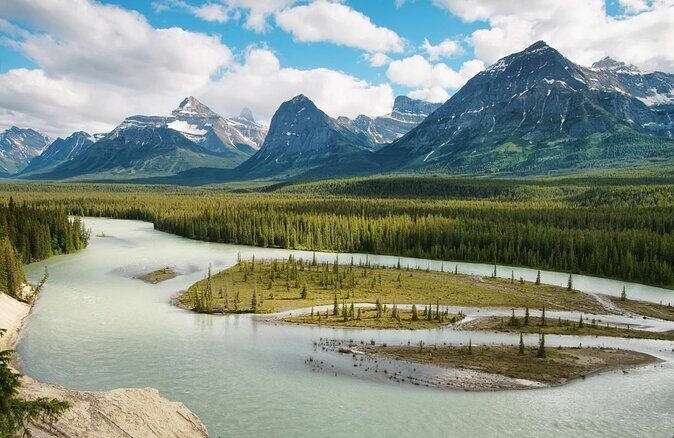
- Miette River joins the Athabasca mid-trip, and you’ll notice the color differences from snow- and glacier-fed water.
- Exit at Old Fort Point keeps the ending simple, with a short drive back to town.
Athabasca River Mile 5: what you’re really signing up for
This rafting run in Jasper focuses on approachable whitewater. You’ll be on the Athabasca River inside Jasper National Park, and the rapids are rated Class II, which is big enough to feel exciting and splashy. It’s also typically straightforward enough that most first-timers don’t feel out of control.
What makes this trip work for a wide age range is the pacing. You get time to settle into the raft before the rapids begin, and the guide sets you up for how to paddle, when to lean, and what to expect. If you’ve never rafted, that matters more than the river rating on paper.
You can also read our reviews of more tours and experiences in Jasper.
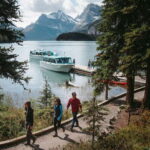

Price and value: why $75.34 makes sense here
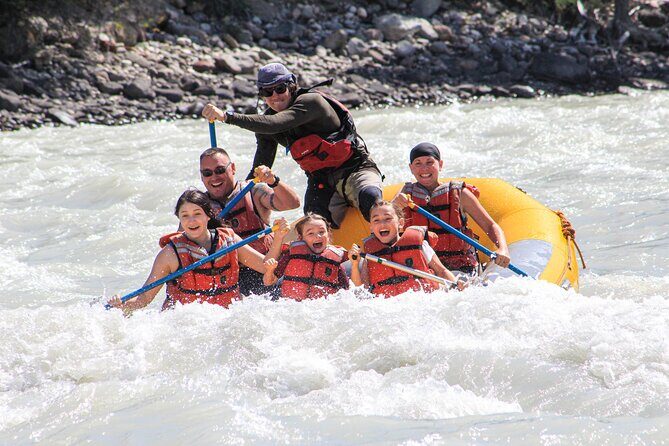
At $75.34 per person for about two hours, you’re paying for more than a seat on a boat. You’re also paying for the full package: a driver/guide, all rafting equipment, and the transport between Jasper and the river access points.
That value shows up in the “friction” of the experience. You don’t need to figure out wetsuits, dry bags, or how to get yourselves to the put-in. You also don’t need to plan extra rentals or add-on gear to make the day comfortable—just follow what they ask you to wear underneath your clothes.
One extra to keep in mind: souvenir photos are available for purchase, but they’re not included. If you want them, budget a little extra.
Meeting in Jasper and getting to the put-in (the part that sets the tone)
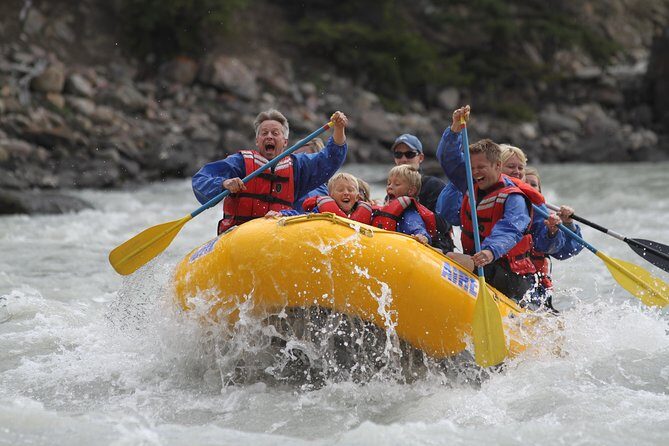
Your day starts in Jasper at the RV Parking Lot (Jasper, AB T0E 0A8). From there, you head about 8 km south to the put-in point. This matters because it keeps the whole outing tight: you meet, suit up, and get on the water without long wandering.
Plan to arrive 15 minutes early. Not because it’s dramatic, but because they run the day on a schedule, and they ask everyone to be there before departure. Late arrivals can mean you miss your slot with no refund, so treat that early-arrival request as part of the cost of admission.
You’ll start with clean gear and a safety talk. Then you’ll go right into the river routine: suit, listen, paddle cues, and go.
The first 10 minutes: float, views, and learning the raft
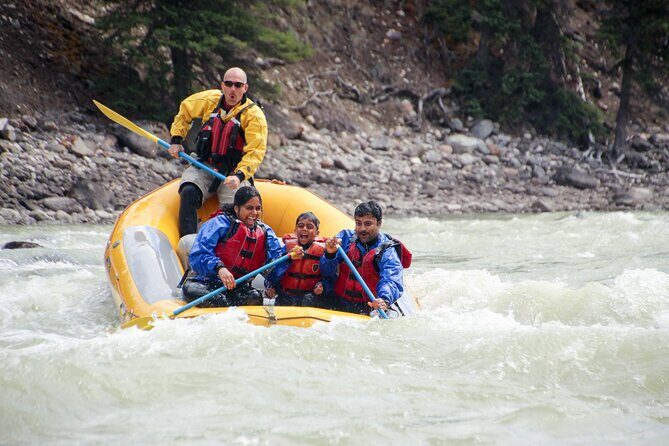
The river section begins with about a 10-minute float before the grade 2 rapids hit. That float isn’t filler. It’s your body’s warm-up and your brain’s “what am I doing?” moment.
You’ll have time to feel where the raft sits, how it moves when you shift, and what “paddling together” feels like. It also gives you a chance to take in that big 360-degree mountain view without shouting over rapids the whole time.
This is where you decide what kind of rafter you are. If you want a front-row splash view, you can usually choose where to sit once you’re in the raft. If you’d rather stay drier, you can let the guide steer you toward a position that fits your comfort level.
Class II rapids: fun splashing, controlled energy
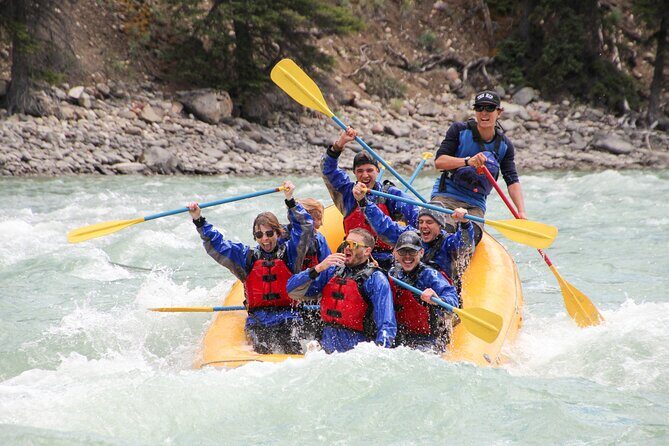
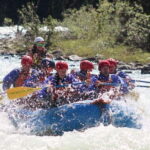
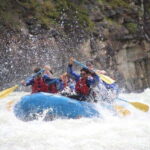
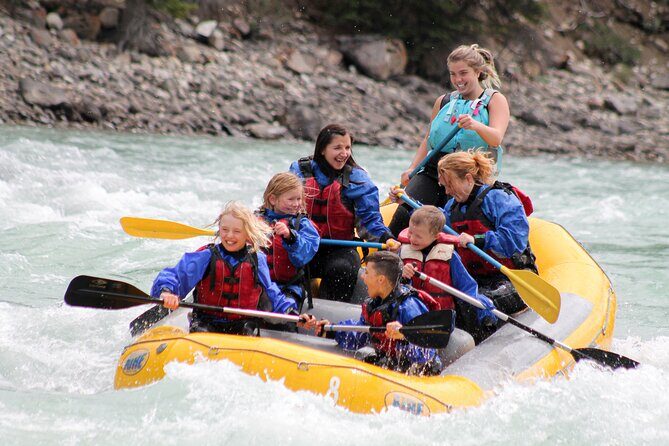
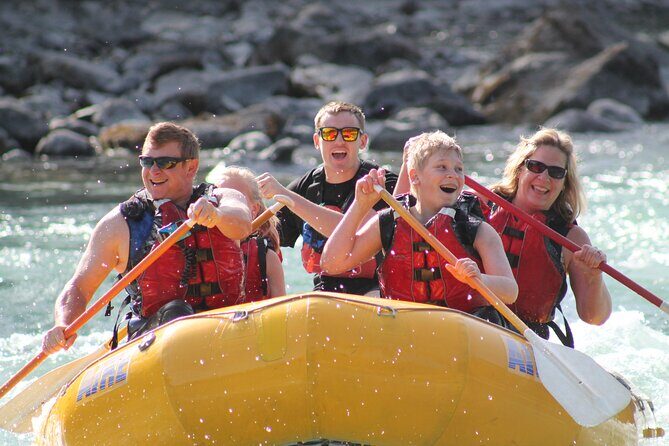
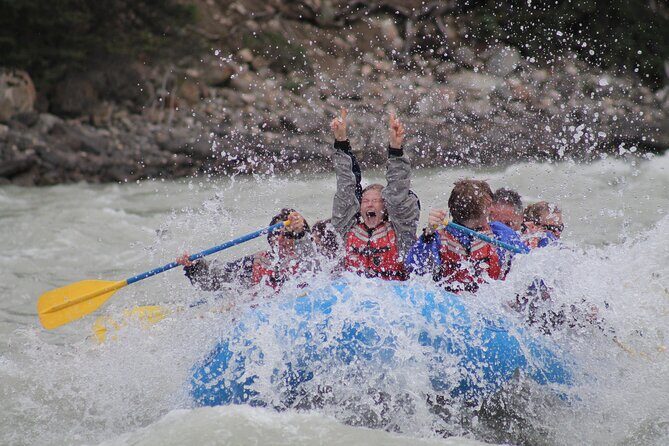
After the initial float, the grade 2 rapids begin. In plain terms, expect waves and moving water, but not the kind of chaotic thrashing that sends first-timers into survival mode. People who want to get wet tend to have a great time here, and the setup is geared toward keeping the experience safe and manageable.
The ride includes 4 or 5 rapid sections. You’ll go through them in chunks, so each one feels like a mini-adventure instead of one long blur of adrenaline. That structure helps everyone stay engaged, including kids who get bored easily and adults who might be pacing the experience in their head.
If you like a practical rule: when you hear the guide’s cues, pay attention. Class II works best when you paddle with the raft instead of fighting it.

Where the Athabasca meets the Miette: the color-change moment
One of the coolest “wait, what is that?” moments happens when the Miette River joins the Athabasca. You’ll notice a difference in color between the rain- or snow-fed water and the glacier-fed water.
This is a small detail, but it’s memorable because it’s visual and immediate. It turns the trip from just whitewater entertainment into a real nature moment you can explain afterward—like you’re carrying a science tidbit in your pocket.
Guides also tend to connect these observations to what’s happening around you, and that’s where names like Ollie and Seb show up in people’s stories: guides who share the why behind what you’re seeing, not just how to hold the paddle.
Old Fort Point finish: a fast exit and a short ride back
The trip ends around Old Fort Point. After you get out of your wet gear, you’ll return to town with a 3 km drive back.
This “end loop” is one more reason this rafting trip is beginner-friendly. You’re not stuck figuring out how to get dry, where to stash gear, or how long the whole day will drag. You also get time to reset before you keep exploring Jasper.
From past outings, I’ve learned it helps to have a towel and at least one clean outfit ready. Even with wetsuits, you can feel chilly on the shore if you stay damp too long.
What it’s like with real guides: expect energy and safety
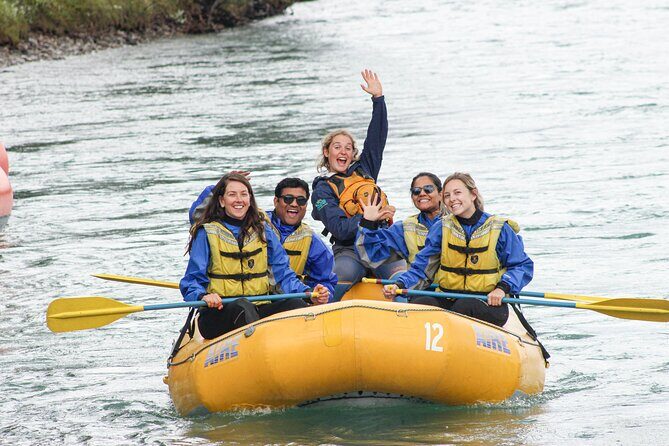
The guide team is a big part of why this runs well for families and first-timers. Names that have come up with especially positive energy include Molly, Emily, Ollie, and Dylan. People often describe guides as upbeat but clear—focused on safety, yet still willing to make it fun.
You’ll also hear plenty of trip talk while you’re getting suited up and during the ride. In some cases, guides share local context along the way and help you understand what you’re seeing beyond the immediate rapids.
If you’re worried about nerves, you should know this: the tone is set early. A good guide explains how to act in the raft, what to do with your body, and what not to stress about.
What to wear and pack: stay warm, get comfortable, and avoid wet-clothes regret
Here’s the basic clothing approach that fits this trip style.
- Wear your bathing suit or shorts under regular clothes (or wear a t-shirt and shorts).
- Expect to put on the provided wetsuit over that base layer.
- Bring a towel and think about dry clothes for afterward.
Water feels cold even when the trip is calm. Wetsuits help a lot, but they don’t make you forget you’re on a river. If you get cold easily, plan to wear something warm afterward—especially while you’re waiting to change.
Photo add-ons are optional. If you like souvenirs, you can purchase souvenir photos later. If you don’t, no big deal—you still get the main thing: the memory of being on the Athabasca for real.
Who should book this Athabasca Mile 5 rafting trip?
This is a strong match if:
- you’re rafting for the first time and want Class II without fear
- you’re traveling with kids (minimum age is 5, and kids must go with an adult)
- you want the experience to feel social but not chaotic (maximum 8 travelers)
- you want a couple-hours adventure that doesn’t swallow your whole day
It may be less perfect if:
- you want totally dry rafting (you will likely get splashed)
- you’re very sensitive to cold water conditions, even with a wetsuit
- you expect a hard-core whitewater challenge—this run is built for controlled fun, not extreme survival
That said, one of the best signs is the age range people keep mentioning: families with young kids, couples, and older adults who found it manageable with supportive guidance.
Booking mindset: timing, weather, and how to make the most of it
This trip runs rain or shine, so you’re not at the mercy of a sunny forecast. If the weather is wet, you may get more splashing and cooler wind on shore, which is exactly why a towel and dry layers help.
Also, aim to arrive early. The tour is simple, but the schedule is real. If you show up late, you risk losing your slot, and there’s no refund for late arrival or a no-show.
If you can, book in advance. On average, this one is commonly booked about 49 days ahead, which usually means it can fill up around the popular seasons.
Should you book this Mile 5 rafting day in Jasper?
I’d book it if you want authentic Jasper fun with a realistic learning curve. The combination of included gear, a beginner-friendly 10-minute float, and Class II rapids makes this a top choice for first-timers and families who still want a true whitewater story.
Skip it only if you’re chasing extreme rapids or you’re trying to avoid getting wet at all. Otherwise, this is a clean, well-run outing that hits the sweet spot: you get motion, waves, mountain views, and a guide who keeps everyone paddling together.
If you do go, wear the base layer they suggest, bring a towel, and be ready for that Miette-meets-Athabasca color moment. It’s the kind of detail you’ll remember long after the splash fades.
FAQ
How long is the rafting trip on Athabasca River Mile 5?
The trip lasts about 2 hours (approx.).
Where do I meet for the tour in Jasper?
You meet at the RV Parking Lot in Jasper, AB (T0E 0A8). The activity also ends back at the same meeting point.
What’s included in the price?
The price includes a driver/guide, all rafting equipment, and transportation, plus GST.
What’s not included?
Souvenir photos are not included, though they may be available to purchase.
What age do children need to be?
Children must be at least 5 years old, and they must be accompanied by an adult.
What should I wear?
Wear a bathing suit or t-shirt and shorts under regular clothes. The company provides the river gear (including wetsuits).
Will I get wet?
This is Class II rafting and it’s designed to be splashing and fun. You should expect some splashing, and the water can feel cold.
Do they run the trip in bad weather?
Yes, trips run rain or shine.
What’s the cancellation rule?
You can cancel for a full refund if you cancel at least 24 hours before the experience’s start time.
What’s the group size?
The tour has a maximum of 8 travelers.