REVIEW · QUEBEC
Quebec: Cuivres A. Gilles – (Free Entry) Fee for Workshop
Book on GetYourGuide →Operated by Cuivres d'Art Albert Gilles - Copper Art · Bookable on GetYourGuide
Copper art hits you fast. At Cuivres d’Art Albert Gilles in Château-Richer, you’ll move from copper history to a hands-on repoussé workshop, all in one day.
What I like most is how personal the story feels: the Gilles family kept this craft going, including through five women of the family, and your guide ties the technique to real commissions. I also love that you don’t just watch—you shape a copper creation yourself and leave with a souvenir. The main drawback to plan for: the workshop is short, so if you want a long, extended class, this won’t feel like that.
In This Review
- Key things to know before you go
- Copper art in Château-Richer: where the museum and workshop happen
- The Gilles family story and the art of repoussé
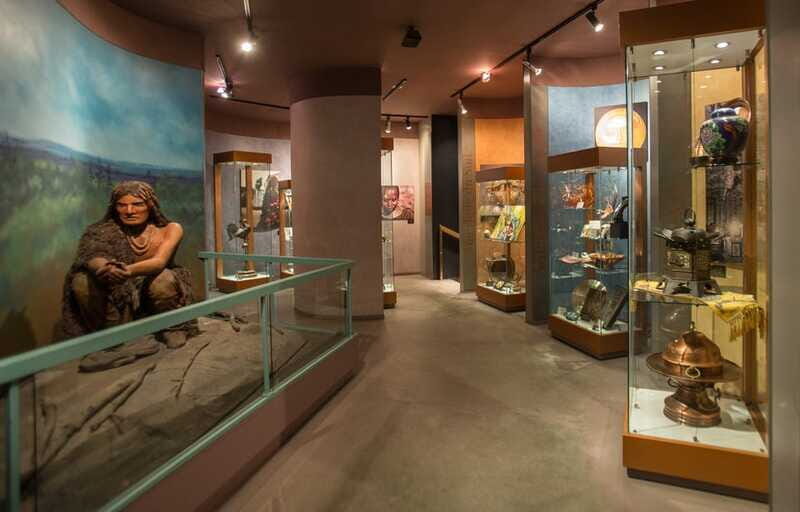
- Museum tour: copper art, Christorama, and major commissions
- Copper ore and worldwide uses: a second museum perspective
- The repoussé workshop: make a copper keepsake you can take home
- Price and value: what $12 really buys you
- How long to plan and what to pair it with in your day
- Who this workshop is perfect for (and who might want to skip)
- Should you book Cuivres d’Art Albert Gilles?
- FAQ
- What does the $12 cover?
- How long is the experience?
- Where is the meeting point?
- Is the tour offered in English and French?
- What is repoussé?
- Will I make something during the workshop?
- What exhibits will I see?
- Is this suitable for kids?
- How far is it from Old Québec?
- What if my plans change?
Key things to know before you go
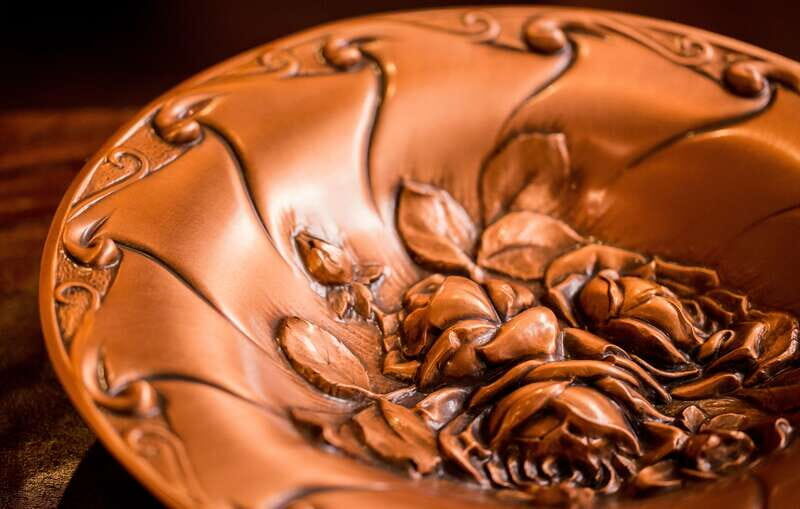
- Repoussé in action: you get a demo and then try the technique yourself.
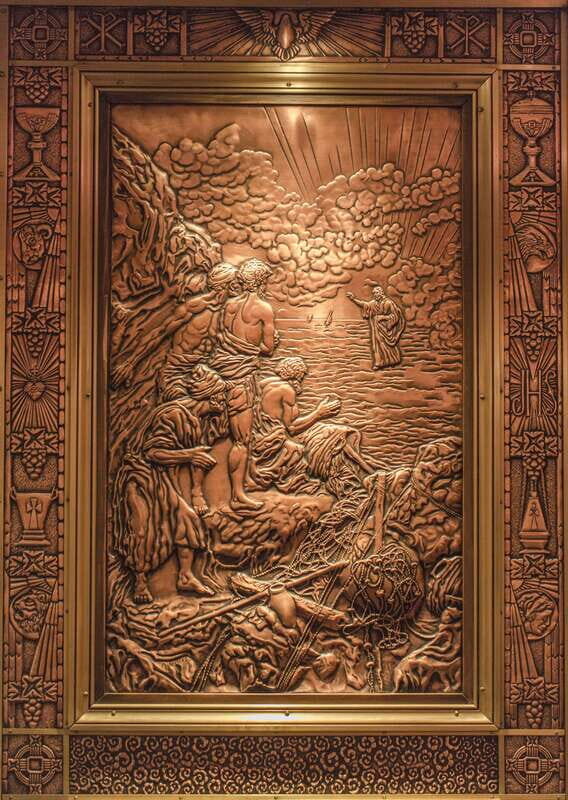
- The Christorama exhibit: 50 Life of Christ panels, made over 15 years.
- Famous (and faith) commissions: from Pope Pius XII’s 1942 chalice commission to work for notable clients.
- Two museum parts: copper art first, then copper ore mining/extraction and worldwide uses.
- A family-run studio: carried on by the Gilles family, and presented by a professional guide.
- Budget-friendly for what you get: you pay $12 and the museum access and guided visit are included.
Copper art in Château-Richer: where the museum and workshop happen
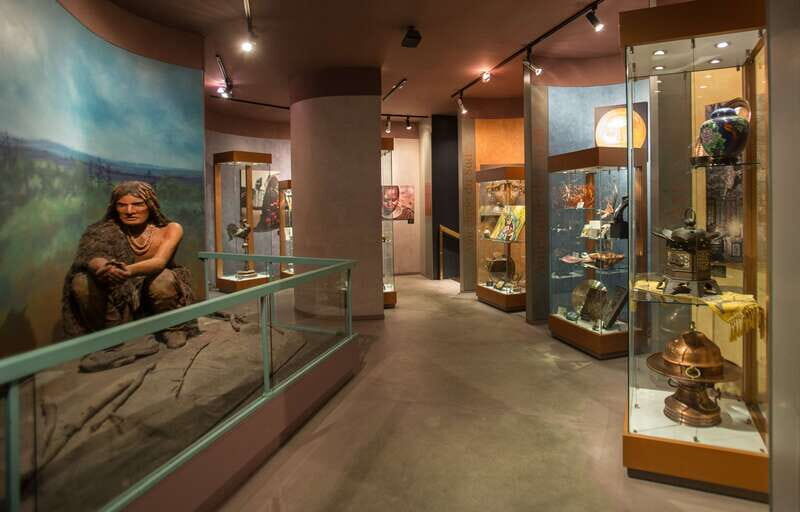
Cuivres d’Art Albert Gilles is in Château-Richer, a good bit outside old Québec City—about 15 to 20 km. The meeting point is 7450 Boulevard Sainte-Anne, right at the boutique and museum. This is one of those places where you’ll feel the “studio” more than the “big attraction,” which is exactly why it works.
If you’re basing yourself in Old Québec, plan your transport ahead of time. Going by car is easiest, and having a ride (or being ready to use one) makes the day smoother. If you’re relying on public transit, you’ll want to double-check the timing so you don’t end up stressed about getting back.
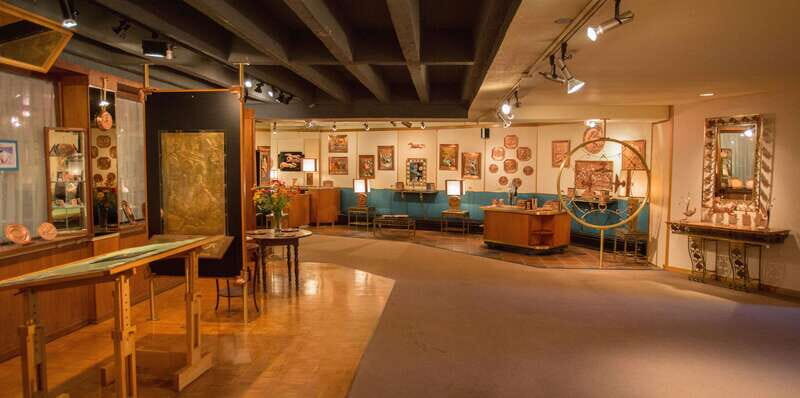
The setting matters because the visit isn’t just about looking at objects behind glass. You’re walking through the world of copper art, then shifting into a workshop where tools and materials are ready for you to use.
You can also read our reviews of more tours and experiences in Quebec.



The Gilles family story and the art of repoussé
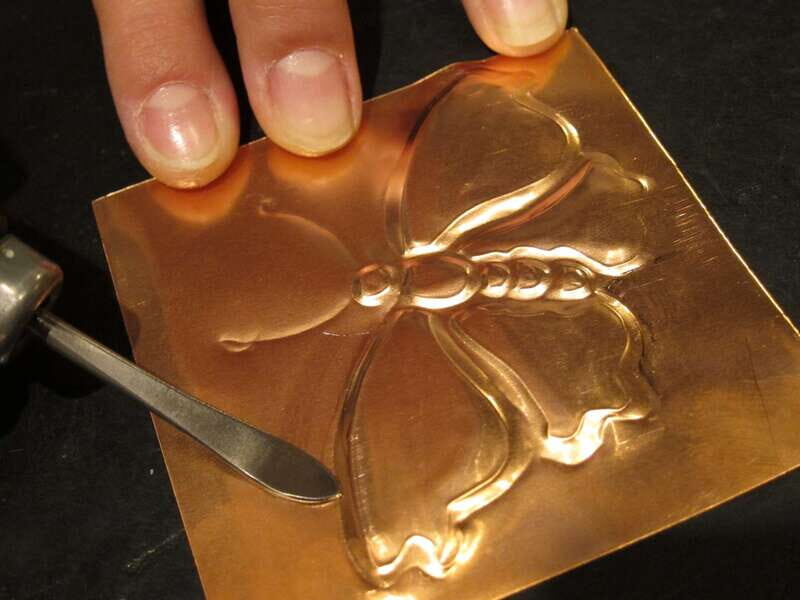
This whole experience centers on repoussé, a copper-art technique built around shaping metal. You’re not learning copper “as decoration” in a general way. You’re learning it as a craft with steps, tools, and a long tradition carried through one family.
The museum explains the history of copper art and how the Gilles studio developed its own style. You’ll also hear how the studio’s founder, Albert Louis Gilles, dedicated his life to the craft. The story isn’t only technical. It’s personal, with details about how religious art work and high-profile commissions shaped the artist’s path.
One striking piece of context: this wasn’t a craft that disappeared. It’s been carried forward by five women of the Gilles family, continuing what was started across generations. That gives the visit a different tone than a typical history display. Instead of feeling frozen in the past, the craft feels alive.
Museum tour: copper art, Christorama, and major commissions
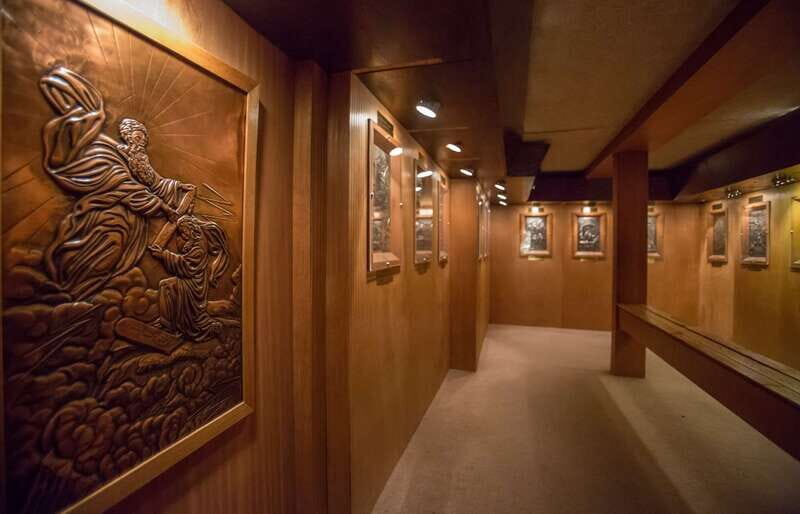
Expect your guided time to focus on what copper can do—and what Gilles (and his family) managed to create with it. The standout exhibit is Christorama, a collection of 50 panels depicting the Life of Christ. These weren’t made in a rush: they were produced over 15 years. If you’re interested in devotion expressed through craft, this is the moment that clicks.
You’ll also get the history of copper art and see how the museum frames copper work as something more than metalwork. It’s art with purpose—made for churches, homes, and well-known patrons.
A key story you’ll hear ties Gilles to the Vatican. In 1942, Pope Pius XII commissioned him to execute a silver chalice offered to the archdiocese of Montreal. That detail matters because it shows the level of trust placed in his work—this wasn’t casual craftsmanship. It was recognized at a significant level.
Then the tour expands into the scope of his career. You’ll hear that Gilles decorated more than thirty places of worship across North America and Jamaica. And the list of clients reaches far beyond churches, including names like Mae West, the GM proprietors, and Walt Disney. Even if you’re not a fan of those specific celebrities, it’s a useful reminder: this kind of copper art had mainstream reach, not only niche appeal.
If you enjoy stories where art meets real-world history, this museum section delivers. The guide connects the technique to the people and places that commissioned the work.
Copper ore and worldwide uses: a second museum perspective
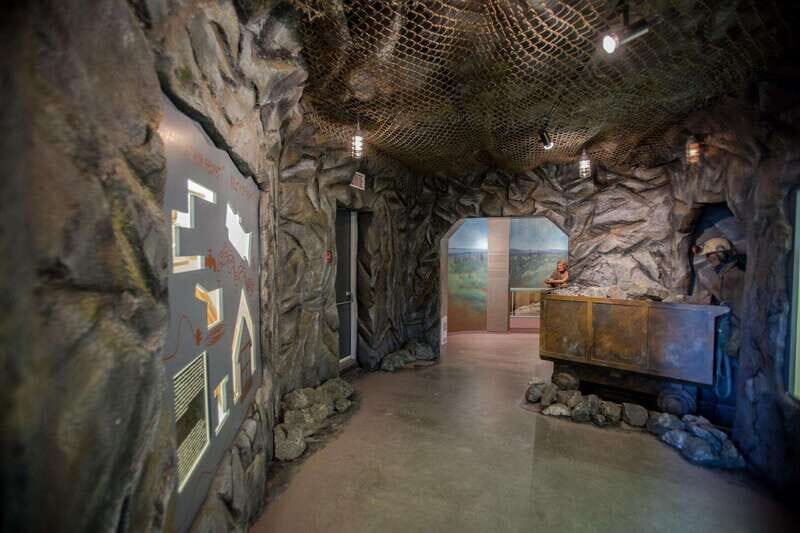
After you’ve gotten immersed in the art side, the experience pivots. A second museum section focuses on copper ore—mining and extraction—and what copper is used for around the world. This is a smart addition because it helps you understand copper not only as finished artwork, but as a resource with a long production chain.
Even if you’re mainly there for the museum’s art pieces, this part adds context. You start noticing materials differently. You’re no longer just seeing copper as “the shiny metal.” You’re seeing it as something pulled from the earth, refined, and then shaped into work with a craft identity.
This two-part structure also makes timing easier. You can keep your interest even if you’re more into either history or making. One room covers the creative outcome; the next explains the raw material behind it.
The repoussé workshop: make a copper keepsake you can take home
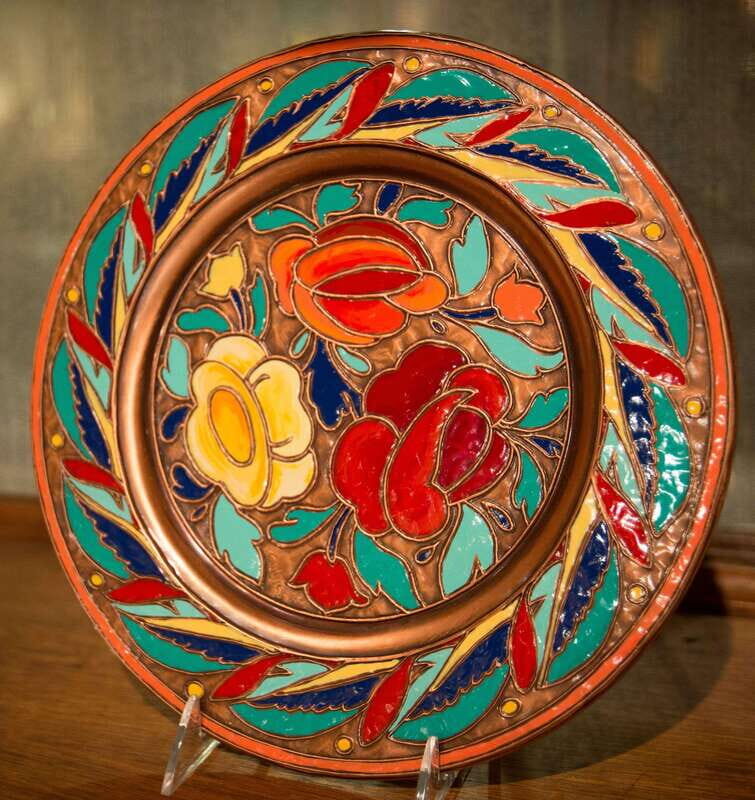
Here’s the practical payoff: at the end of the tour, after a repoussé demonstration, you create your own copper art piece to take back home. Tables, copper, and tools are waiting for you, so you’re not showing up needing to bring supplies.
The demo first is important. Repoussé isn’t magic, but it does take instruction to feel confident with the process. Once you’ve watched the technique clearly, you can copy the logic rather than guessing.
Workshop length looks fairly compact. Based on how the experience is described, plan for roughly an hour for the guided-and-make portion. That’s great if you want a focused, satisfying activity without eating your whole day. If you were hoping for a slow, multi-hour studio session, this is more “taste + take-home” than “weekend class.”
Your souvenir is part of the value. You won’t just leave with photos. You’ll have an object that carries the story of the place, the family craft, and the technique you learned.




Price and value: what $12 really buys you
At $12 per person, this is one of those deals that feels fair for what’s included—especially because it’s not only a museum ticket.
Your payment ties into:
- entrance to the museum and boutique
- access to all exhibits
- a tour led by a professional guide
- the hands-on copper making workshop
- a personally made copper art souvenir
- local taxes and fees
So you’re paying for guided storytelling plus materials-based instruction plus a take-home piece. Craft workshops elsewhere often charge more once you factor in staff time and supplies. Here, your museum access doesn’t feel like a separate add-on—it’s part of the same learning arc: art history first, technique next, then your own creation.
If you’re comparing this to other “one-hour cultural stops,” the value is strong because you get an artifact at the end, not just information.
How long to plan and what to pair it with in your day
This is a 1-day experience. Practically, you’ll want to give it enough time for the guided museum flow and the workshop portion afterward. If you’re starting in Old Québec, build in travel time plus buffer so you’re not rushing to arrive right at the start.
A good plan is to treat it as the main activity outside old Québec. Then you can pair it with a late return to Québec City for dinner or a walk. The key is that the site is about 15 to 20 km from Old Québec, so your day planning should revolve around logistics rather than squeezing it between other nearby stops.
Language options are English and French, which helps a lot if you’re traveling with mixed-language companions.
Also note the suitability: it’s not suitable for children under 8. If you’re traveling with younger kids, you’ll need an alternative plan for them.
Who this workshop is perfect for (and who might want to skip)
This is ideal if you:
- like crafts where technique matters, not just the final look
- enjoy art history tied to real commissions and real stories
- want to leave with something handmade
- appreciate a family studio that’s still carrying the craft forward
It’s also a great fit if you’re traveling with a mix of interests. The museum side scratches history and religion-connected art curiosity, while the workshop side gives hands-on satisfaction.
I’d treat it as a skip if you’re looking for a long, deep, multi-session class, or if you prefer large-city museum scale. This is focused and compact, built around learning and making—not around hours of wandering.
Should you book Cuivres d’Art Albert Gilles?
Yes—if you want a memorable Quebec craft stop where you don’t just look, you make. The mix of guided museum storytelling, standout exhibits like Christorama, and a workshop that ends with a copper souvenir makes the $12 price feel practical.
Book it especially if you’re interested in copper art, religious commissions, or craft traditions passed down through generations. Just plan for transport from Old Québec and accept that the workshop is short. If that suits you, you’ll likely leave with the kind of souvenir that starts conversations long after the trip.
FAQ
What does the $12 cover?
It includes entrance to the Cuivres d’Art Albert Gilles Museum & Boutique, access to the exhibits, a tour led by a professional guide, the hands-on copper making workshop, and a personally made copper art souvenir.
How long is the experience?
The activity is listed as lasting 1 day. You can check availability for the starting times.
Where is the meeting point?
The meeting point is Cuivres d’Art Albert Gilles Boutique et Musée, 7450 Boulevard Sainte-Anne, Château-Richer, QC G0A 1N0, Canada.
Is the tour offered in English and French?
Yes. The instructor guides in English and French.
What is repoussé?
Repoussé is the copper art technique highlighted during the visit. You’ll see a demonstration and then use what you learn to create your own piece.
Will I make something during the workshop?
Yes. After the tour and a repoussé demonstration, you’ll create your own copper art souvenir to take home.
What exhibits will I see?
You’ll explore copper art and the Gilles family realisations, including the Christorama exhibit (50 panels depicting the Life of Christ made over 15 years). There’s also a second museum section about copper ore (mining and extraction) and its uses around the world.
Is this suitable for kids?
It is not suitable for children under 8.
How far is it from Old Québec?
Old Québec is about 15 to 20 km away, so plan transport accordingly.
What if my plans change?
Free cancellation is available up to 24 hours in advance for a full refund. You can also reserve now and pay later.