REVIEW · IMMERSION QUEBEC
Quebec City’s History in Virtual Reality
Book on GetYourGuide →Operated by Tours Voir Quebec · Bookable on GetYourGuide
Quebec City history, delivered through a VR headset. I like the way it turns dates and battles into something you can visually follow without walking for hours. You sit in the historic vaults of Maison Chevalier, then watch Québec City’s story roll past as 10 key moments over more than 400 years.
I especially love the small-group feel. A lower headcount matters in VR: you get less waiting, and the experience stays focused. I also appreciate that the production leans on a lot of work—over 6,200 hours of research and programming—so what you’re seeing is built to teach, not just entertain.
One consideration: the tech and audio experience depends on the session. A few comments point to visuals that can look blurry or out of date, and at least one person noted music overpowering the narration. If sound balance is a deal-breaker for you, come with realistic expectations.
In This Review
- Key reasons this VR tour works
- What You Actually See: 10 Key Moments of 400 Years in VR
- The pacing is the feature
- The one thing to watch
- Maison Chevalier Vaults: Where the Setting Adds Credibility
- Seated VR Comfort: Small Groups and a 40-Minute Focus
- Sound matters more than you think
- Languages and Audio Guides: Getting the Message in Your Language
- Price and Value: Is $19 Worth It?
- When the price might feel less satisfying
- The Storytelling Sweet Spot: Battles, Turning Points, and Why It Matters Now
- Best For Who: Perfect Matches and Fair Warnings
- Should You Book Quebec City History in Virtual Reality?
- FAQ
- How long is the Quebec City History in Virtual Reality experience?
- Where does the tour take place?
- What’s included with the ticket?
- What languages are available?
- Do you stay seated during the VR experience?
- Is there an option to cancel if plans change?
- Can I book without paying right away?
Key reasons this VR tour works
- Seated throughout so you can focus on the story, not your feet
- 10 key moments that cover more than 400 years without feeling rushed
- Historic vault setting inside Maison Chevalier adds real atmosphere before you even start
- Strong production effort backed by thousands of hours of research and programming
- Reenactments and battles help you picture how the city evolved over time
What You Actually See: 10 Key Moments of 400 Years in VR
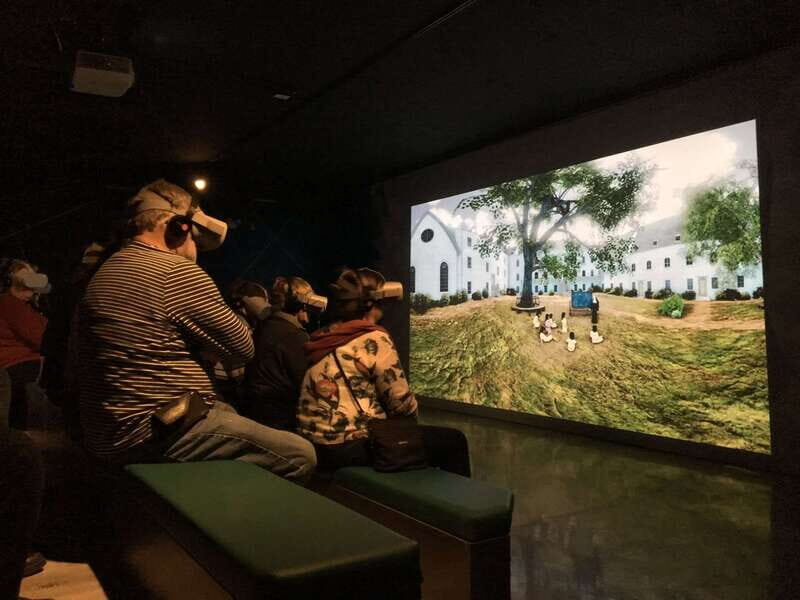
This isn’t a generic VR video. It’s a timed historical walkthrough that stays with you for about 40 minutes, with you seated the whole time. The format is built around 10 key moments spanning more than 400 years of Québec City. Instead of trying to memorize everything, you’re guided through turning points—especially the kind of moments where conflict and strategy shape the place.
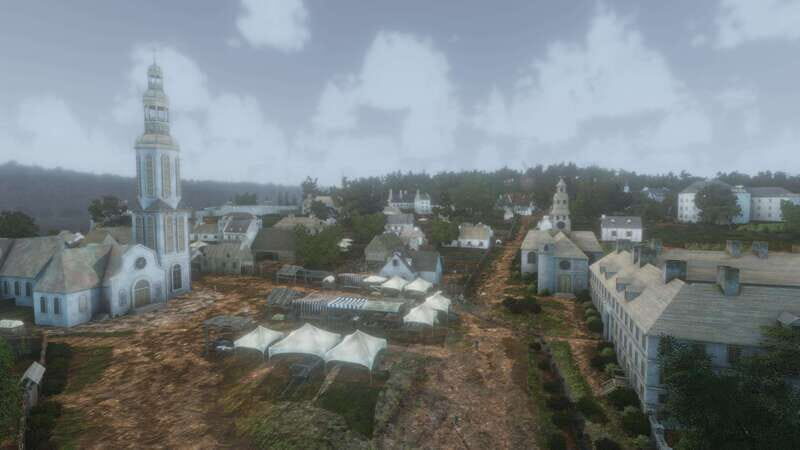
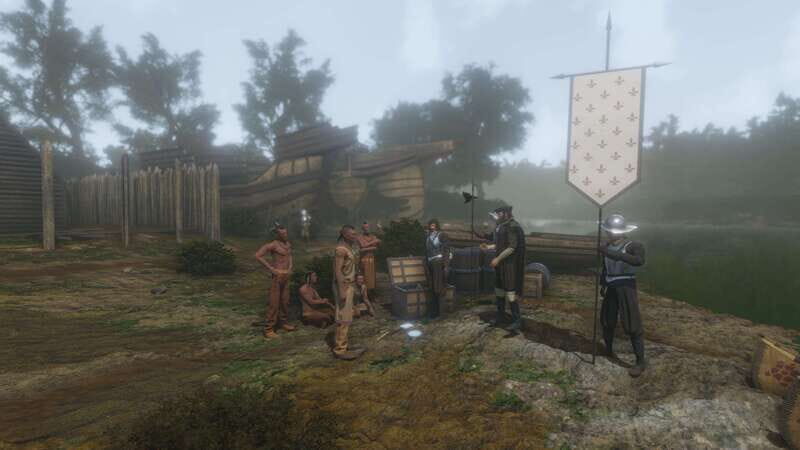
The big payoff for me is how the story is presented. You get 3D animations and projected images designed to help you understand cause-and-effect: how early developments lead to later changes, and why the city became well-known the way it is today. You’re not just watching landmarks. You’re seeing how people and events connect.
From the comments I’ve read, the visual reenactments are a strong point—people specifically call out the battles for the city and how reenactments help you visualize what happened. That’s a good sign for anyone who likes history but doesn’t want to spend their day reading museum placards.
The pacing is the feature
VR tours can go one of two ways: either they feel too long and slow, or they feel like a fast slideshow. Here, the total runtime is short enough that the focus stays on the narrative, not on dragging you through every detail. Ten moments over 40 minutes is basically the sweet spot for first-time VR history visitors.
The one thing to watch
Because it’s a headset-based projection experience, you’ll be most satisfied if you accept that the visuals are part animated, part projected. One person wanted the images to be sharper and suggested mixing 3D with more detailed 2D drawings or real photos to avoid blurriness. That tells you what to expect: the goal is story and visualization, not cinematic photography quality.
Maison Chevalier Vaults: Where the Setting Adds Credibility
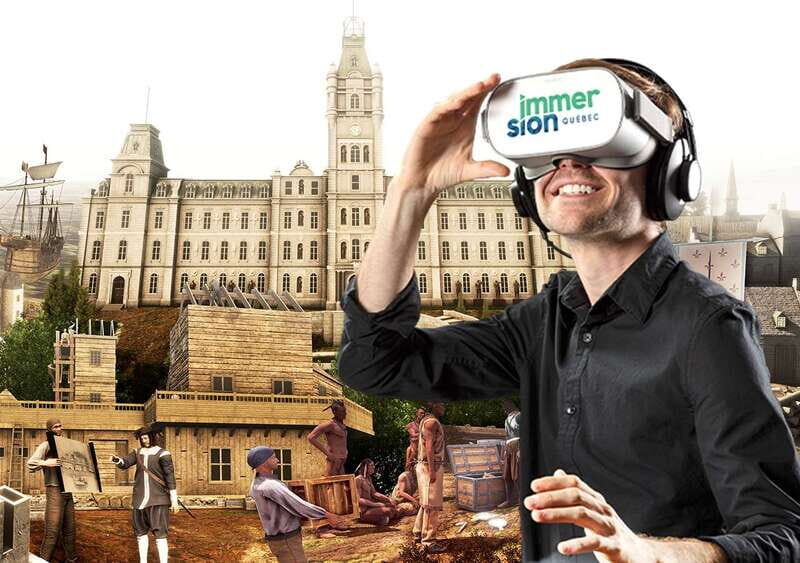
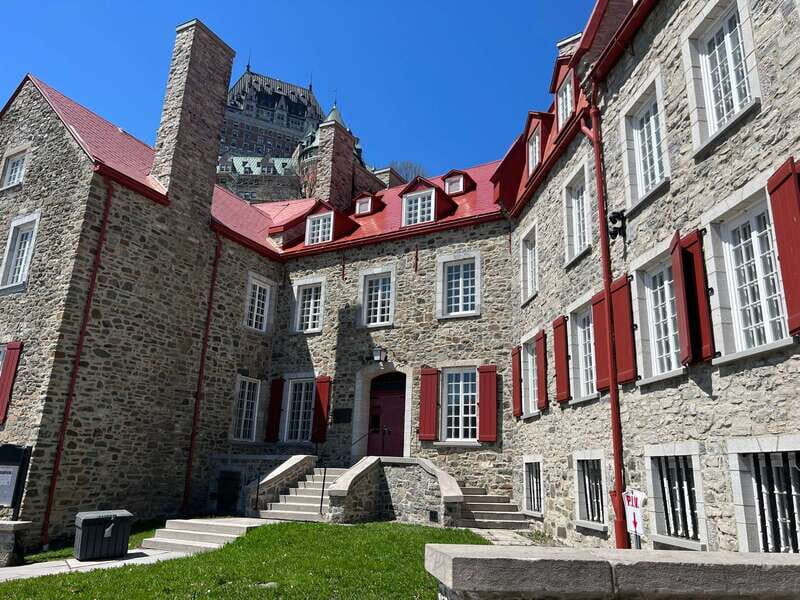
You start in the historic vaults of Maison Chevalier, a building with roots in the 18th century (1752 is specifically cited). Even before the headset goes on, that matters. Québec City is famous for having layers—French settlement, military importance, changing empires. Being in an older stone space helps your brain buy into the time travel idea.
The vault location also makes the experience feel more intentional than a quick stop in a modern room. It’s not just “put on a headset and watch.” You’re stepping into a historic structure, then using VR to connect that atmosphere to what the city looked like across centuries.
And yes, the seated format helps here too. Vault spaces can be a little closed-in, so you’ll likely appreciate that you don’t have to stand and pivot to follow the action. You stay put, you watch, and you let the visuals do the work.
Seated VR Comfort: Small Groups and a 40-Minute Focus
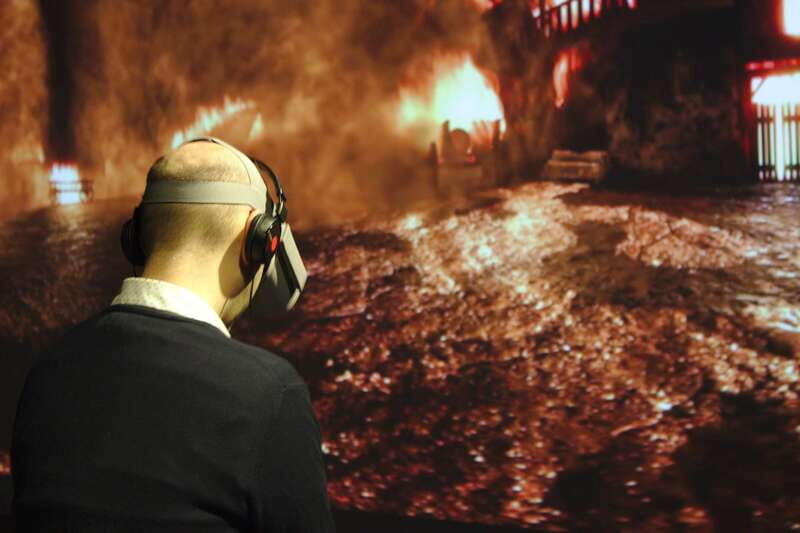
This is a 40-minute activity, and that timing changes how you’ll experience it. It’s long enough to feel like an actual history session, but short enough that it fits easily into a day exploring Québec City.
The tour also highlights a small number of people. That’s not just marketing fluff. In VR, crowding can mean longer waits, more distractions, and less control over audio clarity. A smaller group helps keep the session smooth and calm, which is exactly what you want when you’re hearing narration while watching projected visuals.
You’ll also be seated throughout. That’s a big practical win if you’re:
- traveling with kids who don’t love long walking days,
- visiting in cold weather,
- or simply preferring a “show me” history format over a guided hike.
Sound matters more than you think
A few notes in the feedback focus on audio balance: one comment says the music was too strong, causing trouble hearing the narration. Another comment notes audio/visual quality issues like blurriness. I wouldn’t panic—most people gave top marks—but I’d still treat sound quality as something to pay attention to on arrival.
If you’re sensitive to volume or have hearing needs, it may be worth asking staff what you can do in your seat position before the session begins.
Languages and Audio Guides: Getting the Message in Your Language
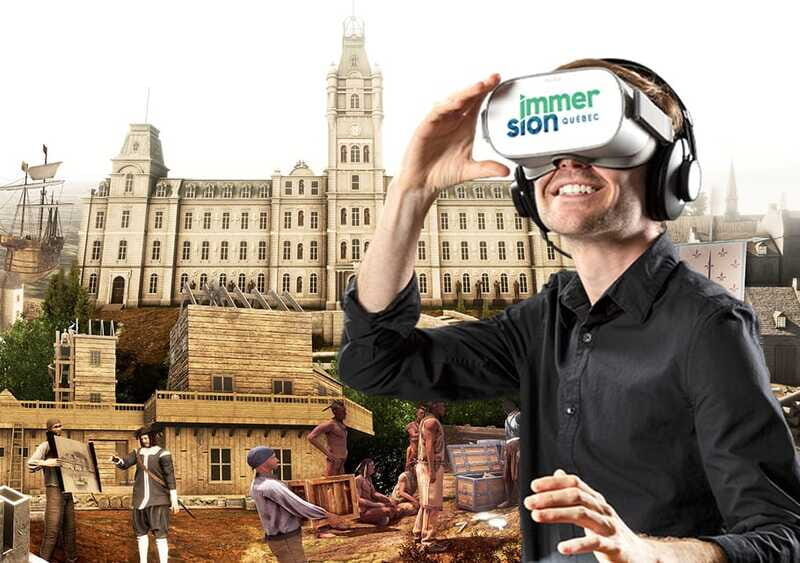
This experience is designed with multiple language options. You can get instruction in English and French, and there’s an audio guide included in Spanish, Chinese, English, and French.
That matters because history gets better when you’re not fighting the language. You should be able to follow the storyline clearly, from 10 key moments across centuries, without constantly reading captions or guessing what’s happening on-screen.
A practical tip: choose your audio language based on where you feel most confident. If your comprehension is stronger in English than in French (or vice versa), your recall will be much better. That’s especially true in a VR narrative where scenes change quickly.
Price and Value: Is $19 Worth It?
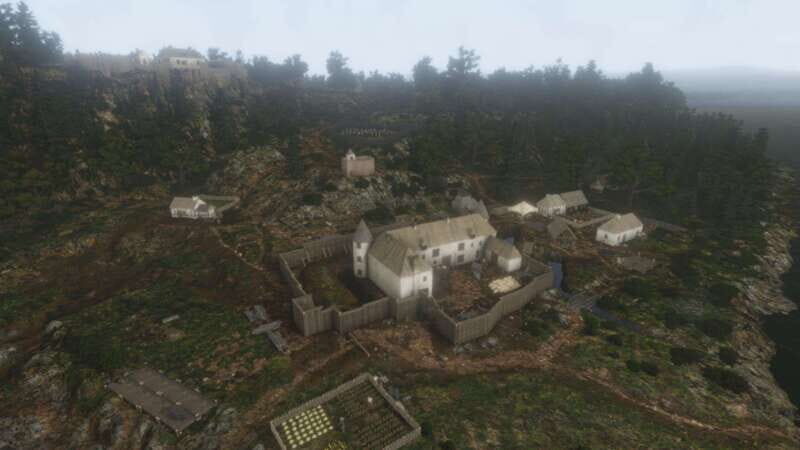
At $19 per person for a 40-minute seated VR history experience, the value depends on what you want from your day in Québec City.
Here’s why I think it’s a fair deal for the right traveler:
- You’re paying for guided storytelling, not just a machine experience. The production is backed by extensive research and programming hours.
- You get VR headset time plus a multilingual audio guide.
- You also get skip-the-ticket-line benefits, which can save time in a busy travel day.
Is it cheaper than walking a neighborhood with a self-guided history audiobook? Usually, yes. But it’s also different. You’re paying for a structured narrative and visual reenactments that you can’t recreate with a map and imagination.
And based on the overall ratings (4.5 out of 5 from 141 reviews), the strongest theme is that it’s instructive and fun. In plain terms: people feel they got something meaningful, not just entertainment for entertainment’s sake. A few even call out the reenactments as a reason it’s easy to visualize key events.
When the price might feel less satisfying
If your top priority is ultra-crisp visual realism, you might judge it harshly if the projections feel blurry. One person suggested upgrades like more detailed 2D drawings and real images to improve how buildings and people look. If you’re that type of critic, keep your expectations anchored to “history storytelling with visuals,” not “premium film-quality VR.”
The Storytelling Sweet Spot: Battles, Turning Points, and Why It Matters Now
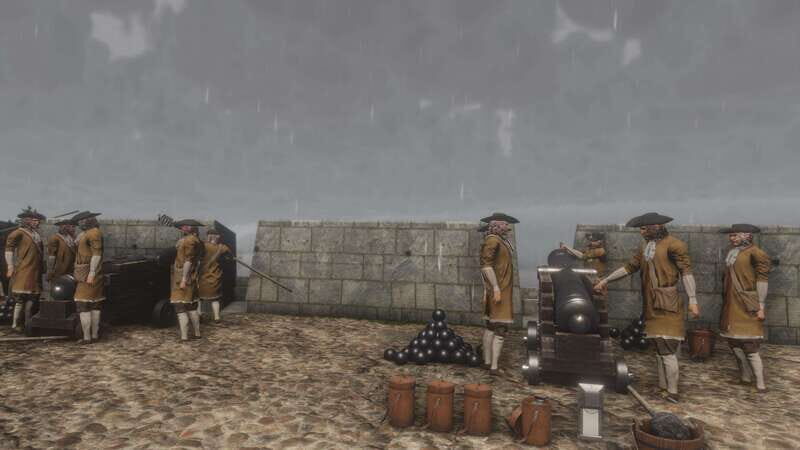
What makes this kind of VR history valuable isn’t the number of years. It’s the connections. Québec City became the city you recognize today because of repeated decisions and pressures over centuries. A format like this helps you track those turning points in a way that feels linear, not like scattered facts.
The feedback points to battles and city-defining conflicts as a highlight. Even if you’re not a war-history enthusiast, battles are often where the biggest changes happen: walls, fortifications, power shifts, and the reason a city’s reputation grows.
So if you’re visiting Québec City for the first time, this is a smart “get the context” activity. You’ll likely understand why certain parts of the city look the way they do once you’ve seen the story of why they mattered.
If you’ve been before, it can still be useful, because VR forces your brain to re-organize the narrative instead of merely re-reading familiar facts.
Best For Who: Perfect Matches and Fair Warnings
This is a strong fit if you want:
- a history lesson that doesn’t require intense reading
- a sit-and-watch activity for part of your day
- a short add-on that helps you connect the dots before you explore outside
It also fits well if you’re traveling as a couple or small family unit that values calm, structured experiences.
Where it may not be your best choice:
- If you’re extremely picky about visual clarity and expect sharp, photo-real VR, you might find the projections less impressive.
- If you’re sensitive to sound mixing (music competing with narration), consider that possibility before you commit. The data includes at least one note about the music being too loud.
Should You Book Quebec City History in Virtual Reality?
If you’re looking for a high-value, seated, 40-minute way to understand why Québec City became well-known—especially through 10 key moments and battle-focused reenactments—I think this is an easy yes.
Book it if:
- you want context before walking the city,
- you like interactive, visual history,
- and you’re okay with a headset-based, animated/projection style rather than ultra-realistic imagery.
Skip it or manage expectations if:
- you care most about crystal-clear visuals,
- audio clarity is critical for you,
- or you dislike VR formats that rely heavily on projection quality.
Personally, I like that this activity doesn’t ask you to do much physically. In a city as atmospheric as Québec City, that can be the perfect balance: let the past play out in VR, then go experience the real stones and streets with better context.
FAQ
How long is the Quebec City History in Virtual Reality experience?
It lasts about 40 minutes.
Where does the tour take place?
It takes place in the vaults of Maison Chevalier. The entrance to Immersion Quebec is the door on the left near the sidewalk.
What’s included with the ticket?
You get a virtual reality headset as part of the experience.
What languages are available?
Instructors are available in English and French. Audio guidance is included in Spanish, Chinese, English, and French.
Do you stay seated during the VR experience?
Yes, you remain seated throughout.
Is there an option to cancel if plans change?
Yes. Free cancellation is available up to 24 hours in advance for a full refund.
Can I book without paying right away?
Yes. Reserve now & pay later is offered so you can book your spot and pay nothing today.