REVIEW · CANMORE
Canmore: Stargazing and Nature by Nightfall Walking Tour – 2hr
Book on Viator →Operated by Banff & Canmore Tours · Bookable on Viator
Night sky, no city glare. This Canmore night walk is built for clean views of stars away from heavy light pollution, with Jacob helping you move safely on rocky, uneven ground. I love the small-group pace (max 12), and I love how the guide folds in wildlife, local culture, and history while you pause to look up. One drawback to note: it depends on good weather, and you will be walking on uneven forest trails.
You’ll meet at 1900 8 Ave in Canmore and return to the same spot after about 2 hours. Bring your camera and plan to stay patient for the sky to show off—when it does, it’s the kind of quiet moment that sticks.
In This Review
- Key highlights to expect on this Canmore night walk
- Why Canmore at night feels so different than a regular stroll
- Jacob’s guiding style: calm, practical, and tuned to your group
- The route: 3.5 miles on uneven forest trails in about 2 hours
- A small heads-up about timing
- What makes the star viewing actually good here
- Nature at night: wildlife talk and the fun of noticing small things
- Safety and comfort: what the provided gear means for you
- Price and value: is $69.81 for this 2-hour night walk fair?
- Weather reality: when clouds show up, your plan should adjust
- Logistics that help: meeting point, group size, and what to expect
- Who this tour is best for (and who should skip it)
- Should you book this Canmore stargazing and nature walk?
- FAQ
- How long is the Canmore stargazing and nature tour?
- How far do you walk during the tour?
- Where do I meet for the tour?
- What kind of footwear should I wear?
- Is any equipment provided?
- What is the group size?
- Is the tour suitable for young children?
- Is this tour offered in English?
- What happens if weather is poor?
Key highlights to expect on this Canmore night walk
- Professional guide support for dark footing: help on uneven trails and rocky bits so you can focus on the stars
- All climbing equipment included: gear is provided so you’re not scrambling to bring the right stuff
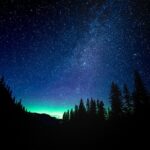
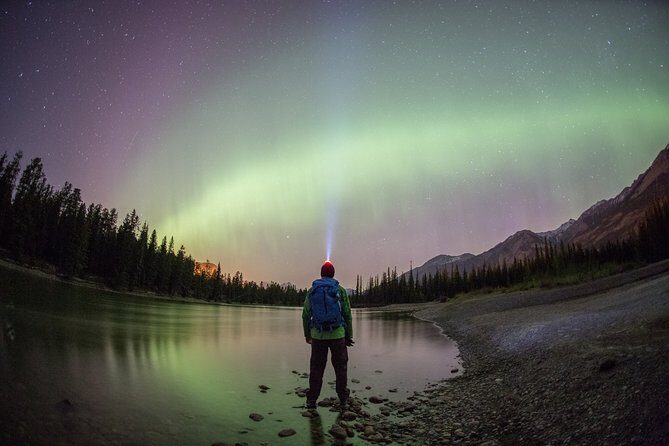
- Dark-sky viewing away from city lights: better contrast for stars and the Milky Way
- Small-group night vibe (up to 12): easier pacing, more chances to stop and ask questions
- Nature stops on the way: wildlife talk and chances to notice what’s active at night
- Weather matters: the experience works best with clear skies, so timing and conditions are part of the plan
Why Canmore at night feels so different than a regular stroll
This is not a sit-on-a-blanket “look up and hope” kind of tour. You’re out on the trail system near Canmore, and the point is to get you to darker skies with fewer distractions than city streets. That means you’re not just seeing stars—you’re seeing how the night sky really looks when the background glow is gone.
I like that the tour is designed to balance movement and stillness. You walk enough to change your view, then stop frequently so you can actually take in what’s overhead. That rhythm matters because night photography, star spotting, and simply relaxing all take time.
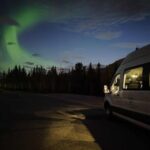
It’s also a good reality check: if you want northern lights, you need the right conditions. This tour is structured around star viewing first, with the possibility of bigger celestial surprises depending on the night.
You can also read our reviews of more walking tours in Canmore

Jacob’s guiding style: calm, practical, and tuned to your group
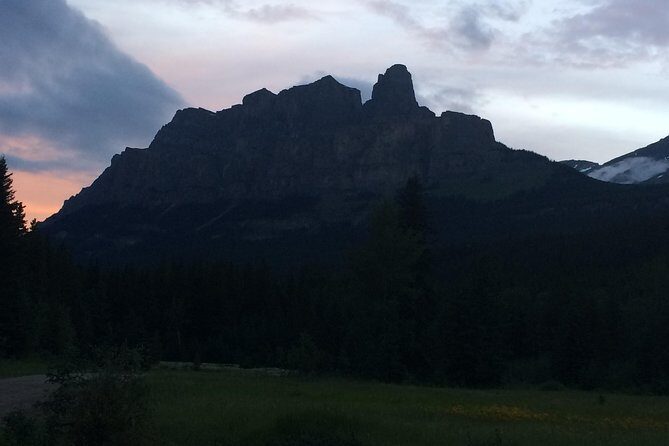
One reason this tour earns such strong scores is the guide’s tone and organization. Jacob, the name that comes up often, is described as calm and entertaining, with stories paced to the group. He also adjusts his approach depending on whether the crowd is mostly locals, mostly tourists, or a mix.
That “tailoring” shows up in how the tour flows. Instead of racing from one spot to another, the guide keeps the pace steady, chooses where to pause for the best sky views, and gives you time to look around. If you’re traveling with kids (minimum age is 8), that pacing helps keep things from feeling chaotic.
Safety is part of the guiding style too. You’re not expected to figure out dark terrain on your own. With all climbing equipment supplied, and a professional leading the way, you’re free to enjoy the night without feeling like you’re winging it.
The route: 3.5 miles on uneven forest trails in about 2 hours
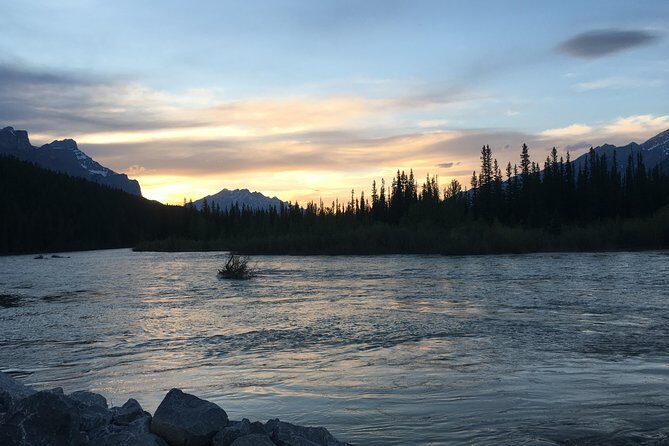
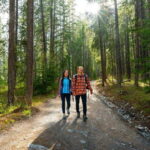
The total walking distance is about 3.5 miles, and the terrain is uneven forest trails. That’s the biggest practical consideration. Even if you’re fit, plan on careful steps. Proper outdoor footwear isn’t optional—it’s what keeps the trip relaxing instead of stressful.
Time-wise, it’s an easy commitment. The tour runs about 2 hours, which is long enough to get you to good viewing spots and let your eyes adjust, but not so long that you’re exhausted before the best sky moments.
You’ll likely stop often, not just once. Those frequent pauses are what make this tour work for both star lovers and casual lookers. They give you chances to photograph, ask questions, and notice nighttime nature that you’d miss if you were just passing through.
A small heads-up about timing
This tour starts in the late-day/early-night window. That means arriving on time matters. If you use a map and plug in the wrong street name, you can easily miss the start. Double-check the meeting point address and give yourself buffer time.
What makes the star viewing actually good here
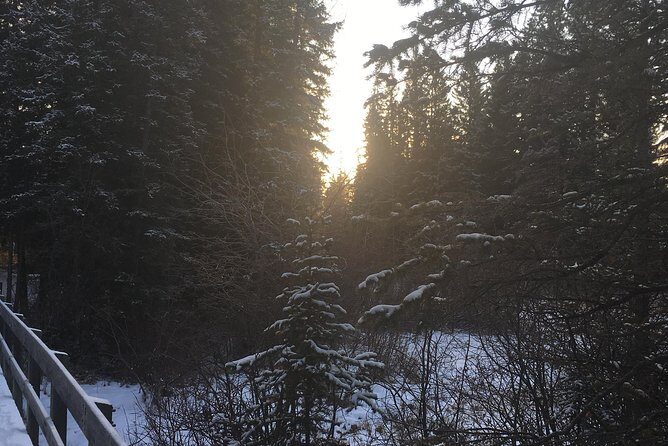
The tour’s core promise is simple: starry skies with reduced light pollution. That sounds vague until you see the difference. When background glare drops, the sky gets depth—more points of light, clearer grouping, and a stronger sense of scale.
You can also expect more than just “look up.” The guide explains what you’re seeing and what to try spotting next. That’s a huge help if you’re not a backyard astronomer. When someone points out patterns and explains timing, the sky turns from random to readable.
Photography also gets attention in a practical way. The tour is camera-friendly—one of the recurring points in feedback is getting amazing photos of the Milky Way and even northern lights when conditions cooperate. Even if you don’t nail a perfect shot, you’ll come away knowing what settings or approaches typically help for this kind of dark-sky viewing.
And yes, the sky doesn’t always cooperate. One account notes they still enjoyed the evening even with cloud cover. So while you should hope for clear skies, you don’t have to assume the whole night is ruined if clouds roll in.
Nature at night: wildlife talk and the fun of noticing small things
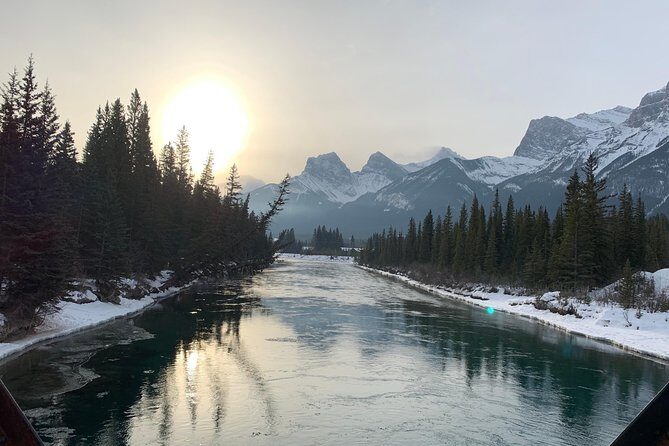
This is sold as a stargazing and nature experience, and that mix is what makes it feel rounded. Between sky pauses, the guide shares info about local wildlife, culture, and history. It’s not trivia dumped at you—it’s tied to what’s happening around you at night.
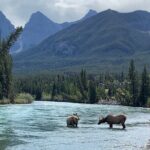
Night wildlife spotting is also part of the charm. In at least one reported outing with Jacob, the drive into the area turned into a mini night safari, with a white fox and deer spotted along the way. Even if your evening is quieter, the guide’s focus helps you keep your eyes open for tracks, movement, or the sounds you normally tune out.
The calm tone matters here. You’re in nature, away from traffic noise, and you’re allowed to relax instead of rushing. For a lot of people, that quiet is the real highlight—not just the stars.
Safety and comfort: what the provided gear means for you
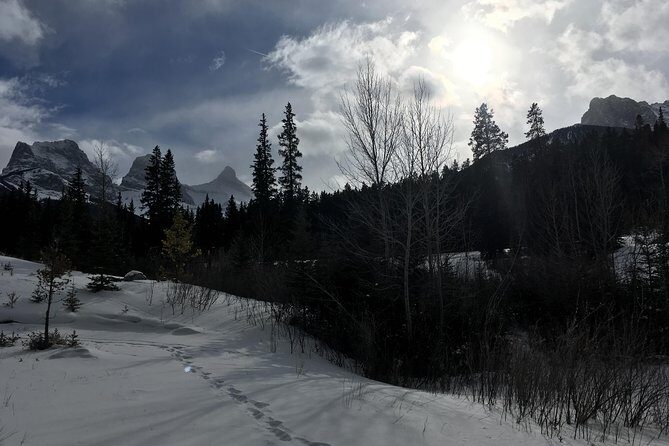
You’ll get all climbing equipment supplied, which is unusual for a “stargazing” description—until you’re actually on dark, uneven terrain. It signals that the guide plans for safe footing and controlled movement over rocky bits, not just walking on a flat path.
Here’s what that changes for you:
- You can focus on your footing without worrying about whether you brought the right gear.
- You can enjoy the pauses and look-ups without the tension of wondering what’s safe.
- The guide can manage the group more smoothly in the dark, which helps everyone feel comfortable.
Service animals are allowed, and the tour is near public transportation. Still, the eligibility rules are strict for a reason. This tour is not suitable for individuals with mobility issues, back problems, recent surgeries, or serious medical conditions. Pregnant women are also advised to refrain. It also isn’t designed for children under age 8.
If any of those apply to you, it’s worth choosing a gentler option instead of trying to “power through.” A calm night outing should feel easy to do, not hard to manage.
Price and value: is $69.81 for this 2-hour night walk fair?
At $69.81 per person for roughly 2 hours, the price isn’t “cheap,” but it also isn’t inflated. You’re paying for three things that add real value: a professional guide, small-group size, and included equipment.
In a typical self-guided stargazing trip, you handle everything—where to go, how to stay safe on uneven terrain, and what to do when conditions change. Here, you get local guidance and safety support, plus equipment that reduces the guesswork. The guide also contributes interpretation, which makes star viewing more satisfying. Without that, it can feel like staring at a ceiling.
You’re also getting a small ceiling on group size (up to 12). That matters because on a dark trail, spacing and pacing are part of comfort. More people in a small area can turn a pleasant night into a traffic jam.
If you’re the kind of traveler who likes experiences with purpose—stars plus nature plus local context—this pricing usually makes sense.
Weather reality: when clouds show up, your plan should adjust
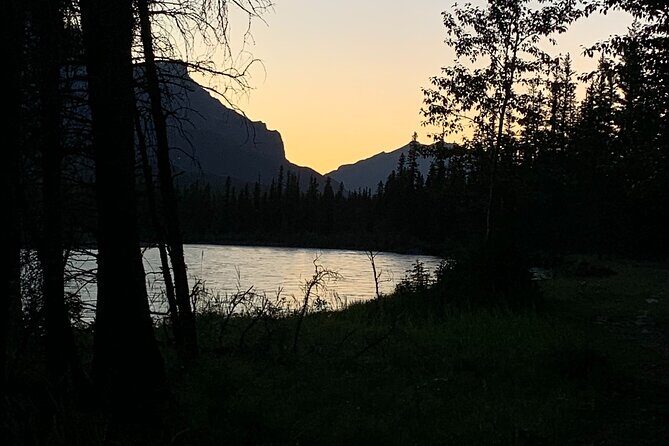
This tour requires good weather. If conditions are poor enough that the operator cancels, you’ll be offered a different date or a full refund. That’s a key point: the experience is built around being outside and seeing the sky.
At the same time, you can’t control the atmosphere. One strong point from actual experiences is that even when the sky wasn’t perfectly clear, the evening still delivered. That usually means the guide found good moments in the cloud breaks and kept the experience interesting with nature stops and explanations.
So I’d plan like this:
- Hope for clear skies.
- Stay flexible if the clouds thin and thicken.
- Bring warm layers because “night walk” temperatures can bite.
Logistics that help: meeting point, group size, and what to expect
You’ll meet at 1900 8 Ave, Canmore, AB T1W 1Y2 and the tour ends back at the same place. That round-trip meeting setup is handy if you’re staying in Canmore and don’t want extra transfers.
Group size maxes at 12, which is a big reason the pacing can feel thoughtful instead of rushed. The tour is offered in English, and you’ll receive confirmation at booking.
Also note the tour runs with a maximum group cap, so it can sell out for popular nights. On average, it’s booked about 25 days in advance. If you’re traveling in peak season or aiming for a specific window, you’ll want to book earlier rather than later.
Who this tour is best for (and who should skip it)
This experience is a good match for families who can handle uneven trails and are okay with a night outing. It’s described as suitable for the whole family, but the minimum age is 8, and the terrain is uneven.
It’s also ideal for:
- Couples and solo travelers who want a guided dark-sky experience without building an itinerary
- People who care about safety and don’t want to guess on rocky footing at night
- Travelers who want local context, not just a sky show
It’s not a match for:
- Mobility issues, back problems, recent surgeries, or serious medical conditions
- Pregnancy (advised to refrain)
- Anyone who can’t comfortably walk on uneven forest trails for about 3.5 miles total
If you fall into any of those categories, the best move is to choose a different outing that’s designed for your comfort level.
Should you book this Canmore stargazing and nature walk?
If you want star viewing with real guidance—and you’re comfortable with uneven forest trails—this is an easy yes. The combination of dark-sky viewing, a calm guide like Jacob, and included safety equipment turns it from “outing” into an experience that feels intentional.
I’d pass if you’re worried about uneven terrain, late-night walking, or weather uncertainty. And I’d take timing seriously—double-check the meeting address so you don’t start the evening stressed.
For the right traveler, this is the kind of night you’ll remember: quiet, sky-focused, and guided by someone who knows how to slow down, look up, and notice what’s around you.
FAQ
How long is the Canmore stargazing and nature tour?
It’s about 2 hours.
How far do you walk during the tour?
You’ll cover about 3.5 miles total, on uneven forest trails.
Where do I meet for the tour?
The meeting point is 1900 8 Ave, Canmore, AB T1W 1Y2, Canada.
What kind of footwear should I wear?
You need proper outdoor footwear because the trails are uneven.
Is any equipment provided?
Yes. All climbing equipment is supplied.
What is the group size?
The tour has a maximum of 12 travelers.
Is the tour suitable for young children?
It’s not designed for children under age 8.
Is this tour offered in English?
Yes, the tour is offered in English.
What happens if weather is poor?
The tour requires good weather. If it’s canceled due to poor weather, you’ll be offered a different date or a full refund. Free cancellation is available up to 24 hours in advance for a full refund.