REVIEW · NANAIMO
Nanaimo: Whale Watching Open Boat Tour
Book on GetYourGuide →Operated by Vancouver Island Whale Watch · Bookable on GetYourGuide
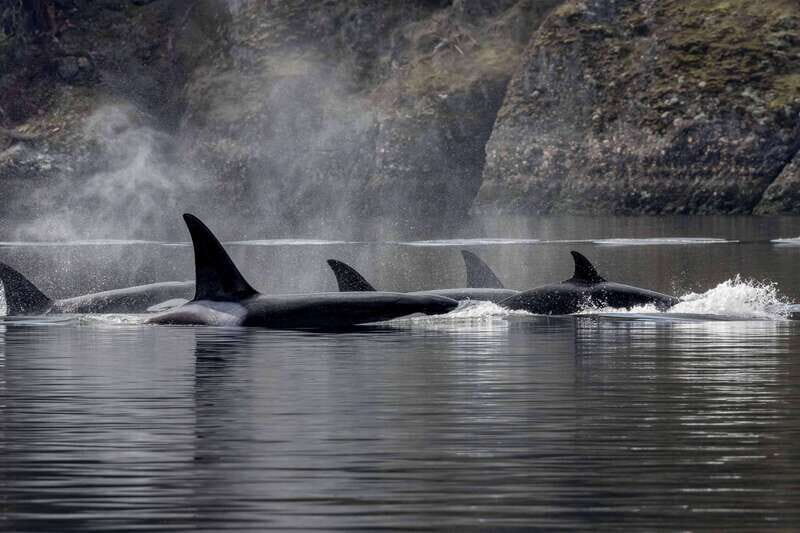
Orcas off the coast are a real-life headline. I like the tour’s focus on healthy, growing whale populations plus the fact that sightings are guaranteed or your next trip is on us. I also love that you’re guided by a marine naturalist and a professional team with an academic marine biology background. The one thing to think about is that this is an open-boat experience, so cold spray and rougher water can make the trip physically tough—especially since it isn’t suitable for pregnant women.
Check in is 45 minutes before departure at 90 Front St #5 along Nanaimo’s waterfront seawall, and the day runs like a well-coordinated search. You cruise the Gulf Islands area with your captain in contact with other whale-watching boats over VHF, then you spend about an hour actively viewing whales with real-time help from the onboard naturalist.
In This Review
- Key Things That Make This Nanaimo Whale-Watching Tour Work
- Why Nanaimo’s Open-Boat Whale Watching Feels Different
- Getting on the Boat: Check-In at 90 Front St #5 and What Weather Means
- Cruising the Salish Sea: The Ecosystem Talk That Actually Helps You Spot Whales
- The Whale-Sighting Strategy: VHF Route Planning and Individual Whale IDs
- The Hour of Whale Time: What to Watch For When the Boat Stops
- Beyond Whales: Sea Lions, Seals, Seabirds, and the Conservation Wrap-Up
- Price and Value: Is $182 Worth It for a 4-Hour Nanaimo Cruise?
- Who Should Book This Tour (and Who Should Skip It)
- Practical Tips So Your 4 Hours Feel Worth It
- Should You Book This Nanaimo Whale Watching Open Boat Tour?
- FAQ
- Where does the tour meet in Nanaimo?
- How early do I need to arrive?
- How long is the whale watching tour?
- Is a whale sighting guaranteed?
- What whale-related learning is included during the cruise?
- What’s included on the boat?
- What should I bring or plan for since lunch isn’t included?
- Is alcohol or smoking allowed during the tour?
Key Things That Make This Nanaimo Whale-Watching Tour Work
- Sightings guaranteed, with a plan to increase your odds when conditions change
- Marine biology academic background in the guiding team, not just casual enthusiasm
- Captain route planning via VHF radio to maximize the area covered between vessels
- Anti-exposure suit plus sunscreen included, which matters a lot on open water
- Individual whale identification using onboard catalogs, with data shared with conservation networks
Why Nanaimo’s Open-Boat Whale Watching Feels Different
If you’re looking for whale watching that feels like research-adjacent learning rather than just scanning for spouts, this tour is built for that. The operator puts real emphasis on why you’re seeing whales—natural history, roles in the marine food web, and how different species use the Salish Sea. That framing changes the whole experience. Instead of only hoping for a sighting, you’re learning how to interpret what you’re seeing as it happens.
I also like the tour’s conservation stance. You’ll get an educational talk that focuses on threats to BC orcas and the initiatives working to protect them. That’s not abstract. It connects the whales you’re tracking to the real pressures they face in this region.
There’s also an energy you feel in the operating style: your captain communicates with other vessels by VHF and plans the route to cover more ground between boats. On a 4-hour outing, that matters. Time is limited, and whale locations can be fluid.
The main tradeoff is simple: open boat means more exposure to wind and spray. Even with suits provided, you’ll want to dress for the water, not the forecast on land.
You can also read our reviews of more boat tours in Nanaimo
Getting on the Boat: Check-In at 90 Front St #5 and What Weather Means
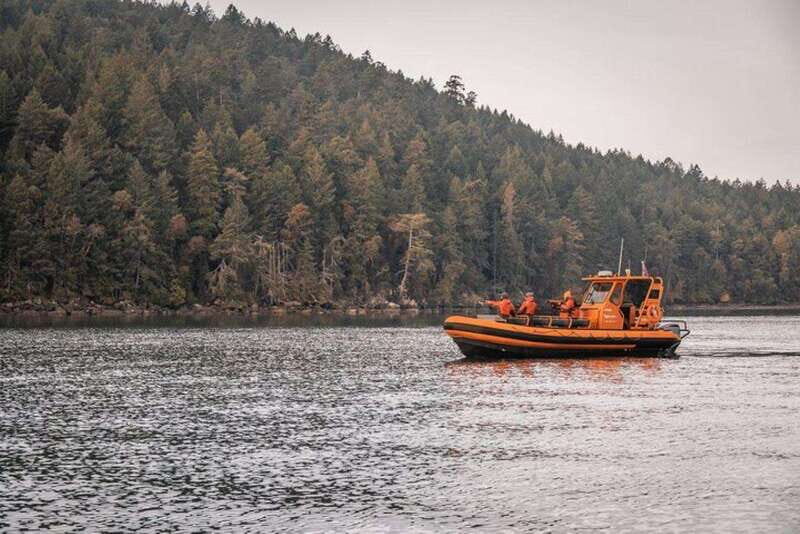
The day starts with check-in at 90 Front St #5 on Nanaimo’s waterfront seawall. You’ll gather as a group, then head down to the boat. You should plan to arrive with enough buffer to settle in—because check-in is set for 45 minutes ahead of departure.
This is where the included gear helps. You get an anti-exposure suit and you’ll also have access to sunscreen onboard. That combination is practical on the Salish Sea. It can be cold and wet, yet the glare and sun can still be intense when the sky clears.
One thing to be ready for: open-boat comfort varies a lot day to day. If the water is choppy, expect the ride to feel more active. Feedback associated with the experience points out that it can be cold and wet, and that the less-comfy conditions are part of why you feel so close to the action once you’re out there.
Also note the rules: smoking, vaping, alcohol, and drugs aren’t allowed, and intoxication isn’t permitted. If you want a relaxed day on the water, this is a calmer, more controlled vibe than some party-style tours.
Cruising the Salish Sea: The Ecosystem Talk That Actually Helps You Spot Whales
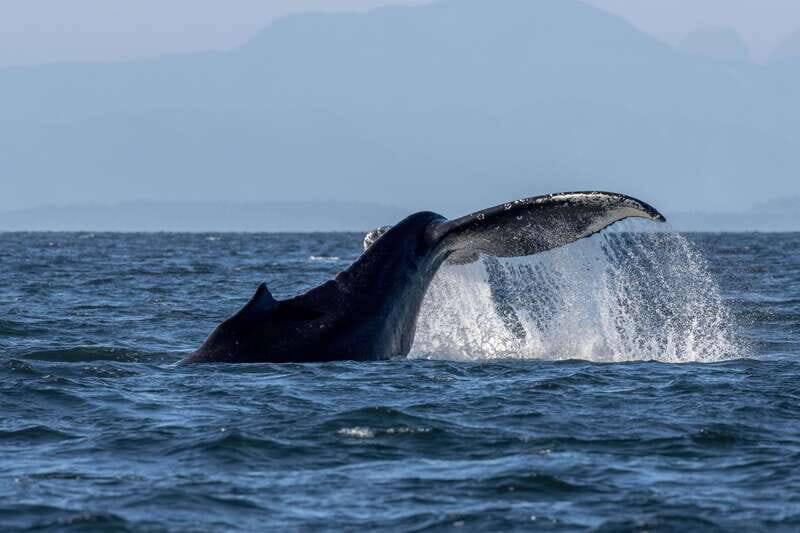
Once you’re underway, you’re not left with silence and binoculars. You’ll learn about the Salish Sea ecosystem and the wildlife you might encounter. The tour explains the different whale types that use this area, their natural history, and their role in the food web.
That may sound like the usual “informational narration,” but the practical value is in what it gives you while you scan. When you understand how whales use the water column, what behaviors to look for, and how species differ, you stop treating every sighting like a mystery. You start treating it like a pattern you can read.
You’ll also get real-time context during the search. The marine naturalist provides insights as you cruise, helping you connect what you’re seeing with what you’ve learned about each species.
Then there’s the individual identification angle. The onboard team uses catalogs to identify whales, and that data is collected throughout the season and sent to conservation and research organizations. That’s important because it signals the tour isn’t only about a one-day spectacle—it’s tied to a longer view of the whales in this region.
The Whale-Sighting Strategy: VHF Route Planning and Individual Whale IDs
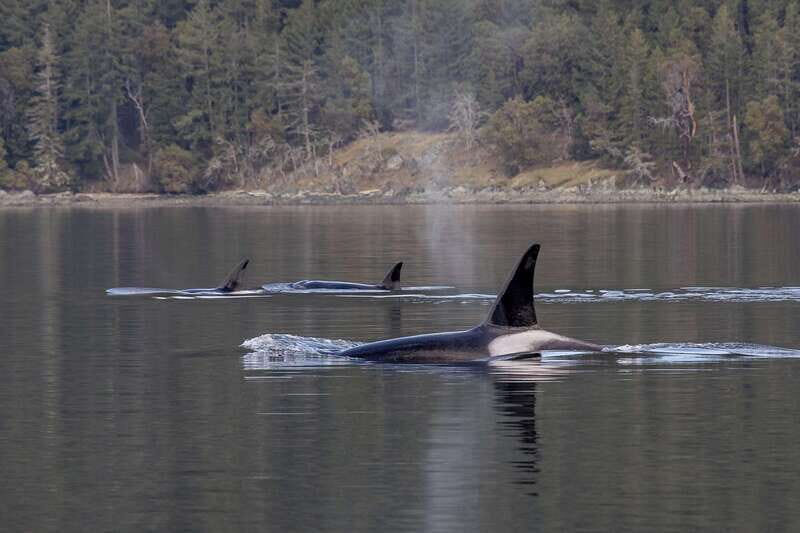
This operation doesn’t rely on luck alone. Your captain communicates with other whale-watching companies over VHF radio. Then they plan the route to maximize the area covered between vessels, which helps you avoid wasting time out in the wrong patch of water.
In practical terms: whale watching can be frustrating when you steam for a long time and see nothing. Here, the structure is designed to keep the hunt moving efficiently. Even when sightings aren’t constant, you’re searching smart.
On top of that, the tour uses onboard catalogs to identify individual whales. That means you’re not just spotting a whale, you’re learning about the individual animal—an approach that’s especially relevant for populations that researchers monitor over time.
And because the tour collects data during the season and sends it to organizations involved in cetacean research and conservation, you can feel confident that your experience contributes to something bigger than one blurry photo.
That also supports why the tour markets sightings as guaranteed. They’re operating with a system, not just a promise and a prayer.
The Hour of Whale Time: What to Watch For When the Boat Stops
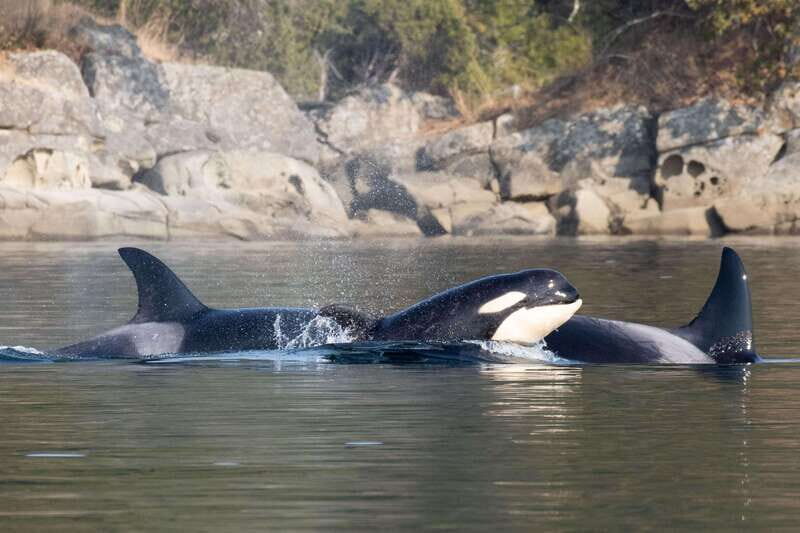
At some point during the cruise, you’ll spend about an hour viewing whales. This is the core of the experience, and it’s where the guide’s on-the-spot explanations make the biggest difference.
During that viewing time, the marine naturalist provides real-time insights into whale behaviors. The practical goal is to help you tell the difference between random sightings and meaningful activity. You’ll get guidance on what behaviors suggest about feeding, socializing, or movement through the area.
You’ll also get onboard help identifying individual whales from the catalogs. That’s a great detail for anyone who loves photos, because it turns your “I saw a whale” memory into “I learned which whale I saw and what it was doing.”
If you’re the type who wants to do something while you watch—scan, compare, ask questions—this setup keeps you engaged. The boat experience is short enough that you stay focused, but long enough to actually observe behavior instead of only glimpsing spouts.
One practical note: open boats can feel more intense up close. Some sightings can bring whales relatively near the vessel, and the team will manage safe viewing distances. That means you should expect the crew to sometimes pause and wait for the right moment, especially if the whales are curious.

Beyond Whales: Sea Lions, Seals, Seabirds, and the Conservation Wrap-Up
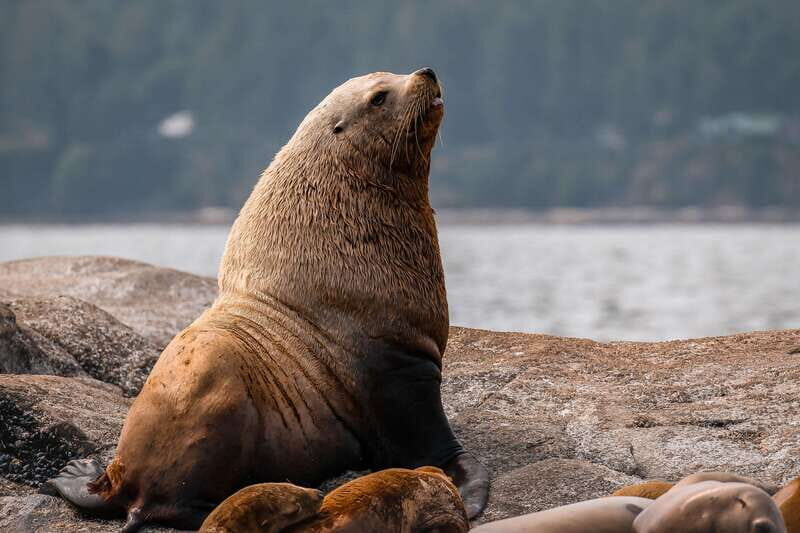
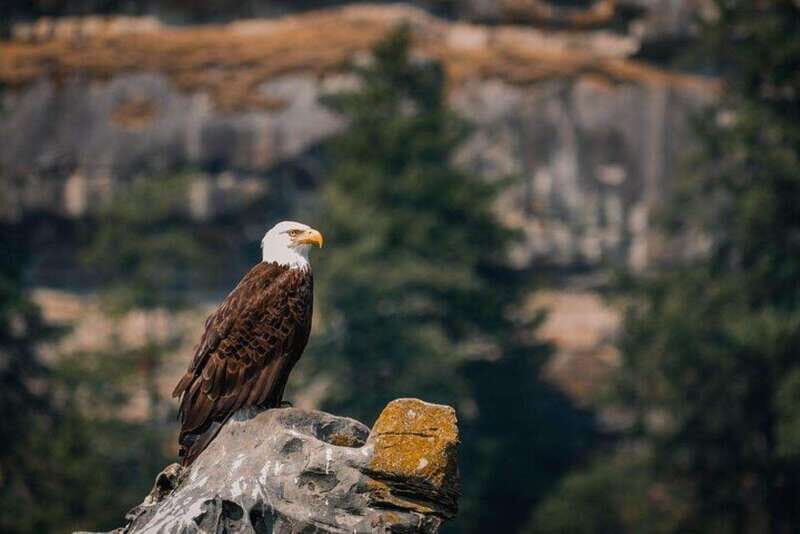
Whales are the headline, but the trip is designed to deliver more than one kind of wildlife. As you cruise and while you’re viewing whales, you may also see other marine life like sea lions and seals, plus seabirds. That matters because it keeps the experience rich even if whale behavior changes or you spot wildlife before whale activity ramps up.
Then you finish with an educational talk on marine conservation with a specific focus on threats to BC orca and what conservation initiatives are working to address those risks. It’s a strong ending because it turns your time on the water into a question: what happens after the sighting? The answer here is that the team frames conservation as active work, not just concern.
This is also where the tour’s values show up. The tour is explicitly framed around focusing on healthy, growing whale populations. That’s a meaningful conservation stance because it supports ethical wildlife viewing practices—watching without turning the whales into a constant target.
Price and Value: Is $182 Worth It for a 4-Hour Nanaimo Cruise?
At $182 per person for a 4-hour experience, this isn’t the cheapest way to go whale watching in the region. The value comes from the combination of factors that affect outcomes: specialized guidance, active searching, and the time you actually spend with whales.
Here’s where the price makes sense. You’re not just getting a ride. You’re getting:
- a professional guide with an academic marine biology background
- a Transport Canada–certified captain
- an anti-exposure suit and onboard toilet
- an hour devoted to viewing whales with real-time explanation
- a route strategy built around VHF communication with other companies
- sightings guaranteed, or your next trip is on us
If you’re the type who cares about learning, that academic guide piece is a big part of the value. It turns the outing into a classroom experience where the lesson is happening in front of you.
If you’re mainly after comfort, you might question the price because open-boat weather can be rough. But if you’re okay bundling up and you want a closer, more hands-on style of whale watching, $182 can feel fair for what you’re getting.
Also, lunch isn’t included. You can budget for that separately, along with parking. Parking nearby is listed at $0.75/hour, so check your plan if you’re driving in.
Who Should Book This Tour (and Who Should Skip It)
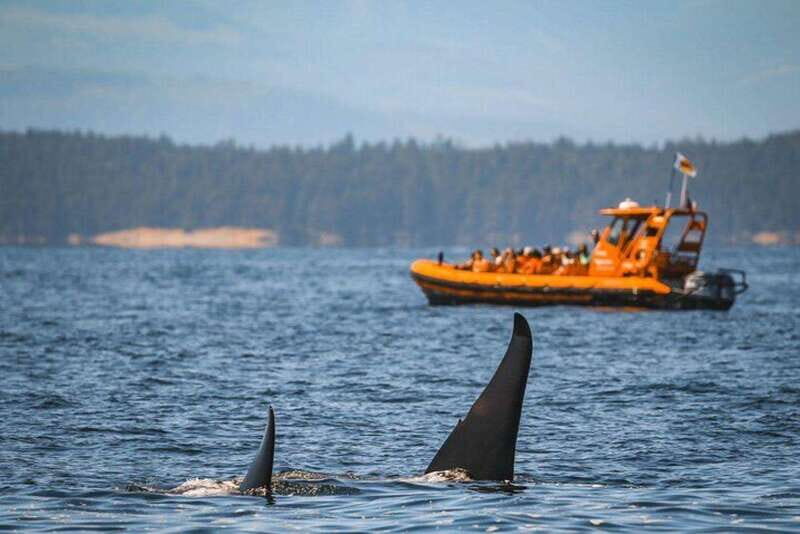
This tour is a great fit if you:
- want a guided whale watch with deeper context about whale roles in the food web
- enjoy learning during a live wildlife search, not only after the fact
- can handle cold spray and a wetter, more exposed boat experience
- like the idea that your sighting contributes to identification data shared with conservation groups
It’s likely less ideal if you:
- want a sheltered, warm boat ride
- are sensitive to being cold and wet outdoors
- need to avoid open-water conditions entirely (pregnant women aren’t suitable for this tour)
The rules also shape the vibe. With no smoking, vaping, alcohol, or drugs allowed, the experience stays focused on the wildlife and the education.
Practical Tips So Your 4 Hours Feel Worth It
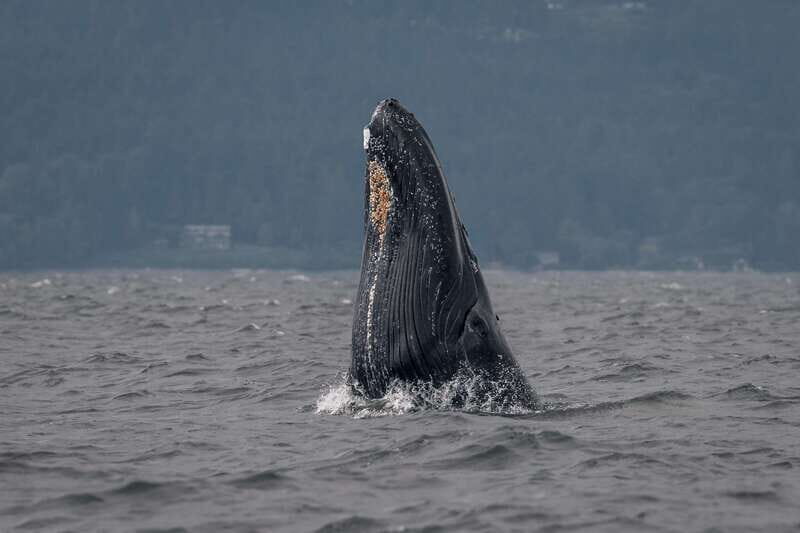
1) Dress for the open boat, not the shoreline. The included anti-exposure suit helps a lot, but you still want layers that work with it.
2) Take the gear hints seriously. If goggles are provided, use them. If gloves are available, bring or use them as directed by the crew.
3) Pack a flexible mindset. The day can involve rougher water, and that’s part of the price of getting out there. Once you’re on whale time, it’s easier to tolerate the ride.
4) Bring questions. This tour’s naturalist and guide style is built around explaining what you’re seeing while you’re seeing it, so ask about behavior and species differences.
5) Budget for lunch. It’s not included, so plan something simple nearby before or after your departure.
Should You Book This Nanaimo Whale Watching Open Boat Tour?
I’d book it if you want a whale-watch that’s more than a scan-and-hope outing. The standout value is the pairing of a marine biology–background guide with an operational search strategy that uses VHF communication, plus an hour of viewing with real-time behavior interpretation.
If you get cold easily or you’re looking for a comfortable, sheltered experience, weigh the open-boat reality carefully. The suit helps, but it doesn’t erase exposure, and the tour isn’t suitable for pregnant women.
If your priority is seeing whales and learning how to read what they’re doing in the Salish Sea, this one is hard to beat for the money and the structure.
FAQ
Where does the tour meet in Nanaimo?
The meeting point is 90 Front St #5, located on Front Street along the downtown Nanaimo waterfront seawall.
How early do I need to arrive?
You’ll check in 45 minutes before your departure time.
How long is the whale watching tour?
The tour lasts about 4 hours.
Is a whale sighting guaranteed?
Yes. Sightings are guaranteed, or your next trip is on the house.
What whale-related learning is included during the cruise?
You’ll get an introduction to the Salish Sea ecosystem and whale natural history, plus real-time insights from a marine naturalist during whale viewing.
What’s included on the boat?
Included features are a professional guide with an academic marine biology background, a Transport Canada–certified captain, a toilet onboard, an anti-exposure suit provided, and sunscreen available.
What should I bring or plan for since lunch isn’t included?
Lunch isn’t included, so plan to eat on your own either before or after the tour. Also consider that you may want to dress for cold, wet open-water conditions even with the anti-exposure suit.
Is alcohol or smoking allowed during the tour?
No. Smoking, vaping, intoxication, alcohol, and drugs are not allowed.