REVIEW · MONTREAL
Montreal: Old Montreal Guided Walking Tour
Book on GetYourGuide →Operated by 16/42 tours · Bookable on GetYourGuide
Old Montreal tells stories fast. I love the small-group size and the way guides like Chantal and Debbie connect what you see to Montreal’s founding and growth, plus the photo-worthy moments around Notre-Dame Basilica. Do wear proper gear because this is an outdoor stroll and you may run into cold or rain.
Meet at the steps of the BMO bank on Place d’Armes, and you’re walking with an English guide right away. In just two hours, you’ll cover the core sights that make Old Montreal feel like a living postcard.
Expect pauses for Saint Lawrence River views, then stop-by-stop context for squares, churches, and historic buildings. By the end, you’ll have a clear sense of where to wander next.
In This Review
- Key takeaways before you go
- Starting at Place d’Armes: why this BMO meetup matters
- Two hours in Old Montreal: how the pace keeps it worth it
- From Place d’Armes to Saint-Paul Street: your “greatest hits” walk
- Old Sulpicians’ Seminary: seeing a landmark with context
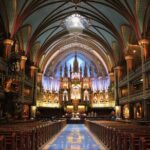
- Notre-Dame Basilica: the classic stop where you actually learn something
- Place Jacques-Cartier and Bonsecours Market: squares, streets, and pause points
- Saint Lawrence River views: getting perspective without a long detour
- How the guides make the tour work (and keep it human)
- What you’ll learn about Montreal’s founding and expansion
- Price and value: $25 for orientation that can save you hours
- What to bring: the small list that prevents big annoyances
- Who should book this tour, and who might skip it
- Should you book the Montreal Old Montreal Guided Walking Tour?
- FAQ
- Where is the meeting point for the Old Montreal guided walking tour?
- How long does the tour last?
- Is the tour offered in English?
- What is the group size limit?
- How much does the tour cost?
- What are the main places you visit during the walk?
- What should I bring with me?
- Is there free cancellation?
Key takeaways before you go
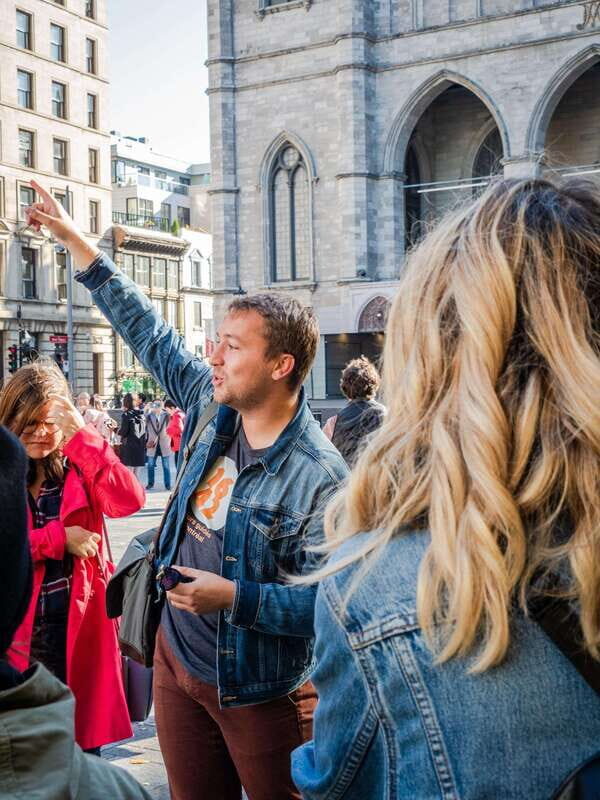
- Max 15 people means a guide can actually answer questions instead of rushing past them
- Two-hour timing fits a quick first day or a short layover without feeling padded
- Old Montreal landmarks on the route include Notre-Dame Basilica and Old Sulpicians’ Seminary
- Saint Lawrence River viewpoints add perspective and a welcome break from streets
- English guided narration keeps the details accessible as you walk
- $25 for a guided orientation is a practical way to spend a small slice of your trip
Starting at Place d’Armes: why this BMO meetup matters
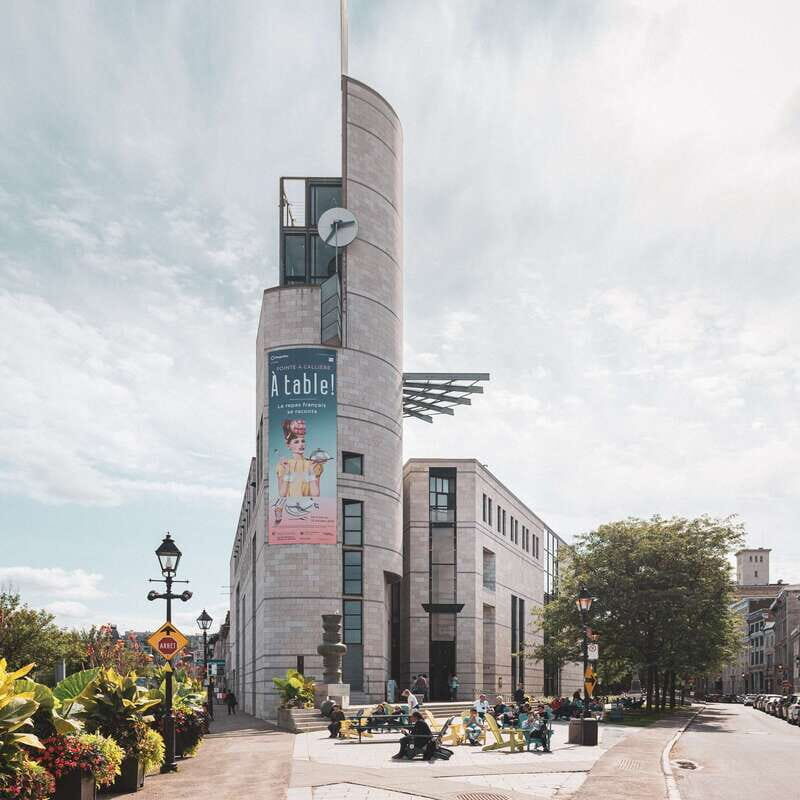
The meeting point is easy to find and easy to remember: the steps of the BMO bank on Place d’Armes. That’s helpful because Old Montreal has a lot of lanes, bends, and side streets. When a tour starts on a public square like this, you don’t waste energy on hunting for the group.
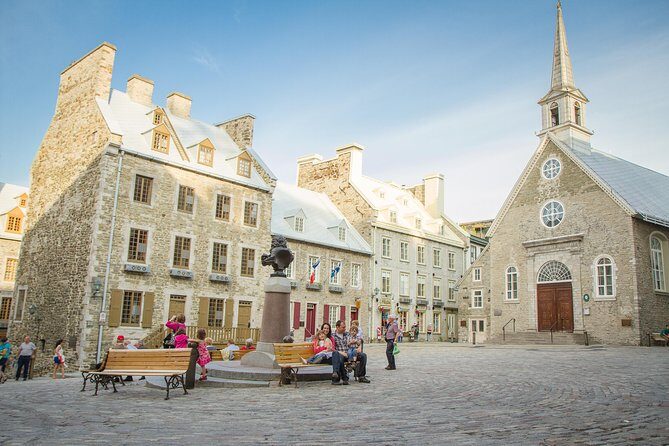
Place d’Armes also sets the tone. You’re already in the middle of the Old Montreal scene, where the buildings feel tightly packed and the streets feel made for walking. It’s a good start for your brain. You get oriented fast, instead of arriving and spending half the day figuring out basic geography.
Also, this tour is built for an English-speaking experience. That sounds obvious, but it matters in a bilingual city where signage and audio guides can split your attention.
You can also read our reviews of more walking tours in Montreal



Two hours in Old Montreal: how the pace keeps it worth it
This is a 2-hour guided walking tour with a maximum of 15 participants. That small cap shows up in how the group moves. You’re not stuck waiting while the slowest person tries to interpret every cobblestone. And you’re not sprinting either.
In practice, the pacing works because the guide keeps you moving between highlight stops while still allowing time for photos and questions. Many guides on this route are known for being lively and for keeping people engaged, including when the group is tiny. On the days the group is smaller than expected, the tour often turns into a more conversational experience—less like a lecture, more like a guided chat with a local.
If you’re the type who likes to ask random questions mid-walk, this format is a good match. The tour encourages that because there are fewer bodies to manage.
From Place d’Armes to Saint-Paul Street: your “greatest hits” walk
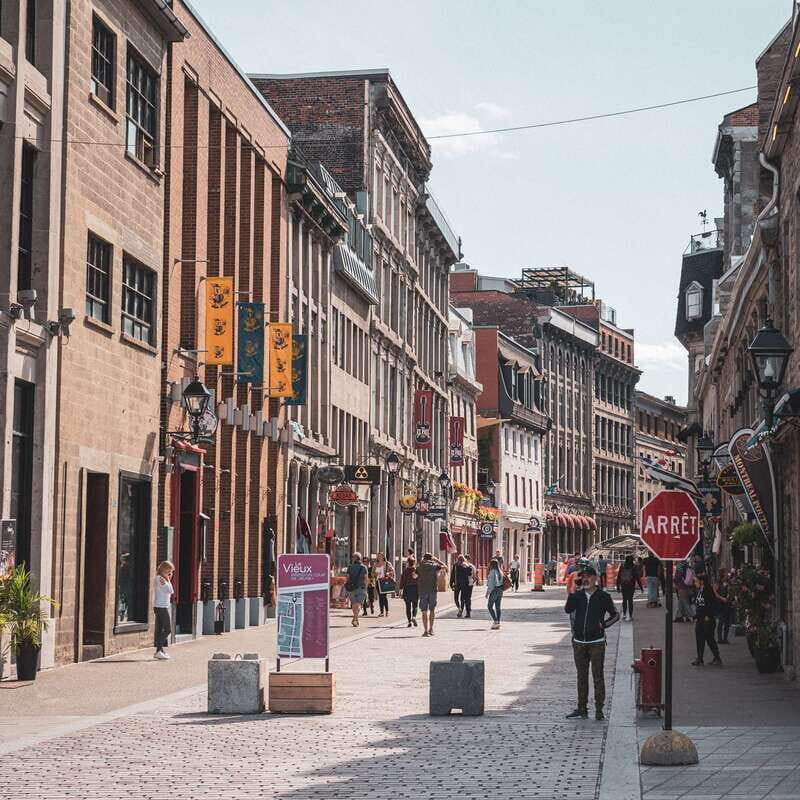
Old Montreal is the kind of place where it’s easy to wander and miss the story. This tour keeps you on a route that hits the major zones without turning it into a checklist.
You’ll start near Place d’Armes and move through the old lanes and squares at a comfortable walking rhythm. Along the way, you’ll get guidance on what to look for—historic architecture, street layout, and the way different buildings relate to each other across the blocks.
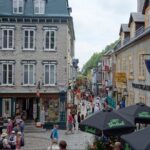
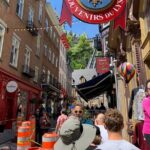
A key street stop is Saint-Paul Street. It’s one of those roads where your eyes naturally want to do the sightseeing for you. The guide adds context so you’re not just taking photos, but also understanding why the street matters in the flow of Old Montreal.
Why I like this approach for you: it gives you a map in your head. When you finish, you’re more likely to return to the streets you enjoyed most, because you know how to get back there.
Old Sulpicians’ Seminary: seeing a landmark with context
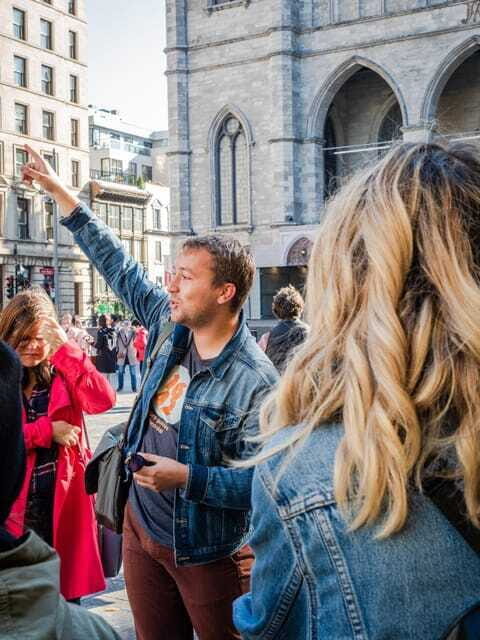
One of the standout stops is the Old Sulpicians’ Seminary. You’ll get a chance to admire the landmark and also get the story connected to it—how Montreal formed, and how the city expanded over time.
This is where a good guide earns their pay. You’re not just pointing at a building. You’re learning what kind of place it was in the city’s development, and how it fits into the Old Montreal identity.
What to do during this stop: slow down your photo-taking for 30 seconds and listen. The details that make a seminary meaningful are often in the timing and the role it played, not in how flashy the exterior is.
If you’re traveling with someone who prefers history but doesn’t want a museum crawl, this stop is a strong compromise: you’re outdoors, you’re moving, and you’re still getting substance.
Notre-Dame Basilica: the classic stop where you actually learn something
Next up is Notre-Dame Basilica. It’s one of the most recognizable landmarks in Old Montreal, but the value of this tour is that you don’t just see it—you learn how it fits into the larger Montreal story.
The guide helps connect what you’re seeing to the city’s founding and later growth, so the basilica doesn’t float in your memory as a random photo spot. It becomes part of the bigger narrative.
Photo tip that actually helps: take your first photo from the main sightline the guide recommends, then wait for a second angle when you’re closer. That simple two-step often turns a bland picture into one with more depth and better framing of the building in its street setting.
This stop is also a good checkpoint for your energy. If you’ve been walking and listening for a while, you’ll appreciate that the tour doesn’t rush past the most visually rewarding moment.
You can also read our reviews of more guided tours in Montreal






Place Jacques-Cartier and Bonsecours Market: squares, streets, and pause points
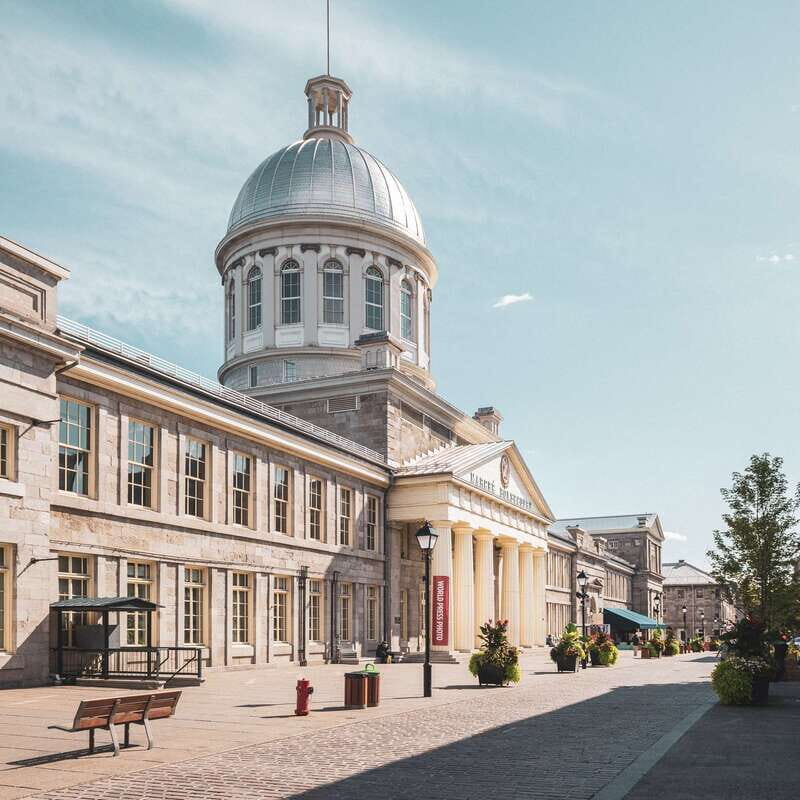
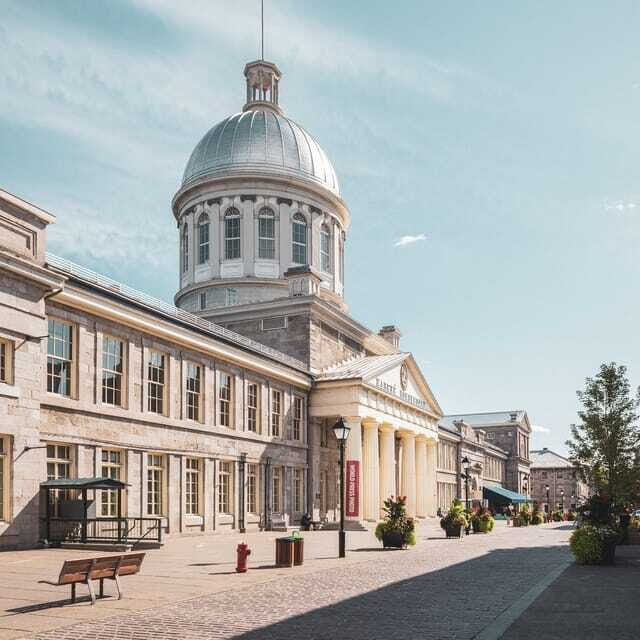
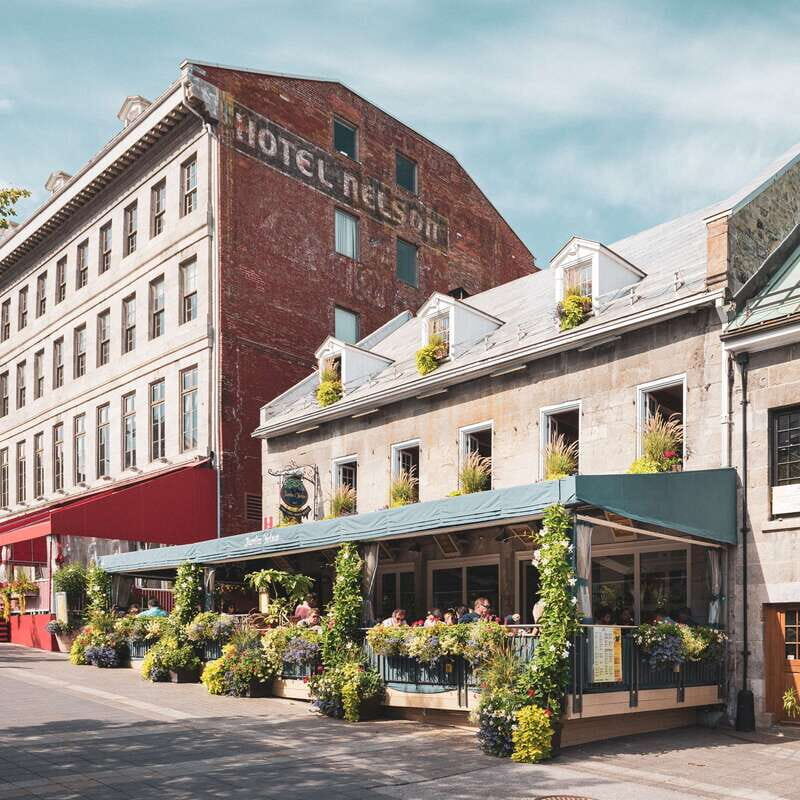
Two more anchors on your route are Place Jacques-Cartier and Bonsecours Market. These are the kinds of spaces where Old Montreal feels like a designed city room—you get the sense of scale, and you can see how the historic core opens up into squares.
The guide uses these stops to explain layers of the city’s growth. You’ll hear how Montreal expanded and why the Old Montreal area remains important today.
Why these stops are smart for a short tour:
- They’re visual rest breaks, not just transit points.
- They help you understand how the city organizes space—squares for gathering, streets for movement, landmarks for identity.
- You can step back, take a breath, and still feel like you’re actively learning.
If you want to do more than look, ask a question here. For example, you can ask what area you should return to for a longer walk later. This kind of local guidance often makes the rest of your trip easier.
Saint Lawrence River views: getting perspective without a long detour
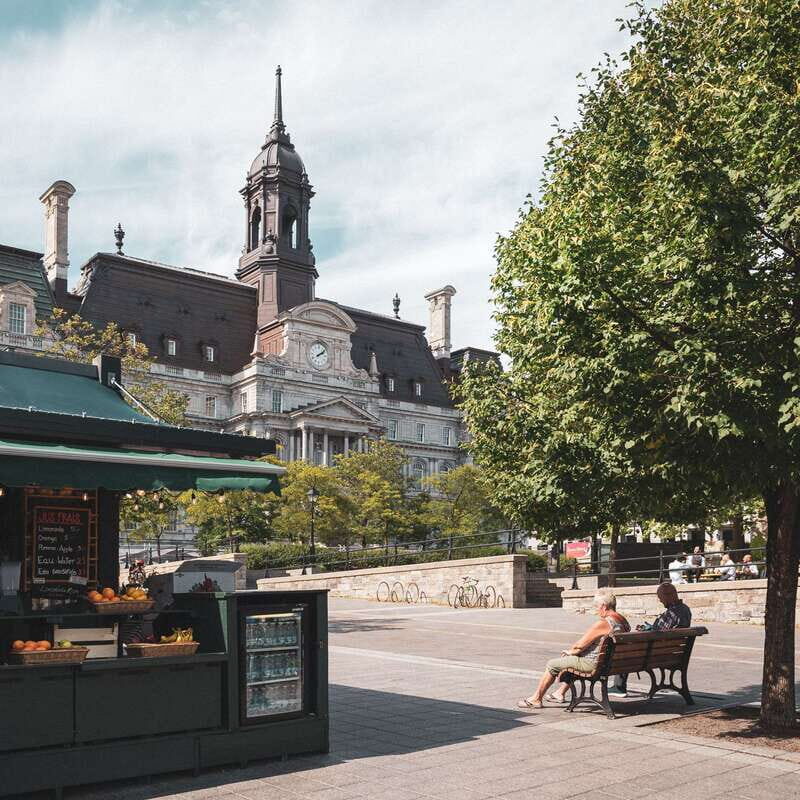
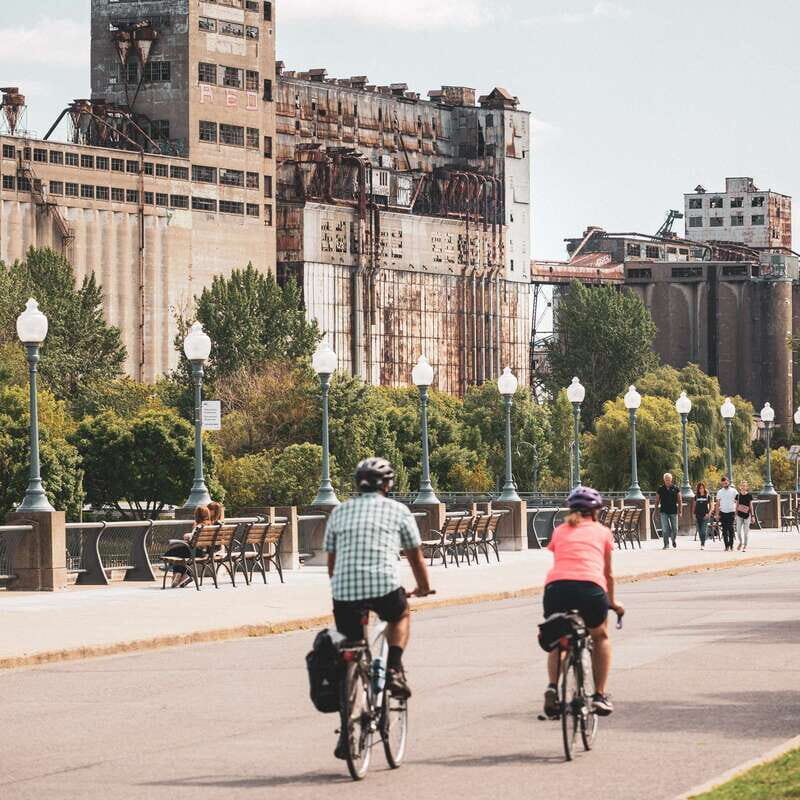
Old Montreal can feel like you’re surrounded by historic walls and tight streets. That’s exactly why the Saint Lawrence River viewpoints are such a good inclusion.
The tour includes moments where you stop to enjoy the views of the river. That simple change of scenery gives your brain a break and helps you understand the geography. When you see the river from a higher or open angle, the city’s layout makes more sense.
If you’re visiting in cooler months, these pauses can also be the most “cold-weather real” moment—so plan to wear something that you can tolerate standing still for a few minutes.
But even when the weather isn’t perfect, the viewpoint stops are worth it. They’re the kind of thing you’ll remember later, even if you don’t remember every fact.
How the guides make the tour work (and keep it human)
The biggest pattern across the experience is guide quality. People consistently describe guides as friendly, on time, and genuinely engaged in sharing Montreal. Names that come up again and again include Sandrine, Chantal, Debbie, Louise, Eduardo, Elise, Madeleine, and Francoise.
Here’s what that means for you: you’ll get a guide who can explain the story behind what you’re seeing, and who’s comfortable answering questions on the spot. The tour format supports that because it stays small (max 15).
One small detail I really value: guides also help with what happens after the walk. Many participants note that their guide pointed them toward museums and places to eat, which is exactly what you want from a first-day tour—practical next steps, not just facts.
What you’ll learn about Montreal’s founding and expansion
This tour is designed to connect the dots. You’ll learn how Montreal was founded and how the city expanded into a major Canadian metropolis.
The key isn’t that you’ll leave with a full timeline memorized. The key is that the landmarks become meaningful. Instead of seeing buildings as separate photos, you understand how the city grew around them.
A good guided history walk should do two things:
- Give you a basic framework.
- Help you see that framework in the streets.
This experience does both. And that’s why it works even for people who don’t normally care about history. Once the city story clicks, Old Montreal becomes easier to enjoy on your own.
Price and value: $25 for orientation that can save you hours
At $25 per person for a 2-hour English guided walk, the value is in what you get per minute: landmarks, context, and a route that helps you build your bearings.
Could you do Old Montreal on your own for free? Sure. You could also spend half a day zigzagging and still miss the “why” behind the places you photo. This tour compresses that learning into a short window with a guide doing the organizing.
The group size matters for value too. With a max of 15, you get more chance to ask questions. That makes your $25 feel less like paying for movement and more like paying for translation of the city.
Also, there’s a practical flexibility angle: you can reserve with pay later and you can cancel up to 24 hours in advance for a full refund. That reduces the stress of planning—especially in a city where weather can change your comfort level quickly.
What to bring: the small list that prevents big annoyances
This tour recommends practical basics, and you’ll be happier if you follow them:
- Comfortable shoes (Old Montreal’s streets will test you)
- Snacks and water
- A reusable water bottle
If you want one extra comfort move: bring a layer you can adjust. Even when the weather looks fine at the start, standing and walking in historic streets can make it feel colder or hotter than you expect.
A “snacks” reminder matters too. Two hours sounds short, but if you’re sightseeing before or after, you’ll appreciate having something on hand so you don’t end the tour thinking about food instead of the city.
Who should book this tour, and who might skip it
This tour is a strong choice if you:
- want a quick Old Montreal orientation
- like history but don’t want a long museum day
- prefer a small-group format where questions are welcome
- need an English guide to keep the details clear
You might consider skipping (or pairing differently) if you:
- already feel confident about Old Montreal and want deeper time on a single area
- don’t enjoy walking in outdoor weather conditions, since this is a street-focused experience
If you’re uncertain, think of it this way: this is a fast way to understand the city core, not a replacement for slower exploring.
Should you book the Montreal Old Montreal Guided Walking Tour?
If you want the easiest route to a stronger Old Montreal experience, I’d book this. It’s short, it’s guided in English, and it hits the landmarks that help you understand why Old Montreal looks the way it does—plus it adds Saint Lawrence River views for perspective.
When the tour includes a friendly, energetic guide (names like Chantal, Debbie, Eduardo, Elise, and others pop up often), the whole walk feels like a story you can follow. For $25, that’s a pretty smart way to turn two hours into a trip you’ll remember.
FAQ
Where is the meeting point for the Old Montreal guided walking tour?
Meet your guide on the steps of the BMO bank, on the Place d’Armes.
How long does the tour last?
The tour lasts 2 hours.
Is the tour offered in English?
Yes. The guided tour is in English.
What is the group size limit?
This is a small group tour with a maximum of 15 participants.
How much does the tour cost?
The price is $25 per person.
What are the main places you visit during the walk?
You’ll visit places such as Place d’Armes, the Old Sulpicians’ Seminary, Notre-Dame Basilica, Place Jacques-Cartier, Bonsecours Market, and Saint-Paul Street.
What should I bring with me?
Bring comfortable shoes, snacks, water, and a reusable water bottle.
Is there free cancellation?
Yes. You can cancel up to 24 hours in advance for a full refund.