REVIEW · NOVA SCOTIA
Medway Lakes Canoe Trip 3-Day
Book on Viator →Operated by Whynot Adventure Outfitters · Bookable on Viator
Big-sky canoe time beats the usual grind. This Medway Lakes 3-day canoe trip is built around real backcountry paddling and a guide who makes it feel easy—right from the South Milford meetup and the Boot Lake start. I especially like how the trip’s logistics are handled for you, so you can focus on the water, the quiet, and the moments that feel genuinely wild.
Two things I love: the all-in gear setup (canoes, tents, safety stuff, and even sunscreen and bug repellent) and the way the food keeps pace with the effort—breakfasts, dinners, and three lunches included. One possible drawback: rain gear is not included, so if you tend to get cold or damp fast, plan to bring your own protective layers.
In This Review
- Key highlights to know before you go
- Entering the Medway Lakes experience (and why it feels authentic)
- The wildlife focus is practical, not performative
- You’re paying for the full backcountry “system”
- South Milford check-in and the Boot Lake setup you’ll feel later
- The duffle shuffle: where personal items go
- Bring less, but bring smart
- Day 1 on Boot Lake: unload, lunch, and your first real paddling feel
- What can make Day 1 harder (or better)
- Camping energy starts early
- Day 2 on Rocky Lake: the long paddle day with sand, shade, and a turn in pace
- Deep point energy, then a steady return
- Why this day is great for wildlife and stars
- Weather is a real factor—just don’t overreact
- Day 3 on Boot Lake: the backwater unwind and the Outpost finish
- The mental payoff is huge
- What’s included (and what you should bring) for a stress-free canoe camp
- Included on the trip
- Vegetarian and dietary needs
- What’s not included: rain gear
- Wildlife moments and stargazing: when nature does its job
- The night sky is part of the itinerary
- Low water can change the vibe
- Price and value: is $831.18 per person fair for this kind of trip?
- Who this canoe trip suits best (families, first-timers, and calm-adventure fans)
- If you like quiet, you’ll like this
- If you hate uncertainty, pack flexibility
- Should you book the Medway Lakes Canoe Trip?
- FAQ
- Where is the meeting point?
- What time does the trip start?
- Where does the trip end?
- How many people are in a booking?
- Is equipment included?
- What meals and drinks are included?
- Are vegetarian options available?
- Is rain gear included?
- When will I receive confirmation?
- What’s the cancellation policy if weather changes?
Key highlights to know before you go
- Private Boot Lake property start that cuts the driving and avoids an extra park entrance stop
- Small group size (max 8, min 4) for a more personal feel
- Meals are fully handled with vegetarian options available if you request them
- Wildlife and night skies are a big part of the experience, not a side quest
- Low-water reality check: rocky sections can mean a tougher paddle-and-carry day
- Guide names matter here—you may paddle with pros like Dylan, Karlene, or Carleen
Entering the Medway Lakes experience (and why it feels authentic)
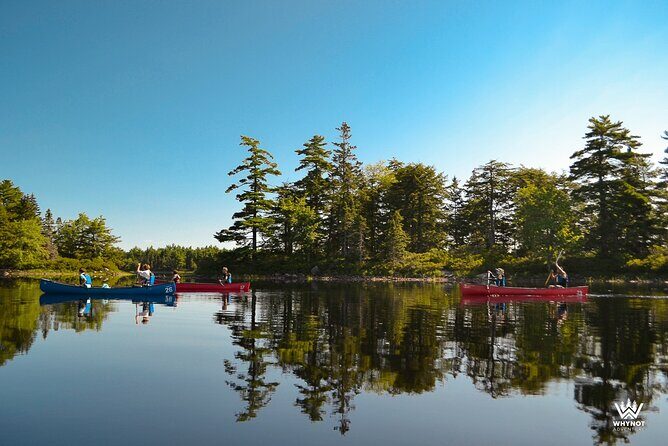
This is the kind of canoe trip where the day starts outside your normal routine. You’ll meet in South Milford, then head to a private gated property on Boot Lake. From there, the plan is simple: paddle between the lakes, camp for two nights, and let your guide steer you toward good routes, good timing, and good wildlife odds.
Nova Scotia canoe camping has a special rhythm. It’s not about racing to the next Instagram view. It’s about slowing down just enough to notice things: birds calling from the trees, the water changing color as you paddle into shade, and the steady work of getting your boat where you want it.
I also like the tone of this trip. The vibe is friendly and professional, and the guides seem to care about how comfortable you feel—not just whether you can keep a steady stroke.
A few more Nova Scotia tours and experiences worth a look
The wildlife focus is practical, not performative
Wildlife watching works best when it’s built into the canoe route and camp routine. On this trip, you’re outside in a natural environment for multiple days, and that increases your chance of seeing frogs, eagles, and kingfishers. You’re also far enough from the usual distractions that the dark-sky effect is real—one group specifically noted clear views of the Milky Way.
You’re paying for the full backcountry “system”
At $831.18 per person for about three days, you’re not just renting a canoe and calling it an adventure. The price covers the guide, two nights of accommodation, all meals and snacks, plus the group gear. In other words, you’re paying for convenience and safety, but also for local route know-how.
South Milford check-in and the Boot Lake setup you’ll feel later
Your day starts at the South Milford meetup: 5439 Nova Scotia Trunk 8, South Milford, NS B0S 0B3. You’ll park there and then follow your Whynot Adventure guide in your own vehicle to the private gated property on Boot Lake.
I like this structure because it cuts hassle. You don’t arrive, hunt for a launch point, and then guess what comes next. Instead, you show up, unload in one place, and get a quick system for what goes where.
The duffle shuffle: where personal items go
Once you arrive at Boot Lake, expect the routine to be organized and efficient. You’ll unload canoes and gear, then do the duffle shuffle—everyone gets a waterproof pack for personal items. This matters more than you’d think. It keeps your “stuff you actually need” protected when you’re paddling, splashing, and camping.
Then lunch happens before you push out into the wilderness. It’s a small thing, but it’s smart. You start paddling fueled, not frantic.
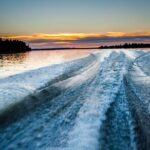

Bring less, but bring smart
You won’t be packing everything like a backpacking trip. That’s the whole point. In practice, it’s mostly clothes and toiletries, plus whatever extra layers you want for weather. The guides handle the heavy lifting: tents, canoes, safety gear, and the group equipment.
Day 1 on Boot Lake: unload, lunch, and your first real paddling feel
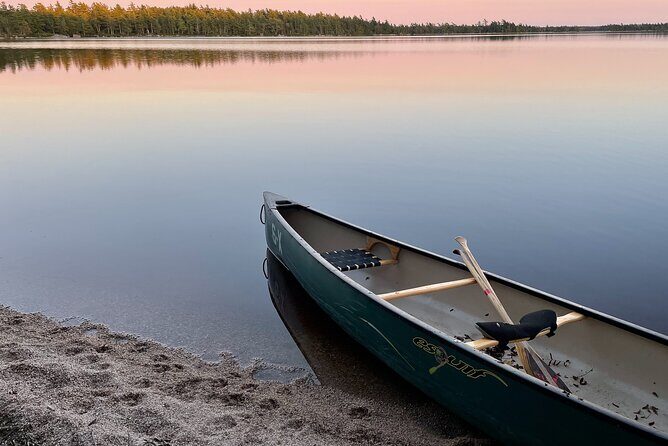
Day 1 is about getting you comfortable with the rhythm: unload, protect your personal items, eat, then paddle. You’re on Boot Lake first, with the guide leading from the start so you’re not guessing boat handling or route choices.
This is also where you’ll get a quick taste of the backcountry mood. Even before you reach the deepest parts of the route, you’re already surrounded by Nova Scotia’s mix of pines, shoreline shapes, and quiet water. If you’ve only paddled on calm lakes near home, you’ll notice how quickly the woods changes the soundscape.
What can make Day 1 harder (or better)
The biggest variable is water level. One strong theme from experiences on this route is that low water can show up. When it does, you might deal with rocky sections and more effort, including crossing areas like Pikes Run. Low water isn’t a disaster—it just means you should expect some work, not just effortless floating.
If you’re the type who likes a challenge, that can make the trip more satisfying. If you’re nervous about rougher conditions, lean on your guide. This kind of trip is very much about teamwork.
Camping energy starts early
Even if Day 1 feels like setup and orientation, you’ll still get that “we’re in it now” feeling. Unplugging happens fast here. After a few hours on the water, the camp tasks feel lighter. You’re tired in the good way.
Day 2 on Rocky Lake: the long paddle day with sand, shade, and a turn in pace
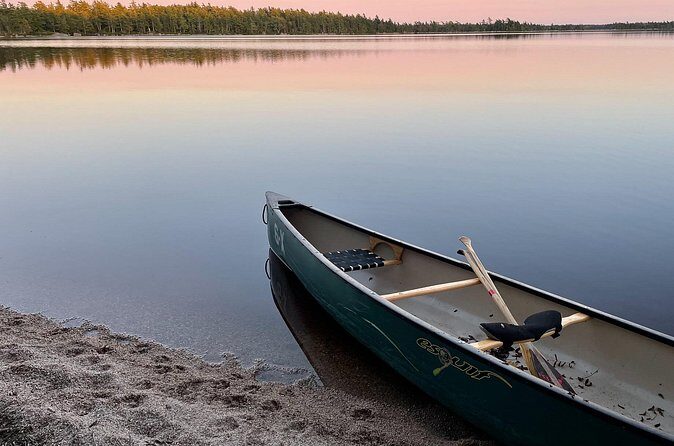
Day 2 is the long one: about 8 hours. Rocky Lake is the focus, and it has the kind of shoreline you want for mid-trip recovery—sandy beaches, shade under pines, and areas that feel made for stretching your legs and regrouping between paddling segments.
This day is where canoe trips usually either win you over or lose you. The reason this one tends to work is that the route includes natural breaks and camp-worthy shorelines, so you’re not constantly “in transit.” Even when you’re paddling steadily, there’s space to catch your breath and enjoy the scenery without pretending it’s a race.
Deep point energy, then a steady return
Rocky Lake is described as having a deepest point on the trip before you work your way back. That gives the day a shape: you push into the middle, then you settle into the return flow.
I think that matters for first-timers. You get a clear sense that effort has a payoff.
Why this day is great for wildlife and stars
Day 2 also sets up your evening sky. When you’re not surrounded by light pollution and you’ve got time to relax after paddling, the stars go from background to highlight. One trip experience included star gazing with the Milky Way clearly visible. That kind of night sky doesn’t happen if you rush.
Weather is a real factor—just don’t overreact
The trip operates in all weather conditions, but it also requires good weather. That’s a helpful distinction. Expect that your guides plan for normal conditions, but if weather turns ugly, the operator can shift dates. What you don’t want is to show up under-prepared for damp or wind.
Day 3 on Boot Lake: the backwater unwind and the Outpost finish
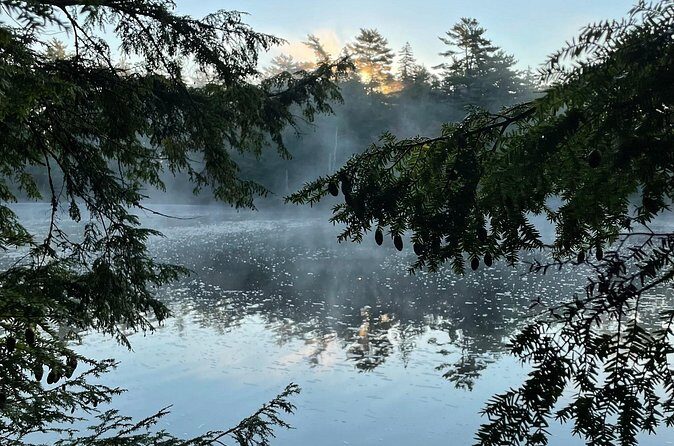
Day 3 is shorter, about 4 hours. It’s a paddle and exploration back to the Boot Lake Outpost, where your vehicle is parked. Translation: you’ll have enough morning time to enjoy the water without feeling like the entire trip is one last grind.
I like Day 3 because it lets you end on your terms. You’re not dragging yourself out. Instead, you’re moving through a familiar space—Boot Lake again—with the calm mindset of “we already did the hard part.”
The mental payoff is huge
Three days in a canoe shifts your brain. You stop thinking in tasks and start thinking in rhythm: paddle stroke, breath, glance at the shoreline, then repeat. On the final day, that rhythm becomes comfortable.
And when you reach the Outpost, you get that mix of relief and wish-you-could-stay. That’s usually the sign you picked a good route.
What’s included (and what you should bring) for a stress-free canoe camp
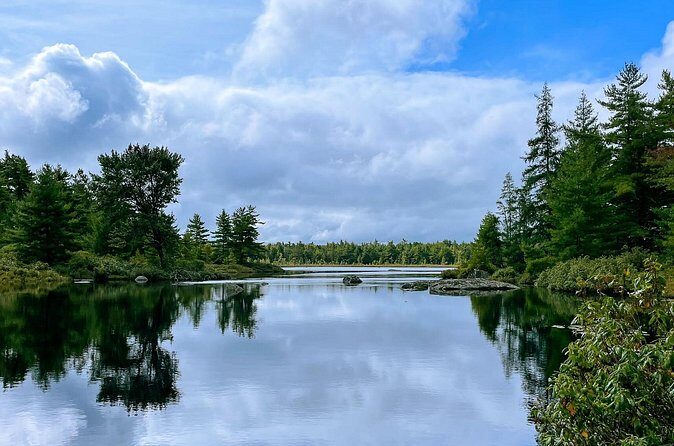
This is where the trip earns its price tag. Included basics are strong and practical.
Included on the trip
You get:
- Professional guide
- 2 nights accommodation
- All meals, snacks, and drinks (2 breakfasts, 2 dinners, and 3 lunches)
- All group equipment including tents and canoes
- Safety equipment
- Secure parking
- Sunscreen and bug repellent
- A waterproof pack system for personal items during setup
In multiple experiences, guides were praised for making the whole setup feel smooth and well organized—right down to having camping comfort items like chairs as part of the overall camp setup.
Vegetarian and dietary needs
Vegetarian options are available. If you need vegetarian or other dietary arrangements, you should advise at booking time. In one set of experiences, vegetarian or vegan meals were provided throughout the trip, and the food was described as plentiful and excellent.
What’s not included: rain gear
Rain gear is not included. That’s the main “you must handle this” item. If you own a rain jacket and waterproof pants, bring them. If you don’t, consider borrowing or buying cheap basics before you go.
Also pack your own clothes and toiletries. You’ll have a waterproof pack for personals, but that doesn’t magically make damp gear comfortable.
Wildlife moments and stargazing: when nature does its job
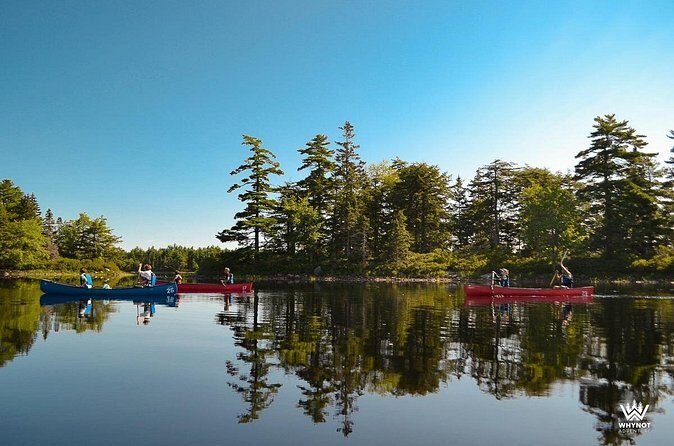
This trip is built for noticing wildlife without turning it into a chore. You’re outside for multiple days, and when wildlife is active, you’re present in the right place.
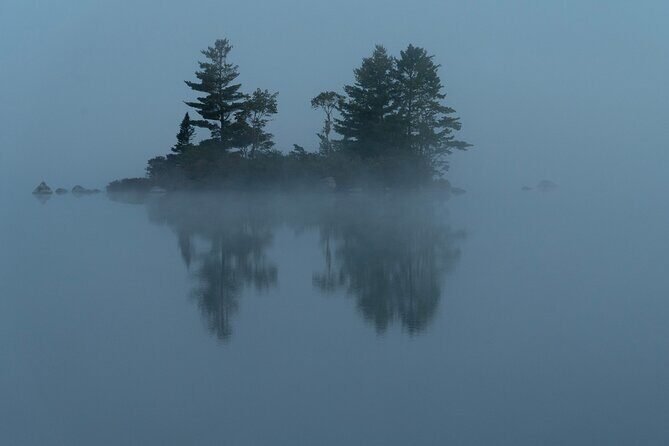
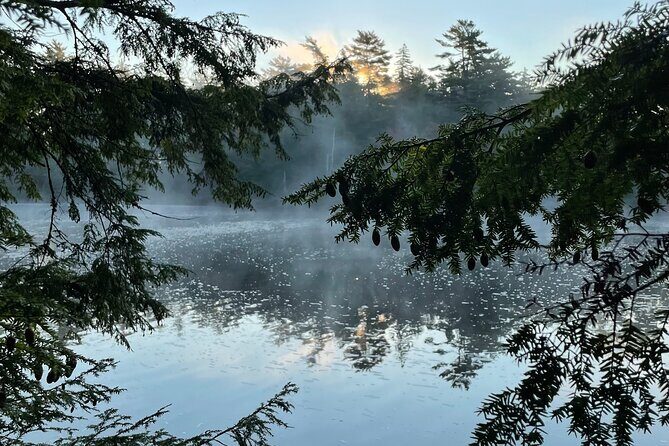
One described set of experiences included mist hugging the water in the morning, plus sightings like frogs, eagles, and kingfishers. Another experience highlighted the quiet and calm of the canoe trip, with peace even when there were challenging conditions nearby.
The night sky is part of the itinerary
Dark skies aren’t a sales line here. They’re an outcome of the location and timing. If the cloud cover cooperates, you can get a clear Milky Way view. When you’ve been paddling all day, star gazing feels earned, not forced.
Low water can change the vibe
If you’re unlucky with rainfall, low water can make rocky crossings more work—sometimes including rocky navigation between lakes. One experience used the phrase low water but high spirits, which is basically the right attitude.
If you’re physically capable of walking a bit over rocks and lifting gear with your group, you’ll be fine. If you’re hoping for only smooth, easy paddling, keep your expectations flexible.
Price and value: is $831.18 per person fair for this kind of trip?
Let’s talk value like grown-ups.
At $831.18 per person, you’re paying for:
- a guide for the full multi-day experience
- two nights accommodation
- all meals, snacks, and drinks
- canoes, tents, and safety equipment
- group gear management
- secure parking
- sunscreen and bug repellent
If you tried to DIY this trip, you’d still need transportation planning, gear rentals, food for multiple days, and a route you can safely navigate. The guide and outfitting remove a lot of “unknowns,” and that’s where the money goes.
Also, the group size is capped at 8. That means you’re not stuck in a huge group where the guide can’t notice your questions or comfort level.
I’d call it good value if you want the backcountry experience without the logistics headache.
Who this canoe trip suits best (families, first-timers, and calm-adventure fans)
This trip is an ideal choice for families, and it’s also a strong match for canoe novices. One family of four described the trip as a great option for beginners, with the guide being patient and encouraging and providing useful tips about the local area.
There’s also mention of a paddle length that works well for kids. So if you’re traveling with younger paddlers, this isn’t a “suffer through it” route by default. Still, low water can add effort, so manage that part in your planning.
If you like quiet, you’ll like this
Trips that focus on stargazing, wildlife, and serene paddling tend to suit people who enjoy calm. One experience described the trip as tranquil and serene and emphasized peace as the main takeaway.
If you hate uncertainty, pack flexibility
The only “wild” card is the natural one: weather and water level. It’s why the trip depends on good conditions. But because the operator runs it in all weather conditions and plans for it, you’re not walking into chaos—you’re walking into nature.
Should you book the Medway Lakes Canoe Trip?
I’d book it if you want a genuine Nova Scotia canoe-camping experience with minimal planning stress. This is especially strong for families, first-time canoeists, and anyone who cares about wildlife and night skies.
I’d think twice if rain gear is a dealbreaker for you and you don’t want to bring your own. Also, if you’re expecting flat, effortless paddling no matter what, low-water rocky sections can change the feel of the route.
If you show up with the right layers, a flexible mindset, and a willingness to follow your guide’s pace, you’ll probably leave with the kind of story that starts with one word: quiet.
FAQ
Where is the meeting point?
The meeting point is 5439 Nova Scotia Trunk 8, South Milford, NS B0S 0B3, Canada.
What time does the trip start?
The start time is 11:00 am.
Where does the trip end?
This activity ends back at the meeting point in South Milford.
How many people are in a booking?
There’s a maximum of 8 travelers per booking, and a minimum of 4 people required.
Is equipment included?
Yes. You’ll get all group equipment, including tents and canoes, plus safety equipment.
What meals and drinks are included?
All meals are included, along with snacks and drinks: 2 breakfasts, 2 dinners, and 3 lunches.
Are vegetarian options available?
Yes. Vegetarian options are available—advise at the time of booking.
Is rain gear included?
No. Rain gear is not included.
When will I receive confirmation?
Confirmation is received within 48 hours of booking, subject to availability.
What’s the cancellation policy if weather changes?
You can cancel up to 6 days in advance for a full refund. If it’s canceled due to poor weather, you’ll be offered a different date or a full refund.