REVIEW · BANFF
Lake Minnewanka, Peyto Lake, Bow Lake , Icefields
Book on Viator →Operated by Westar Travel Ltd. · Bookable on Viator
A day trip that feels like a mini road trip across the Rockies. I love how efficiently this route hits the big-name viewpoints like Peyto Lake and the Icefields Parkway, and I like that you get a real guided plan instead of trying to sort buses and parking. The main trade-off is time: most stops are short, so if you want long hikes, you’ll feel a little rushed.
You also get the comfort of an air-conditioned vehicle and English-speaking guide/driver, plus park fees and transportation baked in. I especially appreciated how guides can turn quick roadside stops into something memorable, with names like Ahmed and Bryce Aulin coming up for lively storytelling and practical photo help. Just note that winter timing can bring different conditions (and different sights), so your experience will swing with weather.
In This Review
- Quick Highlights That Matter on This Banff–Icefields Day Trip
- Getting Started: Pickup Times From Calgary, Canmore, or Banff
- Banff National Park First: Where the Day Gets Its Bearings
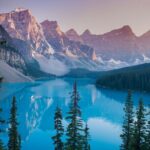
- Peyto Lake: The Wolf-Shaped Icon, Built for Photos
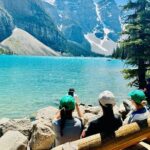
- Bow Lake on the Icefields Parkway: Short Stop, Big Glacier Views
- Lake Louise Village Lunch Stop: Plan Your Meal, Don’t Count on It
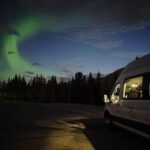
- Vermilion Lakes: Winter Chances for Aurora and Bubble-Ice Detail
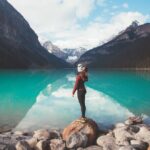
- Lake Minnewanka and Two Jack Lake: The Calm Payoff at Day’s End
- Timing, Traffic, and Why Some Stops Feel Short
- Guides and Group Size: The Difference Between a Tour and a Trip
- What’s Included in the Price, and Where Extra Costs Sneak In
- Is $89.37 Good Value for This Icefields Day?
- Who This Tour Fits Best (And Who Might Want Another Plan)
- Should You Book This Banff–Icefields Day Trip?
- FAQ
- How much is the tour?
- How long is the experience?
- Where can I get picked up?
- What stops are included?
- Is lunch included?
- What’s included in the price?
- Are meals and personal expenses included?
- What languages is the tour offered in?
- What’s the group size limit?
- Is free cancellation available?
- What happens if weather is poor?
Quick Highlights That Matter on This Banff–Icefields Day Trip
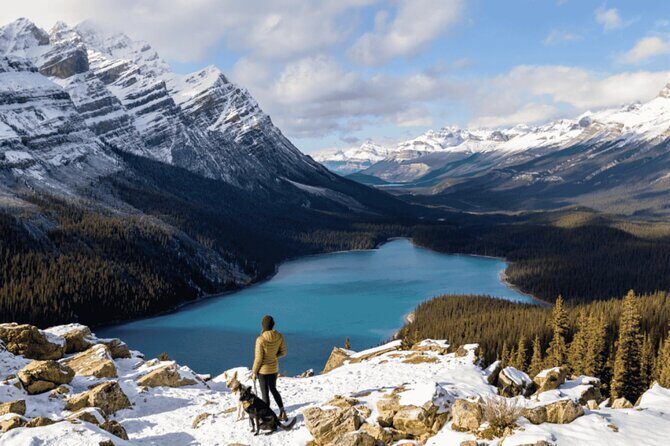
- Peyto Lake’s iconic viewpoint: 30 minutes that’s usually enough for photos and a calm look at the turquoise water.
- Icefields Parkway hits: a focused stop at Bow Lake with big glacier-and-mountain views nearby.
- Vermilion Lakes winter potential: you might catch Northern Lights, plus the eerie bubble-layer ice detail.
- Lake Minnewanka + Two Jack: glacial-lake serenity to close out the day for easy walking and last photos.
- Small-group feel (up to 50): less chaotic than the biggest bus tours, and easier to hear the guide.
Getting Started: Pickup Times From Calgary, Canmore, or Banff
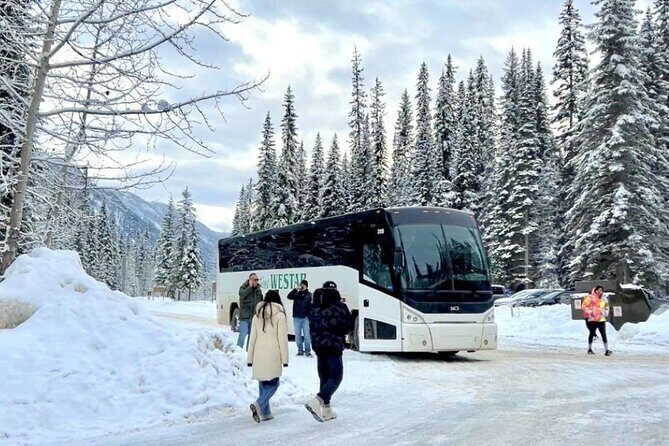
This tour is built for convenience from three main bases: Calgary, Canmore, and Banff. The difference matters. If you board in Calgary, you’re looking at about 1.5 hours to reach Banff before the sightseeing starts. If you’re picked up in Canmore, it’s about 20 minutes. That time gap can change how “full” your day feels, especially after a long drive back.
The day moves with a guide in an air-conditioned vehicle. That’s a real quality-of-life detail on hot summer days and on colder shoulder seasons. It also helps that you’re not responsible for the logistics of parking or finding the next pull-off—your job is basically to show up, grab a camera, and be ready when the bus stops.
One more practical note: your arrival time in Banff can shift with weather and traffic. In the Rockies, that’s not a failure—it’s the reality of mountain roads. Your best move is to keep your expectations flexible and your snack stash ready.
You can also read our reviews of more tours and experiences in Banff.
Banff National Park First: Where the Day Gets Its Bearings
The itinerary begins inside Banff National Park with a short entry moment and the guide getting everyone oriented. Even if you’ve been to Banff before, this early part helps you understand what you’re about to see and why the Rockies look the way they do.
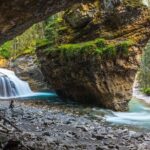
This is also where you may see some of the classic Banff-area stops highlighted for this route, such as Bow Falls and Johnston Canyon. Johnston Canyon is a frequent favorite for its waterfalls and gorge scenery, but it’s also one of those places where crowds can tighten timing. If your group hits peak line time, your walking window can feel shorter than you hoped. The good news is the canyon scenery usually gives quick payback for the effort.
For first-timers, I like this approach: you get a taste of Banff’s character early, then the schedule shifts into bigger “wow” scenery along the Icefields Parkway.
Peyto Lake: The Wolf-Shaped Icon, Built for Photos
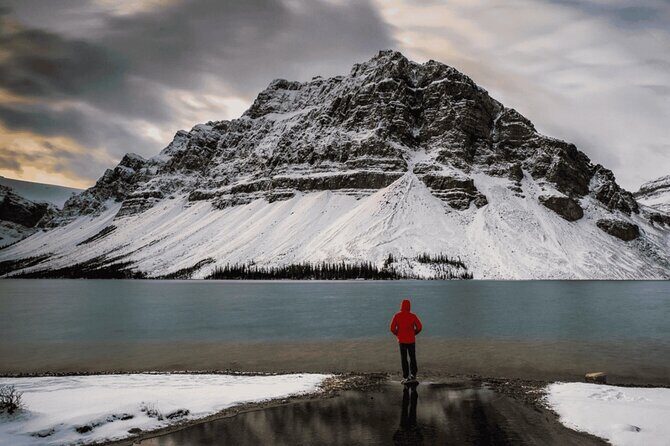
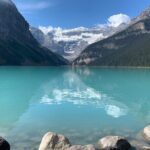
Peyto Lake is the kind of stop that needs very little explanation: turquoise water, a famous shape that people talk about for years, and a viewpoint designed for quick wow.
On this tour, you get about 30 minutes. That’s a smart amount of time for most people. You can park your brain at the viewpoint long enough to take photos, check out the lake’s coloring, and even do a short bit of walking if the weather is cooperating. You don’t need an all-afternoon commitment to still feel like you saw something special.
Why this stop works: Peyto is one of those views where the “best” experience is looking, not hiking. Even if you’re not a big trail person, you’ll still leave with pictures that look like postcards.
Possible drawback: 30 minutes goes fast if you’re waiting for the exact best angle or if the viewpoint is busy. If you’re traveling during peak season, showing up ready to shoot immediately helps.
Bow Lake on the Icefields Parkway: Short Stop, Big Glacier Views
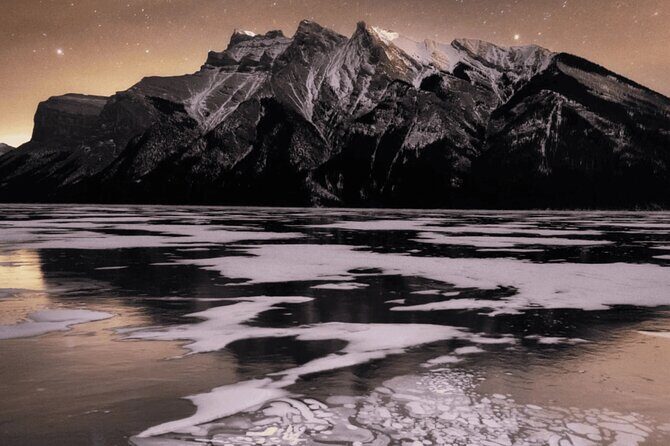
Bow Lake is another highlight on the Icefields Parkway corridor, and the timing here is about 20 minutes. That sounds brief, but it fits the reality of the Icefields route: you’re trading “long stays” for “more total scenery.”
In summer, Bow Lake’s vivid color comes from glacial meltwater connected to nearby ice fields and glaciers. In practical terms, that means this is a stop where the view can change day-to-day. Clouds, sun breaks, and wind can shift how bright the water looks and how crisp the mountains appear.
What you’re really collecting here is the all-in-one sightlines. The area offers views toward the Crowfoot Glacier, the Wapta Icefield, Bow Glacier, Crowfoot Mountain, and Mount Thompson. You don’t need to memorize the names to enjoy it—but knowing they’re part of what you’re looking at makes the moment feel more grounded.
The trade-off is obvious: 20 minutes means you’ll likely do the “one viewpoint, lots of photos” plan rather than a long wander. If you’re the type who likes to explore every nearby trail spur, you might wish for more time.
Lake Louise Village Lunch Stop: Plan Your Meal, Don’t Count on It
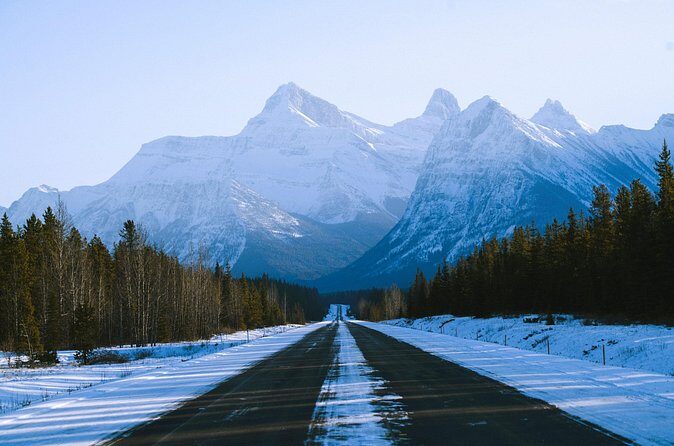
Lunch happens at Lake Louise Village, with about 45 minutes scheduled. Meals aren’t included, and you get the practical benefit of choice: convenience stores, cafés, and restaurants where you can pick something that fits your budget and appetite.
This is where I recommend being ready with a plan. Popular lunch spots can take time, and that can steal minutes from your table time. If you don’t want your schedule to tighten, pick a place that doesn’t require a long wait—or grab something simple and move.
In a day filled with frequent short stops, lunch becomes more than food. It’s your strategy to keep energy steady through Peyto, Bow Lake, and the late-day lakes. Bring water and consider a snack even if you plan to eat at the village.
Vermilion Lakes: Winter Chances for Aurora and Bubble-Ice Detail
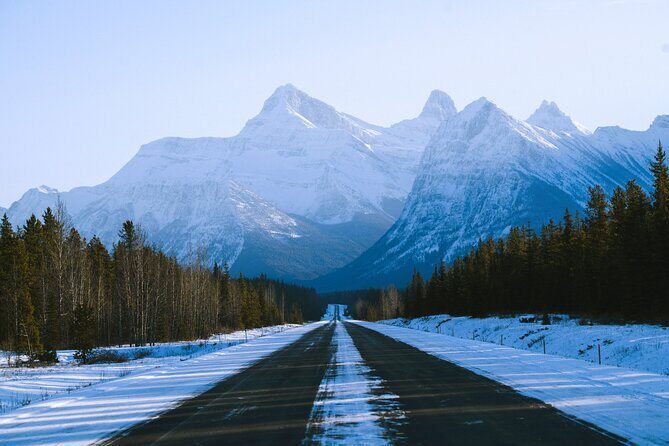
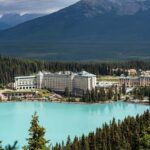
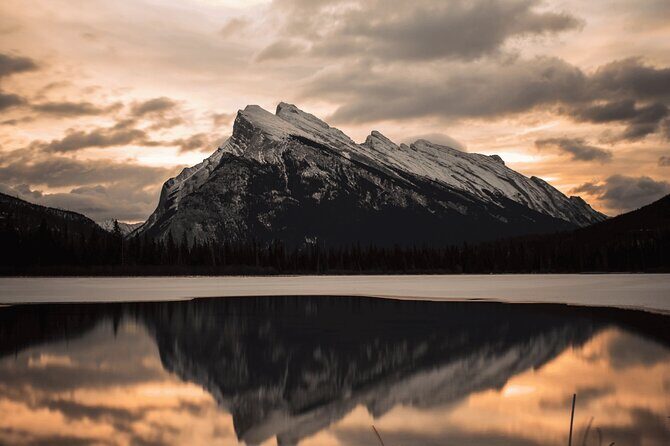
Vermilion Lakes is only about 15 minutes on the schedule, but it’s a stop with very different potential depending on the season.
In winter, this is one of the places where Northern Lights might appear if you’re lucky. Even without aurora, the frozen lake can show bubble layers in the ice—frozen methane bubbles formed when microbes consume dead organic matter on the lake bottom. That’s the kind of odd scientific detail you’d never get from a quick highway pull-off.
In summer, this stop is likely more about ice-free reflection and quick scenic viewing than about aurora. The point remains: it’s short, but it gives you a chance at a “only happens here” moment, especially in the colder months.
Reality check: you can’t control the sky. If conditions don’t cooperate, you still get a nice lakeside view. But if you’re booking with aurora hopes, go in expecting it’s a chance, not a guarantee.
Lake Minnewanka and Two Jack Lake: The Calm Payoff at Day’s End
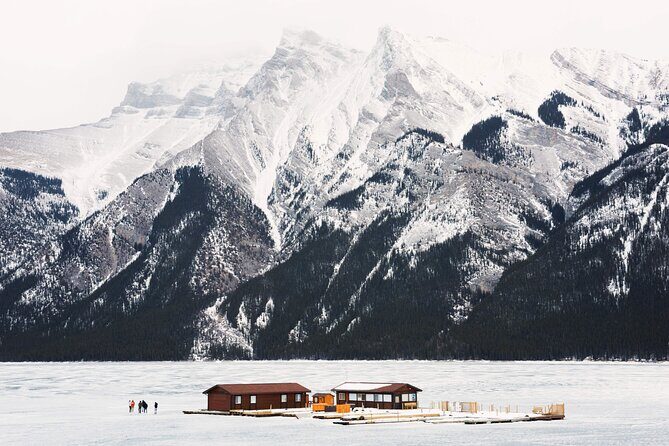
The day closes with two glacial-lake viewpoints: Lake Minnewanka first (about 30 minutes), then a quick scenic stop at Two Jack Lake (about 15 minutes). This is a smart way to end. After the high-drama Icefields scenery, you get quieter water and big mountain walls that feel more still.
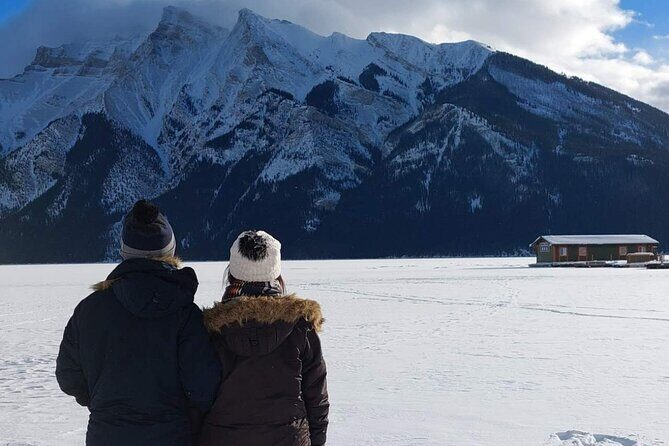
Lake Minnewanka is described as a serenity stop: a glacial lake surrounded by rugged peaks. That means you’ll likely see the classic Rocky Mountain look—clean lines, cool tones, and a sense that the day has slowed down.
Two Jack Lake follows as a final photo chance. It’s not the longest stop, but it’s usually enough for that last “one more shot” feeling before you head back.
Possible drawback: since time here is shorter at Two Jack, don’t treat it like a separate mini-hike. Treat it like a viewpoint window. If you want a longer stroll, you’ll need to plan your own time elsewhere in Banff during a multi-day visit.
Timing, Traffic, and Why Some Stops Feel Short
This is a classic “see a lot, move a lot” day. That can be a strength. You get variety—Peyto, Bow Lake, Lake Louise area, Vermilion Lakes, and Minnewanka—without needing to drive yourself for hours and hours.
But it comes with friction points:
- Road conditions and traffic can shift the schedule.
- Popular stops can get crowded, especially if there’s a line.
- If the morning runs late, the later stops can feel even tighter.
Some guests have also noted that lunch time and time at specific canyon-style locations can shrink when crowds and line-ups are heavy. I’d plan for the possibility that your ideal “wander and explore” plan becomes a “see the key view, take photos, get back on the bus” plan.
The fix is simple: pack like you’ll be moving quickly. Wear comfortable shoes, keep layers ready for weather swings, and keep your camera in reach so you’re not constantly digging when the bus stops.
Guides and Group Size: The Difference Between a Tour and a Trip
This tour runs with an English driver and guide, and it can include a bilingual element in practice. That matters because you might hear more than one language during the day. If your English listening comfort is very specific, this is something to consider.
Where the experience shines is with guide energy and how they handle the flow. Several guides are mentioned for being friendly, entertaining, and photo-helpful. Names like Bryce Aulin and Ahmed come up for keeping people engaged and offering practical guidance that makes the viewpoint stops land better.
The group size max is 50 travelers, which helps. You still have to wait your turn sometimes, but it’s not the worst kind of crowd where everyone piles into the same photo angle at the same time.
Also: transportation includes national park fees and park access. That’s part of the value because it removes decision fatigue. You don’t have to calculate what you need to pay before each stop.
What’s Included in the Price, and Where Extra Costs Sneak In
The price is listed at $89.37 per person. At that rate, the big value is not just the driving—it’s what you don’t have to plan for.
Included:
- Air-conditioned vehicle
- Driver and guide in English
- Tour guide and transportation, plus national park fees (as described in the highlights)
Not included:
- Meals and any personal expenses
- Tips (appreciated)
- Any additional expenses if something is forced by circumstances outside the operator’s control
Where extra spending can happen in the real world: if you choose add-ons at optional attractions in the Banff area, you’ll pay those separately. Meals are also on you, including lunch at Lake Louise Village. For many people, that’s manageable. Still, if you’re trying to keep your budget tight, it’s smart to set aside spending money for lunch and any optional paid activities.
Is $89.37 Good Value for This Icefields Day?
I think it’s a fair value if you want a guided hits-of-everything day and you don’t want to drive. The route covers multiple famous areas that would be stressful to string together without a car—especially if you’re balancing parking, timing, and road conditions.
It’s less ideal if you’re the type who likes long stops. Because many viewpoints are timed tightly—Peyto at 30 minutes, Bow Lake at 20 minutes, Vermilion Lakes at 15 minutes, Two Jack at 15 minutes—you’re doing photo windows more than you’re doing slow wandering.
A helpful mindset: buy the tour for variety and guidance, then accept that you’re sampling rather than fully exploring. If that fits your style, $89.37 can feel like a bargain. If you want deep time at fewer places, you’ll likely get better value by planning a multi-day trip instead.
Who This Tour Fits Best (And Who Might Want Another Plan)
This day trip is a strong match if:
- It’s your first time in Banff and you want the big-name Rockies sights
- You’d rather sit back than drive the Icefields Parkway yourself
- You enjoy quick viewpoint stops and want a guided rhythm
It may feel less perfect if:
- You want long hikes and lots of time on trails
- You’re sensitive to timing changes from traffic or lines
- You prefer very strict language consistency throughout the day
If you’re traveling with kids, the short stop structure can work well because there’s less “one long waiting period.” Just remember that some canyon areas can involve walking on uneven ground, and that’s not spelled out in the schedule you receive.
Should You Book This Banff–Icefields Day Trip?
Book it if you want a guided sampler that hits Peyto Lake, Bow Lake, Lake Minnewanka, and Two Jack Lake in a single day, without the hassle of driving and parking. With national park fees included and an air-conditioned vehicle, it’s designed for convenience and efficiency.
Consider a different plan if your vacation style is slow and you hate rushed photo windows. The route is tight by design, and a few late minutes can make later stops feel even shorter.
If you do book, I’d go in with a simple strategy: dress in layers, keep your camera ready, and decide in advance that you’re there for the viewpoint moments—not for long trail time.
FAQ
How much is the tour?
It’s priced at $89.37 per person.
How long is the experience?
The duration is about 7 to 10 hours.
Where can I get picked up?
You can choose pickup from Calgary, Canmore, or Banff.
What stops are included?
The tour includes Banff National Park, Peyto Lake, Bow Lake, a lunch stop in Lake Louise Village, Vermilion Lakes, Lake Minnewanka, and a quick scenic stop at Two Jack Lake, with a drop-off back at Banff Avenue.
Is lunch included?
No. Lunch at Lake Louise Village is not included, but you’ll have access to shops, cafés, and restaurants to choose from.
What’s included in the price?
The tour includes an air-conditioned vehicle and an English-speaking driver and guide, plus transportation and national park fees (as described in the tour highlights).
Are meals and personal expenses included?
No. Meals and all personal expenses are not included.
What languages is the tour offered in?
The tour is offered in English, with an English driver and guide.
What’s the group size limit?
The tour has a maximum of 50 travelers.
Is free cancellation available?
Yes. You can cancel up to 24 hours in advance for a full refund.
What happens if weather is poor?
This experience requires good weather. If it’s canceled due to poor weather, you’ll be offered a different date or a full refund.